Service Safaris

Your constantly-updated definition of Service Safaris and collection of videos and articles.
Be a conversation starter: Share this page and inspire others!

394 Shares

What are Service Safaris?

Service safaris are an early qualitative research method where researchers walk in the customers' shoes to experience a service from the customers’ perspective. By experiencing the service directly, they can find strengths, weaknesses and more as they build empathy with customers early in the design process.

Frank Spillers, CEO of Experience Dynamics, provides an overview of service safaris:

Transcript

“To acquire knowledge, one must study; but to acquire wisdom, one must observe.” 

— Marilyn vos Savant, Magazine columnist, author, lecturer, playwright and Guinness-Book-of-Records holder of the highest-recorded IQ 

In service design, designers optimize end-to-end experiences. They focus on user needs, touchpoints and seamless integration across the entire service. For example, when a customer takes the train, they encounter many service components. Some examples of components include:

  • They use an app to buy their train tickets.

  • They enter the station and look for directions to the ticket machines.

  • They use the ticket machine to collect their tickets.

  • They ask a customer service representative for information.

  • They look at the departure board for updated travel information.

  • They use their ticket to pass through the entry barriers.

  • They board the train and use the signs to find their seats.
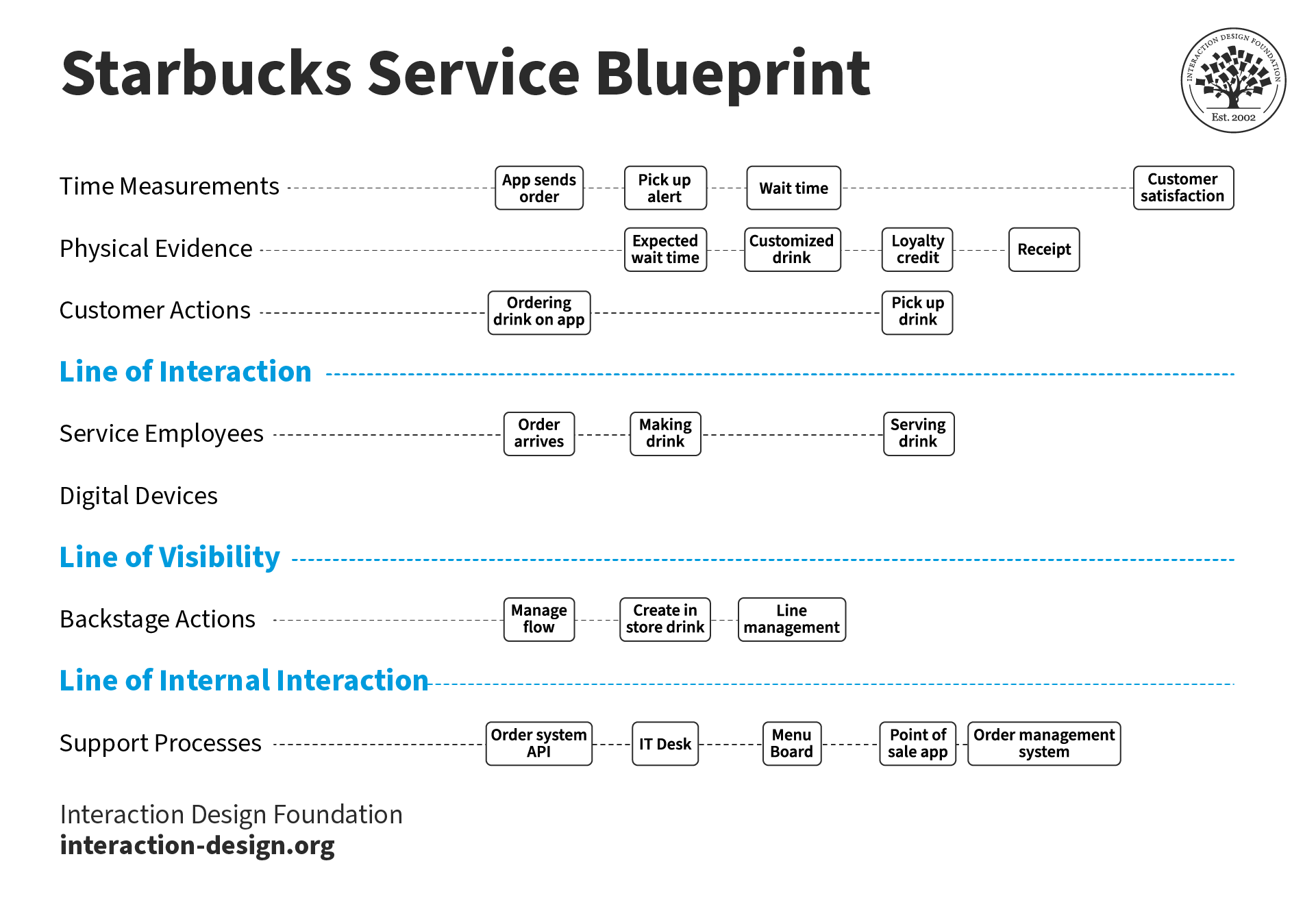
A service blueprint for Starbucks coffee shop. There are three lines: the line of interaction, of visibility and of internal interaction. Different elements of the Starbucks service are placed above and below these lines.

© Interaction Design Foundation, CC BY-SA 4.0

On a service safari, researchers perceive and interact with individual components and the service as a whole. Service safaris help researchers:

  • See, hear and feel the service's experience as a consumer, not a researcher.

  • Learn how a service works from the customer's perspective.

  • Review the service as a whole, not by individual components.

For example, in 2022 and 2023, Airbnb CEO Brian Chesky traveled across the US to stay in Airbnb rentals. He also made a room in his home available on Airbnb. Chesky discovered issues with the experience of being an Airbnb customer and a host. He used these insights to improve Airbnb’s service design.

How Do Service Safaris Improve Service Design?

Service safaris benefit service design in three primary ways:

  • They provide direct insight into how a service works and the customer experience. For example, a design team creates a café-oriented service involving an app. A “field trip” to Starbucks could offer a robust view of the many aspects of a well-branded coffee shop customer experience.
     
    Findings from safaris can directly inform design decisions. However, researchers must back up findings with actual user research.

  • They inform future research. Real-world insights help create hypotheses, guide user interviews and shape survey questions. Safaris turn observations into actionable research questions. These questions can further deepen researchers’ understanding of user needs and behaviors.

  • They build empathy within the design team. Researchers empathize with customers by experiencing the service as they do. This firsthand experience is invaluable for designing more intuitive and user-friendly services.

Direct Insights

When researchers venture out to get a first-hand experience as a customer, they can:

  • Observe real-world interactions. Researchers directly observe how customers interact with a service in their natural environment. Observations help identify pain points, moments of delight and areas for improvement. These observations might not be evident through other research methods.

  • Identify touchpoints. Researchers document every touchpoint where customers engage with the service. They note digital and physical interactions. Researchers must understand these touchpoints to map out the customer journey accurately.

  • Gather qualitative insights. Researchers collect qualitative data on their feelings, frustrations and satisfaction. This data deepens their understanding of the customer's emotional journey.

  • Analyze service flows. Researchers identify any inefficient processes or disconnects that could hinder the customer experience.

  • Influence management decisions. Researchers can present stakeholders with their findings to better convince them of the need for service design.

Future Research

Service safaris help form the basis of future user and ethnographic research. Safaris help researchers identify key customer behaviors and contexts. For example, insights from a service safari in a retail environment might highlight the following:

  • How consumers navigate the physical space.

  • The role of digital tools in their shopping experience.

  • Moments that lead customers to purchase decisions.

These observations can guide researchers to focus on specific behaviors, interactions or environmental factors.

Service safaris can uncover unspoken needs and pain points. For example, customers may repeatedly ask staff for directions in a supermarket. A positive experience with support staff may cause customers to overlook this as a pain point and not mention it in an interview or survey. This insight can inform the need for better signage in the supermarket.

Ann Blandford, professor of human-computer interaction (HCI), explains how user interviews help researchers discover the “why” but not the “how”:

Transcript

Insights inform the recruitment of participants for ethnographic research. Service safaris can identify the most relevant user groups for a study, which allows researchers to get the most out of their research.

Observations can directly inform the development of research questions. For instance, a service safari in public transportation reveals challenges with buying tickets. Future research might explore the context and specificities of this challenge with customers.

When to Conduct Service Safaris?

Researchers conduct service safaris during the empathize stage of the design thinking process. Since safaris can form the basis of future research and help gain an overview of service, they are often the first method researchers use. They can be insightful and inspirational as researchers can research their own or other services.
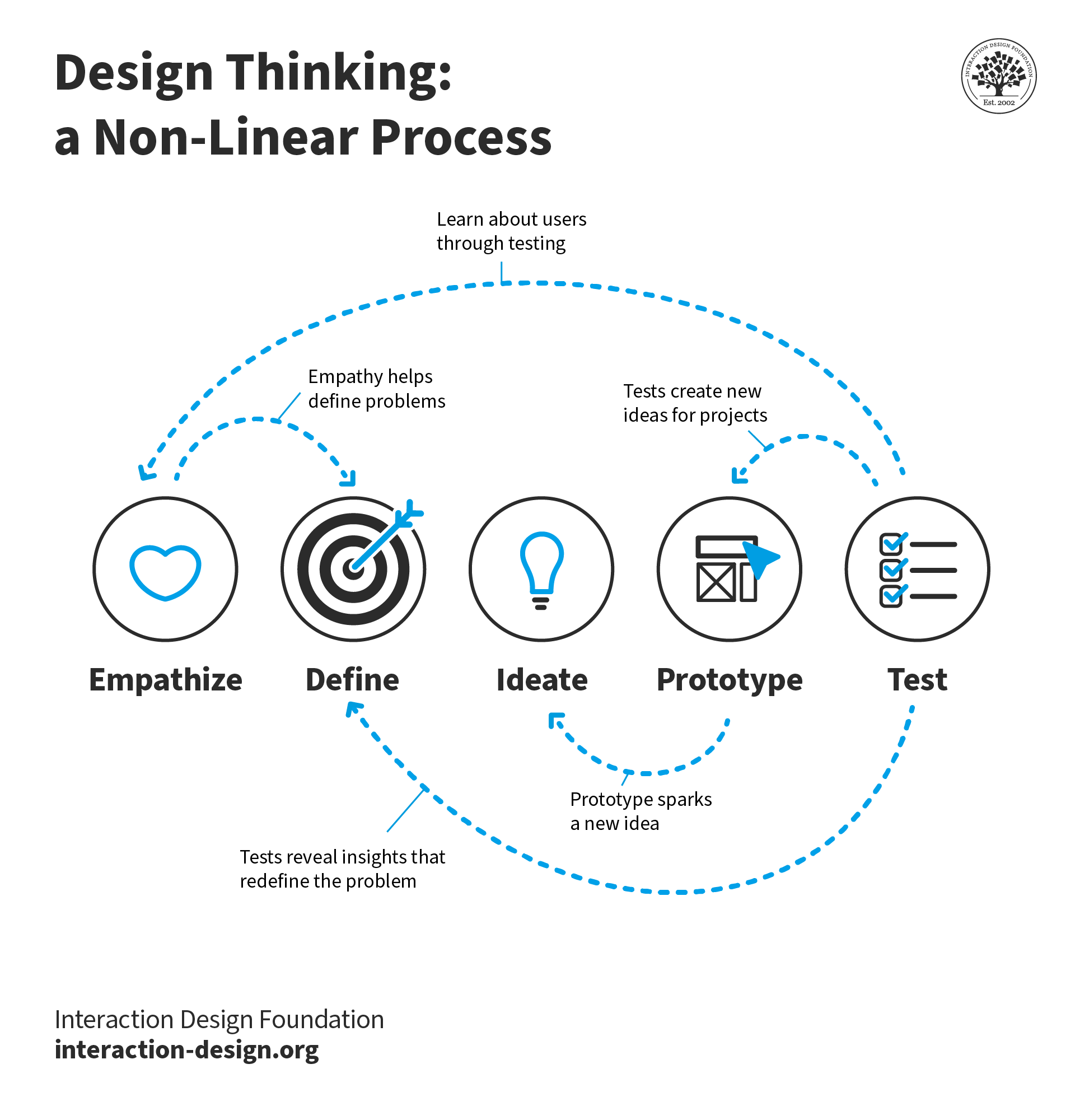
The design thinking process including empathize, define, ideate, prototype and test. Dotted arrows connected each of these stages to show how the process is non-linear.

In the design thinking process, empathy helps define problems. This empathy fuels the entire design process and feeds into each stage. Early research methods like service safaris build empathy in a design team and are critical to user-centered design.

© Interaction Design Foundation, CC BY-SA 4.0

Some example scenarios in which a researcher might conduct a service safari include:

  • To begin the research process and map a previously unmapped service.

  • To research competitors or services from other industries to gain insights and inspiration.

  • To redesign or assess a specific aspect of a service.

  • To gather information that can convince stakeholders of the benefits of service design.

How To Conduct a Service Safari

Researchers conduct service safaris for both physical and digital services. For example, a digital service safari could follow the process of purchasing an item from an e-commerce website. Everything from a marketing email to delivery and contacting customer service should be part of the safari.

Required Resources

Safaris can be inexpensive and flexible. 

  • For example, coffee shop and public transport safaris need little investment. Researchers can be reimbursed if they work for or with the service they are researching.

  • For some services, safaris are easy to set up and run. Researchers can conduct safaris as and when needed. Straightforward safari examples include coffee shops or digital-only safaris.

  • Recruiting users is unnecessary. Researchers and team members conduct the safari themselves.

  • Multiple team members and stakeholders can conduct service safaris for diverse insights.

Conversely, safaris can also be resource intensive:

  • High-cost services need more investment. Especially if the researcher is investigating rival or comparative services.

  • Some safaris are time-intensive—for example, a long-haul flight or a service in a remote location.

Researchers may need funding and permission from management regardless of the resources needed. Case studies and stories of successful safaris can be helpful for researchers who want to influence stakeholders.

Prepare for Your Service Safari

Once researchers have the funding and permission they need, they use the following process:

  1. Set a goal or task a typical customer might have. In the coffee shop example, this might be to place an order in the app and pick it up at the shop.

  1. Choose where to start the safari. While it may seem obvious where the safari will take place (e.g., a coffee shop), service design encompasses every service component.
     
    For example, when evaluating a coffee shop, the safari may begin with finding and accessing the shop. How well is its location advertised? Is its signage clear? Is it accessible to all customers?

  1. Decide who should go. Multiple team members and stakeholders should conduct a service safari wherever possible. With several perspectives, researchers can better understand a typical experience. This approach improves empathy with and understanding of the service’s customers.
     
    However, each person must go alone. Researchers find it more challenging in a group to focus and put themselves in the customer's shoes. Group safaris can also result in groupthink, where the group’s identity overshadows individual opinions.

  1. Decide what to bring. Researchers may take a smartphone or camera to take pictures and videos and a notebook to record observations. Items a customer would typically have are also essential.
     
    For example, researchers may take an umbrella if the service safari occurs in a restaurant and it’s raining. Researchers observe small details, like where customers can put their wet umbrellas.

  1. Conduct the safari. Once you’ve planned your safari, the next step is to execute it. During the safari, pay close attention to the following (you can take pictures, videos and voice and written notes):

    1. The service touchpoints and how they fit together. How do you interact with the service, and are there any problems? Do you notice any disconnects between parts of the service?

    2. The service environment and any physical artifacts the service involves. e.g., coffee cups and seating.

    3. Which digital interfaces do you use while you’re on safari?

    4. Anytime you feel frustrated or confused by the service.

    5. Crucial thoughts or feelings about the experience.

  1. Talk to customers. You can gain further insights by talking to people. You can converse with other customers if it feels appropriate in the service environment. Conversations can give you an informal impression of their experience with the service.
     
    Ann Blandford advises how to approach questioning users and customers:
     

    Transcript

Tips and best practices

Service safaris may seem simple; however, researchers follow these best practices to get the best results:

  • Use empathy maps. Researchers often chart their observations on an empathy map, which can be helpful in later research and ideation. Empathy maps visually represent the researcher’s thoughts, feelings and actions. If you also spoke with other customers, you can include their thoughts, feelings and actions.
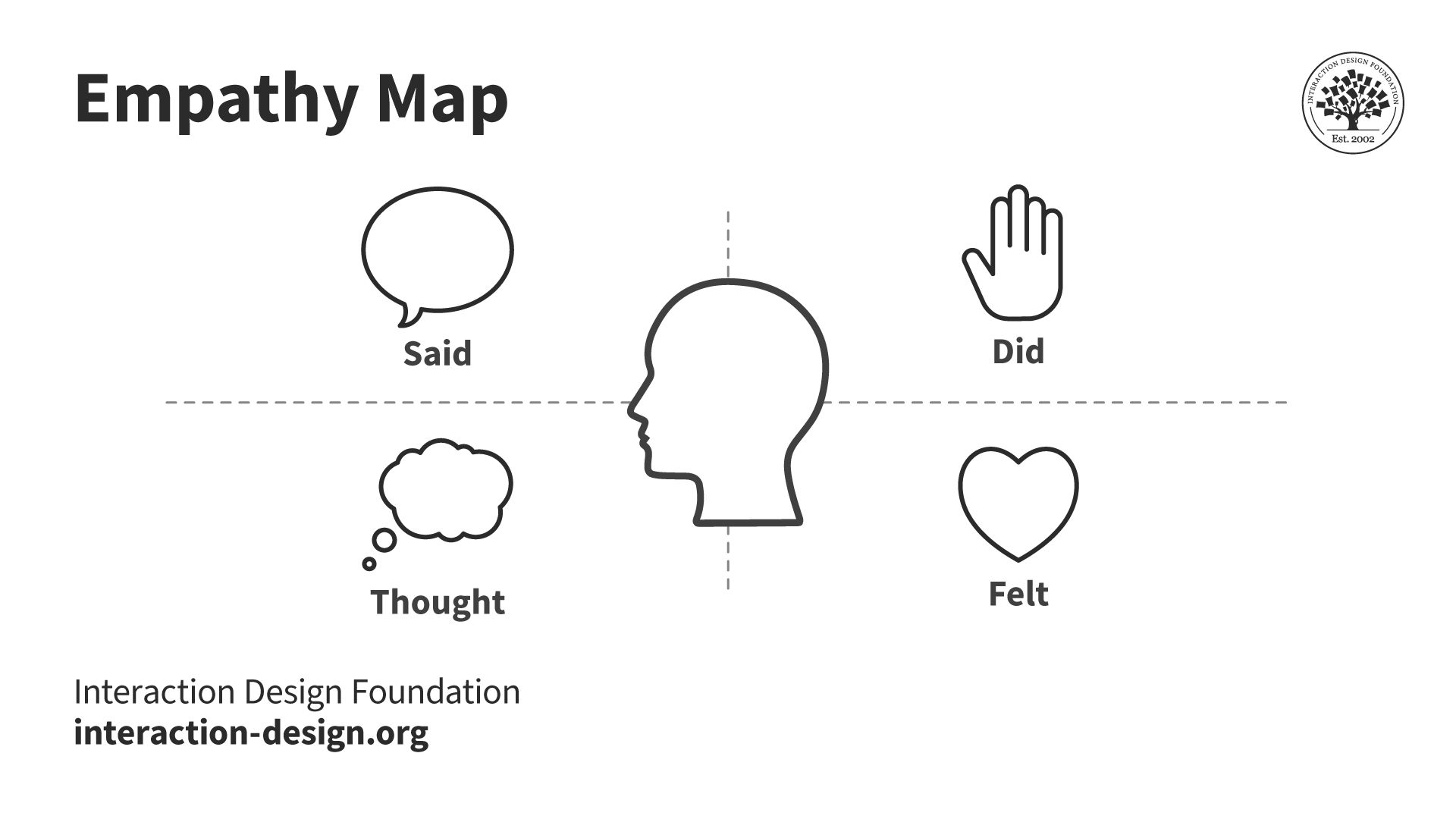
    An empathy map template. It is a two by two grid with the user at the centre. Clockwise, the grid squares contain the words said, did, felt and thought.

    Design teams use empathy maps to inform further research, brainstorming and design decisions. Teams refer to the maps throughout the design process to stay empathetic and focus on the user.

    © Interaction Design Foundation, CC BY-SA 4.0

  • Get comfortable with role play and prepare fictitious scenarios. Some service safaris involve everyday tasks, like buying a coffee. However, others, like applying for a loan at a bank, do not.
     
    Researchers must often role-play for a more accurate customer experience during service safaris. Prepare scenarios and backstories to ensure the service reacts to you as if you were a customer.

  • Immersion is key. Embody the customer or user as far as possible. Limit distractions and think deeply about the circumstances in which a customer would use the service.

  • Be aware of biases, and don’t draw quick conclusions. Personal biases and mental models affect how humans perceive and interact with services. Try to keep an open mind on safari and do not assume all customers experience a service the same way you do.
     
    Alan Dix, HCI expert and professor, provides some tips on how to avoid personal biases:
     

    Transcript

  • Use observations to inform future research. A service safari is a foundation for ethnographic research, not a replacement. Safaris reveal issues that inform later research questions. If a service safari is the only research used, it will be biased and unreliable.

  • Keep an open and critical mind. An open mind is essential for stakeholders conducting service safaris of their services. Remain impartial and expect to find issues and disconnects.

  • Run a trial safari. A practice run can help prepare for the actual safari. A trial benefits those who’ve never done a service safari before. Trials can reveal the need for deeper role-play and better observation recording, among other pitfalls. This process will improve the outcomes of the actual safari.

  • Ensure privacy and consent. Service design often involves audio and video recordings. Ensure you get permission from the people you record (e.g., other customers standing in line). Secret audio or video recording violates privacy.

Service Safari Pitfalls

While service safaris are beneficial to service design, they do have some common challenges:

  • Familiarity with the service. It can be challenging for some team members and stakeholders to get into the customer’s mindset as they can anticipate what’s next. For example, a team member may be familiar with a train ticket machine and overlook its lack of user-friendliness because of expert knowledge. To combat this, take advantage of other team members' and customers' lack of experience and knowledge.

  • Bias and subjectivity. Service safaris involve personal observation and experience. While you can use techniques to limit bias, it is impossible to be completely objective. For this reason, it is vital you conduct further and deeper research with real customers.

  • Potential disruption. It is difficult for researchers to pretend to be a customer in some settings. For example, a researcher cannot entirely embody a patient in healthcare.
     
    Overtly observing or participating in the service as a “fake” customer can disrupt the normal service flow. Disruption can lead to less authentic observations.

Service Safari Deliverables

Service safaris provide insights that can contribute directly or indirectly (through future research) to several service design deliverables. These deliverables assist the design team throughout the service design process. They help the team build and retain empathy, make strategic decisions and maintain a holistic view of the whole service.

Customer journey maps visually represent a user's interactions with a product or service over time. Service safari insights can help researchers identify critical points within the user journey. However, researchers should create user journey maps with insights from real users, not only stakeholders. This detailed understanding allows researchers to pinpoint areas for improvement and innovation accurately.

Frank Spillers explains how journey maps fit into the service design process and how to approach them:

Transcript

Personas are fictional characters researchers create based on research. They represent users who might use a product or service and help design teams remember who they are designing for. As with journey maps, service safaris should not solely inform personas. A holistic user research approach informs accurate and relatable personas.
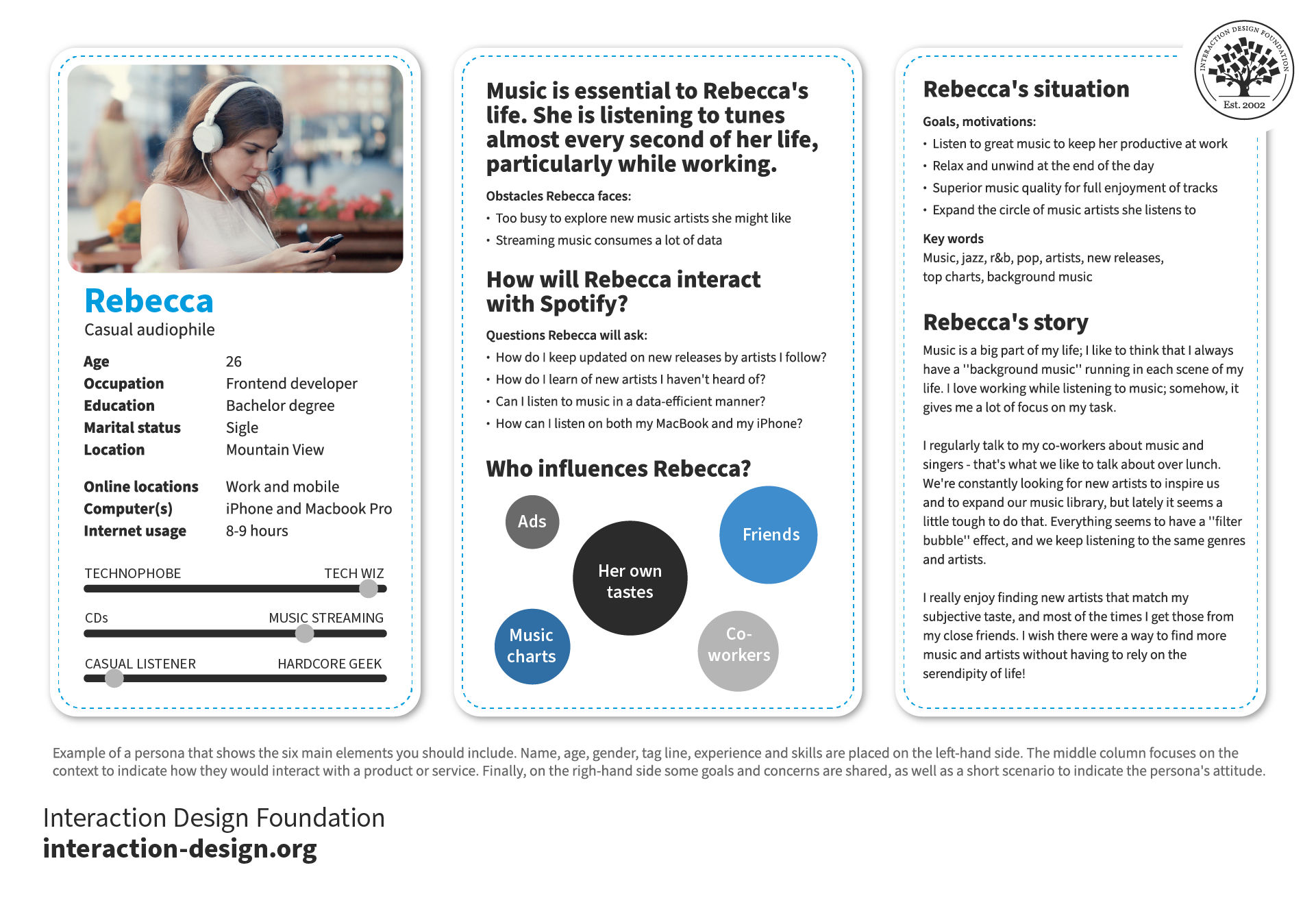
A persona called Rebecca for Spotify. Rebecca is an audiophile. The persona contains Rebecca's basic information, when she listens to music, how she interacts with Spotify, her influences, her situation and her story.

© Interaction Design Foundation, CC BY-SA 4.0

Service blueprints chart the entire service process. Blueprints include “frontstage” and “backstage” components of a service. Blueprints also include “moments,” for example, when customers browse a menu or wait for their order.

As with journey maps, safaris can inform design teams when they create their service blueprints. While safaris focus on the customer’s point of view, researchers may observe other service components. They can include these observations in their service blueprints.

David Bill, service researcher at Amazon Web Services, explains the difference between “frontstage” and “backstage” in service design:

Transcript

Questions About Service Safaris?
We've Got Answers!

Can you conduct service safaris remotely, and what adaptations are necessary?

Researchers conduct service safaris remotely for digital-only services. For example, a researcher may take the following steps on an e-commerce service safari:

  1. Click through from an advert on social media.

  2. Sign up for the mailing list.

  3. Read and review the emails they receive.

  4. Click on a promotional email to purchase an item.

  1. Review the website for purchasing information.

  2. Contact customer service for extra information.

  3. Purchase the product.

  4. Review the order and delivery information emails.

  1. Receive the order.

  2. Experience the packaging, information provided and finally, the product.

  3. Interact with after-sales support (help pages, customer support, etc.)

Researchers may conduct multiple safaris since digital services include many potential customer journeys.

Researchers must also consider the following adaptations for remote service safaris:

  • Note taking. Screenshots and screen recordings replace or accompany photos and videos.

  • Customer environment. Consider different situations in which customers use the service. Examples include at home, while commuting, on mobile, on desktop, etc.

  • Customer interaction. Forums and chatrooms can replace in-person interactions to get customer perspectives.

What role does photography or videography play in a service safari?

Photography and videography are crucial in service safaris because they capture what happens in real time. Photos and videos help researchers:

  • Capture interactions with the environment, including subtle moments that might go unnoticed.

  • Gain a comprehensive view of the entire service journey.

  • Spot problems, chances for new ideas and areas that need better solutions.

  • Create empathy for the whole design team, even those who weren't there in person.

  • Serve as references for creating customer journey maps and facilitating future ideation.

Researchers do not need to be expert photographers and videographers to capture valuable information. Similarly, professional equipment is not required. Most smartphone cameras or consumer equipment are enough for service safaris.

Ann Blandford, professor of human-computer interaction, covers the pros and cons of different research collection methods in this video:

Transcript

Are there specific methods for noting down interactions and touchpoints during the safari?

Researchers use these methods to note their interactions and observations during service safaris:

  • Observational notes. Researchers keep written notes, either with digital devices or pen and paper. Notes should be understandable yet brief. This approach ensures you do not interrupt the immersion required in a service safari.

  • Photography and videography. Researchers use photos and videos to capture moments and details that are hard to express in words. These visuals can show the setting and interactions, providing a detailed context for analysis.

  • Audio recordings. Researchers record conversations and background sounds. These recordings offer insights into the service atmosphere and customer feedback. They are also helpful for accurately quoting users later on.

  • Sketches and diagrams. Researchers sketch the layout of service areas, user paths and interaction points. These drawings help illustrate the arrangement and relationships within service experiences.

  • Sticky notes and flashcards. Researchers use these to easily document thoughts, observations and insights. They are handy for sorting and prioritizing touchpoints and interactions during analysis.

Each method offers a different perspective on the service experience. Often, researchers combine these techniques to provide a complete view of the service safari. Remember, you must have permission from anyone you record or photograph.

Mike Rohde, researcher, teacher and illustrator, explains sketchnotes and how they can be useful to researchers:

Transcript

Learn more from Mike in his Master Class, How to Become a Visual Thinker With Sketchnoting.

What is the most effective way to present findings from a service safari to stakeholders?

Researchers use a clear and structured method to share findings from a service safari effectively. An example process is:

  • Summary. Begin with a short overview. Highlight the main findings and their possible effects on the service design. Summaries let stakeholders quickly understand the research's core.

  • User journey maps. Show the user's journey with maps. These maps should cover interactions, key points, challenges and joyous moments. Develop these maps as you conduct further research with real customers. Maps make it easier to communicate user flow problems and areas for improvement.

  • Storytelling with visuals. Use photos and videos from your safari to share engaging stories about interactions and service settings. This method helps stakeholders feel more connected to what you found.

  • Data and insights. Support your findings with data where possible. Use quotes, numbers and analysis from the safari or other research to support the need for improvement.

  • Recommendations. State clear, actionable suggestions for innovation. Rank these by impact and how easy they are to implement.

  • Interactive session. Run a session where stakeholders can directly interact with your findings. For example, include a role-play session of certain service elements to show their positives and negatives.

  • Q&A time. Set aside time for questions and discussions. Q&As encourage stakeholders to get involved and offer a chance to gain insights and different viewpoints.

Storytelling plays an important role in effective communication. Learn from Ellen Lupton, writer, researcher, curator and educator, the role of paths and journeys in storytelling:

Transcript

Learn more from Ellen in her Master Class, Storytelling Through Visual Design: A Practical Guide.

How can researchers learn from unsuccessful service safaris?

Unsuccessful service safaris are valuable learning experiences. Researchers use them to refine research processes and improve future design outcomes. Researchers learn from unsuccessful safaris in the following ways:

  • Reflect on objectives and outcomes. Begin by comparing the safari's objectives against the outcomes. Identify where they separated to reveal differences to your expectations.

  • Analyze the methodology. Review the research methodology to identify any weaknesses or biases that may have influenced the results. Consider whether different methods or tools might have yielded more insightful data.

  • Review data collection tools. Examine the effectiveness of the data collection tools and techniques used. Inadequate tools can hinder the capture of relevant data, pointing to areas for improvement.

  • Consider external factors. Reflect on external factors that could have affected the safari, like timing or unforeseen events. Understanding these influences can help plan more resilient future safaris.

  • Solicit feedback. Gather feedback from team members to gain diverse perspectives on what didn’t work and why. This feedback is crucial to identify blind spots and areas for growth.

  • Document lessons learned. Compile the insights gained from this reflection into a lessons-learned document. Use this document to refine future service safaris and avoid similar pitfalls.

  • Share findings with the team. Share the lessons learned with your team and stakeholders. Discuss what went wrong and how to improve to create a culture of continuous learning and improvement.

  • Plan for flexibility. Recognize the importance of flexibility in research design. Incorporate contingency plans and be open to adapting the approach mid-safari to mitigate risks of failure.

  • Stay curious and resilient. Embrace a mindset of curiosity and resilience. Failures are stepping stones toward more effective and impactful design research.

Don Norman, emeritus professor of psychology, cognitive science and computer science, explains the importance of failure:

Copyright
Transcript

How can you adapt service safaris for different industries or services?

Researchers tailor the research focus, methodologies and participant engagement strategies for different industries. They do this in the following ways:

  • Customize research objectives. Define clear, industry-specific objectives. What works for a retail service safari might differ for a healthcare safari. For example, retail focuses on customer engagement and space layout. Healthcare prioritizes patient care and privacy.

  • Select relevant touchpoints. Identify industry-specific touchpoints and interactions critical to the service experience. For instance, digital interaction points in banking may be more relevant than in hospitality. In hospitality, personal service touchpoints are more important.

  • Adapt data collection methods. Use data collection methods suited to the context and goals of the industry. For example, indirect observation might be more appropriate than direct observation. Adaptability is critical in highly confidential environments like healthcare or legal services.

  • Incorporate expert insights. Researchers can involve industry experts or insiders in the safari. Experts help researchers understand the service context more profoundly.

  • Tailor reporting and analysis. Customize the analysis and reporting of findings to address the industry's strategic priorities. Highlight critical insights that can lead to competitive advantages.

  • Focus on sector-specific outcomes. Aim for outcomes that resonate with the industry's specific goals. Outcomes could be to streamline operations, enhance accessibility, or innovate service delivery.

  • Iterate and innovate. Be open to iterating the safari approach based on feedback and findings. Iteration allows for adaptations that could lead to better discoveries and deeper knowledge.

Researchers create or learn from business model canvases in new services or industries. Frank Spillers explains what business model canvases are and how to create them:

Transcript

How does a service safari differ from other UX/UI design research methods?

Service safaris stand out from other UX/UI design research methods because of their immersive, observational nature. This approach gives researchers deep insights into user interactions and service delivery processes. Key aspects that differentiate service safaris include:

  • Immersive observation. Methods like surveys and interviews rely on self-reported data. Conversely, service safaris allow researchers to witness firsthand how customers interact with services. Safaris capture nuances and behaviors other methods might not reveal.

  • Real-world context. Researchers conduct service safaris in the actual locations where services are delivered. This approach offers an unfiltered view of user experiences and environmental influences. Compare this to a method like usability testing. Usability testing often occurs in controlled environments and may not fully capture the use context.

  • Holistic service perspective. Service safaris give researchers a holistic view of the service ecosystem. This view includes touchpoints, interactions and the service environment. A broad perspective is essential for understanding complex service experiences. Meanwhile, methods like task analysis only focus on specific elements.

  • Empathy building. Researchers develop a more profound empathy for users as they engage directly with the service environment. This immersive experience can inspire innovative solutions grounded in real user needs. This approach contrasts with data-driven methods that might overlook a design's emotional aspects.

Service safaris can enhance the design process when combined with other research approaches. This comprehensive approach leads to more user-centered and effective service designs. Kendra Shimmell, vice president of design at Remitly, explains the importance of combining user and industry research in service design:

Transcript

What types of observations are most valuable during a service safari?

Researchers value observations that capture the entire customer experience and service delivery. Types of observations that are particularly insightful include:

  • User behaviors. Note both your actions and those of other customers. Pay attention to habits, routines and any workarounds users develop to cope with service shortcomings.

  • Emotional responses. Search for emotional cues that show satisfaction, frustration, confusion, or delight. Emotional responses can reveal unmet needs and areas for emotional engagement within the service.

  • Service touchpoints. Identify and assess all points of interaction between the customer and the service. Touchpoints include digital interfaces, physical spaces and human interactions. Understand these touchpoints to help pinpoint areas for improvement.

  • Pain points. Identify any difficulties or obstacles, including access barriers and usability issues you face. These insights are beneficial for future research.

  • Moments of delight. Record instances where the service exceeds customer expectations or provides pleasant surprises. These moments present opportunities to build upon.

  • User interactions. Pay attention to how customers interact with each other within the service context. Social dynamics can offer insights into user needs, behaviors and the service’s role in facilitating community.

  • Operational efficiencies. Note the effectiveness of the service’s operations. Observations include workflow, speed and quality of service delivery.

  • Comparative observations. If applicable, compare different service settings and times of day. This approach helps identify variability in the service experience. These comparisons can uncover opportunities for customization or targeted improvements.

  • Innovative uses. Look out for innovative or unintended ways users engage with the service. These observations can inspire new features or services.

Collectively, these observations provide a comprehensive view of the service experience. They highlight both strengths and areas for improvement. Document and analyze these insights to drive significant enhancements in service design.

How can you measure the effectiveness of a service safari?

To measure the effectiveness of a service safari, researchers evaluate the quality and impact of the insights gathered. Key ways researchers assess a safari’s effectiveness include:

  • Insight quality. Evaluate the depth, relevance and novelty of the insights obtained. When researchers conduct effective safaris, they uncover actionable insights. Insights reveal underlying user needs, pain points and opportunities for innovation.

  • Coverage of objectives. Measure how well the safari met its predefined objectives. Check if the safari sufficiently covered the service and customer experience and filled all knowledge gaps.

  • Follow-up research engagement. Check how well the safari has revealed new paths for research or found new questions to explore. An effective safari allows researchers to uncover questions and opportunities for deeper investigation.

  • Stakeholder feedback. Researchers gather feedback from stakeholders on how they presented the findings. Positive feedback indicates effectiveness, particularly about the insights' usefulness and presentation clarity.

  • Implementation rate. Track the number of insights translated into design improvements or strategic decisions. A high implementation rate shows researchers provided findings that were actionable and valued.

  • Impact on the design process. Evaluate how the safari influences the design process. Observe new team perspectives, empathy levels and new design practices or methodologies.

Design teams should evaluate these aspects step by step. This process helps them check how well their service safaris work and continue the improvement of their research methods.

One of the most important outcomes of a service safari is increased empathy with the customer. Learn how empathy affects good and bad design in this video:

Transcript

Earn a Gift Earn a Gift, Answer a Short Quiz!

1
2
3
4
1
2
3
4
Question 1
Question 2
Question 3
Get Your Gift
Interaction Design Foundation logo

Question 1

What is the main objective of a service safari in design research?

1 point towards your gift

  • To analyze the manufacturing process of similar products
  • To evaluate a competitor's financial performance
  • To gain firsthand insights into user experience through immersion
Interaction Design Foundation logo

Question 2

Which aspect of service safaris helps designers identify opportunities for service improvement?

1 point towards your gift

  • A benchmark against unrelated industries
  • Internal knowledge about competitors
  • The experience of existing pain points and observations of unmet needs
Interaction Design Foundation logo

Question 3

How do service safaris help designers gain a competitive edge?

1 point towards your gift

  • They provide insights into the strengths and weaknesses of competing services.
  • They reveal internal strategies for business growth.
  • They standardize product manufacturing for efficiency.

Learn More About Service Safaris

Make learning as easy as watching Netflix: Learn more about Service Safaris by taking the online IxDF Course Service Design: How to Design Integrated Service Experiences.

Why? Because design skills make you valuable. In any job. Any industry.

In This Course, You'll

  • Get excited when you learn how to turn everyday services into seamless experiences people love. Service Design helps you make life better for others and more fulfilling for yourself by applying timeless human-centered design skills to everyday services. Whether you help people book a flight, order takeout, or use government services, every interaction matters. Service Design is valuable to everyone, in all jobs and industries, because every role involves creating, improving, or interacting with services in some way. As automation and AI take over more of the technical execution, you stay in demand when you can understand the full service from the human side and decide where improvements actually matter. Whether you're designing customer experiences, improving internal workflows, or streamlining processes, you'll create smoother, more efficient, and more people-friendly interactions. You'll learn the Service Design secrets used by brands like Amazon, Disney, and Southwest Airlines.

  • Make yourself invaluable as the go-to expert in a field where 1 in 3 leaders admit they're in the dark. With 82% of people happy to pay more for great service, this is your chance to stand out and bring in those profits left on the table. With Service Design skills, you'll improve the customer experience, optimize workflows, and save time and resources. Your efforts will pay off in increased revenue, customer loyalty, and recognition—a win for your users, your company, and your career. Why? Because people love smooth, thoughtful service—and so do businesses. You'll create more love, more impact, and the kind of salary that reflects your value. With step-by-step guidance and real-world case studies, you'll apply your skills right away.

  • Gain confidence and credibility as you build a research foundation with journey mapping, role-based personas, and service safaris. You'll work with lifecycle maps, ecosystem maps, and service blueprints as you prototype. You'll master the Business Model Canvas and learn how to connect service design decisions to business goals and strategy. With over 30 downloadable templates, you'll easily apply what you've learned to your own work. Showcase your ability to lead and collaborate on Service Design initiatives with an optional portfolio-ready project.

It's Easy to Fast-Track Your Career with the World's Best Experts

Master complex skills effortlessly with proven best practices and toolkits directly from the world's top design experts. Meet your experts for this course:

  • Frank Spillers: Service Designer and Founder and CEO of Experience Dynamics.

  • David Bill: Interaction Designer who led service design for five U.S. federal agencies at Booz Allen Hamilton before driving innovative design solutions as a Senior UX Designer at Amazon Web Services (AWS).

  • Kendra Shimmell: Vice President of Design at Remitly and former Senior Director of Research and Central Science at Twitch (Amazon).

Get an Industry-Recognized IxDF Course Certificate

Increase your credibility, salary potential and job opportunities by showing credible evidence of your skills.

IxDF Course Certificates set the industry gold standard. Add them to your LinkedIn profile, resumé, and job applications.

Course Certificate Example

Be in distinguished company, alongside industry leaders who train their teams with the IxDF and trust IxDF Course Certificates.

Our clients: IBM, HP, Adobe, GE, Accenture, Allianz, Phillips, Deezer, Capgemin, Mcafee, SAP, Telenor, Cigna, British Parliament, State of New York

All Free IxDF Articles on Service Safaris

Read full article
Customer Journey Maps — Walking a Mile in Your Customer’s Shoes - Article hero image
Interaction Design Foundation logo

Customer Journey Maps — Walking a Mile in Your Customer’s Shoes

Perhaps the biggest buzzword in customer relationship management is “engagement.” Engagement is a funny thing, in that it is not measured in likes, clicks, or even purchases. It’s a measure of how much customers feel they are in a relationship with a product, business or brand. It focuses on harmony

Social shares
1.1k
Published
Read Article
Read full article
Service Design - Design is Not Just for Products - Article hero image
Interaction Design Foundation logo

Service Design - Design is Not Just for Products

Service design is concerned with the design of services and making them better suit the needs of the service’s users and customers. It examines all activities, infrastructure, communication, people, and material components involved in the service to improve both quality of service and interactions b

Social shares
1k
Published
Read Article
Read full article
Learn the Language of Service Design - Article hero image
Interaction Design Foundation logo

Learn the Language of Service Design

It’s important to know the terminology of service design so we can fully understand what it is, and so we are able to talk about it in an effective way. Here we’ll hear from different service designers about how they define service design and why a theater is such a fitting metaphor for staging a se

Social shares
489
Published
Read Article
Read full article
Understand the Service Design Process - Article hero image
Interaction Design Foundation logo

Understand the Service Design Process

A user-centered design process maps the current state of the world and envisions preferred future states in the form of new computational artifacts. Service design relies on a similar process with some important differences. Most importantly, a service design process results in a system, a service c

Social shares
569
Published
Read Article

Customer Journey Maps — Walking a Mile in Your Customer’s Shoes

Customer Journey Maps — Walking a Mile in Your Customer’s Shoes

Perhaps the biggest buzzword in customer relationship management is “engagement.” Engagement is a funny thing, in that it is not measured in likes, clicks, or even purchases. It’s a measure of how much customers feel they are in a relationship with a product, business or brand. It focuses on harmony and how your business, product or brand becomes part of a customer’s life. As such, it is pivotal in UX design. One of the best tools for examining engagement is the customer journey map. 

As the old saying in the Cherokee tribe goes, “Don’t judge a man until you have walked a mile in his shoes” (although the saying was actually promoted by Harper Lee of To Kill a Mockingbird fame). The customer journey map lets you walk that mile. 

“Your customer doesn’t care how much you know until they know how much you care.”

— Damon Richards, Marketing & Strategy expert

What Is a Customer Journey Map?

A customer journey map is a research-based tool. It examines the story of how a customer relates to the business, brand or product over time. As you might expect — no two customer journeys are identical. However, they can be generalized to give an insight into the “typical journey” for a customer as well as providing insight into current interactions and the potential for future interactions with customers. 

Customer journey maps can be useful beyond the UX design and marketing teams. They can help facilitate a common business understanding of how every customer should be treated across all sales, logistics, distribution, care, etc. channels. This in turn can help break down “organizational silos” and start a process of wider customer-focused communication in a business. 

They may also be employed to educate stakeholders as to what customers perceive when they interact with the business. They help them explore what customers think, feel, see, hear and do and also raise some interesting “what ifs” and the possible answers to them. 

Adam Richardson of Frog Design, writing in Harvard Business Review says: “A customer journey map is a very simple idea: a diagram that illustrates the steps your customer(s) go through in engaging with your company, whether it be a product, an online experience, retail experience, or a service, or any combination. The more touchpoints you have, the more complicated — but necessary — such a map becomes. Sometimes customer journey maps are “cradle to grave,” looking at the entire arc of engagement.”

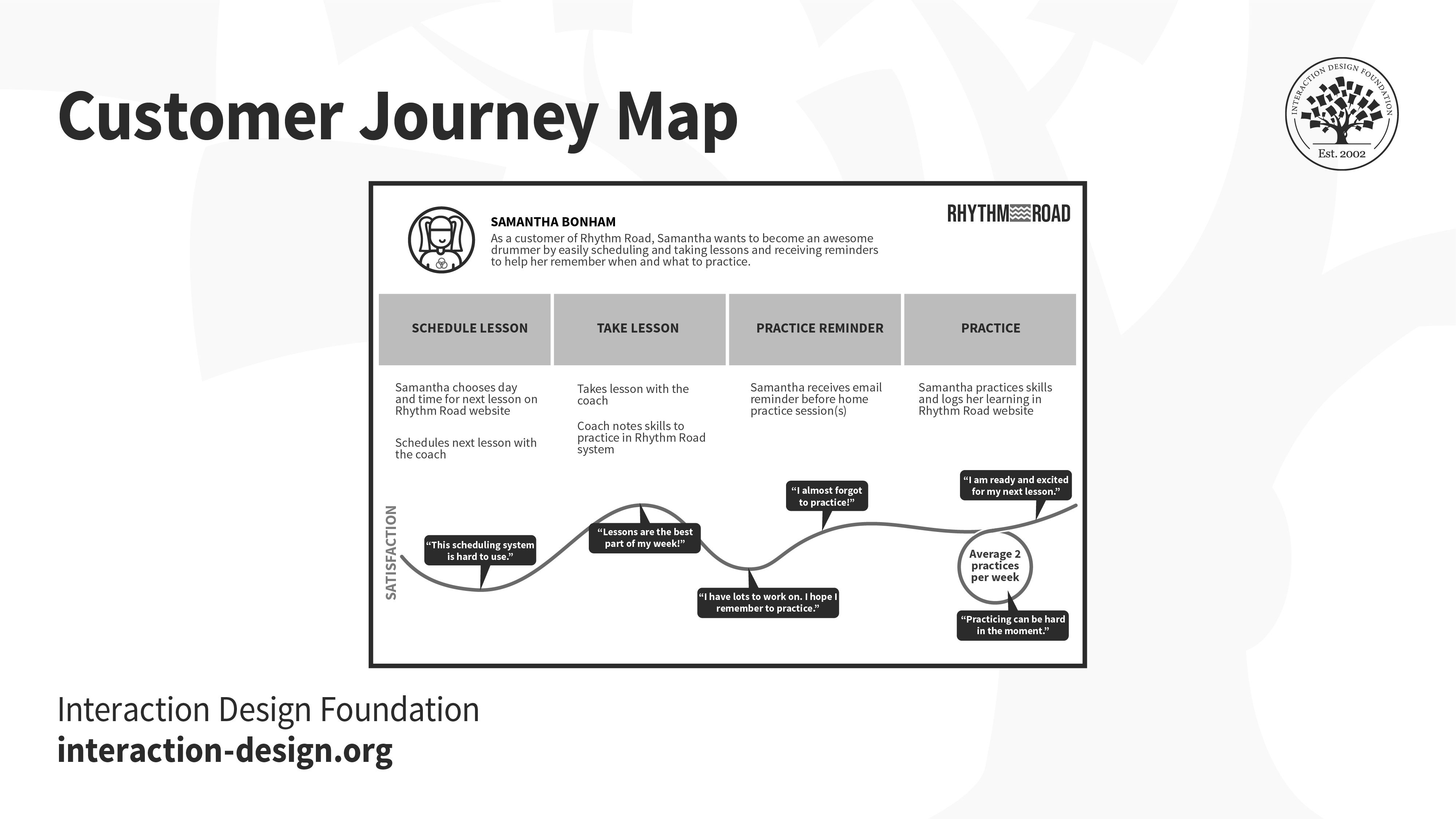
A fictitious customer journey for the persona Samantha Bonham through the Rhythm Road learning service.

© Interaction Design Foundation, CC BY-SA 4.0 

What Do You Need to Do to Create a Customer Journey Map? 

Firstly, you will need to do some preparation prior to beginning your journey maps; ideally you should have: 

  • User personas. If you can’t tell a typical user’s story, how will you know if you’ve captured their journey?

  • A timescale. Customer journeys can take place in a week, a year, a lifetime, etc., and knowing what length of journey you will measure before you begin is very useful indeed.

  • A clear understanding of customer touchpoints. What are your customers doing and how are they doing it?

  • A clear understanding of the channels in which actions occur. Channels are the places where customers interact with the business — from Facebook pages to retail stores. This helps you understand what your customers are actually doing.

  • An understanding of any other actors who might alter the customer experience. For example, friends, family, colleagues, etc. may influence the way a customer feels about any given interaction.

  • A plan for “moments of truth” — these are the positive interactions that create good feelings in customers and which you can use at touchpoints where frustrations exist.

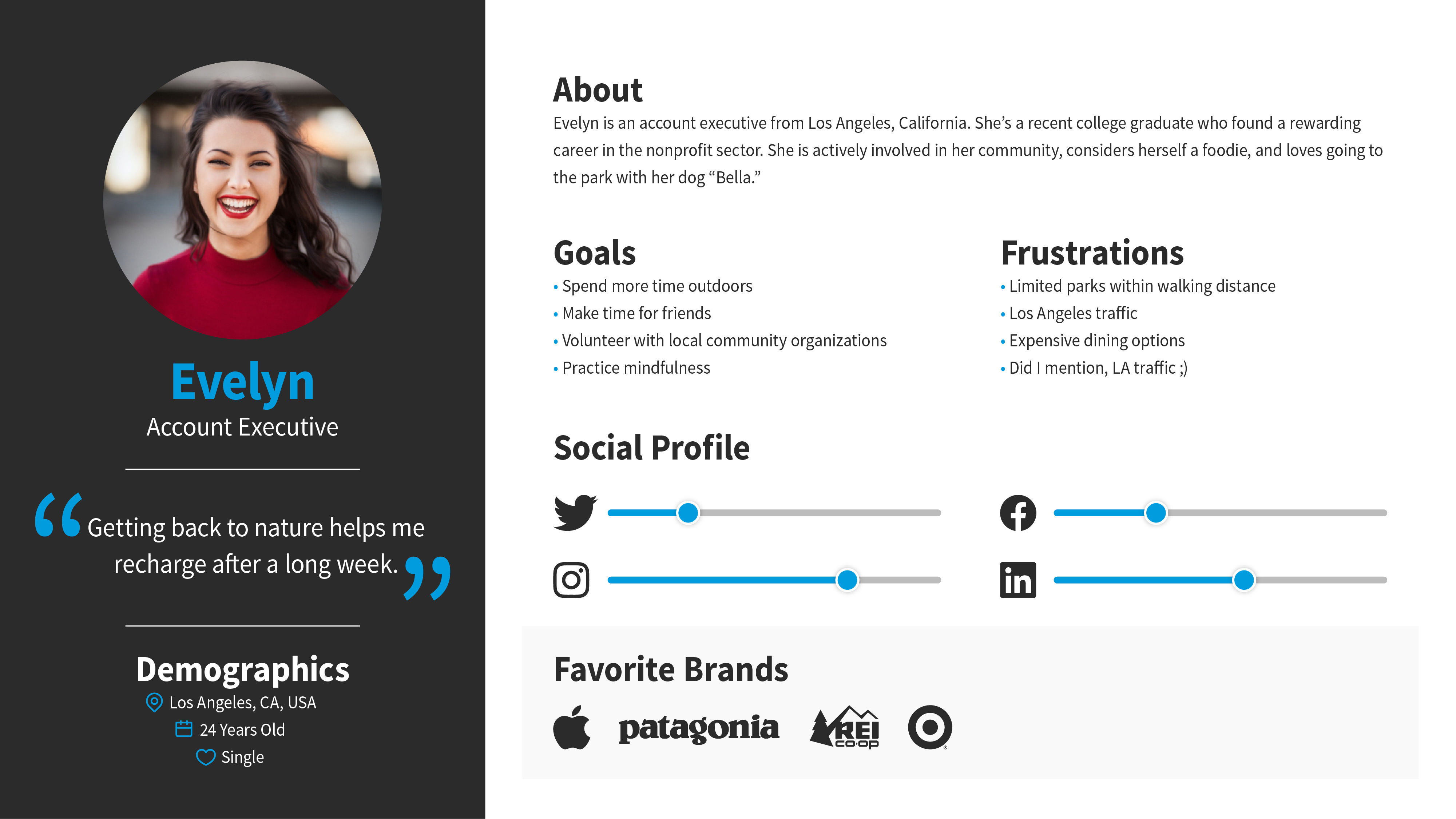
Sample persona named Evelyn, that includes demographic information, goals, frustrations, favorite brands and social media usage.

User personas are incredibly useful tools when it comes to putting together any kind of user research. If you haven’t developed them already, they should be a priority for you, given that they will play such a pivotal role in the work that you, and any UX teams you join in the future, will produce.

© Interaction Design Foundation, CC BY-SA 4.0

Once you’ve done your preparation, you can follow a simple 8-point process to develop your customer journey maps: 

  • Review Organization Objectives — what are your goals for this mapping exercise? What organizational needs do you intend to meet?

  • Review Current User Research — the more user research you have at your fingertips, the easier this exercise will be. Be creative, and if you don’t have the right research to define the journey, then consider how you can carry that research out.

  • Review Touchpoints and Channels — the next step is to ensure that you effectively map touchpoints and channels. A touchpoint is a step in the journey where the user interacts with a company or product, and a channel is the means by which the user does this. So, for example, a touchpoint could be “pay this invoice” and channels could be “online,” “retail,” “over the phone,” “mail,” etc. It can also help to brainstorm at this stage and see if there are any touchpoints or channels you’ve missed in your original data collection exercise.

  • Create an Empathy Map. An empathy map examines how the customer feels during each interaction — you want to concentrate on how the customer feels and thinks as well as what they will say, do, hear, etc. in any given situation.

  • Build an affinity diagram. The idea here is first to brainstorm around each concept you’ve touched on and then to create a diagram which relates all these concepts, feelings, etc. together. This is best achieved by grouping ideas in categories and labeling them. You can eliminate concepts and the like which don’t seem to have any impact on customer experience at this stage, too.

  • Sketch the customer journey. How you do this is up to you; you can build a nice timeline map that brings together the journey over the course of time. You could also turn the idea into a video or an audio clip or use a completely different style of diagram. The idea is simply to show the motion of a customer through touchpoints and channels across your time frame and how that customer feels about each interaction on that journey. The map should include the outputs of your empathy map and affinity diagram.

  • Iterate and produce. Then, take your sketches and make them into something useful; keep refining the content and then produce something that is visually appealing and useful to stakeholders, team members, etc. Don’t be afraid to rope in a graphic designer at this stage if you’re not good at making things look awesome.

  • Distribute and utilize. The journey map serves no purpose sitting on your hard drive or in your desk drawer — you need to get it out there to people and explain why it’s important. Then, it needs to be put to use; you should be able to define KPIs around the ideal journey, for example, and then measure future success as you improve the journey.

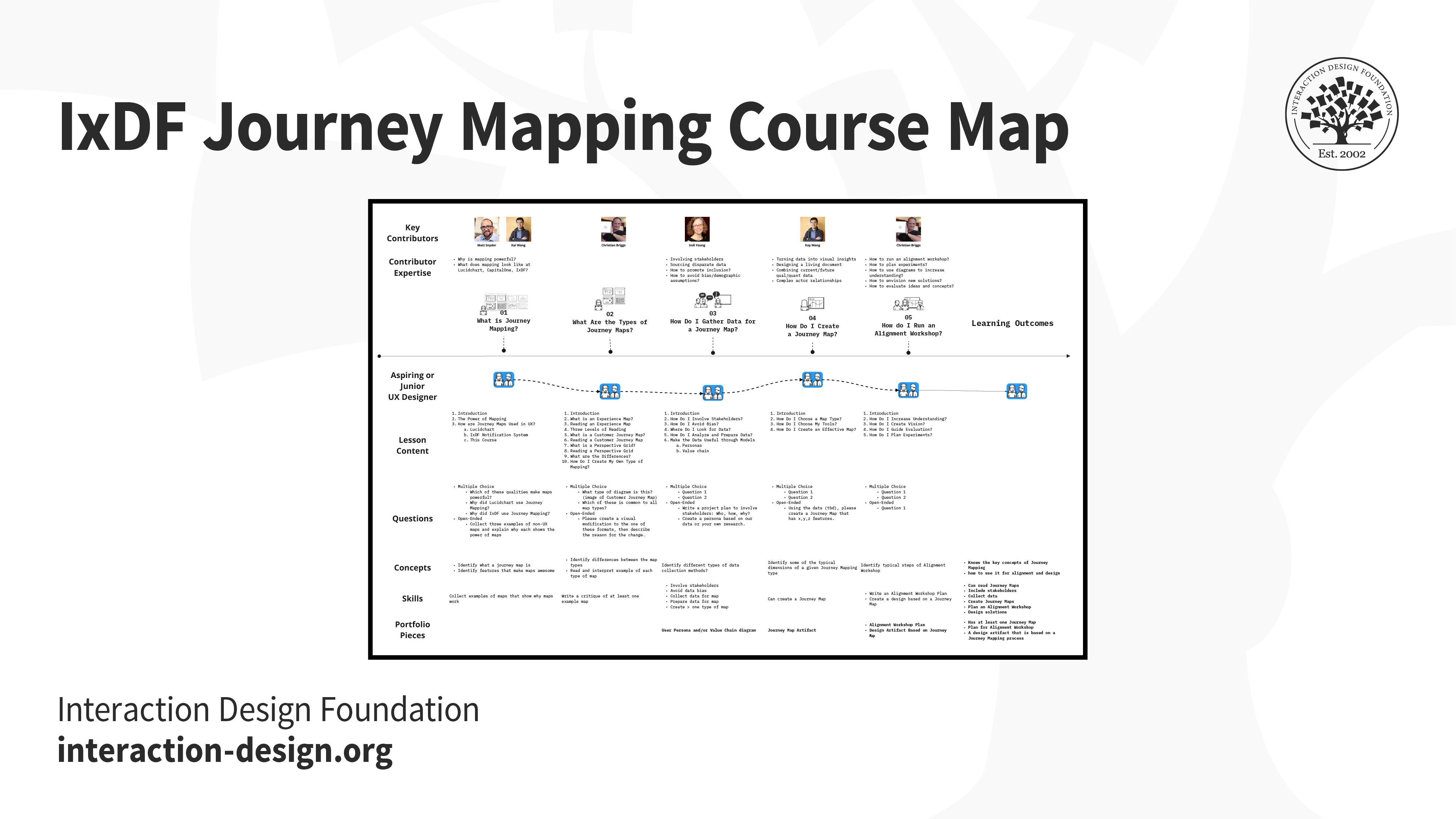
Birds-eye view of the IxDF Journey Mapping Course.

When creating the Journey Mapping course, the IxDF used a modified customer journey map to better understand the end-to-end experience for aspiring and junior UX designers.

© Interaction Design Foundation, CC BY-SA 4.0

Anatomy of a Customer Journey Map

A customer journey map can take any form or shape you like, but let’s take a look at how you can use the Interaction Design Foundation’s template (link below).

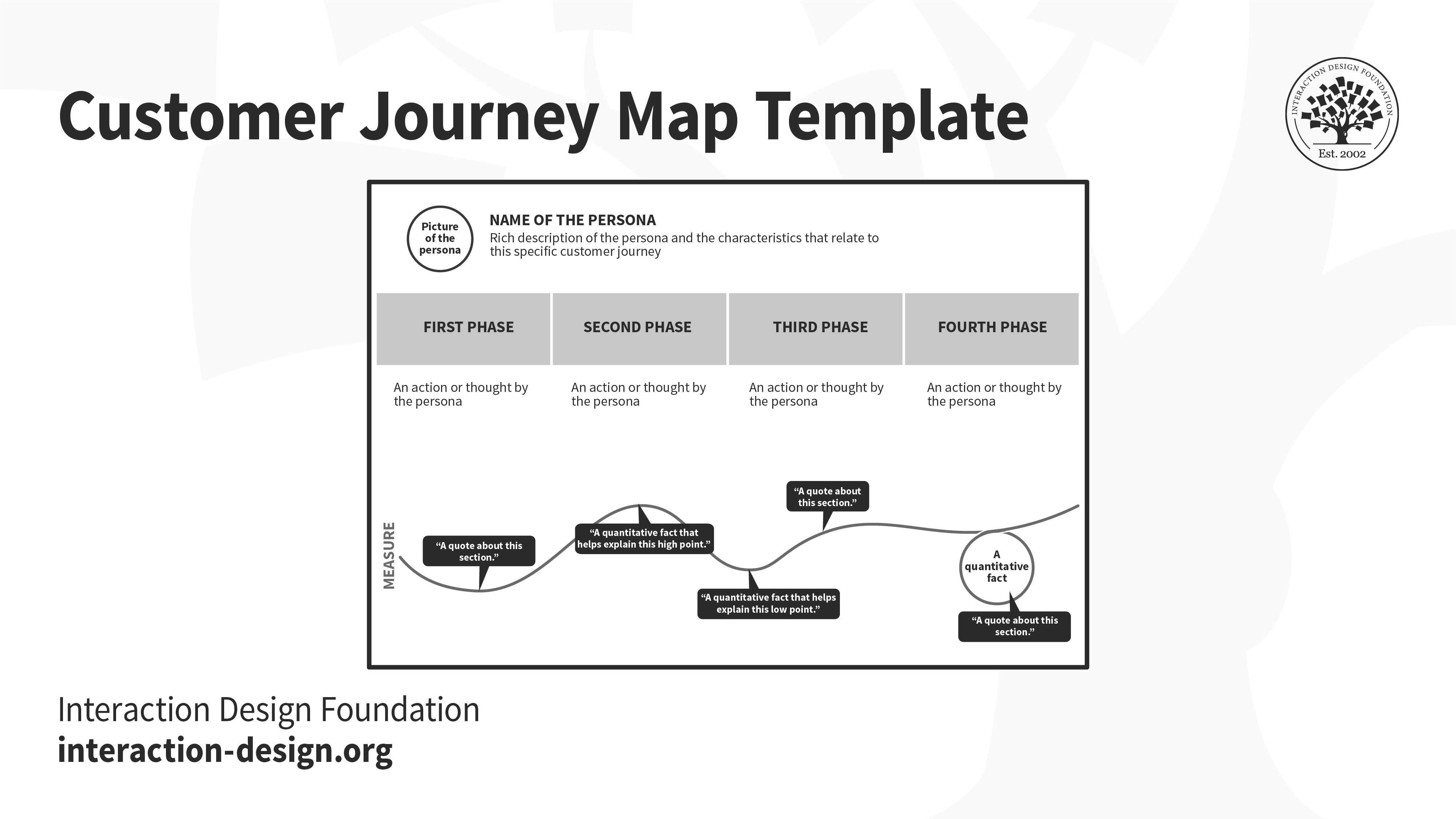
A very basic customer journey map template.

© Interaction Design Foundation, CC BY-SA 4.0

The map here is split into several sections: In the top zone, we show which persona this journey refers to and the scenario which is described by the map. 

The middle zone has to capture the thoughts, actions and emotional experiences for the user, at each step during the journey. These are based on our qualitative user research data and can include quotes, images or videos of our users during that step. Some of these steps are “touchpoints” — i.e., situations where the customer interacts with our company or product. It’s important to describe the “channels” in each touchpoint — i.e., how that interaction takes place (e.g., in person, via email, by using our website, etc.). 

You can download our Customer Journey Map Template here:

Advance Your Career With This Free Template for “Customer Journey Map”
Customer Journey Map
We respect your privacy
Get 1 powerful email each week: Design a life you love!

The Take Away

Creating customer journeys (including those exploring current and future states) doesn’t have to be a massively time-consuming process — most journeys can be mapped in less than a day. The effort put in is worthwhile because it enables a shared understanding of the customer experience and offers each stakeholder and team member the chance to contribute to improving that experience. Taking this “day in the life of a customer” approach will yield powerful insights into and intimate knowledge of what “it’s like” from the user’s angle. Seeing the details in sharp relief will give you the chance to translate your empathy into a design that better accommodates your users’ needs and removes (or alleviates) as many pain points as possible. 

References and Where to Learn More

Learn how to create different types of journey maps, including service blueprints and experience maps in the course “Journey Mapping”.

Images

© Interaction Design Foundation, CC BY-SA 4.0

Feel Stuck?
Want Better Job Options?

AI is replacing jobs everywhere, yet design jobs are booming with a projected 45% job growth. With design skills, you can create products and services people love. More love means more impact and greater salary potential.

At IxDF, we help you from your first course to your next job, all in one place.

See How Design Skills Turn Into Job Options
Privacy Settings
By using this site, you accept our Cookie Policy and Terms of Use.
Customize
Accept all

Be the One Who Inspires

People remember who shares great ideas.

Share on:

Academic Credibility — On Autopilot

Don't waste time googling citation formats. Just copy, paste and look legit in seconds.