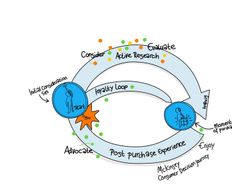
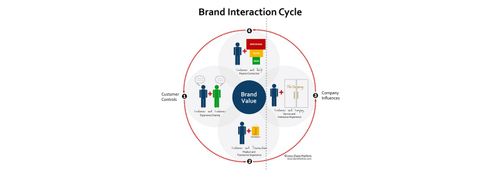
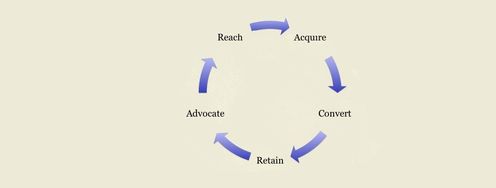
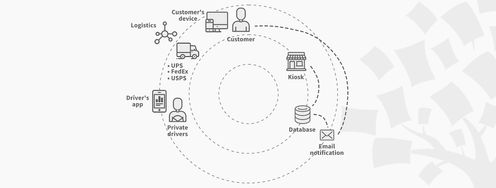
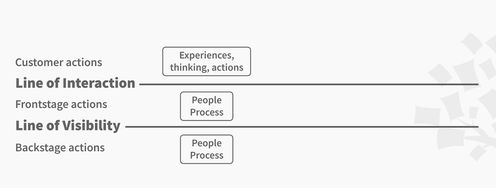
Perhaps the biggest buzzword in customer relationship management is “engagement.” Engagement is a funny thing, in that it is not measured in likes, clicks, or even purchases. It’s a measure of how much customers feel they are in a relationship with a product, business or brand. It focuses on harmony and how your business, product or brand becomes part of a customer’s life. As such, it is pivotal in UX design. One of the best tools for examining engagement is the customer journey map.
As the old saying in the Cherokee tribe goes, “Don’t judge a man until you have walked a mile in his shoes” (although the saying was actually promoted by Harper Lee of To Kill a Mockingbird fame). The customer journey map lets you walk that mile.
“Your customer doesn’t care how much you know until they know how much you care.”
— Damon Richards, Marketing & Strategy expert
What Is a Customer Journey Map?
A customer journey map is a research-based tool. It examines the story of how a customer relates to the business, brand or product over time. As you might expect — no two customer journeys are identical. However, they can be generalized to give an insight into the “typical journey” for a customer as well as providing insight into current interactions and the potential for future interactions with customers.
Customer journey maps can be useful beyond the UX design and marketing teams. They can help facilitate a common business understanding of how every customer should be treated across all sales, logistics, distribution, care, etc. channels. This in turn can help break down “organizational silos” and start a process of wider customer-focused communication in a business.
They may also be employed to educate stakeholders as to what customers perceive when they interact with the business. They help them explore what customers think, feel, see, hear and do and also raise some interesting “what ifs” and the possible answers to them.
Adam Richardson of Frog Design, writing in Harvard Business Review says: “A customer journey map is a very simple idea: a diagram that illustrates the steps your customer(s) go through in engaging with your company, whether it be a product, an online experience, retail experience, or a service, or any combination. The more touchpoints you have, the more complicated — but necessary — such a map becomes. Sometimes customer journey maps are “cradle to grave,” looking at the entire arc of engagement.”
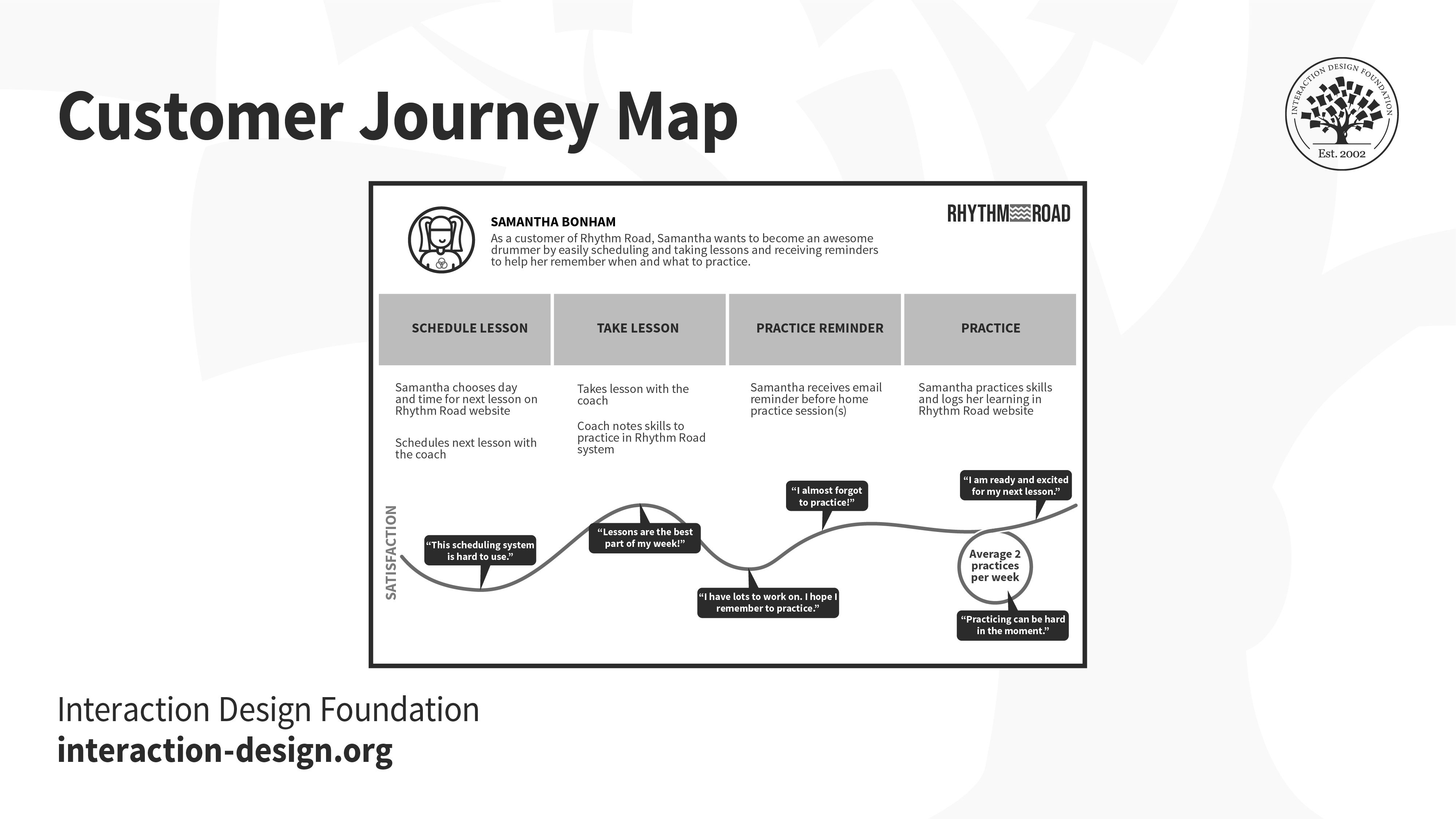
A fictitious customer journey for the persona Samantha Bonham through the Rhythm Road learning service.
© Interaction Design Foundation, CC BY-SA 4.0
What Do You Need to Do to Create a Customer Journey Map?
Firstly, you will need to do some preparation prior to beginning your journey maps; ideally you should have:
User personas. If you can’t tell a typical user’s story, how will you know if you’ve captured their journey?
A timescale. Customer journeys can take place in a week, a year, a lifetime, etc., and knowing what length of journey you will measure before you begin is very useful indeed.
A clear understanding of customer touchpoints. What are your customers doing and how are they doing it?
A clear understanding of the channels in which actions occur. Channels are the places where customers interact with the business — from Facebook pages to retail stores. This helps you understand what your customers are actually doing.
An understanding of any other actors who might alter the customer experience. For example, friends, family, colleagues, etc. may influence the way a customer feels about any given interaction.
A plan for “moments of truth” — these are the positive interactions that create good feelings in customers and which you can use at touchpoints where frustrations exist.
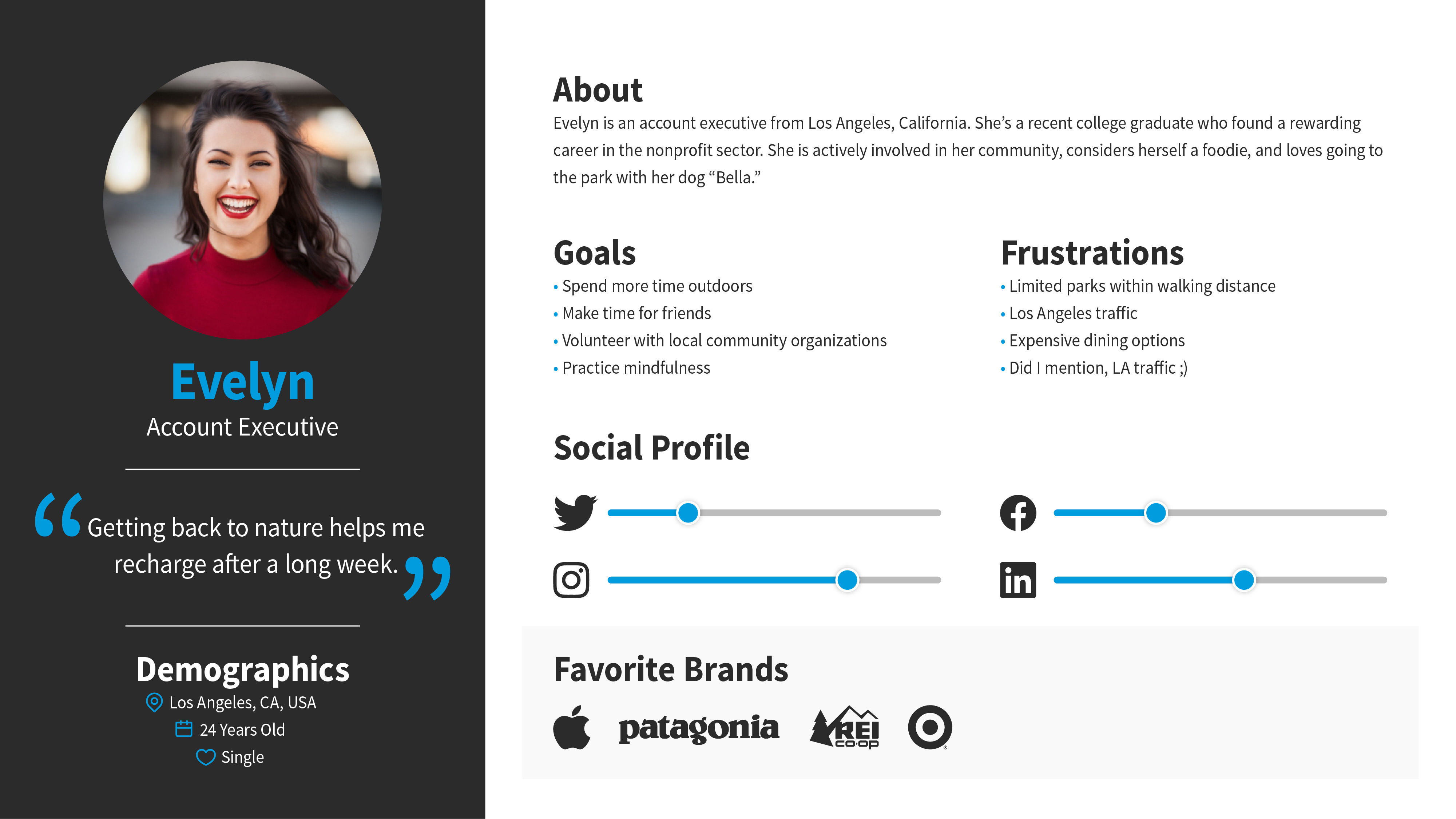
User personas are incredibly useful tools when it comes to putting together any kind of user research. If you haven’t developed them already, they should be a priority for you, given that they will play such a pivotal role in the work that you, and any UX teams you join in the future, will produce.
© Interaction Design Foundation, CC BY-SA 4.0
Once you’ve done your preparation, you can follow a simple 8-point process to develop your customer journey maps:
Review Organization Objectives — what are your goals for this mapping exercise? What organizational needs do you intend to meet?
Review Current User Research — the more user research you have at your fingertips, the easier this exercise will be. Be creative, and if you don’t have the right research to define the journey, then consider how you can carry that research out.
Review Touchpoints and Channels — the next step is to ensure that you effectively map touchpoints and channels. A touchpoint is a step in the journey where the user interacts with a company or product, and a channel is the means by which the user does this. So, for example, a touchpoint could be “pay this invoice” and channels could be “online,” “retail,” “over the phone,” “mail,” etc. It can also help to brainstorm at this stage and see if there are any touchpoints or channels you’ve missed in your original data collection exercise.
Create an Empathy Map. An empathy map examines how the customer feels during each interaction — you want to concentrate on how the customer feels and thinks as well as what they will say, do, hear, etc. in any given situation.
Build an affinity diagram. The idea here is first to brainstorm around each concept you’ve touched on and then to create a diagram which relates all these concepts, feelings, etc. together. This is best achieved by grouping ideas in categories and labeling them. You can eliminate concepts and the like which don’t seem to have any impact on customer experience at this stage, too.
Sketch the customer journey. How you do this is up to you; you can build a nice timeline map that brings together the journey over the course of time. You could also turn the idea into a video or an audio clip or use a completely different style of diagram. The idea is simply to show the motion of a customer through touchpoints and channels across your time frame and how that customer feels about each interaction on that journey. The map should include the outputs of your empathy map and affinity diagram.
Iterate and produce. Then, take your sketches and make them into something useful; keep refining the content and then produce something that is visually appealing and useful to stakeholders, team members, etc. Don’t be afraid to rope in a graphic designer at this stage if you’re not good at making things look awesome.
Distribute and utilize. The journey map serves no purpose sitting on your hard drive or in your desk drawer — you need to get it out there to people and explain why it’s important. Then, it needs to be put to use; you should be able to define KPIs around the ideal journey, for example, and then measure future success as you improve the journey.
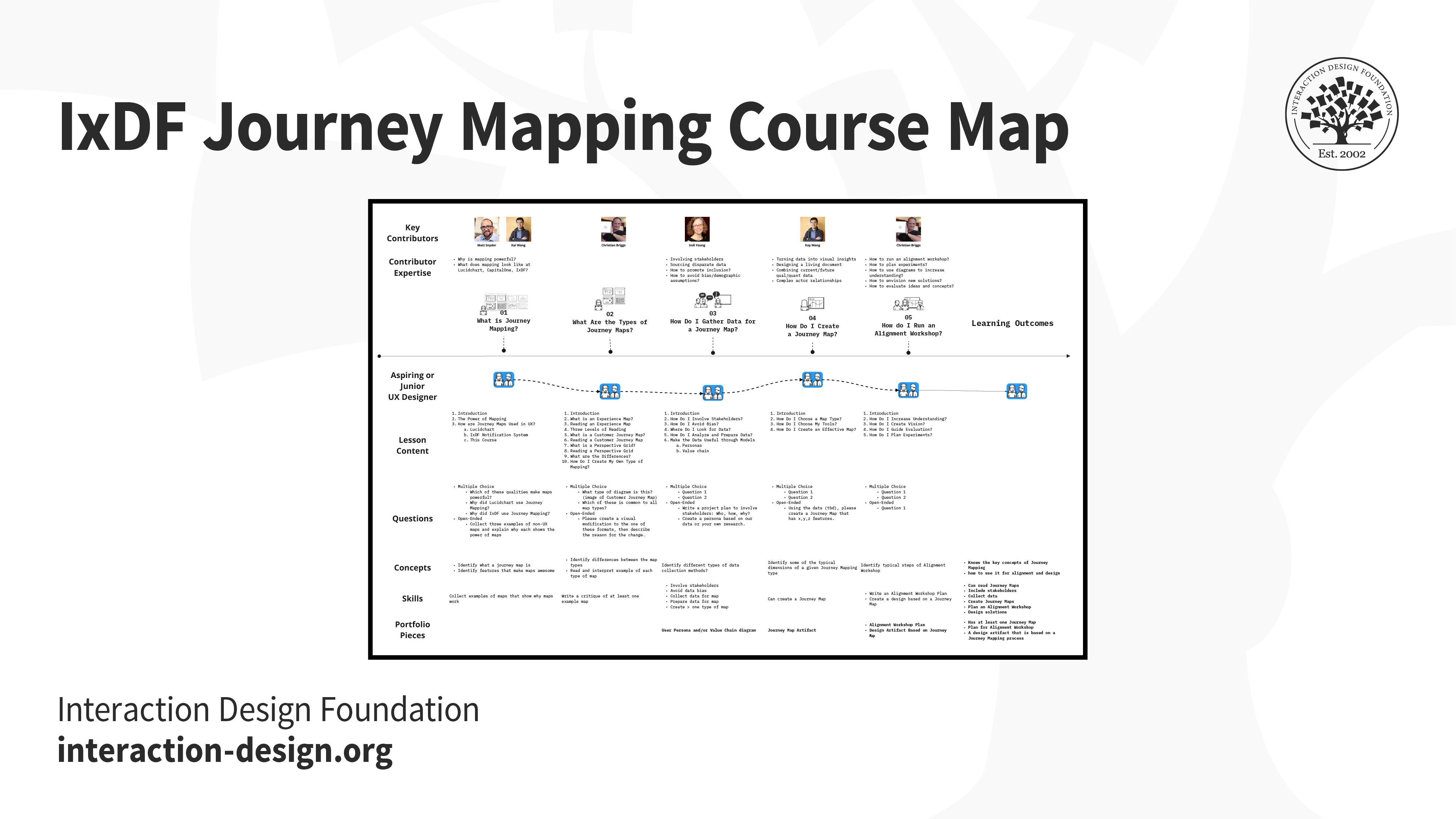
When creating the Journey Mapping course, the IxDF used a modified customer journey map to better understand the end-to-end experience for aspiring and junior UX designers.
© Interaction Design Foundation, CC BY-SA 4.0
Anatomy of a Customer Journey Map
A customer journey map can take any form or shape you like, but let’s take a look at how you can use the Interaction Design Foundation’s template (link below).
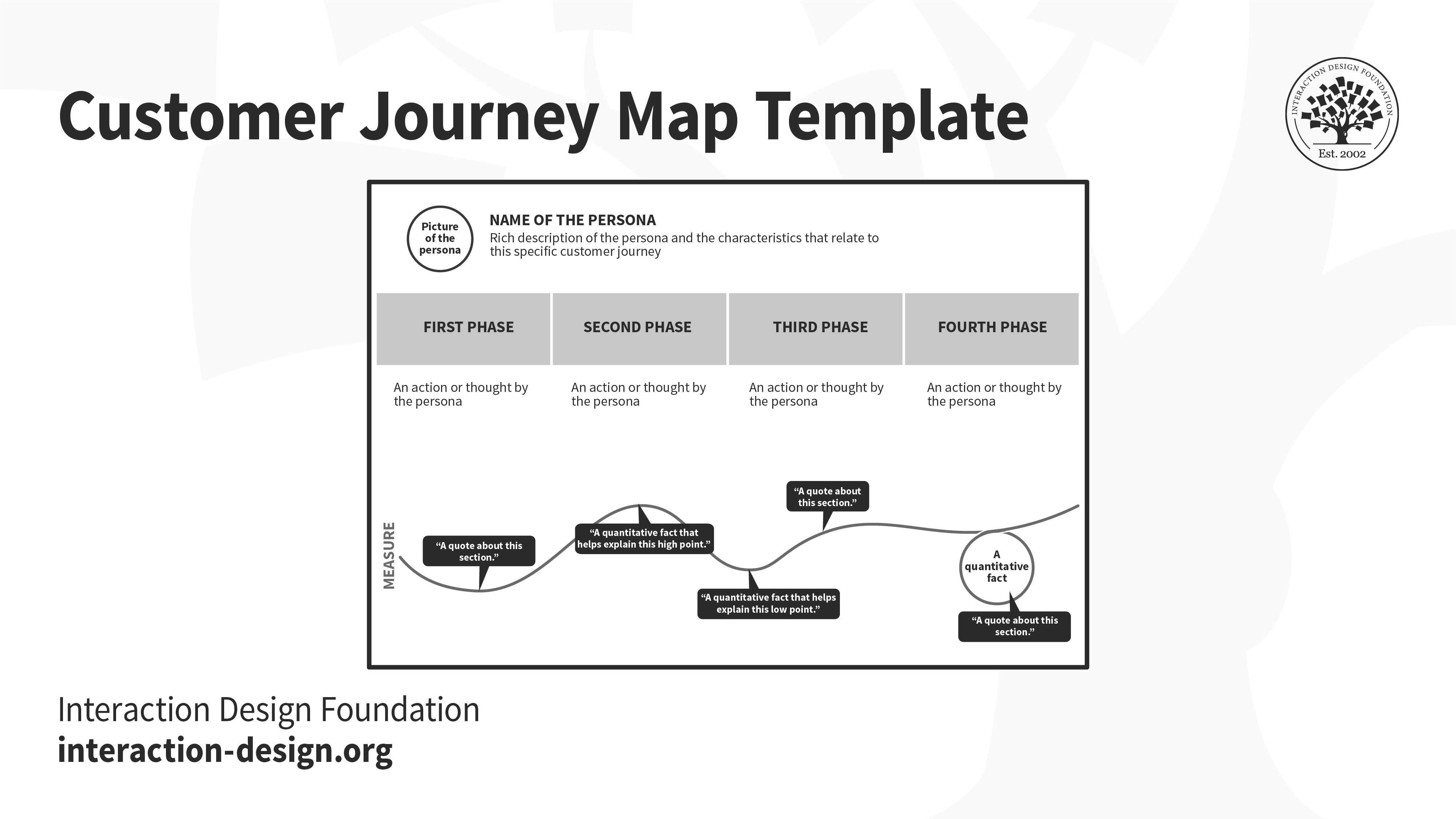
A very basic customer journey map template.
© Interaction Design Foundation, CC BY-SA 4.0
The map here is split into several sections: In the top zone, we show which persona this journey refers to and the scenario which is described by the map.
The middle zone has to capture the thoughts, actions and emotional experiences for the user, at each step during the journey. These are based on our qualitative user research data and can include quotes, images or videos of our users during that step. Some of these steps are “touchpoints” — i.e., situations where the customer interacts with our company or product. It’s important to describe the “channels” in each touchpoint — i.e., how that interaction takes place (e.g., in person, via email, by using our website, etc.).
You can download our Customer Journey Map Template here:
The Take Away
Creating customer journeys (including those exploring current and future states) doesn’t have to be a massively time-consuming process — most journeys can be mapped in less than a day. The effort put in is worthwhile because it enables a shared understanding of the customer experience and offers each stakeholder and team member the chance to contribute to improving that experience. Taking this “day in the life of a customer” approach will yield powerful insights into and intimate knowledge of what “it’s like” from the user’s angle. Seeing the details in sharp relief will give you the chance to translate your empathy into a design that better accommodates your users’ needs and removes (or alleviates) as many pain points as possible.
References and Where to Learn More
Learn how to create different types of journey maps, including service blueprints and experience maps in the course “Journey Mapping”.
Images
© Interaction Design Foundation, CC BY-SA 4.0