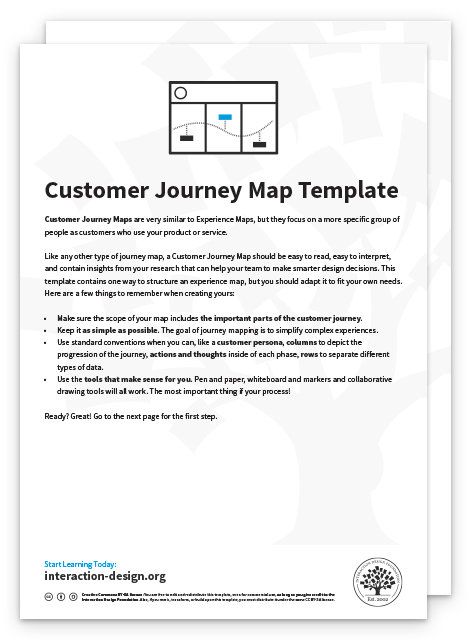
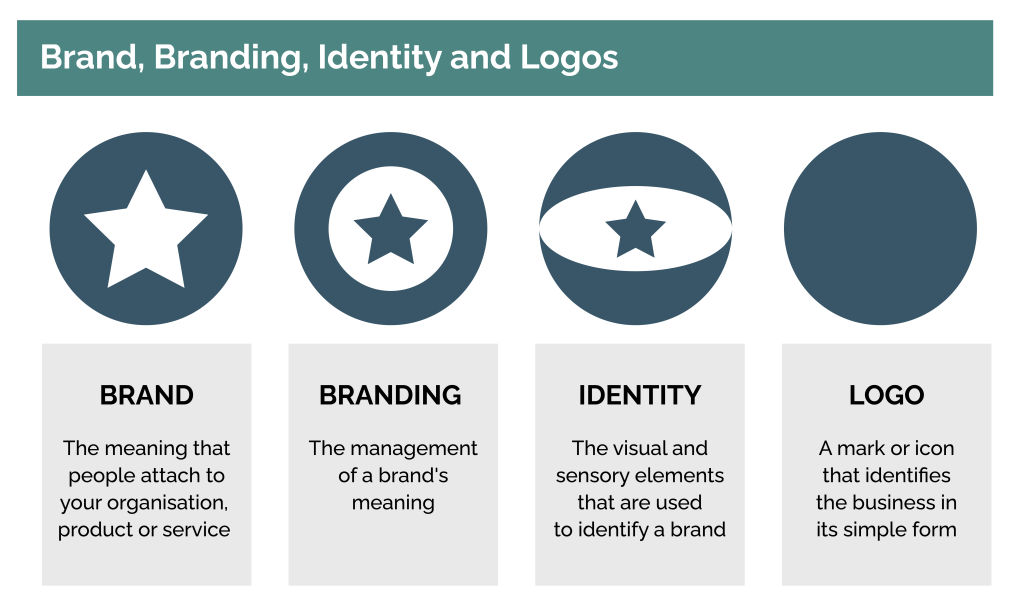
Branding in user experience design (UX design) is the process to create a unique and cohesive identity for a product or service to resonate with users. It encompasses elements such as logo, color scheme and tone of voice. Good branding fosters recognition, trust and loyalty among users, so designers conduct thorough market research, define brand guidelines, maintain consistency over all touchpoints and evoke positive emotions.
© Radiant Digital, Fair Use
Why is Branding Important in UX Design?
The fusion of branding and design—particularly as it happens within user experience—is critically important. At its core, a good UX brand strategy goes beyond just the aesthetics. It embeds a brand's essence into every interaction. It also ensures a cohesive, memorable journey for the brand's users. Going from the strategic placement of a logo over to the subtle nuances of brand voice in micro-interactions, the integration of branding and UX design is hugely important. In fact, it shapes the very foundation of how users perceive and engage with a digital product.
Branding in the context of UX design isn't just about logos or visual identity. Instead, it encompasses the overall promise that a company makes to its customers. This promise informs how the brand presents itself across the various touchpoints. Plus, it impacts customer expectations and experiences. Branding in UX design integrates this promise into the design process. When it's done well, it ensures that every user interaction reinforces the brand’s values and vision.
It’s also important to define branding as being a distinct concept from UX design. Branding focuses on how to create a memorable image and emotional connection with the audience. UX design, however, centers on how designers work to boost user satisfaction and usability. Branding aims to articulate a consistent message and feel across all platforms that users and customers encounter. UX design, though, prioritizes the functionality and efficiency of user interactions. In practice, effective UX branding means to align these two disciplines to create a cohesive and engaging user experience—one that not only meets functional needs but also resonates on an emotional level in seamless experiences.
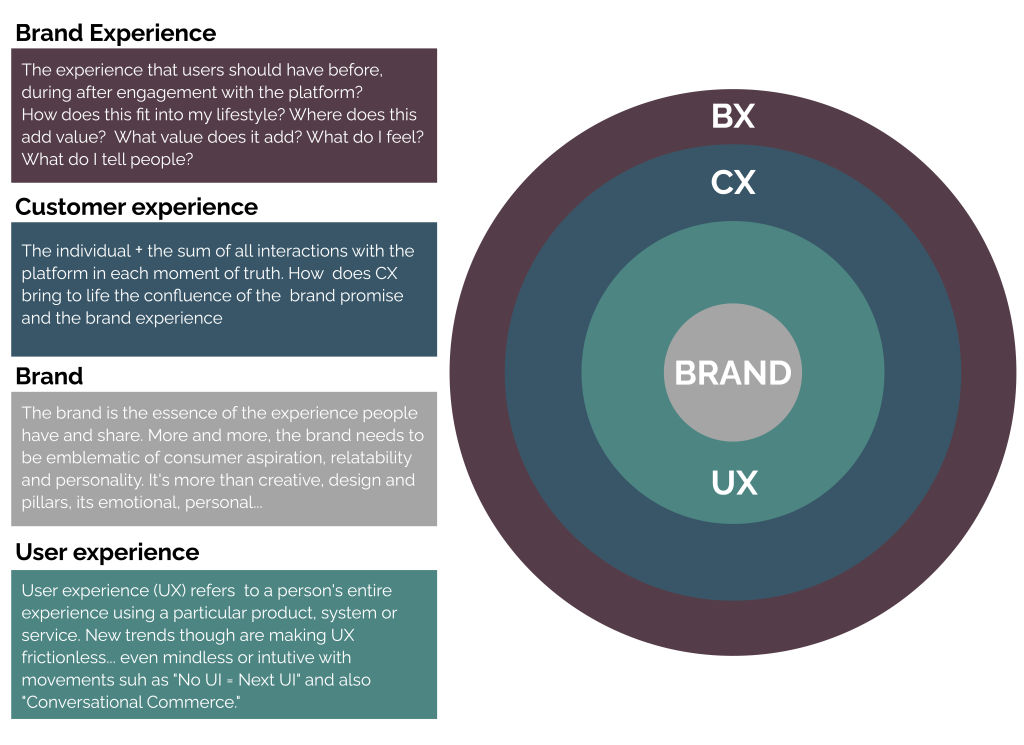
For app and web design and development, the rewards of building a strong brand are great. They include ongoing loyalty in the target market and its alignment with business goals in a thriving brand presence. When designers consider how they influence the user experience (UX) with their brand at the center, they can expand this to customer experience (CX) and—from there—brand experience (BX). The brand experience is like the ultimate impression, takeaway and ongoing perception that users and customers have with the brand. These feature before, during and following the point that each customer engages with the brand’s platform.
© Radiant Digital, Fair Use
What are the Benefits of Good Branding?
Brands can enjoy benefits such as these when designers do the branding right and:
1. Enhance User Experience
Branding and user experience intertwine, and deeply so. Each reinforces the other to make more engaging and intuitive interactions for users. When designers integrate brand values and aesthetics into UX design, they can ensure a seamless and consistent experience across all user touchpoints. This consistency indeed enhances usability. It also strengthens the emotional connection users feel towards the brand. Plus, it makes each interaction more memorable and satisfying. Effective UX design, therefore, isn't just about aesthetics. It's also about how designers can create functional, efficient and pleasant digital environments, and these need to be ones that reflect the brand's core values and promises.
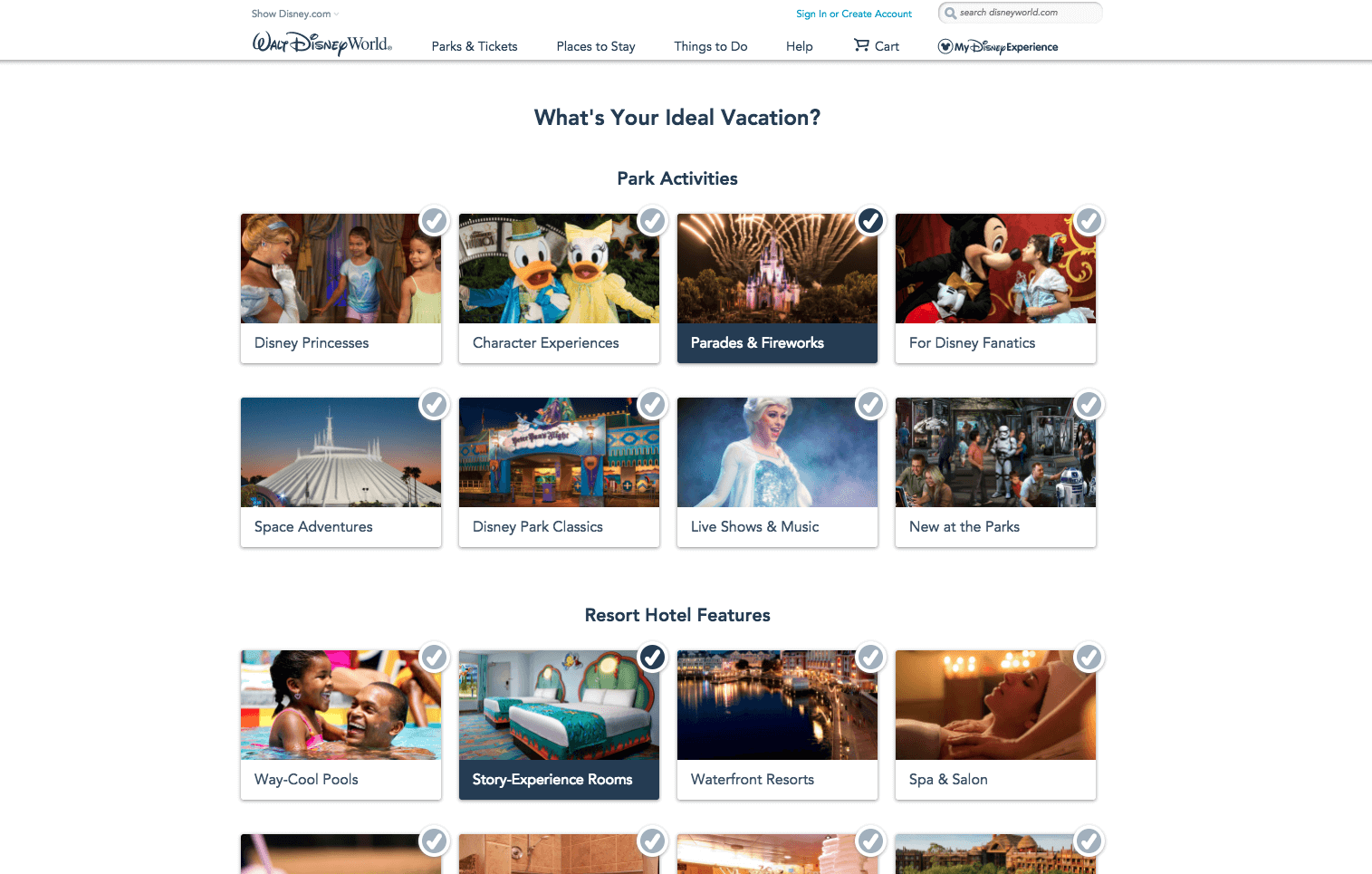
Disney narrows down possible Disney World options and presents a personalized trip itinerary via this short quiz. This is good UX and aligned with Disney’s brand attributes.
© Trone, Fair Use
2. Build Trust and Credibility
It may sound like a truism, but trust is a critical component of any successful brand. That’s especially the case in digital spaces where face-to-face interactions don't happen. Consistent branding across various platforms establishes a brand. It puts it on the map as reliable and trustworthy—something that's crucial for building long-term relationships with users. When brand designers maintain a uniform visual identity and coherent messaging, they can significantly enhance user trust. A helpful thing to do is incorporate elements like customer testimonials and clear, transparent communication about services. That will further bolster this trust. It encourages users to engage more deeply and frequently with the brand.
3. Differentiate from Competitors
In a crowded market, a well-defined brand goes a long way to distinguishing a company from its competitors. Through branding, businesses can highlight their unique selling propositions and core values. These are the things that resonate, or will resonate, with their target audience. UX design plays a massive role in this differentiation. Designers aim to deliver not just visually appealing digital experiences but also highly functional and user-centric ones. Users and customers tend to perceive brands that invest in high-quality UX design as industry leaders. These brands can attract more customers. Plus, they can create stronger brand loyalty compared to those with inferior user experiences.
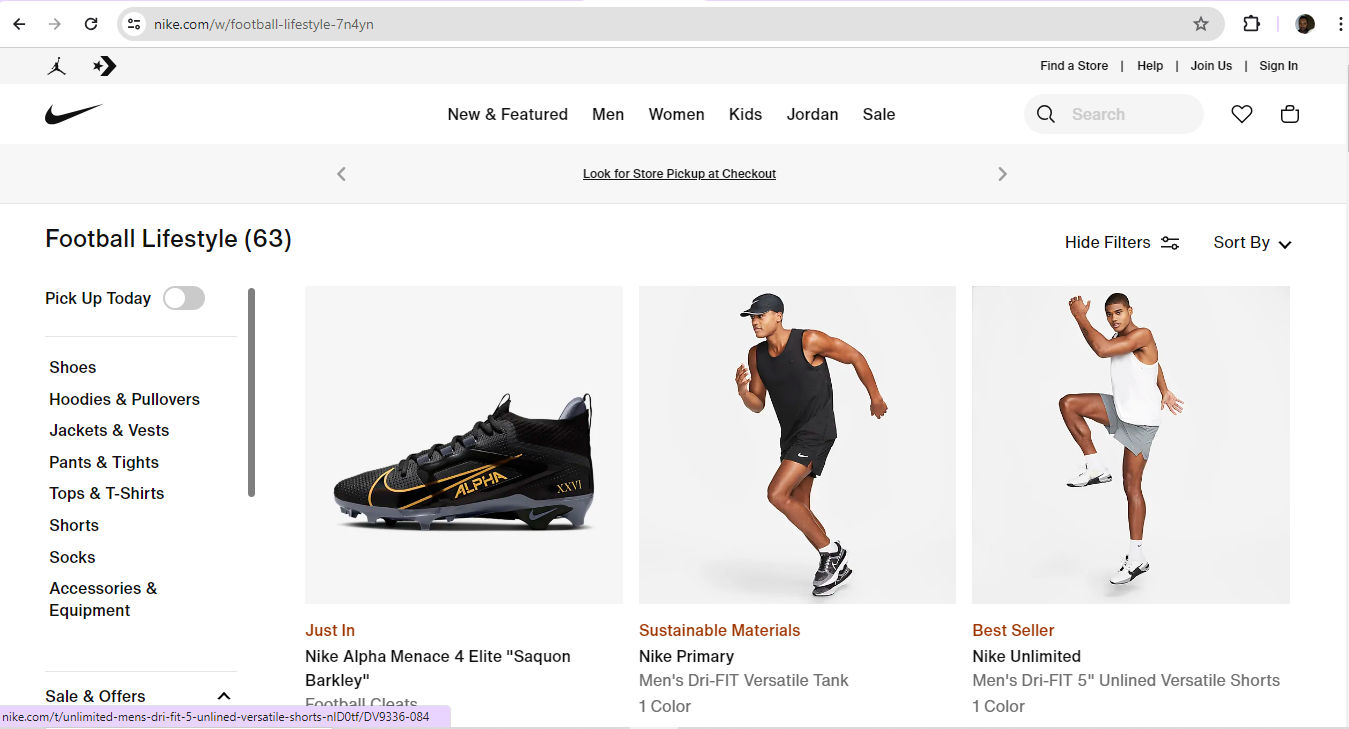
Nike imbues their website with brand attributes via a variety of customizable products, empowering users to find shoes that truly match their own style.
© Nike, Fair Use
4. Increase Perceived Value
A well-branded UX design can raise the perceived value of products or services. What's more, it can potentially allow for premium pricing and improved customer retention.
5. Facilitate Decision-Making
Strong branding in UX design can help users make quicker and more confident decisions. A couple of benefits this can bring about are higher conversion rates and improved user satisfaction.
6. Engage in Community Building
Effective branding can foster a sense of community among users. It can lead to user-generated content and advocacy; plus, it can make for a strong brand following.
This strategic integration of branding and UX design is an essential factor for businesses, especially ones that aim to truly thrive in the digital age. It’s particularly important to provide a more impactful and memorable user experience—one that goes far beyond the basics of usability and functionality.
Omnichannel Brand Presence and Branding
Omnichannel refers to the seamless integration of all available channels through which a brand interacts with its customers. That means physical stores, online platforms, social media, mobile apps and any other touchpoints.
Watch as CEO of Experience Dynamics, Frank Spillers explains omnichannel in the context of service design:
For brand presence and branding, omnichannel strategies have a few implications:
Consistent brand experience: Omnichannel branding ensures that the brand message, values and aesthetics stay consistent across all channels. This consistency helps to reinforce the brand's identity. It also helps to create a unified experience for customers.
Increased accessibility: When brands make themselves present across multiple channels, it means they can reach a wider audience. They can make their products or services more accessible to customers. From that, they can boost their brand presence.
Our video explains why accessible design is a vital consideration for all brands:
Enhanced customer engagement: Omnichannel strategies empower brands to a level where they can engage with customers at various touchpoints. These allow for personalized interactions and improved customer engagement. This, in turn, is something else that can strengthen the brand-customer relationship.
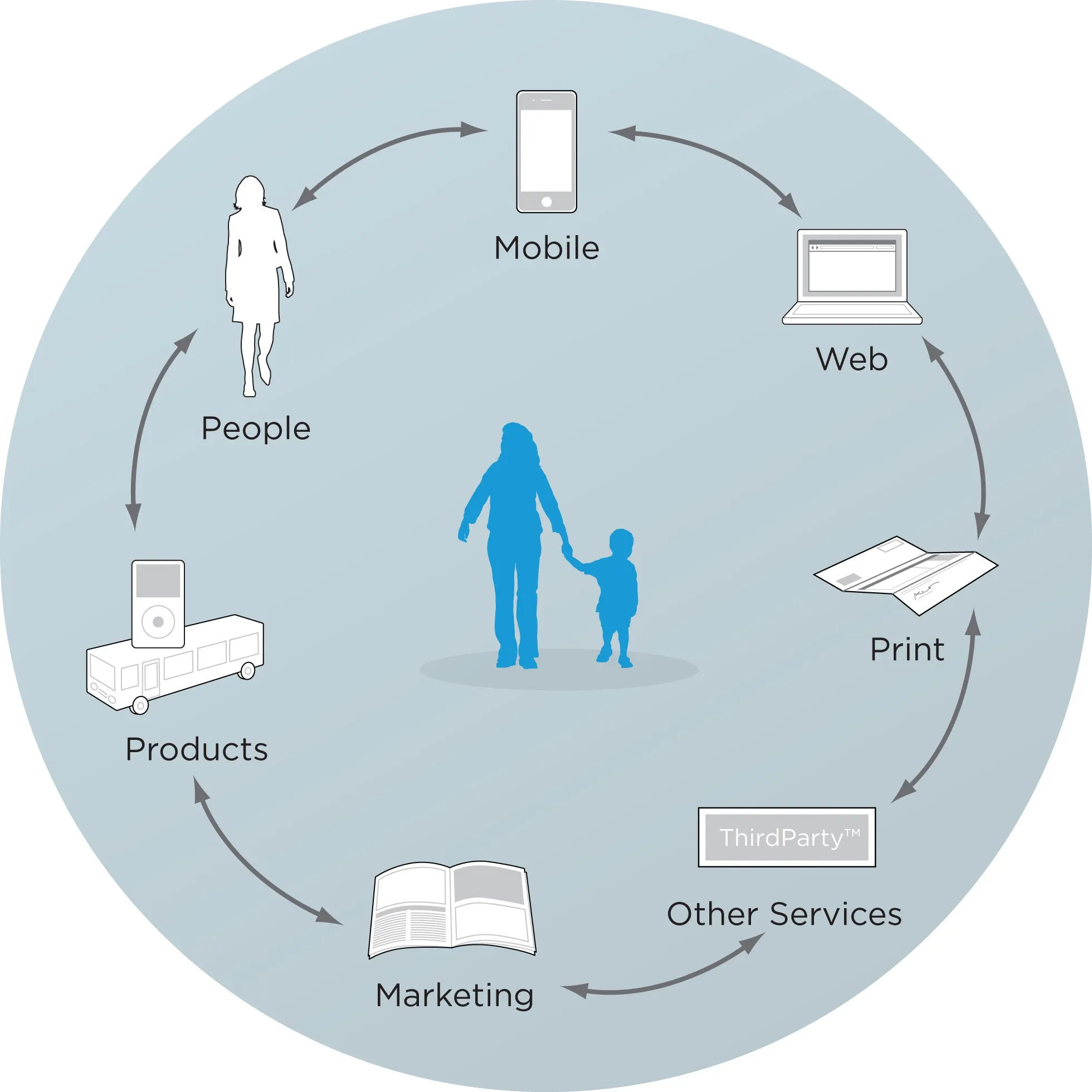
These are some simple examples of customer touchpoints—places of interaction with a brand rather than channels, which are planned points of interaction.
© Rosenfeld Media, Fair Use
Data utilization: Through an omnichannel presence, brands can do more as well. They can gather data from multiple sources. Plus, they can glean insights into customer behavior and preferences. This data can be useful for them to refine branding strategies and enhance the overall brand presence for the people they design for.
Competitive advantage: A strong omnichannel presence can give brands a competitive edge. It lets them meet customers where they are and deliver a seamless experience. So, it sets them apart from competitors who have less integrated approaches.
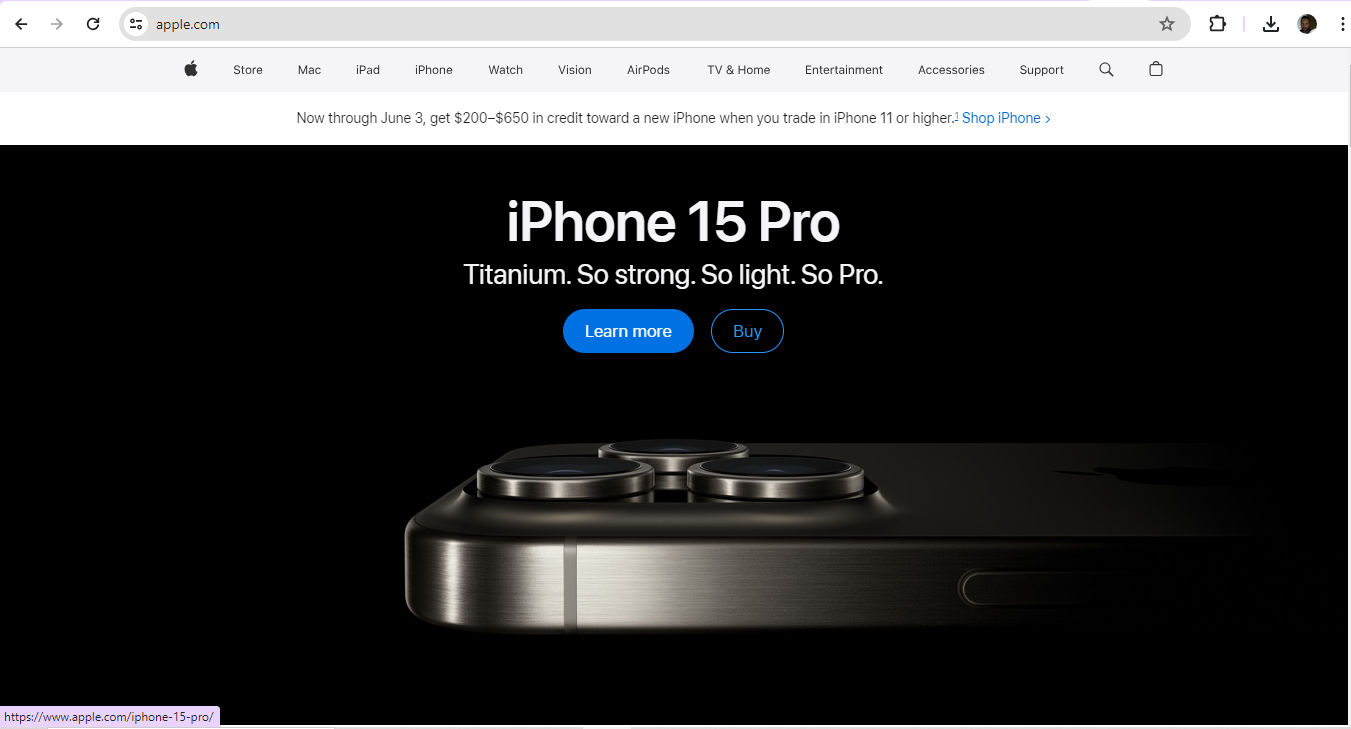
The clean lines, functional simplicity and intuitive interfaces of Apple products reflect a UX design that respects the user's time and effort. Apple's consistent design approach across its product range reinforces the brand's identity and fosters user loyalty by delivering reliable, user-friendly technology.
© Apple, Fair Use
What are Best Practices for Brands and Designers with Branding?
For a good product branding strategy and to provide an integrated brand experience, designers should:
1. Create a Consistent Visual Identity
Something that's extremely important is to create a consistent visual identity in UX design and branding. For example, a well-designed logo acts as the face of the company. It should appear uniformly across all marketing materials. Designers should ensure that all visual design elements are in harmony across different brand touchpoints. This includes websites, packaging and advertisements. This builds trust and reliability. Plus, it lets customers connect emotionally with the brand. Designers should implement good UX brand guidelines that dictate the use of specific color palettes, typography and other visual elements. That will ensure that all materials reflect the brand’s personality—and its values—consistently.
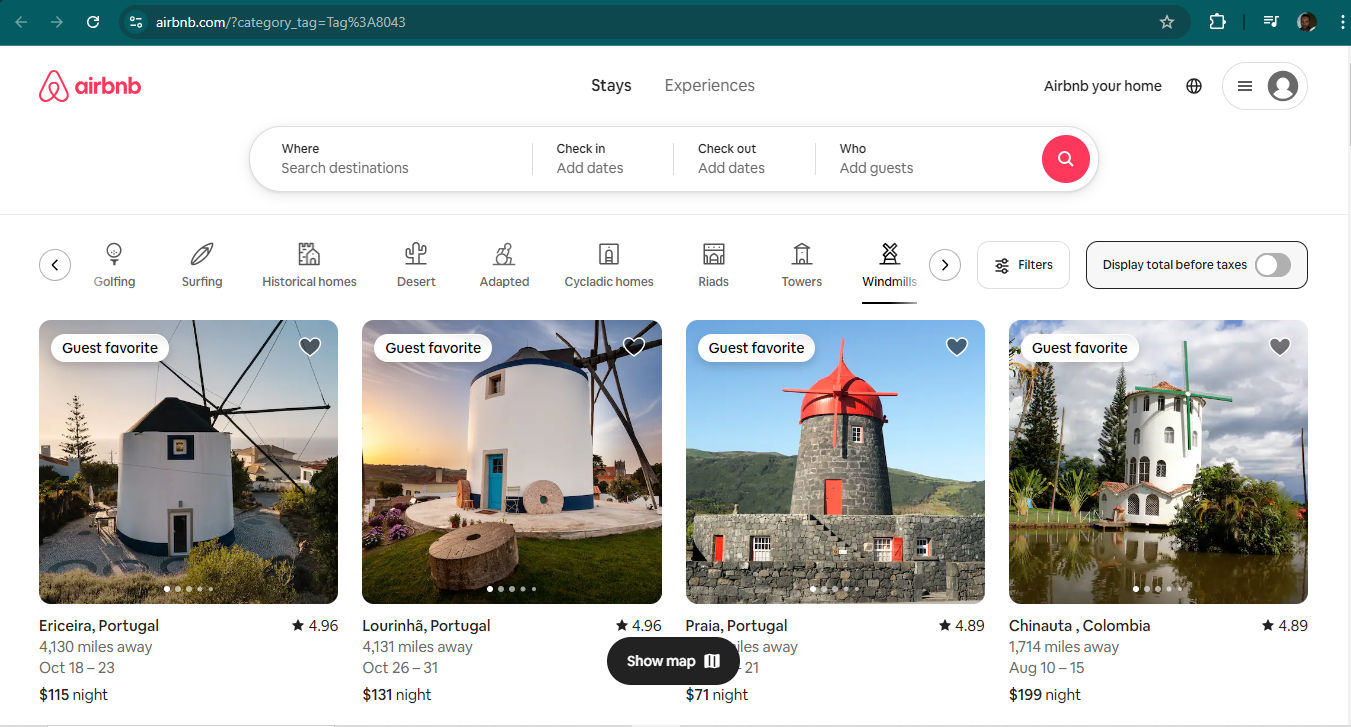
Airbnb's UX design effectively communicates its core values of community and belonging. The platform's user interface is inviting and easy to navigate. It encourages users to explore new experiences with local hosts, and enjoy an opportunity to connect with hosts and share in local customs and activities. This strategy not only differentiates Airbnb from traditional hospitality services but also deepens the user's connection to the brand, and makes each trip a unique, memorable experience.
© Airbnb, Fair Use
2. Conduct User Research and Incorporate Feedback
Another essential is to incorporate user research and feedback into the brand design process. That's key for designers to understand the target audience and potential customers. It’s also a vital way to create a brand identity that resonates with customers. When designers and researchers use diverse research methods, they can get rewarded well. They gather comprehensive insights into user behavior and preferences, which inform the brand design process. User feedback is nothing short of invaluable. It provides direct insights into how designers can improve the product and how well it meets the expectations of the target audience. When designers actively use this feedback, they help ensure the design remains user-centric and competitive.
UX Strategist and Consultant, William Hudson explains the importance of user research in this video:
3. Make an Emotional Connection through Storytelling
Storytelling in UX design significantly enhances user engagement. That's because it creates emotional connections. When designers apply narratives that incorporate relatable characters and scenarios, they can make the product more memorable and engaging. For instance, to integrate audio and visual elements that support the brand’s story can make the user experience more immersive and emotionally appealing. This approach captivates the audience. What's more, it strengthens their connection to the brand, and boosts user loyalty and satisfaction.
Writer, Designer, Curator and Educator, Ellen Lupton explains some compelling aspects of storytelling:
4. Maintain Brand Consistency
One thing that's particularly crucial is to maintain brand consistency across all platforms—and touchpoints. That establishes a strong and recognizable brand identity. This consistency helps build that all-important trust and boost brand recognition. A comprehensive design system that includes detailed brand guidelines is a powerful thing. It ensures that every project delivers the same design language. So, it creates a consistent brand experience for the users. Plus, to ensure that all team members have access to the same design assets and resources helps keep this consistency across all the assets concerned.
5. Emphasize Customer Experience
Designers should prioritize exceptional customer service. It's a vital "must" for them to create positive interactions and build brand loyalty. So, it’s wise to personalize interactions to make customers feel valued and understood.
6. Leverage Social Proof
Brands can consider highlighting customer testimonials, reviews and case studies to help build trust and credibility. They might use influencer partnerships to reach new audiences and enhance brand visibility.
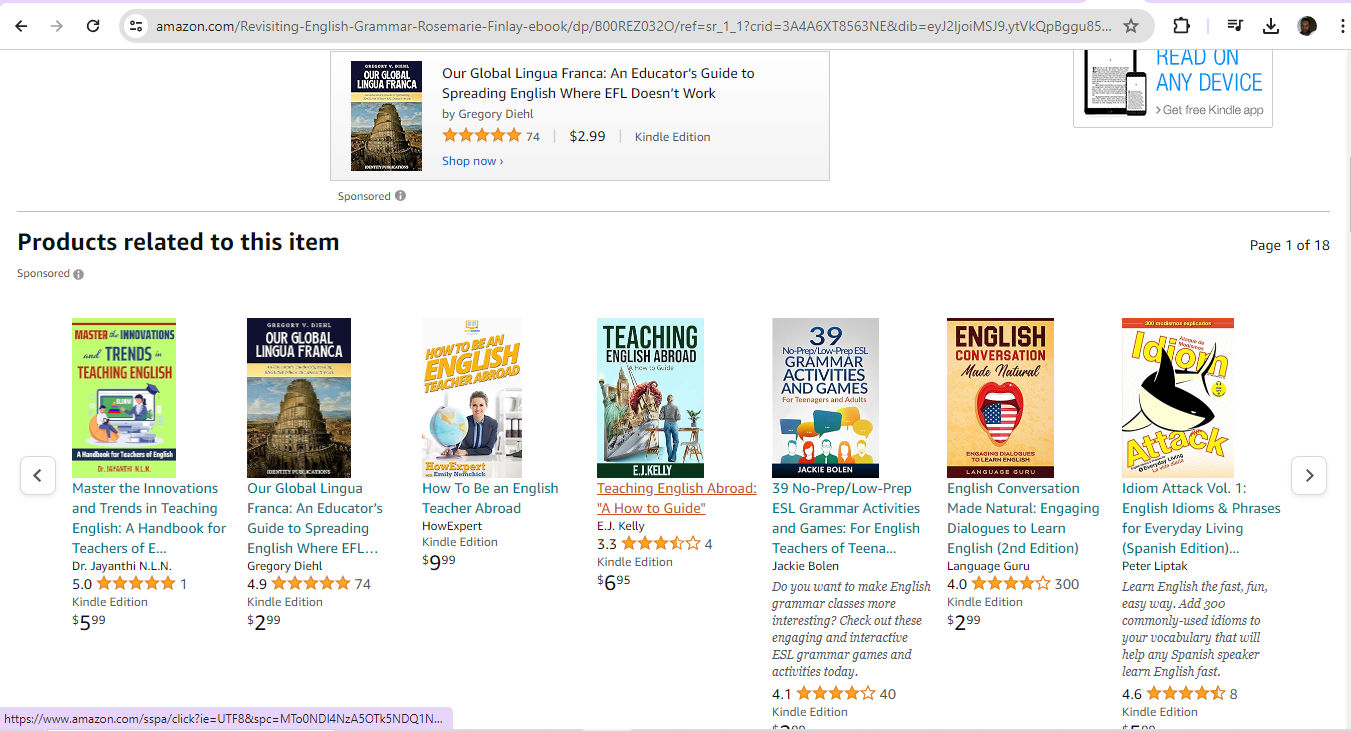
Amazon leverage social proof in the form of customer reviews.
© Amazon, Fair Use
7. Invest in Content Marketing
It’s a good idea to develop high-quality, valuable content to educate, entertain and engage the target users. So, brands should also consider various content formats such as blogs, videos, infographics and podcasts as solid marketing campaign methods to cater to different preferences.
8. Harness the Power of Community
One of the most powerful branding strategy examples is to foster a sense of belonging and community among customers through forums, social media post groups or events. Brands should consider if they want to encourage user-generated content to amplify brand advocacy and authenticity.
9. Adapt to Emerging Trends
It’s vital to stay updated on industry trends and technological advancements. To do this helps brands remain relevant and innovative. Brands should consider experimenting with new platforms and technologies to reach and resonate with their target audiences. Sometimes, graphic designers can inject new life into an organization with a new brand logo design. However, in 21st-century digital design, there are also a range of means and realities of adjusting a company’s UI-UX branding. These will take careful consideration as well.
10. Prioritize Sustainability and Social Responsibility
Brands have an additional option in that they might integrate sustainable practices and communicate their commitment to environmental and social causes. They can engage in corporate social responsibility initiatives and align themselves with meaningful causes. Designers can then gear efforts around sustainability and social responsibility themes to showcase their brands’ commitment to causes that are in line with their values.
What's more, companies can consider brand design websites to consult for branding UI, UX and other areas. Meanwhile, designers have software options to help them with branding. For example, numerous branding and branding strategy templates are available.

Milanote’s Brand Strategy Template lets brands organize every part of their project in a single collaborative place. The commenting and notifications features help everyone stay on the same page from the outset.
© Milanote, Fair Use

Templafy helps brands manage, update and share business document templates and brand assets.
© Templafy, Fair Use
Special Considerations and Potential Risks
Brands and the designers who work for them should be careful to:
1. Avoid Over-Branding
Over-branding is something that can lead to user frustration and a tainted perception of a company. If a website is hard to navigate or use, users may perceive that the company does not prioritize user convenience. This could negatively impact their overall brand perception. Similarly, excessive branding elements can overwhelm the user. Plus, they can detract from the usability of the product. Designers need to make sure that branding enhances rather than complicates the user experience.
2. Balance Brand Identity with Usability
It’s vital to achieve a balance between brand identity and usability in UX design. Brands must ensure that every user interaction not only reflects the brand's identity but also meets usability standards. For example, while unique fonts and color schemes are important for brand identity, they need to be accessible to all users too. What's more, the design should bring about easy navigation and interaction. It should align with the brand’s promise of quality and user-friendliness.
In this video, Alan Dix, Author of the bestselling book Human-Computer Interaction and Director of the Computational Foundry at Swansea University, explains how emotion influences usability, showing how brands can create interfaces that not only express identity and evoke feeling but also remain efficient, intuitive, and user-friendly.
3. Beware of Inconsistent Branding
Some consequences of inconsistent branding are confusion and a diluted brand identity. This can erode customer trust and loyalty. Minor inconsistencies in UI design details—such as spacing, sizing, layouts and colors—can hurt brand consistency. What's more, inconsistent messaging across various platforms can undermine a brand's credibility and professionalism. It can make it difficult for customers to form a strong connection with the brand. So, designers should keep to consistency in branding and UX design. They're essential for fostering brand recognition and trust.
Above all, the art of good branding calls for designers to balance the interplay of branding and usability. They must ensure that the pursuit of a unique brand voice amplifies rather than impedes the user's journey and overall user experience. So, designers should stick to best practices—ones that foster consistency, engage through storytelling, incorporate user feedback and more. If they do that, they can craft experiences that not only meet functional needs but also echo the core ethos of their brand’s identity. Their skill at fusing branding and UX design will stand as a beacon for creating not just products—but legends.