Customer Journey Maps

Your constantly-updated definition of Customer Journey Maps and collection of videos and articles.
Be a conversation starter: Share this page and inspire others!

887 Shares

What are Customer Journey Maps?

Customer journey maps are visual representations of customer experiences with an organization. They provide a 360-degree view of how customers engage with a brand over time and across all channels. Product teams use these maps to uncover customer needs and their routes to reach a product or service. Using this information, you can identify pain points and opportunities to enhance customer experience and boost customer retention.

Data often fails to communicate the frustrations and experiences of customers. A story can do that, and one of the best storytelling tools in business is the customer journey map.”

— Paul Boag, UX designer, service design consultant & digital transformation expert

In this video, Frank Spillers, CEO of Experience Dynamics, explains how you can include journey maps in your design process.

Transcript

Customer Journey Maps – Tell Customer Stories Over Time

Customer journey maps are research-based tools. They show common customer experiences over time To help brands learn more about their target audience. 

Maps are incredibly effective communication tools. See how maps simplify complex spaces and create shared understanding.

Transcript

Unlike navigation maps, customer journey maps have an extra dimension—time. Design teams examine tasks and questions (e.g., what-ifs) regarding how a design meets or fails to meet customers’ needs over time when encountering a product or service. 

Customer journey maps should have comprehensive timelines that show the most essential sub-tasks and events. Over this timeline framework, you add insights into customers' thoughts and feelings when proceeding along the timeline. The map should include: 

  1. A timescale - A defined journey period (e.g., one week). This timeframe should include the entire journey, from awareness to conversion to retention.

  2. Scenarios - The context and sequence of events where a user/customer must achieve a goal. An example could be a user who wants to buy a ticket on the phone. Scenarios are events from the first actions (recognizing a problem) to the last activities (e.g., subscription renewal).

  3. Channels – Where do they perform actions (e.g., Facebook)?

  4. Touchpoints – How does the customer interact with the product or service? What actions do they perform?

  5. Thoughts and feelings – The customer's thoughts and feelings at each touchpoint.

A customer journey map helps you understand how customer experience evolves over time. It allows you to identify possible problems and improve the design. This enables you to design products that are more likely to exceed customers’ expectations in the future state. 
Advance Your Career With This Free Template for “Customer Journey Map”
Customer Journey Map
We respect your privacy
Get 1 powerful email each week: Design a life you love!

How to Create a Customer Journey Map for Exceptional Experiences?
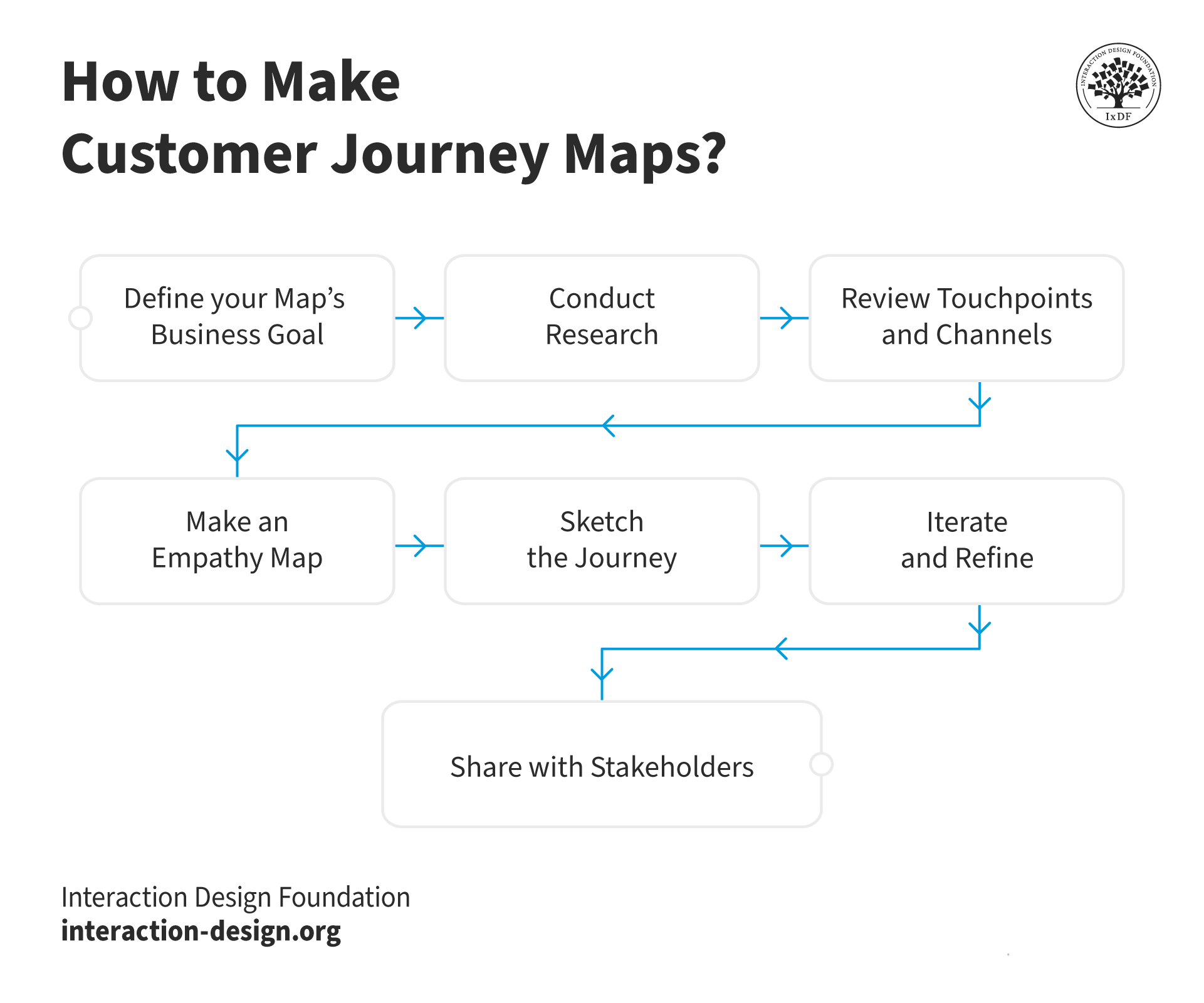
An infographic showcasing seven steps to create customer journey maps.

© Interaction Design Foundation, CC BY-SA 4.0

  1. Define Your Map’s Business Goal

Before creating a customer journey map, you must ask yourself why you're making one in the first place. Clarify who will use it and what user experience it will address.

  1. Conduct Research

Use customer research to determine customer experiences at all touchpoints. Get analytical/statistical data and anecdotal evidence. Leverage customer interviews, surveys, social media listening, and competitive intelligence.

Watch user researcher Ditte Hvas Mortensen talk about how user research fits your design process and when you should do different studies. 

Copyright
Transcript

  1. Review Touchpoints and Channels

List customer touchpoints (e.g., paying a bill) and channels (e.g., online). Look for more touchpoints or channels to include.

  1. Make an Empathy Map

Pinpoint what the customer does, thinks, feels, says, hears, etc., in a given situation. Then, determine their needs and how they feel throughout the experience. Focus on barriers and sources of annoyance.

  1. Sketch the Journey

Piece everything—touchpoints, timescale, empathy map output, new ideas, etc.). Show a customer’s course of motion through touchpoints and channels across the timescale, including their feelings at every touchpoint.

  1. Iterate and Refine

Revise and transform your sketch into the best-looking version of the ideal customer journey.

  1. Share with Stakeholders

Ensure all stakeholders understand your map and appreciate how its use will benefit customers and the organization.

Buyer Journey vs User Journey vs Customer Journey: What's the Difference?

You must know the differences between buyer, user, and customer journeys to optimize customer experiences. A customer journey map is often synonymous with a user flow diagram or buyer journey map. However, each journey gives unique insights and needs different plans.

Customer Journey

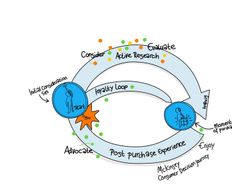
The customer journey, or lifecycle, outlines the stages a customer goes through with a business. This journey can vary across organizations but includes five key steps:

1. Awareness: This is the first stage of the customer journey, where the customers realize they have a problem. The customer becomes aware of your brand or product at this stage, usually due to marketing efforts.

2. Consideration: Once customers know about your product or service, they start their research and compare brands.

3. Purchase: This is the stage where the customer has chosen a solution and is ready to buy your product or service.

4. Retention: After the purchase, it's about retaining that customer and nurturing a relationship. This is where good customer service comes in.

5. Advocacy: Also called the loyalty stage, this is when the customer not only continues to buy your product but also recommends it to others.

The journey doesn't end when the customer buys and recommends your solution to others. Customer journey strategies are cyclical and repetitive. After the advocacy stage, ideally, you continue to attract and retain the customers, keeping them in the cycle. 

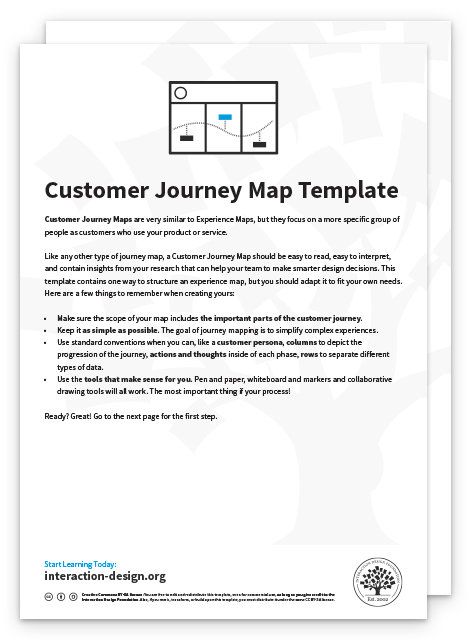
There is no standard format for a customer journey map. The key is to create one that works best for your team and product or service. Get started with customer journey mapping with our template:

Advance Your Career With This Free Template for “Customer Journey Map”
Customer Journey Map
We respect your privacy
Get 1 powerful email each week: Design a life you love!

This customer journey map template features three zones:

Top – persona and scenario. 

Middle – thoughts, actions, and feelings. 

Bottom – insights and progress barriers.

Buyer Journey

The buyer's journey involves the buyer's path towards purchasing. This includes some of the steps we saw in the customer journey but is specific to purchasing:

1. Awareness Stage: This is when a prospective buyer realizes they have a problem. However, they aren't yet fully aware of the solutions available to them.

2. Consideration Stage: After identifying their problem, the buyer researches and investigates different solutions with more intent. They compare different products, services, brands, or strategies here.

3. Decision Stage: The buyer then decides which solution will solve their problem at the right price. This is where the actual purchasing action takes place.  

4. Post-Purchase Evaluation: Although not always included, this stage is critical. It's where the buyer assesses their satisfaction with the purchase. It includes customer service interactions, quality assessment, and attitudinal loyalty to the brand.

All these stages can involve many touchpoints, including online research, social media interactions, and even direct, in-person interactions. Different buyers may move through these stages at different speeds and through various channels, depending on a wide range of factors.

User Journey

The user journey focuses on people's experience with digital platforms like websites or software. Key stages include:

1. Discovery: In this stage, users become aware of your product, site, or service, often due to marketing efforts, word-of-mouth, or organic search. It also includes their initial reactions or first impressions.

2. Research/Consideration: Here, users dig deeper, exploring features, comparing with alternatives, and evaluating if your offering suits their needs and preferences.

3. Interaction/Use: Users actively engage with your product or service. They first-hand experience your solution's functionality, usability, and usefulness to achieve their goal.

4. Problem-solving: If they encounter any issues, how they seek help and resolve their issues fall into this stage. It covers user support, troubleshooting, and other assistance.

5. Retention/Loyalty: This stage involves how users stay engaged over time. Do they continue using your product, reduce usage, or stop altogether? It includes their repeated interactions, purchases, and long-term engagement over time.

6. Advocacy/Referral: This is when users are so satisfied they begin to advocate for your product, leaving positive reviews and referring others to your service.

Download this user journey map template featuring an example of a user’s routine. 

Advance Your Career With This Free Template for “User Journey Example”
User Journey Example
We respect your privacy
Get 1 powerful email each week: Design a life you love!

Understanding these stages can help optimize the user experience, providing value at each stage and making the journey seamless and enjoyable. 

Always remember the journey is as important as the destination. Customer relationships start from the first website visit or interaction with marketing materials. These initial touchpoints can influence the ongoing relationship with your customers.
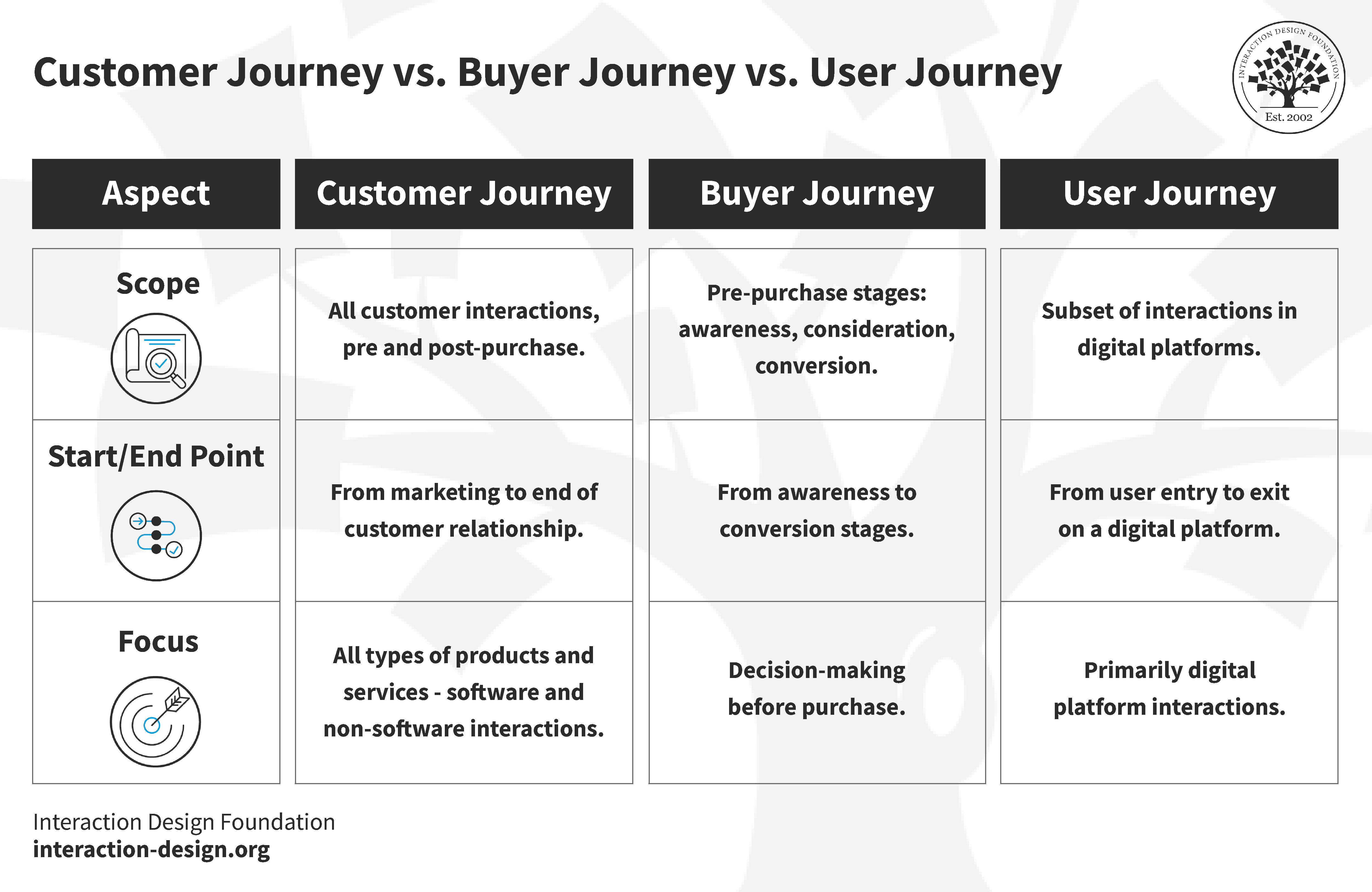
A gist of differences between customer, buyer, and user journeys.

© Interaction Design Foundation, CC BY-SA 3.0

Aspect

Customer Journey

Buyer Journey

User Journey

Scope

All customer interactions, pre and post-purchase.

Pre-purchase stages: awareness, consideration, conversion.

Subset of interactions in digital platforms.

Start/End Point

From marketing to end of customer relationship.

From awareness to conversion stages.

From user entry to exit on a digital platform.

Focus

All types of products and services—software and non—software interactions.

Decision-making before a purchase

Primarily digital platform interactions.

Drawbacks of Customer Journey Maps

Customer journey mapping is valuable yet has limitations and potential drawbacks. Recognize these challenges and create more practical and realistic journey maps.

  1. Over-simplification of Customer Experiences

Customer journey maps often risk simplifying complex customer experiences. They may depict varied and unpredictable customer behaviors as straightforward and linear. This simplification can lead to misunderstandings about your customers' needs and wants. As a result, you might overlook customers' diverse and unique paths. 

Always remember that real customer experiences are more complex than any map. When you recognize this, you steer clear of decisions based on simple models.

  1. Resource Intensity

Creating detailed customer journey maps requires a lot of resources and time. You must gather extensive data and update the maps to keep them relevant. This process can strain small businesses or those with limited resources. 

You need to balance the need for comprehensive mapping with available resources. Efficient resource management and prioritization are crucial to maintaining effective journey maps.

  1. Risk of Bias

Creating customer journey maps carries the inherent risk of biases. These biases can arise from various sources. They can impact the accuracy and effectiveness of the maps. 

Alan Dix, an expert in HCI, discusses bias in more detail in this video.  

Transcript

Common biases in customer journey mapping include:

  • Assumption Bias: When teams make decisions based on preconceived notions rather than customer data.

  • Selection Bias: When the data doesn’t represent the entire customer base..

  • Confirmation Bias: When you focus on information that supports existing beliefs and preferences. Simultaneously, you tend to ignore or dismiss data that contradicts those beliefs.

  • Anchoring Bias: Relying on the first information encountered (anchor) when making decisions.

  • Overconfidence Bias: Placing too much trust in the accuracy of the journey map. You may overlook its potential flaws.

These biases may misguide the team, and design decisions based on these maps might not be effective.

To address these biases, review and update journey maps with real user research data. Engage with different customer segments and gather a wide range of feedback to help create a more accurate and representative map. This approach ensures the journey map aligns with actual customer experiences and behaviors.

  1. Evolving Customer Behaviors

Customer behaviors and preferences change with time. A journey map relevant today can become outdated. You need to update and adapt your maps to reflect these changes. This requires you to perform market research and stay updated with trends and customer feedback. 

Getting fresh data ensures your journey map stays relevant and effective. You must adapt to evolving customer behaviors to maintain accurate and valuable customer journey maps.

  1. Challenges in Capturing Emotions

Capturing emotions accurately in customer journey maps poses a significant challenge. Emotions influence customer decisions, yet you may find it difficult to quantify and represent them in maps. Most journey maps emphasize actions and touchpoints, often neglecting the emotional journey. 

You must integrate emotional insights into these maps to understand customer experiences. This integration enhances the effectiveness of customer engagement strategies. You can include user quotes, symbols such as emojis, or even graphs to capture the ups and downs of the users’ emotions..

  1. Misalignment with Customer Needs

Misalignments in customer journey maps can manifest in various ways. It can impact the effectiveness of your strategies. Common misalignments include:

  • Putting business aims first, not what customers need.

  • Not seeing or serving the varied needs of different customer types.

  • Not using customer feedback in the journey map.

  • Thinking every customer follows a simple, straight path.

Engage with your customers to understand their needs and preferences if you want to address these misalignments. Incorporate their direct feedback into the journey map. This approach leads to more effective customer engagement and satisfaction.

  1. Over-Reliance on the Map

Relying too much on customer journey maps can lead to problems. These maps should serve as tools rather than definitive guides. Viewing them as perfect can restrict your responsiveness to customer feedback and market changes. Treat journey maps as evolving documents that complement direct customer interactions and feedback. 

Make sure you get regular updates and maintain flexibility in your approach. Balance the insights from the map with ongoing customer engagement. This approach keeps your business agile and responsive to evolving customer needs.

  1. Data Privacy Concerns

Collecting customer data for journey mapping poses significant privacy concerns. Thus, you need to create a balance. You must adhere to data protection laws and gather enough information for mapping. 

You need a careful strategy to ensure customer data security. Stay vigilant to adapt to evolving privacy regulations and customer expectations. This vigilance helps maintain trust and compliance.

Questions About Customer Journey Maps?
We've Got Answers!

How to create a customer journey map?

Creating a customer journey map requires visually representing the customer's experience with your product or company. Harness the strength of visual reasoning to understand and present this journey succinctly. Instead of detailing a lengthy narrative, like a book, a well-crafted map allows stakeholders, whether designers or not, to grasp the journey quickly. It's a democratized tool that disseminates information, unifies teams, and aids decision-making by illuminating previously unnoticed or misunderstood aspects of the customer's journey.

Transcript

What are the 5 stages of customer journey?

The customer journey encompasses five distinct stages that guide a customer's interaction with a brand or product:

  1. Awareness: The customer becomes aware of a need or problem.

  2. Consideration: They research potential solutions or products.

  3. Purchase: The customer decides on a solution and makes a purchase.

  4. Retention: Post-purchase, the customer uses the product and forms an opinion.

  5. Advocacy: Satisfied customers become brand advocates, sharing their positive experiences.

For a comprehensive understanding of these stages and how they intertwine with customer touchpoints, refer to Interaction-Design.org's in-depth article.

What is perspective grid workshop?

A perspective grid workshop is a activity that brings together stakeholders from various departments, such as product design, marketing, growth, and customer support, to align on a shared understanding of the customer's journey. These stakeholders contribute unique insights about customer needs and how they interact with a product or service. The workshop entails:

  1. Creating a matrix to identify customers' jobs and requirements, not initially linked to specific features.

  2. Identifying the gaps, barriers, pains, and risks associated with unmet needs, and constructing a narrative for the journey.

  3. Highlighting the resulting value when these needs are met.

  4. Discuss the implied technical and non-technical capabilities required to deliver this value.

  5. Brainstorming possible solutions and eventually narrowing down to specific features.

The ultimate aim is to foster alignment within the organization and produce a user journey map based on shared knowledge. 

Learn more from this insightful video:

Transcript

Why customer journey mapping is important?

Customer journey mapping is vital as it harnesses our visual reasoning capabilities to articulate a customer's broad, intricate journey with a brand. Such a depiction would otherwise require extensive documentation, like a book. This tool offers a cost-effective method to convey information succinctly, ensuring understanding of whether one is a designer or lacks the time for extensive reading. It also helps the team to develop a shared vision and to encourage collaboration.  Businesses can better comprehend and address interaction points by using a journey map, facilitating informed decision-making and revealing insights that might otherwise remain obscured. Learn more about the power of visualizing the customer journey in this video.

Transcript

What are the pain points in the customer journey map?

Pain points in a customer journey map represent customers' challenges or frustrations while interacting with a product or service. They can arise from unmet needs, gaps in service, or barriers faced during the user experience. Identifying these pain points is crucial as they highlight areas for improvement, allowing businesses to enhance the customer experience and meet their needs more effectively. Pain points can relate to various aspects, including product usability, communication gaps, or post-purchase concerns. Explore the detailed article on customer journey maps at Interaction Design Foundation for a deeper understanding and real-world examples.

What are the benefits of customer journey mapping?

Customer journey mapping offers several key benefits:

  1. It provides a holistic view of the customer experience, highlighting areas for improvement. This ensures that products or services meet users' needs effectively.

  2. The process fosters team alignment, ensuring everyone understands and prioritizes the customer's perspective.

  3. It helps identify pain points, revealing opportunities to enhance user satisfaction and loyalty.

  4. This visualization allows businesses to make informed decisions, ensuring resources target the most impactful areas.

To delve deeper into the advantages and insights on journey mapping, refer to Interaction Design Foundation's article on key takeaways from the IXDF journey mapping course.

What is the customer journey map in design thinking?

In design thinking, a customer journey map visually represents a user's interactions with a product or service over time. It provides a detailed look at a user's experience, from initial contact to long-term engagement. Focusing on the user's perspective highlights their needs, emotions, pain points, and moments of delight. This tool aids in understanding and empathizing with users, a core principle of design thinking. When used effectively, it bridges gaps between design thinking and marketing, ensuring user-centric solutions align with business goals. For a comprehensive understanding of how it fits within design thinking and its relation to marketing, refer to Interaction Design Foundation's article on resolving conflicts between design thinking and marketing.

What is the difference between a customer journey map and a user journey map?

A customer journey map and a user journey map are tools to understand the experience of users or customers with a product or service.

  • A customer journey map is a broader view of the entire customer experience across multiple touchpoints and stages. It considers physical and digital channels, multiple user personas, and emotional and qualitative aspects.

  • A user journey map is a detailed view of the steps to complete a specific task or goal within a product or service. It only considers digital channels, one user persona, and functional and quantitative aspects.

Both are useful to understand and improve the experience of the users or customers with a product or service. However, they have different scopes, perspectives, and purposes. A customer journey map provides a holistic view of the entire customer experience across multiple channels and stages. A user journey map provides a detailed view of the steps to complete a specific task or goal within a product or service.

While user journeys might emphasize specific tasks or pain points, customer journeys encapsulate the entire experience, from research and comparison to purchasing and retention. 

Transcript

What is the difference between a customer journey map and a service blueprint?

Customer journey maps and service blueprints are tools to understand and improve the experience of the users or customers with a product or service. A customer journey map shows the entire customer experience across multiple touchpoints and stages. It focuses on the front stage of the service, which is what the customers see and experience. It considers different user personas and emotional aspects.

A service blueprint shows how a service is delivered and operated by an organization. It focuses on the back stage of the service, which is what the customers do not see or experience. It considers one user persona and functional aspects. What are the steps that the customer takes to complete a specific task or goal within the service? What are the channels and devices that the customer interacts with at each step?

Where to learn more about customer journey mapping?

For an immersive dive into customer journey mapping, consider enrolling in the Interaction Design Foundation's specialized course. This course offers hands-on lessons, expert guidance, and actionable tools. Furthermore, to grasp the course's essence, the article “4 Takeaways from the IXDF Journey Mapping Course” sheds light on the core learnings, offering a snapshot of what to expect. These resources are tailored by industry leaders, ensuring you're equipped with the best knowledge to craft impactful customer journey maps.

Transcript

Earn a Gift Earn a Gift, Answer a Short Quiz!

1
2
3
4
1
2
3
4
Question 1
Question 2
Question 3
Get Your Gift
Interaction Design Foundation logo

Question 1

Why do designers create customer journey maps?

1 point towards your gift

  • To document internal company processes and designer feedback
  • To replace other forms of customer feedback
  • To visualize customer experiences and identify pain points
Interaction Design Foundation logo

Question 2

In which stage do customers first recognize they have a problem?

1 point towards your gift

  • Advocacy
  • Awareness
  • Retention
Interaction Design Foundation logo

Question 3

What element is essential in a customer journey map?

1 point towards your gift

  • Competitor analysis
  • Customer's thoughts and feelings
  • Empathy maps and user stories

Learn More About Customer Journey Maps

Make learning as easy as watching Netflix: Learn more about Customer Journey Maps by taking the online IxDF Course Journey Mapping.

Why? Because design skills make you valuable. In any job. Any industry.

In This Course, You'll

  • Get excited when you learn how to create simple, intuitive experiences, services, and products that make a big impact for you and your company! Did you know that businesses using journey mapping earn more than 13 times the revenue from cross-sell and up-sell compared to their competitors? Every obstacle in your checkout or signup flow is lost revenue, and journey mapping helps you get it back. Journey maps help you step into your customer's shoes, deeply understand their needs, and optimize their entire experience from start to finish. AI can process data and surface patterns, but timeless human-centered design skills are how you turn those insights into meaningful improvements, turn AI into your superpower, and stay in demand.

  • Make yourself invaluable as you get familiar with the three most common types of journey maps: experience maps, customer journey maps, and service blueprints. Journey mapping skills aren't just for designers. You'll make better business decisions when you use journey mapping to focus resources where they give you the best return on investment (ROI). Journey maps give all teams—management, marketing, sales, and more—a clear way to communicate and collaborate. No matter your background, you can easily master journey mapping. With clear guidance and real-world examples, you'll apply your skills from day one.

  • Gain confidence and credibility as you turn research into perspective grids and create impactful journey maps. You'll even learn to lead a journey mapping workshop that results in successful product/process initiatives and portfolio-ready case studies. Save time as you apply proven step-by-step processes and ready-to-use templates to create insightful case studies for your portfolio or to make an immediate impact in your current role. This course will give you practical, in-demand skills you can use to excel in any field

It's Easy to Fast-Track Your Career with the World's Best Experts

Master complex skills effortlessly with proven best practices and toolkits directly from the world's top design experts. Meet your experts for this course:

  • Matt Snyder: Director of UX Design at Axiom, passionate about building out product design roles in human-centered tech companies.

  • Indi Young: Problem-discovery researcher, speaker, coach, and author of “Time to Listen,” “Practical Empathy,” and “Mental Models.”

  • Kai Wang: Product Designer who has designed complex experiences for CarMax and Capital One.

Get an Industry-Recognized IxDF Course Certificate

Increase your credibility, salary potential and job opportunities by showing credible evidence of your skills.

IxDF Course Certificates set the industry gold standard. Add them to your LinkedIn profile, resumé, and job applications.

Course Certificate Example

Be in distinguished company, alongside industry leaders who train their teams with the IxDF and trust IxDF Course Certificates.

Our clients: IBM, HP, Adobe, GE, Accenture, Allianz, Phillips, Deezer, Capgemin, Mcafee, SAP, Telenor, Cigna, British Parliament, State of New York

All Free IxDF Articles on Customer Journey Maps

Read full article
What are Customer Touchpoints & Why Do They Matter? - Article hero image
Interaction Design Foundation logo

What are Customer Touchpoints & Why Do They Matter?

There are as many different definitions for the word “touchpoint” in customer experience design and marketing as there are flavors on the average restaurant menu. Why? Because these disciplines have been evolving rapidly over the last decades and terminology has become fluid rather than static. To m

Social shares
1.2k
Published
Read Article
Read full article
How to Visualize Your Qualitative User Research Results for Maximum Impact - Article hero image
Interaction Design Foundation logo

How to Visualize Your Qualitative User Research Results for Maximum Impact

When thinking about visualization of research results, many people will automatically have an image of a graph in mind. Do you have that image, too? You would be right in thinking that many research results benefit from a graph-like visualization, showing trends and anomalies. But this is mainly tru

Social shares
966
Published
Read Article
Read full article
14 UX Deliverables: What will I be making as a UX designer? - Article hero image
Interaction Design Foundation logo

14 UX Deliverables: What will I be making as a UX designer?

What does a UX designer actually produce? Here, we will explore the concept of UX deliverables, a term that describes the outputs of a UX design process during its various stages. The deliverables produced by UX designers vary according to their role in the design team and also depending on the meth

Social shares
1.2k
Published
Read Article
Read full article
How to Resolve Conflicts Between Design Thinking and Marketing - Article hero image
Interaction Design Foundation logo

How to Resolve Conflicts Between Design Thinking and Marketing

In the past, designers often reported to marketing managers and were neither expected nor allowed to make business decisions. When traditionally-structured companies transition to a design-driven mindset, there can be friction between the marketing and design teams. Let’s take a closer look at this

Social shares
681
Published
Read Article
Read full article
How to Create a Perspective Grid - Article hero image
Interaction Design Foundation logo

How to Create a Perspective Grid

When you create a journey map, it can be a challenge to combine research data and the ideas of people in your organization into a map that tells an accurate, simple story. But success in this is critical. An inaccurate map could lead to bad decisions, and one that is too complex may prevent people f

Social shares
621
Published
Read Article
Read full article
The Power of Mapping - Article hero image
Interaction Design Foundation logo

The Power of Mapping

The map is one of the earliest and most important human inventions. It helps us to navigate our complex world. Maps simplify complex spaces, create shared understanding, reveal hidden insights and help us coordinate action. Around 25,000 B.C. a person carved the earliest known map into a mammoth tus

Social shares
568
Published
Read Article

The Power of Mapping

The Power of Mapping

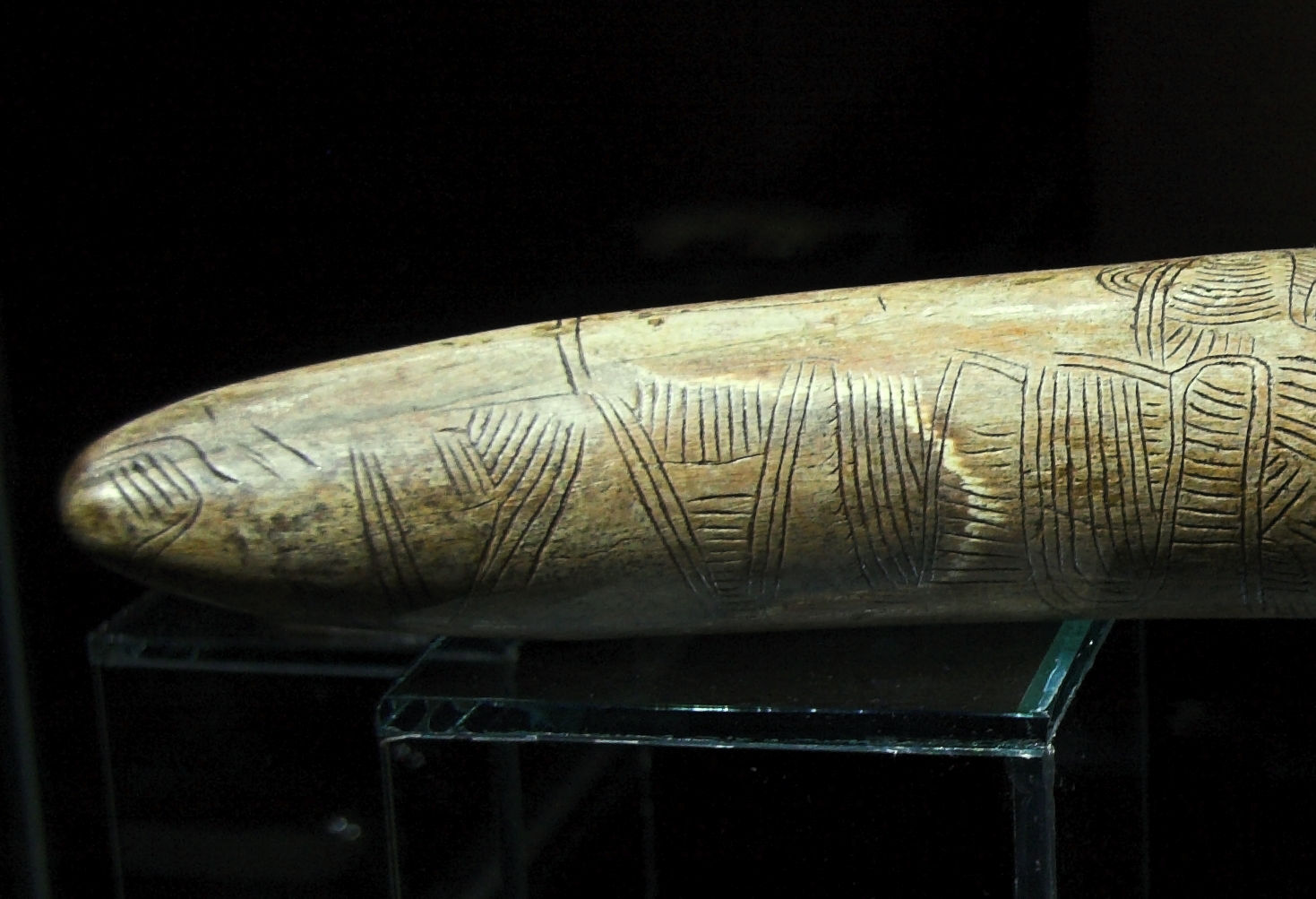
The map is one of the earliest and most important human inventions. It helps us to navigate our complex world. Maps simplify complex spaces, create shared understanding, reveal hidden insights and help us coordinate action. Around 25,000 B.C. a person carved the earliest known map into a mammoth tusk. It depicted the land routes around what is now Pavlov in the Czech Republic. Since then, humans have used maps in almost every area of life including global exploration, space travel, circuit design, vehicle navigation, project planning and locating pirate treasure (allegedly). It is not a surprise, then, that as UX designers have been tasked with more complex challenges, we have increasingly turned to the ancient power of maps.

A mammoth tusk with a series of lines carved into it that depict a mountain, river, valleys and routes.

© zk, Creative Commons Attribution-Share Alike 4.0 International

Why are we talking about an invention that is tens of thousands of years old when our goal is to design better cutting-edge technology? It’s because in order to understand why journey mapping works so well and how you can adapt it for your own projects, it helps to first understand the reasons that maps have worked so well for humans for so long. As you will see, the creator of the mammoth tusk map leveraged many of the same powerful dynamics that you will be tapping into when you create a journey map.

Transcript

Maps Simplify Complex Spaces

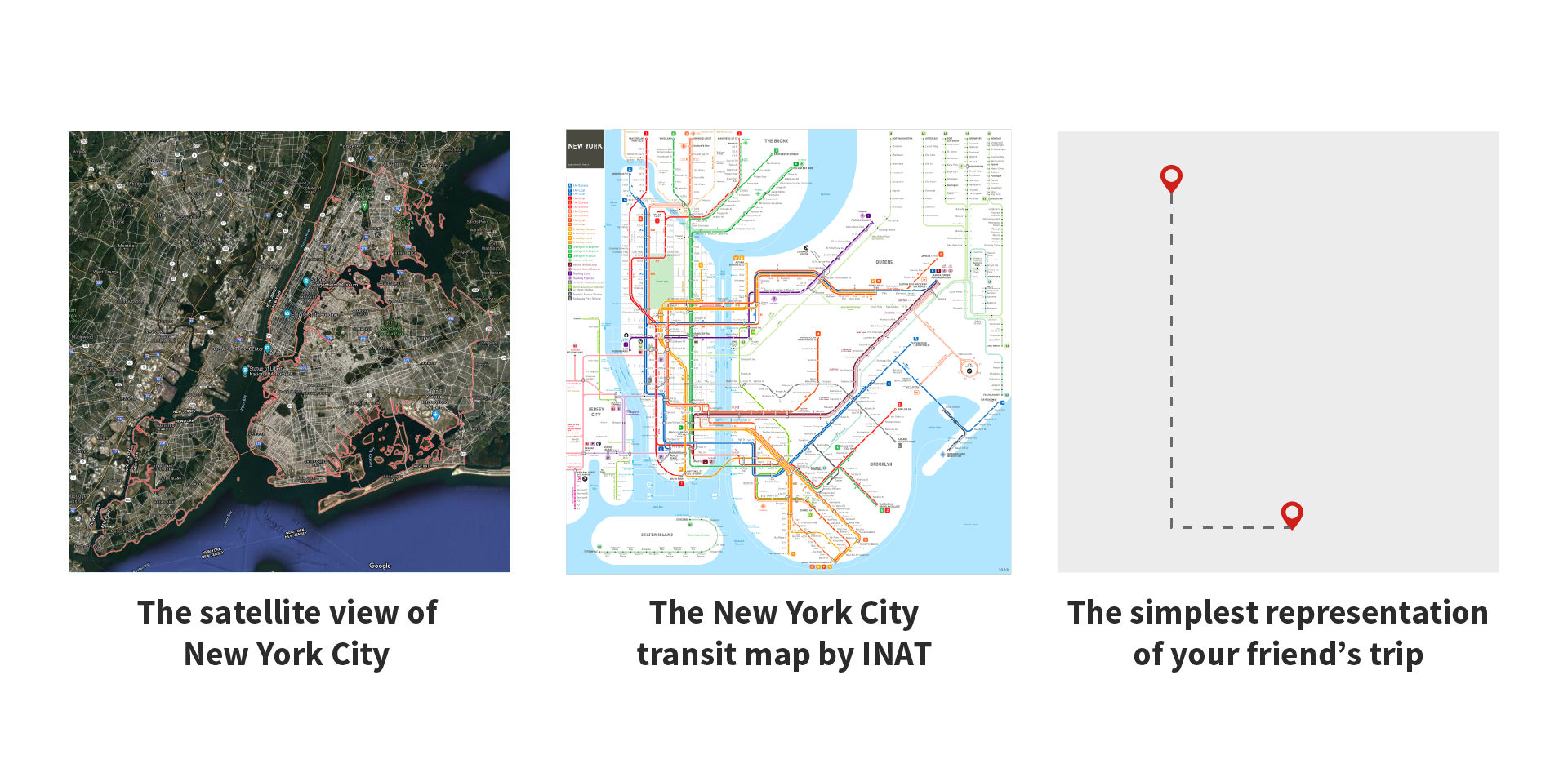
Imagine it is a cold December day and a friend texts you from the south part of New York City. It is her first trip to New York. She is in a rush to reach the north part of the city. She only has enough cash to take the subway, and she needs your help. You do a quick search online and find the following three maps. Which one would you send to her?

Three images arranged horizontally. The leftmost image is a satellite view of New York City. The middle image is a map of the New York City subway system. The right image contains two map markers, connected by a dotted line.

© Google Maps, Fair Use, © INAT, Fair Use, © Christian Briggs and Interaction Design Foundation, CC BY-SA 3.0.

Unless you are a very bad friend, you would of course send her the second map. The first has way too much detail, and the third map doesn’t have nearly enough. This exaggerated example shows us something important about maps. Maps simplify complex spaces. Perhaps more importantly, useful maps simplify complex spaces just enough

A useful map shows what you need to know and leaves out what you don’t. To reach her destination, your friend doesn’t need to know the location of Interstate 95, the location of the Empire State Building or the location of the New York/New Jersey border. She does need to know which subway lines will take her there, and where she will need to switch lines. 

As you begin to create your own journey maps, you will develop the ability to find the right level of simplicity.

Maps Create Shared Understanding

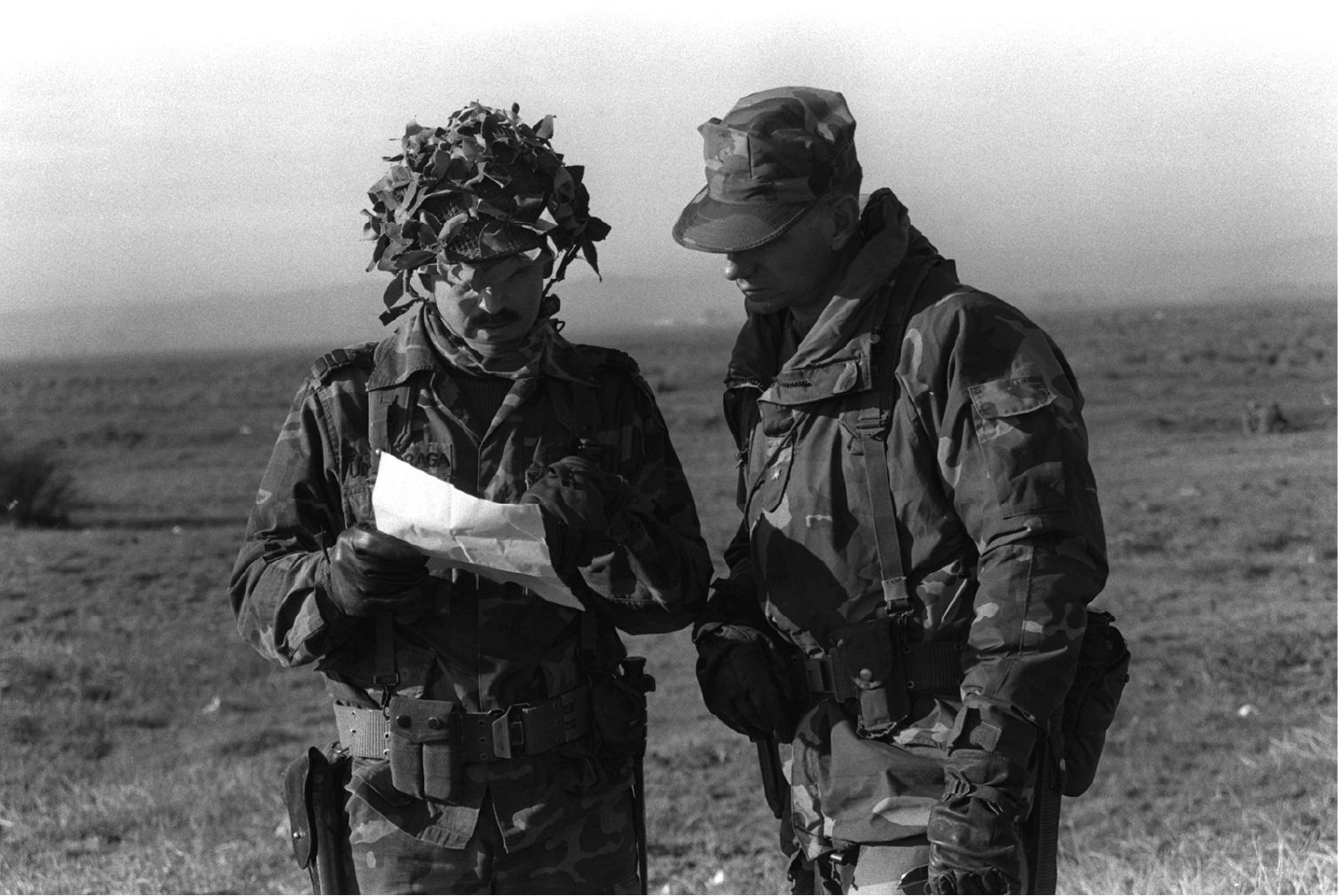
A black and white photo of a U.S. Marine and Chilean Marine studying a map in an empty field.

© National Archives photo no. 6487987, Public Domain.

When a movie character says to their fellow soldiers, hikers, shipwrecked friends or siblings “Let’s split up. You go that way and I’ll go this way,” it’s a pretty good bet that something bad is about to happen. Why? Because intuitively we all know that splitting up a group makes it harder for everyone to maintain the same understanding of the situation, which in turn makes it easier for them to fall victim to any number of movie-type problems like being irreconcilably separated, eaten by an animal, captured, injured or wandering into a magic wardrobe and imprisoned by a Turkish-delight-proffering evil witch. 

Of course, one of the best ways for a group to maintain a shared understanding of their situation—whether they split up or not—is for each person to have an accurate map and refer to it periodically. Returning to the movie example for a moment, if the line “Let’s split up…” is a harbinger of doom, then a character spreading a map out on a stump and saying “This is our current location…” just as often foreshadows a positive turn of events. It suggests that the team has a shared understanding of their location, direction and progress.

Maps Reveal Hidden Insights

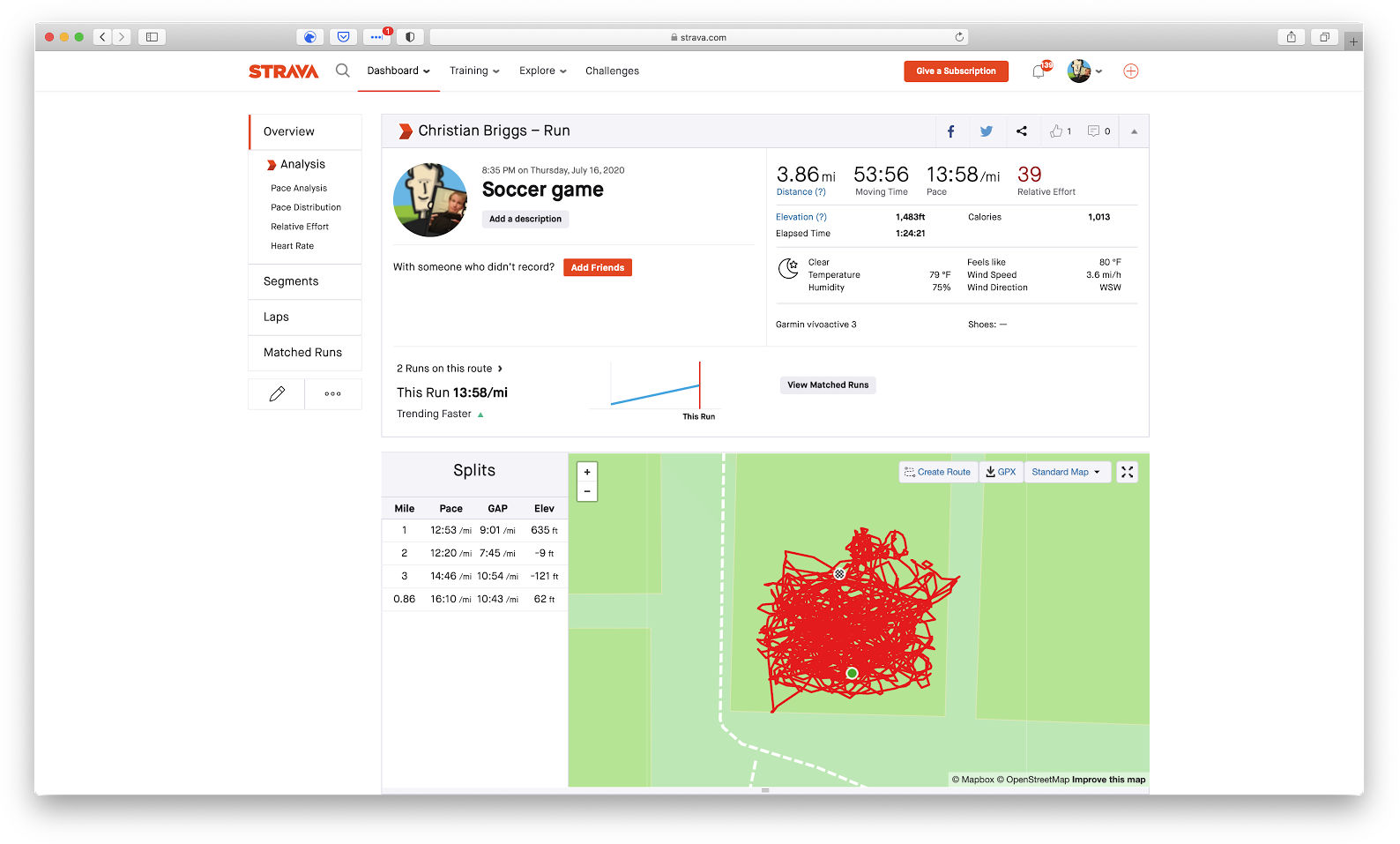
In the 1990s, I played college soccer as a midfielder—which meant playing both offense and defense for 90 minutes. I covered a lot of distance every game, but because GPS devices were neither small nor widely available it was impossible to know exactly how much distance. At the time, I estimated that I would cover around 3 miles in a 90-minute game—a mental model that has shaped my perception of soccer for the last 20-plus years. With the help of a map of GPS data, I recently discovered that my perception has been wrong.

In 2021, I began playing soccer again, now much older (let’s not talk about that right now) and wearing a GPS-enabled watch. After the first game, I was very surprised to learn that in only 77 minutes—which is twelve minutes shorter than the games I played in college—I had already run 5.42 miles. The game was also played on a shorter field with fewer players. Taken together, these facts show that in college I had been covering at least twice as many miles per game as I had estimated. 

A screenshot of the Strava application. The content of the screen shows a satellite view of a soccer field and a red line crisscrossing the entire field heavily. The red line is the path of Christian during a soccer game.

© Strava, Fair Use.

I could also see from the data that my path covered the entire field. This provided two otherwise hidden insights—that in college I was probably running much farther than 3 miles in a 90-minute game, and that I was still playing the game like a midfielder—playing both offense and defense—20 years later.     

These are not life-changing insights, but they illustrate how maps can show patterns and data that reveal hidden insights.

Maps Help Us Coordinate Actions

On July 20, 1969, astronauts Neil Armstrong and Buzz Aldrin left Michael Collins in the Columbia Spacecraft, entered the Eagle Lunar Module, undocked and headed for a successful landing on the surface of the moon. For the next 28 hours, Columbia would orbit the moon. Eventually Eagle ascended from the moon’s surface, and on Columbia’s 27th orbit, it successfully docked again with Eagle

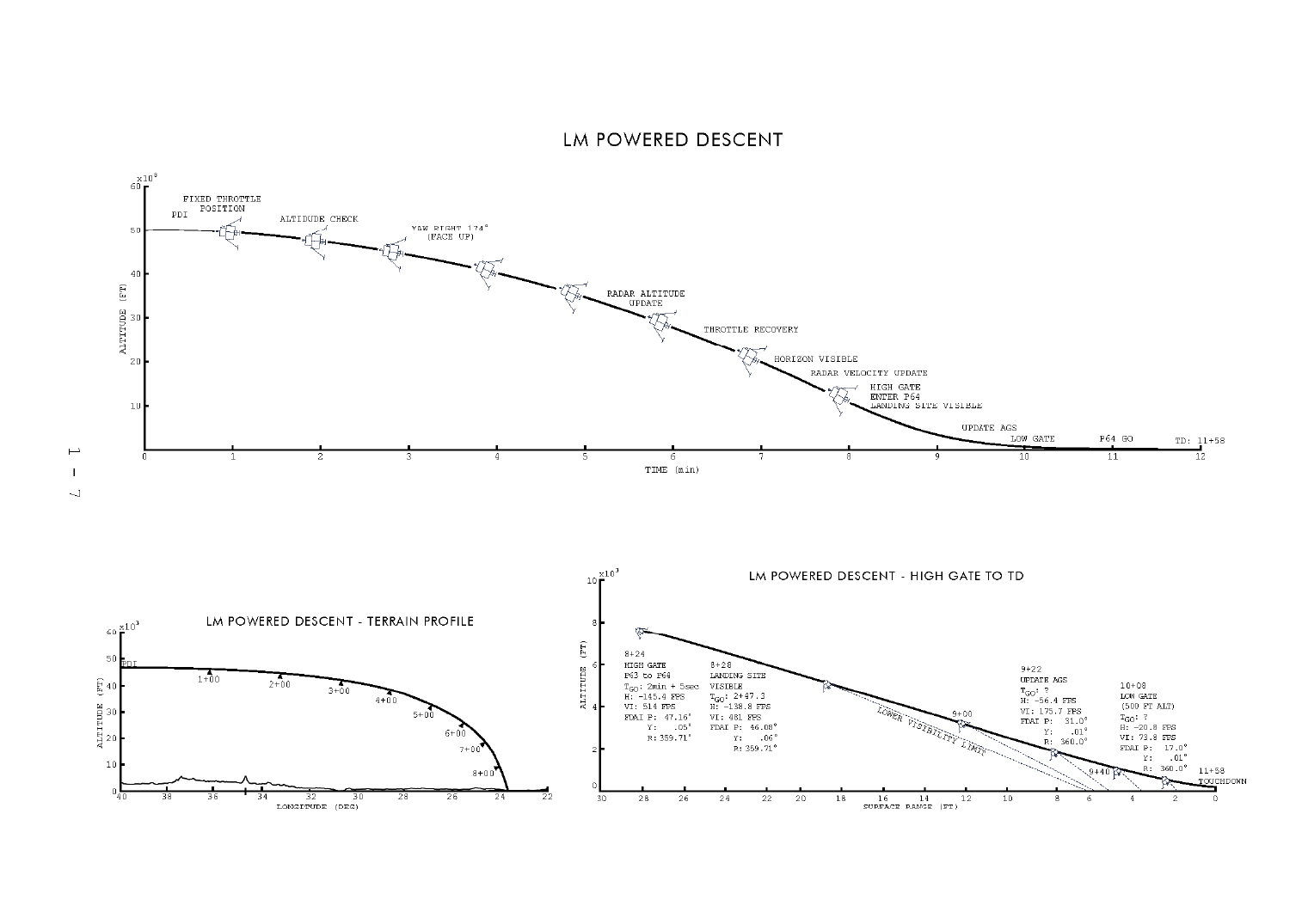
The spatial, procedural and time coordination that this required was massive, as were the consequences for failure. Everyone involved—the three astronauts in space, the flight directors in Mission Control and everyone else in NASA—relied heavily on a range of specialized map visualizations to make sure that everyone understood exactly what to do and when.

A black and white technical document that shows three line graphs. The first depicts the Apollo 11 Lunar Module's descent to the moon's surface. The second depicts the terrain profile over the course of the powered descent. The third depicts the powered descent from high gate to touchdown.

© NASA, Fair Use.

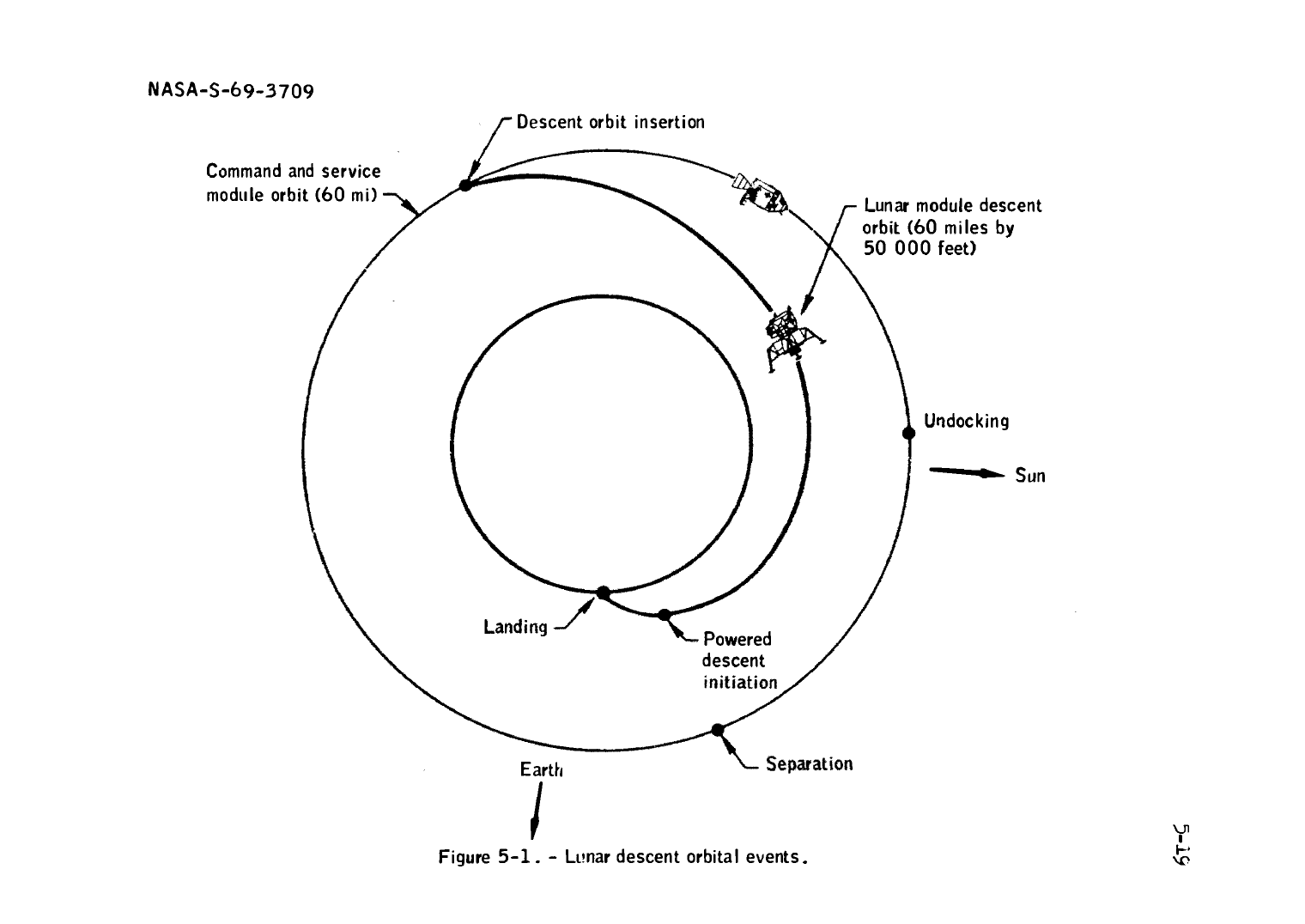
The maps used for the Apollo space missions illustrate another important point about maps. They help us to coordinate actions. The Lunar Module (Eagle) and the Command and Service Module (Columbia) used them to precisely plan their orbit, time their separation and plot a safe course to the moon, 70 miles away.  

A black and white technical document depicting the path of the Apollo Command Service Module around the moon, and the path of the Lunar Module from the moon to the Command Service Module.

© NASA, Fair Use.

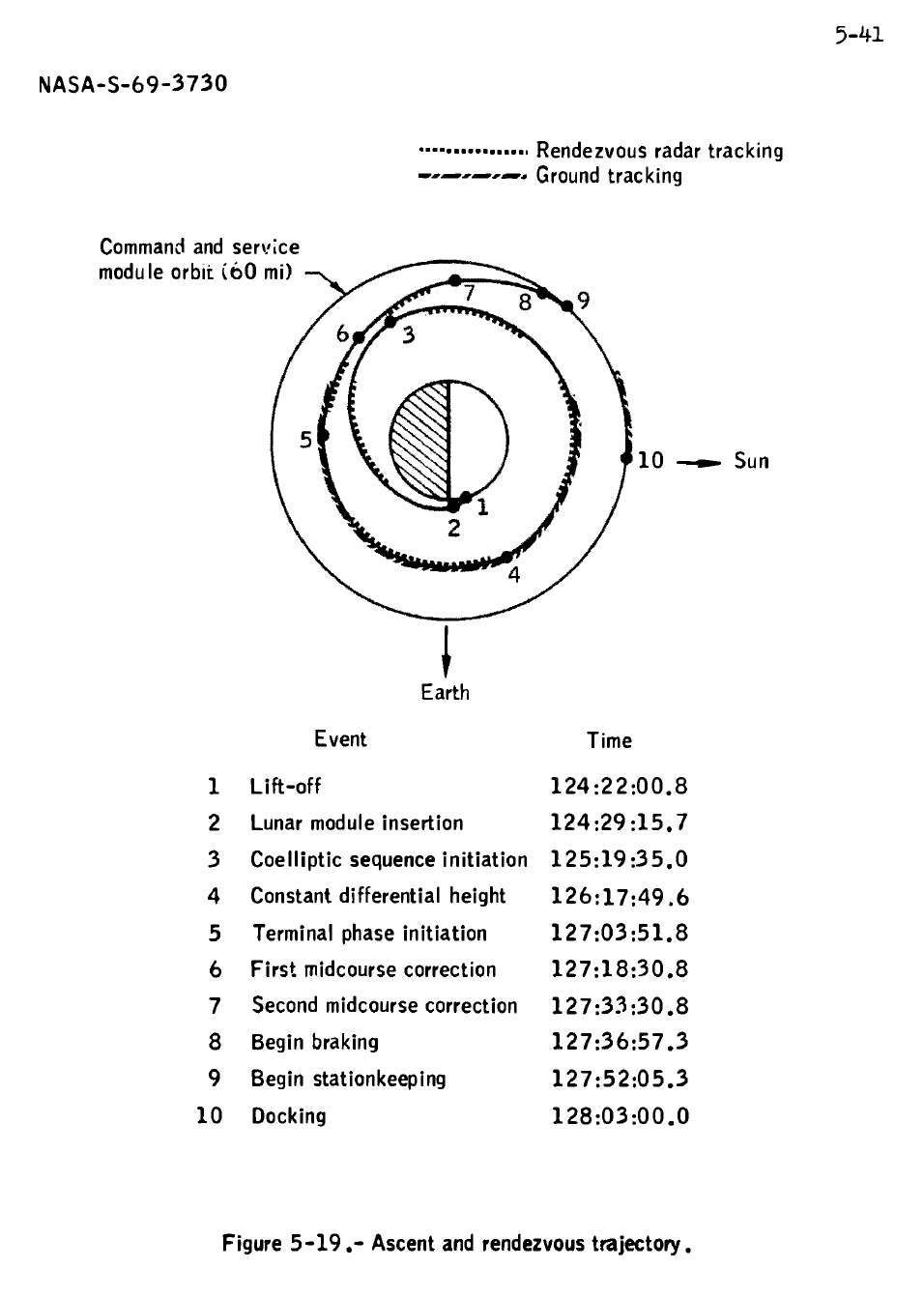
When the work on the moon was completed and the Lunar module lifted off from its surface, it had to perfectly synchronize its orbit in order to dock again with the Command and Service Module. 

A black and white technical document depicting the path and exact timing of each step from the Apollo 11 Lunar Module's liftoff from the moon to its docking with the Command Service Module.

© NASA, Fair Use.

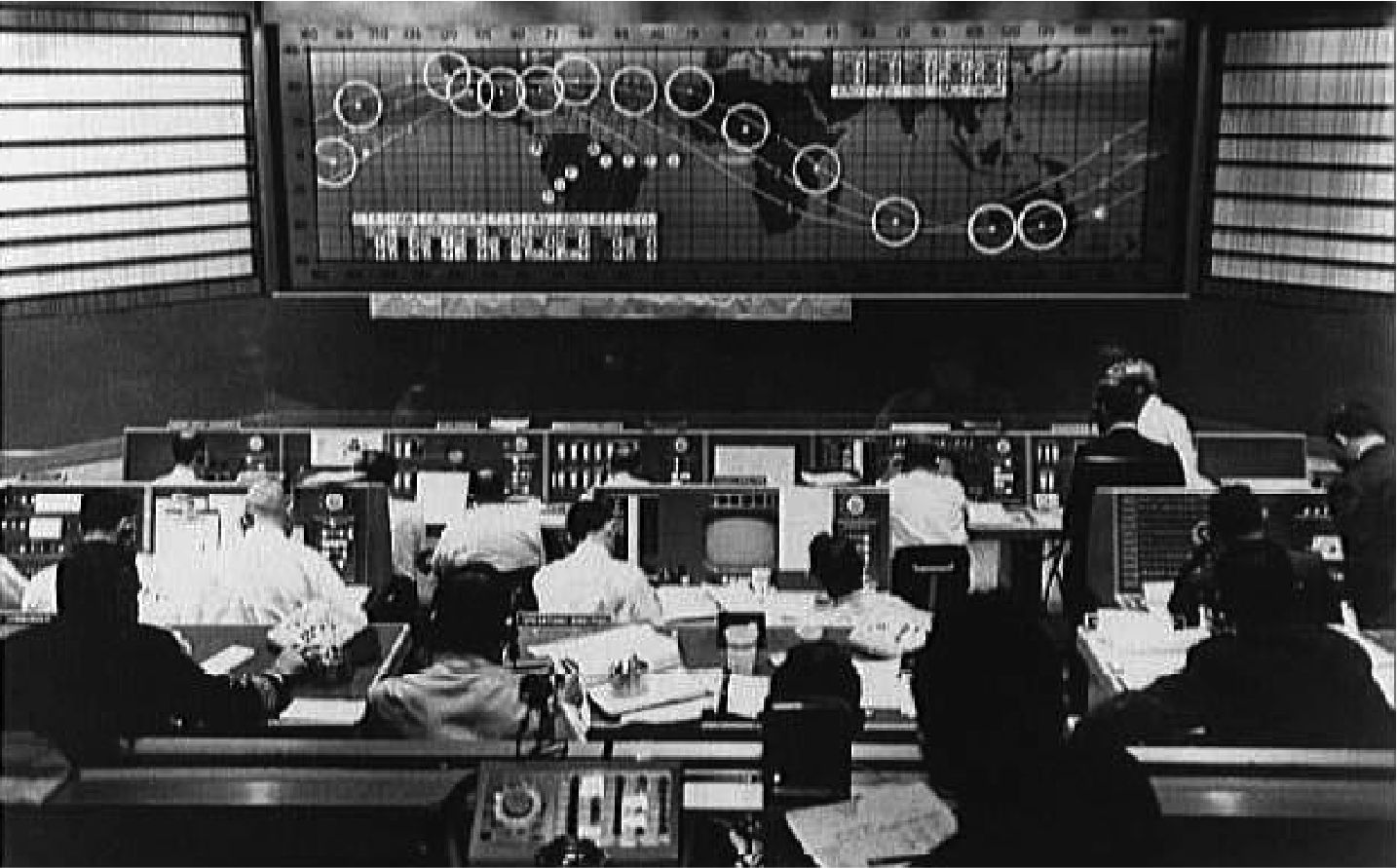
Meanwhile 200,000 miles away on Earth, Mission Control used the same maps to ensure that everyone stayed on course, on schedule and safely completed the mission. 

An old black and white photo of the NASA Mercury Space Flight Network control room.

© NASA, Fair Use.

These examples illustrate two other features of maps. They simplified the complexity of space travel by showing only the things needed for the mission, and helped the Astronauts navigate in an unfamiliar environment that none of them had actually seen before. 

The Power of Journey Mapping in UX

Transcript

As UX designers, we can learn valuable lessons from each of these examples! We can use the ancient power of maps—through the modern process of journey mapping—to reduce the complexity of a long-term fitness app experience, allow the owner of one part of a digital finance experience to create a shared understanding of another owner’s part, reveal hidden insights about how to improve a multi-person online game and help coordinate our actions with developers, support people, product managers and marketers and produce great design outcomes. 

These examples should also give you confidence. If the massive metropolis of New York City can be simplified to a useful transit map, if a 20-year-old question can be answered by a map of one soccer game, and if NASA was able to use maps to successfully send three humans on a 900,000-mile round-trip to the moon, then surely you can use a journey map to help your design team create a better user experience!

The Take Away

The map is one of the earliest and most important human inventions. Mapping allows you to simplify a complex space, create shared understanding, reveal hidden insights and coordinate actions. Journey mapping allows you to use the power of maps to solve modern UX design challenges. 

Images

© Interaction Design Foundation, CC BY-SA 3.0

Feel Stuck?
Want Better Job Options?

AI is replacing jobs everywhere, yet design jobs are booming with a projected 45% job growth. With design skills, you can create products and services people love. More love means more impact and greater salary potential.

At IxDF, we help you from your first course to your next job, all in one place.

See How Design Skills Turn Into Job Options
Privacy Settings
By using this site, you accept our Cookie Policy and Terms of Use.
Customize
Accept all

Be the One Who Inspires

People remember who shares great ideas.

Share on:

Academic Credibility — On Autopilot

Don't waste time googling citation formats. Just copy, paste and look legit in seconds.