Assumptions in UX/UI Design

Your constantly-updated definition of Assumptions in UX/UI Design and collection of videos and articles.
Be a conversation starter: Share this page and inspire others!

197 Shares

What are Assumptions in UX/UI Design?

Assumptions are beliefs or views that designers hold about their users, the context of use or the user goals. They usually come from past experiences, industry knowledge or personal intuition. Assumptions serve as a starting point for design decisions but can sometimes be misleading if designers do not validate or challenge them, hence why testing is vital. 

Don Norman: Father of User Experience design, author of the legendary book The Design of Everyday Things, co-founder of the Nielsen Norman Group, and former VP of the Advanced Technology Group at Apple, explains the 5 Whys method, a powerful tool to dig deep and investigate causes—and assumptions.   

Transcript
  

How to Understand Design Assumptions

The most important aspect of assumptions in user experience design (UX design) is how designers can hold them to be true without concrete evidence or validation. Designers often base assumptions on past experiences, personal biases or limited information. Assumptions are often too close to designers’ minds for them to recognize them as such. One of the greatest risks in design is that designers can take them for granted as facts. Designers make assumptions about users, their needs, behaviors and the context in which these users will interact with a product or service.  

Assumptions can influence the entire design process—from how designers define the problem to how they create solutions. They can shape the direction of a project, guide design decisions and impact the overall user experience. However, it's essential to recognize that assumptions are not facts. While they can hold benefits, they can also lead to design solutions that do not meet user needs or expectations. This is why designers need to be aware of them—and challenge them as needed. 
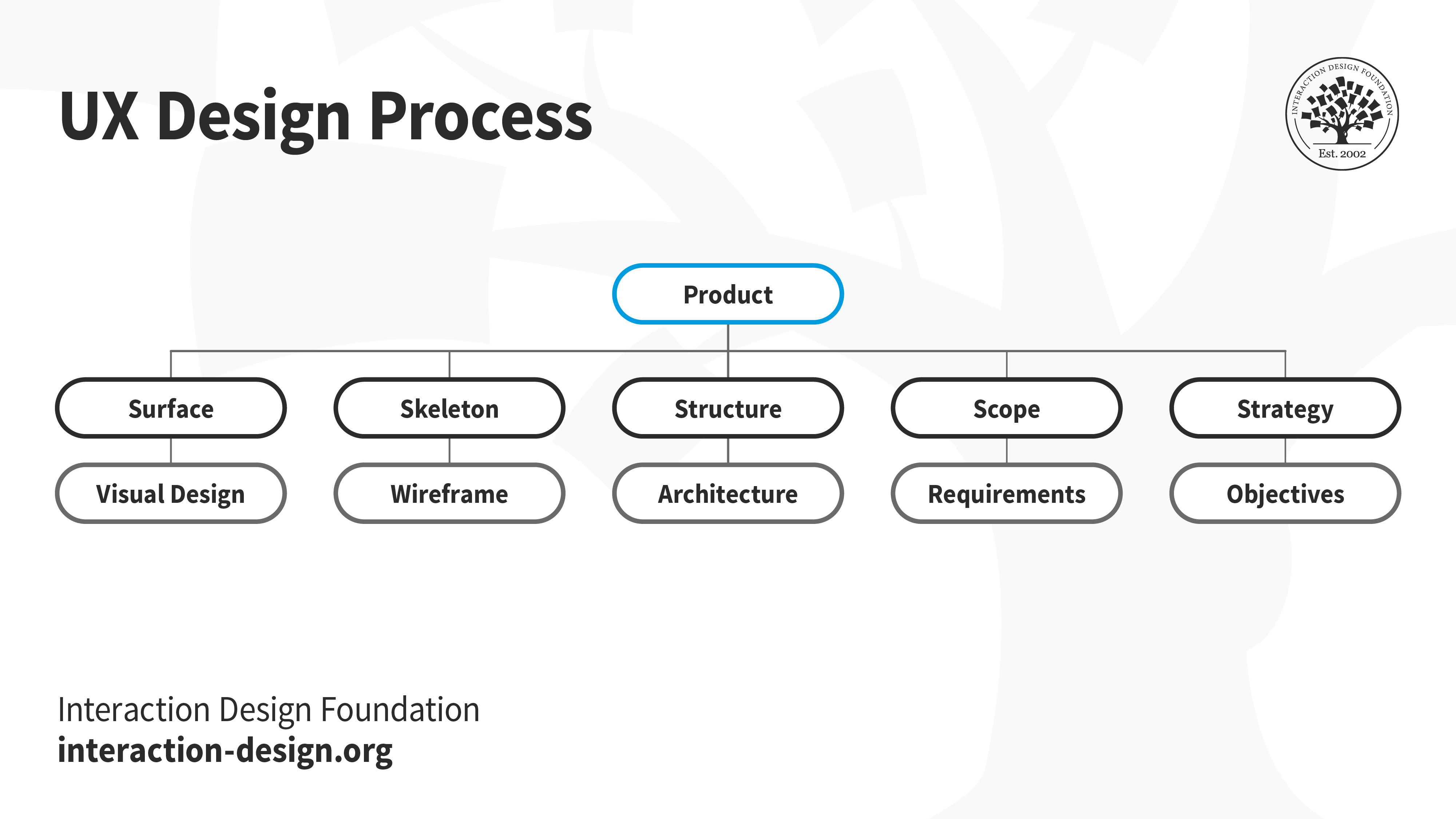
Diagram showing the components of a UX design process.

Assumptions arise in any design process—hence why design teams need to identify, check and test them.

© Interaction Design Foundation, CC BY-SA 4.0

What are The Benefits of Assumptions in UX Design?

Here are reasons that assumptions can be useful:   

  1. Efficiency: Assumptions allow designers to move forward in their process and not become stuck in analysis paralysis. They provide a foundation for designers to make progress and test ideas. They permit designers to make initial decisions and proceed in their work, and can be useful when there’s limited time or resources available. In fast-paced environments, designers may need to rely on assumptions to make progress quickly. Also, assumptions can act as temporary placeholders until more information becomes available. 

  2. Creativity: Assumptions can spark creativity as they encourage designers to think outside the box and consider alternative solutions to problems. When designers assume things, they can help to generate ideas, set goals and create prototypes for testing.  

Author and Human-Computer Interaction Expert, Professor Alan Dix explains the value of out-of-the-box thinking: 

Transcript
   

  1. Hypothesis generation: Designers’ assumptions can lead to the formulation of hypotheses that designers can test and validate through user research and feedback.    

  2. Risk management: While unchecked assumptions can be risky, when designers acknowledge and test assumptions, they can help identify potential pitfalls early in the design process and confirm valid assumptions about important matters.    

  3. Iterative process: Assumptions can serve as a starting point for iteration and refinement based on user feedback and real-world data. Assumptions also play a role in collaboration and communication within design teams. They serve as a basis for discussions and help align team members' understanding of the design problem and potential solutions. However, it's crucial for designers—and other stakeholders involved in a design project—to remember to state assumptions explicitly and leave them open to examination and validation.  

CEO of Experience Dynamics, Frank Spillers explains a solid strategy before designers begin on a project, so they can take an outside-in approach rather than design based on assumptions about users: 

Transcript
 

What are The Risks When Designers Rely on Assumptions?

While assumptions can be helpful in the design process, designers who rely solely on them without proper validation can cause significant risks to design projects. Some hazards associated with assumptions are if designers:

  1. Design for the wrong user: If designers assume who their target users are and what they need in digital products, they might design for a user persona that doesn't align with the actual users of the final product. This can result in a poor user experience and low adoption rates. It's important for UX designers to rely on user research and data-driven insights rather than assumptions. That way, they can identify the exact target audience and create effective and user-centric designs for them.  

Professor Alan Dix explains the significance of personas in design: 

Transcript
 

  1. Create irrelevant or unusable features: To assume that certain features are essential and not validate them can lead to the creation of unnecessary or confusing features. These features may not solve users' actual problems or may add complexity to the user interface

  1. Waste time and resources: To design on the basis of assumptions without proper validation all-too often results in waste. Designers and their design teams might spend a great deal on developing features or solutions that don't meet user needs or expectations. This can delay the product's release or require costly revisions until the product focuses on the user.  

  1. Miss out on valuable insights: If designers rely on assumptions, they may not discover valuable insights about user behavior, preferences and needs. If they don’t conduct adequate user research or testing, they will likely miss opportunities to improve the user experience and create more successful products. This also applies to service design

Kendra Shimmell, Service Design Expert and Senior Director of User Research at Twitch explains the importance of research in service design: 

Transcript
 

  1. Experience difficulty in iteration: When designers or design teams prove assumptions to be wrong, it can be challenging to iterate and improve the design without starting from scratch. This can lead to delays and increased costs. 

  1. Cause a negative impact on brand perception: If assumptions lead to a subpar user experience, it can negatively impact how users perceive the brand or product. Be it a website, mobile app, service or other item, once the brand loses credibility, it can be extremely hard to restore in the marketplace and popular psyche.  

To minimize these risks, it's crucial for designers to challenge their assumptions in their early design phases. For instance, a designer might assume that users prefer a simple and minimalistic interface based on the trend in the industry. However, this might not hold for all users. Some might find such an interface confusing and challenging to navigate, leading to a negative user experience. Unless the right type of user research catches it early, the UX designer’s work and efforts—along with the efforts of any project managers, developers and other stakeholders—will be wasted.  

Watch as UX Strategist and Consultant, William Hudson explains the importance of user research: 

Transcript
 

Examples of Assumptions in UX Design  

Some common examples include those about: 

  • User needs: Assumptions about user needs can significantly influence the design of a product. For example, a designer might assume that users need a feature that automatically sorts their emails. However, this might not be a need for all users, and some might even find it annoying. 

  • User goals: Similarly, assumptions about user goals can also impact the design. For example, a designer might assume that users want to complete a task as quickly as possible. However, some users might prioritize accuracy over speed. 

  • User behavior: Designers may assume how users will interact with a product based on their own experiences or biases. Or they might assume users will act in the same way. For instance, a designer might assume that users will follow a specific sequence of actions without considering alternative behaviors. This will disregard diverse user behaviors and preferences. A lack of personalization and relevance can result. 

  • Context of use: Similarly, a designer might assume that users will use the product in a quiet and distraction-free environment—and design for that. However, this might not be the case for all users. 

Professor Alan Dix explains why designers need to consider relevant contexts of use: 

Transcript
 

  • User preferences: Designers may assume what users will find visually appealing or intuitive based on their personal preferences. This can lead to design decisions that don't align with the actual preferences of the target users. 

  • User familiarity: Designers may assume that users are familiar with certain industry-specific terms, symbols or processes. This may not be the case. An unfamiliar or too-complex user interface (UI) can therefore lead to confusion or frustration. 

  • Culture: Designers might assume that design elements, colors or symbols have the same meaning or significance across all cultures. This can lead to misunderstandings or even offense in different cultural contexts. 

Professor Alan Dix explains why designers need to consider their users’ culture: 

Copyright
Transcript
 

  • Technological constraints: Designers may assume the limitations of the technology they are working with. This can impact the feasibility and usability of the design. For example, designers might assume that users will have a stable internet connection or access to specific devices. 

  • Feedback: Designers may assume that users will provide feedback voluntarily. This can lead to a lack of proactive measures to gather user insights and improve the user experience. 

  • Accessibility: Designers might assume that all users have the same physical or cognitive abilities. This is a potentially costly error to make. It can result in excluding individuals with disabilities from accessing and using the product or service—and may bring legal woes to the brand. 

See why accessibility is such an essential component and concern in design: 

Transcript
   

These are fundamental examples of assumptions that designers may encounter. It's important to be aware of and challenge them through user research and user testing. Through various quantitative and qualitative research measures, such as focus groups, designers can ensure they base their design decisions on real user needs and behaviors

Why do Designers Need to Test Assumptions?

This kind of testing is crucial in UX design and for several reasons:  

  1. User-centered design: When designers test assumptions, they help ensure that their designs are user-centered. So, they can ensure that their design work bridges any gaps between any “assumed” needs of the potential users and the needs and goals of those people who will actually encounter, use and judge the product or service. 

  2. Reduced risk of design failures: Such testing reduces the risk of design failures. When designers check and validate assumptions, they can avoid costly mistakes and rework.  

  3. Improved design decisions: Assumption testing can lead to more informed design decisions. When designers understand the users and their needs and goals, they can make better design decisions to guide new design projects or revisit and improve existing products.  

  4. Increased user satisfaction: Testing can lead to increased user satisfaction. When designers are sure they have backed up any assumptions during the design process with solid evidence and act on it, they will be more likely to delight many types of users. The product or service will meet the users' needs and goals, and be truly about them.   
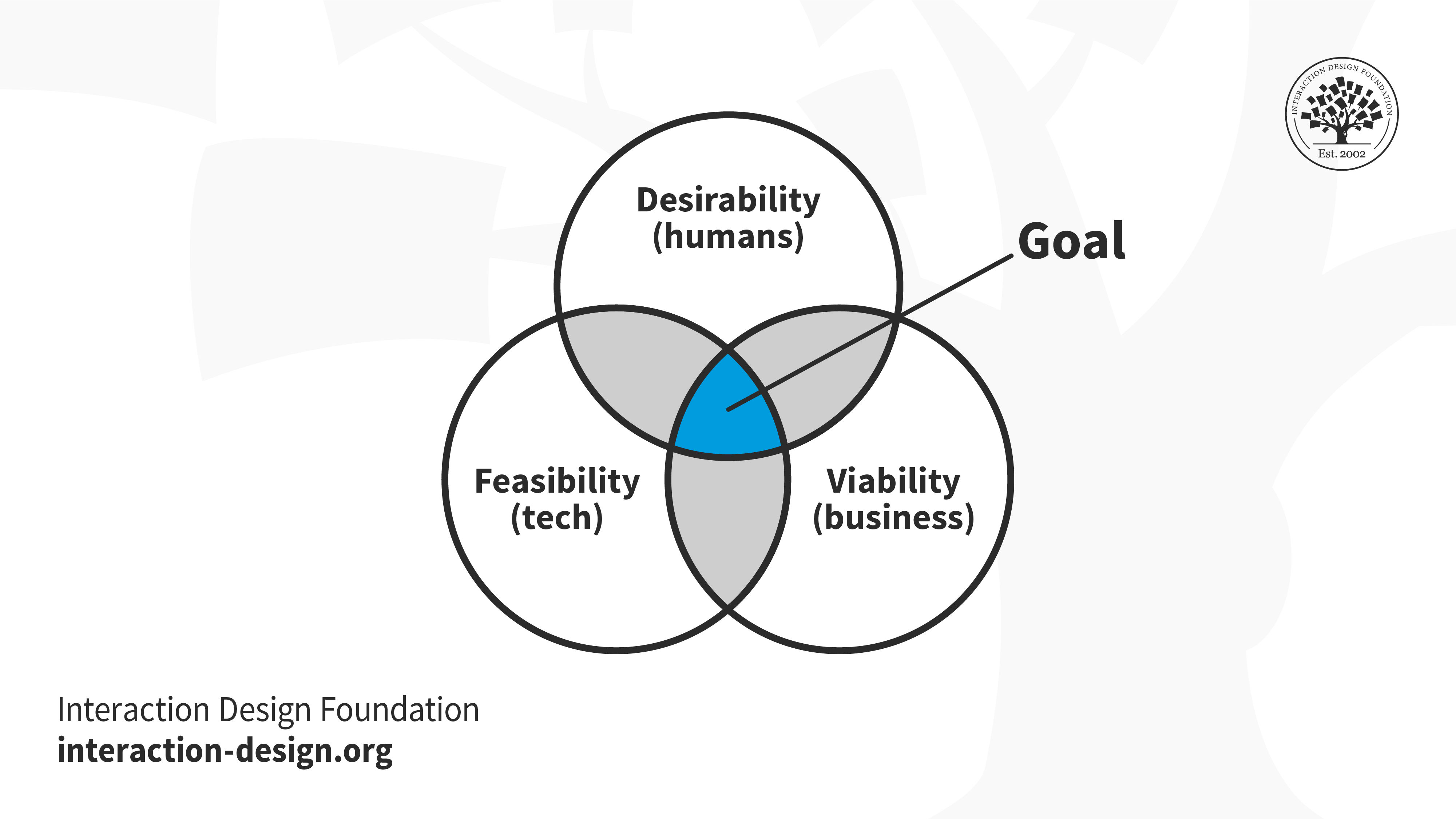
Image of a Venn diagram with three intersecting circles.

This is the spot that designers should strive to aim for.

© Interaction Design Foundation, CC BY-SA 4.0

Best Practices to Minimize Assumptions in UX Design

To minimize the chance of designing based on assumptions, UX designers can follow these best practices:  

Conduct User Research

User research is a crucial part of the design process that helps uncover user needs, behaviors, and preferences. When designers conduct interviews, surveys and usability testing, for example, they can gather data to validate or challenge their assumptions.  

Use Empathy and User-Centered Design

Designers should adopt an empathetic mindset and embrace user-centered design principles. To do so is a vital aid for designers to understand users' perspectives and design with their needs and pain points in mind. This approach means to involve users throughout the design process, solicit their feedback and iterate based on their input.  

See why empathy is such a vital ingredient in design from the outset: 

Transcript
 

Prototype and Test Early and Often

When designers prototype and test early in the design process, they can validate assumptions and gather user feedback before they invest significant resources in development. To conduct rapid prototyping and iterative testing allows designers to iterate based on real user insights. They can then minimize the impact of assumptions on the final design. For example, low-fidelity paper prototypes can help in early testing and gathering feedback without investing too much time and resources. 
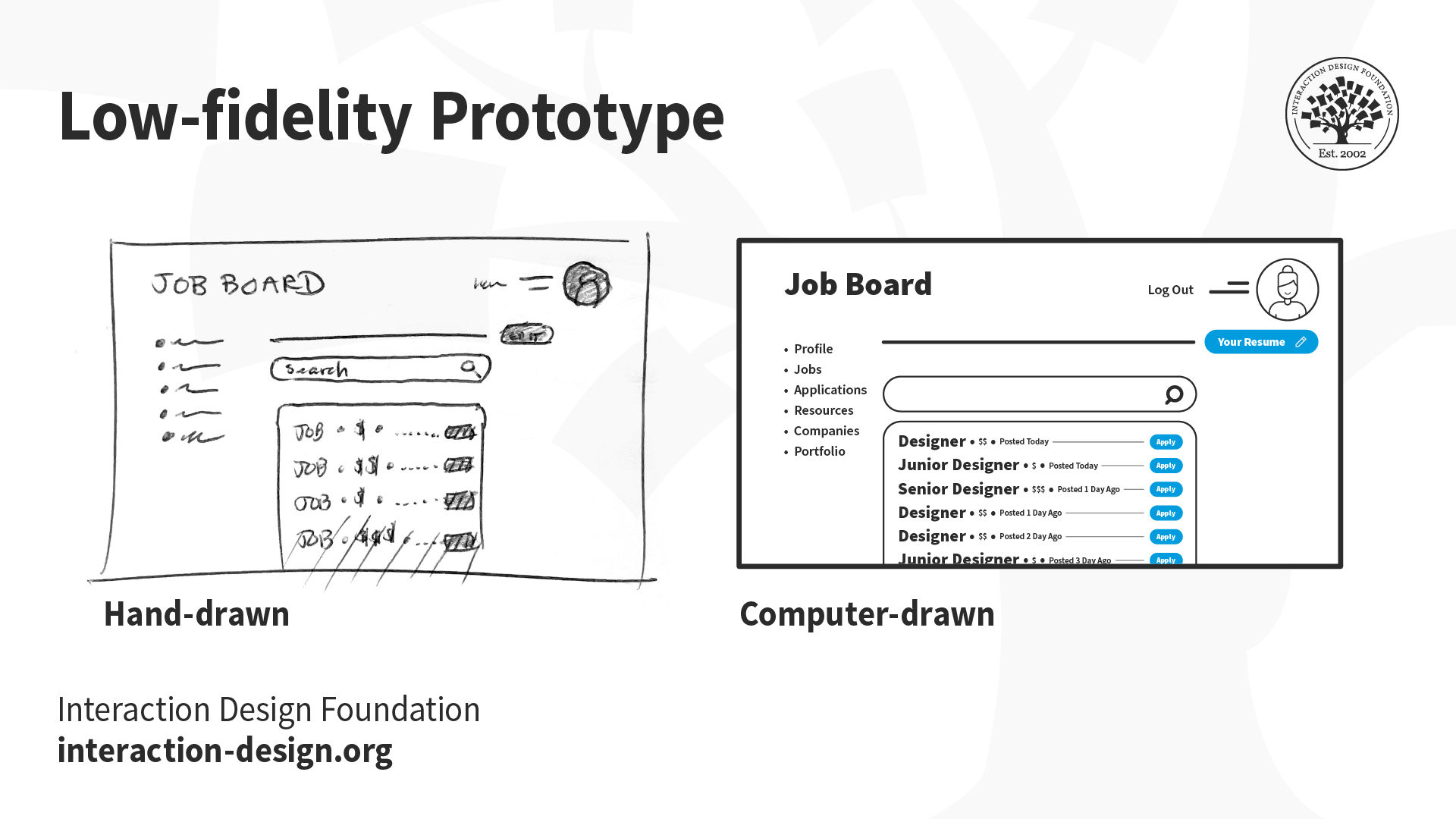
Illustration of a low-fidelity prototype.

Low-fidelity prototypes are key to early testing.

© Interaction Design Foundation, CC BY-SA 4.0

Collaborate with Cross-Functional Teams

It’s important to engage with cross-functional teams, such as developers, marketers and business analysts. This activity helps challenge assumptions and gain different perspectives. Collaborative discussions and knowledge sharing between product teams, development teams and others can uncover blind spots and lead to more informed design decisions. 

UX Designer and Author of Build Better Products and UX for Lean Startups, Laura Klein explains the value of cross-functional teams. 

Transcript
 

Seek Continuous User Feedback

Designers should conduct usability tests and prioritize ongoing user feedback throughout the design process. When designers regularly seek feedback, they can learn about their assumptions, uncover new insights and from there make informed design decisions regarding many aspects of the visual design and functionality. 

Aim for Inclusive Design

It’s important to ensure that the design is accessible to users with disabilities. An inclusive approach can help designers understand diverse user needs and reduce assumptions about their abilities and limitations. 

UX Content Strategist, Architect and Consultant Katrin Suetterlin explains the value of inclusive design and how it differs from design for universal use: 

Transcript
 

Design Thinking and Assumption Testing

In the design thinking design process, assumptions play a crucial role in the ideation and prototyping stages. They provide a starting point for designers to generate ideas and design prototypes. However, they don’t take these assumptions at face value. Instead, designers challenge and test them through user research, or UX research and feedback. 
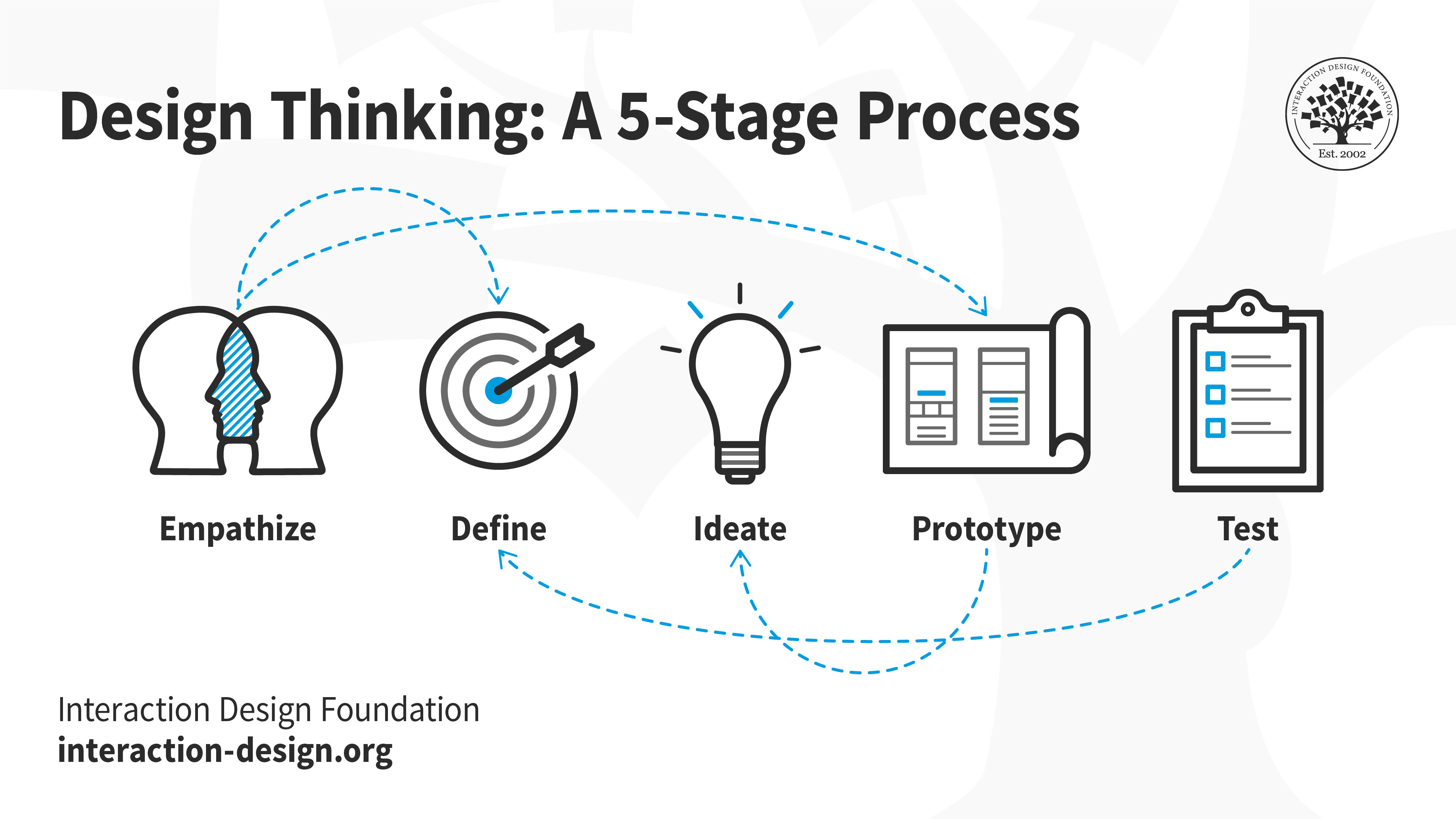
Illustration showing the five stages of Design Thinking.

Design thinking offers superb opportunities to test assumptions.

© Interaction Design Foundation, CC BY-SA 4.0

Design thinking encourages designers to empathize with users, challenge assumptions and iterate on their designs. This approach ensures that they make the final design solution user-centered and that it meets the users' needs and goals. Assumption testing in design thinking involves several steps: 

1.  Recognize assumptions: Identify the assumptions that emerged during the design process. These could be about user behavior, user needs, the use context or any other aspect of the design.  

2.  Prioritize assumptions: Once the team has identified assumptions, they need to prioritize these. Give priority to those that have a high impact on the design. Do the same for those that the design team is least certain of.  

3.  Formulate hypotheses: For each prioritized assumption, formulate a hypothesis. A hypothesis is a tentative explanation that designers or researchers can test.  

4.  Test hypotheses: Test these hypotheses through user interviews, usability testing, surveys, etc.  

5.  Learn and iterate: Based on the outcomes of the hypothesis testing, work to refine and improve assumptions. This is an iterative process that continues until a satisfactory design solution comes about.  

Design thinking is a highly iterative process. Design teams can leverage it well to check assumptions and work creatively. From there, they can find how to serve users best. Discover its value in this video: 

Copyright
Transcript

Examples of Brands that Did Assumption Testing Well

Amazon and Google are just a few of the companies that have leveraged assumption testing to create successful products. For example, Amazon used customer feedback to refine its product offerings and make them more user-friendly. Meanwhile, Google has used hypothesis testing to improve its search engine algorithms and make them more accurate. 
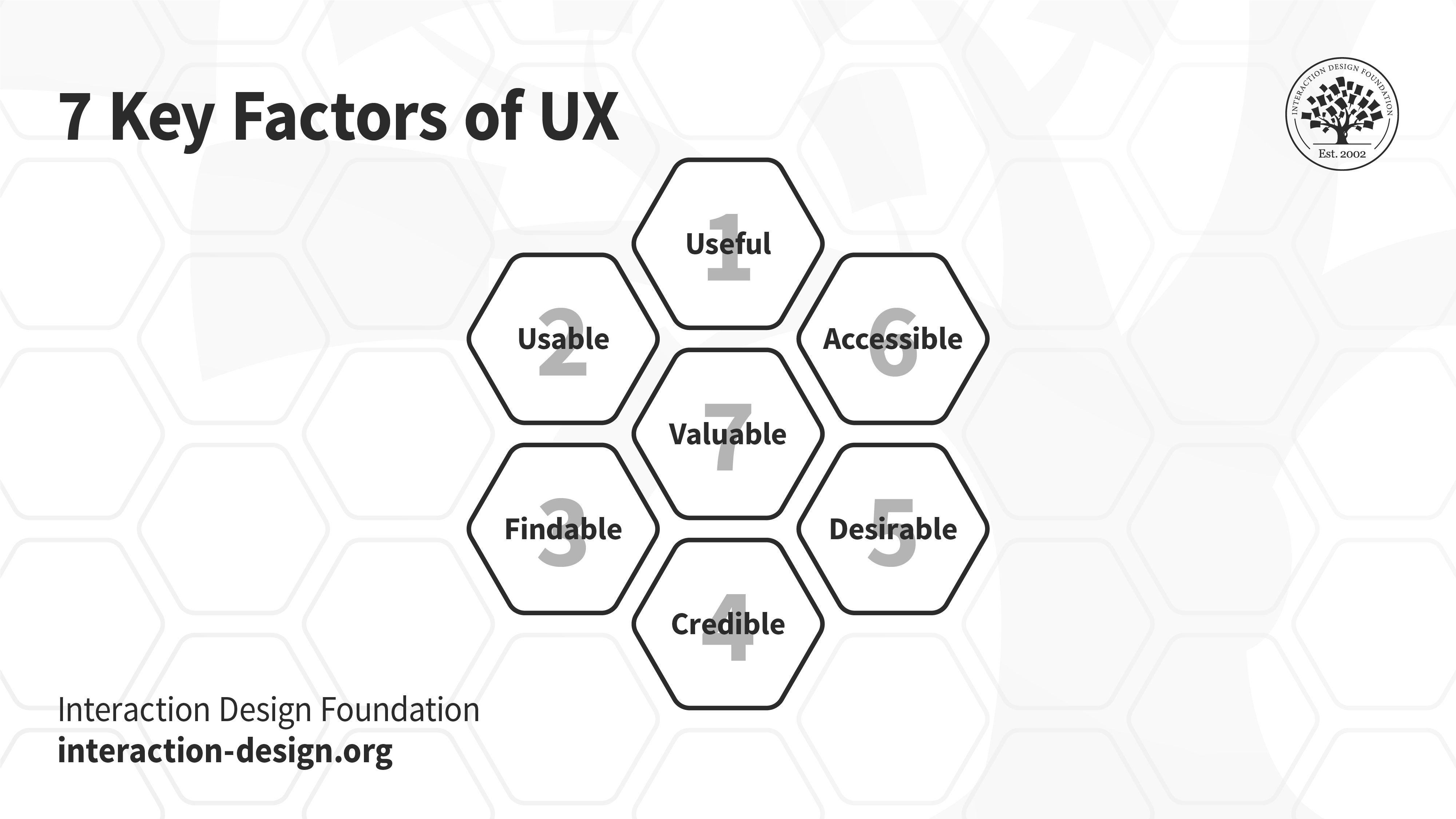
Illustration showing the seven key factors of User Experience.

When designers test assumptions and fine-tune the promising results, they can meet their users' needs, desires and more in winning design solutions.

© Interaction Design Foundation, CC BY-SA 4.0

Remember, assumption testing is a crucial part of the UX design process. It welcomes effective user research methods and empowers designers. With it, designers can spot everything from minor flaws in the information architecture to deeper-rooted difficulties. Testing helps ensure user-centered designs and reduces the risk of design failures.   

Also, it leads to more informed design decisions and prototypes that account better for user flow and optimal interactive design, and more. The outcome is increased user satisfaction, better-designed products, and, indeed, improved business outcomes.  

Questions About Assumptions in UX/UI Design?
We've Got Answers!

What are some common assumptions in UI/UX design?

In UI/UX design, people often assume that users will interact with their products in a specific, intended way. However, this isn't always the case. Designers might think users will intuitively navigate their interface or appreciate complex features, but users might find these aspects confusing or unnecessary. 

Another common assumption is that aesthetics are more important than functionality. While an appealing design can attract users, it's the usability and value of the product that retain them. Designers sometimes also presume that all users have the same level of technical expertise or physical abilities, and overlook the need for accessible and inclusive design. To avoid these pitfalls, designers should conduct thorough user research, prioritize clear and functional design, and ensure accessibility for all users. 

Take our Master Class Introduction to Digital Accessibility with Elana Chapman, Accessibility Research Manager at Fable. 

How can designers distinguish helpful assumptions from harmful ones in design?

To distinguish helpful assumptions from harmful ones in design, focus on the evidence behind the assumptions and their impact on the user experience. Helpful assumptions often come from reliable user research and data. They align with user needs, behaviors and expectations. Therefore, they enhance usability and satisfaction. For instance, if a designer assumes that users prefer intuitive navigation, it can lead to simpler and more effective designs if user testing backs it up.  

On the other hand, harmful assumptions lack evidence and can lead to misunderstandings about user needs, and create barriers to usability. For example, for a designer to assume all users have the same level of technical proficiency without considering diversity can alienate or frustrate many users. 

The key is to validate assumptions through continuous user feedback, testing and iteration. This approach helps identify and eliminate harmful assumptions early in the design process, and ensure the product meets actual user needs and preferences. Always question any assumptions, seek evidence and be ready to adjust the design based on what real users confirm about it. 

Take our Master Class How to Get Started with Usability Testing with Cory Lebson, Principal and Owner of Lebsontech LLC. 

How should you prioritize assumptions for testing in a design project?

In a design project, prioritize assumptions for testing based on their impact on the user experience and the project's success. Start with assumptions that, if incorrect, could significantly affect the functionality, usability or appeal of the design. These often relate to user needs, behaviors and the core value proposition of your product. For instance, if a designer assumes that users prefer a certain navigation style, they should test this early because it influences the overall design and user satisfaction. 

Next, focus on assumptions that are risky or uncertain. These might include new features or innovative design elements that a designer hasn't tested with the target audience. The more uncertain an assumption, the higher it should be on the testing list to reduce project risks. 

Lastly, consider the feasibility of testing each assumption. Some might require extensive resources or time to test properly. Designers should prioritize those they can test effectively with the resources available, and ensure they make the most of their testing efforts. 

Designers who systematically evaluate the impact, risk and feasibility of testing each assumption can prioritize effectively. They can make sure to validate critical user experience elements early in the design process, and so reduce risk and guide the project towards success. 

Take our Master Class How to Get Started with Usability Testing with Cory Lebson, Principal and Owner of Lebsontech LLC. 

How do assumptions function in Agile or Lean UX design processes?

In Agile or Lean UX design processes, assumptions play a critical role to drive quick, iterative development. These processes start by acknowledging that the team does not know everything is known at the outset of a project. Rather than spend extensive time upfront to try to gather all possible information, designers and teams make informed assumptions about user needs, behaviors and preferences. These assumptions then guide initial design and development efforts. 

The key function of assumptions in Agile or Lean UX is to serve as hypotheses that need validation through rapid experimentation and user feedback. Teams quickly prototype their ideas based on these assumptions and then test them with real users. This testing generates valuable insights and data, which either validate the assumptions or highlight the need for adjustments. 

This approach allows teams to learn fast and iterate their designs based on actual user feedback, rather than spend too much time on theoretical analysis. Teams continually update, refine or discard assumptions based on what they learn. This iterative cycle of making assumptions, testing, learning and adjusting helps Agile and Lean UX teams to remain flexible, responsive to user needs and focused on delivering value efficiently. 

UX Designer and Author of Build Better Products and UX for Lean Startups, Laura Klein explains how Agile teams iterate: 

Transcript

How do cultural assumptions influence design decisions and user perception?

Cultural assumptions greatly influence design decisions and how users perceive products. These assumptions stem from a designer's own cultural background and can affect everything from color choices to content presentation. For example, a color that signifies prosperity in one culture might represent mourning in another. This can lead to misunderstandings or negative reactions from users of different cultural backgrounds if designers don’t consider the subject carefully. 

Designers might also assume that navigation patterns that are familiar to them will be things that users understand universally, ignoring the fact that user interface conventions can vary significantly across cultures. Such assumptions can hinder usability for international users. Furthermore, cultural assumptions about symbols, gestures and even language can impact user engagement and the overall user experience. 

To address these challenges, designers should conduct thorough research on their target audience's cultural norms and preferences. When designers engage with users from diverse backgrounds during the design process, it helps uncover cultural nuances and inform more inclusive design decisions. This approach not only enhances the user experience for a broader audience but also avoids potential cultural insensitivities. Therefore, it ensures that products are accessible and appealing to users worldwide. 

Author and Human-Computer Interaction Expert, Professor Alan Dix explains why designers need to consider their users’ culture: 

Copyright
Transcript
 

How can designers avoid bias in their assumptions?

Designers can avoid bias in their assumptions if they actively seek diverse perspectives and ground their decisions in user research. When designers engage with a wide range of users from different backgrounds, it helps uncover varied needs and preferences, which challenges personal biases and assumptions. Designers should implement a mix of qualitative and quantitative research methods, such as interviews, surveys and usability testing. This will allow designers to gather data that represent the experiences and opinions of a broader audience. 

It’s also crucial to encourage a culture of feedback within the design team. Designers who collaborate with colleagues from different disciplines and life experiences can introduce new viewpoints and challenge biased assumptions. When designers regularly revisit and question initial assumptions throughout the design process, it ensures that designers can keep their decisions focused on user needs rather than personal biases. 

Lastly, continuous learning about cognitive biases and their impact on decision-making helps designers recognize and mitigate their own biases. If designers adopt these strategies, they can create more inclusive, user-centered designs that cater to a wider range of user needs and preferences. 

Take our Master Class How to Conduct Effective User Interviews with Joshua Seiden, Co-Author of Lean UX and Founder of Seiden Consulting.

What ethical considerations should designers make about user behavior assumptions?

Designers should consider several ethical aspects when they make assumptions about user behavior. First, respect for user privacy is paramount. Assumptions should not lead to invasive design decisions that compromise user data or personal space. Designers must ensure that their work aligns with ethical data usage and privacy standards. They must only collect and use data with clear consent and for legitimate purposes. 

Second, inclusivity and accessibility must guide assumptions. Design decisions should not exclude users based on abilities, age, cultural background or socioeconomic status. Assumptions about user behavior should include a broad spectrum of user experiences and needs, to ensure products are accessible and useful to as many people as possible. 

Third, designers must not perpetuate stereotypes or biases in their assumptions. This means to challenge personal biases and consider the diverse ways users might interact with a product. Designers should seek out diverse perspectives and involve users from different backgrounds in the design process to ensure assumptions do not inadvertently marginalize any group. 

Lastly, transparency about assumptions and their impact on design decisions is crucial. Users should have a clear understanding of how their data and behavior might influence the product experience. This transparency builds trust and allows users to make informed decisions about their interaction with the product. 

UX Content Strategist, Architect and Consultant Katrin Suetterlin explains the nature of inclusive design: 

Transcript

What strategies minimize the risk of incorrect assumptions?

To minimize the risk of incorrect assumptions, employ several strategies. First, engage in thorough user research. Designers should gather insights directly from the target audience. It provides a solid foundation for assumptions, and ensures they have a grounding in reality. Utilize surveys, interviews and user testing to understand user needs, behaviors and pain points. 

Second, involve diverse perspectives in the design process. Collaboration with team members from different backgrounds and disciplines can challenge and refine assumptions, preventing biases from influencing design decisions. 

Third, adopt an iterative design approach. Prototype early and test often, allowing real user feedback to validate or refute the assumptions. This process of continuous validation helps identify and correct erroneous assumptions before they become costly mistakes. 

Lastly, maintain a flexible mindset. Be willing to adapt assumptions and design decisions according to new information and feedback. To stay open to change ensures that a design evolves in alignment with actual user needs and preferences. 

CEO of Experience Dynamics, Frank Spillers explains the need to conduct proper user research in this video for the accompanying course: 

Transcript

How can designers use A/B testing to test assumptions?

Designers use A/B testing to test assumptions by comparing two versions of a design element to see which one performs better. First, identify an assumption to test, such as which call-to-action (CTA) button color leads to more clicks. Create two versions of the design: version A (the control) with the current CTA color and version B (the variant) with a different color. 

Next, split the audience randomly so that one group sees version A and the other sees version B. Both groups should be similar in all respects except for the design variation they are exposed to. Then, collect and analyze the data on how each version performs based on the specific goals, such as click-through rates for the CTA button. 

If version B significantly outperforms version A, a designer can assume that the new CTA color is more effective and they can implement it in the design. A/B testing allows designers to make data-driven decisions, reducing the risk of relying on incorrect assumptions and ensuring design choices are optimized for user engagement and conversion. 

Take our Master Class Design with Data: A Guide to A/B Testing with Zoltan Kollin, Design Principal at IBM.

What role do assumptions play in predictive models and user personas?

In predictive models and user personas, assumptions form the basis for designers to create representations of user behaviors and characteristics. For predictive models, assumptions help to define the rules and conditions under which the model predicts future user actions. These assumptions might include user engagement patterns or how certain features affect user behavior. When designers and data scientists set these initial parameters, they can develop models that forecast user actions under specific circumstances, which aids in decision-making and strategy development. 

User personas, on the other hand, are what designers build on assumptions about the target audience's demographics, behaviors, motivations and goals. These assumptions often come from user research and data analysis. When designers create a semi-fictional character that represents a user segment, they make assumptions to fill in the gaps where data might be incomplete. This ensures the persona accurately reflects the user base. 

Both tools rely on assumptions to simplify complex user data into actionable insights. However, it's crucial to validate these assumptions through continuous research and testing. This ensures that predictive models and user personas remain relevant and accurately reflect real user behaviors and preferences. Ultimately, that leads to more effective and user-centered design solutions. 

Take our Master Class How To Create Actionable Personas with Daniel Rosenberg, UX Professor, Designer, Executive and Early Innovator in HCI.

Can you explain "assumption mapping" and its benefits in UX design?

Assumption mapping is a technique in UX design that helps teams identify, categorize and prioritize assumptions they make about a product, its users and the market. In this process, the design team lists all assumptions, then evaluates them based on their impact and certainty. They map assumptions onto a quadrant chart. One axis represents the level of evidence that supports the assumption (from high to low). The other axis represents the impact on the project (from high to low). 

The benefits of assumption mapping in UX design are significant. First, it brings clarity and transparency to the design process as it makes explicit what the team believes to be true. This shared understanding helps to align team members and stakeholders. Second, it prioritizes research and testing efforts. When teams identify which assumptions are riskiest—those with high impact but low certainty—they can focus their resources on validating these first. This approach reduces project risk and helps in making informed decisions.  

Third, assumption mapping fosters a culture of questioning and learning. It encourages teams to continuously seek evidence and validate their thinking, which can lead to more innovative and user-centered design solutions. If UX design teams apply assumption mapping, they can navigate uncertainties more effectively. They can ensure that they ground their design decisions in user needs and behaviors. Ultimately, this can lead to more successful and satisfying user experiences. 

Remember the value of Design Thinking, which UX Strategist and Consultant William Hudson explains: 

Transcript
 

What are some highly cited scientific articles on the subject of assumptions in UX design?

1. Ferreira, J., Sharp, H., & Robinson, H. (2011). Values and Assumptions Shaping Agile Development and User Experience Design in Practice. In Lecture Notes in Business Information Processing (Vol. 48). Springer.  

Ferreira, Sharp and Robinson's conference paper delves into the intersection of Agile development and User Experience (UX) design, focusing on how the values and assumptions of decision-makers influence the practice in this area. The publication addresses the gap in academic understanding regarding the integration of UX design and Agile development processes, emphasizing the impact of external stakeholders' values on shaping the collaboration between Agile developers and UX designers. By conducting field studies, the authors highlight the importance of contextual values in improving practice beyond just processes and techniques, advocating for a deeper understanding of how external influences shape UX/Agile practices for enhanced outcomes in product development. 


2. Kimbell, L. (2015). Rethinking Design Thinking: Part I. Design Issues, 31(3), 285-306.  

Lucy Kimbell's article "Rethinking Design Thinking: Part I" has been influential for its critical examination of the concept of design thinking beyond traditional design realms. The publication delves into the evolution of design thinking from its origins in designer research to its adoption by management educators and consultancies in a global economy. Kimbell identifies three main perspectives on design thinking: as a cognitive style, a general theory of design, and a resource for organizations. The article challenges the assumptions underlying design thinking, highlighting issues such as dualism between thinking and acting, oversimplified views of design practices, and the emphasis on designers as central agents in the process. Kimbell suggests a shift towards understanding the contextual, embodied practices of designers to reconceptualize design thinking effectively. 

What are some highly regarded books about assumptions?

Yablonski, J. (2020). Laws of UX: Using Psychology to Design Better Products & Services (2nd ed.). O'Reilly Media.  

Jon Yablonski's Laws of UX: Using Psychology to Design Better Products & Services has been influential due to its comprehensive exploration of applying psychology principles in UX design. The publication emphasizes the critical role of understanding user behavior and interactions with digital interfaces, highlighting how design success hinges on aligning with human perception and cognitive processes. By deconstructing familiar apps and experiences, Yablonski provides practical examples for UX designers to create more intuitive and human-centered interfaces. The book covers topics such as aesthetics, key psychology principles for designers, UX heuristics, predictive models like Fitts's law and ethical considerations, offering a valuable framework for integrating psychology into the design process for enhanced user experiences.

Earn a Gift Earn a Gift, Answer a Short Quiz!

1
2
3
4
1
2
3
4
Question 1
Question 2
Question 3
Get Your Gift
Interaction Design Foundation logo

Question 1

What role do assumptions play in the design process?

1 point towards your gift

  • They accurately predict user needs and preferences.
  • They are hypotheses about users that designers test and validate.
  • They eliminate the need for user research or feedback.
Interaction Design Foundation logo

Question 2

Which of the following helps identify assumptions in the design process?

1 point towards your gift

  • A collection of data on user behavior and preferences through research
  • Design decisions based on personal preferences and intuition
  • The avoidance of research and only the strict use of the initial design concept
Interaction Design Foundation logo

Question 3

What is a major risk of unvalidated assumptions in design?

1 point towards your gift

  • It guarantees the design aligns perfectly with user needs and opinions.
  • It improves efficiency through the elimination of unnecessary testing phases.
  • It leads to biased decisions that might not match actual user behavior.

Learn More About Assumptions in UX/UI Design

Make learning as easy as watching Netflix: Learn more about Assumptions in UX/UI Design by taking the online IxDF Course Design for the 21st Century with Don Norman.

Why? Because design skills make you valuable. In any job. Any industry.

In This Course, You'll

  • Get excited as you learn to design a better world. Whether you want to help families save money while reducing their carbon footprint, redesign how cities manage waste, or improve public health systems, this course will show you how. You don't need to be a designer. You just need the desire to make things better. Led by world-renowned designer Don Norman, you'll learn the powerful tools of human-centered design, systems thinking, and design thinking to tackle real-world challenges like climate change, inequality, public health, and more.

  • Make yourself invaluable when you build timeless human-centered design skills that are essential to make AI your superpower, so speed never comes at the cost of people's wellbeing. This course builds on and expands your deeply human skills like empathy, problem framing, and root-cause thinking that guide AI toward better, more responsible outcomes. You'll learn to apply these skills to drive innovation at work, lead meaningful projects, communicate your ideas clearly, and capture people's attention. This course helps you grow your impact, salary potential, and confidence—and feel deeply fulfilled. Did you know that design-driven companies are twice as likely to outperform their industry peers in revenue growth? The key is to go beyond traditional approaches and solve the real problems behind surface-level symptoms while integrating solutions seamlessly into real people's lives. You'll get the ability to design lasting change and learn how to work effectively with stakeholders to make it happen. You'll also discover how to move up in your company and take on bigger challenges.

  • Gain confidence and credibility as you apply your new skills from day one with ready-to-use templates such as the 5 Whys method. Create an optional case study aligned with the UN Sustainable Development Goals. By the end of this course, you'll have the skills and mindset to make a difference, whether that's in your job, your community, or the world. Let's co-create a better future starting now.

It's Easy to Fast-Track Your Career with the World's Best Experts

Master complex skills effortlessly with proven best practices and toolkits directly from the world's top design experts. Meet your expert for this course:

  • Don Norman: Father of User Experience (UX) Design, author of the legendary book “The Design of Everyday Things,” co-founder of the Nielsen Norman Group, and former VP of the Advanced Technology Group of Apple.

Get an Industry-Recognized IxDF Course Certificate

Increase your credibility, salary potential and job opportunities by showing credible evidence of your skills.

IxDF Course Certificates set the industry gold standard. Add them to your LinkedIn profile, resumé, and job applications.

Course Certificate Example

Be in distinguished company, alongside industry leaders who train their teams with the IxDF and trust IxDF Course Certificates.

Our clients: IBM, HP, Adobe, GE, Accenture, Allianz, Phillips, Deezer, Capgemin, Mcafee, SAP, Telenor, Cigna, British Parliament, State of New York

All Free IxDF Articles on Assumptions in UX/UI Design

Read full article
Learn How to Use the Challenge Assumptions Method - Article hero image
Interaction Design Foundation logo

Learn How to Use the Challenge Assumptions Method

There are many ways we get stuck into patterns of thinking and doing, making innovation difficult. Not so very long ago, most people assumed that humans would never be able to fly. Today, we fly in air balloons, planes and spaceships. It's easy to keep doing things the way they've always been done,

Social shares
845
Published
Read Article
Read full article
9 Persona Mistakes That Are Costing You Customers - Article hero image
Interaction Design Foundation logo

9 Persona Mistakes That Are Costing You Customers

Are your personas not driving you to better products, happier customers, and higher profits? It’s actually quite common. You've heard about the benefits of personas and all the success stories, and you think, “let’s give this a try!" But in reality, your current personas don’t get you anywhere, don’

Social shares
340
Published
Read Article

Learn How to Use the Challenge Assumptions Method

Learn How to Use the Challenge Assumptions Method

There are many ways we get stuck into patterns of thinking and doing, making innovation difficult. Not so very long ago, most people assumed that humans would never be able to fly. Today, we fly in air balloons, planes and spaceships. It's easy to keep doing things the way they've always been done, and to be comfortable with keeping things that way. Change can be scary and challenging to grapple with, though it is something we need to become increasingly comfortable with, considering the rapidly changing environments we find ourselves in.

The accelerated nature of change means we no longer have the luxury of keeping things the way they are. We should look at the way we see things as just one of the many possible ways, and consider whether the assumptions we make about how things should be and how they should work may well be what is preventing the positive change we seek. Tradition may provide our species with foundations, but it has a nasty habit of throwing up walls here and there.

Why Challenge Assumptions?

Some of the most established characteristics of products, services, business models, environments and just about any other designable thing are subject to change at any given time. Not too long ago, the following questions were quite thought-provoking, and some would call the questions downright stupid: Do doors always have to have handles? Should taps always be hand-operated? Do phones really need to have a cable? Do cars have to have a driver and a steering wheel?

The new frontier of innovation is smashing assumptions we have about how things should be and coming up with disruptive ways of arriving at the same goals in ways we never considered possible. Sometimes, this completely re-invents the entire concept of achieving that goal.

Design Thinking celebrates ideation techniques such as Challenging Assumptions, Worst Possible Idea and SCAMPER, all of which help us as designers to be creative and use our imaginations by questioning the status quo. It’s not stupid at all to ask so-called “stupid questions” which help us challenge the status quo. These ideation techniques are lateral thinking techniques which help us to stand back, look at the big picture and understand concepts. These methods help us focus on the parts that have perhaps been overlooked. They help us challenge our assumptions and seek alternatives. The Design Thinking process helps us to avoid getting lost in space while continuously helping us in focusing on our users, their needs and our insights about them which we’ve derived from research in the Empathize phase and our definitions which we’ve synthesized in the Define phase of design thinking.

“I keep encountering people who jump to solutions and who fail to question assumptions—engineers, business people, and yes, designers (and design students). These encounters made me reconsider. I observed design students who were acting mindlessly, simply doing their assignments as presented. No creativity, no imagination, no questioning. That's not what design thinking is about. As a result, I have changed my mind: Design Thinking really is special.”

Don Norman, in Rethinking Design Thinking

When

  • Take a step back from the challenge you're tackling and ask some important questions about the assumptions you have about the product, service or situation where you're trying to innovate.

  • Challenging assumptions when you are stuck in current thinking paradigms or when you have run out of ideas is particularly effective. Therefore, it is good for rebooting a flagging session.

  • “Are the characteristics we take for granted about these things really crucial aspects, or are they just so because we've all become accustomed to them?” “Do people really always have to wear identical socks on both feet?—or even identical shoes, for that matter? Are socks even necessary?”

  • These kinds of questions may sound silly, and many of the assumption busters you may come up with may indeed be silly, until you come up with something that really makes the entire team sit up straight and say, "Hey, why call it ‘ABC’? What if it’s really ‘XYZ’?"

  • You have to ask a few dumb questions before you reach the insightful ones, as Don Norman likes to put it. It's not that any of the questions are really dumb, though; it’s just that it takes some experimentation before a different yet viable way of looking at things rears its head.

How

1. List assumptions:

Remember that everything is a perspective. The one and only “truth” does not exist. Even this statement is a perspective, or a belief. Typical assumptions include:

  • That it is impossible to do something—particularly within constraints such as time and cost.

  • That something works because of certain rules or conditions.

  • That people believe, think or need certain things.

2. Challenge assumptions: Assume that you can overcome and challenge all assumptions.

  • Ask questions like:

    • “How could this not be true?”

    • “What if we could do this twice as well in half the time?”

3. Find ways of making the challenge a reality: The real challenge is to make it happen in reality. Use this very same principle again.

Do you want to learn how you can get started using the Challenge Assumptions method? Then download and print our Challenge Assumptions template:

Advance Your Career With This Free Template for “Challenge Assumptions”
Challenge Assumptions
We respect your privacy
Get 1 powerful email each week: Design a life you love!

The Take Away

Some of the most established characteristics of products, services, business models, environments and just about any other designable thing are subject to change at any given time. The ideation technique Challenge Assumptions will help you innovate and generate new ideas by challenging the assumptions in your designs, services and problems, which no longer have to be the one and only “truth”. Perspectivism is the term coined by Friedrich Nietzsche in developing the philosophical view that all ideations take place from particular perspectives.

“In so far as the word ‘knowledge’ has any meaning, the world is knowable; but it is interpretable otherwise, it has no meaning behind it, but countless meanings.—‘Perspectivism.’ It is our needs that interpret the world; our drives and their For and Against. Every drive is a kind of lust to rule; each one has its perspective that it would like to compel all the other drives to accept as a norm.”

— Friedrich Nietzsche, The Will to Power, §481 (1883–1888)

References & Where to Learn More

Bryan Mattimore. Idea Stormers: How to Lead and Inspire Creative Breakthroughs, 2012.

Haakon Faste, Chainstorming! Cheatstorming!, 2013

Don Norman. Rethinking Design Thinking, 2013

Assumption-busting at CreatingMinds.org

Friedrich Nietzsche, The Will to Power, 1901, translation by Walter Kaufmann

Images

Hero Image: © Moyan Brenn, CC BY 2.O

Feel Stuck?
Want Better Job Options?

AI is replacing jobs everywhere, yet design jobs are booming with a projected 45% job growth. With design skills, you can create products and services people love. More love means more impact and greater salary potential.

At IxDF, we help you from your first course to your next job, all in one place.

See How Design Skills Turn Into Job Options
Privacy Settings
By using this site, you accept our Cookie Policy and Terms of Use.
Customize
Accept all

Be the One Who Inspires

People remember who shares great ideas.

Share on:

Academic Credibility — On Autopilot

Don't waste time googling citation formats. Just copy, paste and look legit in seconds.