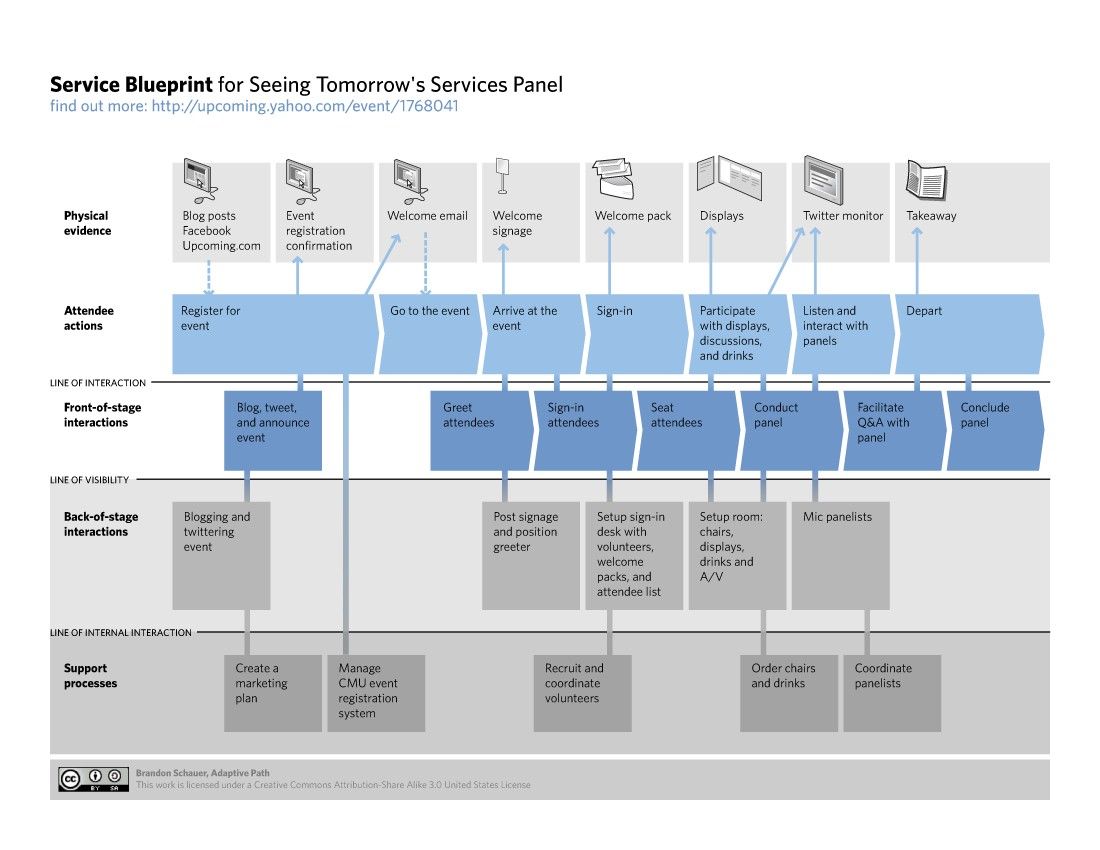
Customer experience mapping is a strategic tool to visualize and understand the customer journey across various touchpoints with a brand or product. Designers use it to identify pain points and chances for improvement and to create seamless and delightful customer experiences. By mapping out the entire customer journey, designers can gain insights into customer needs, emotions and behaviors, and design products and services that better meet customer expectations.
CEO of Experience Dynamics, Frank Spillers explains techniques to help improve customer experience and a brand’s return on investment (ROI):
Why is Customer Experience Mapping Important?
In an ever-evolving digital landscape, the concept of customer experience mapping (CX mapping) is a critical tool in user experience design (UX design). This strategic approach is something that helps brands and design team members to visualize every stage of the journey which customers take. And these stages start with users’ initial awareness and engagement—up to their post-purchase interactions as customers. When UX designers and researchers make a customer experience map, they can find key touchpoints and understand customer emotions. What’s more—and another vital point—is that they can find areas that need improvement in the overall customer experience.
Most importantly of all, a CX map is a visual aid to help design teams. By mapping customer experiences, designers have a critical instrument to help them clearly interpret customer behaviors and see what gives customers satisfaction. They can then direct their design efforts beyond it and optimize the overall journey for existing customers and potential customers. When designers minimize their brand’s customers’ pain points and succeed at delighting them, they can optimize positive experiences for many types of customers, boost the conversion rate—and boost the overall success of a brand.
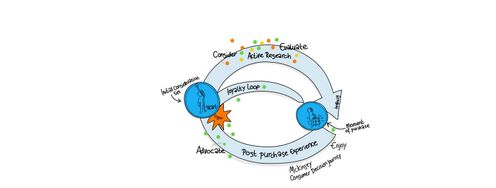
These maps can chart many experiences.
© Interaction Design Foundation, CC BY-SA 4.0
What are the Key Components of CX Mapping?
Customer personas: These are detailed representations of typical buyers. Designers can make these sorts of customer profiles from user research and data—which help brands understand and cater to their target audience.
Author and Human-Computer Interaction Expert, Professor Alan Dix explains personas in this video:
Customer touchpoints: These are the various points of interaction between the customer and the brand—and they include websites, customer service and social media platforms.
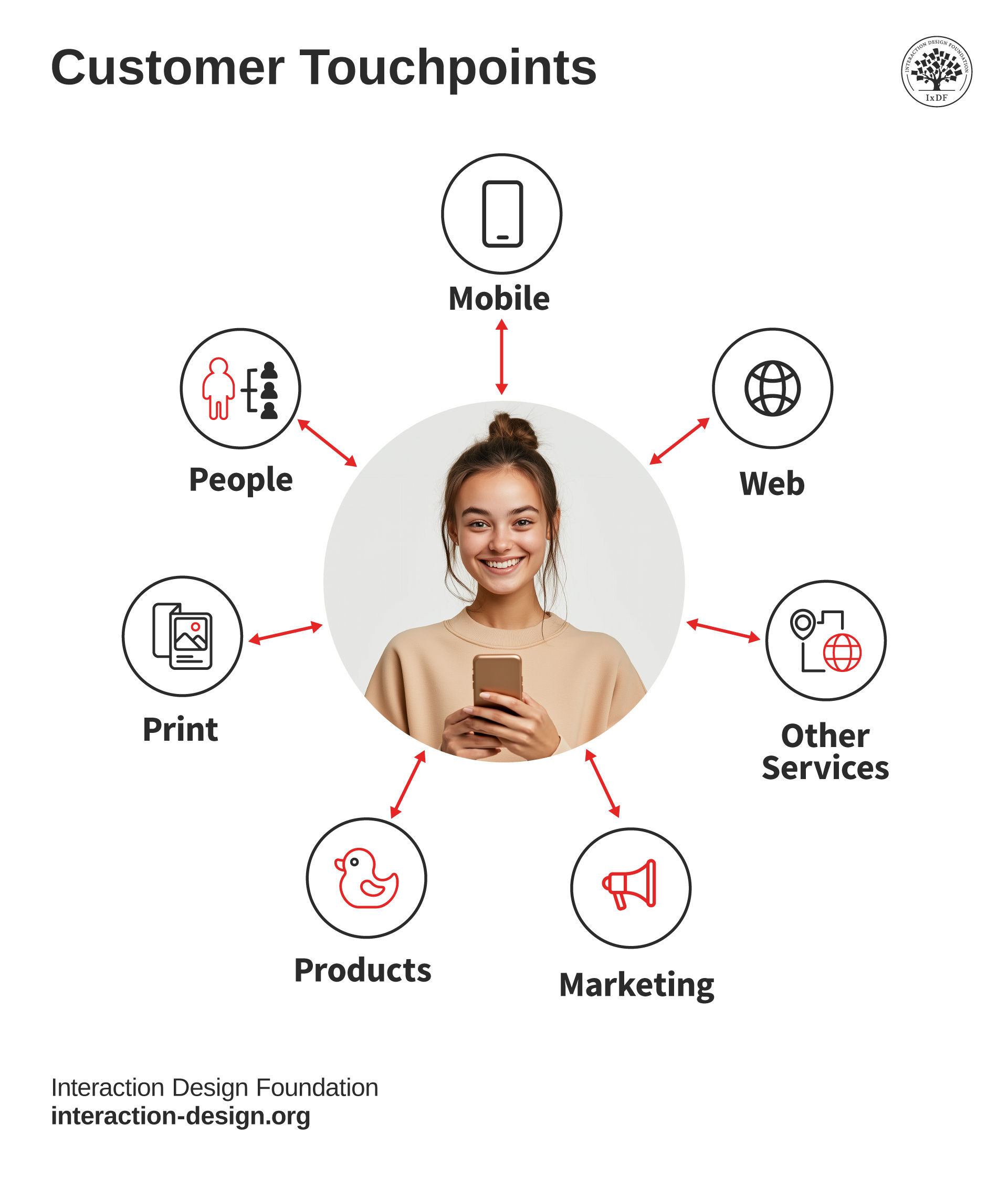
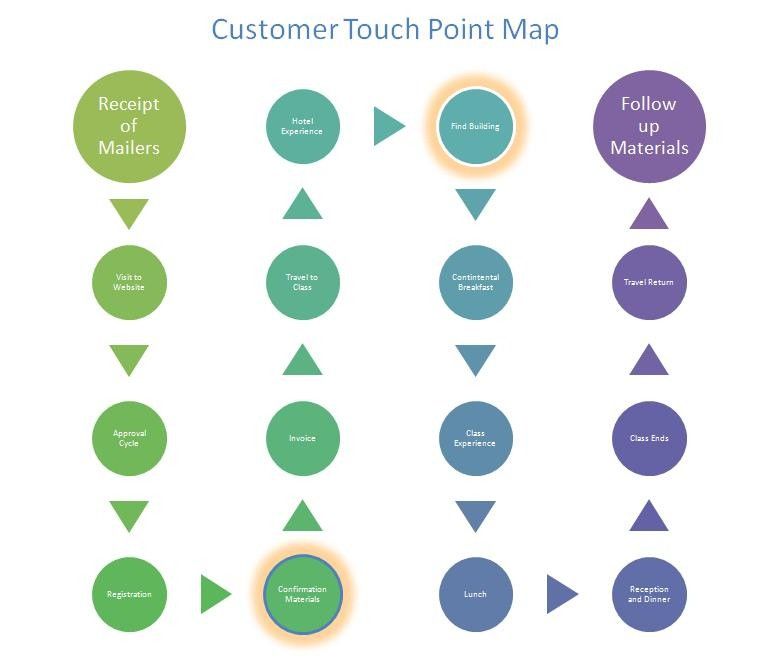
Here are some examples of customer touchpoints: interaction spots with a brand rather than channels, which are planned points of interaction.
© Interaction Design Foundation, CC BY-SA 4.0
Customer journey stages: This component breaks down the customer's path into distinct phases—phases like discovery, consideration, purchase and advocacy.
Emotional triggers and pain points: When designers identify emotional highs and lows throughout the customer journey, it’s something that helps them understand what drives customer decisions and loyalty.
Feedback loops: Continuous collection of customer feedback is crucial to help refine and adapt products or services so that the brand’s able to better meet customer needs.
What is an Example of CX Mapping?
A typical customer experience mapping example could involve something like a customer's interaction with an e-commerce website. A design team might create a customer experience map in design thinking, or another UX design process, to reflect this experience. The map would detail the customer's journey from the moment they learn about the site, through browsing products, then making a purchase, and post-purchase interactions such as customer support and follow-up emails. Designers would analyze each stage to understand customer thoughts, feelings, actions and the overall satisfaction level. They can then find areas to improve the customer experience.
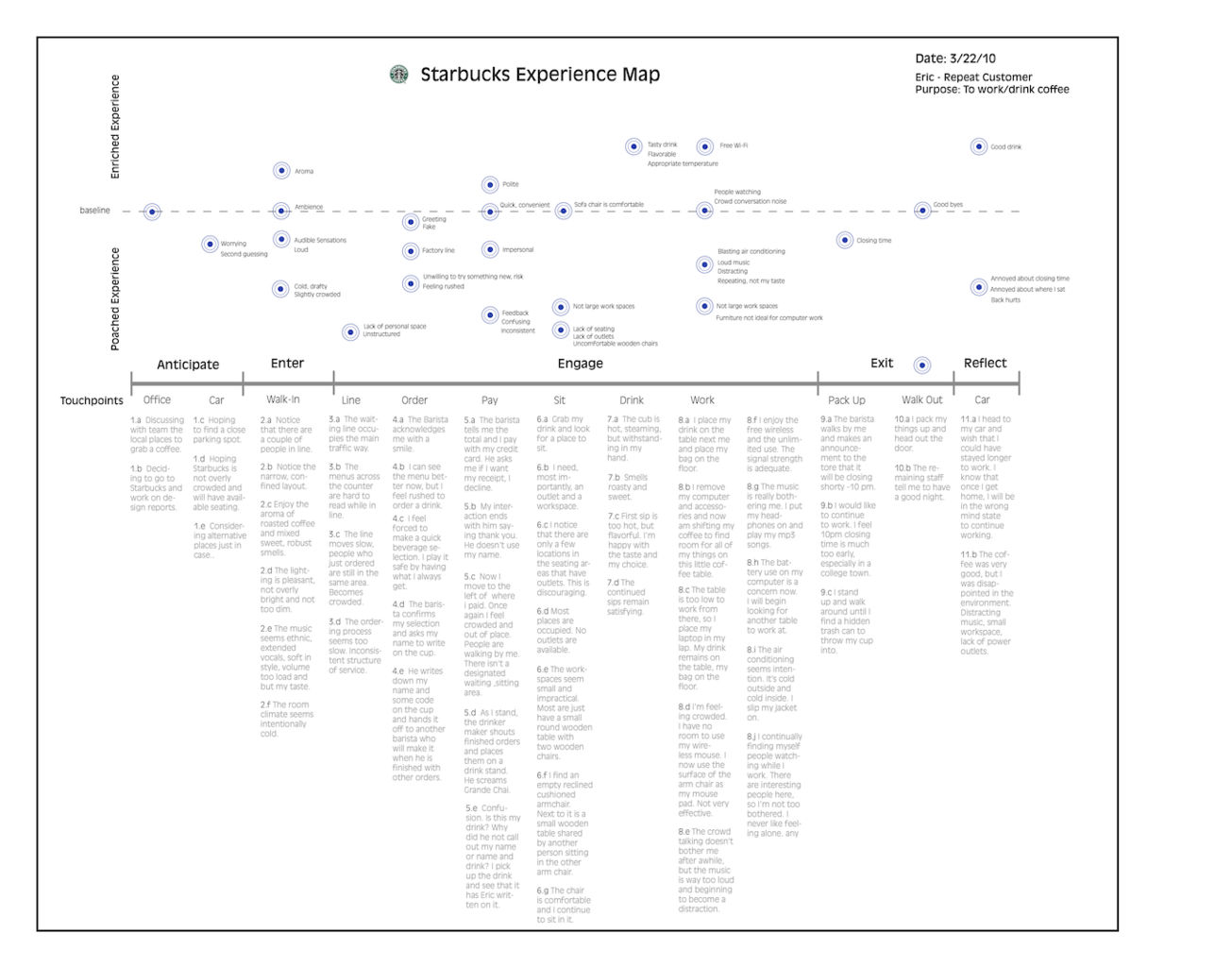
This Starbucks Experience Map features customer touchpoints and interactions when customers visit a Starbucks store.
© Gleb Smolich, Fair Use
What are The Benefits of CX Mapping?
When designers work to create CX maps, they can achieve all of these:
1. Enhance User Understanding
Designers can really get a bird's eye view of the customer's journey—and find deep insights into user needs at every single touchpoint. This comprehensive perspective is a crucial thing for them to develop empathy with users—and it lets designers feel and understand the customer's experiences and challenges. When designers step into their users’ shoes, they can find out what the emotional highs and lows are like along the journey.
See why empathy is such a vital item to help shape user-friendly designs that resonate on a personal level:
2. Improve Design Decisions
The data that designers get—and collect—from customer experience mapping enables them to make informed design decisions. This strategic approach is something that brings key areas where interventions are necessary to the surface. Designers can prioritize modifications that really give a boost to user interaction. For instance, if a map reveals that customers feel frustrated during the checkout process—designers can streamline this step to lower the friction and bring abandonment rates down. This targeted improvement doesn’t just optimize the user experience—it boosts the overall effectiveness of the design, too.
3. Increase Customer Satisfaction
Ultimately, the goal of any UX design initiative is to increase customer satisfaction levels—to the point of really delighting them. And if designers understand and see how to address customers’ specific needs and pain points, they’ll be able to craft experiences that aren’t merely enjoyable but highly effective in meeting user expectations, too. Improved customer satisfaction is a major plus—as it leads to increased loyalty, more positive reviews and higher retention rates. They’re all critical metrics for the success of any brand that offers a product or service.
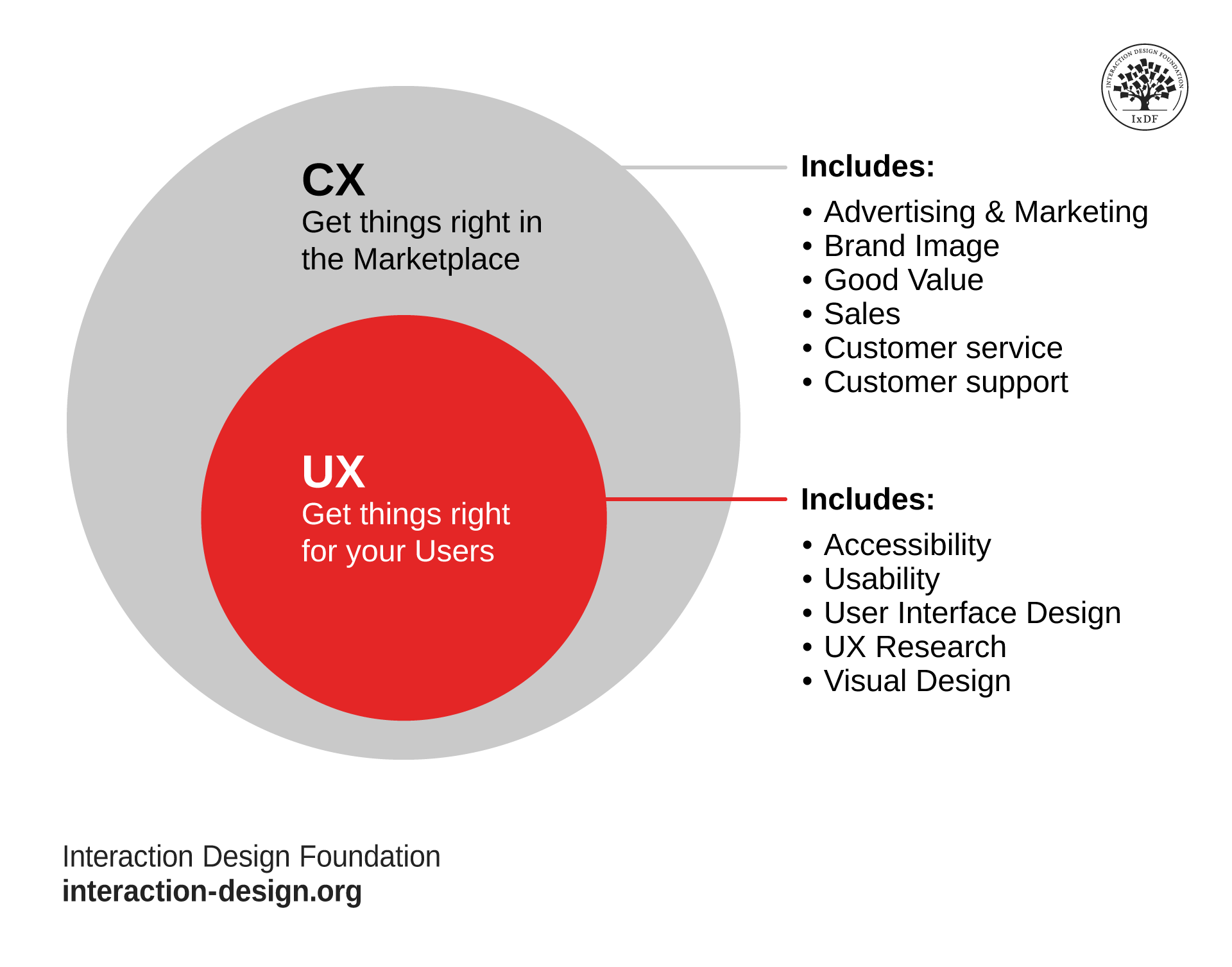
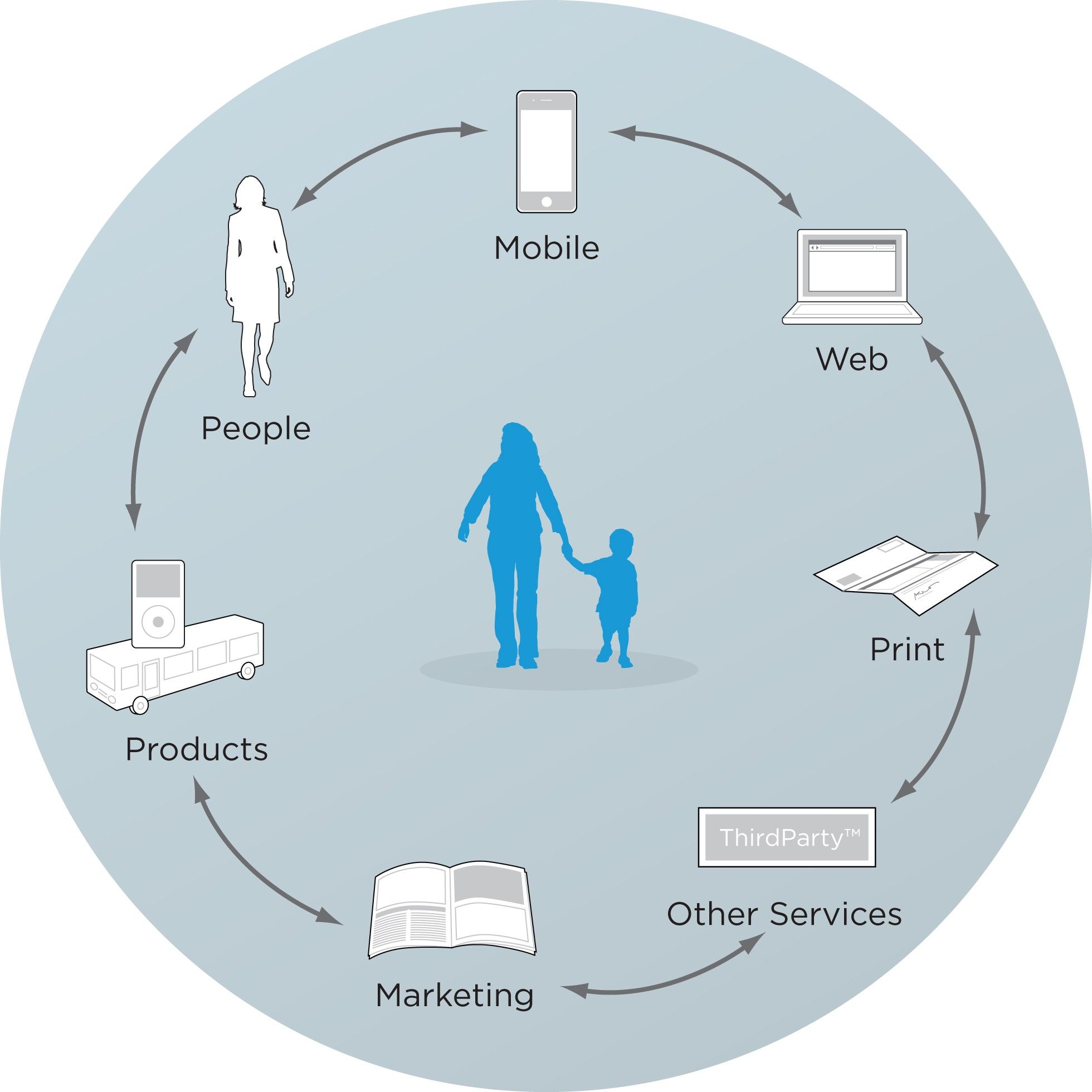
It’s important to expand the lens beyond just the UX and consider the CX, and further marketplace realities.
© Interaction Design Foundation, CC BY-SA 4.0
Customer Experience Map vs Customer Journey Map: What’s the Difference?
Designers also create customer journey maps in their design processes. The differences between customer experience mapping and customer journey mapping are in:
1. Scope and Focus
Customer experience mapping (CX mapping) and customer journey mapping (CJ mapping) often appear similar. Still, they do serve distinct roles. CX mapping offers a holistic view—one that encompasses all the possible interactions that a customer might have with a brand. This broad perspective is something that includes every touchpoint, channel and emotional experience—and it runs from initial awareness all the way to the loyalty phase. The aim of it is to give a comprehensive understanding of the entire customer journey—with a focus on emotional and qualitative aspects.
CJ mapping, though, is more goal-oriented and specific. It focuses on particular interactions that lead to a desired outcome, and it breaks the customer's interaction into stages—such as awareness, consideration, purchase and post-purchase. Designers examine each stage for specific goals the customer aims to achieve, which makes it crucial for understanding detailed customer experiences at each phase.
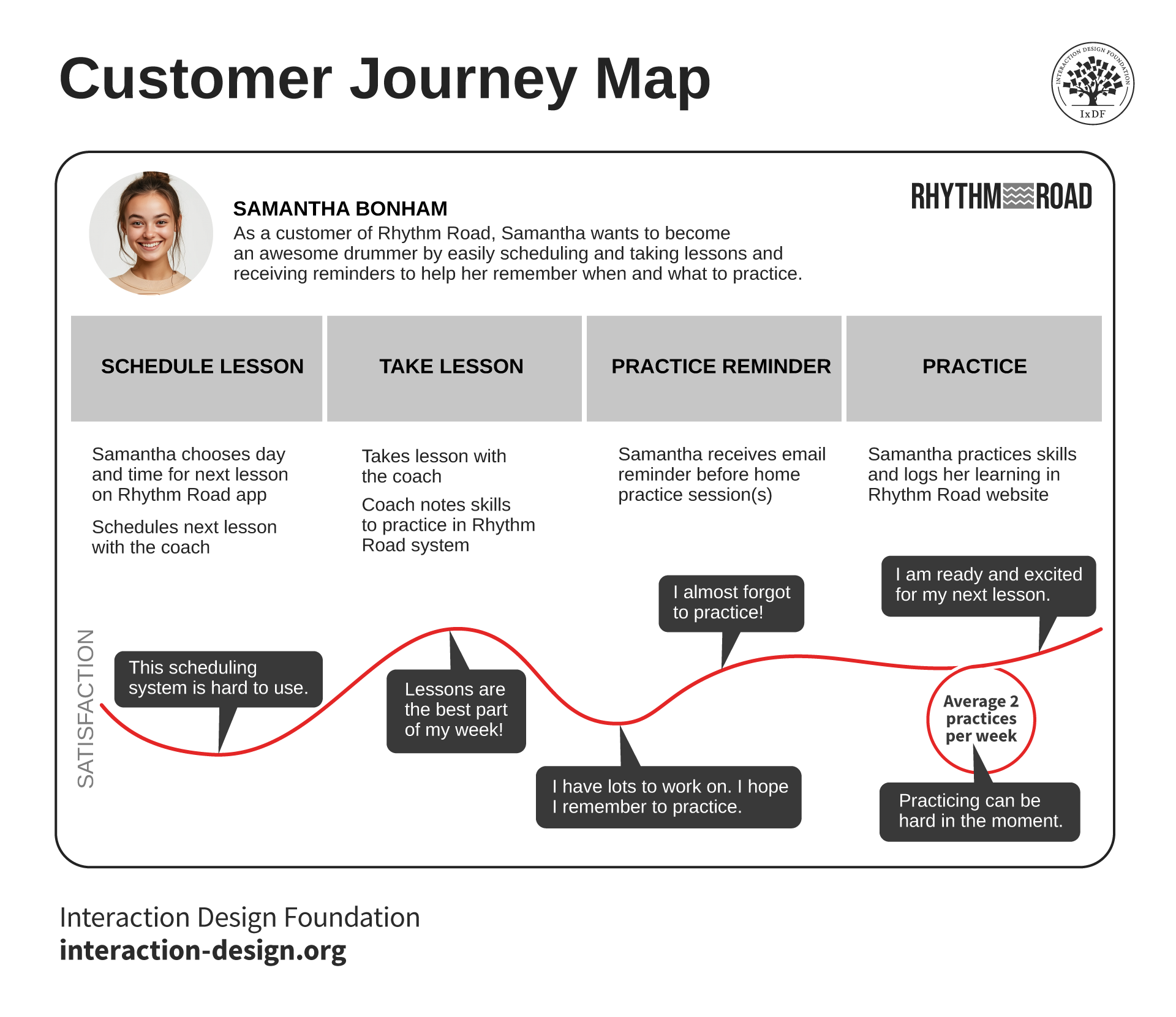
A fictitious customer journey for the persona Samantha Bonham through Rhythm Road’s learning service.
© Interaction Design Foundation, CC BY-SA 4.0
2. Emotional Engagement
The emotional engagement in CX mapping is profound—and that’s because it delves into the emotional highs and lows that customers experience at various touchpoints. One of these maps can find those moments of delight and frustration. What’s more, it sheds insights into how customers feel while they’re going through each interaction. This mapping is particularly concerned with emotional responses—and designers aim to enhance overall customer satisfaction levels, namely by addressing these emotional cues.
CJ mapping—conversely—while it considers emotions as being important, tends to focus more on the practical aspects of the customer's journey. It looks at how designers can really optimize each touchpoint to lead to the next, and make sure that there’s a seamless transition towards the desired outcome.
3. Practical Applications
Designers use CX mapping so they can get a broad understanding of the customer's interactions with a brand. It’s beneficial for them to find strategic opportunities that run across the whole spectrum of customer interactions. And they often use such mapping to guide cross-departmental strategies that help with improvements to the overall business.
Meanwhile, the purpose of CJ mapping is—typically—to improve specific aspects in the customer journey. It’s particularly useful for organizations who want to refine their customer service approach at certain stages within the customer lifecycle. And, since it focuses on detailed stages of the customer journey, CJ mapping helps brands’ designers tailor their strategies—so they can make a more efficient, as well as enjoyable, experience for their customers. They can use customer journey map templates and other tools to chart how they go about optimizing such experiences.
Watch our video on customer journey mapping to understand more about this valuable practice:
How To Practice Customer Experience Mapping in 5 Steps?
Designers can do the following to make the best of this practice:
1. Define the Scope and Objectives
Identify the purpose: Designers should work out exactly why they’re creating the customer experience map. Are they doing it to improve a specific touchpoint? Or the entire customer journey?
Set objectives: Clearly outline what the aim to achieve is with the customer experience map.
2. Understand the Customer Journey
Gather data: Designers should collect information about customer interactions across various touchpoints. These could be items like website visits, inquiries, purchases and customer service interactions.
Create personas: Develop customer personas to understand the different needs, motivations and pain points of the customers.
3. Map the Customer Journey
Plot touchpoints: Identify and plot all the touchpoints a customer encounters from initial awareness to post-purchase support.
Highlight emotions: Note down the emotions and expectations at each touchpoint.
4. Find Gaps and Opportunities
Analyze data: Designers should look for patterns, pain points and areas where they can really improve the customer experience.
Prioritize issues: Find out which issues actually have the greatest impact on the customer experience.
5. Implement Improvements
Develop an action plan: Create a plan to address the identified issues—and make the most of the opportunities.
Monitor and iterate: Implement the improvements and continuously monitor the impact that these have on the customer experience—and then iterate the customer experience map, as needed.
Professor Alan Dix explains about emotions and usability as vital ingredients in design:
What are Best Practices and Tips for CX Mapping?
Here are some to try following:
1. Use Effective Research Methods
If they’re going to create a comprehensive customer journey map, brands have got to use a mix of qualitative and quantitative research methods. Qualitative methods—like interviews, field studies and diary studies—shed deep insights into customer emotions and behaviors. They show the “how” and the “why” behind customer interactions.
Quantitative methods—like surveys and website analytics—offer hard data, though, and that helps design teams understand patterns and trends across a broader customer base. It’s wise to combine these approaches—as it can ensure there’s a balanced view of the customer experience. Designers then can create more accurate and empathetic maps.
Watch as Professor Alan Dix explains the difference between qualitative and quantitative research:
2. Involve Cross-Functional Teams
A successful customer journey mapping process calls for cross-functional teams that include stakeholders to get involved. For example, these are individuals who could be from marketing, customer service and product development. This diversity is something that makes sure that the map really does reflect a holistic view of the customer experience. And teams should include individuals from various levels within the organization so they can harvest the various perspectives. A collaborative approach like this is something that helps to break down internal silos—and it promotes a unified strategy that’s focused on customer-centricity.
UX Designer and Author of Build Better Products and UX for Lean Startups, Laura Klein explains important points about cross-functional teams:
3. Conduct Iterative Reviews and Updates
CX mapping isn’t a one-time task—it’s an ongoing process that needs regular updates for it to remain relevant. And, as customer behaviors and market conditions change, the map should evolve to reflect these changes. Brands should regularly revisit—and revise—maps, and it can help businesses stay truly in line with their customers’ needs and expectations.
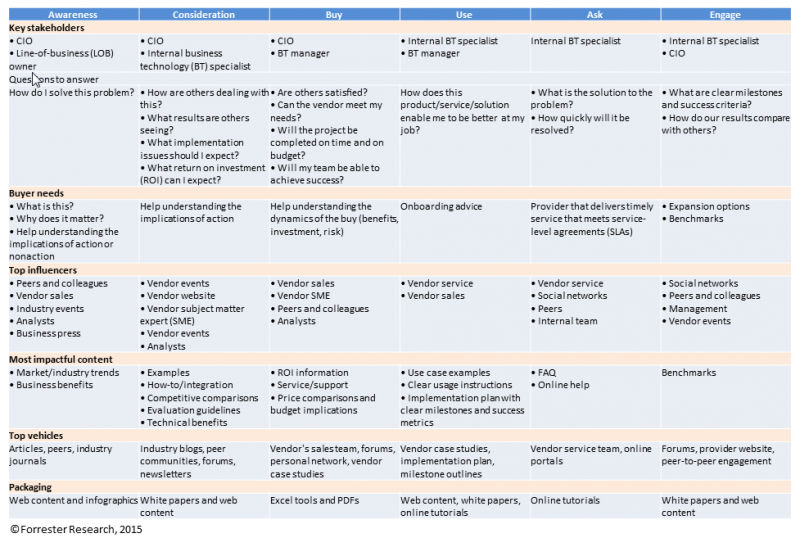
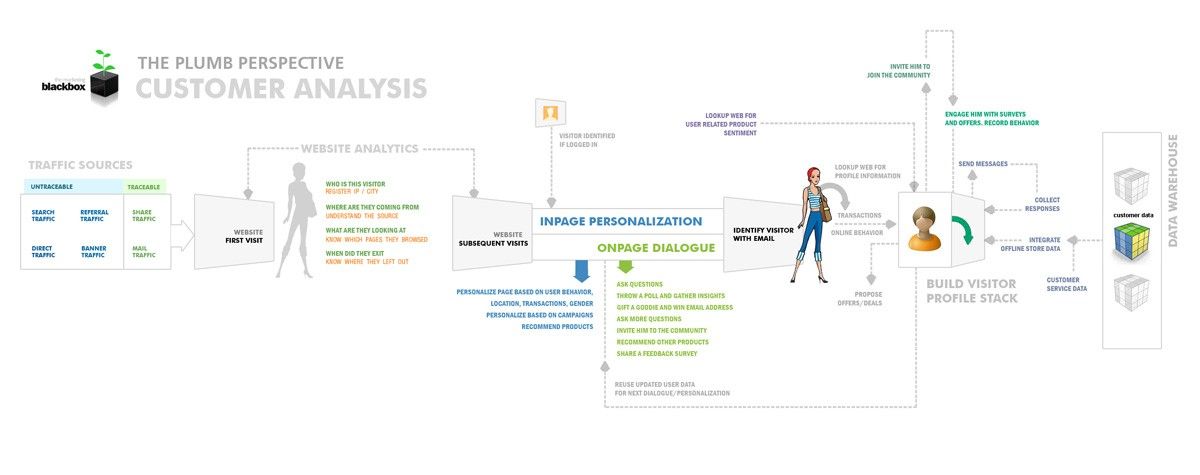
This B2B customer experience map illustrates a great wealth of insights.
© Forrester Research, Fair Use
What’s the Best Software for Customer Experience Mapping?
Here are some of the best software options and customer experience mapping tools to consider:
1. Adobe Experience Cloud
Adobe has got a comprehensive suite of tools for customer experience management—including analytics, personalization and campaign management. The Adobe Journey Optimizer is something that’s especially helpful.
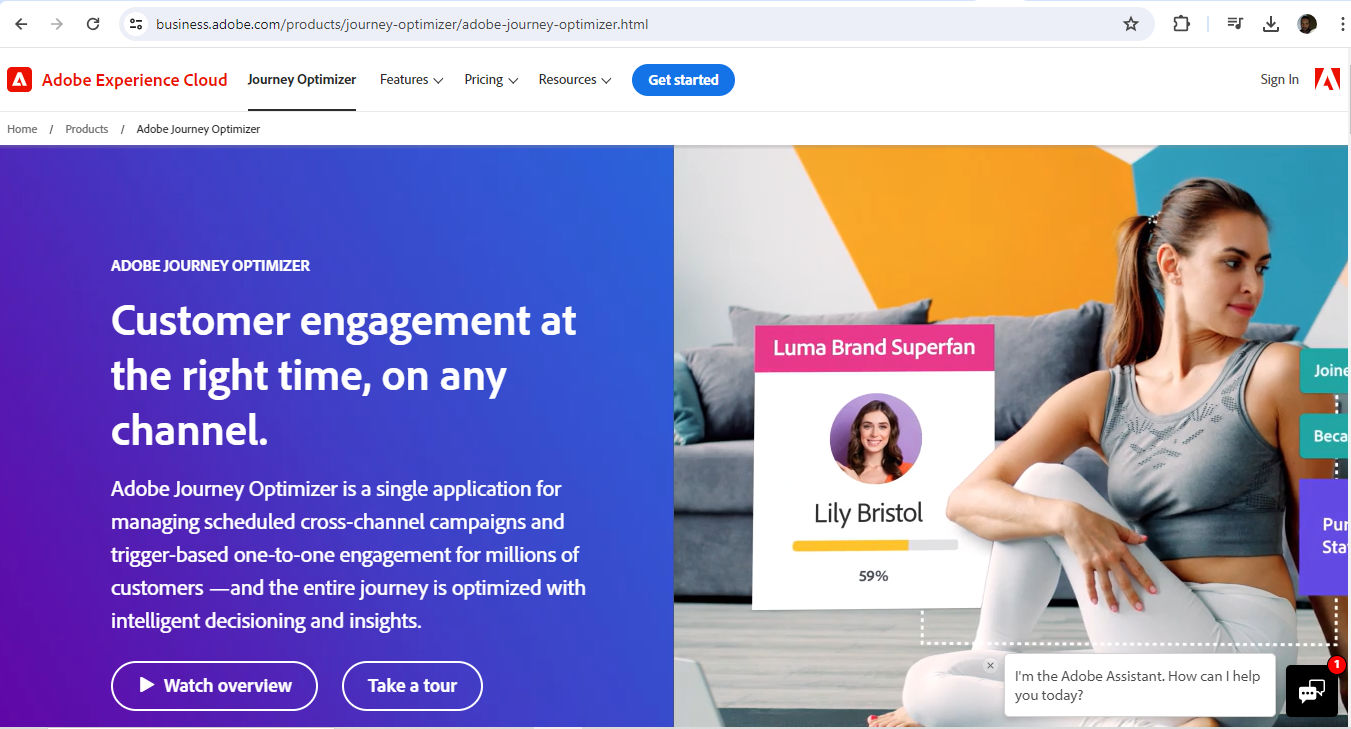
© Adobe, Fair Use
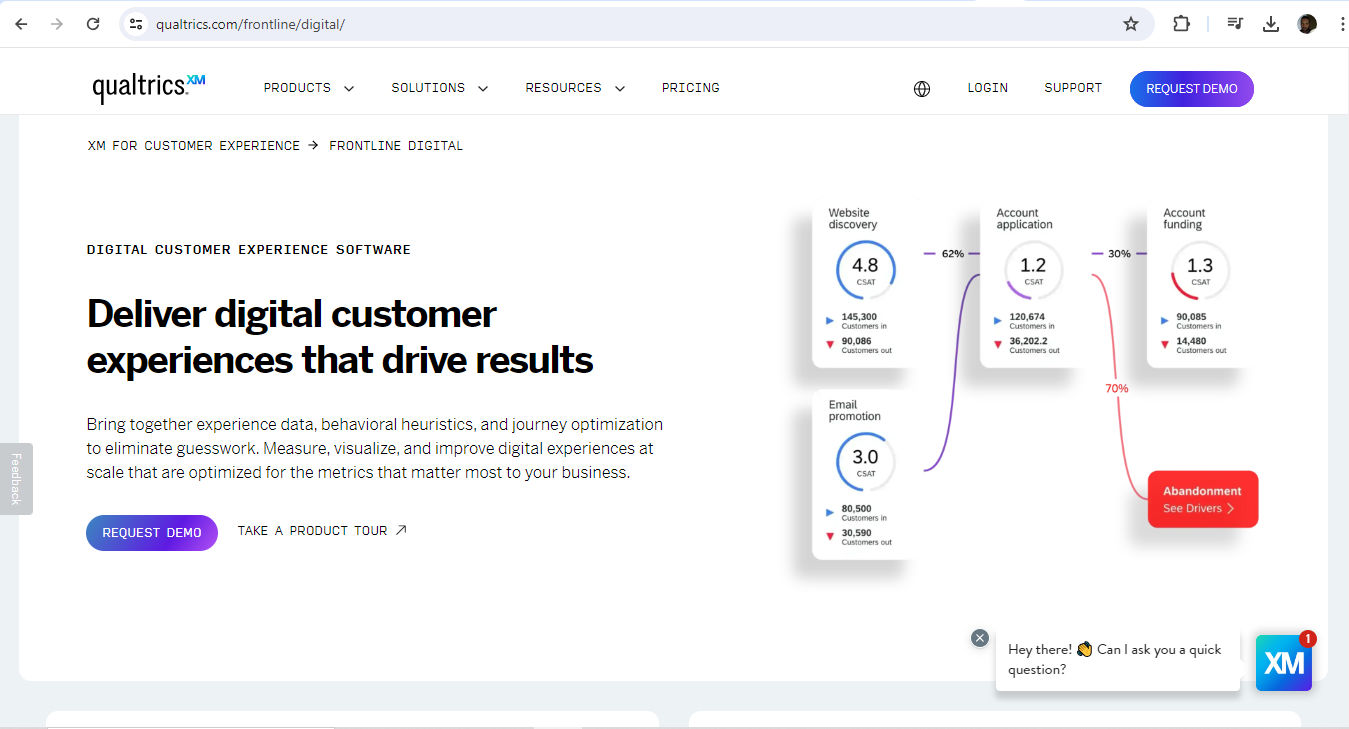
2. Qualtrics
Qualtrics is known for its experience management platform—and it includes tools for customer experience mapping, feedback collection and data analysis.
© Qualtrics, Fair Use
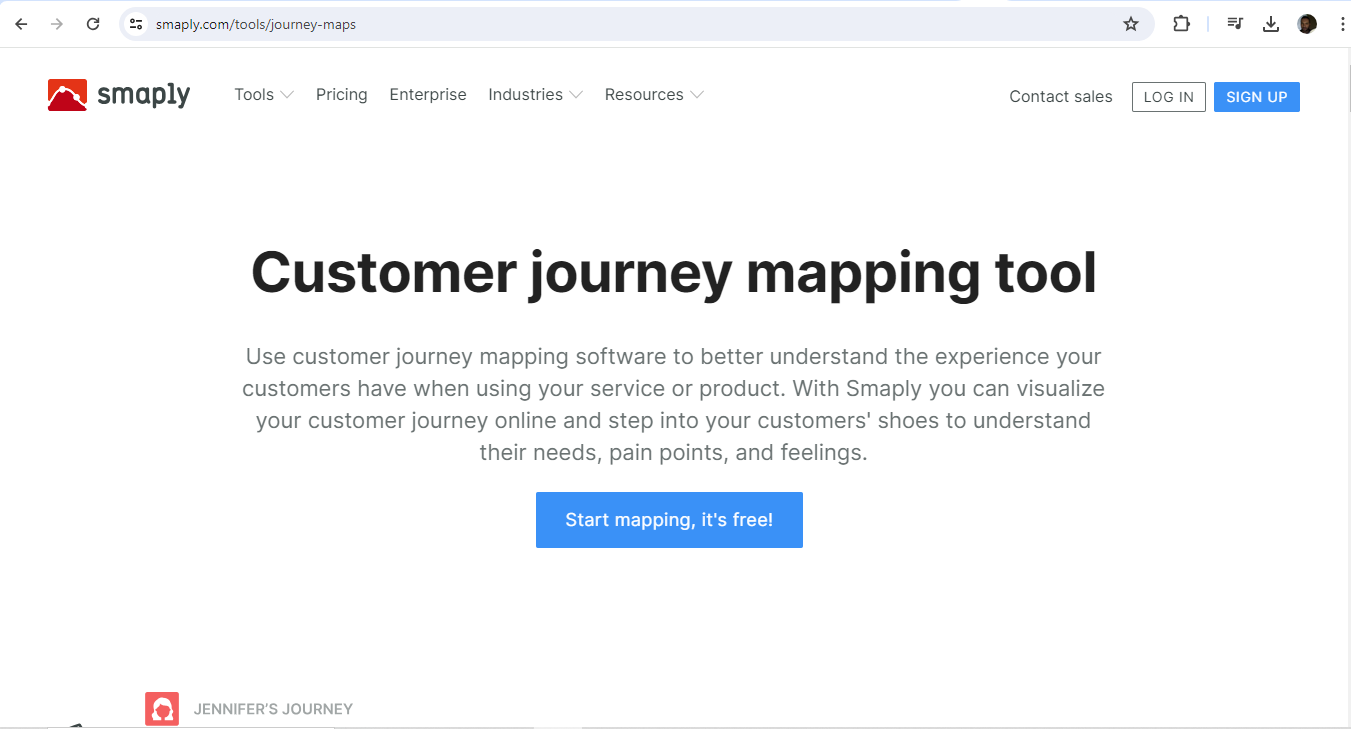
3. Smaply
Smaply is a user-friendly tool that’s specifically designed for customer journey mapping, persona creation and stakeholder collaboration.
© Smaply, Fair Use
It's important—and crucially so—for designers and design teams to evaluate their specific business needs, budget and integration requirements. That will help them choose the best software for customer experience mapping. Each of these options offers unique features—such as customer experience map templates—to help get valuable insights into customers' journeys and how to improve overall satisfaction, and beyond.
What are Potential Risks and Challenges in CX Mapping?
Here are some common ones to avoid:
1. Failure to Consider Customer Feedback
If brands skip the collection of customer feedback, they’ll likely miss out on the benefits of testing solutions with customers. This is an oversight that often results in products that really don’t meet customer needs effectively—and can end up translating into bad financial outcomes.
2. Late Feedback Collection
If brands get feedback too late in the development process, it’ll be hard to implement changes that are meaningful. And it’s something that can result in products that fail to satisfy customer expectations.
3. Siloed Department Efforts
Without a cross-functional approach, different departments can end up working in isolation—and this can lead to a disjointed customer experience. So, it's crucial for all departments—even those that don’t directly interact with customers—to understand their impact on the customer journey.
4. Failure to Appreciate Inclusivity and Accessibility Issues
Brands have got to remember to factor in accessibility—and inclusivity—in their design efforts, whatever insights CX mapping reveals.
Watch our video to understand more about the importance of accessibility in design:
What’s more, design teams should remember:
5. Data Privacy Concerns
Businesses have got to balance the personalization of customer experiences with their obligation to protect individual data privacy—and it’s a vital point. So, it’s a must for them to understand laws like the General Data Protection Regulation. Brands face real challenges when they use analytics tools without infringing on consumer privacy. Each stage of the customer journey—going from awareness to purchase—has unique data privacy challenges. And the personalization that’s called for to enhance customer satisfaction mustn’t compromise privacy.
6. Balance Qualitative and Quantitative Data
It’s vital for brands to integrate qualitative as well as quantitative research methods. Qualitative data—while it’s rich in detail—mightn’t always represent broader customer sentiments accurately. Quantitative data helps validate these insights and prioritize actions on the basis of what impacts customers in the greatest way. So, it’s a major plus for businesses to aim for a mixed-methods approach:
Qualitative insights: Get deep insights into customer emotions—and motivations—through interviews and field studies.
Quantitative validation: Use statistical tools to find patterns and trends that support qualitative findings.
Iterative process: Continuously refine the customer experience mapping by integrating new data and also revising the map to reflect current customer behaviors as well as customers’ preferences.
Overall, effective CX mapping helps light the pathway towards enhanced user understanding and better design decisions all around. What’s more, it lays the groundwork to build up and nuture enduring customer loyalty and advocacy. Designers can really leverage these CX maps to make interventions that are more targeted, impactful ones for their brands.
It’s a vital point to think about how these journeys aren’t merely routes that consumers travel on. They’re also the narratives that define customers’ relationships with brands—and ultimately contribute to a business's success in the digital age. When designers prove an ongoing commitment to how they understand and refine the customer experience, they can keep a sharp eye on the heart of any business—its customers—and devise the best ways to delight them.