Brand Guidelines

Your constantly-updated definition of Brand Guidelines and collection of videos and articles.
Be a conversation starter: Share this page and inspire others!

98 Shares

What are Brand Guidelines?

Brand guidelines in user experience design (UX design) are a set of standards that define how a brand should represent itself in digital products. Designers use them to ensure consistency in the use of brand elements such as colors, typography, logos and imagery. They help keep a cohesive brand identity across different digital touchpoints, to boost user recognition and trust and align designs with brand values and messaging. 
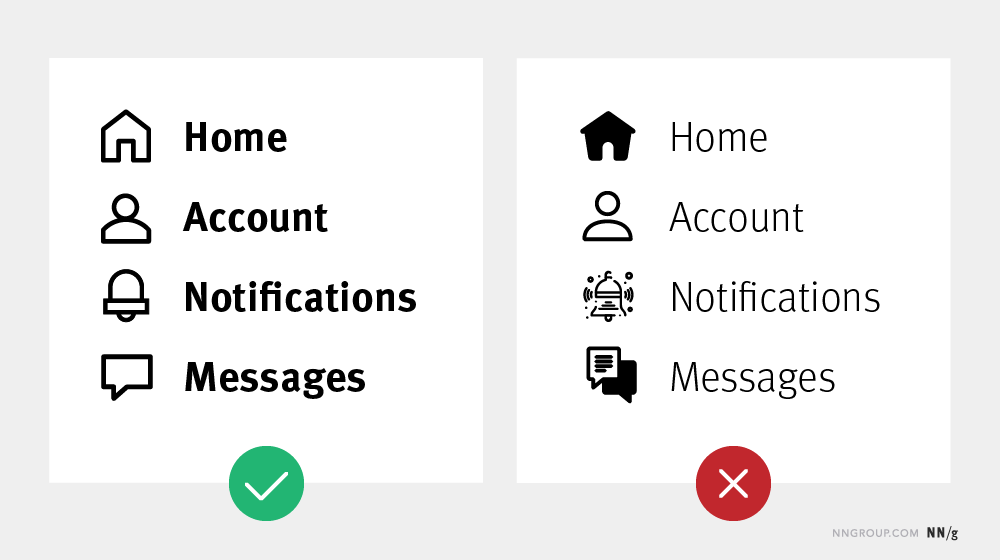
A screen showing two images, one representing guidelines to follow and the other showing how not to show four items.

© NN/g, Fair Use

Why Are Brand Guidelines Important in UX Design?

These guidelines are a vital way for brand designers to make a cohesive and impactful brand identity. They’re carefully crafted documents that don’t just dictate the visual aesthetics—like color palette and typography. They encompass the brand's tone of voice, core values and overall user experience, too. The main benefits for brands are that solid guidelines: 

1. Assure Consistency and Recognition

These guidelines are crucial to keep things consistent across all user interfaces (UIs) and experiences. They help make sure that every element—from the typography and color palette to the layout and logo—is uniform. This consistency helps users recognize and become familiar with the brand—and it nurtures a solid sense of reliability and predictability in user interactions. 

2. Build Trust and Credibility

When designers present a cohesive visual and communicative style to users, they build trust between their brands and their target audience. Users are far more likely to believe in the professionalism and reliability of a brand that consistently gets its message and values out across all platforms. 

AI Designer, Ioana Teleanu explains important dimensions about trust and design in the age of artificial intelligence (AI): 

Transcript
 

3. Streamline Design Processes

Brand guidelines simplify the design process for UX/UI designers—and that’s because they provide clear directives on the aesthetic and functional aspects of brand elements. This doesn’t just speed up the design process. It reduces discrepancies and confusion among team members, too. What’s more, it makes sure that everyone is on the same page. As a result, the final product is a well-integrated user interface—and one that aligns perfectly with the brand’s identity. 

A screenshot of Amazon.com's landing page.

Amazon’s highly recognizable brand is more than just the sum of the parts of—for example—the look and feel of buttons. Amazon’s guidelines help to keep this trust high and long-term customer loyalty in place.

© Amazon, Fair Use

4. Maintain Brand Integrity

Designers who stick to their brand’s guidelines help keep themselves safe from diluting their brand’s identity through inconsistent application—a hazard that can confuse users and diminish brand equity. Guidelines help guide designers so that their work clearly communicates their brand's core values and identity—and that they preserve these across all user touchpoints. 
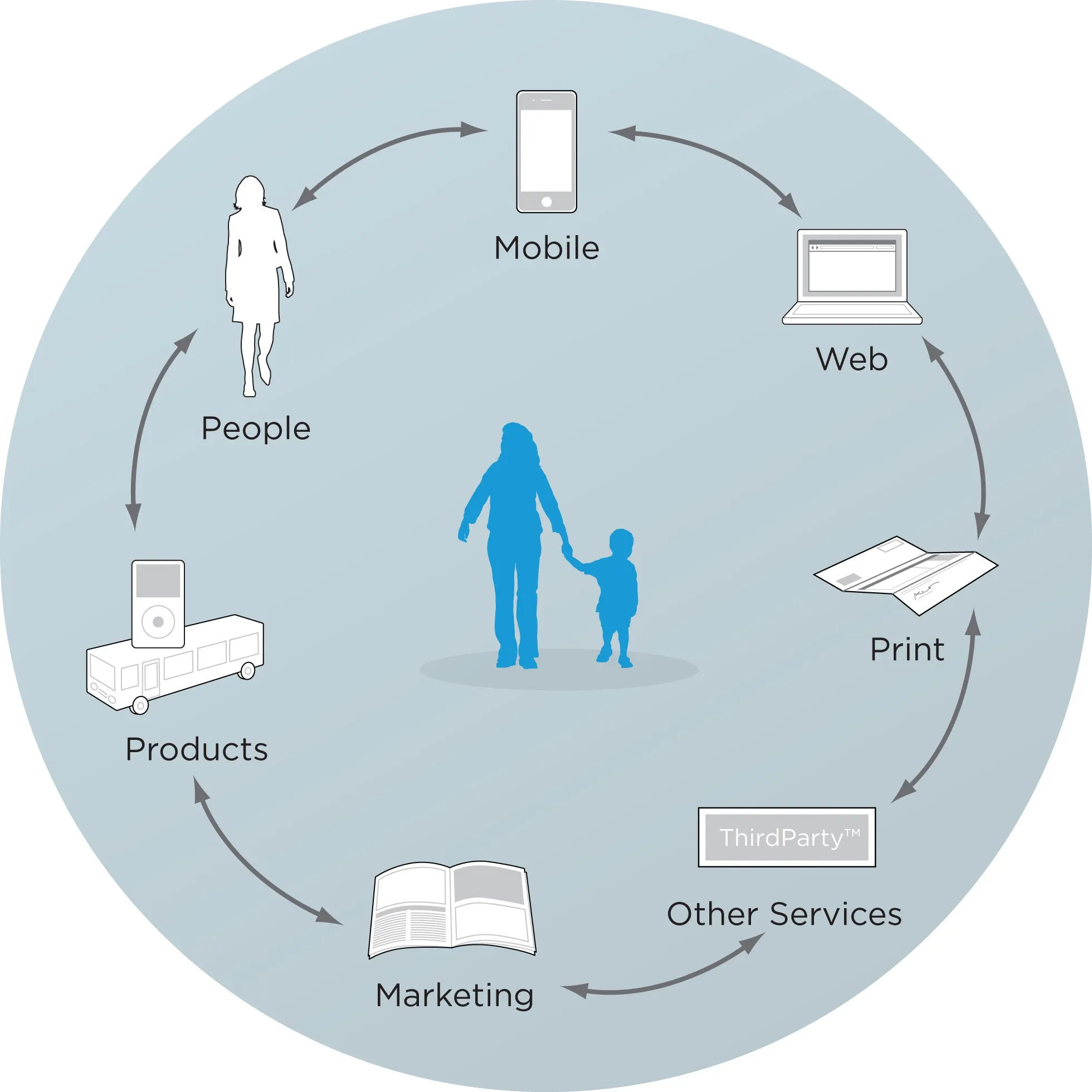
An image representing several customer touchpoints.

These are some simple examples of customer touchpoints—places of interaction with a brand rather than channels, which are planned points of interaction.

© Rosenfeld Media, Fair Use

What are Examples of Brand Guidelines in UX Design?

1. Logo Usage

The logo is a paramount symbol of identity. For instance, Medium's meticulous design of its logo, wordmark and symbol showcases how important consistency and recognition in branding are. Each element—carefully constructed for visual harmony—has to remain unaltered to preserve the brand's integrity. Similarly, the way whitespace and margins appear makes sure that the logo breathes freely—and it’s something that helps keep prominence and readability across various platforms. 

Medium's logo.

© Medium, Fair Use

2. Color Palette

The color palette is a critical aspect of a brand's visual identity. It guides the design of all brand assets. It's not just about aesthetics; the right color combinations can evoke emotions and convey messages, too. For example, TikTok and Spotify have specific color schemes that align well with their brand values and really resonate with their target audiences. TikTok's guide emphasizes the general feel of the app. Meanwhile, Spotify's vibrant duotone colors are popular and appeal to users, which demonstrates how color can enhance user experience. 
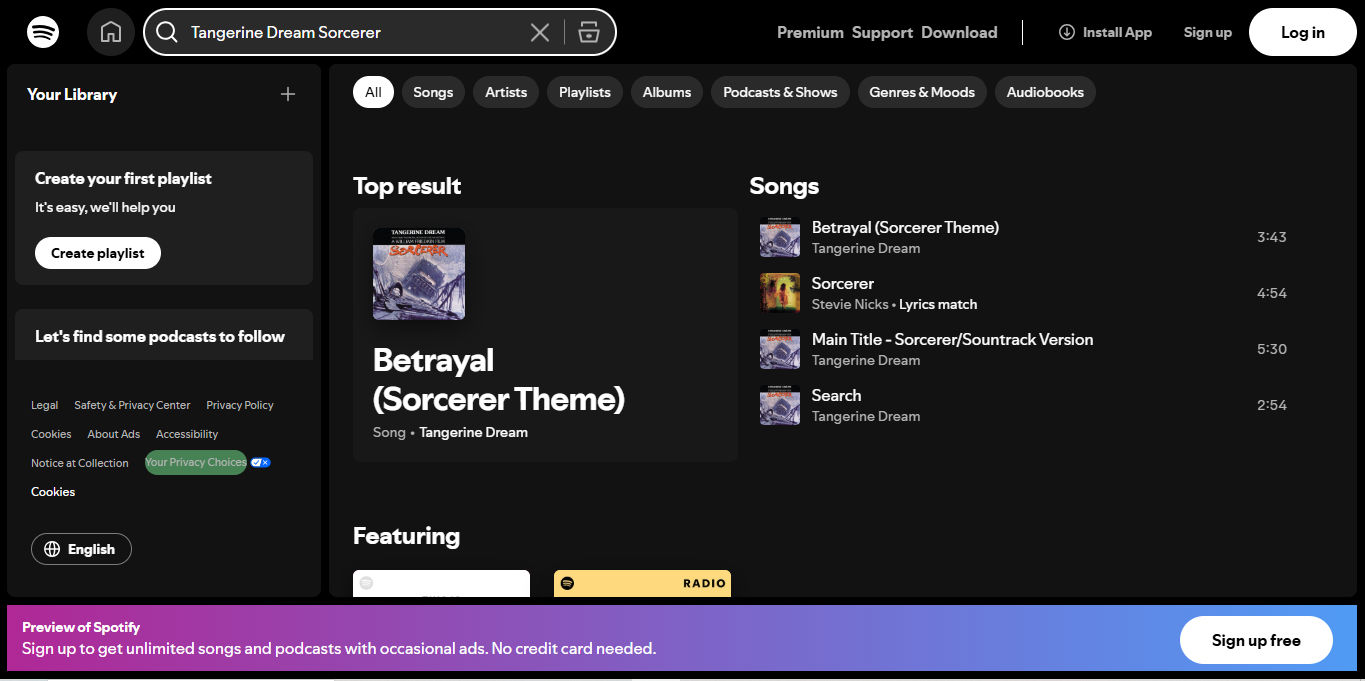
A screenshot showing a Spotify screen, featuring the playing of a user's music selection on the web.

Spotify’s color use is part of its brand identity—and a vital way for users to know and trust they are, indeed, on Spotify.

© Spotify, Fair Use

3. Typography

Effective typography is essential for designers to make UIs that are readable and engaging. Designers have got to choose the right typefaces and organize them to optimize usability and get the brand's voice across accurately. For instance, the differentiation between serif and sans-serif fonts is something that has an impact on readability and mood—and it influences the user's perception of the brand. A well-defined typographic guideline makes sure that there’s consistency across all digital products. What’s more, it boosts the overall user experience. 
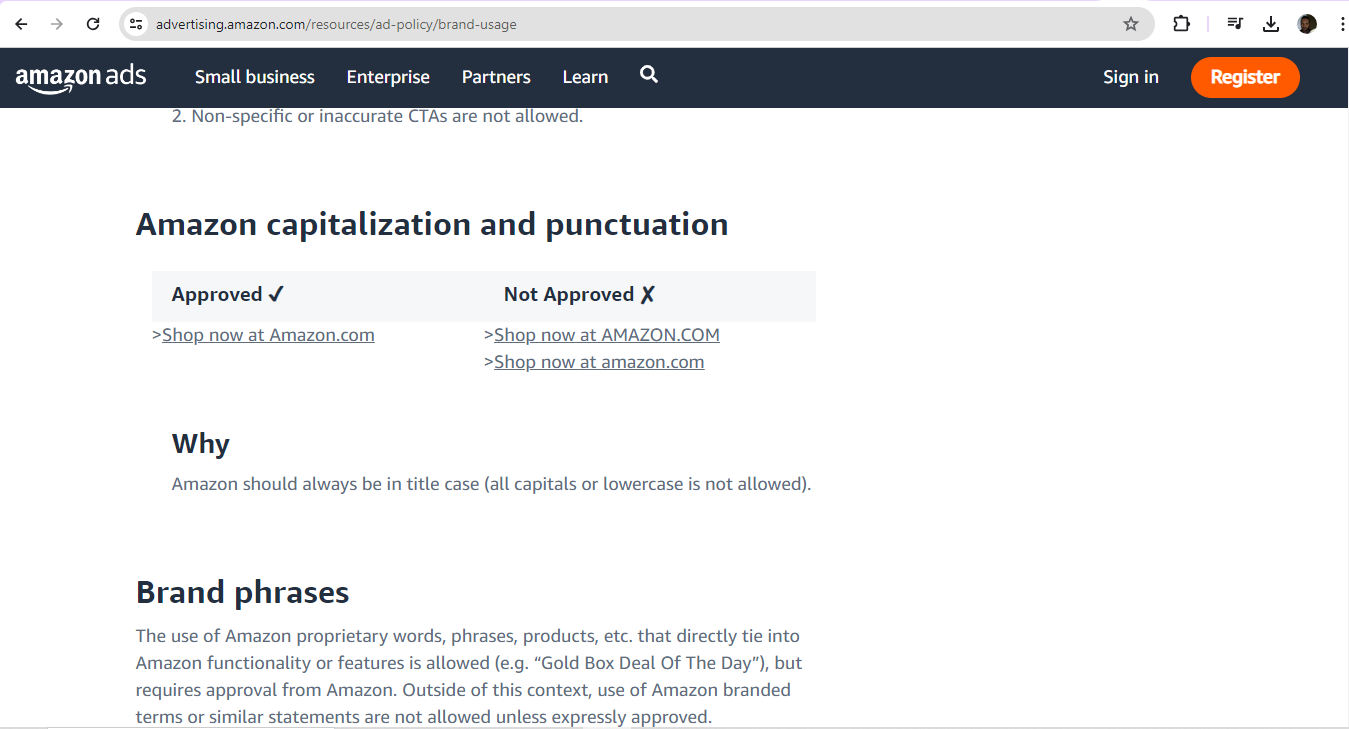
A screen showing Amazon's guidelines for third-party advertisements.

For example, typographical considerations also manifest in brand usage guidelines for third-party digital display ads.

© Amazon, Fair Use

4. Imagery and Visual Style

Imagery includes icons, illustrations, photographs and data visualizations—and it plays a massive role in carrying the brand’s identity and personality. It's not just about choosing appealing images, though. It’s about making sure that these are in line with the brand's storytelling and emotional connection with its audience, too. For example, when brands pick consistent characteristics for photographs and illustrations, they can create a really cohesive visual experience—and it’ll be one that reinforces each brand's message. 

5. Tone of Voice (TOV)

The tone of voice in UX design extends far beyond the visual elements—and it really embodies how a brand communicates its personality through written and spoken words. Brands have got to find the right balance between being professional and personal, humorous and serious—depending on the context and the user's emotional state. For instance, a brand might take on a warm and reassuring tone to present itself genuinely and speak trust and professionalism to its target audience—like new parents looking for babysitters. This shows how a consistent and appropriate tone of voice can really establish trust and guide users through the product—and make the digital experience that much more engaging and memorable. 
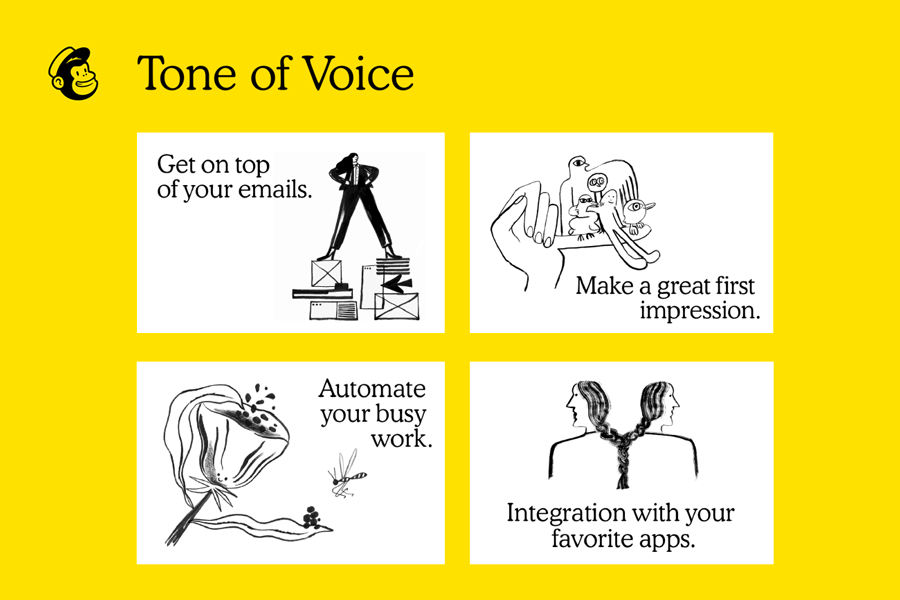
Screen of 4 images and texts featuring MailChimp's style.

MailChimp’s brand guidelines cover how to bring offbeat humor and a conversational voice together in content.

© Arek Dvornechuck, Fair Use

What are Best Practices for Designers to Follow with Brand Guidelines?

Designers should stick to their brand’s established guidelines—ones that have proven to work well. Alternatively, they might be involved in a startup or consulted to create a brand’s style guide. Or they might have a voice in a rebranding process. There, they can have some influence on what those guidelines look like. In any case, designers should:  

1. Maintain Consistency Across Platforms

Brand guidelines make sure there’s a uniform appearance across all digital and physical platforms—to reinforce brand recognition and trust. So, designers should help create—or follow—a comprehensive brand style guide that’s accessible to all team members. The guide should have specific rules for verbal, written and visual communication. And regular updates to the guide should keep the team well in line with the brand identity. This will make sure there are smooth transitions between platforms—for a seamless multi-channel experience. 

2. Make Sure There’s Thorough Documentation

A detailed set of brand guidelines serves as a blueprint to represent the brand to the world—with key elements like logo usage, color palette, typography, imagery and tone of voice. And a brand style guide summarizes these guidelines. Brands should share it with clients and collaborators to keep confusion and inconsistency from happening. It’s got to include clear guidelines on how to adapt brand elements to meet platform-specific requirements and limitations. For example, there could be a section to address responsive design—or a variant for how the brand’s logo might appear: 
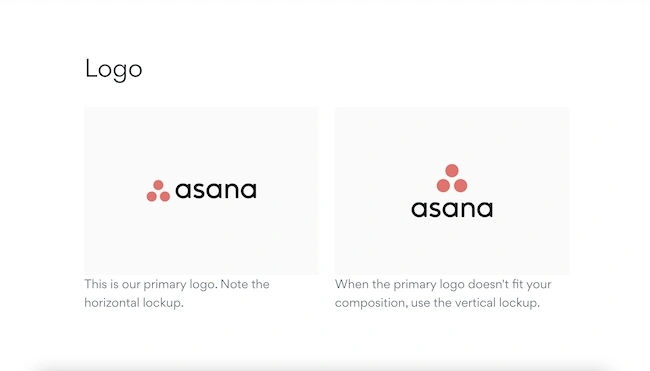
Screen showing two ways to show Asana's logo.

From Asana’s brand guidelines.

© Asana, Fair Use

It’s especially vital to make sure that the brand guidelines are easy to understand and implement. Clarity and simplicity can help all stakeholders—both internal and external—stick to the guidelines more effectively. 

Watch as CEO of Experience Dynamics, Frank Spillers explains responsive design: 

Transcript
 

3. Collaborate with Stakeholders

Effective brand guidelines are the result of collaboration among all stakeholders who are involved in brand representation—and that includes internal teams, external partners, agencies and freelancers. If designers give everyone the same set of guidelines, they’ll help make sure that all materials that others produce for the company do actually reflect the brand identity—and consistently so. It's important to involve stakeholders in the creation of brand guidelines, as it will make sure that they’re practical and comprehensive. Regular communication and collaboration with stakeholders are essential things to keep the guidelines so relevant and effective. 

Author, Speaker and Leadership Coach, Todd Zaki Warfel explains important points about dealing with clients: 

Transcript
 

4. Conduct Regular Updates and Reviews

Brand guidelines aren’t static; they’ve got to evolve with the brand. And regular reviews based on market trends, customer feedback and internal insights make sure that the guidelines do remain in line with business goals and brand values. It's important to get relevant stakeholders involved in the review process—and update guidelines as needed to reflect changes in branding strategies, messaging, visual identity and communication channels. This continuous process calls for monitoring, feedback and improvement to keep the brand fresh, relevant—and competitive, too. 

It's essential to establish metrics—as well as feedback loops—to monitor just how effective the brand guidelines actually are. When brands and design teams get feedback in from both internal and external sources, they can work to improve the guidelines—and continuously so. 

Design Director at Societe Generale CIB, Morgane Peng explains important aspects of how some stakeholders may view design-related topics: 

Transcript
 

Special Considerations and Potential Risks with Brand Guidelines

It’s important to also be aware of the following points regarding branding and guidelines: 

1. Understand Flexibility vs. Rigidity

Brand guidelines have got to strike a delicate balance between consistency and adaptability. While strict adherence may make sure there’s a unified brand identity, too much rigidity can stifle creativity—and it can keep a brand back from being able to evolve with market trends. Brands have got to provide clear directives while they give some leeway or flexibility for creative interpretation. It’s best to make sure that guidelines are there as a supportive framework—and not as a restrictive set of rules. 

2. Ensure Accessibility

Accessibility is an absolutely critical aspect of brand guidelines—and it’s one that brands mustn’t overlook. They’ve got to make sure that all communications are accessible to people with disabilities, and incorporate standards like WCAG 2.1 to guide how they make websites, mobile apps and other digital content. That includes the points that they’ve got to provide alternative text for images, make sure there’s sufficient color contrast and offer content in multiple formats to accommodate various disabilities. 

Watch our video to understand why accessibility is a vital concern for brands and design: 

Transcript
 

3. Balance Creativity with Consistency

To maintain brand consistency and foster creativity at the same time is a challenging—but essential—task. Brand guidelines should define core elements like logos and color schemes. They should, however, allow room for innovation in secondary elements as well. This balance helps brands stay relevant and engaging—without losing their identity. Regular updates and assessments of brand guidelines are crucial things to adapt to changing consumer preferences and market conditions. 

4. Adapt Guidelines for Global Markets

Global brands face the challenge of how to adapt their guidelines to fit diverse cultural, legal and linguistic contexts—and not compromise their core identity. This process is known as glocalization—and, to practice it, brands have got to understand local preferences and modify their brand elements accordingly. Plus, they’ve got to simultaneously keep their overall brand consistency. Brands must avoid cultural stereotypes and work closely with local experts to make sure that their messaging is, indeed, appropriate and resonant in each market. 

Watch as Author and Human-Computer Interaction Expert, Professor Alan Dix explains the need to design with culture in mind: 

Copyright
Transcript
 

As the best brand guideline examples show, UX brand guidelines are vital tools for designers to combine great-looking visual design elements in highly user-friendly interfaces and beyond. They can bring their brand’s personality to life in product designs that follow brand guideline color palettes and toe the line creatively with the brand guideline sheet. An active finger on the pulse of the industry and customer habits will also help to keep their brands relevant and capable of reliable support from marketing campaigns, too.   

Overall, both brands, including marketing personnel, and designers, including graphic designers, must be aware that brand guidelines are significant far beyond aesthetic considerations. While the looks and sounds are indeed vital parts for users and customers to recognize, trust and have expectations about the brands they follow, designers need to expand the scope of how they represent their brands so that these companies and organizations appear in the best possible light at every touchpoint and across all channels. In this sense, web design plays a kind of customer service role in bolstering trust, for example. That’s key to forging a strong bond between customer and popular, successful brand.  

Screen featuring two images and text representing Urban Outfitters.

Urban Outfitters’ brand guidelines help reflect the brand’s minimalist aesthetic, focusing on such areas as typography and calming color palette.

© Georgina Guthrie, Fair Use

Questions About Brand Guidelines?
We've Got Answers!

How do brand guidelines differ from a brand book?

Brand guidelines outline specific rules for presenting a brand consistently across various platforms and media. They include details about logos, color schemes, typography, imagery and tone of voice—and they’re a practical tool for designers, marketers, and anyone involved in creating brand materials to ensure uniformity and coherence.  

A brand book—though—provides a comprehensive overview of a brand's identity—encompassing its mission, vision, values, personality and positioning. It narrates the brand's story, explaining its purpose and the emotions it seeks to evoke.  

So, while brand guidelines focus on the "how" of brand presentation, the brand book focuses on the "why." For example, brand guidelines might specify the exact color codes for a logo and the fonts to use in different contexts. The brand book, however, would explain why those colors and fonts were chosen—and how they reflect the brand's identity and values.  

Watch our Master Class Beyond Design: Practical Tips for Freelancing & Creating Your Brand with Nakita M. Pope, Chief Chick and Principal Brand Strategist of Branding Chicks. 

Author and Human-Computer Interaction Expert, Alan Dix explains about emotions and usability as core elements in design: 

Transcript
 

What are the key components of brand guidelines?

Here are key ones 

  1. Logo usage: Defines the correct and incorrect ways to show the logo—includes size, spacing and placement. 

  2. Color palette: Specifies the brand's official colors—and includes exact color codes for print and digital use. 

  3. Typography: Outlines the fonts to use in various contexts—detailing sizes, weights and styles for headings, body text and other elements. 

  4. Imagery: Gives guidelines on the style and type of images that reflect the brand's identity. 

  1. Tone of voice: Describes the brand's communication style and personality—including examples of preferred language, tone and messaging. 

  2. Application examples: Shows practical examples of how to apply the guidelines across different media—like business cards, websites and advertisements. 

Watch our Master Class The Tone Of Typography: A Visual Communication Guide with Mia Cinelli, Associate Professor of Art Studio and Digital Design, University of Kentucky.

Watch as Arielle Eckstut and Joann Eckstut, Leading Color Consultants and Authors, explain six tips for choosing colors: 

Transcript
 

Who is responsible for creating and maintaining brand guidelines?

The brand manager or marketing team usually creates and maintains brand guidelines. They work with designers and other stakeholders to make sure that the guidelines reflect the brand's identity accurately. 

It all starts when the brand manager—who oversees the development of the brand guidelines—get input together from various departments, including design, marketing and product teams. Designers play a crucial role—and contribute their expertise in visual elements, such as logos, color schemes and typography. They make detailed specifications for these components to ensure consistency. 

Once the brand guidelines get established, the marketing team makes sure of their implementation across all platforms and materials. They regularly review and update the guidelines to keep them current and relevant.  

Watch our Master Class Beyond Design: Practical Tips for Freelancing & Creating Your Brand with Nakita M. Pope, Chief Chick and Principal Brand Strategist of Branding Chicks. 

Author and Human-Computer Interaction Expert, Professor Alan Dix explains about emotions and usability as core elements in design: 

Transcript
 

What are the best practices to define brand colors?

Here are some good ones: 

  1. Research and analysis: Study competitors' color choices—to differentiate your brand. Analyze your target audience to understand their color preferences and cultural significance. 

  2. Color psychology: Pick colors that are in line with your brand's personality and evoke the desired emotions. For example, blue often represents trust and professionalism, while red can stand for excitement and passion. 

  3. Color palette: Create a primary color palette with one or two main colors that represent your brand, and then add a secondary palette with complementary colors. 

  4. Consistency across media: Define exact color codes for different media—including CMYK for print, RGB for digital and HEX for web.  

  1. Accessibility: Make sure your color choices meet accessibility standards. Use tools to check color contrast ratios—and make sure there’s high readability for all users, including those with color blindness. 

  2. Documentation: Include detailed specifications and usage examples in your brand guidelines—and show how to apply the colors in different contexts, such as logos, backgrounds and text. 

Watch this video to understand more about why accessibility is such a vital design concern: 

Transcript
 

Watch our Master Class How To Use Color Theory To Enhance Your Designs with Arielle Eckstut and Joann Eckstut, Leading Color Consultants and Authors, who are among the most definitive authorities on color in the United States. 

How should one handle typography in brand guidelines?

Try these steps: 

  1. Choose brand fonts: Pick primary and secondary fonts that reflect your brand's personality—and be sure these fonts complement each other and maintain readability. 

  2. Specify font styles: Define the styles for each font—and that includes weights (e.g., bold, regular), sizes and any variations (e.g., italics). Give clear examples of how to use these styles in different contexts—such as headings, subheadings and body text. 

  3. Outline usage rules: Establish rules for font usage—including line spacing, letter spacing and alignment. Specify when to use each font and style to keep a good consistency going. 

  4. Include hierarchy: Create a visual hierarchy for text elements—and define which fonts and sizes to use for headings, subheadings and body text to guide users in creating organized and readable content. 

  1. Give examples: Show examples of correct—and incorrect—typography usage.  

  2. Ensure accessibility: Ensure your typography choices meet accessibility standards—with legible fonts and appropriate contrast ratios to make text readable for all users. 

Watch our Master Class The Tone Of Typography: A Visual Communication Guide with Mia Cinelli, Associate Professor of Art Studio and Digital Design, University of Kentucky. 

Watch this video to understand more about why accessibility is such a vital design concern: 

Transcript
 

What role do imagery and photography play in brand guidelines?

Imagery and photography play a crucial role in brand guidelines by visually representing the brand's identity and values. They help convey emotions, tell stories and create a strong visual impact—and here’s how: 

  1. Consistency: Imagery and photography guidelines make sure that all images align with the brand's style and message—so they give a cohesive look across all marketing materials, websites and social media. 

  2. Emotional connection: Images evoke emotions and help build a connection with the audience. And from using consistent imagery, the brand can evoke specific feelings—and reinforce its identity. 

  3. Quality standards: Brand guidelines define the quality and style of photos to use. This includes specifications for lighting, composition, color tones and subject matter. 

  4. Brand storytelling: Photography can tell the brand's story by showcasing products, services and experiences. 

  1. Diversity and inclusivity: Guidelines can ensure that imagery reflects diversity and inclusivity—representing different demographics and promoting a positive brand image. 

Read our Topic Definition of Storytelling to understand more about this important tool in design. 

Watch our Master Class How to Design for Neurodiversity: Inclusive Content and UX with Katrin Suetterlin, UX Content Strategist, Architect and Consultant. 

What are the consequences of not adhering to brand guidelines?

There are some negative consequences of ignoring or not sticking to brand guidelines effectively—and these can harm a brand's image and effectiveness, such as: 

  1. Inconsistency: If the brand's appearance becomes inconsistent, this inconsistency confuses the audience—and weakens brand recognition. 

  2. Diluted identity: The brand can lose its unique personality and voice—making it harder to stand out in a crowded market. 

  3. Unprofessional image: Inconsistent use of logos, colors and fonts makes for an unprofessional image—and this lack of cohesion suggests a lack of attention to detail and can reduce trust in the brand. 

  4. Weaker emotional connection: Consistent imagery and messaging help build an emotional connection with the audience. Ignoring guidelines disrupts this connection—and makes it harder to engage with and retain customers. 

  1. Increased costs: Deviating from established guidelines often leads to more revisions and corrections—an inefficiency that drives up costs and brings delays in production and marketing efforts. 

Watch our Master Class The Tone Of Typography: A Visual Communication Guide with Mia Cinelli, Associate Professor of Art Studio and Digital Design, University of Kentucky. 

Author and Human-Computer Interaction Expert, Professor Alan Dix explains about emotions and usability as core elements in design: 

Transcript
 

What tools and software are best for creating brand guidelines?

You can use tools and software—and these include the following: 

  1. Adobe InDesign: Adobe InDesign offers powerful layout and design features. You can create detailed and visually appealing brand guideline documents. 

  2. Canva: Canva provides an easy-to-use platform with templates for creating brand guidelines. It's ideal for those without advanced design skills. 

  3. Figma: Figma allows for collaborative design, making it perfect for teams. You can create and share brand guidelines in real-time. 

  4. Sketch: Sketch offers a robust platform for designing and documenting brand guidelines. It’s especially popular for UI/UX design elements. 

  1. Microsoft PowerPoint: PowerPoint is a versatile tool for creating brand guidelines. It's easy to use and share with stakeholders. 

  2. Google Slides: Google Slides offers a collaborative environment for creating brand guidelines. Multiple team members can edit and review the document simultaneously. 

Each of these tools provides unique features that can help you create professional and comprehensive brand guidelines. Choose the one that best fits your needs and skills. 

Watch our Master Class The Tone Of Typography: A Visual Communication Guide with Mia Cinelli, Associate Professor of Art Studio and Digital Design, University of Kentucky. 

Watch as Arielle Eckstut and Joann Eckstut, Leading Color Consultants and Authors, explain six tips for choosing colors: 

Transcript
 

How detailed should brand guidelines be for effective usage?

Brand guidelines should be detailed enough to ensure consistency and clarity but not overly complicated. Effective brand guidelines typically include the following: 

  1. Logo usage: Give clear rules for logo placement, size, spacing and color variations—and give examples of correct and incorrect usage. 

  2. Color palette: Specify the exact color codes (CMYK, RGB, HEX) for all brand colors—and show how to use primary and secondary colors together. 

  3. Typography: Define the fonts for different uses (headings, body text, etc.)—and include sizes, weights and spacing rules. 

  4. Imagery and photography: Outline the style and tone of images that reflect the brand—and give examples and specify quality standards. 

  1. Tone of voice: Describe the brand's communication style—and include in that the preferred language and tone, and examples for various contexts, too. 

  2. Application examples: Show how to apply the guidelines across different media—like websites, business cards and advertisements. 

Watch our Master Class How To Use Color Theory To Enhance Your Designs with Arielle Eckstut and Joann Eckstut, Leading Color Consultants and Authors, who are among the most definitive authorities on color in the United States. 

Transcript
 

Watch our Master Class The Tone Of Typography: A Visual Communication Guide with Mia Cinelli, Associate Professor of Art Studio and Digital Design, University of Kentucky. 

How do brand guidelines accommodate different cultural contexts?

Brand guidelines accommodate different cultural contexts when they incorporate flexibility and sensitivity to cultural nuances. 

  1. Color sensitivity: Different cultures perceive colors differently—so it’s important that guidelines specify alternative color palettes that respect cultural preferences and don’t offend any group. 

  2. Language and tone: Adjust the tone and language to suit the cultural context.  

  3. Imagery and symbols: Use images and symbols that resonate positively with the target culture—and don’t use imagery that may have negative—or unintended—connotations in certain regions. 

  4. Local references: Incorporate local elements and references to make the brand feel more relatable and authentic in different cultural contexts. 

  1. Examples and case studies: Provide examples of how to adapt the brand for various cultural contexts. And show case studies or successful adaptations to guide users. 

Watch as Author and Human-Computer Interaction Expert, Professor Alan Dix explains the need to design with culture in mind: 

Copyright
Transcript
 

Watch our Master Class How To Use Color Theory To Enhance Your Designs with Arielle Eckstut and Joann Eckstut, Leading Color Consultants and Authors, who are among the most definitive authorities on color in the United States. 

What is the role of brand guidelines in a rebranding process?

Brand guidelines play a crucial role in a rebranding process, too, by providing a clear framework for the new brand identity. 

  1. Consistency: Brand guidelines make sure that all elements of the new brand—like logos, colors and typography—stay consistent across various platforms and materials. 

  2. Clarity: They offer detailed instructions on how to implement the new brand identity—lessening the chances of confusion and making sure that everyone involved understands the changes. 

  3. Alignment: From defining the brand’s new vision, values and messaging, guidelines help align all communications with the updated brand strategy. 

  4. Efficiency: Clear guidelines streamline the rebranding process—namely, by providing specific directions, which saves time and resources. 

  1. Training: They serve as a training tool for employees, and so help them understand and apply the new brand identity correctly. 

  2. Monitoring: Guidelines help monitor the implementation of the new brand, and make sure that all changes do adhere to the new standards. 

Watch as CEO of Experience Dynamics, Frank Spillers explains three UX techniques to improve customers’ experience and enhance a brand’s ROI: 

Transcript
 

Read our piece, Customer Journey Maps — Walking a Mile in Your Customer’s Shoes

What are some highly cited scientific articles about brand guidelines and UX design?
  1. Roto, V., Lu, Y., Nieminen, H., & Tutal, E. (2015). Designing for User and Brand Experience via Company-wide Experience Goals. In Proceedings of the 33rd Annual ACM Conference Extended Abstracts on Human Factors in Computing Systems (pp. 2277-2282). ACM.  

This paper discusses the importance of aligning user experience (UX) and brand experience across an organization. It argues that delivering a consistent brand experience calls for a company-wide effort, involving collaboration between experience designers and marketing teams. The authors propose defining company-wide experience goals that guide the design of all customer touchpoints—and ensure a cohesive brand and user experience. They present a case study from a company that implemented this approach, showing how it can lead to a stronger, more unified brand perception. The paper highlights the need for UX researchers and practitioners to consider brand experience alongside user experience—as both are crucial for creating a holistic, positive experience for customers and stakeholders. 

  1. Hassenzahl, M. (2008). User experience (UX): Towards an experiential perspective on product quality. In Proceedings of the 20th International Conference of the Association Francophone d'Interaction Homme-Machine (pp. 11-15). ACM.  

This highly cited paper introduces the concept of user experience (UX) as a holistic approach to understanding and designing for the subjective experiences of users interacting with products or services. It argues that traditional usability measures are insufficient—and it proposes a framework for considering the experiential aspects of product quality, such as hedonic qualities, emotions and the creation of positive memories. This paper’s been influential in shaping the field of UX and emphasizing how important it is to design for meaningful experiences beyond just functionality. 

What are some highly regarded books about brand guidelines in UX design?
  1. Kapferer, J. N. (2012). The New Strategic Brand Management: Advanced Insights and Strategic Thinking (5th ed.). Kogan Page.  

This book—while not directly about UX branding—is a widely recognized and influential work on strategic brand management. It covers topics such as brand identity, brand positioning and brand equity, which could be relevant to understanding how UX design and branding strategies intersect. The book gives a comprehensive framework for managing brands effectively—which are applicable to integrating UX principles into branding efforts. 

  1. Rappa, C. (2023). UI/UX & Branding Visuals with AI (The Full Dev Cycle Collection) [Kindle Edition].  

This publication explores the integration of artificial intelligence (AI) into the design process—specifically focusing on the use of Midjourney, an AI platform for creating applications, branding elements, and logos. It aims to help designers streamline their workflow by leveraging AI for tasks such as prototyping, UI improvement, and system optimization. The book highlights the creative possibilities that AI can unlock, enabling designers to explore new avenues for branding and visual design. 

Earn a Gift Earn a Gift, Answer a Short Quiz!

1
2
3
4
1
2
3
4
Question 1
Question 2
Question 3
Get Your Gift
Interaction Design Foundation logo

Question 1

What is the primary purpose of brand guidelines in UX design?

1 point towards your gift

  • To create unique designs for each platform
  • To ensure consistency in brand representation
  • To determine marketing budgets
Interaction Design Foundation logo

Question 2

Which of the following is NOT typically included in brand guidelines?

1 point towards your gift

  • Logo usage
  • Color palette
  • Customer purchase history
Interaction Design Foundation logo

Question 3

How do brand guidelines help build trust and credibility with users?

1 point towards your gift

  • By changing the brand’s logo frequently
  • By presenting a consistent visual and communicative style
  • By using different fonts and colors for each product

Learn More About Brand Guidelines

Make learning as easy as watching Netflix: Learn more about Brand Guidelines by taking the online IxDF Course Service Design: How to Design Integrated Service Experiences.

Why? Because design skills make you valuable. In any job. Any industry.

In This Course, You'll

  • Get excited when you learn how to turn everyday services into seamless experiences people love. Service Design helps you make life better for others and more fulfilling for yourself by applying timeless human-centered design skills to everyday services. Whether you help people book a flight, order takeout, or use government services, every interaction matters. Service Design is valuable to everyone, in all jobs and industries, because every role involves creating, improving, or interacting with services in some way. As automation and AI take over more of the technical execution, you stay in demand when you can understand the full service from the human side and decide where improvements actually matter. Whether you're designing customer experiences, improving internal workflows, or streamlining processes, you'll create smoother, more efficient, and more people-friendly interactions. You'll learn the Service Design secrets used by brands like Amazon, Disney, and Southwest Airlines.

  • Make yourself invaluable as the go-to expert in a field where 1 in 3 leaders admit they're in the dark. With 82% of people happy to pay more for great service, this is your chance to stand out and bring in those profits left on the table. With Service Design skills, you'll improve the customer experience, optimize workflows, and save time and resources. Your efforts will pay off in increased revenue, customer loyalty, and recognition—a win for your users, your company, and your career. Why? Because people love smooth, thoughtful service—and so do businesses. You'll create more love, more impact, and the kind of salary that reflects your value. With step-by-step guidance and real-world case studies, you'll apply your skills right away.

  • Gain confidence and credibility as you build a research foundation with journey mapping, role-based personas, and service safaris. You'll work with lifecycle maps, ecosystem maps, and service blueprints as you prototype. You'll master the Business Model Canvas and learn how to connect service design decisions to business goals and strategy. With over 30 downloadable templates, you'll easily apply what you've learned to your own work. Showcase your ability to lead and collaborate on Service Design initiatives with an optional portfolio-ready project.

It's Easy to Fast-Track Your Career with the World's Best Experts

Master complex skills effortlessly with proven best practices and toolkits directly from the world's top design experts. Meet your experts for this course:

  • Frank Spillers: Service Designer and Founder and CEO of Experience Dynamics.

  • David Bill: Interaction Designer who led service design for five U.S. federal agencies at Booz Allen Hamilton before driving innovative design solutions as a Senior UX Designer at Amazon Web Services (AWS).

  • Kendra Shimmell: Vice President of Design at Remitly and former Senior Director of Research and Central Science at Twitch (Amazon).

Get an Industry-Recognized IxDF Course Certificate

Increase your credibility, salary potential and job opportunities by showing credible evidence of your skills.

IxDF Course Certificates set the industry gold standard. Add them to your LinkedIn profile, resumé, and job applications.

Course Certificate Example

Be in distinguished company, alongside industry leaders who train their teams with the IxDF and trust IxDF Course Certificates.

Our clients: IBM, HP, Adobe, GE, Accenture, Allianz, Phillips, Deezer, Capgemin, Mcafee, SAP, Telenor, Cigna, British Parliament, State of New York

All Free IxDF Articles on Brand Guidelines

Read full article
Customer Journey Maps — Walking a Mile in Your Customer’s Shoes - Article hero image
Interaction Design Foundation logo

Customer Journey Maps — Walking a Mile in Your Customer’s Shoes

Perhaps the biggest buzzword in customer relationship management is “engagement.” Engagement is a funny thing, in that it is not measured in likes, clicks, or even purchases. It’s a measure of how much customers feel they are in a relationship with a product, business or brand. It focuses on harmony

Social shares
1.1k
Published
Read Article

Customer Journey Maps — Walking a Mile in Your Customer’s Shoes

Customer Journey Maps — Walking a Mile in Your Customer’s Shoes

Perhaps the biggest buzzword in customer relationship management is “engagement.” Engagement is a funny thing, in that it is not measured in likes, clicks, or even purchases. It’s a measure of how much customers feel they are in a relationship with a product, business or brand. It focuses on harmony and how your business, product or brand becomes part of a customer’s life. As such, it is pivotal in UX design. One of the best tools for examining engagement is the customer journey map. 

As the old saying in the Cherokee tribe goes, “Don’t judge a man until you have walked a mile in his shoes” (although the saying was actually promoted by Harper Lee of To Kill a Mockingbird fame). The customer journey map lets you walk that mile. 

“Your customer doesn’t care how much you know until they know how much you care.”

— Damon Richards, Marketing & Strategy expert

What Is a Customer Journey Map?

A customer journey map is a research-based tool. It examines the story of how a customer relates to the business, brand or product over time. As you might expect — no two customer journeys are identical. However, they can be generalized to give an insight into the “typical journey” for a customer as well as providing insight into current interactions and the potential for future interactions with customers. 

Customer journey maps can be useful beyond the UX design and marketing teams. They can help facilitate a common business understanding of how every customer should be treated across all sales, logistics, distribution, care, etc. channels. This in turn can help break down “organizational silos” and start a process of wider customer-focused communication in a business. 

They may also be employed to educate stakeholders as to what customers perceive when they interact with the business. They help them explore what customers think, feel, see, hear and do and also raise some interesting “what ifs” and the possible answers to them. 

Adam Richardson of Frog Design, writing in Harvard Business Review says: “A customer journey map is a very simple idea: a diagram that illustrates the steps your customer(s) go through in engaging with your company, whether it be a product, an online experience, retail experience, or a service, or any combination. The more touchpoints you have, the more complicated — but necessary — such a map becomes. Sometimes customer journey maps are “cradle to grave,” looking at the entire arc of engagement.”

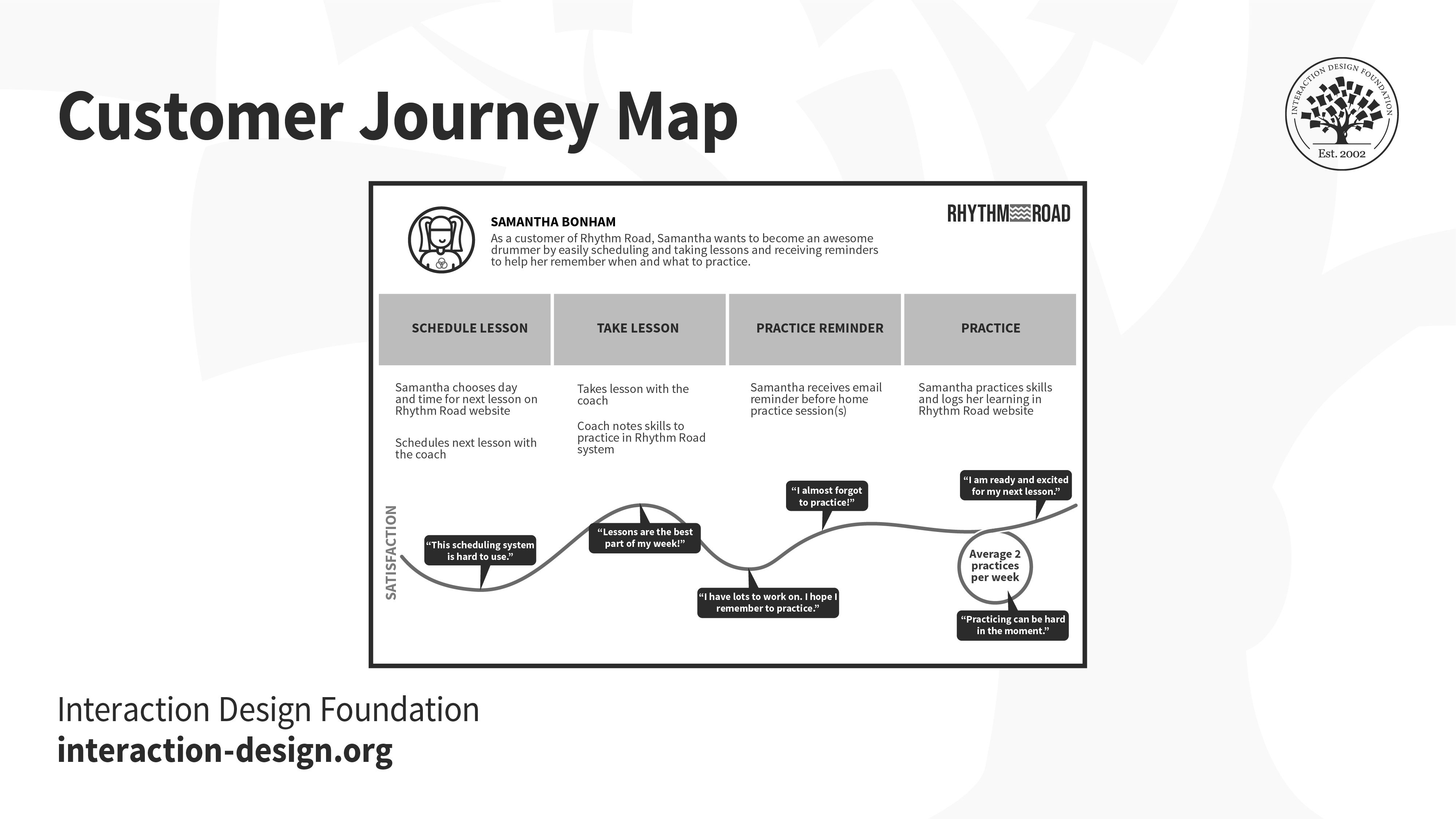
A fictitious customer journey for the persona Samantha Bonham through the Rhythm Road learning service.

© Interaction Design Foundation, CC BY-SA 4.0 

What Do You Need to Do to Create a Customer Journey Map? 

Firstly, you will need to do some preparation prior to beginning your journey maps; ideally you should have: 

  • User personas. If you can’t tell a typical user’s story, how will you know if you’ve captured their journey?

  • A timescale. Customer journeys can take place in a week, a year, a lifetime, etc., and knowing what length of journey you will measure before you begin is very useful indeed.

  • A clear understanding of customer touchpoints. What are your customers doing and how are they doing it?

  • A clear understanding of the channels in which actions occur. Channels are the places where customers interact with the business — from Facebook pages to retail stores. This helps you understand what your customers are actually doing.

  • An understanding of any other actors who might alter the customer experience. For example, friends, family, colleagues, etc. may influence the way a customer feels about any given interaction.

  • A plan for “moments of truth” — these are the positive interactions that create good feelings in customers and which you can use at touchpoints where frustrations exist.

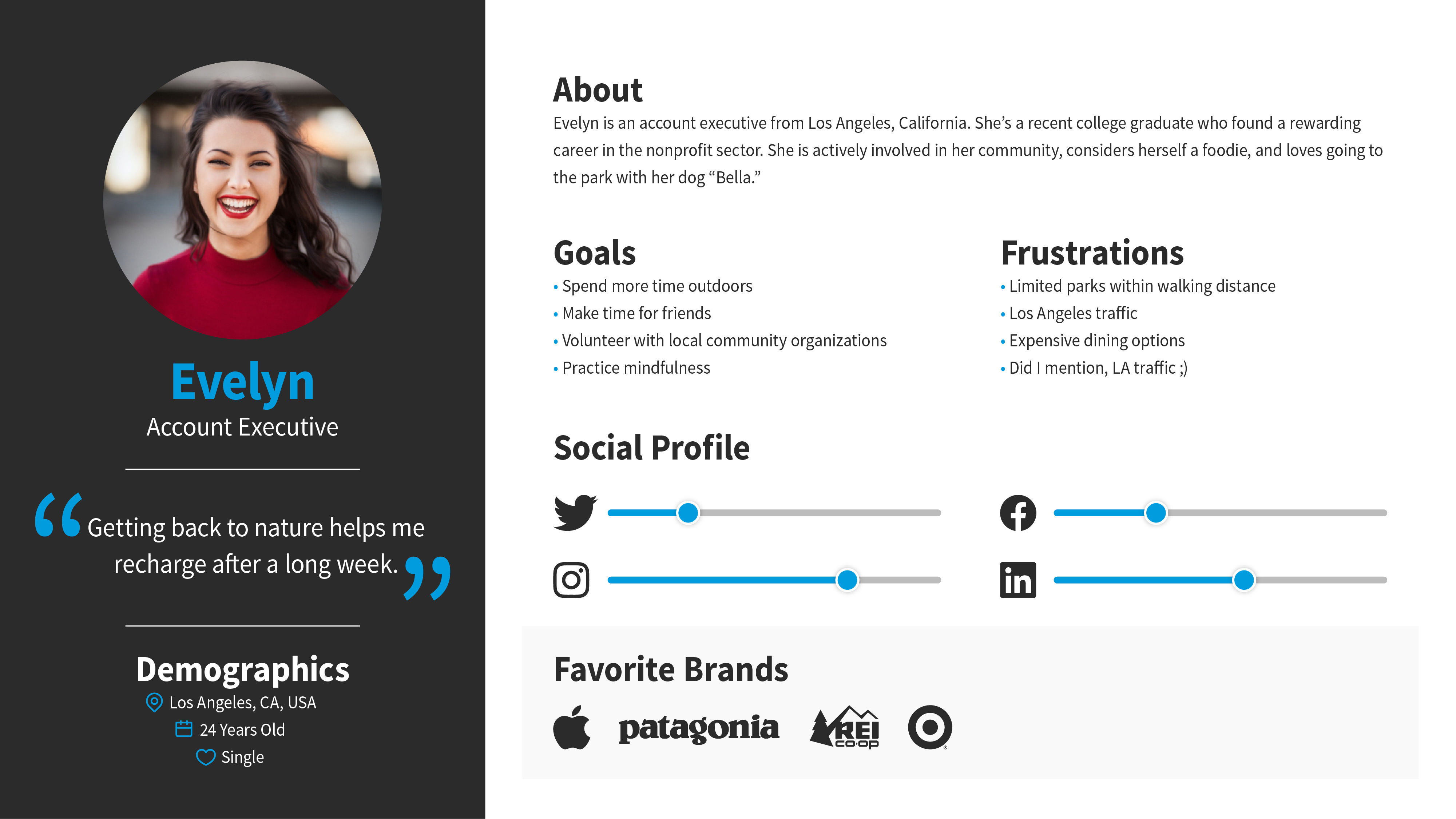
Sample persona named Evelyn, that includes demographic information, goals, frustrations, favorite brands and social media usage.

User personas are incredibly useful tools when it comes to putting together any kind of user research. If you haven’t developed them already, they should be a priority for you, given that they will play such a pivotal role in the work that you, and any UX teams you join in the future, will produce.

© Interaction Design Foundation, CC BY-SA 4.0

Once you’ve done your preparation, you can follow a simple 8-point process to develop your customer journey maps: 

  • Review Organization Objectives — what are your goals for this mapping exercise? What organizational needs do you intend to meet?

  • Review Current User Research — the more user research you have at your fingertips, the easier this exercise will be. Be creative, and if you don’t have the right research to define the journey, then consider how you can carry that research out.

  • Review Touchpoints and Channels — the next step is to ensure that you effectively map touchpoints and channels. A touchpoint is a step in the journey where the user interacts with a company or product, and a channel is the means by which the user does this. So, for example, a touchpoint could be “pay this invoice” and channels could be “online,” “retail,” “over the phone,” “mail,” etc. It can also help to brainstorm at this stage and see if there are any touchpoints or channels you’ve missed in your original data collection exercise.

  • Create an Empathy Map. An empathy map examines how the customer feels during each interaction — you want to concentrate on how the customer feels and thinks as well as what they will say, do, hear, etc. in any given situation.

  • Build an affinity diagram. The idea here is first to brainstorm around each concept you’ve touched on and then to create a diagram which relates all these concepts, feelings, etc. together. This is best achieved by grouping ideas in categories and labeling them. You can eliminate concepts and the like which don’t seem to have any impact on customer experience at this stage, too.

  • Sketch the customer journey. How you do this is up to you; you can build a nice timeline map that brings together the journey over the course of time. You could also turn the idea into a video or an audio clip or use a completely different style of diagram. The idea is simply to show the motion of a customer through touchpoints and channels across your time frame and how that customer feels about each interaction on that journey. The map should include the outputs of your empathy map and affinity diagram.

  • Iterate and produce. Then, take your sketches and make them into something useful; keep refining the content and then produce something that is visually appealing and useful to stakeholders, team members, etc. Don’t be afraid to rope in a graphic designer at this stage if you’re not good at making things look awesome.

  • Distribute and utilize. The journey map serves no purpose sitting on your hard drive or in your desk drawer — you need to get it out there to people and explain why it’s important. Then, it needs to be put to use; you should be able to define KPIs around the ideal journey, for example, and then measure future success as you improve the journey.

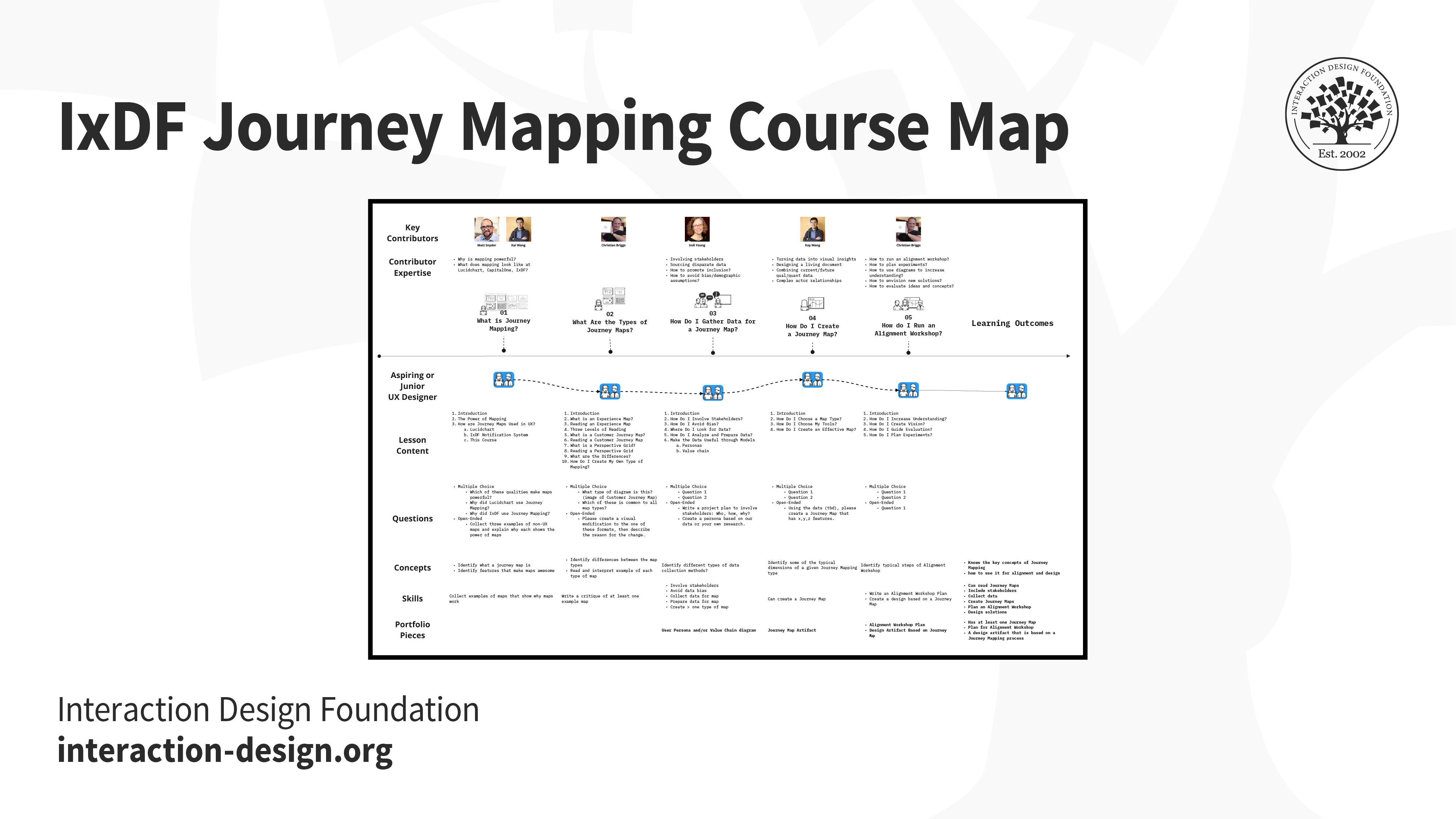
Birds-eye view of the IxDF Journey Mapping Course.

When creating the Journey Mapping course, the IxDF used a modified customer journey map to better understand the end-to-end experience for aspiring and junior UX designers.

© Interaction Design Foundation, CC BY-SA 4.0

Anatomy of a Customer Journey Map

A customer journey map can take any form or shape you like, but let’s take a look at how you can use the Interaction Design Foundation’s template (link below).

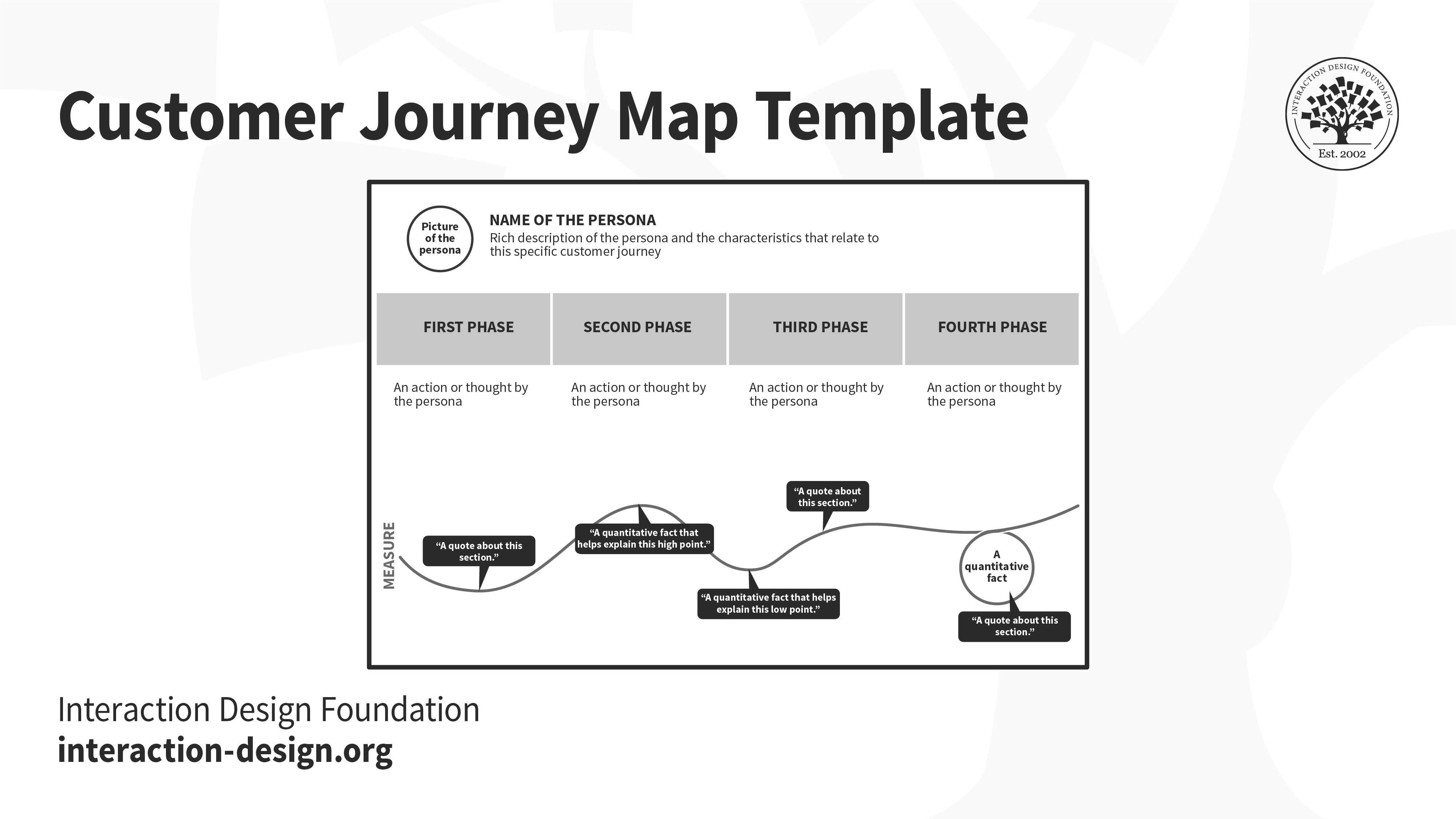
A very basic customer journey map template.

© Interaction Design Foundation, CC BY-SA 4.0

The map here is split into several sections: In the top zone, we show which persona this journey refers to and the scenario which is described by the map. 

The middle zone has to capture the thoughts, actions and emotional experiences for the user, at each step during the journey. These are based on our qualitative user research data and can include quotes, images or videos of our users during that step. Some of these steps are “touchpoints” — i.e., situations where the customer interacts with our company or product. It’s important to describe the “channels” in each touchpoint — i.e., how that interaction takes place (e.g., in person, via email, by using our website, etc.). 

You can download our Customer Journey Map Template here:

Advance Your Career With This Free Template for “Customer Journey Map”
Customer Journey Map
We respect your privacy
Get 1 powerful email each week: Design a life you love!

The Take Away

Creating customer journeys (including those exploring current and future states) doesn’t have to be a massively time-consuming process — most journeys can be mapped in less than a day. The effort put in is worthwhile because it enables a shared understanding of the customer experience and offers each stakeholder and team member the chance to contribute to improving that experience. Taking this “day in the life of a customer” approach will yield powerful insights into and intimate knowledge of what “it’s like” from the user’s angle. Seeing the details in sharp relief will give you the chance to translate your empathy into a design that better accommodates your users’ needs and removes (or alleviates) as many pain points as possible. 

References and Where to Learn More

Learn how to create different types of journey maps, including service blueprints and experience maps in the course “Journey Mapping”.

Images

© Interaction Design Foundation, CC BY-SA 4.0

Feel Stuck?
Want Better Job Options?

AI is replacing jobs everywhere, yet design jobs are booming with a projected 45% job growth. With design skills, you can create products and services people love. More love means more impact and greater salary potential.

At IxDF, we help you from your first course to your next job, all in one place.

See How Design Skills Turn Into Job Options
Privacy Settings
By using this site, you accept our Cookie Policy and Terms of Use.
Customize
Accept all

Be the One Who Inspires

People remember who shares great ideas.

Share on:

Academic Credibility — On Autopilot

Don't waste time googling citation formats. Just copy, paste and look legit in seconds.