Customer experience is the key to running a successful business just as user experience is key to developing a successful product. Customer experience encompasses a larger range of interaction than user experience in that it not only takes into account UX but also the needs of those paying for the product or service (which may be very different from users’ needs particularly in the case of corporates).
In order to be able to articulate a high-level explanation of the customer experience it can be handy to define a customer lifecycle map. This is a diagram of the multiple stages that a customer goes through from before they become a customer to after they terminate their relationship with a brand. Customers typically do not move through this experience in a “start to finish” manner but move from stage to stage in loops (going backwards as well as forwards in their journey).
The customer lifecycle map should be used as a high-level tool within an organization to understand large groups of customers. It is not designed to replace the customer journey map which explores a more intimate path taken by customers through actual interactions with the business or brand.
As Steve Jobs, the CEO and founder of Apple said; “You’ve got to start with the customer experience and work back toward the technology – not the other way around.”
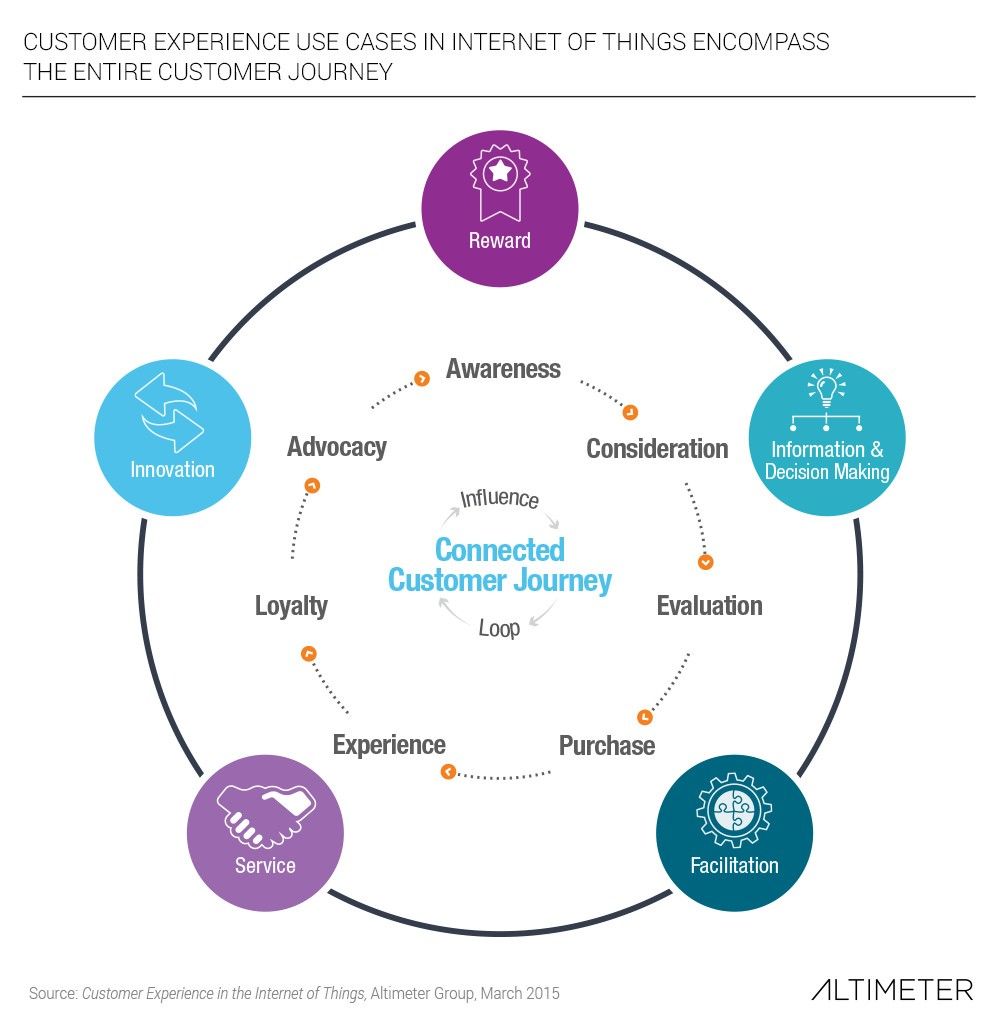
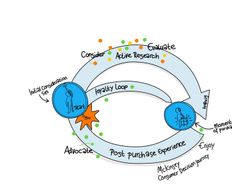
Author/Copyright holder: AltimeterGroup. Copyright terms and licence: CC BY-NC-SA 2.0
Altimeter share their version of the customer experience lifecycle without any additional detail as to how each part of the cycle operates. Your customer experience maps should be more detailed.
What is Included in a Customer Experience Map?
Annette Franz Gleneicki, one of the 50 most active influencers in Customer Experience according to MindTouch, offers these phases for customer experience:
Awareness
This is the time that a customer first becomes aware of your brand. They may not have had any interaction with the brand at all at this stage. While awareness can come from marketing campaigns and media, it is just as likely to come from a word-of-mouth recommendation from a friend or family member.
Consideration
Once a potential customer becomes aware of a brand, when they need a solution to the problem that brand supplies, they will begin to consider products from that brand as well as products from other brands that meet their needs. At this stage they have not made a decision as to which brand they will engage with.
Selection/Purchase
When the customer’s need becomes pressing enough and they have completed as much research as they intend to undertake; they begin the process of selecting a vendor. Assuming that your marketing, information, etc. has been sufficiently interesting and engaging – this is when they should choose your product over a competitor’s.
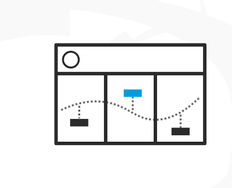
Author/Copyright holder: extraUNanonymous. Copyright terms and licence: CC BY-NC-SA 2.0
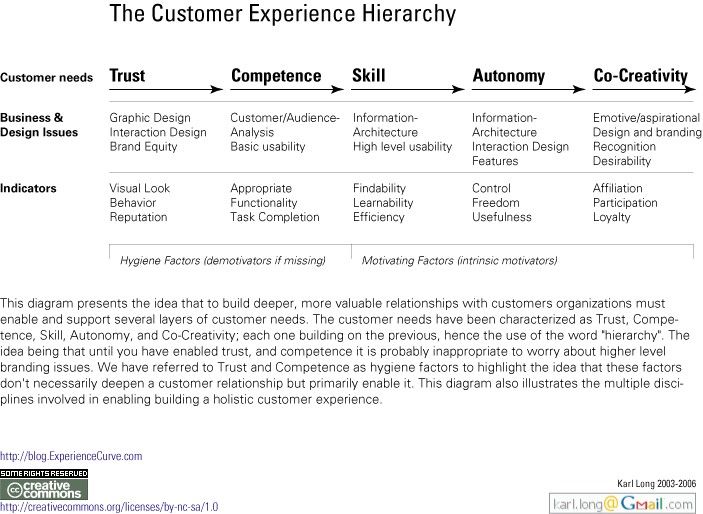
It can be useful to remember what you want to create at each stage of the customer lifecycle – this handy chart from ExperienceCurve.com can help you focus on what really matters.
Product Experience
Once they have purchased a product, the customer (or in some cases a user who is not the customer) must become familiar with that product. They learn how to use it and how to consume it. At this stage it is important that the user feels satisfied that you have met their basic needs or they cannot progress further through the lifecycle and move straight to the final step.
Loyalty
If the user remains satisfied with their product experience over time; eventually they will become loyal to the product (and possibly to the brand too). They may begin to purchase other offerings from the brand at this stage (assuming they are there to be purchased).
Advocacy
Not all users and customers make the transition into advocacy but a percentage of loyal customers will eventually become brand ambassadors. They will recommend your products to their friends, colleagues, families, etc.
Engagement
Advocates become engaged when they feel emotionally connected to the brand. They feel love and trust for the product and the company. They feel 100% part of your overall experience. It’s worth noting that once again only a small percentage of advocates go on to become fully engaged.
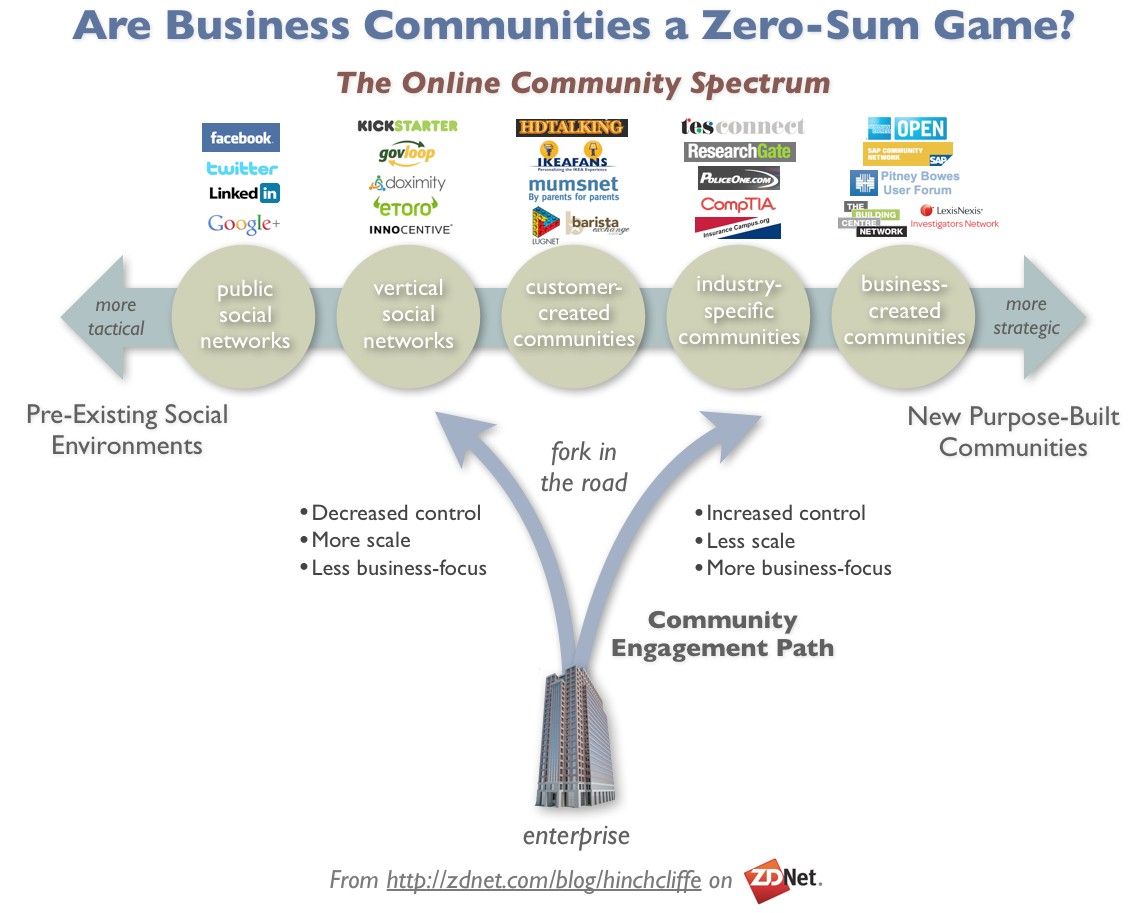
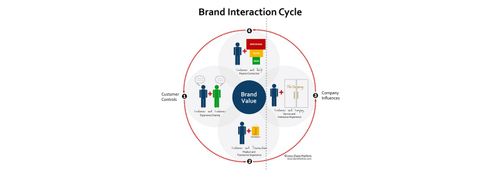
Author/Copyright holder: Dion Hinchcliffe. Copyright terms and licence: CC BY-SA 2.0
Of course, the precise level of engagement depends on the community that you serve. This handy infographic from ZDNet can help you decide what engagement should look like for your brand.
Raving Fanatics!
These folks have become part of the brand. They’re the people who tattoo your logo on their bodies. They spend all day, every day contributing to user forums and attending trade shows to talk about how amazing their experiences are. These make up the tiniest portion of customers but their actions can have huge impact on others.
Exit
Customers leave; it’s a fact of life. However, you have a lot of control over how many customers decide to terminate (or churn) their relationship. It’s also worth noting that this isn’t always the end of the customer experience – customers who quit can come back later in the game to rejoin and begin the cycle all over again.
Mapping the customer experience simply involves examining each of these stages and asking how you can either transition a customer to the next phase in a better method or how you can prevent them from exiting. Customer lifecycle maps are usually shown in circular form with the possibility of transitioning between any stage and any other highlighted. (Some people go from awareness to raving fan immediately – some never will).
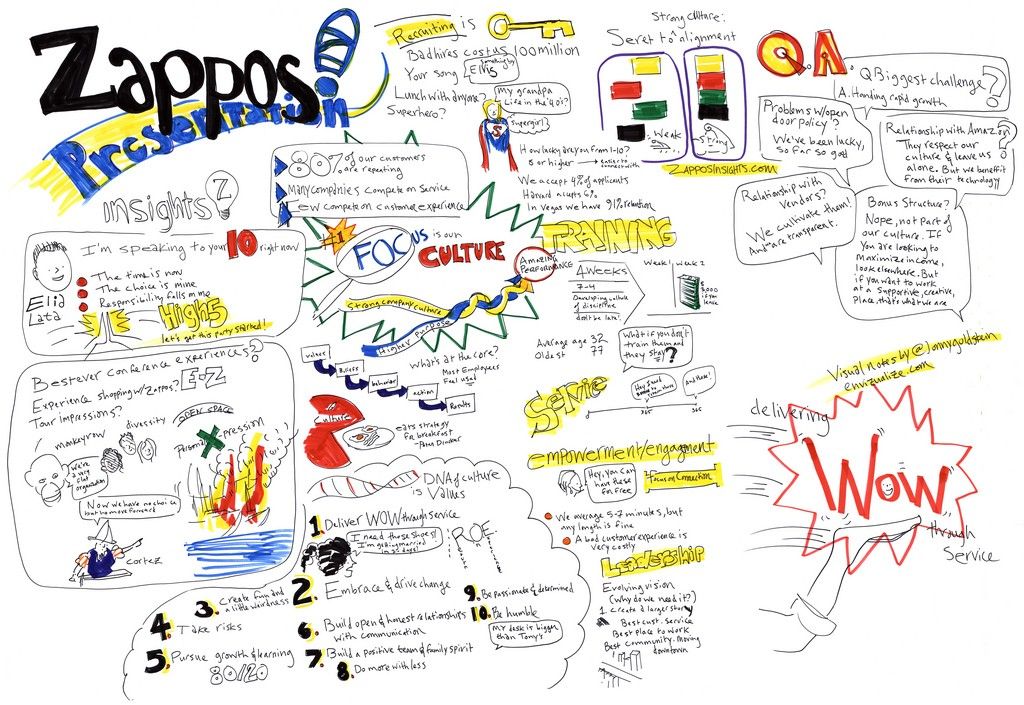
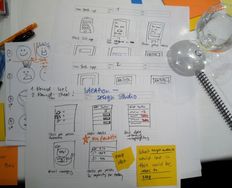
Author/Copyright holder: jonny goldstein. Copyright terms and licence: CC BY 2.0
The customer lifecycle map is a tool that allows you to take action. This is what Zappos did to ensure that interactions with their customers would be wowed by their actions.
The Take Away
Customer lifecycle maps help a business keep track of the overall customer experience. They do not replace customer journey maps but rather complement them for a more high-level overview of an experience. Sales and marketing often find lifecycle maps very useful, for user experience design they provide a starting point for ideation and understanding of the customers the business has.
Jerry Gregoire, Dell’s CIO, said; “The customer experience is the next competitive battleground.” the customer lifecycle map is a key strategic tool in winning that fight.
Resources
Annette Franz Gleineicki explores the differences between customer journey mapping and lifecycle mapping here - http://customerthink.com/whats-the-difference-journey-map-or-lifecycle-map/
Her original definitions of the important roles of the customer experience lifecycle can be found here at CX Journey - http://www.cx-journey.com/2011/12/customer-experience-lifecycle.html
Glen Burnett explores the advantages of using customer lifecycle maps here - http://glenburnett.blogspot.com/2013/01/customer-lifecycle-mapping-helps.html