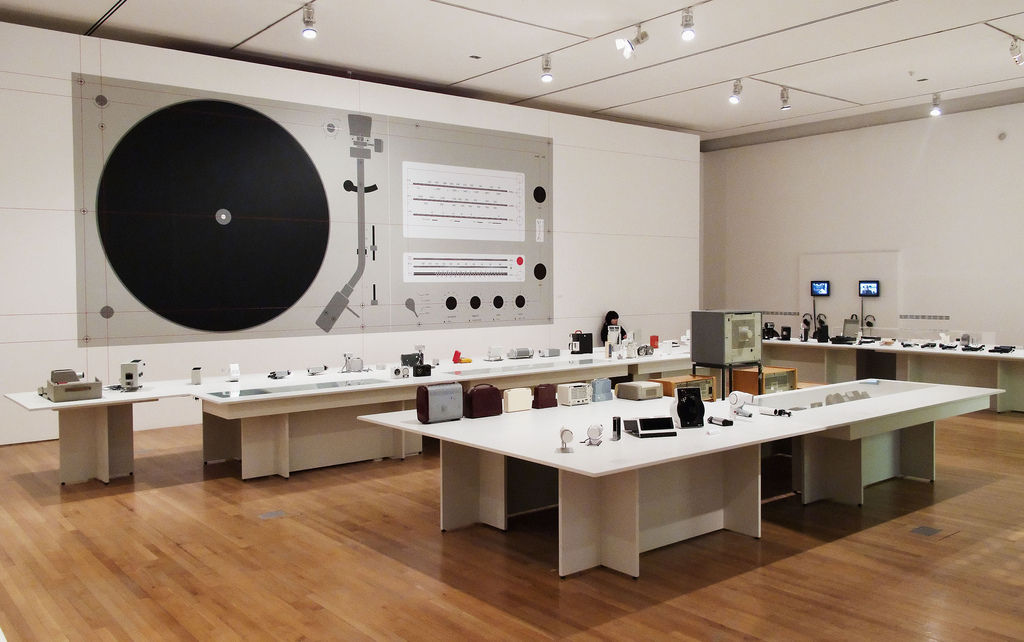
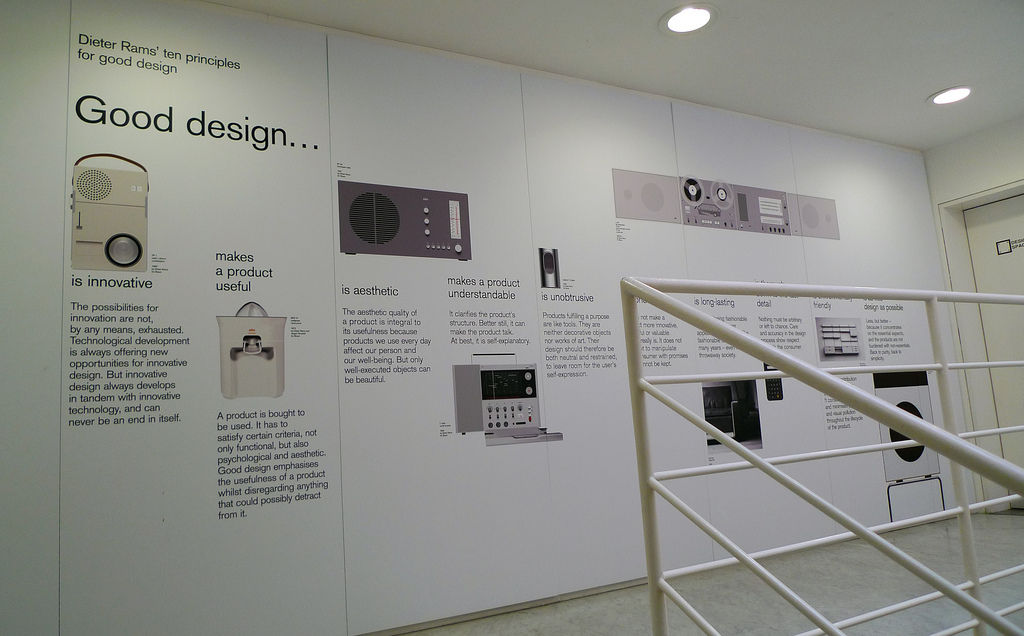
Industrial design as it applies to UX (user experience) design is a design philosophy and type that bridges the gap between physical products and digital experiences. You use its principles to shape how users hold, interact with, and perceive objects, making form, function, and material key to usability. When you apply industrial design principles insightfully, you can craft more seamless, human-centered experiences.
In this video, Alan Dix, Author of the bestselling book “Human-Computer Interaction” and Director of the Computational Foundry at Swansea University, explains how understanding users’ emotional responses helps you shape physical and digital experiences that feel more human-centered.
What Industrial Design Means in UX Design and Why it Matters
What does the term “industrial design” mean to you? Do you think of production lines turning out well-designed goods by the thousands every day? Maybe you’ve linked it to a coffee cup, computer keyboard, or desk lamp. Or perhaps it conjures imagery of the Industrial Revolution itself in the 19th century, when factories ushered in the then-new concept of mass production and pushed the old approach of handmade products into specialty niches.
Traditionally, industrial design refers to shaping physical products for mass production, focusing on form, usability, and human interaction. It includes how a product looks, feels, and functions in real-world conditions.
Let’s carry this over to UX design. At first, you may sense a slight disconnect between so physical-based an approach and the grand sphere of designing digital experiences for 21st-century users. However, the discipline of industrial design enriches how designers create user-centered experiences that include physical touchpoints. Think of smart devices, wearables, or hardware interfaces: all very much part of user experience design and inextricably bound to modern products, complete with user interfaces.
Instead of treating screens and hardware separately, UX professionals have to integrate these two “worlds” harmoniously. You’ve got to consider how physical characteristics like shape, materials, tactile feedback, and environmental conditions influence the digital experience. For example, a user’s interaction with a smart speaker doesn’t start with the app itself. It begins with the physical dimensions of how the device sits in a room, how its buttons feel, and whether users intuitively know how to use it.
Discover how the evolution of design from ancient architecture to human-computer interaction shapes the user-centered experiences you create today.
Practical Ways to Apply Industrial Design Thinking in UX
You can apply industrial design principles in UX design with the following best practices in mind:
1. Prototype in Physical and Digital Form
UX workflows often prioritize digital mockups, but, for physical products, testing should include tactile models too. So, use foam, cardboard, or 3D-printed prototypes to evaluate how a product feels, where controls are placed, and how users hold or manipulate it. This early-stage feedback can help you reduce the chances of costly redesigns later.
In this video, Alan Dix shows how creating and evaluating early prototypes, from quick sketches to higher-fidelity models, helps you uncover issues and improve your design with real users.
2. Collaborate Across Disciplines
Great physical-digital experiences result from cross-functional work, a good reason for you as a UX designer to engage early with industrial designers, engineers, and product managers to align on constraints, form factors, and user needs. Shared research and co-design sessions help ensure the physical form and digital behavior reinforce each other and blend in harmony to help facilitate delightful and seamless user experiences.
3. Test in Real Environments
Usability testing should go beyond the lab, so get out there and observe users in the actual environment where the product will live. For example, that could be a workshop, kitchen, hospital, or outdoors. Context-aware testing can reveal physical issues, such as glare, reach, or accidental input, that wouldn’t emerge in a simulated setting and that can have a significant bearing on how successful the design is.
In this video, Frank Spillers, Service Designer, Founder and CEO of Experience Dynamics, explains why you should observe users in real contexts so you can base design decisions on actual behavior rather than assumptions.
4. Map Physical + Digital Interaction Flow
Create experience maps that include physical interactions, not just screen states. Outline steps such as “pick up device,” “orient it,” “feel for a button,” “press to activate,” and “see confirmation light” to help you understand how physical and digital parts of the experience connect and where any breakdowns occur.
5. Use Sensory Cues as Design Elements
Don’t rely on visual design alone; integrate tactile, auditory, and haptic cues that support user actions. For example, design buttons that click audibly or vibrate subtly on press to reinforce interaction success; they’re cues that boost accessibility and reinforce intuitive behavior.
6. Design for the Product Lifecycle
Consider factors like maintenance, cleaning, upgrading, and recycling of the product. Physical durability, battery access, and modular components all influence user satisfaction and environmental impact. Good UX includes planning for these moments over the lifetime of the product, not just its first-time use, and responsible design means factoring sustainability into the approach too.
In this video, Don Norman, Father of User Experience design, author of the legendary book “The Design of Everyday Things”, and co-founder of the Nielsen Norman Group, explains why designing products that can be repaired, upgraded, and reused is essential for reducing waste over their lifespan.
Key Principles of Industrial Design for UX Designers
You’ll want to adopt an expanded scope where industrial and UX design meet so you can craft more cohesive, context-aware interactions that anticipate both digital and physical user needs. For that, you’ll want a solid grasp of key industrial design principles, namely:
1. User-Centered Form and Function
In industrial design, form isn’t decorative; it serves a function. The shape, size, and layout of a product must support what users need to do with it. In UX design, this principle means you move beyond visual interfaces to consider how physical form shapes behavior. For example, a wearable fitness tracker shouldn’t only display data clearly; it’s also got to feel comfortable on the wrist and invite interaction through intuitive gestures.
This user-centered view ensures that every design choice, from curves and contours to button placement, aligns with actual user tasks and contexts. Products become easier to use not because of clever UI (user interface) alone, but because their physical form anticipates user intent; you prove you’ve tailored a design so the user of it can perform their desired tasks and do what they want to do easily.
2. Ergonomics and Human Factors
UX doesn’t start with the screen; it starts with the body, hence why ergonomics (the study of individuals’ efficiency in their work environment) and human-factors research provide data and methods for designing products that fit diverse users in real environments. Industrial design applies these principles to ensure that a product feels good to hold, minimizes strain, and works reliably under a range of physical conditions.
As a UX designer, you benefit from this thinking by designing for reach, grip, weight distribution, and motion. These ergonomic choices reduce user fatigue, enhance safety, and make the experience more inclusive. A medical device, for instance, needs to accommodate users with limited dexterity or varying strength, and it’s in designing for these constraints where industrial design and UX design converge.
3. Materiality and Sensory Feedback
A product’s material and tactile qualities shape how users perceive its quality and trustworthiness. Texture, weight, temperature, and haptic feedback all influence how users interact with devices; for example, consider how a smooth steel surface might suggest precision and cleanliness, while a rubberized grip communicates durability and control.
Industrial designers use these cues to convey purpose without words. For UX designers, integrating sensory feedback, such as a button’s click, a surface’s texture, or a slight vibration upon interaction, reinforces usability. These subtle signals reduce uncertainty and create satisfying physical-digital handoffs, with more assured and more satisfied users.
In this video, Alan Dix explains how haptic cues like vibration, force, and texture help users understand interactions with greater confidence.
4. Affordances and Physical-Digital Cues
Good design lets users know what they can do with a product, without needing a manual; that intuitiveness fast-tracks correct and satisfying interactions. Industrial design emphasizes physical affordances: cues that suggest action through shape and positioning. For instance, a dial invites turning and a handle invites pulling. These cues become even more important when digital interfaces layer onto physical products.
In UX design, you can enhance clarity and reduce learning curves by aligning physical affordances with digital intent. Think of a smartphone; if a power button is flush and hidden, it’s harder to find and operate, and that’s even if the UI is clear. When you design controls and surfaces that signal their function through form, it increases usability and reduces cognitive load.
This video explains how clear affordances and anti-affordances help people understand what your physical and digital controls are meant to do.
5. Environmental Context and Real-World Use
Design doesn’t happen in a vacuum; industrial designers consider the settings in which people use products. Is it a noisy factory? A sunlit kitchen? A moving vehicle? Environmental factors affect visibility, access, safety, and performance.
In UX design, you want to improve product reliability and satisfaction by testing in real environments and designing for context. For example, outdoor devices must perform under glare, in the rain, or with gloves. When you take environmental factors into account, you can fashion experiences that feel thoughtful and resilient and aren’t just beautiful on a desk.
In this video, Alan Dix explains why your designs must account for the real environments in which people use a product.
6. Aesthetic Coherence and Emotional Impact
Industrial design helps shape the emotional tone of a product through form, proportion, color, and material choices. These choices influence how users feel, namely in confidence, delight, trust, or frustration. While the focus in UX design is often on task flow and usability, physical aesthetics add another layer of meaning.
Products that “feel right” in the hand and look visually resolved tend to generate stronger emotional connections. Aligning physical design with brand identity and digital UI helps ensure a cohesive experience for users to enjoy. For instance, if your app is minimal and calm, but the hardware feels clunky or aggressive, the dissonance hurts trust and appeal.
The Benefits of Applying Industrial Design Principles in UX Design
Industrial design’s “place” in UX design means it’s virtually welded into the “fabric” of the latter, with benefits such as these:
Improved Usability
When you align digital and physical interactions, it removes friction and makes products easier to use.
In this video, Cory Lebson, Principal User Experience researcher with 20+ years experience and author of The UX Careers Handbook, explains how usability depends on ensuring users can achieve their goals effectively, efficiently, and with satisfaction.
Stronger Brand Identity
Consistent physical form and feedback reinforce brand values and help differentiate products in crowded markets.
Higher Product Adoption
Devices that feel good in users’ hands and work naturally are more likely to be ones they’ll embrace and recommend.
Long-Term User Satisfaction
Ergonomic and sensory comfort contributes to continued, enjoyable use over time. These benefits extend beyond aesthetics; they support a product’s emotional resonance, long-term value, and overall success.
Better Accessibility
Accessible design is non-negotiable, especially when you consider it’s the law in many jurisdictions. Aside from the legalities, though, when you consider diverse physical contexts and capabilities, you can tailor more inclusive design solutions that help all users in the process.
Explore how accessible design ensures people with diverse abilities can understand and use your interfaces with ease.
Overall, industrial design brings physical insight to UX work and helps you align your design solutions with physical realities and manufacturing constraints. It also helps you move beyond flat screens and into the lived world of objects, spaces, and touch, so you create experiences that live in the real world, not just wireframes. By combining ergonomic awareness, material sensitivity, and contextual testing, you can deliver richer, more intuitive experiences that users understand, enjoy, trust, and come back to.
So, whether you’re designing a fitness tracker, a smart home controller, or a medical device, consider the principles of industrial design. They’re tools that help you ensure those interactions feel natural, supportive, and human. Start by seeing the product in your user’s hands, and proceed from there. That’s where great UX begins, and continues through the delight of users who soon mightn’t be able to imagine life without such a well-designed product.