Skeuomorphism

Your constantly-updated definition of Skeuomorphism and collection of videos and articles.
Be a conversation starter: Share this page and inspire others!

592 Shares

What is Skeuomorphism?

Skeuomorphism is a term most often used in graphical user interface design to describe interface objects that mimic their real-world counterparts in how they appear and/or how the user can interact with them. A well-known example is the recycle bin icon used for discarding files. Skeuomorphism makes interface objects in a UI design familiar to users by using concepts they recognize.

Skeuomorphism is related to what ecological psychologist James Gibson termed “affordances.” Affordances refer to action possibilities of objects or other features of the environment. The most commonly cited examples of affordances include door handles and push buttons; their physical designs inform users that they can be rotated or pushed. Skeuomorphism represents affordances in digital user interfaces. It fits with our natural interpretation of objects—but in a digital world.

Skeuomorphism’s use in mobile UX design and making interfaces more familiar and thus easier to use stems from the early days of computing and mobile computing. For instance, early versions of Apple’s mobile operating system, iOS, used skeuomorphism heavily across its user interface (e.g., buttons resembling glossy ‘real’ buttons, photos with white borders looking like physical photographs, etc.). Skeuomorphism in iOS was widely regarded as part of the reason it was so intuitive to use by people who had never used a touch-based smartphone before.

It has been widely debated, however, whether users have become so accustomed to interacting with graphical user interfaces that skeuomorphism is no longer necessary. Opponents of skeuomorphism argue that natural-looking objects can make an interface look cluttered and that some of the objects mimicked in skeuomorphism have become obsolete and meaningless to users (e.g., the floppy disk for the “Save” action). Proponents, on the other hand, argue that humans can never become as accustomed to the digital world as we are to the physical world—so, simple skeuomorphism will continue to be helpful.

Questions About Skeuomorphism?
We've Got Answers!

Where to learn more about skeuomorphism?

Gain a deeper understanding of skeuomorphism and its applications by exploring courses like the Interaction Design Foundation's Affordances: Designing Intuitive User Interfaces. This course highlights the uses and other factors of skeuomorphism. Remember to stay updated on industry trends and emerging perspectives to continuously enrich your knowledge. Keep up with the changing trends in design practices. Take a relevant course in the field of UX design to learn more about different design styles like skeuomorphism. Since Smartwatch design uses skeuomorphism, you can learn more on that topic. Additionally, refer to articles and resources on skeuomorphism available on the Interaction Design Foundation's website for further insights.

What is the difference between flat and skeuomorphism?

Flat design and skeuomorphic design differ in their visual styles. The skeuomorphic design mimics real-world objects, using realistic textures and details. This style draws inspiration from the physical world, replicating elements such as buttons, gradients, and shadows. In contrast, flat design embraces simplicity, with vibrant colors and no realistic shadows or textures. Instead, it uses clean and minimalist aesthetics in the design. It features crisp lines and bold typography, creating a modern visual language. Designers can choose the most suitable approach based on their project's specific needs and preferences. Always consider the platform on which users will view. Refer to this article to learn more about flat design.

What is new skeuomorphism?

New skeuomorphism is a modern take on the traditional skeuomorphic design style, incorporating familiar elements into new technologies. This updated style aims to blend the familiarity of real-world objects with the functionality of digital devices, creating a more intuitive user experience. Smartwatches use this approach, adopting intuitive design elements like watch faces that mimic traditional analog timepieces. These design choices enhance user familiarity and ease the transition to innovative technologies. Designers can leverage new skeuomorphism to create interfaces that resonate with users while harnessing the full potential of modern digital capabilities. Read this article to learn the use of intuitive design.

What is the opposite of skeuomorphic design?

The opposite of skeuomorphic design is often considered "flat design." Flat design embraces simplicity with realistic textures, shadows, and three-dimensional effects. It focuses on visual clarity and employs a minimalist design approach, eliminating unnecessary add-ons. Flat design has gained prominence due to the need for streamlined, user-centric interfaces prioritizing functionality over design elements. Its emphasis on simplicity and clarity aligns with the evolving preferences for cleaner, more modern aesthetics in the digital design landscape. Both skeuomorphic and flat designs provide designers with a range of design approaches. Designers can choose between the two design styles based on the behavior and choices of their target audience.

Will skeuomorphism ever come back?

Skeuomorphism may be making a comeback, especially in smartwatch design. This means that designers are reusing skeuomorphism to make products look more like real-world objects. A smartwatch with a skeuomorphic watch face may have a round face with hands and numbers. The cyclical nature of design trends makes it possible for skeuomorphism to re-emerge as designers explore new ways to engage users. Designers are reintegrating familiar visual cues to enhance user engagement. Keeping an eye on industry developments provides valuable insights into emerging UI trends. As the design landscape evolves, the return of skeuomorphism is an example of the dynamic nature of design trends. Read this article and keep up with the latest UI trends.

Is skeuomorphism still used?

Although skeuomorphism is less popular than it used to be, it is still frequently used. The shopping basket in e-commerce sites is often shown in skeuomorphic form, with wheels, wire mesh, and handles. Other examples include smartwatches with faces that look like traditional watch faces. This makes it easier for them to tell the time with their hands than with a digital display. The visual continuity between old and new technologies also helps to ease the adoption process, offering users a recognizable interface that preserves the feel of traditional designs. Despite the recent shift towards flat design and minimalism, the strategic application of skeuomorphic elements in specific contexts highlights its relevance as a design choice. Read this article by IxDF to learn about the history of skeuomorphic design.

What is skeuomorphism in art?

In art, skeuomorphism involves creating representations that mimic real-world objects or materials. For example, an artist might use digital tools to create a painting that simulates the texture of traditional canvas or imitates the appearance of physical brushstrokes. Skeuomorphism in art bridges the digital and physical realms, offering a visual language that resonates with familiarity while leveraging the capabilities of traditional tools. However, like in design, the extent to which art embraces skeuomorphism remains subjective. While some advocate for its nostalgic charm, others push for more innovative and abstract approaches that transcend traditional mediums. This method is also sometimes adapted in the field of graphic design

What is an example of a skeuomorphism?

Skeuomorphism is a design concept in which items resemble their real-world counterparts. An excellent example of skeuomorphism in interaction design is the "Trash" or "Recycle Bin" icon on many computer desktop interfaces. This digital interface element is designed to look like a physical trash can, visually implying that unwanted files get "thrown away" in this container. Its function (deleting files) is thus made more intuitive to users by mimicking a familiar object from the physical world.

Another notable example was the "Bookshelf" interface on older versions of Apple's iBooks and Newsstand apps. This display was designed to look like real wooden shelves filled with books and magazines, providing a visual metaphor consistent with users' experiences of real-world libraries or bookstores.

Is skeuomorphism bad?

Skeuomorphism can be considered bad when it leads to clutter and introduces unnecessary details that no longer serve a functional purpose in the digital environment. Critics argue that replicating outdated physical objects can make interfaces appear dated and that users are now sufficiently familiar with digital interaction designs, rendering skeuomorphism redundant. The excess of skeuomorphic elements can hinder user experience by diverting attention from essential functions and contributing to visual noise. Additionally, as technology evolves, users may find skeuomorphic designs less appealing. They continuously seek interfaces that align more closely with modern aesthetics and streamlined functionality. On the contrary, skeuomorphism designs also boast many advantages. Because skeuomorphic designs resemble actual items, users can guess how to interact with them, ensuring precise interactions and reducing potential confusion. Additionally, adding skeuomorphic icons or backgrounds can help increase user immersion by aligning expectations with experience. The debate over skeuomorphism highlights the importance of balancing familiar design cues and embracing digital environments' unique possibilities. This will ensure that user interfaces remain both visually engaging and optimally functional.

Earn a Gift Earn a Gift, Answer a Short Quiz!

1
2
3
4
1
2
3
4
Question 1
Question 2
Question 3
Get Your Gift
Interaction Design Foundation logo

Question 1

What is the primary purpose of skeuomorphism in design?

1 point towards your gift

  • To create highly abstract design elements.
  • To mimic real-world objects and make digital interfaces intuitive.
  • To focus on minimalistic and flat design principles.
Interaction Design Foundation logo

Question 2

How does skeuomorphism relate to affordances in design?

1 point towards your gift

  • It removes all physical cues from digital objects.
  • It provides perceived affordances by mimicking real-world objects.
  • It hides the functionality of digital objects.
Interaction Design Foundation logo

Question 3

What criticism is often directed at skeuomorphism in modern UI design?

1 point towards your gift

  • It enhances usability by making objects too realistic.
  • It clutters the interface with unnecessary, outdated details.
  • It eliminates the need for icons and buttons.

Learn More About Skeuomorphism

Make learning as easy as watching Netflix: Learn more about Skeuomorphism by taking the online IxDF Course Visual Design: The Ultimate Guide.

Why? Because design skills make you valuable. In any job. Any industry.

In This Course, You'll

  • Get excited when you use visual design principles to create impressive visuals people love! Great visual design makes the message clear, memorable, and persuasive—whether it's an app, a logo, or a presentation slide. You'll learn what makes a design excellent and how science and culture influence what works and what doesn't. You'll create designs that truly connect with people. Visual design isn't just about beauty—it's about shaping ideas that inspire action, build trust, and give meaning to your work. As AI makes visual production faster and cheaper, you stay in demand when you can turn rough or AI-generated visuals into successful designs that get approved, adopted, and used. If you want to stand out with timeless human-centered design skills, this course is for you.

  • Make yourself invaluable with practical design skills that amplify your impact in any industry! Did you know that you only have 50 milliseconds to make a good first impression? Great visual design ensures you pass the test every time. You'll learn to use visual elements to guide emotions, influence purchasing decisions, and optimize User Experience (UX) and User Interface (UI) design. You'll master color theory, typography, and grid systems to improve usability, build credibility, and create designs that stop the scroll.

  • Gain confidence and credibility as you fast-track results with step-by-step exercises and downloadable templates! Complete optional tasks to walk away with portfolio-ready case studies that will help you land your dream job and advance your career. You'll get hands-on and design a low-fidelity wireframe, apply a monochromatic, complementary, or triadic color scheme, choose typefaces, and select a grid system. It's easier than you think! No matter your background, you can master Visual Design. With clear guidance and real-world examples, you'll apply your skills right away. This course will give you the visual design skills you need to solve design challenges, collaborate smarter, and make it easy for decision-makers to say yes to your vision.

It's Easy to Fast-Track Your Career with the World's Best Experts

Master complex skills effortlessly with proven best practices and toolkits directly from the world's top design experts. Meet your experts for this course:

  • Mia Cinelli: Associate Professor of Art Studio and Digital Design at the University of Kentucky.

  • Joann Eckstut: Color Consultant, Founder of The Roomworks, and one of the 12 designers chosen by the Color Association of the USA to create the yearly forecast used by industries to keep up with color trends.

  • Arielle Eckstut: Author, Agent-at-large at the Levine Greenberg Rostan Literary Agency, and Co-Founder of The Book Doctors and LittleMissMatched.

Get an Industry-Recognized IxDF Course Certificate

Increase your credibility, salary potential and job opportunities by showing credible evidence of your skills.

IxDF Course Certificates set the industry gold standard. Add them to your LinkedIn profile, resumé, and job applications.

Course Certificate Example

Be in distinguished company, alongside industry leaders who train their teams with the IxDF and trust IxDF Course Certificates.

Our clients: IBM, HP, Adobe, GE, Accenture, Allianz, Phillips, Deezer, Capgemin, Mcafee, SAP, Telenor, Cigna, British Parliament, State of New York

All Free IxDF Articles on Skeuomorphism

Read full article
Skeuomorphism is dead, long live skeuomorphism - Article hero image
Interaction Design Foundation logo

Skeuomorphism is dead, long live skeuomorphism

Skeuomorphism has been a very useful concept in design, then it became the most hated concept in design, and then it came back from the dead. Understanding skeuomorphism lets designers help users through learning curves and make decisions as to whether skeuomorphism still serves a purpose today.Skeu

Social shares
1.1k
Published
Read Article
Read full article
Flat Design – An Introduction - Article hero image
Interaction Design Foundation logo

Flat Design – An Introduction

With the dawn of personal computing skeuomorphic design became important to introduce users, unfamiliar with technology, to new concepts. Skeuomorphism takes a simple approach – it creates lifelike affordances in user interfaces (UI) that the user can relate to from their real lives. Thus when you d

Social shares
875
Published
Read Article
Read full article
How to Create an Intuitive Design - Article hero image
Interaction Design Foundation logo

How to Create an Intuitive Design

“The main thing in our design is that we have to make things intuitively obvious,” the founder and former CEO of Apple, Steve Jobs, explained. We can easily agree that design should be intuitive. We can also easily agree that something is intuitive when we can use it without thinking about it. Makin

Social shares
823
Published
Read Article
Read full article
Top 10 UI Trends Every Designer Should Know - Article hero image
Interaction Design Foundation logo

Top 10 UI Trends Every Designer Should Know

People get easily bored with trends, and every few years, the pendulum swings from one way to another. We have all seen the rise and fall of iconic fashion pieces or art movements. The same thing happens in User Interface (UI) design. UI trends go from interfaces that mimic real-world objects to sup

Social shares
1k
Published
Read Article
Read full article
Master Mobile UI Design: Delight Your Users - Article hero image
Interaction Design Foundation logo

Master Mobile UI Design: Delight Your Users

Mobile devices contribute to over 60% of online traffic—and it’s a fact that shows the need to provide superior user experiences on mobile devices. A great mobile UI (User Interface) design is crucial to web design and a website's success. It takes a strong grasp of how to apply visual elements that

Social shares
594
Published
Read Article

Skeuomorphism is dead, long live skeuomorphism

Skeuomorphism is dead, long live skeuomorphism

Skeuomorphism has been a very useful concept in design, then it became the most hated concept in design, and then it came back from the dead. Understanding skeuomorphism lets designers help users through learning curves and make decisions as to whether skeuomorphism still serves a purpose today.

Skeuomorphism is where an object in software mimics its real-world counterpart. The “trash can” is, perhaps, the most recognizable skeuomorphic object. Though the good old “save” icon was once skeuomorphic but following the demise of the floppy disc – it no longer bears resemblance to the world of today.

Skeuomorphism began to take shape in the 1980s. One of its earliest proponents was Steve Jobs of Apple. The idea was simple; computer interfaces would be much more intuitive to users if skeuomorphic design were applied.

That trash can let users drag stuff they didn’t want on their computers to an actual bin. You could move files to folders (another real-life equivalent). It meant that we weren’t baffled by all these new facilities because we had something to reference them against in real life.

James Gibson, the environmental psychologist, once suggested that we perceive the world as a set of “affordances”. An affordance is an object that’s shape suggests its use. The most commonly cited affordances would include door handles and push buttons. Skeuomorphism also represents “perceived affordances”. It fits with our natural interpretation of objects but in a digital world.

The Trouble with Skeuomorphism

Skeuomorphism helped a generation through the learning curve of coming to grips with a digital era. But, it also began to hold us back. We became familiar with the concepts and they entered the language and our day-to-day lives but skeuomorphic design led to huge amounts of clutter on the desktop. They brought too many useless details to our computers which we no longer needed.

There’s a whole generation out there now that has never known a world without computing. The visual metaphor isn’t necessary any more.
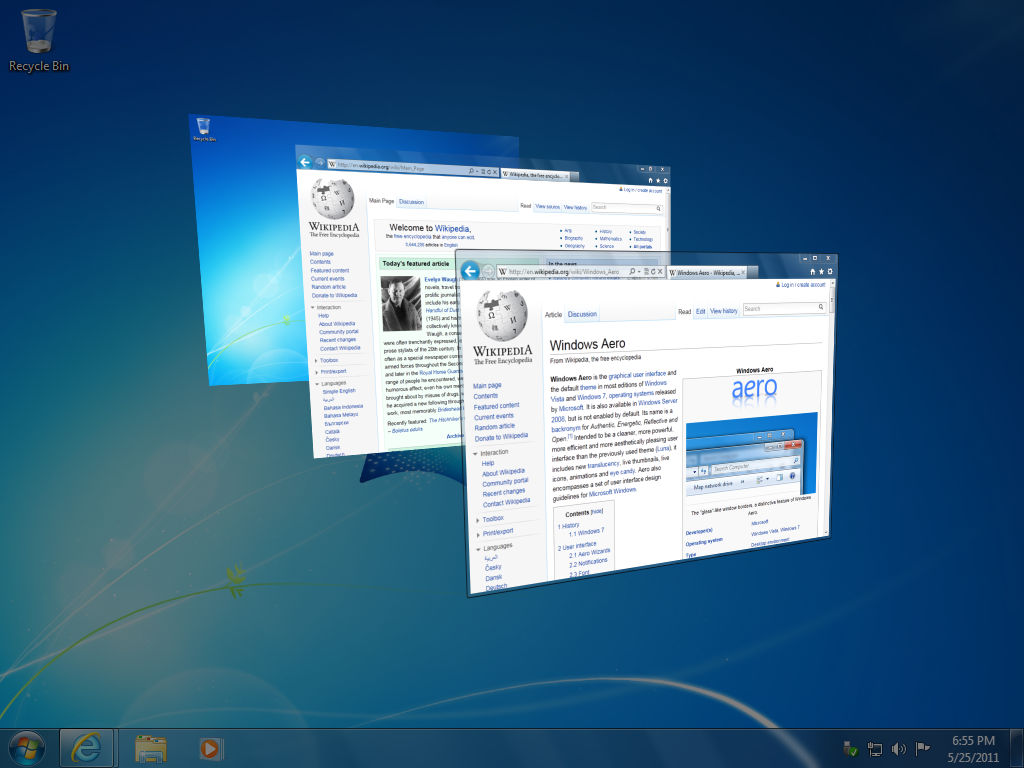
Author/Copyright holder: Lifemaestro. Copyright terms and licence: CC BY-SA 3.0

The Rise of Flat Design

In 2007, Forbes magazine announced the death of skeuomorphism. Apple (to be followed quickly by Google) had settled on a new form of design – flat design

Flat design mandated that graphic user interfaces (GUIs) should be freed from clutter. There was no need for bevelled edges, gradients, reflections, and skeuomorphism. The digital interface should be exploited for its own strengths.

Visual clarity was put at the forefront of design. If you use Windows 8, for example, you’ll find that the start button brings you to a shining example of flat design. All those icons are gone and they’ve been replaced with tiles – tiles that bring you actual data in both written and graphical format – they can deal with greater levels of complexity in the interface without compromising the user experience

Of course, Windows 8 was not universally loved but that may have something to do with the transition between the old and new being so dramatic. It might have been easier to inch away from skeuomorphism for Microsoft rather than to run away from it.

iOS 7 was Apple’s leap into the world of flat design and was, from a consumer acceptance perspective, more successful than Microsoft’s. This may have something to do with Apple’s trendy, design audience compared to Microsoft’s more staid and older demographic. However, the minimalist approach of iOS 7 was hailed as a work of genius. Skeuomorphism was declared dead on the spot – the new metaphorical, rich flat design was the way forward.

We’d argue that skeuomorphism and flat design aren’t as far apart as they appear. A camera icon, for example, still appears on the camera functionality in iOS 7. It may be a slightly less realistic camera icon than would have been used in the past but flat design doesn’t so much replace skeuomorphism as mute it.
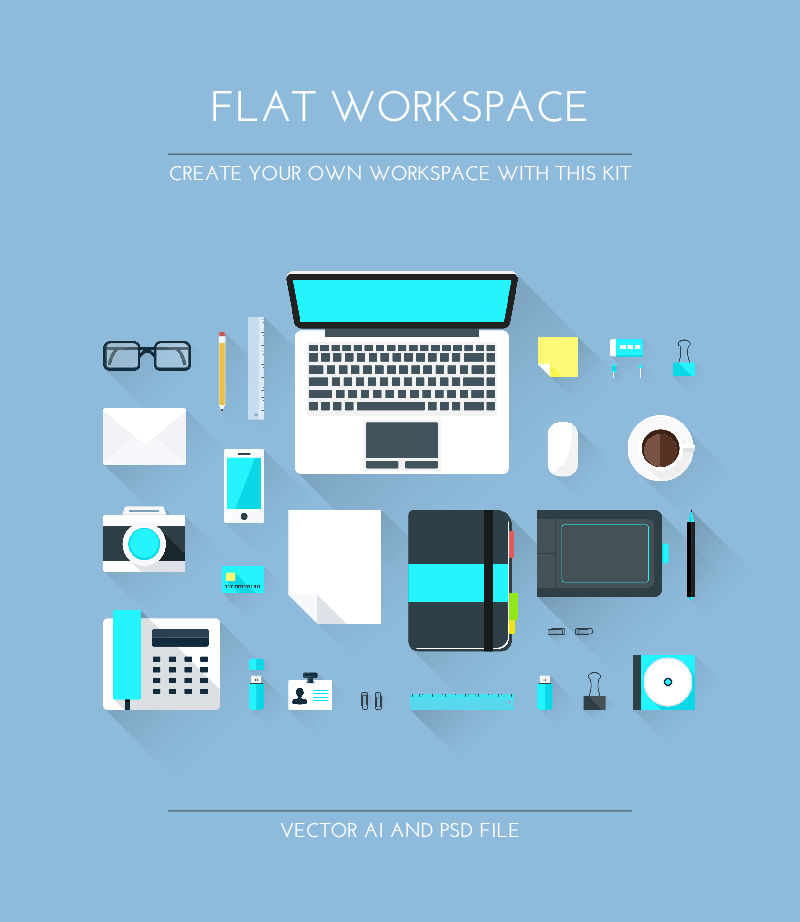
Author/Copyright holder: GraphBerry. Copyright terms and licence: CC BY-SA 3.0

The Return of Skeuomorphism

Those that declared the death of skeuomorphism got carried away. It might have seemed logical at the time – smartphones and tablets were after all only extension of the computing frameworks we already knew. But then something changed – the smart watch arrived on the market.
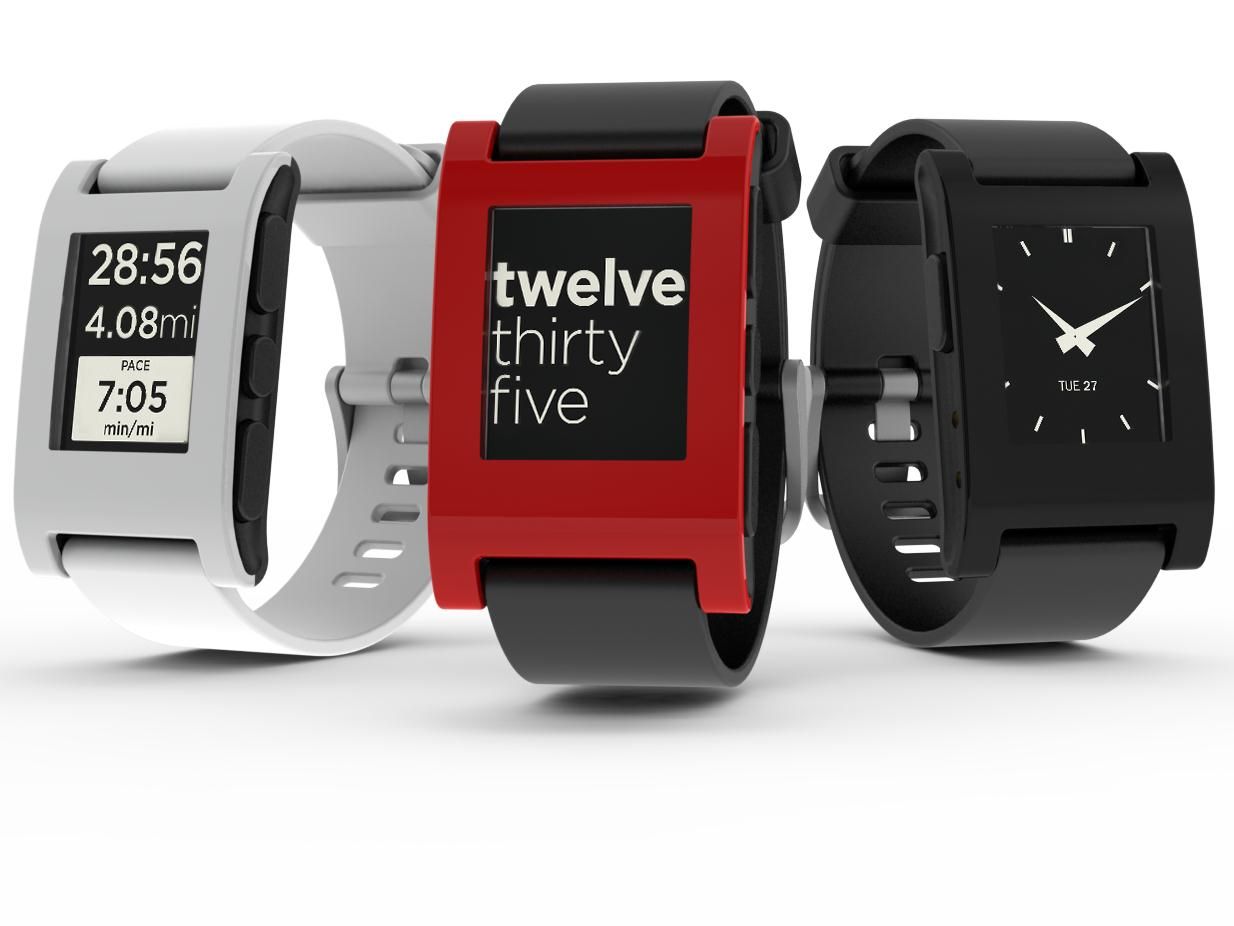

Author/Copyright holder: Pebble Technology. Copyright terms and licence: CC BY-SA 1.0

Watches have not been a traditional part of the computing line up. In fact, the digital watch has always been regarded with a certain scepticism (or even disdain) among the watch wearing community at large. It may do the same thing as an analogue watch, it may even do it as well as an analogue watch but for the majority of watch wearers – it doesn’t do it as prettily.

Phones, tablets, desktops, laptops can make a fashion statement but for the majority of the time; they aren’t part of our day-to-day fashion decisions. The smartwatch is different.

To encourage people to use the smartwatch, manufacturers need to convince them to give up their old watches. It seemed unlikely that Rolex, Tag Heuer, Breitling, Patek Phillipe, etc. would be shaking in their shoes if the smartwatch experience was a digital one.

Skeuomorphism was embraced by canny smartwatch manufactures once again. The faces of smartwatches are designed to mimic that analogue watch experience. So that when the user goes to examine the time – the real world and the digital are as one.

In fact, it can be argued that the smartwatch itself is skeuomorphic. It’s not a watch. It’s a computer. But it’s a computer that you wear on your wrist. The current designs which all mimic the wrist watch may be a gentle way to ease consumers into a transition before a new form of iconic design arises for future generations of smartwatches.

The Take Away

Design trends come and go. Skeuomorphism can be very useful. It can also be taken too far. Flat design came about in response to the over use of skeuomorphism. The current trend in smartwatches is a return to it – but for how long?

References

Check out our fantastic IxDF course, Affordances: Designing Intuitive User Interfaces.

The BBC takes a long look at the history of skeuomorphism in devices.

Kelsey Campbell-Dollaghan argues the case for the permanency of skeuomorphism in design: Skeuomorphism Will Never Go Away, And That's a Good Thing

The Next Web examines the contrast and debate over flat design vs. skeuomorphism.

Forbes’ premature celebration of the end of skeuomorphism can be read and enjoyed by the curious learner.

Fast Company examines the rise of skeuomorphism on the wrist.

Hero Image: Author/Copyright holder: Klaus Göttling. Copyright terms and licence: CC BY-SA 3.0

Feel Stuck?
Want Better Job Options?

AI is replacing jobs everywhere, yet design jobs are booming with a projected 45% job growth. With design skills, you can create products and services people love. More love means more impact and greater salary potential.

At IxDF, we help you from your first course to your next job, all in one place.

See How Design Skills Turn Into Job Options
Privacy Settings
By using this site, you accept our Cookie Policy and Terms of Use.
Customize
Accept all

Be the One Who Inspires

People remember who shares great ideas.

Share on:

Academic Credibility — On Autopilot

Don't waste time googling citation formats. Just copy, paste and look legit in seconds.