Market Research

Your constantly-updated definition of Market Research and collection of videos and articles.
Be a conversation starter: Share this page and inspire others!

690 Shares

What is Market Research?

Market research is the practice of gathering insights into customer preferences, buying behavior, and competitive landscape. In UX (user experience) design, researchers apply it to guide design strategy by revealing who a product or service’s users are, what they value, and how the market frames their expectations for user-centered experiences that will sell well.

Discover valuable points about market research’s bearing on UX design in this video about market orientation, with William Hudson: User Experience Strategist and Founder of Syntagm Ltd.

Transcript

Why Market Research Matters in UX Design

As with other industries and the business world in general, market research helps UX teams get an early understanding of real market demands, so they can tailor design solutions that will do well commercially. Market research anchors design teams in real-world concerns such as the viability of a proposed product and the “shifting sands” of trends and tastes.

Imagine the danger a brand with a “great idea” would run into if its designers started working on a product that seemed to solve one or two problems wonderfully well. They might even refine these solutions into mobile apps based on the positive findings from testing with some users. However, what if the users who tested the product performed well with what they had to work with—but were too polite to mention they couldn’t see the point in the overall idea? The product might do everything the creators intended it to, but do nothing for any substantial numbers of people to care about.

Fortunately, a whole discipline exists to prevent such wonderfully useless disasters from flopping in the marketplace and dragging down brands with them. More specifically, effective market research reveals answers to three “big ticket” questions for designers to build upon:

  • Who are the potential customers?

  • What problems do they face?

  • How do competitors serve—or fail to serve—those needs?

When market researchers can provide clear answers to these, they’ll give context that can help propel UX efforts to go beyond usability and into the realms of strategic fit and adoption. Market research complements UX research in that it surfaces how many people care about the problem and why they might buy a solution—and expands the sphere of UX design into that of CX (customer experience) design in the process. From there, brands can bolster the return on investment (ROI) of their design efforts and prove a clear understanding of the people they propose to serve.

Explore how to improve customer experiences and drive better ROI for your brand, in this video with Frank Spillers: Service Designer, Founder and CEO of Experience Dynamics.

Transcript

Differences Between Market Research and User Research

Rare professionals can master both areas. Together, the two departments help guide designs that resonate and deliver measurable results when the product hits the marketplace. Early in any UX strategy, it’s important to distinguish these principally in terms of their focus and intent:

  • Market research is about exploring the broader landscape a brand might launch a product or service into—including market size, trends, competitive offers, willingness to pay, and segmentation. It helps answer: “Is there a market for the product and how do we position it?” and market researchers often handle broad strategy, pricing, and segmentation. It’s a kind of driving force that informs features, messaging, and business models.

  • User research, or UX research, then fine-tunes the interaction, clarity, and usability for target audiences. It’s is about investigating how users interact with a product or prototype—identifying pain points, usability issues, and journey barriers. It answers: “Can users use this easily, enjoy a seamless experience in their user contexts, and do they find it valuable?”

Explore how user research can help you guide designs that resonate with real users, in this video with William Hudson.

Transcript

Market and user research may share tools—such as surveys, interviews, focus groups, and analytics—but they apply them to different contexts and with different aims. Market research measures demand and market structure; UX research observes interaction and task success.

Another significant difference arises regarding when brands use market research and when they use user research. The time for market research comes before product development or major updates to validate opportunity, segment markets, and test concepts. UX research, meanwhile, runs throughout the design process: discovery, testing prototypes, refining flows—even post-launch. It’s not to say that market research is done and then can “vanish” early on; instead it guides the brand’s efforts and then keeps an eye on the market realities to ensure their offering stays valuable to the target audience.

Find out how continuous discovery helps teams stay on top of important design matters so they can create products that are more likely to succeed, in this video with Teresa Torres: Product Discovery Coach at Product Talk, speaker, and author of Continuous Discovery Habits.

Transcript

Who Typically Conducts Market Research in UX Design

A UX market researcher can take several “forms,” as for many brands market research may involve:

  • Marketing teams, who gather brand perception, messaging, and buyer intent data—typically found in larger brands.

  • Dedicated market researchers who specialize in demand analysis, segmentation, pricing, and trend analysis.

  • Product managers, who commission or interpret market studies to help make roadmap decisions.

  • UX researchers or designers, especially in smaller teams or startups, who run lean UX studies to validate market interest, test messaging, or benchmark competitors.

Larger companies keep roles separate. Startups or lean UX teams typically have design or product leads who run both UX and market research in an integrated way, often with the intent to produce a Minimum Viable Product (MVP) that can reach target users and enjoy success more quickly than more traditional design approaches.

Explore how Lean UX design helps teams ship products faster, particularly as MVPs, in this video with Laura Klein: Product Management Expert, Principal at Users Know, Author of Build Better Products and UX for Lean Startups.

Transcript

How to Use Market Research in UX Design, Step by Step

You can follow these suggested steps to weave effective market research into your UX design process. Note how market research specialists—or UX team members who conduct market research—help shape the design of the product from the earliest points in the design journey and work alongside other team members.

1. Set Objectives and Business Questions

Business stakeholders will have business goals which marketers will need to be sure about before starting market research for the brand. Clarify the business goals: market viability, pricing thresholds, competitor gaps, value messaging—these questions shape method selection and ensure actionable outcomes. When you’re clear on what you need to learn and how it ties to business strategy, you reduce the risk that research will become scattered or produce data no one uses.

For example, for a startup that is building a budgeting app, market researching means asking:

  • “Do we target college students, young professionals, or families?”

  • “What price range feels acceptable for a premium version?”

  • “Are users more motivated by saving for big goals (like vacations) or cutting everyday costs?”

They’re questions that frame what research to run (pricing surveys, focus groups with students versus families) and make sure the findings lead to real decisions—such as which segment to design for first, how to position the value proposition, and which features make the minimum viable product.

2. Pick Mixed Methods

A mixed methods approach is when designers use quantitative research and qualitative research together. Quantitative research—with methods like surveys, web analytics, and conjoint pricing studies—is typically numeric. It shows the “what,” such as how many people care about an idea or which preferences dominate. Qualitative research—with methods like semi-structured interviews, diary studies, and focus groups—explains the “why” behind those numbers.

For example, in our budgeting app, a marketing team might:

  • Run a quantitative survey of 1,000 people to find out what percentage track expenses with spreadsheets, apps, or not at all.

  • Follow up with qualitative interviews with 12 college students and 12 young professionals to dig deeper and understand why they stick with spreadsheets or don’t bother with budgeting apps.

By pairing methods, they not only learn how many users prefer each option but also why they feel that way—insight that directly informs which features to build, and how to design them.

When you combine quantitative methods to measure interest, pricing sensitivity, and market share with qualitative methods to explore motivations, perception, and unmet needs, you can lift the lid on what potential customers would want from a design.

Discover how quantitative UX research and qualitative UX research differ, and how to get them working for you, in this video with William Hudson.

Transcript

3. Conduct Competitive Analysis and Trend Analysis

Now, it’s wise to study competitors’ UX, pricing, and positioning and look for gaps or unmet needs you can address. Combine what you find with secondary data on trends, growth forecasts, or adjacent markets. Be careful to analyze emerging trends in particular so your brand doesn’t end up building for a market that’s already moving on somewhere else.

For example, our budgeting-app team maps out five top competitor apps and discovers:

  • Only two provide clear “goal tracking” visuals.

  • Most bury cancellation policies and fee structures in small print.

  • Reviews show frequent complaints about confusing export features.

They also track broader fintech trends—like rising demand for simple “roundup” savings tools—and notice a gap: maybe no competitor out there combines such clear fee transparency and automated saving. From their analysis, the marketers can tell the design team where they can differentiate: build simple goal-tracking, emphasize fee clarity, and explore a roundup savings option no one else is offering.

Get a greater grasp of helpful forms of research which can inform more successful design solutions, in this video with Laura Klein.

Transcript

4. Define and Recruit Target Segments

Use demographic, behavioral, and attitudinal criteria to home in on who’s going to use—and be delighted with—a prospective product or service.

In our example, from earlier research, the budgeting-app team might notice three distinct groups who would benefit from the product:

  • College students who need a free, simple way to avoid overdrafts.

  • Young professionals who want automated savings features.

  • Families who care about tracking shared expenses.

Instead of grabbing a “general user sample,” they can recruit test participants from each segment—and make sure that UX feedback reflects all the primary users. This segmentation also helps design decisions to match real needs, not assumptions.

5. Collect and Analyze Data

Use quantitative methods and qualitative methods. Quantitative ones involve statistical analysis, visual dashboards, and segmentation. Qualitative work requires thematic coding to uncover pain points, motivations, and unmet needs.

For example, our budgeting-app team collects 1,000 survey responses and runs statistical analysis to see which features are “must-haves” for each segment. Meanwhile, from interviews, they code recurring themes like “fear of overdraft” and “confusion over fees.” When they combine both data types, they find it reveals not just which features users want but the emotional drivers behind those preferences as well.

6. Translate Findings into UX Strategy

It’s time to convert insights into personas (fictitious representations of real users), value priorities, and feature relevance. Use these to inform information architecture, messaging, and UI flows.

In our example, analysis shows that students value fee alerts and overdraft prevention, while families typically need multi-account tracking. The team translates these insights into personas and feature priorities: Sarah, the student saver, gets clear fee alerts in the onboarding flow, while Eduardo, the family organizer, gets to enjoy an easy dashboard for shared accounts.

Explore how personas are more than an exciting “tool,” and that design without them falls short, in this video with William Hudson.

Transcript

Once the team have personas to work with, they can “plug” them into the design process to guide research and design and test assumptions. Moving forward, they can create concept-driven prototypes based on validated needs and messaging, and so use research insights to shape layout, content, and navigation.

7. Monitor Continuously Post-Launch

Use conversion funnels, retention metrics, and ongoing segmentation to keep UX aligned with the market. Ongoing segmentation means you regularly re-evaluate and update the way you divide your user base into meaningful groups based on their behaviors, needs, or attitudes. For instance, segmentation might start with large categories—like “college students,” “young professionals,” and “families”—but, over time, user behavior changes (e.g., new features, pricing models, or broader market shifts), and so the original segments might no longer reflect reality.

Best Practices for Market Research in UX Design

  • Run market and UX research in parallel to align insights from both perspectives. In small teams, it’s vital to keep a finger on the market research “pulse” especially to ensure a digital product or other brand release really has a market to go to after it launches.

  • Link research to design decisions—for example, test variations of onboarding language or pricing messages.

  • Blend methods for scale and nuance—quantitative shows prevalence, qualitative explains motivation; the “what” and the “why” must work in tandem to reflect market realities.

  • Beware of bias. Avoid hypothetical bias; ask about real user behavior, not imagined scenarios. Also, be sure to mitigate bias—which can creep into even the most mindful and vigilant teams. So, keep language neutral, randomize questions, and diversify recruitment.

  • Engage cross-functional teams early—include UX, product, and marketing from the planning stage.

Watch how cross-functional teams work together to make better products, in this video with Laura Klein.

Transcript

  • Stay lean and frequent—run smaller studies regularly rather than a huge one-off; it will save your brand from rude awakenings that can cost serious amounts of time, effort, and—indeed—money.

  • Visualize insights—create dashboards, storyboards, or infographics instead of spreadsheets.

Explore how storytelling communicates more value more effectively, in this video with Laura Klein.

Transcript

  • Track key metrics over time—monitor conversion, satisfaction, and retention to validate UX impact and find how much of a difference your team is making.

  • Revisit segmentation and messaging frequently—market conditions evolve from year to year, for example, so be sure to watch the unfolding realities in the relevant industry and user needs at least on an annual basis.

  • Prioritize features by user value and market demand, not internal wish lists.

  • Use analytics to validate real behaviors and pain points.

Appreciate what analytics can do for your product and why, in this video with William Hudson.

Copyright
Transcript

Special Considerations for Market Research in UX Design

Beware of some potentially tricky areas that may arise when applying research into markets for UX design; here are principal pitfalls.

  • Don’t Confuse Market and UX research

This one can be a particular hazard for smaller teams, and conflating the two research spheres causes misaligned insights. Market research should drive opportunity and positioning; UX research should optimize usability and flows.

  • Don’t Over-Rely on Self-Reported Data

People, being human, often misremember or misstate behavior, so always pair what they tell you from, for example, diary studies with analytics or validation testing.

  • Watch Sampling Bias

Avoid convenience sampling—instead, strive for representative groups across segments.

  • Beware of Data Silos

When marketing, product, and UX teams operate independently, insights fragment, which is why collaborative workflows improve coherence and are vital.

  • Don’t Ignore Culture or Diversity

If you serve diverse groups or international user bases, segment your data and design inclusively.

Consider how to appeal to and tailor designs for different cultures, in this video with Alan Dix.

Copyright
Transcript

  • Frozen Data

Market insights perish fast—especially in a “milieu” as fast-moving and technology-oriented as digital solutions. In such “speedy” markets, refresh research annually.

  • Action Gap

Remember, research is only useful if it leads to decisions. Every stage must tie into actionable, prioritized next steps, so be sure to gear what to do around what you have found out works best.

Overall, market research sits at the intersection of business strategy and startup execution, waiting to spring into action and tell brands who the customers are, why they care, and what they value. UX research then fills in how to deliver that value effectively through the interface. The two are like “legs,” while the “hands” design the product, and so the brand can bring the right item to the right group in the marketplace.

When brands have teams that combine both market and user research, they can achieve stronger product-market fit, deliver more user-centered design, and drive business outcomes far more successfully—from conversion and retention to user satisfaction. When it’s “alive and well” and working iteratively and aligned across functions, market research becomes the engine behind meaningful, usable, and profitable experiences. It can feel out commercial pressures, business opportunities, and other marketplace realities which brands might otherwise miss, mis-launch their products into, or run afoul of in other ways.

Questions About Market Research?
We've Got Answers!

How does market research differ from user research in UX design?

Market research examines the overall industry landscape, trends, and audience segments; meanwhile, user research digs into specific user needs, behaviors, and pain points. Market research helps you understand the “what” and “where”—matters like market size, competitors, and demographics—while user research uncovers more about the “what” (about the users, their problems, and their needs) and the “why” behind user actions.

For example, a market study might show that mobile banking is growing fast and which areas are doing well, but user research will reveal why people still hesitate to use certain features. Designers who blend both approaches—as in, use the insights from both sides of the equation—can create products that fit market opportunities and resonate with real users.

Explore some handy approaches to boost your UX research in our article 7 Great, Tried and Tested UX Research Techniques.

What are the main types of market research methods UX designers should know?

UX designers should understand four key market research methods: surveys, interviews, focus groups, and competitive analysis. Surveys help gather broad, quantitative data about user preferences. Interviews and focus groups provide qualitative insights and uncover motivations and emotional drivers. Competitive analysis benchmarks competitor products, which helps designers spot gaps or opportunities.

Moreover, secondary research—like industry reports and trend analyses—offers valuable context without designers needing to start from scratch. When designers know these methods, they can make evidence-backed decisions and ensure their products align with market demands.

Discover how to discover essential insights about rival brands in our article Why You Should Analyze Your Competition to Design Better Solutions and How to Do It.

When should I do market research during the UX design process?

Market research should come early, ideally during the discovery phase of a UX project. A brand that understands the market before designing ensures it can solve the right problem for the right audience. It is useful before product pivots or major redesigns, too, as it helps validate assumptions. For example, market researching of trends before building a fintech app might reveal growing demand for budgeting tools. Timing is important, as conducting research too late often leads to wasted resources or solutions that miss the market entirely. Early insights keep design focused, relevant, and competitive—excellent safeguards against costly rude awakenings after a brand has committed to costly deliverables and missteps.

Find out what assumptions can do to designs and how to manage them.

How do I define my target market for a UX project?

To begin to define your target market, try segmenting by demographics (age, income), psychographics (values, interests), and behavior (usage patterns). Then, validate these segments with real data from surveys, industry reports, or analytics. For instance, a fitness app might target “busy professionals aged 25–40 who value quick workouts.” This clarity helps ensure that designs can speak to the right users and meet their expectations—or, ideally, exceed them.

Use tools like personas and market maps to visualize your audience and their context, so your product feels tailored, not generic.

Pick up some helpful insights from the B2C (business-to-consumers) model.

What are some affordable ways for UX designers to do market research?

Especially in startups, designers might sometimes find themselves involved in marketing efforts. Affordable market research starts with free and low-cost resources. Use good tools, including social media listening tools, to spot user interests. Tap into public industry reports or academic studies for credible data. Conduct lightweight surveys with tools and analyze app store reviews for candid user feedback.

Another helpful strategy is to join online communities or niche forums, as these can provide real-world perspectives without big budgets. Such approaches give UX designers meaningful market insights without “breaking the bank.”

Grab some powerful insights in our article Using Social Media for Better UX Design.

How do I combine market research findings with user research insights?

Market research and user research complement each other when researchers synthesize them strategically. To begin, map market trends and competitor benchmarks, then overlay user research data like interviews or usability tests. This creates a “big picture” view—market research can show you opportunities, while user research reveals how real users experience them.

For example, market data might suggest demand for meal-planning apps; however, user interviews can uncover frustration with recipe complexity. Combining both ensures designs align with market potential while addressing user needs.

Explore a wealth of helpful insights about marketing and UX design in our article How to Change Your Career from Marketing to UX Design.

How do I use market research to identify competitors and benchmark UX?

Market research can help you spot both direct and indirect competitors. To begin, scan industry reports, app stores, and review sites to build a competitor list. Then, benchmark the UX (user experience) by analyzing competitor user flows, onboarding, and feature sets.

Look for strengths to learn from and weaknesses you can improve on. Pick effective tools so you can make deeper comparisons. When you understand your competitive landscape, you will help empower your brand to ensure the product does not just blend in—it stands out with a clear, user-friendly edge.

Find a treasure trove on insights in our article Understanding Your Business To Get Your UX Strategy Right.

How can I analyze market research data without being a data scientist?

For sure, you do not need advanced analytics skills to interpret market research effectively. To start, organize raw data into themes—group survey responses, summarize interviews, or chart key stats. Look for patterns such as rising user needs, gaps in competitor offerings, or emerging trends.

Basic spreadsheet tools can help visualize findings with simple charts or pivot tables, although storytelling approaches can be effective to communicate findings to other team members. The goal is not to crunch every number but to turn data into actionable insights you can translate into concrete design decisions and strategies that will take your product in the right direction.

Speaking of strategy and important points about products and the teams behind them, enjoy our Master Class Survival Metrics: Getting Change Done in an Agile and Data-Informed Way with Adam Thomas, Product Management Expert and Technologist.

What ethical considerations should UX designers keep in mind during market research?

Ethics in market research means respecting participant privacy, avoiding manipulation, and presenting findings honestly. Always gain informed consent before collecting data and anonymize personal details. Do not use “dark patterns” to nudge participants toward certain answers. Misrepresenting research results—even unintentionally—can harm trust and misguide design choices, so be careful. For instance, skewing competitor analysis to fit a narrative undermines credibility.

Ethical research safeguards user trust and ensures your work reflects genuine insights, not biased or harmful practices that might lead a design team astray and deliver a product that can cause harm, controversy, and problems for the brand behind it.

Discover helpful points that can apply to market research as well in our article Conducting Ethical User Research.

How do startups approach market research differently than large companies?

Startups often run lean, scrappy research with a focus on speed and affordability. They typically rely heavily on free tools, quick surveys, and founder-driven interviews to validate ideas fast. Large companies invest in comprehensive studies, hire specialized teams, and use expensive analytics platforms.

It is not to say that startups tend to be reckless; they prioritize agility—and iterate based on early signals—while enterprises look for scale and long-term patterns. This nimbleness helps startups pivot quickly; however, there is a potential “price” in that they risk missing deeper insights if they skip thorough validation.

Find a wealth of valuable insights about a powerfully pertinent subject in our article What the Numbers Missed: 4 Times Personas Could Have Saved Millions.

What are some common misconceptions about market research in UX design?

Many people believe market research is only for marketers, not UX designers, when in reality, it helps designers align their work with real demand. Another misconception is that market research must be expensive and complex; in truth, many valuable methods are low-cost or free.

Some people assume market research replaces user research—it does not, and valuable “tools” such as user personas are in the hands of user researchers. Market research shows trends and opportunities, but user research reveals how users feel and behave. Both are essential for informed, effective design decisions—like two sides of a coin that is preferably “gold.”

Want to know more about personas and how to use them effectively? Personas and User Research: Design Products and Services People Need and Want will show you how to gather meaningful user insights, avoid bias, and build research-backed personas that help you design intuitive, relevant products. You will walk away with practical skills and a certificate that demonstrates your expertise in user research and persona creation.

What are the biggest mistakes designers make when doing market research?

A common mistake is starting too late, after design decisions are locked in place. Others end up relying solely on secondary research without validating findings, which leads to skewed assumptions and potentially derailed designs. Another one finds designers sometimes collecting too much unfocused data and then struggling to extract insights. Ignoring competitors or misreading their UX benchmarks can hurt strategy, too.

To avoid these pitfalls, it is vital to start research early, focus on relevant questions, and synthesize findings into actionable insights that guide design choices—not overwhelm them with morasses of “senseless” data.

Keep on the right side of research and other activities with helpful tips from our article 4 UX Indicators That Your Project is Going To Fail.

What are some helpful resources about market research in UX design?

Fonseca, J. R. S. (2011). Why does segmentation matter? Identifying market segments through a mixed methodology. In D. Morschett, T. Foscht, T. Rudolph, H. Schnedlitz, & B. Swoboda (Eds.), European retail research (Vol. 25, pp. 1–25). Gabler Verlag.

This book chapter in European Retail Research (Vol. 25) presents a mixed‑methods approach to market segmentation that combines latent class modeling (quantitative) with qualitative research to develop more nuanced and actionable consumer segments. Fonseca explains how criteria like AIC3 and AICu guide model selection, and demonstrates why using both data types yields deeper insights than relying solely on one method. The chapter is important because it provides a methodologically rigorous roadmap for segmenting markets—helping businesses and designers better identify, target, and serve distinct customer groups.

Mora, M. (2021, July 19). How to leverage UX and market research to understand your customers. Relevant Insights. Retrieved from https://www.relevantinsights.com/articles/how-to-leverage-ux-and-market-research-to-understand-your-customers/

This practitioner article on Relevant Insights summarizes a June 2021 webinar hosted by the UX Research & Strategy Group. Michaela Mora explains the differences and overlaps between market research and UX research, noting that market research addresses acquisition, retention, and competitive positioning, while UX research focuses on product usability and experience. Mora argues for integrating both approaches to map the entire customer journey—from awareness to loyalty—so companies can align design efforts with market realities. This resource is important because it offers practical guidance for combining two research disciplines to produce more holistic, business‑relevant insights.

Earn a Gift Earn a Gift, Answer a Short Quiz!

1
2
3
4
1
2
3
4
Question 1
Question 2
Question 3
Get Your Gift
Interaction Design Foundation logo

Question 1

Why do designers use market research during product development?

1 point towards your gift

  • To make final design decisions without user input
  • To avoid testing prototypes before launch
  • To understand user needs and reduce business risk
Interaction Design Foundation logo

Question 2

What makes primary research different from secondary research?

1 point towards your gift

  • Primary research uses data from government reports
  • Primary research gathers new data directly from users
  • Primary research costs less than secondary research
Interaction Design Foundation logo

Question 3

Which method do researchers often use to collect qualitative data in market research?

1 point towards your gift

  • Online sales reports
  • User interviews
  • Website analytics

Learn More About Market Research

Make learning as easy as watching Netflix: Learn more about Market Research by taking the online IxDF Course Get Your Product Used: Adoption and Appropriation.

Why? Because design skills make you valuable. In any job. Any industry.

In This Course, You'll

  • Get excited about how you can use design to get more people to use your products repeatedly and enthusiastically! Did you know that 95% of new products fail shortly after launch? Usability and user experience alone won't guarantee success. In this course, you'll discover how to turn prospects into customers and customers into passionate advocates. It's easier than you think, even if you're completely new to design, because you already have transferable skills like strategic thinking, curiosity, and communication. Your skills in adoption and appropriation empower you to create products that people integrate into their lives.

  • Make yourself invaluable with powerful design skills that directly increase adoption, drive business growth, and fast-track your career. Learn how to strategically engage early adopters and achieve critical mass for successful product launches. As AI becomes part of how products are developed, tested, and scaled, you stay in demand when you can design experiences people connect with and choose to return to. These timeless human-centered design skills help you guide AI so faster production still leads to ethical experiences that people can trust and love.

  • Gain confidence and credibility with bite-sized lessons and practical exercises you can immediately apply at work. Master the Path of Use to understand what drives usage and captivates people. You'll use the economics of design, network effects, and social systems to drive product adoption in any industry. Analyze real-world product launch successes and failures, and learn from others' mistakes so you can avoid costly trial and error. This course will give you the hands-on design skills you need to launch products with greater confidence and success.

It's Easy to Fast-Track Your Career with the World's Best Experts

Master complex skills effortlessly with proven best practices and toolkits directly from the world's top design experts. Meet your expert for this course:

  • Alan Dix: Author of the bestselling book “Human-Computer Interaction” and Director of the Computational Foundry at Swansea University.

Get an Industry-Recognized IxDF Course Certificate

Increase your credibility, salary potential and job opportunities by showing credible evidence of your skills.

IxDF Course Certificates set the industry gold standard. Add them to your LinkedIn profile, resumé, and job applications.

Course Certificate Example

Be in distinguished company, alongside industry leaders who train their teams with the IxDF and trust IxDF Course Certificates.

Our clients: IBM, HP, Adobe, GE, Accenture, Allianz, Phillips, Deezer, Capgemin, Mcafee, SAP, Telenor, Cigna, British Parliament, State of New York

All Free IxDF Articles on Market Research

Read full article
7 Great, Tried and Tested UX Research Techniques - Article hero image
Interaction Design Foundation logo

7 Great, Tried and Tested UX Research Techniques

Thinking about conducting some user research? Wondering which techniques are most likely to provide useful results? Then look no further. We’ve compiled a list of 7 excellent techniques which are tried and tested and have been proven to deliver real value in UX projects. Let’s take a look at each te

Social shares
1.2k
Published
Read Article
Read full article
Porter’s 5 Forces Model - Design in Context, Understand the Market - Article hero image
Interaction Design Foundation logo

Porter’s 5 Forces Model - Design in Context, Understand the Market

Before you start to implement Porter’s 5 Forces Model, it is important to understand the context in which it is used. It is most valuable when applied to an entire market (either national or global) rather than to a sub-section of a market (e.g. you and a handful of direct competitors). It is very m

Social shares
772
Published
Read Article
Read full article
How to Recruit Users for Usability Studies - Article hero image
Interaction Design Foundation logo

How to Recruit Users for Usability Studies

You’re going to need to conduct usability studies at some point during your design work. That may be for a product or for an information visualization but if you don’t know whether your outputs are usable – you cannot begin to guarantee a user experience. Usability testing is so important that even

Social shares
780
Published
Read Article
Read full article
4 Steps for Performing Effective Market Research for Start-ups - Article hero image
Interaction Design Foundation logo

4 Steps for Performing Effective Market Research for Start-ups

Market research is a huge field of endeavour, and many overlaps exist between market research and User Experience research. However, if you’re running a start-up business and don’t have the time to learn the entire field of research, four simple steps can help you conduct market research to understa

Social shares
522
Published
Read Article
Read full article
How to Get Started with Affinity Diagrams - Article hero image
Interaction Design Foundation logo

How to Get Started with Affinity Diagrams

Affinity diagramming is almost too good to be true. Write on some sticky notes, arrange them, and…that’s it. But don’t let its simplicity fool you. With affinity diagrams in your toolbox, you’ll have the power to bridge the gap between research and results.Begin with Affinity NotesAffinity diagrams

Social shares
473
Published
Read Article
Read full article
User Personas vs Customer Personas: What's the Difference? - Article hero image
Interaction Design Foundation logo

User Personas vs Customer Personas: What's the Difference?

Personas drive both the products users love and the campaigns buyers trust. But mix them up—using a customer persona to solve a UX challenge—and you'll build solutions that miss the mark. Both personas have names, photos, and stories; both seem to represent your audience. Yet, confusing them leads t

Social shares
366
Published
Read Article

4 Steps for Performing Effective Market Research for Start-ups

4 Steps for Performing Effective Market Research for Start-ups

Market research is a huge field of endeavour, and many overlaps exist between market research and User Experience research. However, if you’re running a start-up business and don’t have the time to learn the entire field of research, four simple steps can help you conduct market research to understand your clients better without spending a fortune or days’ worth of time on the process.

Market research can help a small business in a multitude of ways. It helps you understand, among other things:

  • Whether there is a market for your services

  • How big that market is

  • Who your customers are

  • How much they pay

  • Whether you can make a profit

  • Who your competitors are

  • What the best ways to market to your customers might be

Market research is a big complex area, and it’s a profession in its own right. Don’t let that put you off. You do not need to be a fully qualified market researcher to carry out market research for a start-up business. There is a simple process to follow for any market research activity.

Author/Copyright holder: Thomas Hawk. Copyright terms and licence: CC BY-NC 2.0

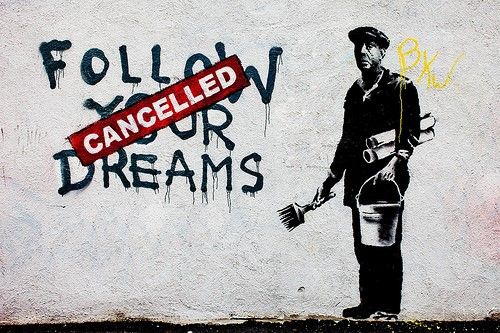
Market research isn’t designed to ruin your dreams – it’s there to make sure that your dreams will support you as a freelancer.

The 4 Steps to Market Research

You need to be able to answer four simple questions to be able to carry out effective market research for your freelance business:

  1. What will you do with the analysis? This is the most important question of them all. You don’t do research for its own sake and not because “it’s the right thing to do”. Will the data help you improve your marketing? Will it help you price your service? Will it help you shape your service? You must be able to determine what you will do with the work once you have it.

  2. What data do you need? Research is carried out to answer specific questions. The first step in the research process is to work out what specific questions you might want answered. When you know the questions you want to answer, you’ll be able to tell what information you need to answer them.

  3. How will you collect the data? There are a million ways to do this. You might be able to get your information from a Google search or a review of answers to such a search. You might need to do a survey of your local Yellow Pages or walk around town. You might want to do a questionnaire (over the phone or in person. If you’re good and get right to the point in asking potential clients about their needs, a questionnaire can actually work as marketing as a way to get in touch with your first clients). You might want to purchase data. When you know what data you want – you can decide how you will obtain that data in a way that makes sense for your budget and time resources.

  4. How will you analyse the data? There are two main forms of data analysis—qualitative and quantitative. Quantitative analysis involves counting responses to a question. Qualitative means making sense out of data that can’t be counted in any meaningful way. You can research the best type of analysis for your data online – dozens of statistical tests and non-statistical tests can be applied to a data set—most are very easy to learn.

The good news is that the majority of data you need for market research already exists and is pretty easy to find on the internet. There was a time when you’d have needed to reinvent the wheel, but today, as long as you can use Google… you can find out a lot of what you need to know from the comfort of your desk.

Author/Copyright holder: David Horowitz. Copyright terms and licence: CC BY-SA 2.0
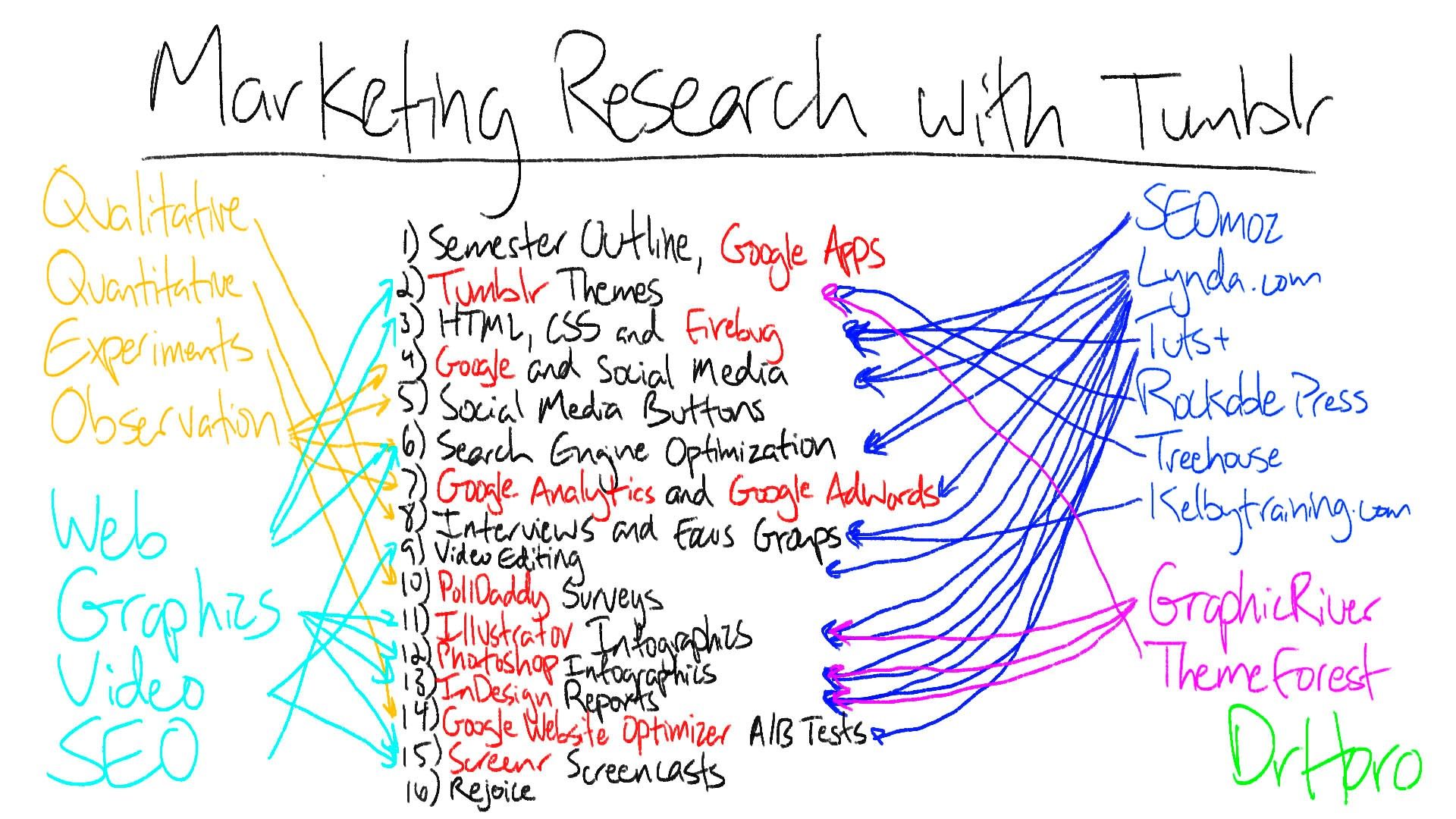
There are lots of ways to conduct market research – you don’t need to make things overly complicated to get useful results.

What About Using a Market Research Consultancy?

Sure, you can outsource your market research—if you can afford to (these services don’t normally come cheap)—but you should always go through the process above and carry out at least a little bit of research yourself first. It will help you better understand when a question is too complex for you to answer easily and make it easier to communicate to a market researcher what you really want to know.

In many cases, the only part of the process you may need to outsource is the analysis; if the tests you want to do are too complicated for you to learn and put into practice easily, it makes sense to outsource. However, we think the basic questions that most people want to ask when they get started can easily be answered without too much complexity—if you just give a little thought to the market research process you will use.

Author/Copyright holder: Jordanhill School D&T Dept. Copyright terms and licence: CC BY 2.0

Market research can be done by a consultancy on your behalf, but you may find it much more cost-effective to do the work yourself.

The Take Away

It’s important to remember that the one thing market research can’t tell you is whether people WILL BUY your services. It can tell you if there’s a market, if there are competitors, and it can tell you how much people pay and so on… but it can’t effectively confirm that you will succeed. Market research is really useful for defining a market and how to approach it. The rest is up to you.

If you follow this simple process, you should find that market research is something you can do easily and well without investing too much time and money. Google is your friend, and most research isn’t that complex.

No one knows who said it, but the most basic truth of market research is, “No research is better than bad research.” So, make sure you do your market research well.

Author/Copyright holder: Jordanhill School D&T Dept. Copyright terms and licence: CC BY 2.0

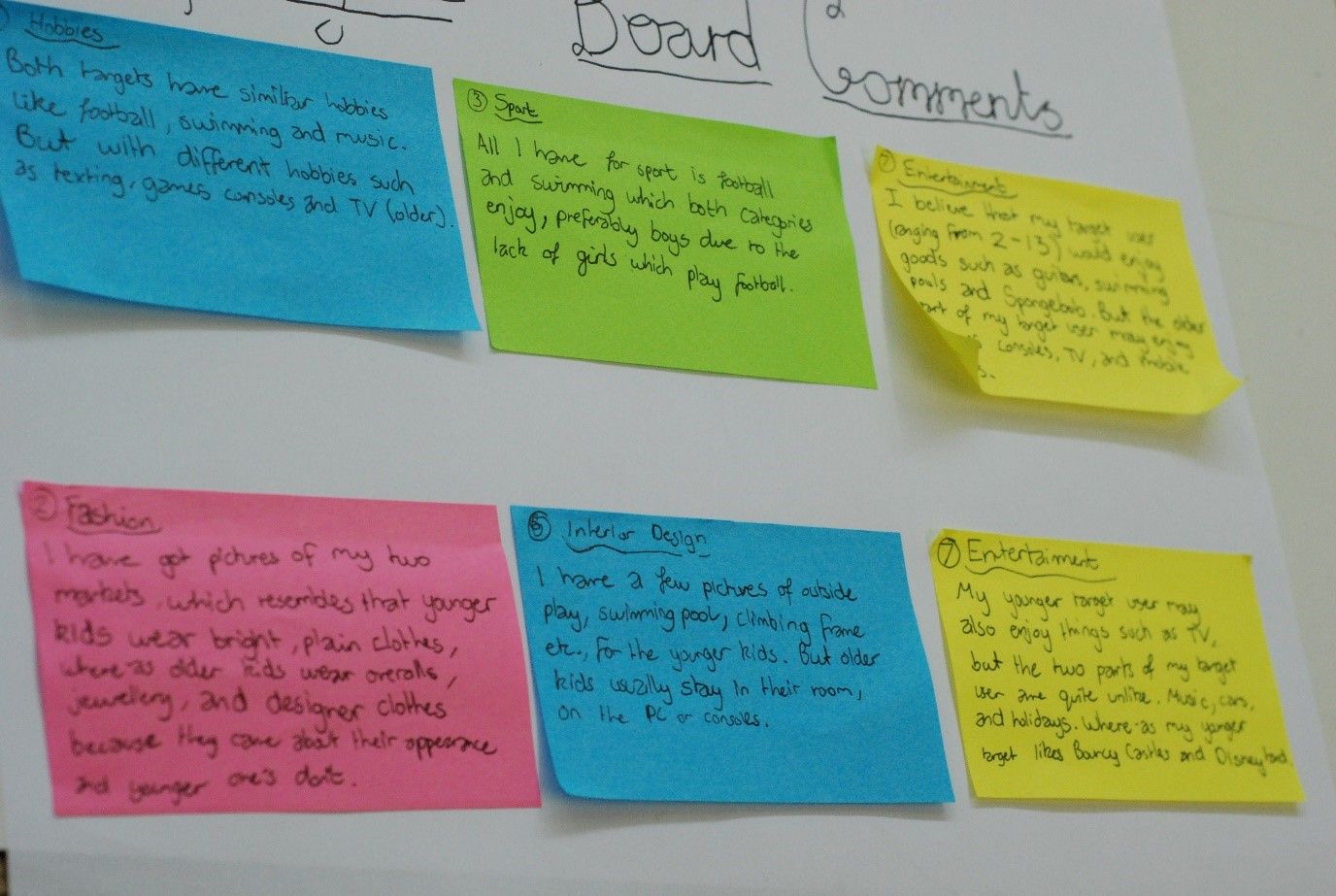
Feel free to display your market research in a way that’s most useful to you.

References & Where to Learn More

Hero Image: Author/Copyright holder: Rikke Friis Dam and the Interaction Design Foundation. Copyright terms and licence: CC BY-NC-ND

Seth Godin, All Marketers Are Liars: The Underground Classic That Explains How Marketing Really Works--and Why Authenticity Is the Best Marketing of All, 2005

Seth Godin, Purple Cow: Transform Your Business by Being Remarkable, 2003

Inc. Com offers a detailed guide to market research here: How to Do Market Research

Some guidance on doing market research on a tight budget can be found here.

Feel Stuck?
Want Better Job Options?

AI is replacing jobs everywhere, yet design jobs are booming with a projected 45% job growth. With design skills, you can create products and services people love. More love means more impact and greater salary potential.

At IxDF, we help you from your first course to your next job, all in one place.

See How Design Skills Turn Into Job Options
Privacy Settings
By using this site, you accept our Cookie Policy and Terms of Use.
Customize
Accept all

Be the One Who Inspires

People remember who shares great ideas.

Share on:

Academic Credibility — On Autopilot

Don't waste time googling citation formats. Just copy, paste and look legit in seconds.