The Wheel of Emotions

Your constantly-updated definition of the Wheel of Emotions and collection of videos and articles.
Be a conversation starter: Share this page and inspire others!

98 Shares

What is the Wheel of Emotions?

The wheel of emotions is a comprehensive model that illustrates the complex landscape of human emotions. Psychologist Robert Plutchik developed this visual tool that depicts the relationships and variations between different emotions. Designers use it so they can effectively create emotionally resonant designs to build user trust and foster brand loyalty.  

Author and Human-Computer Interaction Expert, Professor Alan Dix explains the nature and importance of emotions and usability in design: 

Transcript
  

How to Understand the Wheel of Emotions in Design

The wheel of emotions plays a vital role in user experience (UX) design. It enables designers to appreciate and leverage the emotional regulation of their target audience. From there, designers can tap into users’ emotional responses to the solutions they design. Emotions are certainly integral to the human experience in any case. Emotions don’t just influence how users engage with a product or service; they’re essential to users’ ability to understand what designers present to them in the first place, too.  

When designers deeply understand and incorporate the emotional contexts of their brand’s users, they can craft experiences through digital products and services that resonate on a much deeper, emotional level. For designers and design teams who work to create user experiences, emotion-driven design is—therefore—a key approach. The wheel of emotions helps them to find the emotions they aim to evoke from users. It also lets them create designs that trigger these emotional responses as users interact with their design work. 

Users can go through a wide range of emotions before they discover a solution and then move on to engage in problem-solving. The approach of emotional design is an asset—one that gives a huge boost to user satisfaction. Another point is that it nurtures a stronger connection between the user and the product. Users need to feel good about themselves—and their experience with the design offering in front of them. So, the content needs to reflect that and it needs to keep the context in sharp focus. 

Professor Alan Dix explains how designers should keep the users’ context in mind: 

Transcript
 

The wheel of emotions also helps designers make personalized user experiences. Personalization is a powerful tool in UX design. It lets users feel that the brand really does see them and understand them as individuals. The positive emotional responses that result can give a further boost to the overall experience in this respect. Users can feel that what they engage with is more of a user-centered design because it has them in mind.  

This emotional connection is what UX designers strive to understand and harness in their UX design process. For designers to effectively decode this emotional labyrinth and put order to a list of emotions, they have a powerful tool. That tool, which they often turn to, is Plutchik's Wheel of Emotions.  
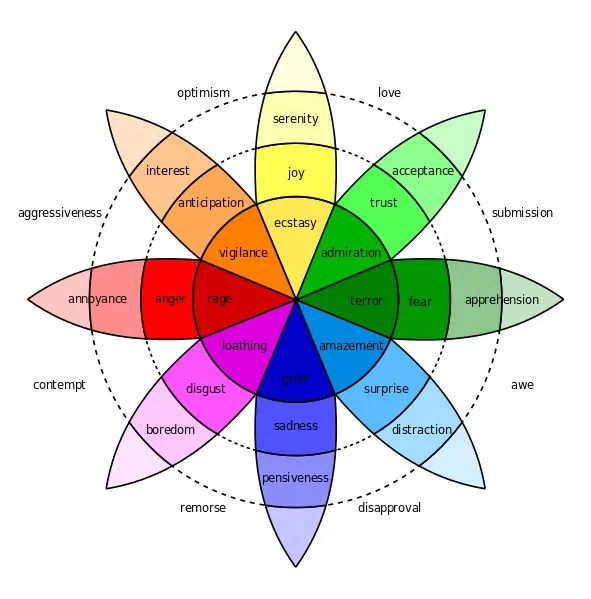
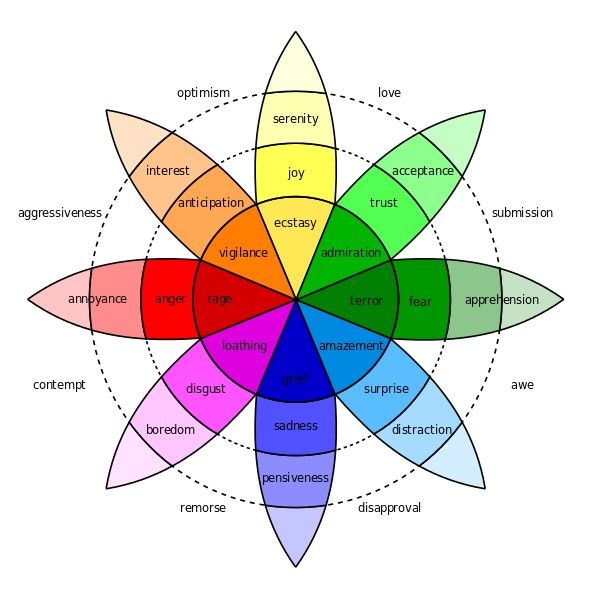
Illustration of Plutchik's Wheel of Emotions

Plutchik’s Wheel of Emotions.

© Machine Elf 1735. Copyright terms and licence: Public Domain.

The Nature of the Wheel of Emotions

The wheel of emotions resembles a colorful flower. It comprises three main elements—namely, primary emotions, opposites and combinations.  

1. Primary Emotions

At the core, the wheel of emotions consists of eight primary emotions, which are:  

●  Joy  

●   Trust  

●   Fear  

●   Surprise  

●   Sadness  

●   Disgust  

●   Anger  

●   Anticipation  

These are the primal emotions that humans experience in response to various situations and stimuli. Designers should note how those stimuli can refer to visual design and more. 

2. Opposites

Each primary emotion pairs with an opposite emotion. Here are these opposing pairs:  

●  Joy and Sadness  

●  Trust and Disgust  

●  Fear and Anger  

●  Surprise and Anticipation  

The model suggests that these emotions are polar opposites—and the physiological responses they prompt are contrasting.  

3. Combinations

The wheel of emotions also explores the concept of combined emotions. These come from the interplay of two primary emotions. For example, the combination of Joy and Trust results in Love; meanwhile, Fear and Surprise contribute to the feeling of Awe. 

Intensity of Emotions

The wheel of emotions doesn’t just classify emotions—it illustrates their intensity as well. As one moves from the center of the wheel towards the outer edge, the intensity of the emotion decreases, and vice versa. For instance, “Rage” at the center of the wheel signifies the highest intensity of the primary emotion “Anger.” 
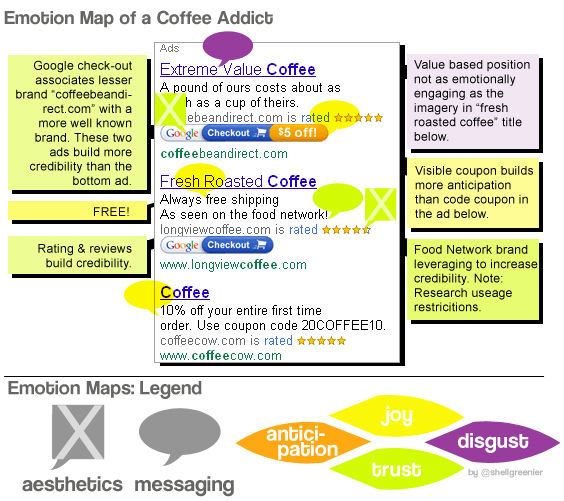
Illustration of an Emotion Map of a Coffee Addict.

Google Adwords emotion map—in this case for a coffee addict.

© Shell Greenier, Fair Use

How Do Designers Leverage the Wheel of Emotions?

Emotion drives users’ actions, decisions and experiences. Basic emotions and core emotions are a large part of the everyday human world. They become especially important for designers and UX researchers in the context of user journeys.  If designers want to create meaningful, engaging and satisfying user experiences, they must understand and weave users' emotions into the design process. That’s where the wheel of emotions comes into play—as designers strive to:

1. Establish Emotional Connections

The wheel of emotions is an instrument to help designers create experiences that nurture emotional connections with users. Designers seek to understand the primary emotions and their interrelationships. From there, they can craft design solutions that meet users' needs and resonate with their emotions.  

2. Drive User Actions and Loyalty

Emotional design—which the wheel of emotions guides—can elicit strong feelings. These are ones that can drive user actions and foster loyalty. Products that bring out positive emotions are ones that users are more likely to use repeatedly. That naturally leads to increased user engagement and another vital factor for any brand—loyalty.  

3. Enhance User Experience

The wheel of emotions helps designers to understand the nuances of emotions. This empowers designers to create products and services that deliver enriched user experiences. Designers use—therefore—the wheel as an “emotional palette,” and that way, they can blend different emotions to create various levels of emotional response. From there, they can work to enhance the overall user experience.  

4. Address Emotional Nuances

While the wheel of emotions does give a comprehensive framework—it doesn't encapsulate all emotional nuances. Even so, it does serve as a solid starting point. Designers can then explore additional emotional design tools to capture these nuances with. It’s vital for designers to recognize the many shades of emotions that can feature in a user or customer journey

A vital consideration is the seven key factors of UX, as this video explains in detail: 

Transcript
  

Examples of the Wheel of Emotions in UX Design

UX designers employ the wheel of emotions in various ways to improve user experiences. 

A notable example is the way gamification elements turn up in UX design. Among these elements are leaderboards and badges. They tap into users' feelings of achievement—and pride. Such elements reach these individuals at the right stages of their user flows; plus, they’re important contextual features. The positive feelings they elicit can greatly enhance these users’ engagement with the product and keep them enthusiastic to come back for more.  

Many brands exhibit a solid understanding of the wheel of emotions in their designs. The following are some examples: 

  • Facebook's “Reactions” feature is a prime real-world example. Instead of the single “Like” button, users can express a range of emotions like “Love,” “Care,” “Haha,” “Wow,” “Sad” and “Angry.” This feature caters to the diverse emotional responses of users. It offers a fine-tuned means of response, far beyond the basic Like or lack thereof that a Facebook user might notice from friends. Therefore, it enhances the overall user experience. 
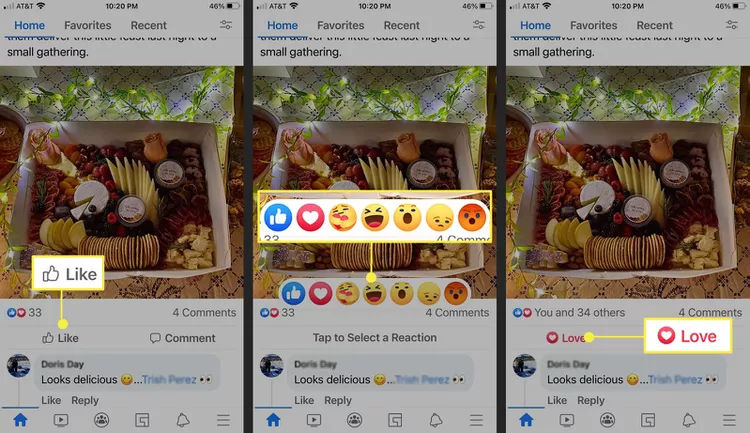
Screenshot or image showing Facebook's Reactions feature in use.

Facebook’s Reactions feature affords users a fine-tuned way to respond appropriately to what they find on the platform.

© Elise Moreau, Fair Use

  • Spotify's “Moods” feature categorizes music based on different emotions—letting users choose music that resonates with their current emotional state.  

  • “Zombies, Run!” is an app that runners can enjoy a good scare from—to outrun a zombie apocalypse scenario. Note that here, negative emotion (fear) is the key to get users going on their user journey. 

  • Project management app Trello also utilizes the wheel effectively. When users accomplish a task, they move it to the “Done” card. This triggers feelings of achievement and motivation for them to continue to use the app.  
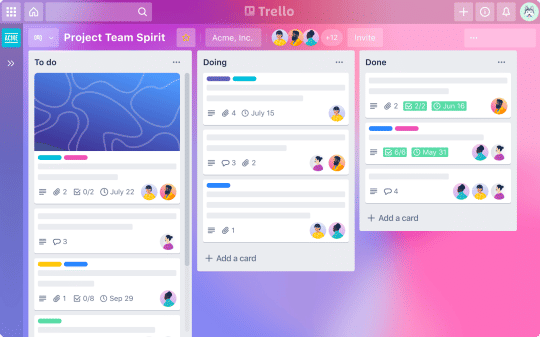
Image of Trello screen showing Done card or feature in use.

Trello’s “Done” card gives users a boost, knowing that they have achieved something.

© Trello, Fair Use

  • Google, too, leverages emotional design in numerous ways. These range from their playful and surprising Google Doodles to their humorous error messages. These elements evoke surprise and joy from users. So, they transform potential points of frustration into moments of delight.  

It’s vital that designers remember they do need a thorough understanding of the target users’ emotional contexts to incorporate emotional design. Designers need to determine which emotions they want to bring out and come up with strategies to evoke these emotions—effectively. They can do this in a variety of ways. They can personalize messages, use visually appealing elements, offer promotions, vary media with micro-interactions, and employ a human and natural tone in communications.  

Practical Tips To Integrate the Wheel of Emotions into UX Design

It takes a series of steps for designers to apply the wheel of emotions in their design work. These begin when designers strive to understand the user’s emotional landscape. The culmination of the steps is when designers create emotionally resonant designs. To implement the wheel of emotions well—therefore—takes careful planning and consideration, namely for designers to:  

  1. Understand users: Designers should conduct thorough user research so they understand the target users' emotional contexts. This could involve user interviews, surveys or observational studies.  

  1. Define emotional responses they desire: Now, designers need to identify the emotions they want to elicit. They also must find out how these align with their overall UX goals.  

  1. Use appropriate design elements: Designers use colors, shapes, typography, imagery and other visual design elements that can trigger the desired emotional responses.  

  1. Test and iterate: Designers conduct user testing to gauge the effectiveness of their emotional design. It’s essential that they collect feedback and make the necessary adjustments so they can line their product up better with the users' emotional contexts.  

  1. Consider cultural differences: It’s important to be mindful of cultural differences in emotional responses. What elicits joy in one culture might well evoke a completely different emotion in another.  

Professor Alan Dix explains the need to consider culture in design: 

Copyright
Transcript
 

  1. Practice ethical design: Another essential consideration is to prioritize the users' best interests and not exploit or manipulate users.  

  1. Include emotional design in all aspects of the user journey: Emotional design isn’t just about the specific aspects of the design. It’s something for designers to incorporate throughout the entire user journey for a holistic and emotionally resonant experience.  

What Should Designers Consider in Particular with the Wheel of Emotions?

The wheel of emotions can be a great help in UX design. Still, it’s not entirely without its risks. One key consideration is how complex and subjective emotions can be—and often are for people. The wheel does provide a generalized model of human emotions. Even so, individual emotional responses can vary significantly. This can be because of personal experiences, cultural backgrounds and current emotional states. Also, the nature of the context is important to bear in mind. Are users likely to be in a stressful environment—or even a potentially hazardous one? What’s appropriate for the moment in which they access the digital product or service? 

What’s more, while positive emotions generally enhance user engagement, it’s useful to remember the potential suitability of negative emotions; these can play a critical role in certain contexts, too. For instance, fear can be an effective motivator in specific situations. For one thing, it can include warning users about potential risks or mistakes. Depending on the context—such as fear in “Zombies, Run!”—negative emotions actually can be an important factor in the user experience. In any case, designers need to consider the context, implement it well and show empathy for their users.  
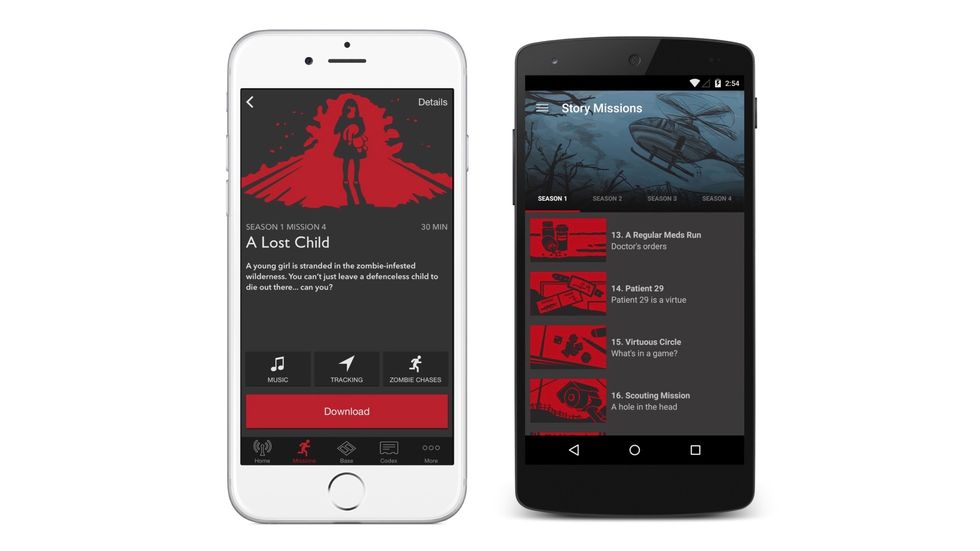
Images from the Zombies, Run! app shown on two mobile screens.

Zombies, Run! leverages the scare factor to drive users to run for fitness.

© Jon Mundy, Fair Use

Designers must also remember to consider ethical implications whenever they tap into their users’ emotional responses. They should always aim and work to leverage emotional design to enhance user experiences and benefit their users.  

Overall, the wheel of emotions is a powerful tool in the world of UX design. It mirrors the powerful experience-driving status of the emotions it reflects. The wheel gives designers a comprehensive framework to understand suitable human emotions and work them into the design process. When designers harness the power of emotional design, they can achieve powerful objectives. Not only can they produce products and services that meet users' needs, but they can make ones that truly connect with these users on an emotional level, too. That’s a large part of what will lead to enriched user experiences, increased engagement—and better solutions. 

Questions About Wheel of Emotions?
We've Got Answers!

Which primary emotions does the Wheel of Emotions highlight?

The Wheel of Emotions identifies eight primary emotions: joy, trust, fear, surprise, sadness, anticipation, anger and disgust. These emotions serve as the foundation for more complex and nuanced feelings. Plutchik's theory also explores how primary emotions combine to form secondary emotions. For example, anticipation and joy combine to create optimism, while fear and surprise merge into awe. The Wheel of Emotions provides a comprehensive framework for understanding the vast spectrum of human emotions and their evolutionary significance. It highlights the primary role emotions play in our survival, decision-making and interpersonal relationships. When designers recognize and understand these primary emotions, they can craft experiences that deeply resonate with users—boosting both emotional engagement and empathy in design. 

Take our Master Class How To Design With UX That Users Love To Convert Through with Talia Wolf, Founder, GetUplift. 

Are there any cultural biases in the Wheel of Emotions?

Yes, the Wheel of Emotions does have potential cultural biases. It's based on the premise that there are eight primary emotions that all humans universally experience. However, there’s an issue—the way different cultures express and perceive emotions can vary a great deal. For instance, some cultures may put a higher value on emotions like joy and trust, and encourage their open expression—others, though, might make restraint a priority; they might view the public display of such emotions less favorably. What’s more, the concept of secondary emotions—which Plutchik suggests arise from combinations of primary emotions—may also not align perfectly across cultures due to different emotional vocabularies and societal norms. This highlights the importance of considering cultural context when professionals apply psychological theories like the Wheel of Emotions in global research and design practices. Designers must be aware of these cultural nuances so they can create experiences that resonate with a diverse audience, and make sure that their work is inclusive and sensitive to the emotional realities of users from various cultural backgrounds. 

Professor Alan Dix explains how designers should consider their users’ culture: 

Copyright
Transcript
 

How do UX researchers measure emotions using the Wheel of Emotions?

UX researchers use the wheel of emotions to measure emotions by observing and interpreting how users react to a product or experience. This involves identifying the primary emotions—joy, trust, fear, surprise, sadness, anticipation, anger and disgust—that users may feel during interaction. Researchers carry out user tests, surveys and interviews so they can collect qualitative and quantitative data on these emotional responses. For instance, they might ask users to rate their feelings using scales tied to the emotions on the wheel or observe facial expressions and body language during usability testing to infer emotional states. They also use tools like eye tracking and physiological measurements (heart rate, skin conductance) to capture emotional reactions more objectively. By analyzing this data, UX researchers can understand not just what users are feeling but why they are feeling these emotions. This insight helps to refine products to raise the level of user satisfaction and engagement as it aligns design decisions with the target audience’s emotional needs and expectations. 

Take our Master Class How To Conduct Effective User Interviews with Joshua Seiden, Co-Author of Lean UX and Founder of Seiden Consulting. 

What innovations in emotion AI involve the Wheel of Emotions?

Innovations in emotion AI involving the Wheel of Emotions have significantly advanced the way machines interpret human emotions. By integrating Plutchik's model, which identifies eight primary emotions, emotion AI technologies can now analyze emotional data with greater nuance. For example, sentiment analysis tools use the Wheel of Emotions to evaluate text from social media or customer feedback. They identify the underlying emotional states expressed in the words. Similarly, facial recognition software can detect subtle facial expressions corresponding to the primary emotions, enabling machines to respond to human feelings more accurately. These innovations aren’t just about understanding emotions in isolation—but also about recognizing the complexity of emotional experiences by considering the intensity and combinations of basic emotions. This approach allows for more personalized and emotionally aware interactions between humans and technology. So, it improves user experience in applications that range from customer service chatbots to mental health assessment tools. 

AI Product Designer Ioana Teleanu describes the limitations of AI regarding designing for human emotions and more: 

Transcript
 

What role does the Wheel of Emotions play in the creation of emotional design?

The Wheel of Emotions plays a crucial role in creating emotional design by serving as a guide for designers to understand and invoke specific emotional responses in users. As designers work to leverage the eight primary emotions—joy, trust, fear, surprise, sadness, anticipation, anger, and disgust—they can tailor experiences that evoke the desired feelings. And they can, from that, boost user engagement and connection with the product. For instance, to use colors, imagery and interactions that trigger joy can make an app more engaging and enjoyable to use. Similarly, to incorporate elements that evoke trust—such as clear information and user-friendly interfaces—can enhance the credibility of a website. If designers understand the nuances of human emotions, it also helps them to address and mitigate negative feelings, such as frustration or confusion, by creating more intuitive and user-centric designs. So, the Wheel of Emotions acts as a valuable tool in the emotional design process, and enables designers to craft experiences that resonate deeply with users on an emotional level. 

Take our Master Class Emotional Design: Evoke Emotional Responses Through Design with Susan Weinschenk, Chief Behavioral Scientist and CEO, The Team W, Inc., and Guthrie Weinschenk, Behavioral Economist and the COO of The Team W, Inc.  

What are the limitations of the Wheel of Emotions?

The Wheel of Emotions—while it’s certainly a powerful tool for understanding human emotions—does have its limitations. For one thing, it may oversimplify the complexity and range of human emotions by categorizing them into just eight primary emotions. This can lead to a reductionist view—something that ignores the nuanced ways in which individuals experience and express emotions differently. Second, some question the Wheel's universality as it mightn’t fully account for cultural differences in emotional expression and the perception of them. Emotions that one culture may consider primary might be less significant—or be subject to different interpretation—in another. Third, the model focuses mainly on individual emotions and doesn’t extensively address how social contexts or relationships influence emotions. A last point is that the Wheel of Emotions is less specific about the transitions between emotions and the intensity levels within each emotion—which can vary widely among individuals. Despite these limitations, it remains a valuable framework for initiating discussions on emotional intelligence and design, though designers should use it with an understanding of its boundaries and in conjunction with other theories of emotion. 

Professor Alan Dix explains useful points about the nature of experience and design in this video: 

Transcript
 

How is the Wheel of Emotions evolving with advancements in technology and psychology?

As technology and psychology advance, the Wheel of Emotions is evolving to become more nuanced and culturally inclusive. Innovations in artificial intelligence (AI) and machine learning enable a deeper analysis of emotional data, leading to a more refined understanding of emotions beyond the basic eight that Plutchik identified. For instance, emotion AI can now detect subtleties in human expressions and speech patterns—this proffers insights into complex emotional states as well as their triggers. In psychology, research into cultural differences in emotional expression is prompting an expansion of the Wheel so it includes emotions that may be specific to certain cultures or more universally experienced than many had previously thought. What’s more, the integration of neuroscientific findings is boosting our understanding of the biological underpinnings of emotions—and so contributes to a more comprehensive model that accounts for the complexity of human emotional experience. All together, these advancements are enriching the Wheel of Emotions. It is—therefore—a more versatile tool for exploring the intricate landscape of human emotions in design, therapy and personal development. 

Take our Master Class The Importance of Emotional Intelligence in UX with Darren Hood, UX Designer, Author, Speaker and Podcaster.  

In what ways can individuals use the Wheel of Emotions to improve communication skills?

Individuals can use the Wheel of Emotions to improve communication skills by raising the levels of emotional awareness and empathy. Recognizing the eight primary emotions on the Wheel—joy, trust, fear, surprise, sadness, anticipation, anger, and disgust—helps individuals better understand their own emotional responses and articulate their feelings more clearly. This self-awareness does permit more effective expression of emotions—reducing misunderstandings and making for clearer communication. Another point is if they identify these emotions in others, individuals can develop greater empathy—something that enables them to respond more appropriately and sensitively in social interactions. The Wheel also encourages reflection on how different emotions interact, and so helps individuals anticipate and manage emotional reactions in themselves and others. When people apply insights from the Wheel of Emotions, they can navigate conversations more effectively. This can lead to more meaningful and constructive relationships both personally and professionally. 

Take our Master Class How To Design With UX That Users Love To Convert Through with Talia Wolf, Founder, GetUplift. 

What are highly cited scientific publications on the subject of the Wheel of Emotions?

Butkutė, D. (2023). Exploring Emotional Awareness through User Experience Design (Master’s thesis). Linköping University.   

This publication by Deimantė Butkutė is influential because it has an innovative approach to raising emotional awareness and vocabulary through user experience design in a mobile application. As it addresses the lack of emotional vocabulary and confidence in understanding emotions among young people, the study offers valuable insights into improving self-awareness and well-being. The development of an interactive prototype to facilitate learning emotional definitions, connections, and practical applications is an indicator of a huge step towards empowering users to enhance their emotional intelligence. This work doesn’t just contribute to the field of user experience design—it highlights how important emotional awareness in personal development and mental health is, too. 

Earn a Gift Earn a Gift, Answer a Short Quiz!

1
2
3
4
1
2
3
4
Question 1
Question 2
Question 3
Get Your Gift
Interaction Design Foundation logo

Question 1

What does psychologist Robert Plutchik's Wheel of Emotions represent?

1 point towards your gift

  • It categorizes emotions into discrete, unrelated categories.
  • It illustrates the relationships between primary, secondary and tertiary emotions.
  • It replaces traditional emotional expressions with a new classification system.
Interaction Design Foundation logo

Question 2

Which emotion is one of the eight primary emotions in Plutchik's Wheel?

1 point towards your gift

  • Anxiety
  • Joy
  • Loneliness
Interaction Design Foundation logo

Question 3

Why are certain emotions directly opposite each other on Plutchik's Wheel?

1 point towards your gift

  • To highlight their contrasting nature and represent opposites
  • To indicate these emotions are similar and often co-occur
  • To suggest these emotions have no direct relationship

Learn More About the Wheel of Emotions

Make learning as easy as watching Netflix: Learn more about Wheel of Emotions by taking the online IxDF Course Emotional Design — How to Make Products People Will Love.

Why? Because design skills make you valuable. In any job. Any industry.

In This Course, You'll

  • Get excited as you discover the secret to creating unforgettable products people love! Studies show that 95% of our purchasing decisions are emotional. Emotional design turns functionality into connection and products people want more of. Your favorite pen probably isn't the smoothest or fanciest, yet you chose it every time. Why? Because it's not just a pen. There's a connection, a feeling, and a story. That's what separates iconic products from mediocre ones. Emotional design uses timeless human-centered skills to create meaning, attachment, and trust, turning one-time users into lifelong advocates. These skills are paramount to turn AI from a tool into your new superpower, no matter how much the tech advances. You don't have to start from scratch. You'll build on your existing human skills like empathy, intuition, and storytelling.

  • Make yourself invaluable with design skills that tap directly into emotional decision-making. People naturally recommend and repeatedly use products that make them feel good. With your new emotional design skills, you'll effortlessly inspire action, build loyalty, and increase engagement, conversions, and retention. Whether you're a designer, marketer, or leader, this course gives you a timeless skill set to amplify your impact in any role.

  • Gain confidence and credibility as you master the hidden emotional triggers that make people fall in love with products. It's easier than you think, even if you're completely new to design. Use downloadable templates like the Hierarchy of User Experience (UX) Needs and the 5 Principles of Humanity-Centered Design to fast-track your learning. Directly apply Don Norman's three levels of emotional design—visceral, behavioral, and reflective—to create irresistible products. Leverage tools like Maslow's Hierarchy of Needs and the Triune Brain model to design experiences that win hearts and minds every time. 

It's Easy to Fast-Track Your Career with the World's Best Experts

Master complex skills effortlessly with proven best practices and toolkits directly from the world's top design experts. Meet your expert for this course:

  • Alan Dix: Author of the bestselling book “Human-Computer Interaction” and Director of the Computational Foundry at Swansea University.

Get an Industry-Recognized IxDF Course Certificate

Increase your credibility, salary potential and job opportunities by showing credible evidence of your skills.

IxDF Course Certificates set the industry gold standard. Add them to your LinkedIn profile, resumé, and job applications.

Course Certificate Example

Be in distinguished company, alongside industry leaders who train their teams with the IxDF and trust IxDF Course Certificates.

Our clients: IBM, HP, Adobe, GE, Accenture, Allianz, Phillips, Deezer, Capgemin, Mcafee, SAP, Telenor, Cigna, British Parliament, State of New York

All Free IxDF Articles on the Wheel of Emotions

Read full article
Putting Some Emotion into Your Design – Plutchik’s Wheel of Emotions - Article hero image
Interaction Design Foundation logo

Putting Some Emotion into Your Design – Plutchik’s Wheel of Emotions

Emotional design is a big buzz word within the UX community. Designs which tap into the user’s emotions are considered to do more than just respond to their stated needs and provide a greater level of user experience. One way of understanding emotions is Plutchik’s Wheel of Emotions – this may help

Social shares
1.1k
Published
Read Article

Putting Some Emotion into Your Design – Plutchik’s Wheel of Emotions

Putting Some Emotion into Your Design – Plutchik’s Wheel of Emotions

Emotional design is a big buzz word within the UX community. Designs which tap into the user’s emotions are considered to do more than just respond to their stated needs and provide a greater level of user experience. One way of understanding emotions is Plutchik’s Wheel of Emotions – this may help you deliver better experiences to your users when designing products.

Products that people love are products that people use over and over again. Products that they like, on the other hand, quickly slip from the user’s mind and are replaced in time with products that are liked better or even loved. The corner stone of emotional design is the idea that if you can elicit strong emotions in your users – you can use those emotions to either create loyalty or to drive a customer to take action.

Robert Plutchik, was a thought leader in the study of emotions. Before he passed away in 2006 he was responsible for 8 books (and editing another 7), nearly 300 articles, and 45 chapters in emotional research as a psychologist. He held a doctorate degree as well as positions at the professorial level at two respected universities.

Plutchik’s Psycho-evolutionary Theory of Emotion

Robert Plutchik devised the psycho-evolutionary theory of emotion and this helps categorize emotions into primary emotions and the responses to them. He argued that the primary emotions are an evolutionary development and that the response to each such emotion is the one that is likely to deliver the highest level of survival possibility.


Author/Copyright holder: Machine Elf 1735. Copyright terms and licence: Public Domain.

He posited 10 points with regard to emotion:

  • Emotions are found at all evolutionary levels of species. They are equally applicable to all animals as they are to human beings.

  • Emotions evolved differently in different species and may be expressed differently between those species.

  • The purpose of emotions is an evolutionary survival response enabling the organism to survive when confronted by environmental challenges.

  • While emotions can be displayed and evoked through different mechanisms in different organisms there are common elements to emotions that can be identified across all emotional animals.

  • There are 8 basic, primary emotions.

  • Other emotions are simply a combination of these 8 basic emotions or are derived from one (or more) of these basic emotions.

  • Primary emotions are “idealized” and their properties must be inferred from evidence but cannot be accurately stated in full.

  • Each primary emotion is paired with another and is a polar opposite of that pair.

  • Emotions can and do vary in degrees of similarity to each other.

  • Emotions exist in varying degrees of intensity.

The 8 basic emotions that Plutchik devised were:

  • Anger

  • Disgust

  • Fear

  • Sadness

  • Anticipation

  • Joy

  • Surprise

  • Trust

The Wheel of Emotion

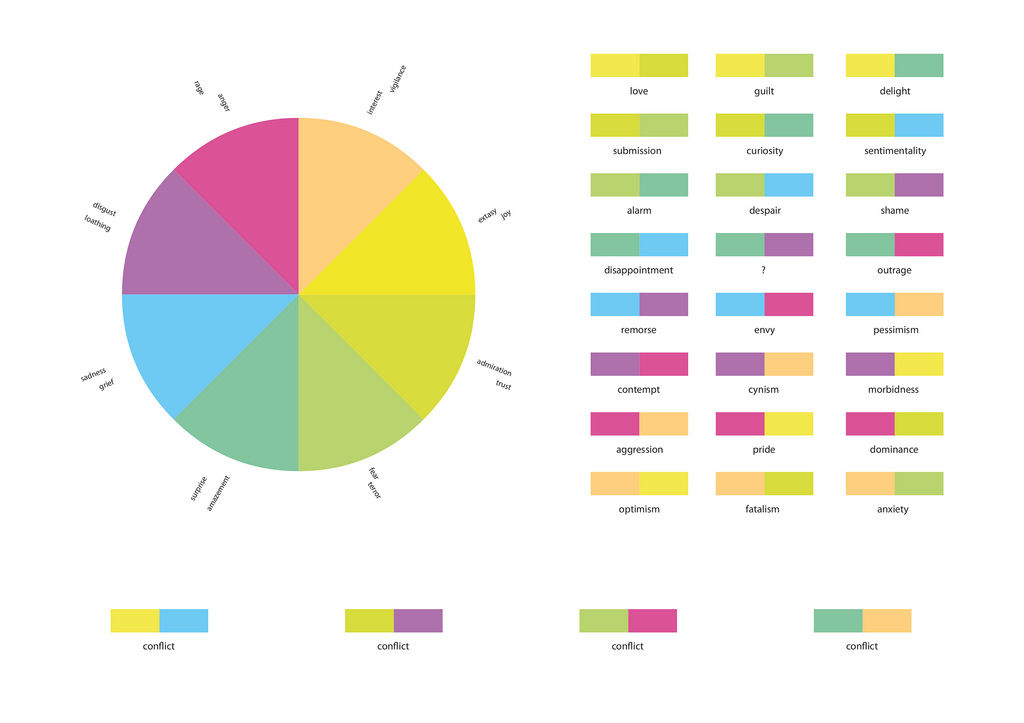
From this initial emotional theory Plutchik then developed a Wheel of Emotion. It was designed to help the user understand the nuances of emotion and how emotions contrast with each other. He developed both 2 and 3 dimensional models for this. The 3D model is the “cone-shaped model of emotion”. They were first described back in 1980.

Author/Copyright holder: xdxd_vs_xdxd. Copyright terms and licence: CC BY-SA 2.0

The wheel can be used by designers to examine the complexities of emotion and to act as a “colour palette” for emotional design – with the idea being that blending different emotions will create different levels of emotional response and intensities of that response.

The wheel is a simple model and there are almost certainly additional emotional inferences that could be drawn from a more complex model – however, it focuses on the basic emotions that most designers are likely to want to elicit in their users and as such provides a useful starting point.

Basic Emotional Pairs on

The basic emotional pairs are as follows:

  • Joy and Sadness

  • Trust and Disgust

  • Fear and Anger

  • Surprise and Anticipation

Emotions on Plutchik’s wheel may be combined as follows:

  • Anticipation + Joy = Optimism (with its opposite being disapproval)

  • Joy + Trust = Love (with its opposite being remorse)

  • Trust + Fear = Submission (with its opposite being contempt)

  • Fear + Surprise = Awe (with its opposite being aggression)

  • Surprise + Sadness = Disapproval (with its opposite being optimism)

  • Sadness + Disgust = Remorse (with its opposite being love)

  • Disgust + Anger = Contempt (with its opposite being submission)

  • Anger + Anticipation = Aggressiveness (with its opposite being awe)

Criticisms of Plutchik’s Model

The biggest criticism of this model is its failure to take into account the pairing of Pride and Shame. These are emotions which designers often play to. For example, gamification efforts may attempt to tap into a user’s pride through leaderboards or badges. Conversely charitable and campaigning organizations may try to tap into shame to encourage action.

It is also often felt that the model is too simplistic and that there are greater emotional nuances not captured within it.

However, it is generally agreed that the Wheel of Emotion is a good starting point when considering what emotions a design may elicit. It does not prevent the UX designer from looking for additional tools to aid in emotional design.

The Take Away

The Wheel of Emotion is a useful tool to get UX designers thinking about how they may elicit certain emotions through their product design. It is not considered to be a complete emotional design toolkit and may be too simplistic for some situations and may neglect other strong emotions completely.

References

Course: “Emotional Design — How to Make Products People Will Love”

You can find several emotional models here on Wikipedia here.

You can find some great ideas for emotional metrics for emotional design at Smashing Magazine here.

UX Review looks at emotional mapping for design here.

Hero Image: Author/Copyright holder: shellgreenier. Copyright terms and licence: CC BY-NC-ND 2.0

Feel Stuck?
Want Better Job Options?

AI is replacing jobs everywhere, yet design jobs are booming with a projected 45% job growth. With design skills, you can create products and services people love. More love means more impact and greater salary potential.

At IxDF, we help you from your first course to your next job, all in one place.

See How Design Skills Turn Into Job Options
Privacy Settings
By using this site, you accept our Cookie Policy and Terms of Use.
Customize
Accept all

Be the One Who Inspires

People remember who shares great ideas.

Share on:

Academic Credibility — On Autopilot

Don't waste time googling citation formats. Just copy, paste and look legit in seconds.