Emotional Design (ED)

Your constantly-updated definition of Emotional Design (ED) and collection of videos and articles.
Be a conversation starter: Share this page and inspire others!

2,268 Shares

What is Emotional Design (ED)?

Emotional design is the concept of how to create designs that evoke emotions which result in positive user experiences. Designers aim to reach users on three cognitive levels—visceral, behavioral and reflective—so users develop positive associations (sometimes including negative emotions) with products, brands, etc.

“Everything has a personality: everything sends an emotional signal. Even where this was not the intention of the designer, the people who view the website infer personalities and experience emotions.”

Don Norman, UX Design Pioneer

In this video, Professor Alan Dix explains why considering emotions is vital when you design experiences.
Transcript

© Interaction Design Foundation, CC BY-SA 4.0

How Emotional Design Anticipates and Accommodates Users’ Needs and Responses

Designers should focus on users’ needs in their interactions with products or services. The functionality of a design should help users achieve their goals as efficiently and effectively as possible. However, a designer must also be keenly aware of their user’s responses—which are naturally emotional. As rational as people may like to think they are, emotions are at the heart of how humans interpret reality. Positive experiences drive curiosity. They help motivate us to grow as individuals. Negative experiences help us prevent repeated mistakes. However, these not-so-positive experiences can sometimes be fun—consider the chilling thrills of horror movies. Likewise, users associate feelings with what they encounter. They also have tempers; some get frustrated faster than others. The fact is that the emotional design of a product or service affects its success—and thus the bottom line. Whether or not they realize it, users have sophisticated thought processes going on most of the time. So, you must address three levels of cognitive responses when you design:

  1. Visceral: Users’ gut reactions to or their first impressions of a design; e.g., an uncluttered user interface suggests ease of use.

  2. Behavioral: Users subconsciously evaluate how a design helps them achieve goals and how easily. They should feel satisfied that they’re in control, with minimum effort required.

  3. Reflective: After they encounter your design, users will consciously judge its performance and benefits, including value for money. If they’re happy, they’ll keep using it, form emotional bonds with it and tell their friends.

How Does Emotional Design Affect User Experience

Emotional design can significantly impact user experience (UX) in several ways, here’s how:  

  1. Create a Connection: Products designed with emotional appeal can create a deeper bond between the user and the product. When users feel an emotional connection, they are more likely to have a positive experience and develop loyalty to the brand or product.

    Apple products, such as the iPhone, are a prime example of how brands can create emotional connections with their users. The sleek design, intuitive interface, and the status symbol associated with Apple products create a deep emotional bond. Many Apple users are not just loyal; they are passionate advocates of the brand.

  2. Usability and Satisfaction: A product that evokes positive emotions is often perceived as easier to use. Emotional design can make users more forgiving of minor usability issues and can increase overall satisfaction with the product.

    Transcript

    Google's search engine exemplifies this. Its simple and clean interface, coupled with fast and relevant results, creates a positive user experience. Even if users encounter occasional irrelevant results, the overall efficiency and user-friendly design keep satisfaction high.

  3. Memorability: Emotional experiences are more likely to be remembered than neutral ones. If a product can evoke a strong positive emotional response, users are more likely to recall and return to it.

    The classic Coca-Cola bottle design has a unique, recognizable shape that evokes nostalgia and makes it memorable. Even in a market flooded with soft drinks, the Coca-Cola bottle stands out and is instantly identifiable, often associated with positive emotions and memories.
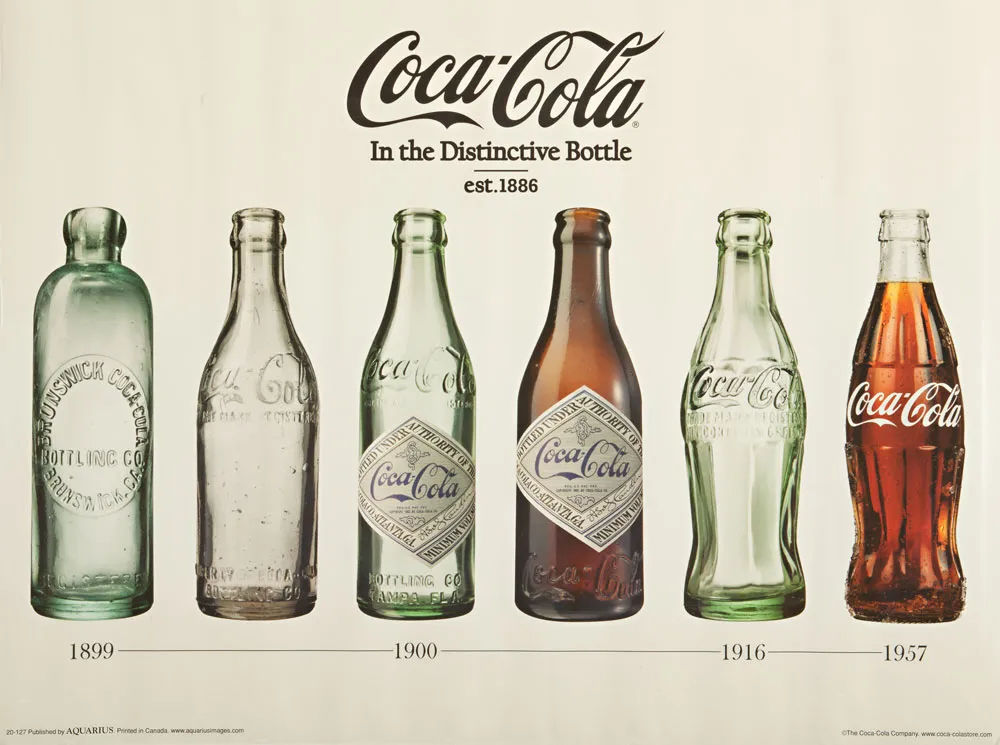
An image showing the evolution of the Coca-Cola Bottle design.

The instantly recognizable Coca-Cola bottle has been around since 1957.

© Coca-Cola Company, Fair Use

  1. Differentiation: In a crowded market, emotional design can help a product stand out. By appealing to users’ emotions, designers can differentiate their products from competitors’ offerings.

    Dyson vacuum cleaners turn a mundane task into a more satisfying experience. With their innovative design, which showcases the technology inside, and the ease of use, they differentiate themselves with emotional design. They’re not just functionally different but also emotionally appealing. 

  2. Motivation and Engagement: Emotional design can motivate users to engage more deeply with a product. For example, a game that evokes excitement and joy can keep players coming back, while a well-designed educational app can make learning more enjoyable and engaging.

    Video games like The Legend of Zelda demonstrate how emotional design in games increases engagement. They are designed to evoke excitement and joy with their engaging storylines, immersive worlds, and rewarding gameplay motivate players to continue exploring and returning to the game. 

  3. User Well-being: Thoughtful emotional design can contribute to the user's well-being. Products that are designed to be calming, reassuring, or joyful can have a positive impact on the user's mental state.

    The Headspace app is designed to promote mental well-being. Its friendly animations, soothing color palette, and easy-to-follow guided meditations create a calming experience. The app's design helps reduce stress and anxiety, which positively impacts users' mental health.

  4. Brand Perception: The emotions evoked by a product can reflect on the brand as a whole. A product that makes users feel valued and happy can improve the overall perception of the brand.

    The branding and product design of TOMS Shoes, which includes a promise to help a person in need for every product purchased, creates a powerful emotional response. This strategy makes consumers feel they are contributing to a good cause, which improves their perception of the brand and fosters a sense of community and goodwill.

How to Apply Emotional Design

To apply emotional design, a designer first needs a good functional design to work with. A deep understanding of users ( gained through UX research) is essential. Here are some ways to apply emotional design:

  1. Inject a signature personality: A face/mascot for users to identify with that suits a brand/organization/industry (e.g., MailChimp’s Monkey, Freddie).

  2. Engage users as a character. Include personal touches in all tasks, to reinforce the illusion of a personable helper who knows users like an old friend.

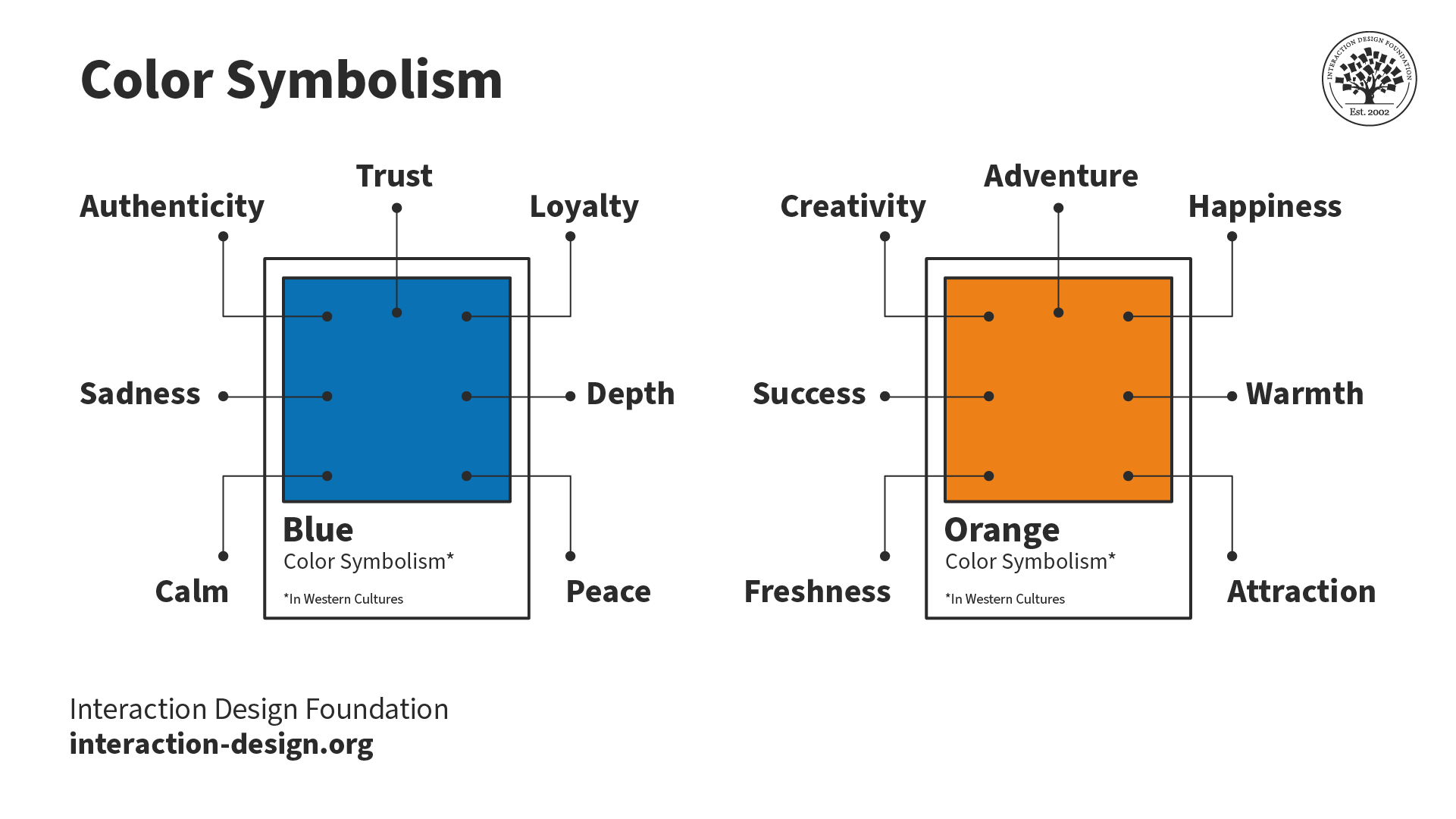
  3. Use color/contrast advantageously (e.g., blue for banking = trustworthiness).
    © Interaction Design Foundation, CC BY-SA 4.0

  4. Craft copy with the right tone to inspire or accommodate emotions. Write appropriate terms/phrases (e.g., Slack’s “You’re here! The day just got better.” greeting). Use fonts and styles that suit the desired image.

  5. Customize microcopy (labels, etc.) users can relate to which matches your other copy’s voice/tone.

  6. Apply video/sound to carry messages “in character” (like in the above).

  7. Personalize the experience for different users. (E.g., show users what else they might like, based on their information.)

  8. Offer prizes and surprises (e.g., let users check how many likes they have and find new log-in background images). Consider including Easter eggs.

  9. Use storytelling.

  10. Maintain attention to detail, especially on error messages. Include polite, light-hearted/humorous messages to alleviate users’ frustration whenever problems arise (e.g., downtime). Consider treats to compensate for inconveniences—e.g., chances to win account upgrades.
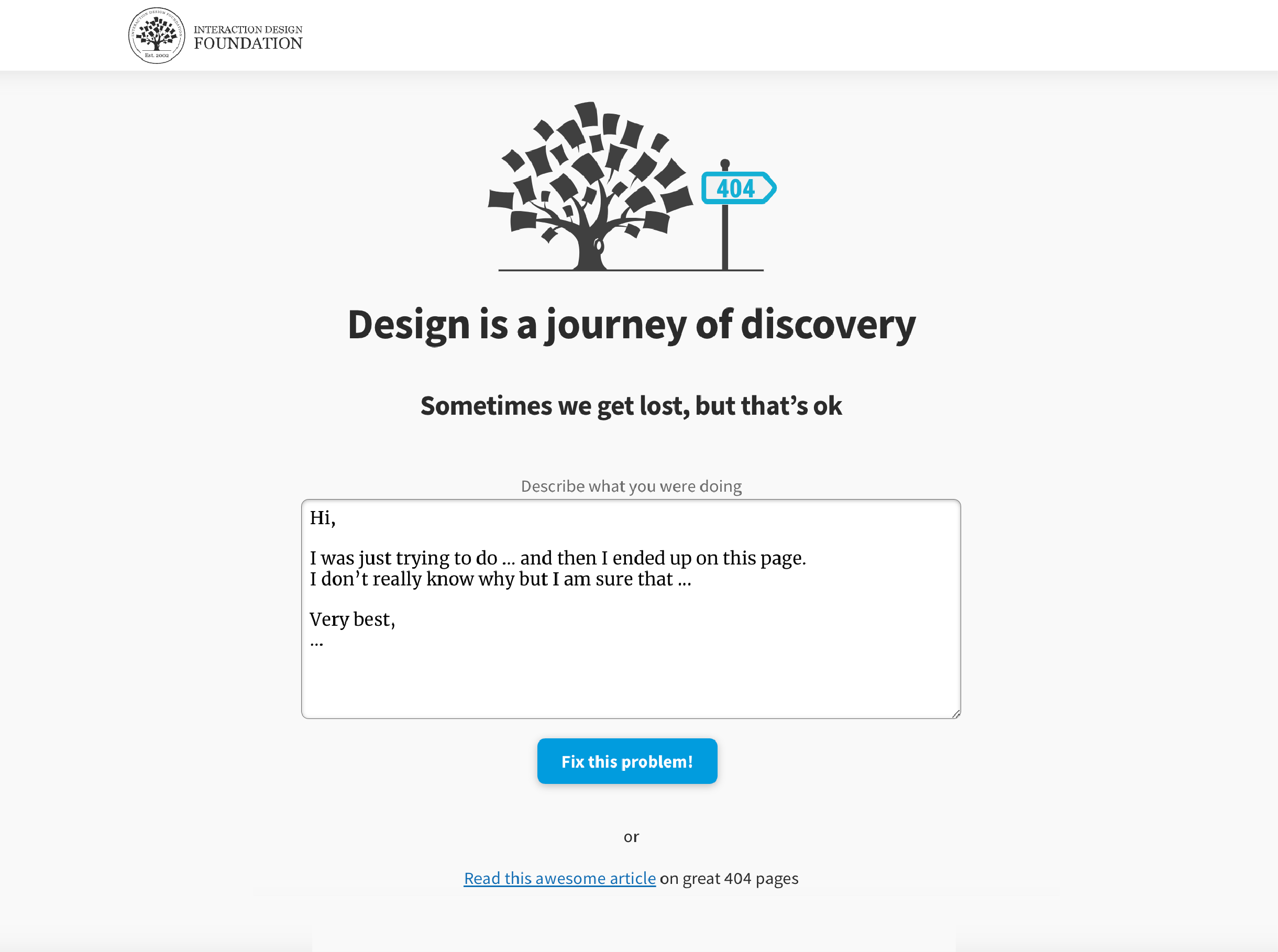
On the Interaction Design Foundation’s 404 error page, we use light-hearted language to try to alleviate frustration—and a small treat in the form of an article on great 404 pages.

Transcript

Above all, to creative positive emotional engagement, you must have a friendly presence in your design—to show users you know them. Reinforce this with happy customer testimonials and pictures of your office/team. Your design should look different from competitors’. It should also feel different, as a reliable, pleasurable part of users’ lives. Attractive designs that accommodate users’needs and feelings give the impression they work better, too. Whatever the emotions your design conjures in users, these feelings will affect the bottom line. Even a minor oversight can trigger the wrong impression overall.

Transcript

Questions About Emotional Design (ED)?
We've Got Answers!

What is emotional design in UX?

Emotional design in UX involves crafting design elements to evoke specific user emotions. It goes beyond mere functionality, aiming to create a memorable user experience. This video discusses the incorporation of emotional design in UX. It emphasizes four threads of user experience:

The sensual thread (immediate sensory experience)

Deeper emotional level (relationship and feelings)

Compositional level (integration with past experiences)

Spatio-temporal thread (influence of time and place)

Transcript

Emotional design fosters a deeper connection between users and the product. It does so by integrating aesthetics, usability, and storytelling. The goal is to create designs that resonate with the users. It leaves a lasting and positive impact on users’ perceptions and interactions.

What are the three levels of emotional design?

Norman’s emotional design theory has three levels: visceral, behavioral, and reflective. The visceral level is about immediate reactions to how something looks and feels. The behavioral level focuses on usability and how well a product does its job. Finally, the reflective level involves thinking about and interpreting the design, affecting emotions. These levels combine aesthetics, functionality, and meaning to shape user experiences. 

This article on Norman’s three levels of design explores how these levels contribute to the user experience. It addresses immediate sensory responses and more profound emotional and cognitive aspects throughout the design process.

What are the principles of emotional design?

By incorporating emotional design principles, designers can create products that function well and resonate emotionally, providing users with a better experience.

  • Aesthetics: Focus on how the design looks and feels. It aims to create an immediate positive reaction.

  • Usability: Ensure the design is practical and easy to use, enhancing the user’s experience in performing tasks.

  • Storytelling: Convey a narrative through the design, allowing users to engage and connect with the product.

  • Meaningful Interaction: Design for meaningful user interactions, fostering a positive and memorable experience.

  • Reflection: Encourage users to contemplate and interpret the design, building a deeper emotional connection.

This chapter, “User Experience and Experience Design,” delves into the significance of emotional design principles in crafting a positive and impactful digital experience.

What is the value of emotional design?

Emotional design enhances user experiences by creating a meaningful and memorable connection. It goes beyond functionality, influencing how users feel about and interact with a design. Users are likelier to remember and engage with products that evoke positive emotions. It results in a lasting impact on brand perception and success. In essence, the value of emotional design lies in its ability to forge deeper, more meaningful connections with users.

This article on how to put emotions in your design emphasizes the importance of tapping into users’ emotions to enhance the overall user experience. 

Is good design emotional design?

Good design often incorporates elements of emotional design. However, these two concepts are not synonymous. A good design is a functional, user-friendly, aesthetically pleasing solution and meets its intended purpose. Conversely, an emotional design goes beyond mere functionality and aesthetics to consider the emotional impact on users. It aims to bring positive emotions, create a memorable experience, and establish a meaningful connection. 

A design that blends design principles with emotional elements is functional and creates a lasting positive impression, boosting user satisfaction and loyalty. Watch this video on design principles for insights into crafting a robust and user-friendly experience.

Transcript

What are the four emotional types?

The concept of emotional types in design is not standardized. However, a common framework includes four emotional dimensions:

  1. Happy: Designs that evoke joy, satisfaction, and positivity.

  2. Sad: Engaging designs that may elicit feelings of empathy or reflection.

  3. Angry: Designs that provoke a sense of urgency, passion, or intensity.

  4. Scared: Elements that instill a sense of caution, excitement, or anticipation.

These emotional dimensions explain how different design elements can impact users. It allows designers to tailor their creations to evoke specific emotional responses.

Read Plutchik’s Psycho-evolutionary Theory of Emotion to learn more about the different types of emotions.

What is the golden rule of design in HCI?

The golden rule of design in Human-Computer Interaction (HCI) focuses on creating user-friendly interfaces. The video below introduces HCI and outlines two sides of HCI:

  • An academic discipline studying how people interact with technology, particularly computers

  • An applied design discipline focused on creating interventions that impact people.

Transcript

HCI requires a balance between technical knowledge, analytical skills, and a people-centric attitude. This balance helps in creating meaningful solutions for users.

What is a sponge personality?

A “sponge personality” is an individual who is highly receptive to emotions and experiences. Like a sponge absorbs liquid, a sponge personality tends to absorb emotions from their surroundings. 

This concept underscores the idea that design elements, like colors, shapes, and user interactions, can impact individuals with varying personalities. Understanding the sponge personality helps designers create emotionally resonant experiences. These designs can cater to users with heightened sensitivity to the emotional aspects of design.

What personality is an empath?

An empath is an individual who has a heightened ability to understand and share the feelings of others. Empathy is a personality trait of emotional intelligence. It is an absolute ideal in design and is one of the traits that differentiates good design from bad design. 

Transcript

Some key characteristics of an empathic personality include:

  • High affinity towards the emotions of others and may feel those emotions as if they were their own.

  • They feel compassion and want to help and support others.

  • They have strong intuition and can sense and understand others’ needs and emotions.

  • Empaths listen well and support others to express their feelings.

Where to learn more about emotional design?

Emotional design is a strategic approach. It goes beyond functionality. The goal is to create a profound connection between users and a product or interface. Designers use aesthetics, usability, and storytelling to create specific emotions. This enhances user satisfaction and engagement. 

To learn more about emotional design, dive into our course and learn how to create emotionally resonant product designs. The course will also help you understand the factors influencing human reactions to a design with real-life examples.

Earn a Gift Earn a Gift, Answer a Short Quiz!

1
2
3
4
1
2
3
4
Question 1
Question 2
Question 3
Get Your Gift
Interaction Design Foundation logo

Question 1

What is a visceral response in emotional design?

1 point towards your gift

  • A user’s immediate emotional reaction to the visual or physical appearance of a product
  • A user’s evaluation of a product after extended use
  • A conscious judgment about the product’s value for money
Interaction Design Foundation logo

Question 2

What does the behavioral level of emotional design involve?

1 point towards your gift

  • Users’ first impressions of the design’s aesthetics
  • Users' evaluation of how well the product helps them achieve their goals
  • Users' reflections on the product's long-term value and benefits
Interaction Design Foundation logo

Question 3

How can emotional design increase brand loyalty?

1 point towards your gift

  • By prioritizing aesthetics over usability
  • By eliminating all emotional elements from the product
  • By evoking positive emotions that create deeper connections with users

Learn More About Emotional Design (ED)

Make learning as easy as watching Netflix: Learn more about Emotional Design (ED) by taking the online IxDF Course Emotional Design — How to Make Products People Will Love.

Why? Because design skills make you valuable. In any job. Any industry.

In This Course, You'll

  • Get excited as you discover the secret to creating unforgettable products people love! Studies show that 95% of our purchasing decisions are emotional. Emotional design turns functionality into connection and products people want more of. Your favorite pen probably isn't the smoothest or fanciest, yet you chose it every time. Why? Because it's not just a pen. There's a connection, a feeling, and a story. That's what separates iconic products from mediocre ones. Emotional design uses timeless human-centered skills to create meaning, attachment, and trust, turning one-time users into lifelong advocates. These skills are paramount to turn AI from a tool into your new superpower, no matter how much the tech advances. You don't have to start from scratch. You'll build on your existing human skills like empathy, intuition, and storytelling.

  • Make yourself invaluable with design skills that tap directly into emotional decision-making. People naturally recommend and repeatedly use products that make them feel good. With your new emotional design skills, you'll effortlessly inspire action, build loyalty, and increase engagement, conversions, and retention. Whether you're a designer, marketer, or leader, this course gives you a timeless skill set to amplify your impact in any role.

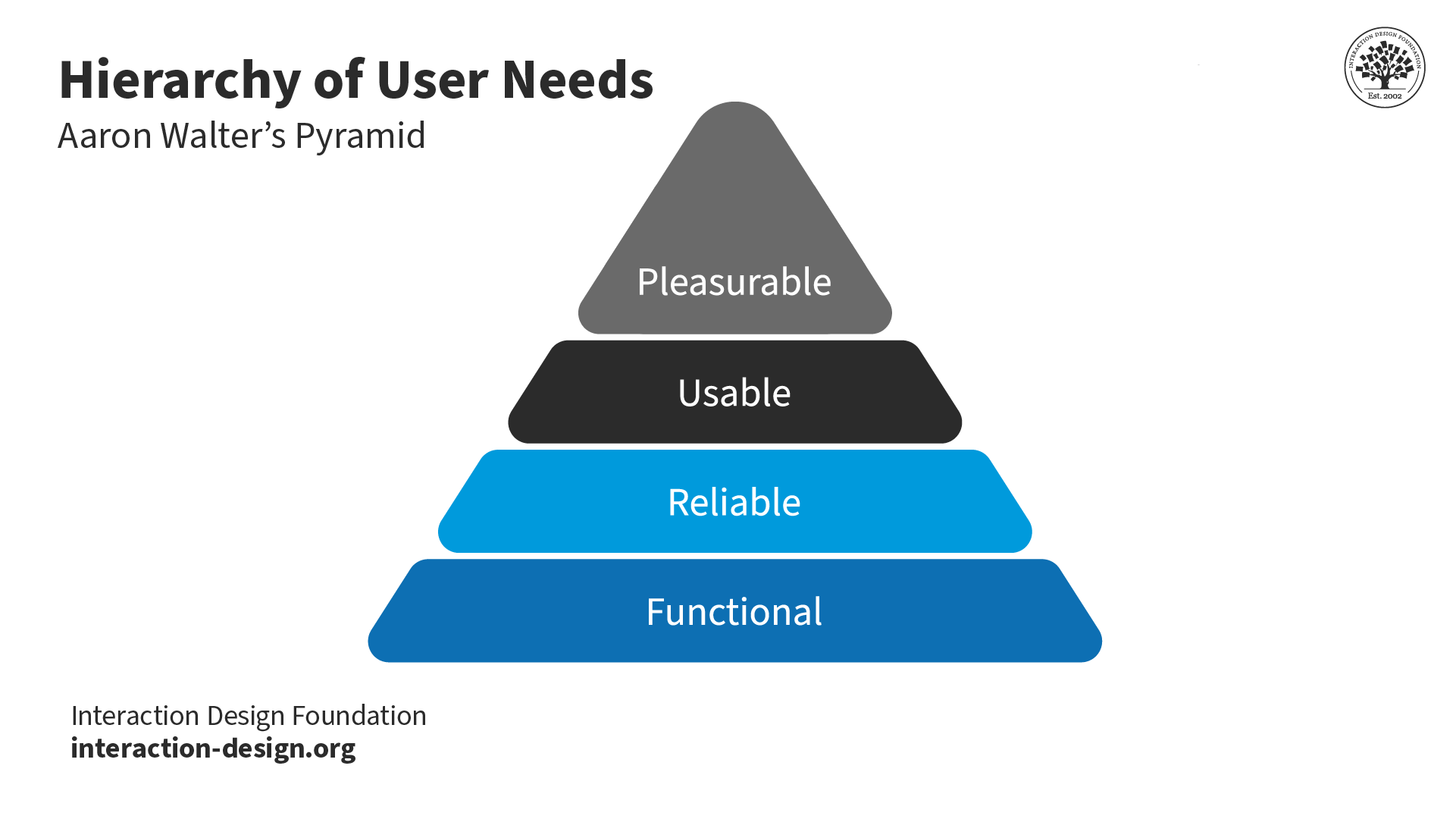
  • Gain confidence and credibility as you master the hidden emotional triggers that make people fall in love with products. It's easier than you think, even if you're completely new to design. Use downloadable templates like the Hierarchy of User Experience (UX) Needs and the 5 Principles of Humanity-Centered Design to fast-track your learning. Directly apply Don Norman's three levels of emotional design—visceral, behavioral, and reflective—to create irresistible products. Leverage tools like Maslow's Hierarchy of Needs and the Triune Brain model to design experiences that win hearts and minds every time. 

It's Easy to Fast-Track Your Career with the World's Best Experts

Master complex skills effortlessly with proven best practices and toolkits directly from the world's top design experts. Meet your expert for this course:

  • Alan Dix: Author of the bestselling book “Human-Computer Interaction” and Director of the Computational Foundry at Swansea University.

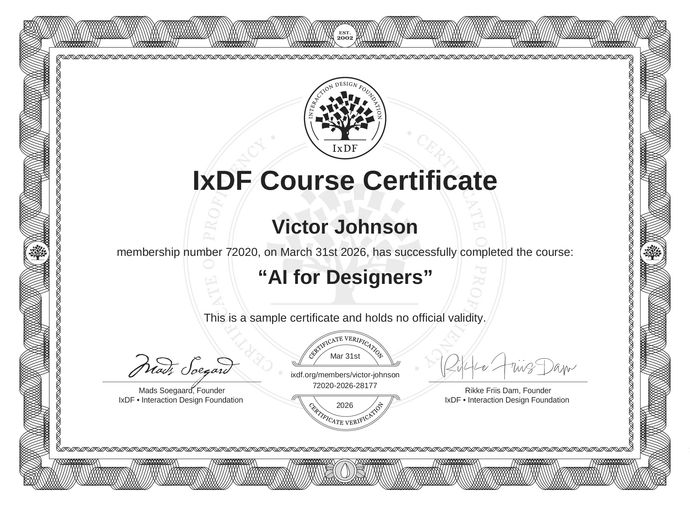
Get an Industry-Recognized IxDF Course Certificate

Increase your credibility, salary potential and job opportunities by showing credible evidence of your skills.

IxDF Course Certificates set the industry gold standard. Add them to your LinkedIn profile, resumé, and job applications.

Course Certificate Example

Be in distinguished company, alongside industry leaders who train their teams with the IxDF and trust IxDF Course Certificates.

Our clients: IBM, HP, Adobe, GE, Accenture, Allianz, Phillips, Deezer, Capgemin, Mcafee, SAP, Telenor, Cigna, British Parliament, State of New York

All Free IxDF Articles on Emotional Design (ED)

Read full article
Three Common Models of the Brain to Help You Develop Better User Experiences - Article hero image
Interaction Design Foundation logo

Three Common Models of the Brain to Help You Develop Better User Experiences

There are many different conceptual models of the brain. It’s important to note that many of them lack any scientific basis – this does not, however, negate the fundamental importance of these models. They are not there to “prove” anything but rather to stimulate creative thought as to how designers

Social shares
753
Published
Read Article
Read full article
Aesthetics and form need to hold hands - Article hero image
Interaction Design Foundation logo

Aesthetics and form need to hold hands

This article examines two closely related ideas that are both about looks. Our design world revolves around nice images/form, but did you wonder why we’re allured to beauty? Let’s quickly ponder another question: why is a pretty post office different from a gorgeous art gallery?We’ll look at these t

Social shares
682
Published
Read Article
Read full article
Putting Some Emotion into Your Design – Plutchik’s Wheel of Emotions - Article hero image
Interaction Design Foundation logo

Putting Some Emotion into Your Design – Plutchik’s Wheel of Emotions

Emotional design is a big buzz word within the UX community. Designs which tap into the user’s emotions are considered to do more than just respond to their stated needs and provide a greater level of user experience. One way of understanding emotions is Plutchik’s Wheel of Emotions – this may help

Social shares
1.1k
Published
Read Article
Read full article
How to Prevent Negative Emotions in the User Experience of Your Product - Article hero image
Interaction Design Foundation logo

How to Prevent Negative Emotions in the User Experience of Your Product

Learn to prevent negative emotions in the user experience of your product. As a User Experience (UX) designer, you want users to enjoy using your product by eliminating negative experiences and inducing positive emotion in your users. This article will teach you how to prevent anger and frustration

Social shares
894
Published
Read Article
Read full article
The Use of Story and Emotions in Gamification - Article hero image
Interaction Design Foundation logo

The Use of Story and Emotions in Gamification

Gamification projects can benefit from storytelling features; these features can help arouse emotional connections with players. They can enhance the player experience and improve the longevity and fun factor of the gamified features. Let’s take a closer look at how that might work, even if you don’

Social shares
683
Published
Read Article
Read full article
Positive Emotional Responses - Article hero image
Interaction Design Foundation logo

Positive Emotional Responses

Positive emotional experiences are specific to the individual. However, we share many characteristics, which, to a certain extent, make things a little easier for designers. If we had to alter a design according to every single person who uses it, the budget would be extinguished within a matter of

Social shares
593
Published
Read Article

Putting Some Emotion into Your Design – Plutchik’s Wheel of Emotions

Putting Some Emotion into Your Design – Plutchik’s Wheel of Emotions

Emotional design is a big buzz word within the UX community. Designs which tap into the user’s emotions are considered to do more than just respond to their stated needs and provide a greater level of user experience. One way of understanding emotions is Plutchik’s Wheel of Emotions – this may help you deliver better experiences to your users when designing products.

Products that people love are products that people use over and over again. Products that they like, on the other hand, quickly slip from the user’s mind and are replaced in time with products that are liked better or even loved. The corner stone of emotional design is the idea that if you can elicit strong emotions in your users – you can use those emotions to either create loyalty or to drive a customer to take action.

Robert Plutchik, was a thought leader in the study of emotions. Before he passed away in 2006 he was responsible for 8 books (and editing another 7), nearly 300 articles, and 45 chapters in emotional research as a psychologist. He held a doctorate degree as well as positions at the professorial level at two respected universities.

Plutchik’s Psycho-evolutionary Theory of Emotion

Robert Plutchik devised the psycho-evolutionary theory of emotion and this helps categorize emotions into primary emotions and the responses to them. He argued that the primary emotions are an evolutionary development and that the response to each such emotion is the one that is likely to deliver the highest level of survival possibility.


Author/Copyright holder: Machine Elf 1735. Copyright terms and licence: Public Domain.

He posited 10 points with regard to emotion:

  • Emotions are found at all evolutionary levels of species. They are equally applicable to all animals as they are to human beings.

  • Emotions evolved differently in different species and may be expressed differently between those species.

  • The purpose of emotions is an evolutionary survival response enabling the organism to survive when confronted by environmental challenges.

  • While emotions can be displayed and evoked through different mechanisms in different organisms there are common elements to emotions that can be identified across all emotional animals.

  • There are 8 basic, primary emotions.

  • Other emotions are simply a combination of these 8 basic emotions or are derived from one (or more) of these basic emotions.

  • Primary emotions are “idealized” and their properties must be inferred from evidence but cannot be accurately stated in full.

  • Each primary emotion is paired with another and is a polar opposite of that pair.

  • Emotions can and do vary in degrees of similarity to each other.

  • Emotions exist in varying degrees of intensity.

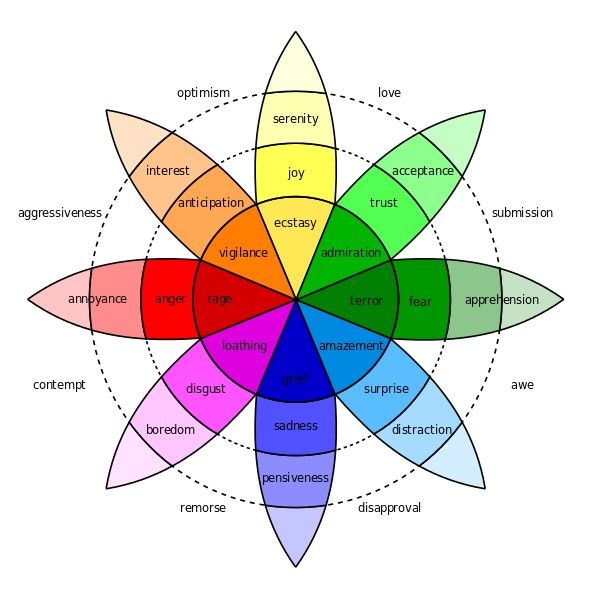
The 8 basic emotions that Plutchik devised were:

  • Anger

  • Disgust

  • Fear

  • Sadness

  • Anticipation

  • Joy

  • Surprise

  • Trust

The Wheel of Emotion

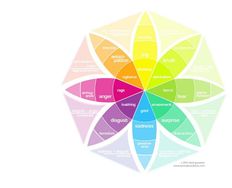
From this initial emotional theory Plutchik then developed a Wheel of Emotion. It was designed to help the user understand the nuances of emotion and how emotions contrast with each other. He developed both 2 and 3 dimensional models for this. The 3D model is the “cone-shaped model of emotion”. They were first described back in 1980.

Author/Copyright holder: xdxd_vs_xdxd. Copyright terms and licence: CC BY-SA 2.0

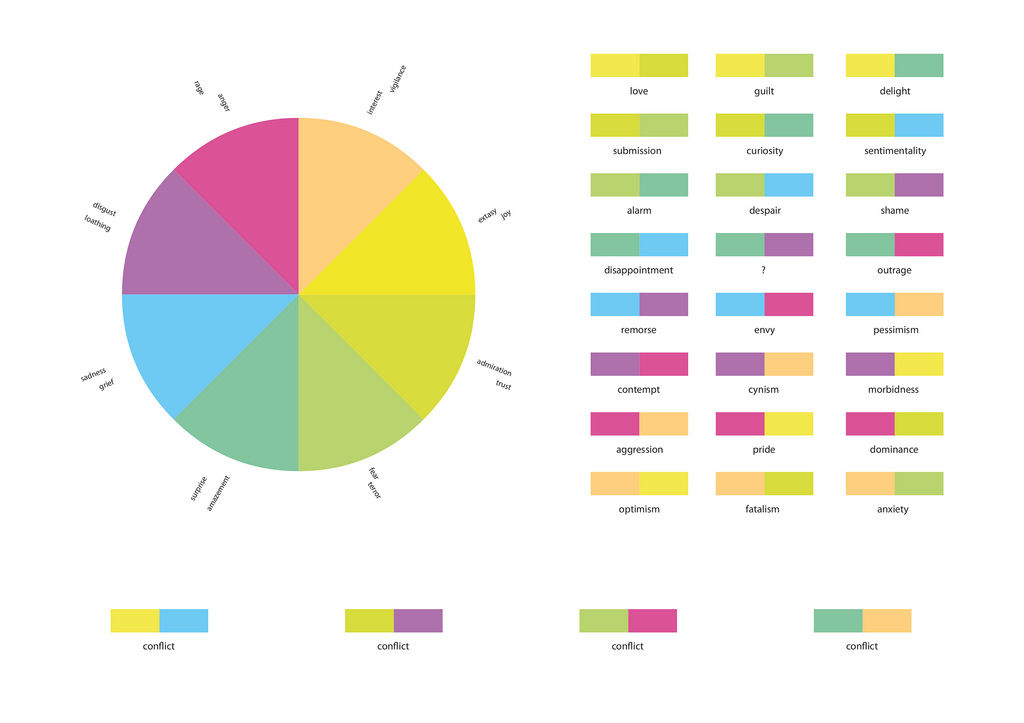
The wheel can be used by designers to examine the complexities of emotion and to act as a “colour palette” for emotional design – with the idea being that blending different emotions will create different levels of emotional response and intensities of that response.

The wheel is a simple model and there are almost certainly additional emotional inferences that could be drawn from a more complex model – however, it focuses on the basic emotions that most designers are likely to want to elicit in their users and as such provides a useful starting point.

Basic Emotional Pairs on

The basic emotional pairs are as follows:

  • Joy and Sadness

  • Trust and Disgust

  • Fear and Anger

  • Surprise and Anticipation

Emotions on Plutchik’s wheel may be combined as follows:

  • Anticipation + Joy = Optimism (with its opposite being disapproval)

  • Joy + Trust = Love (with its opposite being remorse)

  • Trust + Fear = Submission (with its opposite being contempt)

  • Fear + Surprise = Awe (with its opposite being aggression)

  • Surprise + Sadness = Disapproval (with its opposite being optimism)

  • Sadness + Disgust = Remorse (with its opposite being love)

  • Disgust + Anger = Contempt (with its opposite being submission)

  • Anger + Anticipation = Aggressiveness (with its opposite being awe)

Criticisms of Plutchik’s Model

The biggest criticism of this model is its failure to take into account the pairing of Pride and Shame. These are emotions which designers often play to. For example, gamification efforts may attempt to tap into a user’s pride through leaderboards or badges. Conversely charitable and campaigning organizations may try to tap into shame to encourage action.

It is also often felt that the model is too simplistic and that there are greater emotional nuances not captured within it.

However, it is generally agreed that the Wheel of Emotion is a good starting point when considering what emotions a design may elicit. It does not prevent the UX designer from looking for additional tools to aid in emotional design.

The Take Away

The Wheel of Emotion is a useful tool to get UX designers thinking about how they may elicit certain emotions through their product design. It is not considered to be a complete emotional design toolkit and may be too simplistic for some situations and may neglect other strong emotions completely.

References

Course: “Emotional Design — How to Make Products People Will Love”

You can find several emotional models here on Wikipedia here.

You can find some great ideas for emotional metrics for emotional design at Smashing Magazine here.

UX Review looks at emotional mapping for design here.

Hero Image: Author/Copyright holder: shellgreenier. Copyright terms and licence: CC BY-NC-ND 2.0

Feel Stuck?
Want Better Job Options?

AI is replacing jobs everywhere, yet design jobs are booming with a projected 45% job growth. With design skills, you can create products and services people love. More love means more impact and greater salary potential.

At IxDF, we help you from your first course to your next job, all in one place.

See How Design Skills Turn Into Job Options
Privacy Settings
By using this site, you accept our Cookie Policy and Terms of Use.
Customize
Accept all

Be the One Who Inspires

People remember who shares great ideas.

Share on:

Academic Credibility — On Autopilot

Don't waste time googling citation formats. Just copy, paste and look legit in seconds.