Creative blocks are periods where reduced creative thinking and productivity occur. Such blocks can happen at any stage of a project. In these, designers face difficulties as they try to generate fresh ideas or execute existing ideas creatively. Still, they can take a variety of approaches to overcome blocks.
Author and Human-Computer Interaction Expert, Professor Alan Dix explains how to deal with creative blocks.
Why Do Creative Blocks Happen?
User experience (UX) designers are no strangers to the phenomenon of creative blocks. These are frustrating periods of decreased inspiration—and the inability to generate new ideas. As parts of real life, they can get in the way of the design process and impact a designer's overall productivity. Even so, creative blocks aren’t uncommon in creative fields. Designers do have a wealth of effective strategies to overcome them and get back to creating designs that are inspired, user friendly—and much more.
Any creativity block can sap someone's time and energy. That’s particularly relevant in design work since it revolves around creativity and iterative design processes. Nevertheless, when a designer understands the root causes of creative blocks, they can develop effective strategies to get past them and reach design solutions that are truly innovative. The specific triggers may vary from person to person—but there are some common factors and causes. A few of these are:
1. Mental Health
Anxiety, for example, can significantly impact a person's creative abilities. Feelings of restlessness, lack of confidence and a racing mind are real obstacles. They can distract a designer from focusing on their work and keep the creative flow from flowing.
2. Depleted Energy Levels
Physical and mental exhaustion can leave anyone feeling drained and lethargic—in that sort of condition, someone will find it hard to tap into their creative potential. It’s bad enough when fatigue strikes—but designers should consider how they live in general, too. For example, poor sleep habits, unhealthy lifestyle choices, plus long periods of intense work can drain the energy reserves inside a person. They can, therefore, impact how able a designer is to think creatively.
3. Stress
Stress—be it related to work, personal life or other factors—is unhealthy. It can also create mental barriers that keep someone's creative thinking back. When a designer's brain is preoccupied with worries, it’s hard to access the state of mind and point of view they need for creative problem-solving.
4. Lack of Knowledge
Creativity thrives on knowledge and the exposure to new ideas, and designers may sometimes find themselves lacking in-depth knowledge about a particular domain or field. Without the needed mental models or frame of reference, they can limit their ability to generate innovative solutions and creative ideas.
5. Fear of Failure
The fear of making mistakes—or producing subpar work—can paralyze a designer's creative thinking process and really dominate their working hours. When they're overly focused on avoiding failure, it becomes challenging to take risks and explore new ideas.
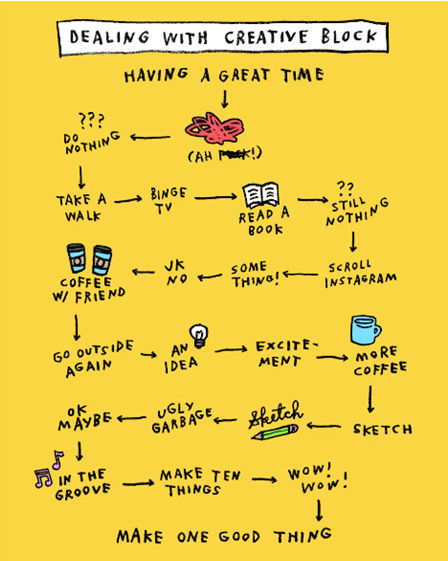
This is one way to handle a creative block.
© Adam J. Kurtz, Fair Use
The Impact of Creative Blocks on UX Designers
A UX designer's ability to come up with innovative solutions and create user-centered designs is something that's vital. When faced with a creative block, they may experience any of these:
Lowered productivity and efficiency in terms of completing design projects.
Decreased levels of motivation and job satisfaction.
More stress and frustration.
Self-doubt and questioning of their abilities as a designer.
Hindered collaboration and communication with other design team members.
Types of Creative Blocks
Creative blocks can come through in a variety of forms. Each has its own unique challenges. Some common types of creative blocks a designer might encounter include these:
1. Idea Scarcity
This is a lack of fresh ideas and a difficulty when it comes to generating new concepts. A designer may feel stuck in a cycle of repetitive or totally unoriginal ideas. That will make it challenging to break free and explore innovative solutions.
2. Perfectionism
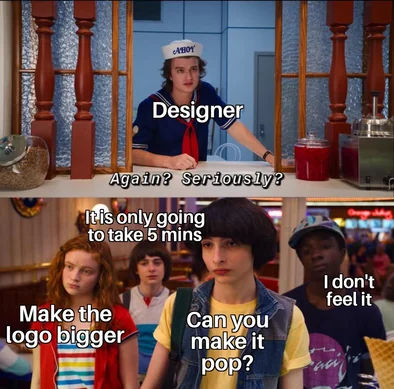
Perfectionism is a double-edged sword. While it's commendable to strive for excellence, excessive perfectionism can bring on creative paralysis. In fact, the fear of producing imperfect work or not getting all the design elements flawless can keep a designer back from experimenting—and limit how able they are to come up with new ideas. What's more, it can cost someone a great deal of time and energy.

Perfectionism is a major cause of creative blocks.
© Aakash Jethwani / Octet Design Studio, Fair Use
3. Overthinking
Overthinking is something that often goes hand in hand with perfectionism. And if you get caught up in excessive analysis and self-criticism, you’ll find it harder to trust your instincts and let ideas flow naturally. Overthinking can be a vicious circle, too. For instance, it can lead to self-doubt and a lack of confidence in one's creative abilities.
4. Lack of Inspiration
Sometimes, a designer may struggle to find inspiration, and they may end up feeling disconnected from the creative process. Things may seem flat and plodding and uninspired. Something that can contribute to this block is a lack of exposure to diverse sources of inspiration or a stagnant environment.
5. Mental Fatigue
A result of long hours of intense work or prolonged periods of stress can be mental fatigue. That, in itself, can lead to a decrease in creative thinking. When someone's mentally exhausted, it then becomes challenging to tap into their creative potential and come up with designs that are innovative.
These are just a few examples of the creative blocks that any designer may run into. Recognizing the specific type of block they're experiencing can help tailor their strategies for overcoming it. Still, one thing that also helps is to understand the various stages of creativity. When a designer does, they can appreciate the process—and feel better about how ideas tend to come.
Here, Author and Human-Computer Interaction Expert, Professor Alan Dix explains these stages of creativity:
Best Practices for Handling Creative Blocks
To overcome creative blocks and really get past them, it's vital to take a proactive approach and adopt effective strategies. Here are some best practices:
1. Embrace the “Quantity Leads to Quality” Approach
Designers shouldn't wait for the perfect idea to come before starting their design process. Instead, it's best to focus on coming up with a huge quantity of ideas. This approach lets them explore a wide range of possibilities—plus, it boosts the chances they'll stumble upon truly innovative ideas. So, it's good to set aside dedicated time for brainstorming sessions and write down every idea—and do it no matter how wild or unconventional it may seem. Later, designers can review and refine their ideas to get to the most promising ones.
2. Cultivate Self-Awareness and Mindfulness
Something that can help as well is to develop self-awareness and practice mindfulness; it can be an aid for designers to recognize the early signs of a creative block—and address them proactively. It's vital that designers pay attention to their thoughts, emotions and energy levels. They should take breaks—regularly—to recharge and engage in activities that promote relaxation and mental clarity. These could be meditation or deep breathing exercises. When they're present in the moment and they can cultivate self-awareness, they can navigate through creative blocks more effectively.
3. Seek Inspiration from Diverse Sources
Designers should expose themselves to a wide range of stimuli and look for sources of inspiration in various fields—outside of design. It's good to explore art, literature, nature, music and other areas that spark the curiosity. From engaging with diverse sources of inspiration, they can broaden your perspective. And when a designer is enriched that way, it can trigger new connections and associations in their creative thinking process.
4. Break Routine and Embrace Novel Experiences
It's good to go a bit further than the above and escape the monotony of daily routines by seeking out new experiences. Designers should, therefore, break free from their comfort zones and get into activities that both challenge their assumptions and broaden their horizons. They should try traveling to new places, attending conferences or workshops, or exploring hobbies that having nothing to do with design. For instance, a visual designer might take a break from the “pictures” aspect of web design—and try playing an instrument or taking a day out at a historical site. Novel experiences stimulate the brain and permit someone to approach their work with fresh perspectives.
5. Experiment with Different Techniques and Tools
It's vital to explore new design techniques, tools and processes as a way to reignite the creativity. Experiment with different prototyping methods, sketching styles or user research techniques. For example, for a designer who's used to a user-centered design (UCD) process, they could try action research to get a new perspective. Or they could go in for a focus group to help with their user research if they haven’t used one before. When designers embrace unfamiliar tools and approaches, doing that can spark new ideas and help them break free and away from creative ruts.
6. Collaborate and Seek Feedback
It's worth reaching out to fellow designers, colleagues or mentors for collaboration and feedback. Designers should discuss their ideas with others. These other people can provide fresh insights and help designers get past their mental blocks. Collaborative brainstorming sessions, design reviews and constructive critiques can stimulate their creativity and push them to new heights. That, in turn, can give a target audience extra benefits which the designer might notice later when it comes to user testing.
7. Create a Supportive and Inspiring Workspace
It's helpful to design the workspace so that it promotes creativity and inspiration. So, designers should try to surround themselves with colors, textures and objects that stimulate their senses and bring out positive emotions. They should organize their tools and materials in an accessible and visually pleasing way. Plus, they could introduce elements of nature—such as plants or natural light—to create a calming, interesting and energizing environment.
Here, Professor Alan Dix explains what goes into an environment that nurtures creativity.
8. Establish New Habits
Sometimes, designers can access hidden reserves of creativity when they get used to new things. So, it's good to adopt a new kind of regular activity or way of doing things. It can help get one into the mood—or mode—that they need to overcome those unwelcome creative blocks. Designers might try taking a seat in another part of their home office, for example. Or maybe even a change in their clothing—like a “thinking cap”—will be that key that helps them get more creative. As Professor Alan Dix shows here:
9. Practice Divergent Thinking
Divergent thinking is the ability to come up with multiple solutions for—and ideas about—a given problem. Designers should train their minds to think divergently—from engaging in activities that promote free thinking and idea generation. Professor Alan Dix explains four ideation methods to help designers think more divergently.
10. Embrace Failure as a Learning Opportunity
Designers should try to shift their mindset towards failure and view it as a valuable learning experience. So, “fail forward.” It's good to understand that every idea or design iteration that falls short of expectations brings one closer to finding the right solution. They should learn to see constructive criticism and feedback as opportunities for growth and improvement—learning from these mistakes and applying those lessons to future projects.
11. Keep a Design Journal
A design journal is a handy tool to capture and organize thoughts, ideas, sketches and bits of inspiration. Designers should use a journal to revisit previous concepts and explore new connections. Whenever they reflect on their journal entries, they can find valuable insights. What's more, it can serve as a source of inspiration to help them push their way through creative blocks.
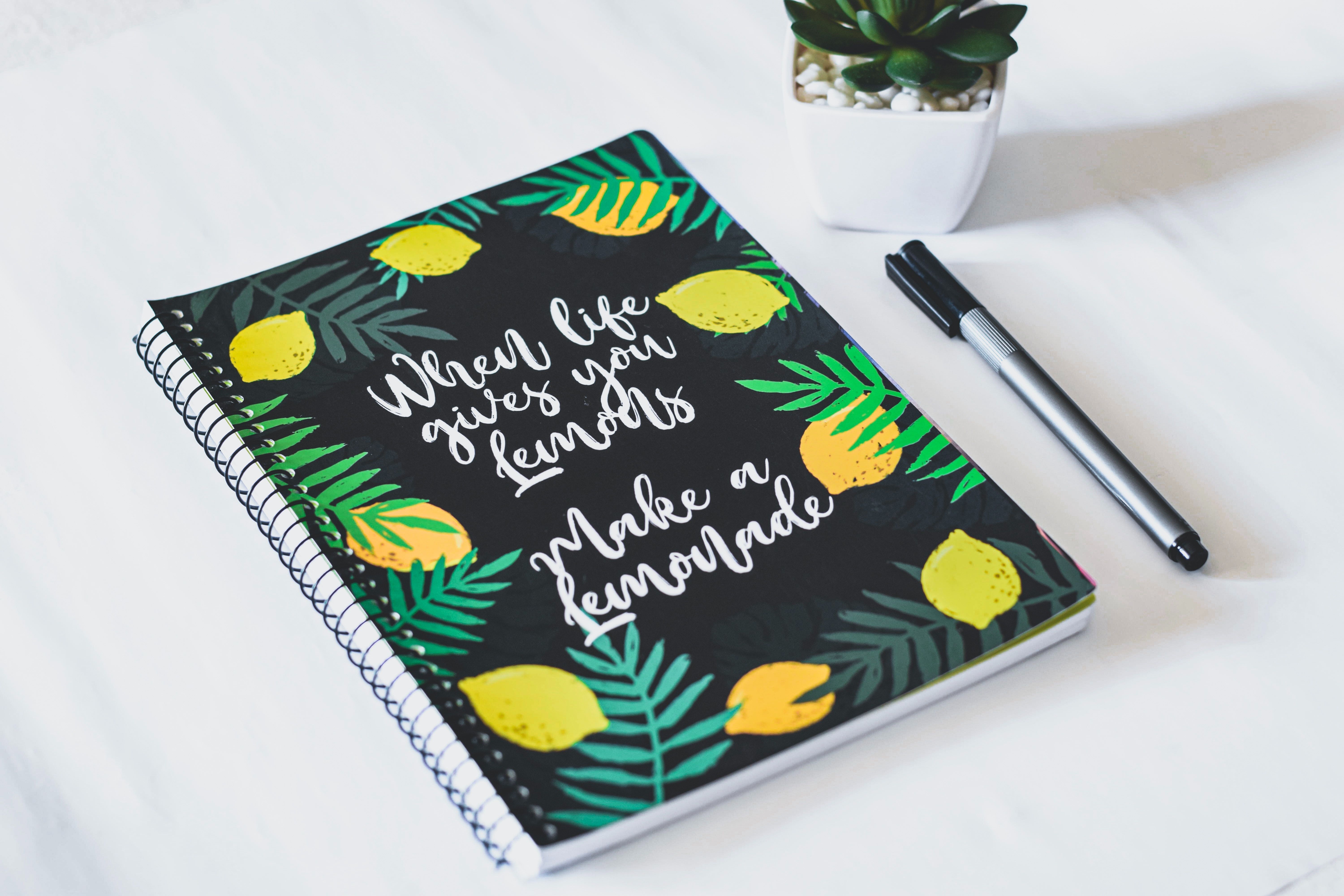
A good old-fashioned approach such as a journal to record ideas and sketches can help organize your creativity.
© Jonathan Robles, Fair Use
12. Set Realistic Goals and Deadlines
Designers should break their design projects down into smaller, manageable tasks—and then set realistic goals and deadlines. This approach helps keep them from feeling overwhelmed. Plus, it lets them focus on one step at a time. They should celebrate small victories along the way—as each accomplishment serves to boost motivation and confidence.
13. Go for Continuous Learning and Professional Development
It's wise to invest in professional development by staying updated on the latest design trends, industry best practices and emerging technologies. So, designers should learn continuously through online courses, workshops, conferences or joining design communities. When designers expand their knowledge and skill sets, they’ll have the tools to get past and get over creative challenges—and push their creative boundaries.
14. Practice Mind Mapping
Mind mapping is a visual technique—one that helps designers organize thoughts and ideas in a non-linear way. They start with a central concept or problem statement. Then they branch out with related ideas or potential solutions. Mind mapping is helpful as it encourages free association. It can also unveil hidden connections and creative solutions that someone mightn't spot in a linear thought process.
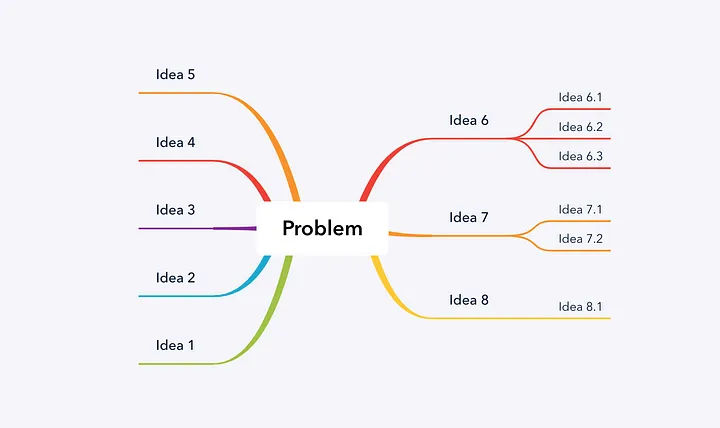
Mind maps can help designers branch out to areas they mightn't tap otherwise.
© Saurav Pandey, Fair use
15. Take Breaks and Practice Self-Care
Last—but certainly not least—remember, rest and self-care are vital for creative energy. It's vital to take breaks regularly to recharge the mind and body. So, designers should engage in activities that bring joy and relaxation—such as physical exercise, hobbies or spending time with loved ones. They should prioritize sleep and ensure they have a healthy work-life balance to prevent burnout and maintain the creative flow. Human-centered design is a design discipline, but it takes on another sense here. So, it's important for designers—as one profession among others who can use these techniques—to make sure they center their concerns around the most important part of the creative process: themselves as human beings.
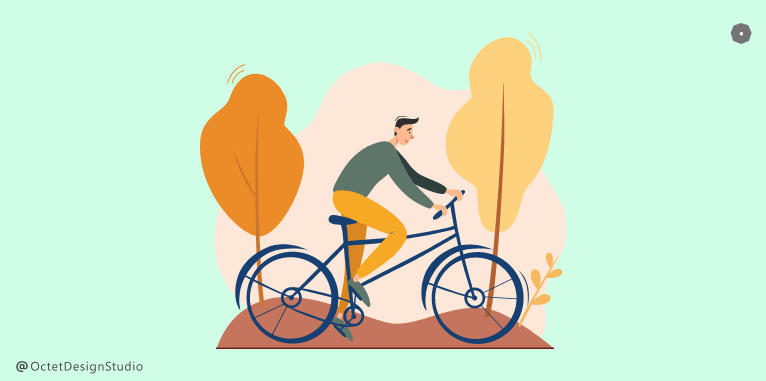
Designers are far more than a brain-sized idea factory—so they should get out and enjoy some screen-free time exercising!
© Aakash Jethwani / Octet Design Studio, Fair Use
Professor Alan Dix offers a few more techniques to help get fresh perspectives and fuel creativity.
Famous UX Designers and Authors on Creative Blocks
Even experienced and renowned UX designers have faced creative blocks throughout their careers. Here are a few insights from famous designers and authors on how they handle creative blocks:
Don Norman, author of The Design of Everyday Things, suggests taking a break and engaging in physical activity to promote creativity and overcome mental blocks.
Don't be afraid to start over. Irene Au, former Head of Design at Google, emphasizes the importance of being willing to scrap ideas and iterate until the best solution turns up.
Author Austin Kleon encourages designers to embrace constraints and limitations, because they can spark creativity and force them to find innovative solutions.
Example of a Brand That Overcame a Creative Block
Numerous brands have faced creative blocks but successfully managed to overcome them—here is a notable example:
Apple
In the late 1990s, Apple was experiencing a creative block and struggling to innovate. Steve Jobs returned to the company and implemented a design-focused approach, emphasizing simplicity, elegance, and user-centered design. This shift in mindset led to the creation of iconic products like the iMac, iPod, and iPhone. Apple leveraged its resilience, adaptability and user-centric approach to overcome creative blocks and encourage innovation.
Remember, creative blocks are an inevitable part of a designer's journey. They don't have to hinder progress or dampen creativity. However hopeless a block may appear at the time, one can navigate through it and unlock creative potential. From there, a designer can create meaningful and impactful user experiences. So, designers should try some of these techniques to unlock their innovation, unleash their imagination—and design experiences that really inspire and delight users. On the way, they’ll become more acquainted with the creative genius they have within them as designers.