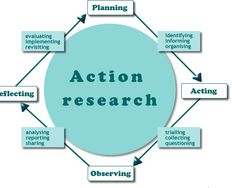
Action research is a methodology that emphasizes collaboration between researchers and participants to identify problems, develop solutions and implement changes. Designers plan, act, observe and reflect, and aim to drive positive change in a specific context. Action research prioritizes practical solutions and improvement of practice, unlike knowledge generation, which is the priority of traditional methods.
© New Mexico State University, Fair Use
Why is Action Research Important in UX Design?
Action research stands out as a unique approach in user experience design (UX design), among other types of research methodologies and fields. It has a hands-on, practical focus, so UX designers and researchers who engage in it devise and execute research that not only gathers data but also leads to actionable insights and solid real-world solutions.
© Interaction Design Foundation, CC BY-SA 4.0
The concept of action research dates back to the 1940s, with its roots in the work of social psychologist Kurt Lewin. Lewin emphasized the importance of action in understanding and improving human systems. The approach rapidly gained popularity across various fields, including education, healthcare, social work and community development.

Kurt Lewin, the Founder of social psychology.
© Wikimedia Commons, Fair Use
In UX design, the incorporation of action research appeared with the rise of human-centered design principles. As UX design started to focus more on users' needs and experiences, the participatory and problem-solving nature of action research became increasingly significant. Action research bridges the gap between theory and practice in UX design. It enables designers to move beyond hypothetical assumptions and base their design decisions on concrete, real-world data. This not only enhances the effectiveness of the design but also boosts its credibility and acceptance among users—vital bonuses for product designers and service designers.
At its core, action research is a systematic, participatory and collaborative approach to research. It emphasizes direct engagement with specific issues or problems and aims to bring about positive change within a particular context. Traditional research methodologies tend to focus solely on the generation of theoretical knowledge. Meanwhile, action research aims to solve real-world problems and generate knowledge simultaneously.
Action research helps designers and design teams gather first-hand insights so they can deeply understand their users' needs, preferences and behaviors. With it, they can devise solutions that genuinely address their users’ problems—and so design products or services that will resonate with their target audiences. As designers actively involve users in the research process, they can gather authentic insights and co-create solutions that are both effective and user-centric.
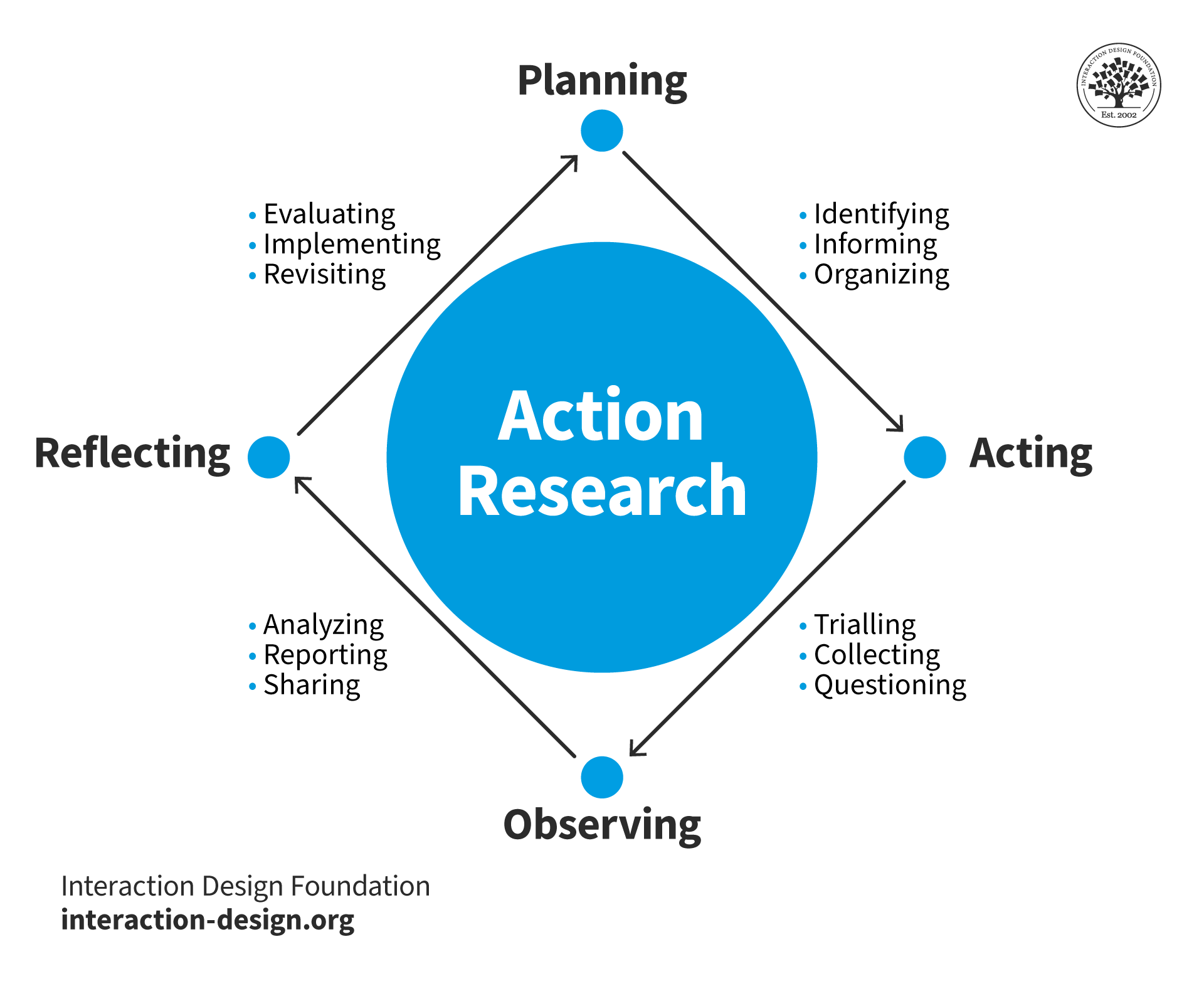
Moreover, the iterative nature of action research aligns perfectly with the UX design process. It allows designers to continuously learn from users' feedback, adapt their designs accordingly, and test their effectiveness in real-world contexts. This iterative loop of planning, acting, observing and reflecting ensures that the final design solution is user-centric. However, it also ensures that actual user behavior and feedback validates the solution that a design team produces, which helps to make action research studies particularly rewarding for some brands.

Designers can continuously learn from users’ feedback in action research and iterate accordingly.
© Fauxels, Fair Use
What is The Action Research Process?
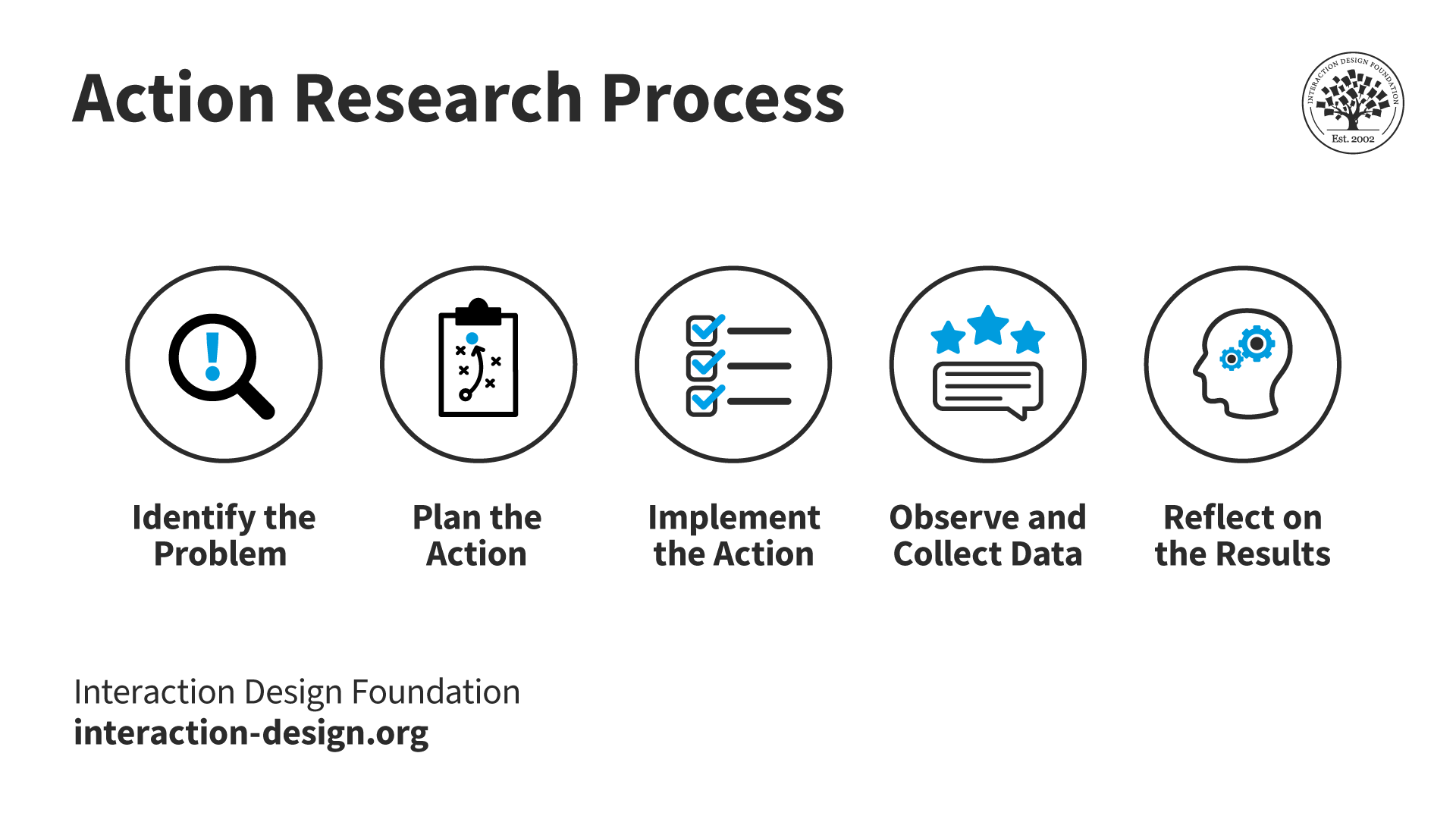
Action research in UX design involves several stages. Each stage contributes to the ultimate goal: to create effective and user-centric design solutions. Here is a step-by-step breakdown of the process:
1. Identify the Problem
This could be a particular pain point users are facing, a gap in the current UX design, or an opportunity for improvement.
2. Plan the Action
Designers might need to devise new design features, modify existing ones or implement new user interaction strategies.
3. Implement the Action
Designers put their planned actions into practice. They might prototype the new design, implement the new features or test the new user interaction strategies.
4. Observe and Collect Data
As designers implement the action they’ve decided upon, it's crucial to observe its effects and collect data. This could mean that designers track user behaviors, collect user feedback, conduct usability tests or use other data collection methods.
5. Reflect on the Results
From the collected data, designers reflect on the results, analyze the effectiveness of the action and draw insights. If the action has led to positive outcomes, they can further refine it and integrate it into the final design. If not, they can go back to plan new actions and repeat the process.
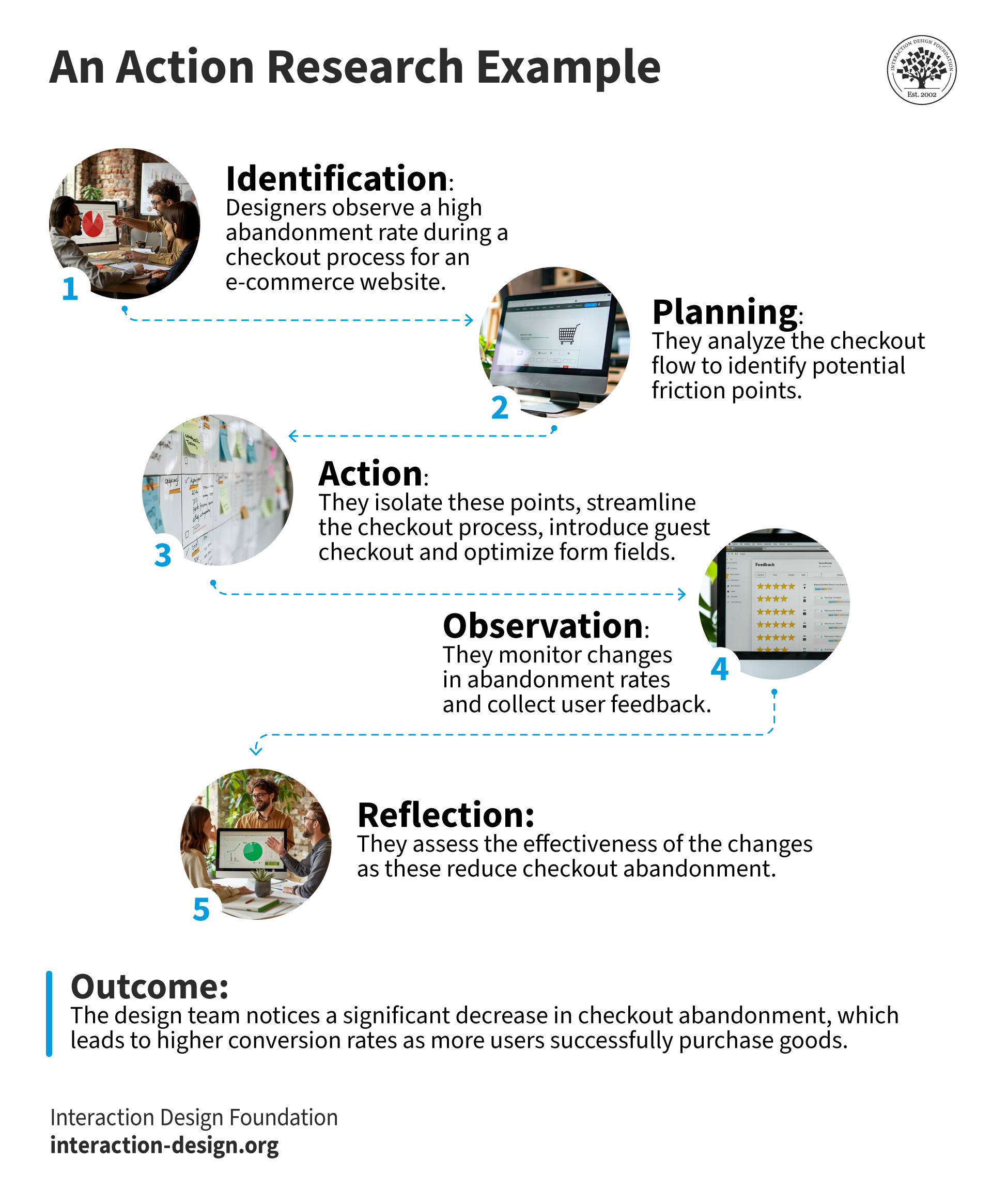
An action research example could be where designers do the following:
© Interaction Design Foundation, CC BY-SA 4.0
Outcome: The design team notices a significant decrease in checkout abandonment, which leads to higher conversion rates as more users successfully purchase goods.
What Types of Action Research are there?
Action research splits into three main types: technical, collaborative and critical reflection.
1. Technical Action Research
Technical action research focuses on improving the efficiency and effectiveness of a system or process. Designers often use it in organizational contexts to address specific issues or enhance operations. This could be where designers improve the usability of a website, optimize the load time of an application or enhance the accessibility of a digital product.
Learn why accessibility is so important in design in this video:
2. Collaborative Action Research
Collaborative action research emphasizes the active participation of stakeholders in the research process. It's about working together to identify issues, co-create solutions and implement changes. In the context of UX design, this could mean that designers collaborate with users to co-design a new feature, work with developers to optimize a process, or partner with business stakeholders to align the UX strategy with business goals.
3. Critical Reflection Action Research
Critical reflection action research aims to challenge dominant power structures and social injustices within a particular context. It emphasizes the importance of where designers and design teams reflect on the underlying assumptions and values that drive research and decision-making processes. In UX design, this could be where designers question the design biases, challenge the stereotypes, and promote inclusivity and diversity in design decisions.
What are the Benefits and Challenges of Action Research?
Like any UX research method or approach, action research comes with its own set of benefits and challenges.
Benefits of Action Research
Real-world Solutions
Action research focuses on solving real-world problems. This quality makes it highly relevant and practical. It allows UX designers to create solutions that are not just theoretically sound but also valid in real-world contexts.
User Involvement
Action research involves users in the research process, which lets designers gather first-hand insights into users' needs, preferences and behaviors. This not only enhances the accuracy and reliability of the research but also fosters user engagement and ownership long before user testing of high-fidelity prototypes.
Continuous Learning
The iterative nature of action research promotes continuous learning and improvement. It enables designers to adapt their designs based on users' feedback and learn from their successes and failures. They can fine-tune better tools and deliverables, such as more accurate user personas, from their findings.
Author and Human-Computer Interaction Expert, Professor Alan Dix explains personas and why they are important:
Challenges of Action Research
Time- and Resource-intensive
Action research involves multiple iterations of planning, acting, observing and reflecting, which can be time- and resource-intensive.
Complexity of Real-world Contexts
It can be difficult to implement changes and observe their effects in real-world contexts. This is due to the complexity and unpredictability of real-world situations.
Risk of Subjectivity
Since action research involves close collaboration with stakeholders, there's a risk of subjectivity and bias influencing the research outcomes. It's crucial for designers to maintain objectivity and integrity throughout the research process.
Ethical Considerations
It can be a challenge to ensure all participants understand the nature of the research and agree to participate willingly. Also, it’s vital to safeguard the privacy of participants and sensitive data.
Scope Creep
The iterative nature of action research might lead to expanding goals, and make the project unwieldy.
Generalizability
The contextual focus of action research may limit the extent to which designers can generalize findings from field studies to other settings.
Best Practices and Tips for Successful Action Research
1. Define Clear Objectives
To begin, designers should define clear objectives. They should ask the following:
What is the problem to try to solve?
What change is desirable as an outcome?
To have clear objectives will guide their research process and help them stay focused.
2. Involve Users
It’s vital to involve users in the research process. Designers should collaborate with them to identify issues, co-create solutions and implement changes in real time. This will not only enhance the relevance of the research but also foster user engagement and ownership.
3. Use a Variety of Data Collection Methods
To conduct action research means to observe the effects of changes in real-world contexts. This requires a variety of data collection methods. Designers should use methods like surveys, user interviews, observations and usability tests to gather diverse and comprehensive data.
UX Strategist and Consultant, William Hudson explains the value of usability testing in this video:
4. Reflect and Learn
Action research is all about learning from action. Designers should reflect on the outcomes of their actions, analyze the effectiveness of their solutions and draw insights. They can use these insights to inform their future actions and continuously improve the design.
5. Communicate and Share Findings
Lastly, designers should communicate and share their findings with all stakeholders. This not only fosters transparency and trust but also facilitates collective learning and improvement.
What are Other Considerations to Bear in Mind with Action Research?
Quantitative Data
Action research involves both qualitative and quantitative data, but it's important to remember to place emphasis on qualitative data. While quantitative data can provide useful insights, designers who rely too heavily on it may find a less holistic view of the user experience.
Professor Alan Dix explains the difference between quantitative and qualitative data in this video:
User Needs and Preferences
Designers should focus action research on understanding user needs and preferences. If they ignore these in favor of more technical considerations, the resulting design solutions may not meet users' expectations or provide them with a satisfactory experience.
User Feedback
It's important to seek user feedback at each stage of the action research process. Without this feedback, designers may not optimize design solutions for user needs. For example, they may find the information architecture confusing. Additionally, without user feedback, it can be difficult to identify any unexpected problems that may arise during the research process.
Time Allocation
Action research requires time and effort to ensure successful outcomes. If designers or design teams don’t permit enough time for the research process, it can lead to rushed decisions and sloppy results. It's crucial to plan ahead and set aside enough time for each stage of the action research process—and ensure that stakeholders understand the time-consuming nature of research and digesting research findings, and don’t push for premature results.
Contextual Factors
Contextual factors such as culture, environment and demographics play an important role in UX design. If designers ignore these factors, it can lead to ineffective design solutions that don't properly address users' needs and preferences or consider their context.
Professor Alan Dix explains the need to consider users’ culture in design, in this video:
Overall, in the ever-evolving field of UX design, this is one methodology that can serve as a powerful research tool for driving positive change and promoting continuous learning. Since to do action research means to actively involve users in the research process and research projects, and focus on real-world problem-solving, it allows designers to create more user-centered designs. These digital solutions and services will be more likely to resonate with the target users and deliver exceptional user experiences.
Despite its challenges, the benefits of action research far outweigh the risks. Action research is therefore a valuable approach for UX designers who are keen on creating a wide range of impactful and sustainable design solutions. The biggest lesson with action research is to ensure that user needs and preferences are at the center of the research process.