Human-Centered Design (HCD)

Your constantly-updated definition of Human-Centered Design (HCD) and collection of videos and articles.
Be a conversation starter: Share this page and inspire others!

295 Shares

What is Human-Centered Design (HCD)?

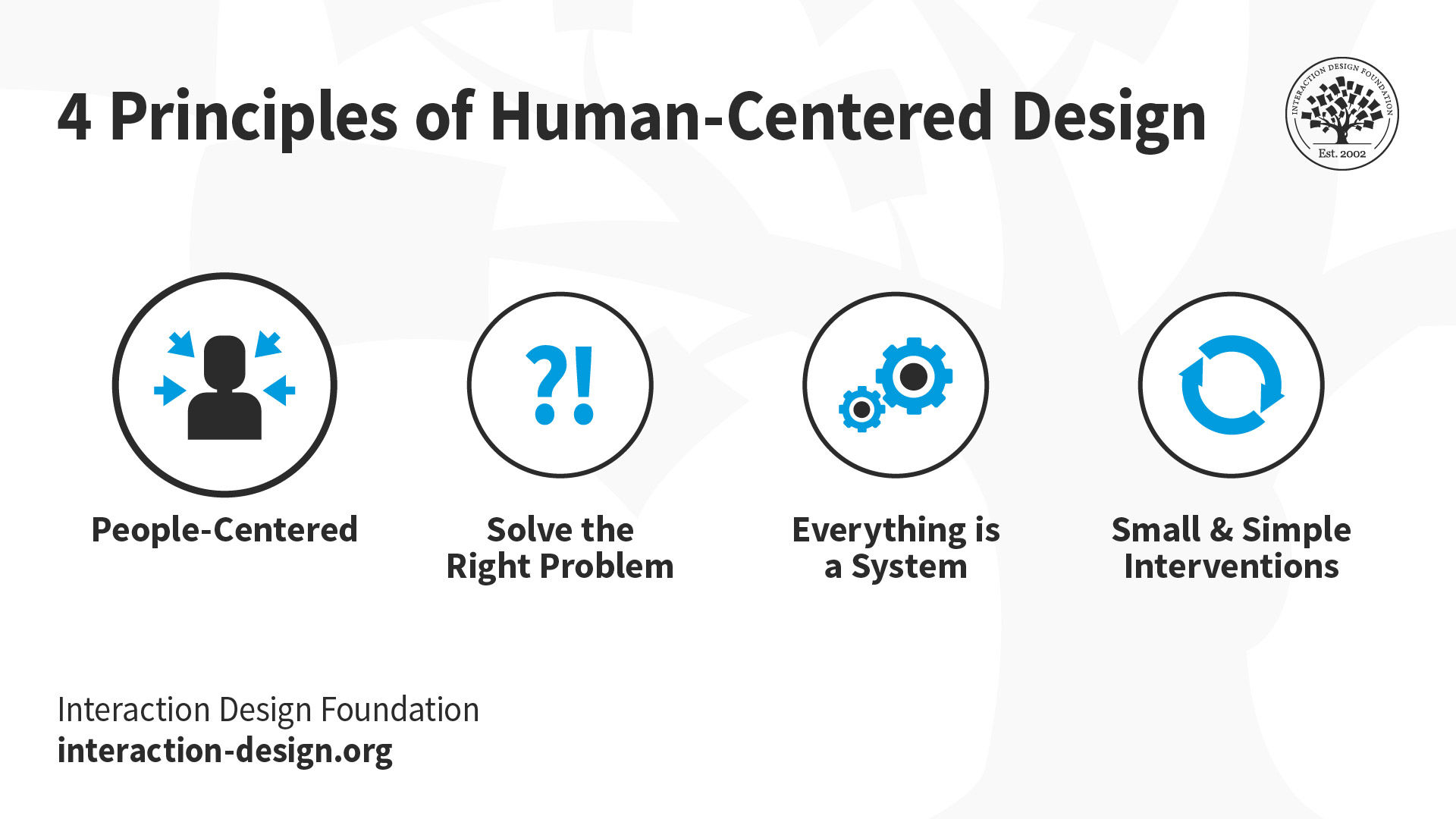
Human-centered design is a practice where designers focus on four key aspects. They focus on people and their context. They seek to understand and solve the right problems, the root problems. They understand that everything is a complex system with interconnected parts. Finally, they do small interventions. They continually prototype, test and refine their products and services to ensure that their solutions truly meet the needs of the people they focus on.

Cognitive science and user experience expert Don Norman sees it as a step above user-centered design.

“The challenge is to use the principles of human-centered design to produce positive results, products that enhance lives and add to our pleasure and enjoyment. The goal is to produce a great product, one that is successful, and that customers love. It can be done.”
— Don Norman, “Grand Old Man of User Experience”

See why human-centered design is a vital approach for accommodating real users—real people.

Copyright
Transcript

The Trouble with “Users” is They’re Only Human

At many points in technological history, Don Norman helped designers understand their responsibility to the people who use the things they design. Great advances were made in electronics and computing throughout the second half of the 20th century. The problem was, the designers of many systems often overlooked the human limitations of the people who had to interact with them.

Early computers were extremely hard to understand. The first ones — created in the 1940s — required specialists to operate them in closed environments. By the 1980s, things had changed; A large portion of smaller computers were being used by people without specialist knowledge. Problems were bound to arise, and did. The early Unix system Ed (for “Editor”), for example, did not prompt users to save their changes, causing many users to erase their work when turning off their computers. Highly visible prompts to save our work were yet to come.    

MS Word's prompt asking the user,

The status bar at the top of Google Docs indicates whether a document is saving, and when the last edits were made.

From no save prompts, to the “Do you want to save changes” dialog box, to auto-save: The save functionality in documents has been iterated over the years to improve the experience for the people working with these tools.

Don Norman also studied the control rooms of potentially hazardous industrial centers and aviation safety. Following the Three Mile Island nuclear accident in 1979, he was involved in analyzing the causes and potential solutions. A partial meltdown of a power-station reactor had released dangerous radioactive material into the environment. The problem centered around, not the highly competent staff members, but the design of the control room itself.

From design mistakes such as this, we learned crucial lessons. It was clear that designers had to accommodate the human needs of their systems’ usership. There could be no room for ambiguity or misleading controls, for instance. Designers would instead have to anticipate human users extensively through how each system looked, worked and responded to them, which aligns with circular economy principles to maximize resource efficiency and sustainability. So, rather than focus on the aesthetics of the interface and the design itself, designers needed to understand and tailor experiences for the people at the controls, accounting for their various states of mind while interacting with and reacting to changes in the system. To avoid disasters, the dehumanizing idea of “users” had to vanish so designers could put people first in design. It was time for human- or, better still, people-centered design.

The cockpit of an aircraft, with hundreds of switches, dials and buttons.

Follow the Clear Path to Human-Centered Design

In 1986, Norman and co-author Stephen Draper’s User Centered System Design: New Perspectives on Human-Computer Interaction was published. The result of extensive collaboration between researchers across the U.S., Europe and Japan, this comprehensive volume represented a shift in human-computer interaction. However, the authors realized they didn’t like the term “users”; the emphasis demanded a more “human” entity in control. Their timing was superb. Not only had the home-computing market exploded, but strides in technology would soon usher in the Internet age, greater connectivity and more complexity in the systems that people of all types would use.

Norman coined the term “user experience” shortly afterwards. This signaled a focus on the needs of the people who used products throughout their experiences. Norman explained the reason for the evolution away from “user” was to help designers humanize the people whose needs they designed for. Human-centered design has four principles:

  1. People-centered: Focus on people and their context in order to create things that are appropriate for them. Participatory design ensures user involvement in the process.

  2. Understand and solve the right problems, the root problems: Understand and solve the right problem, the root causes, the underlying fundamental issues. Otherwise, the symptoms will just keep returning.

  3. Everything is a system: Think of everything as a system of interconnected parts.

  4. Small and simple interventions: Do iterative work and don't rush to a solution. Try small, simple interventions and learn from them one by one, and slowly your results will get bigger and better. Continually prototype, test and refine your proposals to make sure that your small solutions truly meet the needs of the people you focus on.

It's important to remember, as we focus on the human aspect, we expand our scope to societies and, ultimately, humanity-centered design. And as our world becomes more intricately involved with complex socio-technical systems and wicked problems to address, the insights we leverage from human-centered design will continue to prove essential.
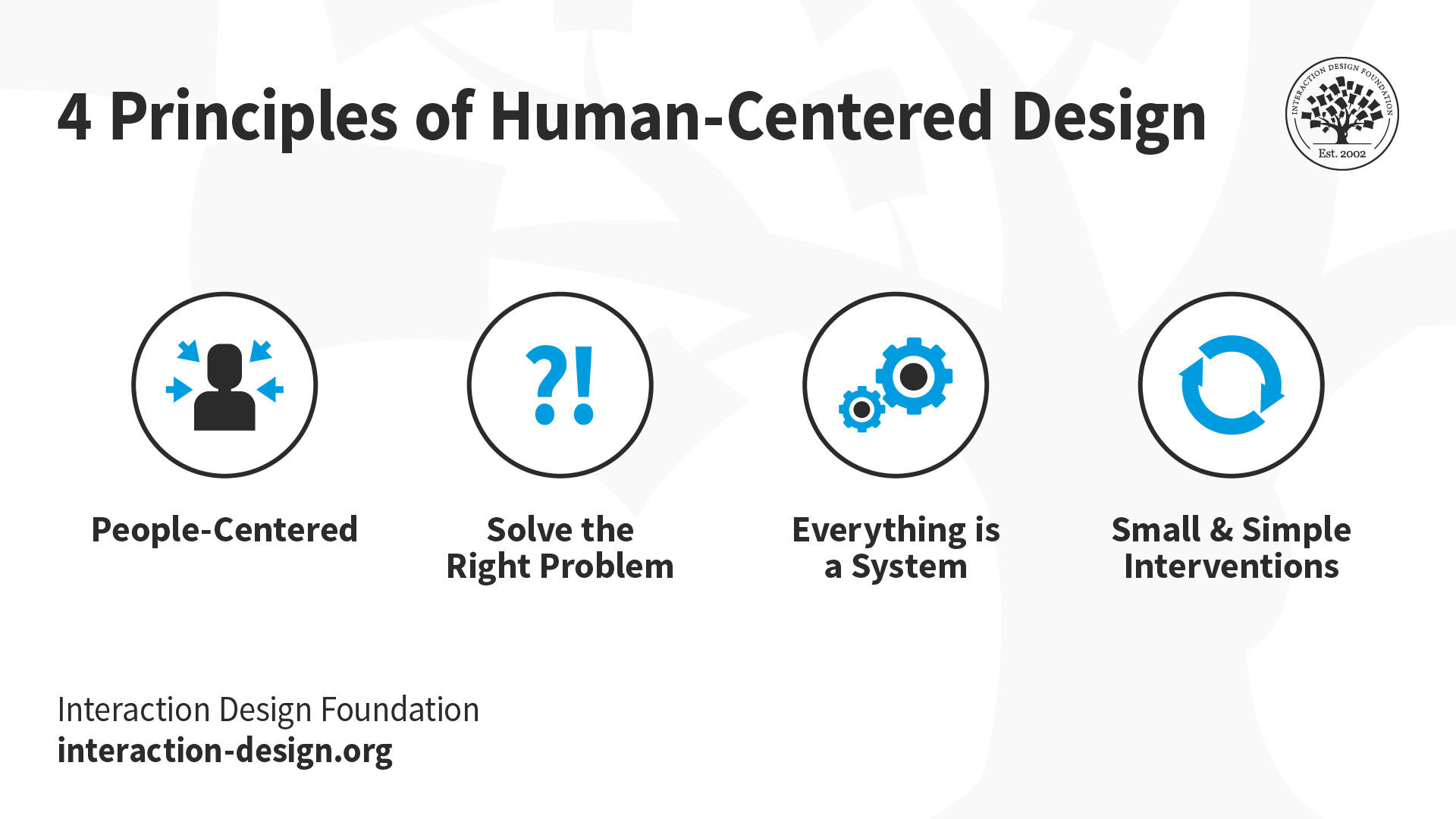
The four principles of Human-Centered Design: People-Centered Design, Solve the Right Problem, Everything is a System, and Small & Simple Interventions.

Interaction Design Foundation, CC-BY-SA 4.0

Questions About Human-Centered Design (HCD)?
We've Got Answers!

Why is human-centered design important?

Human-centered design is vital because it ensures that we create solutions tailored to human needs, cultures, and societies. It is a discipline that emphasizes a people-centric approach, solving the right problems, recognizing the interconnectedness of everything, and not rushing to solutions. It involves working with multidisciplinary teams and experts, and most importantly, it has to come from the people, embracing a community-driven design approach. This approach is a subset of humanity-driven design, which aims to address the major challenges humanity faces and, ultimately, save the planet.

What is the difference between agile and human-centered design?

Human-centered design (HCD) is a methodology that places the user at the heart of the design process. It seeks to deeply understand users' needs, behaviors and experiences to create effective solutions catering to their unique challenges and desires. HCD emphasizes empathy, extensive user research, and iterative testing to ensure that the final product or solution genuinely benefits its end-users and addresses broader societal issues.

Transcript

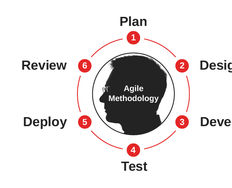
Agile is primarily a project management and product development approach that values delivering workable solutions and iterating based on customer feedback. Agile teams break projects into small, manageable chunks and work in short bursts, called  "sprints," which allows for frequent reassessment and course corrections.

Transcript

While there's some overlap in their collaborative and iterative natures, the core difference lies in their objectives: HCD is about understanding and solving for the human experience, while agile is about efficiently managing and adapting work processes to changing requirements. 

What is the difference between design thinking and human-centered design?

Design thinking is a broader concept that includes human-centered design to solve major problems on a global and local scale. Human Centered Design is narrower in scope and aims to make interactive systems usable and useful.

For a more thorough understanding of these design approaches, please watch this informative video.

Transcript

Why is it called human-centered design?

Copyright
Transcript

Human-centered design, as explained by Don Norman in the video above, focuses on people and their needs, even when addressing broad societal issues. It emphasizes creating solutions that cater to individuals, communities, and larger groups. Although it tackles significant challenges, its essence remains rooted in understanding and designing for humanity.

Where is human-centered design used?

Human-centered design is used to design efficient and usable products. However, Don Norman encourages designers to apply the principles of human-centered design to address large societal problems to ensure solutions meet the needs and experiences of people.

Transcript

As highlighted in the video above, human-centered designers collaborate with professionals from other fields like engineering, computer science, and public health. HCD’s uniqueness lies in emphasizing design by the people and for the people.

Is human-centered design the same as UX?

While both prioritize the user, human-centered design is broader than UX design. UX often focuses on websites and digital interfaces, as mentioned in this video.

Transcript

In contrast, human-centered design encompasses all types of products and indeed even larger societal challenges to ensure solutions cater to people's needs and experiences.

How is human-centered design different from other types of design?

Human-centered design prioritizes understanding and addressing the needs of people. Unlike designs that emphasize aesthetics over usability, human-centered design values function and user well-being, as highlighted in this video.

Transcript

It considers the broader socio-technical system, ensuring sustainable and user-centric solutions.

Where to learn human-centered design?

Discover the principles of human-centered design through Interaction Design Foundation's in-depth courses: Design for the 21st Century with Don Norman offers a contemporary perspective on design thinking, while Design for a Better World with Don Norman emphasizes designing for positive global impact. To deepen your understanding, Don Norman's seminal book, "Design for a Better World: Meaningful, Sustainable, Humanity Centered," from MIT Press, is an invaluable resource.

Transcript

Earn a Gift Earn a Gift, Answer a Short Quiz!

1
2
3
4
1
2
3
4
Question 1
Question 2
Question 3
Get Your Gift
Interaction Design Foundation logo

Question 1

What is the primary goal of Human-Centered Design (HCD)?

1 point towards your gift

  • To create aesthetically pleasing designs
  • To focus on people and their needs
  • To reduce the cost of production
Interaction Design Foundation logo

Question 2

Which of the following is a core principle of Human-Centered Design?

1 point towards your gift

  • Everything is a system.
  • Implement the first idea quickly.
  • Solve the most superficial problems first.
Interaction Design Foundation logo

Question 3

Why is iterative prototyping important in Human-Centered Design?

1 point towards your gift

  • Because it continually tests and refines solutions.
  • Because it finalizes designs quickly.
  • Because it only applies the first round of user feedback.

Learn More About Human-Centered Design (HCD)

Make learning as easy as watching Netflix: Learn more about Human-Centered Design (HCD) by taking the online IxDF Course Design for the 21st Century with Don Norman.

Why? Because design skills make you valuable. In any job. Any industry.

In This Course, You'll

  • Get excited as you learn to design a better world. Whether you want to help families save money while reducing their carbon footprint, redesign how cities manage waste, or improve public health systems, this course will show you how. You don't need to be a designer. You just need the desire to make things better. Led by world-renowned designer Don Norman, you'll learn the powerful tools of human-centered design, systems thinking, and design thinking to tackle real-world challenges like climate change, inequality, public health, and more.

  • Make yourself invaluable when you build timeless human-centered design skills that are essential to make AI your superpower, so speed never comes at the cost of people's wellbeing. This course builds on and expands your deeply human skills like empathy, problem framing, and root-cause thinking that guide AI toward better, more responsible outcomes. You'll learn to apply these skills to drive innovation at work, lead meaningful projects, communicate your ideas clearly, and capture people's attention. This course helps you grow your impact, salary potential, and confidence—and feel deeply fulfilled. Did you know that design-driven companies are twice as likely to outperform their industry peers in revenue growth? The key is to go beyond traditional approaches and solve the real problems behind surface-level symptoms while integrating solutions seamlessly into real people's lives. You'll get the ability to design lasting change and learn how to work effectively with stakeholders to make it happen. You'll also discover how to move up in your company and take on bigger challenges.

  • Gain confidence and credibility as you apply your new skills from day one with ready-to-use templates such as the 5 Whys method. Create an optional case study aligned with the UN Sustainable Development Goals. By the end of this course, you'll have the skills and mindset to make a difference, whether that's in your job, your community, or the world. Let's co-create a better future starting now.

It's Easy to Fast-Track Your Career with the World's Best Experts

Master complex skills effortlessly with proven best practices and toolkits directly from the world's top design experts. Meet your expert for this course:

  • Don Norman: Father of User Experience (UX) Design, author of the legendary book “The Design of Everyday Things,” co-founder of the Nielsen Norman Group, and former VP of the Advanced Technology Group of Apple.

Get an Industry-Recognized IxDF Course Certificate

Increase your credibility, salary potential and job opportunities by showing credible evidence of your skills.

IxDF Course Certificates set the industry gold standard. Add them to your LinkedIn profile, resumé, and job applications.

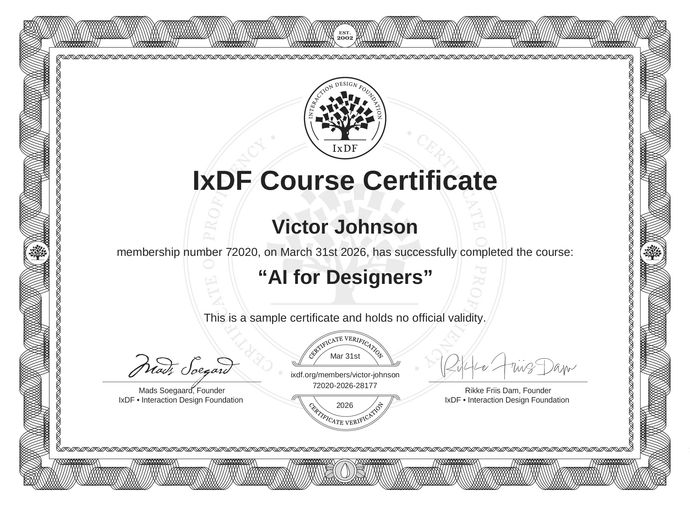
Course Certificate Example

Be in distinguished company, alongside industry leaders who train their teams with the IxDF and trust IxDF Course Certificates.

Our clients: IBM, HP, Adobe, GE, Accenture, Allianz, Phillips, Deezer, Capgemin, Mcafee, SAP, Telenor, Cigna, British Parliament, State of New York

All Free IxDF Articles on Human-Centered Design (HCD)

Read full article
Human-Centered Design: How to Focus on People When You Solve Complex Global Challenges - Article hero image
Interaction Design Foundation logo

Human-Centered Design: How to Focus on People When You Solve Complex Global Challenges

When we design products and services, we use human-centered design insights to help us focus on the people. But how do we focus on the people in the context of complex global challenges? What should we be aware of? What are the pitfalls? And when should we reach out to help people? In this video, Do

Social shares
578
Published
Read Article
Read full article
Transform Your Creative Process with Design Thinking - Article hero image
Interaction Design Foundation logo

Transform Your Creative Process with Design Thinking

Think about a new user experience (UX) design project at work that your team needs fresh ideas for—you want to create a winning digital product for your users, one that’s desirable, economically viable, and technologically feasible. To start with, you try to understand market trends and consumer beh

Social shares
521
Published
Read Article
Read full article
How the Best UX Design Teams Integrate Personas into Agile Workflows - Article hero image
Interaction Design Foundation logo

How the Best UX Design Teams Integrate Personas into Agile Workflows

You've seen it countless times: Agile teams racing through sprints while personas gather dust in forgotten folders (or never get created at all). The promise of user-centered design crashes into the reality of two-week deadlines. But what if you could harness both? Build at startup speed while truly

Social shares
396
Published
Read Article

Human-Centered Design: How to Focus on People When You Solve Complex Global Challenges

Human-Centered Design: How to Focus on People When You Solve Complex Global Challenges

When we design products and services, we use human-centered design insights to help us focus on the people. But how do we focus on the people in the context of complex global challenges? What should we be aware of? What are the pitfalls? And when should we reach out to help people? In this video, Don Norman will tell you how he thinks we can learn from the people-centered principle of human-centered design and how we can strive to solve complex global challenges.

“When you design, you have to understand what the capabilities are of the people you're designing for.”

Don Norman: Father of User Experience design, author of the legendary book The Design of Everyday Things, co-founder of the Nielsen Norman Group, and former VP of the Advanced Technology Group at Apple.

So, how can we start to leverage the power and insights of the local people? Don Norman, who coined the term “user experience,” will help us understand how to use community-based design and let the people drive the projects. Let’s watch.

Copyright
Transcript

The 4 Principles of Human-Centered Design: People-Centered

Text that says 4 Principles of Human-Centered Design. The first is People-Centered, which is highlighted. The second is Solve the Right Problem, the third is Everything is a System and the fourth is Small and Simple Interventions.

People are at the heart of human-centered design. As Don Norman explains above, when we tackle complex global challenges, we should not design for people. Instead, we should involve and design with the people who are closest to those challenges.
© Interaction Design Foundation, CC BY-SA 3.0

References and Where to Learn More

Read Don’s insight-laden book The Design of Everyday Things to learn more about Human-Centered Design.

Ready to shape the future, not just watch it happen? Join the Father of UX Design, Don Norman, in his two courses, Design for the 21st Century and Design for a Better World, and turn your care for people and the planet into design skills that elevate your impact, your confidence, and your career.

Images

© Interaction Design Foundation, CC BY-SA 3.0

Feel Stuck?
Want Better Job Options?

AI is replacing jobs everywhere, yet design jobs are booming with a projected 45% job growth. With design skills, you can create products and services people love. More love means more impact and greater salary potential.

At IxDF, we help you from your first course to your next job, all in one place.

See How Design Skills Turn Into Job Options
Privacy Settings
By using this site, you accept our Cookie Policy and Terms of Use.
Customize
Accept all

Be the One Who Inspires

People remember who shares great ideas.

Share on:

Academic Credibility — On Autopilot

Don't waste time googling citation formats. Just copy, paste and look legit in seconds.