Codesign

Your constantly-updated definition of Codesign and collection of videos and articles.
Be a conversation starter: Share this page and inspire others!

98 Shares

What is Codesign?

Codesign is a collaborative approach where designers work together with non-designers to create solutions. Designers act as facilitators and guide the participants through the design process. Codesign aims to harness the collective wisdom and insights of everyone involved, especially the end-users, to innovate and solve problems effectively.

Traditional design, on the other hand, typically involves designers working independently or within a team, making decisions based on their expertise, user research and best practices. Users might be involved through research or testing but are not usually part of the creative process or decision-making. This approach relies heavily on the designer's skills, knowledge, and interpretation of user needs.

In this video, Don Norman: Father of User Experience design, author of the legendary book The Design of Everyday Things, co-founder of the Nielsen Norman Group, and former VP of the Advanced Technology Group at Apple, talks about the importance of collaboration between design and other fields.

Transcript

This method is particularly powerful as it combines diverse perspectives and leads to more inclusive, creative and user-centered outcomes. Codesign can take many forms, such as workshops, brainstorming sessions or continuous collaboration.

Why Is Codesign Important?

Codesign is an approach to design that leads to more effective, sustainable and ethical solutions through active user and stakeholder involvement.

Here are some key benefits of the codesign approach:

Enhances User Satisfaction and Ownership

Codesign guarantees that the end products or services meet actual user needs, preferences, and contexts through the direct involvement of end-users in the design process. This method ensures solutions truly reflect what users want and need. Additionally, when users contribute to the creation process, they often develop a sense of ownership and commitment to the resulting solutions, which typically results in greater adoption and advocacy of the final product or service. This approach not only tailors outcomes to specific user requirements but also fosters a deeper connection between the user and the end product.

Fosters Innovation and Creativity

Codesign brings together individuals from various backgrounds and facilitates creative solutions that might not surface in a more homogenous setting. This diversity enriches the problem-solving process and often leads to more innovative outcomes. The collaborative nature of codesign fosters an environment where participants can exchange ideas freely, paving the way for innovative and occasionally surprising solutions. This cross-pollination of ideas from different fields and experiences is a cornerstone of the codesign methodology, driving forward thinking and unique solutions.

Improves Efficiency and Effectiveness

Codesign can reduce rework by identifying issues and gathering feedback early in the design process, which helps minimize the need for subsequent revisions. Better resource allocation results from an initial clear understanding of user needs and priorities. This approach streamlines the development process and ensures that the final product closely aligns with user expectations and requirements.

Builds Better Relationships and Trust

Codesign promotes positive relationships between organizations and users or customers, demonstrating a commitment to listen and respond. It fosters trust and transparency and allows users to witness the direct impact of their contributions while organizations obtain a more precise grasp of user needs. This approach bridges gaps between stakeholders and ensures that the design process is an open, shared journey toward a common goal.

In this video, Don Norman talks about why it is important to work with the community in humanity-centered design.

Transcript

Encourages Empathy and Ethical Design

Codesign advocates for a user-centered approach and champions ethical design, ensuring that every participant's contribution is valuable and that outcomes are inclusive and accessible. This method emphasizes empathy and ethics, ensuring that the design respects and reflects the needs and rights of all involved.

Adaptable Across Contexts

Codesign can work in various contexts, from product and service design to community planning and policy development. It ensures solutions are culturally sensitive and appropriate and reflects various cultural insights and considerations. This approach broadens the applicability of design solutions and respects and incorporates the cultural nuances vital for success in a global context.

In this video, Don Norman explains why designers can act as facilitators and help solve complex problems.

Transcript

The Codesign Process: A Step-by-Step Guide

The codesign process typically unfolds through the following sequential steps:

Step 1: Assemble the Team

  • Identify Stakeholders: Designers should first identify who needs to be involved in the codesign process. This typically includes end users, fellow designers, and key stakeholders.

  • Ensure Diversity: Designers must ensure the team is diverse and represents all aspects of the user base and stakeholders.

Step 2: Define Goals and Objectives

  • Establish a Shared Vision: Designers should collaborate with the entire team to define what success looks like and ensure that everyone is aligned on the main objectives.

  • Set SMART Goals: Designers should guide the team to set Specific, Measurable, Achievable, Relevant, and Time-bound goals to steer the project clearly.

Step 3: Engage in Collaborative Workshops

  • Prepare the Space: Designers should arrange a conducive space for creativity and collaboration and ensure it's equipped with the necessary materials.

  • Facilitate Discussions: Employ techniques like brainstorming or mind mapping to generate ideas and discuss needs. Designers should encourage every participant to contribute and ensure all voices are heard; create an inclusive environment where everyone feels comfortable sharing.

Step 4: Prototype and Test

  • Create Prototypes: Designers should turn ideas into tangible prototypes, from simple paper models to sophisticated digital versions.

  • User Testing: Involve users in testing these prototypes and observe their interactions and feedback.

  • Iterate: Designers should use the feedback to make improvements and iterate the design until it meets the predefined objectives.

Step 5: Implement and Reflect

  • Finalize Design: Once the prototype meets the project goals and user needs, designers should finalize the design.

  • Reflect on the Process: Designers should lead a discussion on what worked well and what could be improved in future codesign projects.

Step 6: Documentation and Follow-Up

  • Document Everything: Maintain detailed records of the process, decisions made, and feedback received.

  • Communicate Outcomes: Designers should share the outcomes with all participants and stakeholders, being transparent about how their input was incorporated.

When Should Designers Use Codesign?

Codesign is most beneficial for complex problems involving multiple stakeholders, such as in community development or innovative product creation. It's most effective when the project outcome directly impacts these individuals or when innovative, user-centered solutions are needed. Codesign fosters innovation and ensures adaptable, resilient solutions to evolving needs and environments. 

Moreover, codesign is valuable in scenarios that require strong buy-in and ownership, like organizational changes or community initiatives. It is essential for sensitive or highly personalized areas, particularly in healthcare, where user experience significantly affects design effectiveness. While not every project may need the intense collaboration of codesign, for those that do, it provides a route to more innovative, empathetic, and user-aligned solutions, leading to higher success and satisfaction for everyone involved.

When Should Designers Not Use Codesign?

Codesign might not be the most appropriate approach in scenarios that require deep technical expertise or specialized knowledge beyond the typical user's scope. In projects where the development hinges on highly technical solutions or niche expertise, traditional methods led by specialized professionals might be more effective. 

Similarly, codesign may not suit tight timelines or resource constraints due to its inherently collaborative and time-consuming nature. Projects with strict deadlines or limited flexibility might benefit from more direct and decisive approaches.

Furthermore, when project goals are very clear, or if the project involves minor updates with minimal impact, the extensive engagement and iterative nature of codesign might not add significant value. It's also less suitable in environments characterized by conflict or high competition, where the necessary trust and openness for collaborative design are lacking. 

Codesign vs. Participatory Design: What’s the Difference?

Codesign and participatory design are often used interchangeably in the design world, but they have nuances that set them apart. Both are collaborative approaches that involve stakeholders in the design process, yet the emphasis and origin of each term vary slightly.

Participatory Design

Participatory design originated in Scandinavia in the 1960s and 1970s as a product of workplace democracy movements. It aimed to empower workers, ensuring systems and processes they encounter daily reflected their input and met their needs, granting them a substantial role in decision-making. Traditionally, experts apply participatory design in organizational transformation and development, especially within IT systems and workplace settings.

In this video, Victor Udoewa, Service Design Lead at NASA’s Small Business Innovation Research and Small Business Technology Transfer Research (SBIR/STTR) Program, discusses participatory design's origins. Victor makes the case that, in many ways, participatory design is how humans naturally go about solutions. In one way or another, it has been around as long as humans have.

Transcript

Codesign

Codesign, though with a less defined history, is a broader term that has gained popularity more recently. It emphasizes collaboration between designers and stakeholders, including users, at all stages of the design process. Rather than stemming from a political movement, it represents an inclusive approach to innovation and creativity. Its application spans various fields, extending beyond workplace environments to product development, urban planning, healthcare, and more.

In practice, the differences can blur, and the terms may be used somewhat interchangeably depending on the context. Both aim to democratize the design process, ensuring that those affected by design decisions have a hand in shaping them. However, participatory design has a stronger emphasis on the political and ethical aspects of involving users, mainly focusing on empowering marginalized or less technical users, while codesign is broadly about collaborative creativity and could be applied in more varied contexts.

Codesign: Successful Case Studies

Codesign has been successfully implemented in various fields. Here are a few case studies:

Healthcare—The Mayo Clinic's Innovation in Patient Experience

Photography of the Mayo clinic.

© Mayo Clinic, Fair Use

The Mayo Clinic employed codesign principles to improve patient care and experience. Patients, medical staff, and designers collaborated to redesign the patient experience from the ground up. They focused on everything from the physical layout of hospital rooms to the communication processes between staff and patients. The result was a more patient-centered care model, leading to higher patient satisfaction and improved health outcomes.

Urban Planning—The High Line in New York City

Photography of people walking on the High Line, in New York

The High Line, a public park built on a historic freight rail line elevated above Manhattan's West Side, is a prominent example of codesign in urban planning. The project involved community members, architects, landscape architects, and city officials. The community's input helped transform the unused rail line into a public space that reflected the needs and character of the neighborhood. Today, the High Line is a celebrated urban park and community space.

Technology—Microsoft's Inclusive Design Initiative

©Microsoft, Fair Use

Microsoft's inclusive design initiative is a technology-driven example of codesign. The company involves people with disabilities in the design process for its products and services. By doing so, Microsoft ensures that its technology is accessible and useful for people with a wide range of abilities. This approach not only benefits users with disabilities but also leads to innovations that improve usability for all customers.

Education—IDEO's Design Thinking for Educators
© IDEO, Fair Use

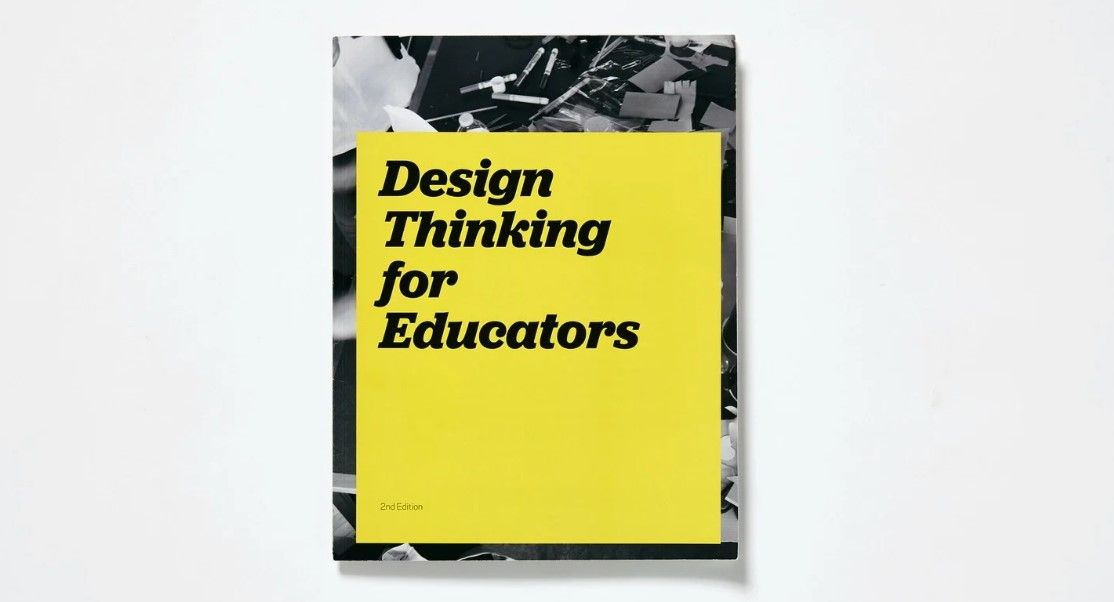
IDEO's Design Thinking for Educators toolkit is an example of codesign in the education sector. Teachers, students, and designers co-create solutions to improve educational experiences and outcomes. The toolkit guides them through the design process, helping to identify opportunities, prototype ideas, and implement solutions in the school environment. This approach has led to innovative classroom layouts, educational tools, and teaching methods.

These case studies illustrate the diverse applications of codesign across industries and the significant impact it can have on developing innovative, inclusive solutions that are deeply aligned with user needs. 

Questions About Codesign?
We've Got Answers!

How does codesign differ from traditional design approaches?

Co-design differs from traditional design approaches by actively involving users and stakeholders in the design process from the start, ensuring the final product closely aligns with their needs. Unlike traditional methods, where designers create solutions on their own, based on research or assumptions, co-design involves direct collaboration and shared creativity. This method leads to more innovative, inclusive, and user-centric solutions, breaking from top-down, designer-centric approaches. It shifts the role of designers to facilitators and integrates user feedback continuously, ensuring the design evolves with real input and validation.

Read Co-creation and the New Landscapes of Design and A Social Vision for Value Co-creation in Design to learn more about co-design.

Watch the Master Class Radical Participatory Design: Insights From NASA’s Service Design Lead by Victor Udoewa.


How do you effectively facilitate a codesign session?

To effectively facilitate a co-design session, clearly define goals and establish a collaborative environment. Invite a diverse group of stakeholders, ensuring end user representation. Use a structured process with clear stages but allow flexibility for creativity and discussion. Equip participants with tools and methods for idea generation and decision-making. Act as a neutral guide, encourage all voices, especially quieter members, and ensure discussions stay on track. Finally, document feedback, ideas, and decisions, and plan for follow-up actions to implement insights gathered during the session.

Read Co-creation and the New Landscapes of Design to learn more about co-design.


What roles do participants play in a codesign process?

In a co-design process, participants play various roles:

  • Users: Provide insights and feedback from personal experience, guiding the design to meet actual needs.

  • Designers: Facilitate sessions, introduce design thinking tools, and translate user feedback into design concepts.

  • Stakeholders: Offer perspective on business or organizational needs, constraints, and goals to align the design with broader objectives.

  • Experts: Bring specialized knowledge, whether in technology, subject matter, or methodology, to inform the design process and solutions.

  • Facilitators: Manage the dynamics of the session, ensuring productive, inclusive, and focused collaboration.

  • Each participant contributes unique value, ensuring the design reflects a comprehensive understanding of the problem, context, and possible solutions.

Read Co-creation and the New Landscapes of Design and A Social Vision for Value Co-creation in Design to learn more about co-design.


What are some common tools and techniques used in codesign?

In co-design, standard tools and techniques include:

  • Workshops: Engage participants in hands-on activities and discussions.

  • Personas: Represent user types to guide design decisions.

  • Journey Maps: Visualize user experiences to identify pain points and opportunities.

  • Brainstorming: Generate ideas freely in a group setting.

  • Prototypes: Create early, tangible versions of products for testing and feedback.

  • Storyboards: Illustrate scenarios and solutions in a narrative form.

  • Sketching: Quickly capture and communicate ideas visually.

  • Feedback Sessions: Collect and discuss user reactions to prototypes or concepts.

These tools and techniques facilitate collaboration, creativity, and user involvement, which are essential to the co-design process.

Read Co-creation and the New Landscapes of Design and A Social Vision for Value Co-creation in Design to learn more about co-design.


How does one handle conflicting ideas during codesign sessions?

To handle conflicting ideas during co-design sessions, one should:

  • Acknowledge: Recognize and validate all viewpoints to ensure participants feel heard.

  • Clarify: Ask questions to understand the root of the conflict and the needs behind each idea.

  • Reframe: Use the conflict to explore the problem from different angles and find common ground.

  • Prioritize: Help the group focus on shared goals and how different ideas might address them.

  • Vote or Consensus: Use democratic methods to decide on the best path forward if consensus isn't possible.

  • Document: Keep track of all ideas, as discarded ones might be useful later or in different contexts.

  • Follow-up: Address unresolved issues in subsequent sessions or through smaller, focused discussions.

By managing conflicts constructively, facilitators can harness diverse perspectives to enrich the co-design process and outcomes.

To learn more about how to promote effective collaboration read Effective Collaboration: How to Design Work Sessions that Work.


How is codesign implemented in different stages of the design process?

Co-design is implemented in different stages of the design process by involving users and stakeholders from the outset. Initially, it includes them in problem identification, ensuring the challenge addressed is relevant and well-defined. As the process advances, participants collaborate in ideation sessions to brainstorm solutions. During prototyping, users help create and refine concepts, offering feedback that shapes the design. Finally, in the evaluation stage, they test and validate the solution, ensuring it meets their needs effectively. This continuous involvement ensures the design remains user-centered, practical, and innovative at every stage.

Read Co-creation and the New Landscapes of Design to learn more about co-design.

Watch the Master Class Radical Participatory Design: Insights From NASA’s Service Design Lead by Victor Udoewa.


How do you select participants for a codesign process?

To select participants for a co-design process, identify a diverse group that represents the end users' spectrum. Look for individuals who directly interact with the product or service, including those with unique insights or experiences. Ensure inclusion of various ages, backgrounds, and abilities to cover various perspectives. Seek out typical users and those with extreme conditions or special needs to challenge and enrich the design. Lastly, consider stakeholders affected by the design outcomes, including community members or organizational employees, to ensure the design meets broader needs and gains necessary support.

Read Co-creation and the New Landscapes of Design and A Social Vision for Value Co-creation in Design to learn more about co-design.


How can one learn and practice codesign skills?

To learn and practice co-design skills, start by studying its principles and methodologies through courses or literature on participatory design. Engage in workshops or training sessions that focus on collaborative techniques and empathy-building. Practice active listening and facilitation by organizing group sessions or participating in design sprints that emphasize user involvement. Seek feedback and reflect on your methods regularly. Join a community of practice or find a mentor experienced in co-design for guidance and support. Finally, apply these skills in real projects, starting small if necessary and gradually take on more complex co-design challenges.

Watch the Master Class Radical Participatory Design: Insights From NASA’s Service Design Lead by Victor Udoewa.


Emerging trends in co-design include digital collaboration tools that facilitate remote and asynchronous participation, broadening access and diversity of input. There's a growing emphasis on inclusivity, ensuring designs cater to a broader range of abilities and backgrounds. Sustainability is becoming a key focus, integrating environmental and social considerations into the co-design process. Additionally, co-design is expanding into public services and policy-making, influencing more sectors than ever. Lastly, there's an increased integration of data and user insights, using advanced analytics to inform and enhance the co-design process.

Read Co-creation and the New Landscapes of Design and A Social Vision for Value Co-creation in Design to learn more about co-design.

Watch the Master Class Radical Participatory Design: Insights From NASA’s Service Design Lead by Victor Udoewa.


How can codesign be adapted to different cultural contexts?

To adapt co-design to different cultural contexts, first research and understand the participants' cultural norms, values, and communication styles. Customize facilitation techniques to respect these differences and encourage inclusive participation. Use local languages or translators if necessary to ensure clear communication. Modify activities and tools to be culturally relevant and sensitive. Engage local stakeholders or cultural liaisons who can guide the process and help navigate cultural nuances. Finally, be flexible and open to changing the co-design process based on feedback and observations to ensure it remains respectful and effective in each unique cultural setting.

Read Co-creation and the New Landscapes of Design and A Social Vision for Value Co-creation in Design to learn more about co-design.

Watch the Master Class Radical Participatory Design: Insights From NASA’s Service Design Lead by Victor Udoewa.


Earn a Gift Earn a Gift, Answer a Short Quiz!

1
2
3
4
1
2
3
4
Question 1
Question 2
Question 3
Get Your Gift
Interaction Design Foundation logo

Question 1

What is the main goal of codesign in the design process?

1 point towards your gift

  • To collaborate with various stakeholders throughout the design process
  • To limit user involvement to final testing stages
  • To rely on the expertise of professional designers only
Interaction Design Foundation logo

Question 2

How does codesign improve user satisfaction and ownership?

1 point towards your gift

  • It excludes users from the design process.
  • It focuses on aesthetic aspects and marketing only.
  • It involves users in the design process, and ensures solutions meet their needs.
Interaction Design Foundation logo

Question 3

Why is it important to include diverse perspectives in codesign?

1 point towards your gift

  • To enrich the problem-solving process for innovative solutions
  • To reduce the number of bad ideas generated
  • To speed up the design process

Learn More About Codesign

Make learning as easy as watching Netflix: Learn more about Codesign by taking the online IxDF Course Design for the 21st Century with Don Norman.

Why? Because design skills make you valuable. In any job. Any industry.

In This Course, You'll

  • Get excited as you learn to design a better world. Whether you want to help families save money while reducing their carbon footprint, redesign how cities manage waste, or improve public health systems, this course will show you how. You don't need to be a designer. You just need the desire to make things better. Led by world-renowned designer Don Norman, you'll learn the powerful tools of human-centered design, systems thinking, and design thinking to tackle real-world challenges like climate change, inequality, public health, and more.

  • Make yourself invaluable when you build timeless human-centered design skills that are essential to make AI your superpower, so speed never comes at the cost of people's wellbeing. This course builds on and expands your deeply human skills like empathy, problem framing, and root-cause thinking that guide AI toward better, more responsible outcomes. You'll learn to apply these skills to drive innovation at work, lead meaningful projects, communicate your ideas clearly, and capture people's attention. This course helps you grow your impact, salary potential, and confidence—and feel deeply fulfilled. Did you know that design-driven companies are twice as likely to outperform their industry peers in revenue growth? The key is to go beyond traditional approaches and solve the real problems behind surface-level symptoms while integrating solutions seamlessly into real people's lives. You'll get the ability to design lasting change and learn how to work effectively with stakeholders to make it happen. You'll also discover how to move up in your company and take on bigger challenges.

  • Gain confidence and credibility as you apply your new skills from day one with ready-to-use templates such as the 5 Whys method. Create an optional case study aligned with the UN Sustainable Development Goals. By the end of this course, you'll have the skills and mindset to make a difference, whether that's in your job, your community, or the world. Let's co-create a better future starting now.

It's Easy to Fast-Track Your Career with the World's Best Experts

Master complex skills effortlessly with proven best practices and toolkits directly from the world's top design experts. Meet your expert for this course:

  • Don Norman: Father of User Experience (UX) Design, author of the legendary book “The Design of Everyday Things,” co-founder of the Nielsen Norman Group, and former VP of the Advanced Technology Group of Apple.

Get an Industry-Recognized IxDF Course Certificate

Increase your credibility, salary potential and job opportunities by showing credible evidence of your skills.

IxDF Course Certificates set the industry gold standard. Add them to your LinkedIn profile, resumé, and job applications.

Course Certificate Example

Be in distinguished company, alongside industry leaders who train their teams with the IxDF and trust IxDF Course Certificates.

Our clients: IBM, HP, Adobe, GE, Accenture, Allianz, Phillips, Deezer, Capgemin, Mcafee, SAP, Telenor, Cigna, British Parliament, State of New York

All Free IxDF Articles on Codesign

Read full article
Human-Centered Design: How to Focus on People When You Solve Complex Global Challenges - Article hero image
Interaction Design Foundation logo

Human-Centered Design: How to Focus on People When You Solve Complex Global Challenges

When we design products and services, we use human-centered design insights to help us focus on the people. But how do we focus on the people in the context of complex global challenges? What should we be aware of? What are the pitfalls? And when should we reach out to help people? In this video, Do

Social shares
578
Published
Read Article

Human-Centered Design: How to Focus on People When You Solve Complex Global Challenges

Human-Centered Design: How to Focus on People When You Solve Complex Global Challenges

When we design products and services, we use human-centered design insights to help us focus on the people. But how do we focus on the people in the context of complex global challenges? What should we be aware of? What are the pitfalls? And when should we reach out to help people? In this video, Don Norman will tell you how he thinks we can learn from the people-centered principle of human-centered design and how we can strive to solve complex global challenges.

“When you design, you have to understand what the capabilities are of the people you're designing for.”

Don Norman: Father of User Experience design, author of the legendary book The Design of Everyday Things, co-founder of the Nielsen Norman Group, and former VP of the Advanced Technology Group at Apple.

So, how can we start to leverage the power and insights of the local people? Don Norman, who coined the term “user experience,” will help us understand how to use community-based design and let the people drive the projects. Let’s watch.

Copyright
Transcript

The 4 Principles of Human-Centered Design: People-Centered

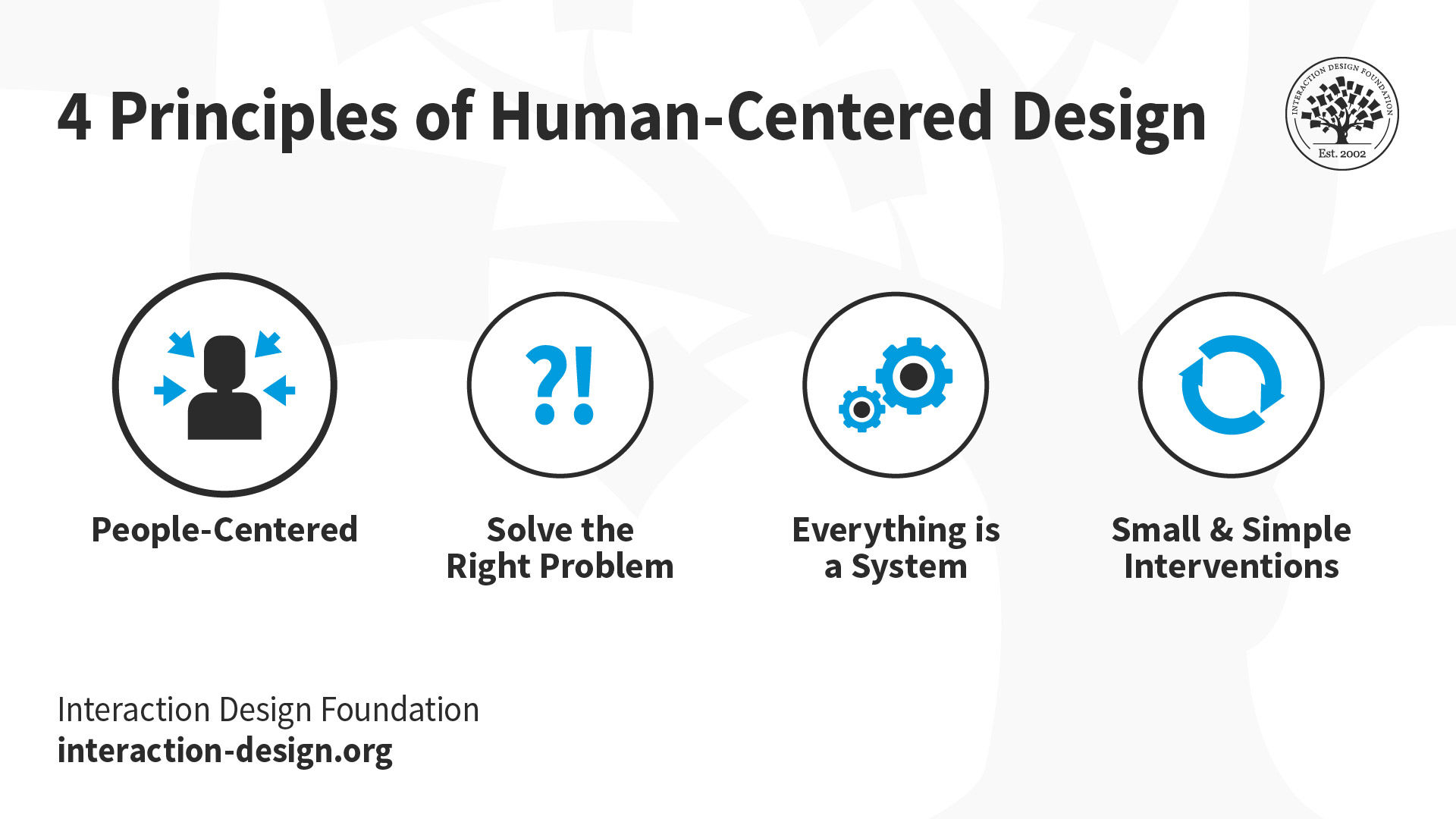
Text that says 4 Principles of Human-Centered Design. The first is People-Centered, which is highlighted. The second is Solve the Right Problem, the third is Everything is a System and the fourth is Small and Simple Interventions.

People are at the heart of human-centered design. As Don Norman explains above, when we tackle complex global challenges, we should not design for people. Instead, we should involve and design with the people who are closest to those challenges.
© Interaction Design Foundation, CC BY-SA 3.0

References and Where to Learn More

Read Don’s insight-laden book The Design of Everyday Things to learn more about Human-Centered Design.

Ready to shape the future, not just watch it happen? Join the Father of UX Design, Don Norman, in his two courses, Design for the 21st Century and Design for a Better World, and turn your care for people and the planet into design skills that elevate your impact, your confidence, and your career.

Images

© Interaction Design Foundation, CC BY-SA 3.0

Feel Stuck?
Want Better Job Options?

AI is replacing jobs everywhere, yet design jobs are booming with a projected 45% job growth. With design skills, you can create products and services people love. More love means more impact and greater salary potential.

At IxDF, we help you from your first course to your next job, all in one place.

See How Design Skills Turn Into Job Options
Privacy Settings
By using this site, you accept our Cookie Policy and Terms of Use.
Customize
Accept all

Be the One Who Inspires

People remember who shares great ideas.

Share on:

Academic Credibility — On Autopilot

Don't waste time googling citation formats. Just copy, paste and look legit in seconds.