Humanity-centered design is a practice where designers focus on people’s needs not as individuals but as societies with complex, deep-rooted problems. Designers can co-create proper solutions when they work with populations, address the right problems, perform systems analyses and co-design small, simple interventions to embrace incrementalism to make gradual progress.
“Learn how to work together and find a solution that is most appropriate for the people.”
— Don Norman: Father of User Experience (UX) design, author of the legendary book The Design of Everyday Things, co-founder of the Nielsen Norman Group, and former VP of the Advanced Technology Group at Apple.
See why humanity-centered design is key to designing the best solutions to complex global problems.
The Best Solutions Answer Big-Picture Problems
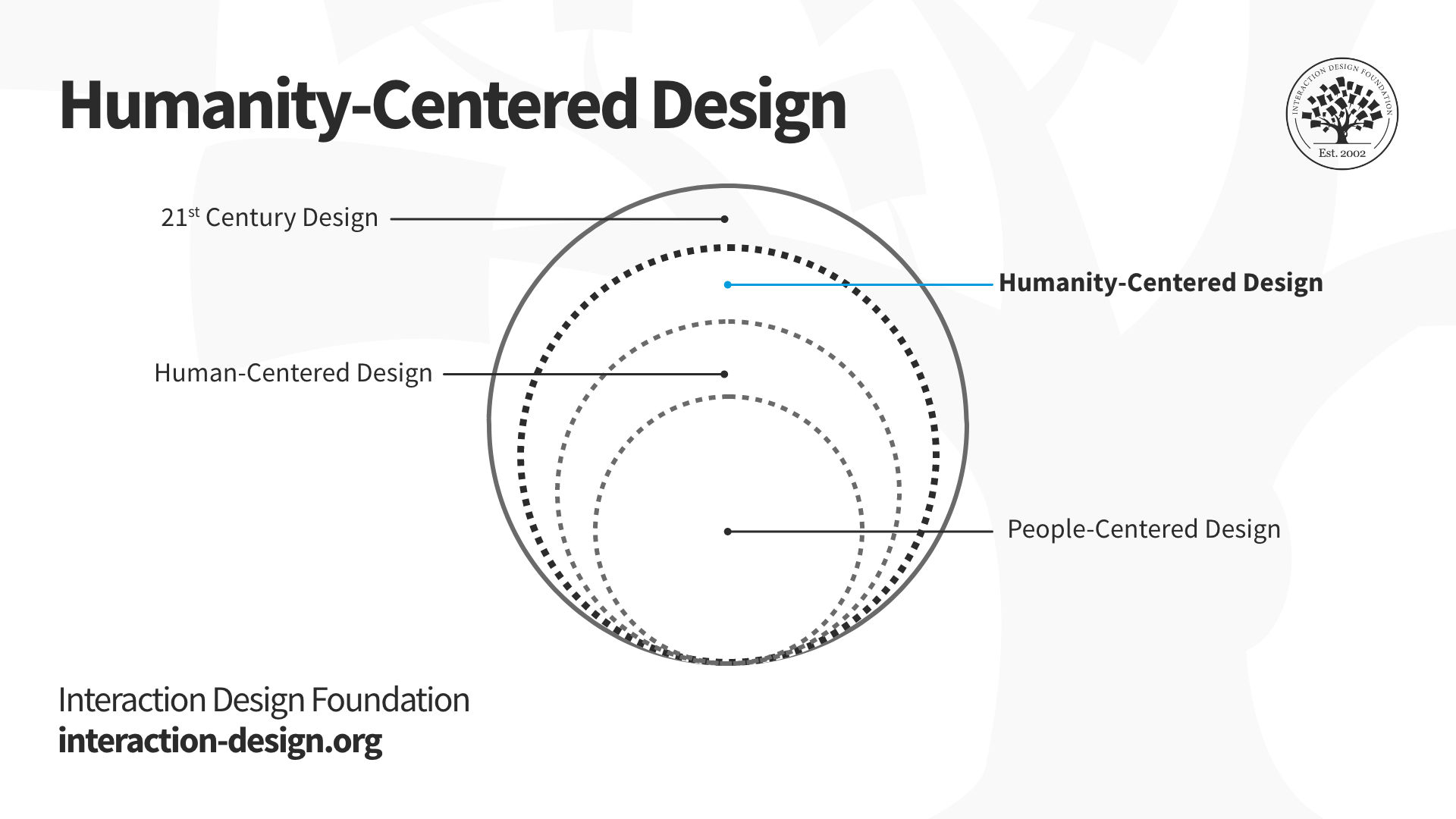
Cognitive science and user experience expert Don Norman identified the need to evolve away from user-centered design to people-centered design and human-centered design, so designers develop a broader view of their responsibilities to the people they design for. But we say “person” rather than “human” when we discuss the people we want to help. And we focus on them as communities, not individuals.
© Interaction Design Foundation, CC BY-SA 4.0
Humanity-centered design represents the ultimate challenge for designers to help people improve their lives. Where “human-centered” puts a face to a user, “humanity-centered” expands this view far beyond: to the societal level of world populations who face hordes of highly complex and interrelated issues that are most often tangled up in large, sophisticated, “human-caused” systems. That’s why we as designers use 21st century design, to analyze wicked problems and complex socio-technical systems. From there, we try to accommodate the needs of the groups we want to help. Without this, we’d be left in the same old trap of designing only what we think will work. And these areas especially distort our views as designers:
Monoculture – Designers who live in Western (including Western-influenced) societies inhabit a reality where everyone learns from the same books and universities and attends the same conferences. Consequently, everyone tends to think the same way: a dangerous thing. Like crops in nature, there’s a better chance of surviving a disaster if we diversify. But it’s challenging to overcome Western biases, stop designing ill-conceived, patronizing “solutions” that fail toxically, and listen to other cultures and their ways of seeing their world.
The world’s economic systems – Pioneering economist Adam Smith had seen how greedy individuals could twist the invisible hand of the market. And too much of the economic system continues to be exploited by the rich and wealthy for gain. So, the gulf continues to widen in terms of the availability of resources between the very rich and the very poor.
The world’s political systems – They’re also damaged, with the interests of the powerful often blocking the way to addressing global problems.
The internet – With fake news and legions of distorted opinions flooding cyberspace, the real picture of the state of our world and its many systems is increasingly hard to understand.
Humanity-centered design is the answer Norman proposes to change many things, including the economic model, so we can learn from other traditions and serve the ultimate end: to make the world a better place.
How to Use Humanity-Centered Design to Make a Better World
You can apply the principles of humanity-centered design to any complex problem in the world, be it related to politics, economics, education or any of a host of others (e.g., from the UN’s Sustainable Development Goals).
The Five Principles of Humanity-Centered Design
The principles of humanity-centered design are similar to traditional human-centered design principles. Besides expanding the scope of traditional HCD to include the ecosystem, humanity-centered design adds a fifth dimension to the four principles: Design with the community.
Focus on the entire ecosystem of people, all living things, and the physical environment.
Everything is connected. The actions in one part of the globe can have a ripple effect across different regions. For example, you might find that islanders in a Far-East nation have severe pollution problems and their fishing industry is dying. This could be due to plastics dumped in a neighboring island. It could also be linked to poor recycling infrastructure that leads to plastic getting dumped near the sea.
There may not be a single source of the problem because of the interconnected nature of the world today.Solve the root issues, not just the problem as presented (which is often the symptom, not the cause).
Dig deep and examine cause-and-effect chains carefully. There are often very complex links. In our example, a program to remove the plastic from the islanders’ seafront would be treating symptoms. The problem runs deeper. Try the 5 Whys approach to uncover root causes.Take a long-term, systems point of view. We must realize that the impact of our actions on society and the ecosystem can take years to appear or manifest even decades later.
Everything is a system. Working back through a cause-and-effect chain, you’ll find other forces at work. In our example, there’s an agreement between countries. How would you address that? Which experts could help reduce the overflow of recyclable plastic going abroad? Is recycling not a good thing, after all? As we can see, it’s complex; it’s a system. So, do a long-term systems analysis to find the connections, knock-on effects, etc.Continually test and refine the proposed designs to ensure they truly meet the concerns of the people and ecosystem for whom they are intended.
Do small, simple interventions to tackle the most important problem. See what works and what brings you closer to a sustainable solution. Tweak it when the results seem promising and keep learning from the feedback. In our example, this could involve the repurposing of plastic containers into bricks to make low-income housing. Meanwhile, governments could appreciate that recycling isn’t as straightforward as most people assume. Perhaps the exporter country could encourage manufacturers to use less plastic, find alternative packaging, etc.Design with the community, not for them.
Professional designers should serve as facilitators and support community members to meet their concerns. This is by far the most important principle in humanity-centered design. Continuing our previous example, designers must refrain from imposing solutions on the community that faces the pollution crisis.
Often, people who face the problems also have good solutions, but only need support to implement them. Furthermore, when solutions come from within the community, people are more likely to accept the solution than if it were to come from outside.
Overall, humanity-centered design is an opportunity to move away from designing small, simple things to designing systems; political systems that can effect real change, real solutions to big problems affecting our planet and the precious life it sustains.
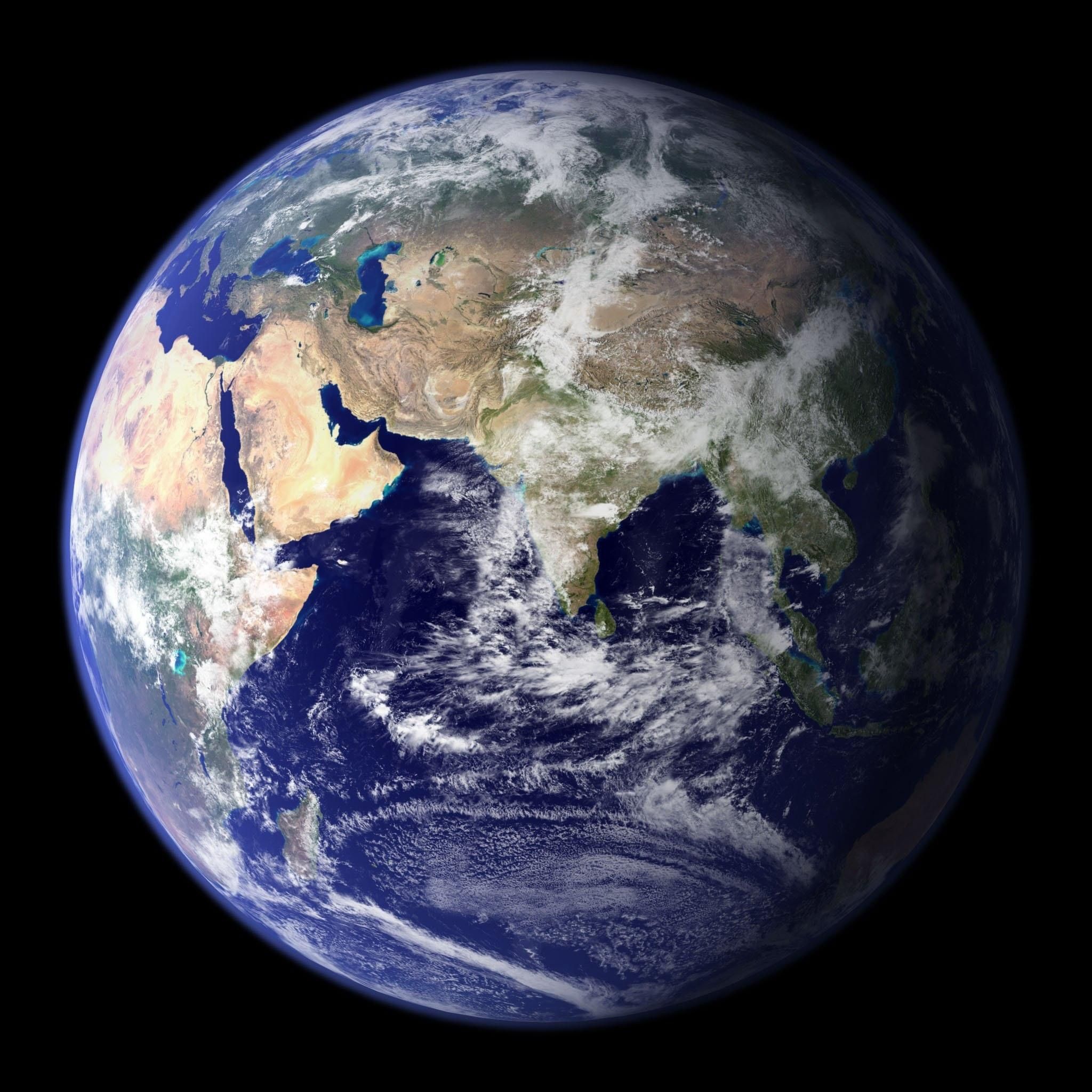
© Pixabay, CC0