Stage fright is the fear or anxiety people feel before or during speaking, performing, or presenting in front of others. It affects professionals across many fields, including UX (user experience) designers, who often need to share their ideas with teams, stakeholders, and others. By learning how to manage it, you can turn stage fright into confidence and connection.
Discover how to feel more confidence and deliver better presentations when you speak in front of others, in this video with Morgane Peng, Managing Director, Global Head of Product Design and AI Transformation.
All the World is a Stage (So Have No Fear)
William Shakespeare’s classic line “All the world’s a stage,” from his comedy As You Like It, echoes across time to provide some encouragement, at least in the sense that everyone has some role to play in life and so perhaps humans should get used to the idea. However, for the millions of people who experience stage fright, it’s no joke. Have you ever felt a pit in your stomach before going to speak in front of others? Perhaps a pang of dread before going onstage for a theatrical performance? If so, congratulations: you have a normal “condition” which countless other “co-sufferers” across the planet share.
Stage fright goes by other names, too, such as performance anxiety, and it’s closely related to the fear of public speaking, or glossophobia. The nervousness or fear that arises when someone is about to present or perform in front of others can strike at any time. It can happen before you step on stage or while you’re speaking in a meeting or giving an online presentation. Perhaps one of the nastiest tendencies of stage fright is that when someone knows they have to present in the future, it can color (though, hopefully, not ruin) the time between when they discover they must present and when they actually present.
Actors and musicians aren’t the only ones who get stage fright. People from all walks of life can experience stage-fright symptoms such as a faster heartbeat, sweating, and an unpleasant sense that everybody in the room is not just watching them but waiting for them to make a mistake and appear foolish, too. The key is to see through it as a “trick” of perception that your mind might automatically use in response to a potentially stressful situation; it may feel like an absolute reality, but it’s more like an illusion.
How Stage Fright Feels
Stage fright can show up in both physical and emotional ways, often interconnected in ways that you can’t easily analyze. Typical physical signs include rapid heartbeat, shaky voice or hands, dry mouth, and sweaty palms. Inside, you can experience racing thoughts and even end up forgetting lines or points you thought you had practiced to perfection.
Emotionally, you might feel dread, panic, or even a strong desire to avoid the situation altogether; like it would be so much safer not to put yourself through it. These reactions can feel overwhelming, but remember that millions of people share them. Even seasoned performers and leaders experience stage fright; it’s “part of the package” of performing. Famous speakers, actors, and musicians have all admitted to intense performance anxiety, even after decades of experience.
Why Does Stage Fright Happen? It’s Not You; It’s Biology
Stage fright occurs for a number of reasons, namely these
Evolutionary Wiring
“It goes back to the dawn of time” may sound like a cliché, but humans did evolve in groups, and, as social beings, acceptance meant survival. Standing apart, like getting up in front of others and speaking alone to them, can trigger a fear of rejection, a feeling your brain still treats as a real threat.
At its core, stage fright is your body’s natural fight-or-flight response kicking into gear. It’s a carryover from earlier times when humans had to worry about predators charging at them and savaging them to death, usually for food. The modern equivalent of such an ancient predicament may be a far safer scenario now, but the human nervous system doesn’t care; its “software” activates, anyway, and adrenaline floods the system, quickening heart rate and making you feel like bracing for an attack or running away.
Fear of Judgment
You worry about forgetting your words, making mistakes, or being misunderstood, but you know you’d be fine if you were presenting to an empty room. In that empty room, you can tell the walls every point in your speech with confidence and transition seamlessly from section to section. However, with so many sets of eyes on you, you pause and go, “Um.” What happened?
Again, it’s natural; this fear magnifies when others are watching. Whenever you, like most human beings, anticipate judgment, rejection, or failure, chances are your brain signals danger, even if no real threat exists. That adrenaline channels through your system, quickening your heartbeat, tightening your throat, and causing your palms to sweat. It might seem crazy to categorize these uncomfortable reactions as common, even normal, but they are.
Perfectionism and Self-Doubt
Perhaps most perversely of all, stage fright can get worse when you care. It’s not fair; surely it should happen to people who don’t try, the folks who can’t be bothered putting their all into something? Still, if you hold yourself to very high standards, stage fright may feel even worse. What should be a straightforward presentation about a topic you should know all about can turn into what might feel like an Olympic event, with that gnawing pressure to deliver flawlessly. Instead of focusing on sharing value, you can’t help but let the emotion take you. You, the competent professional who is cool, calm, and collected when you’re on your own, might now become a tangle of jangled nerves. Surely, it’s a sign of lack of emotional maturity, the sort of thing that only children get? No; it’s natural, at any age.
Previous Experiences
Speaking of “children,” think about your past for a moment: an early school play, your turn to speak in debating class, or presenting a project in school, for example. How did it go? Maybe you tripped and fell on the stage? Did other students laugh at a point you made in the debate? Perhaps the student who presented their science project just before you did it so well and had the most impressive project of all, and you felt yours paled by comparison?
In the moment, maybe you felt your legs turn to jelly, your voice wavered, and you just wanted to be out of there. Any frustration or anger would come later; maybe you’d seethed at how the other student’s parent must have created their project that made yours look bad by comparison, for instance? The memory of a negative presentation, even years ago, can intensify anxiety in the present. If you experienced any of those symptoms earlier in your life, the scenario of presenting or public speaking now can trigger those awful feelings.
Fortunately, recognizing these roots helps you see stage fright for what it is: it’s a natural response, not a personal failing or a sign that you’re a “bad presenter.”
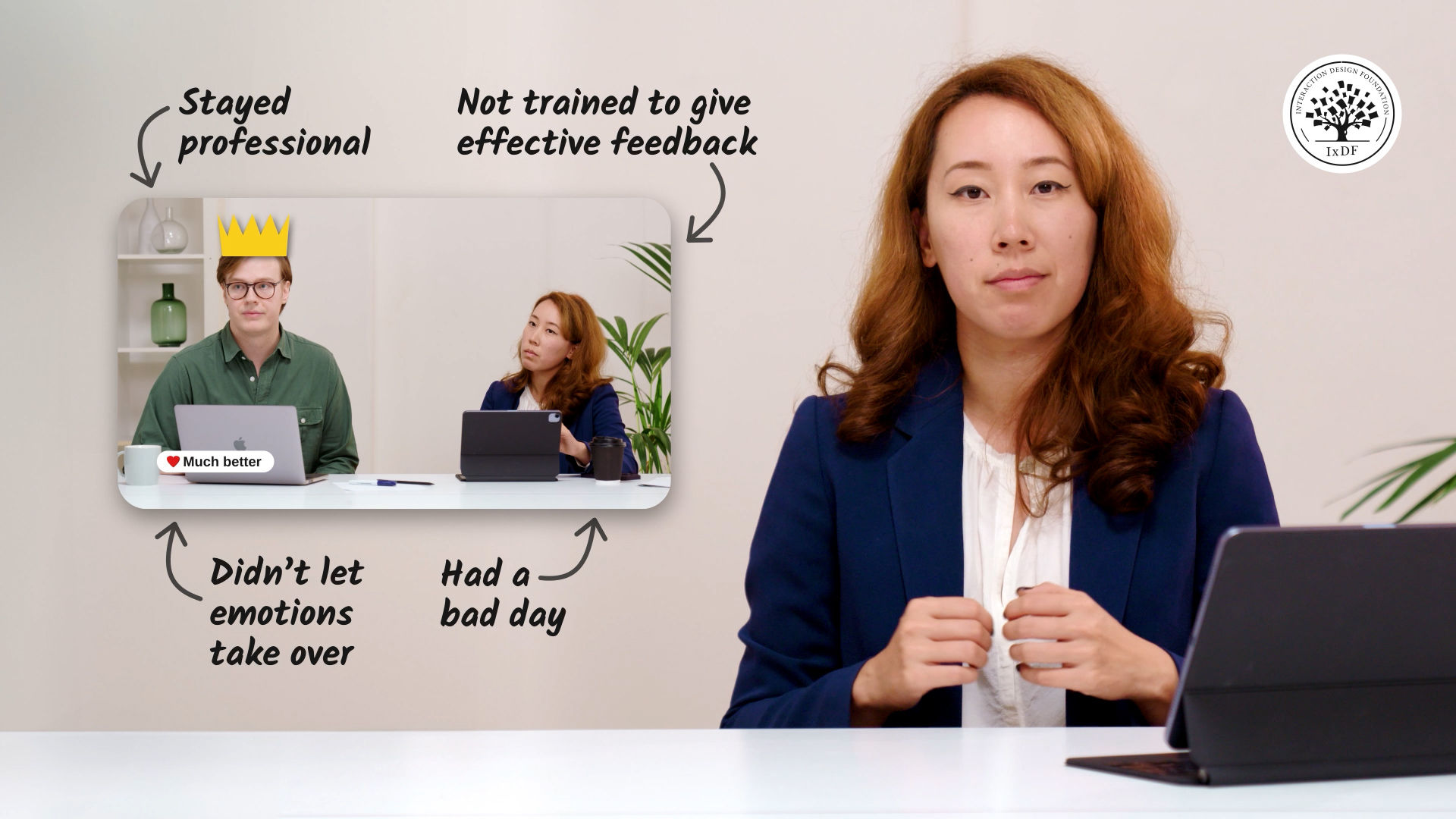
How an objective eye might see a situation featuring these two people, who in this picture represent participants in a potential presentation. The cool presenter “wins.”
© Interaction Design Foundation, CC BY-SA 4.0
Myths About Stage Fright
Now the science behind stage fright is out of the way, one aspect that can make stage fright feel worse is myths about it, and here are some main ones:
Myth 1: Only Shy People Get Stage Fright
Totally untrue: extroverts and experienced professionals often feel it, too.
Myth 2: If You Have Stage Fright, You’ll Never Be Good at Public Speaking
This one is rather like the flip side of “success breeds success,” but it’s false, so don’t believe it. The truth is, with practice, anyone can become skilled at presenting and even enjoy it.
Myth 3: Confidence Means Zero Nerves
People may like to show that they’re not “sweating it,” but, in truth, confidence means managing nerves, not eliminating them. “Managing nerves” isn’t a superhuman feat, by the way; anyone can do it with practice and insight.
Why Stage Fright Matters in UX Design
Public speaking and presentations aren’t “extra” skills in UX design; they are part of your everyday professional life. You may have genius ideas and design screens, flows, or research studies, but your ideas only create impact when others understand and support them. That means it’s just as important to share your designs and findings clearly and persuasively as it is to create them.
Explore how speaking up can empower you as a designer to do more with your craft and with your team members, in this video with Morgane Peng.
As a UX designer, you’ll often find yourself:
Presenting research findings to stakeholders so they see what users really need.
Explaining design choices to product managers, developers, clients, and executives.
Leading workshops with cross-functional teams.
Speaking at conferences or meetups to build authority and contribute to the design community.
Every one of these moments is a chance to grow, not just your design influence, but your career. When you speak confidently, people remember you, trust your expertise, and see you as a leader who’s sure about the subject and about yourself.
The Benefits of Strong Communication Skills
For you as a UX designer, or in any role where communication matters, understanding stage fright helps you manage it. Instead of seeing it as a weakness, you can use it as a signal: your mind and body care deeply about the outcome, and you can redirect that energy into focus and impact.
Often, strong presentation skills are what separate good designers from great ones. Many career breakthroughs, such as promotions, leadership opportunities, conference invitations, come to those who can share ideas with clarity and impact. So, when you triumph over any fear of presentations, you can flip the perspective to enjoy the benefits and:
Show your expertise. You’ve put in the hard work; now you get to share it, so relish each moment you’re up there.
Build influence. When you speak persuasively, stakeholders trust your judgment and can give your designs the support they need to move forward.
Expand your network. Each presentation introduces you to people who value your perspective and can associate with you.
Advocate for users and ensure the best solutions reach the market.
Shape your career path. Confident communication opens doors to leadership, teaching, or speaking roles.
Note: public speaking isn’t about being the loudest person in the room; it’s about communicating ideas in a way that inspires action. When you embrace it, you don’t just overcome stage fright; you set yourself up to thrive in UX design and beyond.

When you’re up and speaking, it’s advisable to have some weakness, but don’t worry; it’s nothing to do with your nerves.
© Interaction Design Foundation, CC BY-SA 4.0
How to Overcome Stage Fright: Practical Tips
Stage fright is something you can manage well, and, with the right strategies, you can transform anxiety into energy that others may find contagious. Consider these proven approaches:
1. Reframe Nervousness as Excitement
Your body’s signals, like a racing heart, are almost identical whether you feel anxious or excited; fear and arousal live on the same “street” in the human nervous system. It’s the perfect opportunity to harness that power and tell yourself: “I’m excited to share this!” and you’ll redirect the energy into enthusiasm instead of fear.
2. Prepare Thoroughly
Preparation builds confidence; even so-called “natural speakers” need to practice and rehearse, too, or their audiences will quickly notice a lack of substance and coherence in what they hear. Outline your key points, practice aloud, and test your setup if you’re presenting online. In a sense, it’s like muscle memory. The more familiar you are with your material, the less mental space anxiety will occupy.
Practice can make perfect, so check out these tips on how to steer your presentation skills towards better outcomes and avoid pitfalls, in this video with Morgane Peng.
3. Focus on the Audience, Not Yourself
Stage fright often comes from self-focus and losing sight of what’s really important. Don’t worry; it’s certainly not that you’re selfish or unimportant; it’s just that the “What if I mess up?” focus can derail proceedings. So, instead, shift attention outward. Ask: “How can I help my audience understand and benefit from this?” Take this mindset and you’ll find it can reduce pressure and build connection as you feel good as a giver. From that, when you’re building up audience awareness and sustain it, you can engage everyone in the room without sacrificing anything from your own performance. If anything, you’ll improve how you appear to them as an interested, competent, and caring professional who values their contributions.
Find out how to give even better presentations through audience awareness, in this video with Morgane Peng.
4. Breathe and Ground Yourself
Listen to your lungs and notice a powerful anti-stress aid you can indulge in with the first activity humans do when they’re born. Deep, slow breathing calms your nervous system. Before your presentation, take a minute’s practice to inhale for four seconds, hold for seven, and exhale for eight, safely. If you can enjoy some grounding before the event by contacting with the earth outside, you can enjoy some benefit from that, also. Other techniques, like pressing your feet into the floor, help anchor you, too, and striking a power pose can help how you feel and how you look.
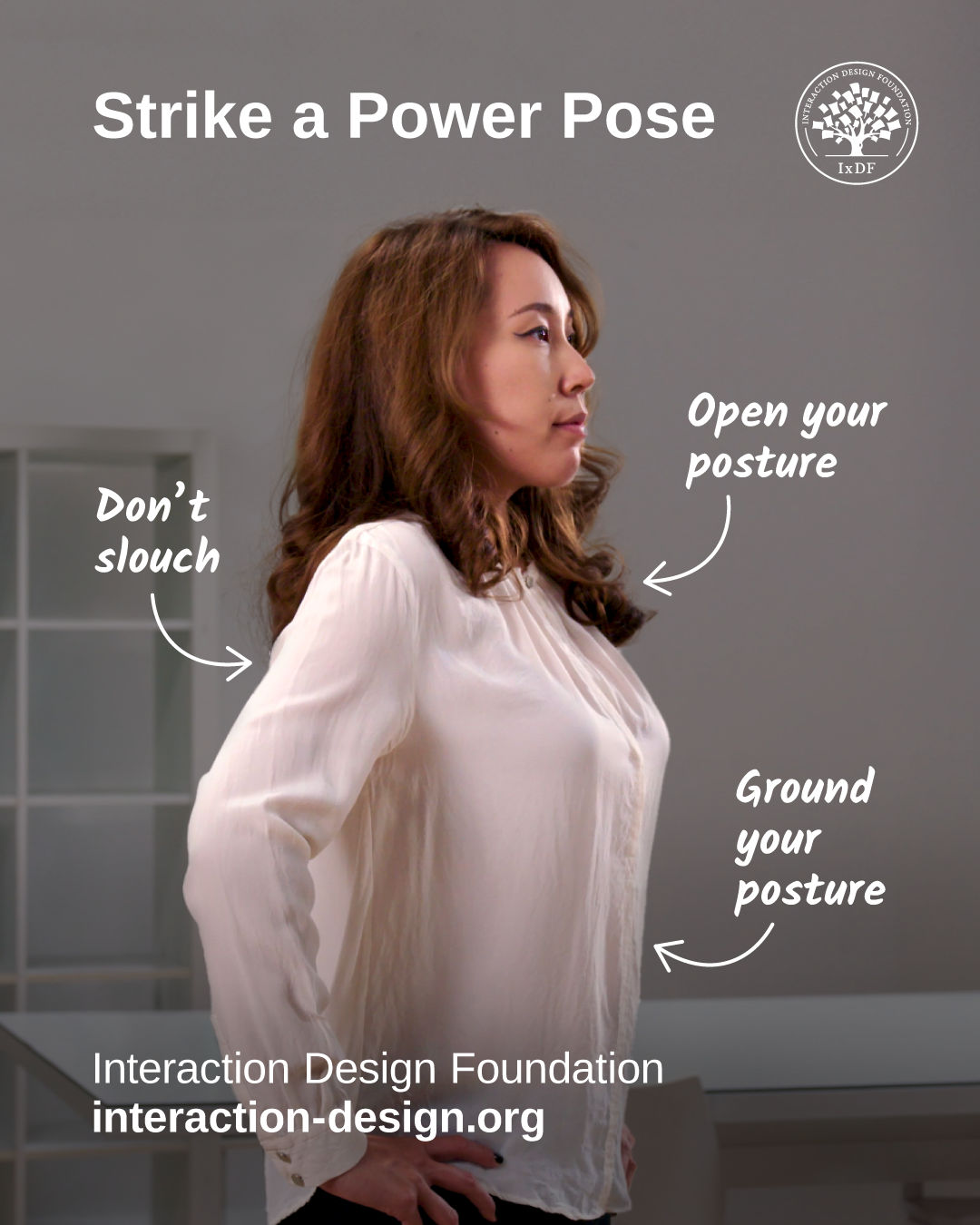
Try this posture to improve your UX design speech delivery and how you feel in a presentation setting.
© Interaction Design Foundation, CC BY-SA 4.0
5. Start Small
If big presentations feel daunting, why not start with smaller steps. Speak up in meetings, lead a short workshop, or present to a supportive friend, and gradually, your confidence will grow to the point that when you’re up in front of a larger group, you may not even notice the “crowd.”
6. Practice Visualization
When you see an effect happen before the fact, you can seize and “own” it, so picture yourself succeeding. Imagine the audience nodding, smiling, and applauding. Visualization primes your brain for positive outcomes and reduces fear. If you’ve presented or performed in the past and it went well, remember that good feeling you had afterwards and tap that, too: imagine the dopamine rush you’ll get from this next superb performance.
7. Accept Imperfection
Nobody expects flawless delivery, not in the real world, anyway. Mistakes happen, and audiences are more forgiving than you may think. Aside from the point that the people watching you can feel better about their own performance anxiety as well, the important thing is that they remember your message and sincerity, not every word.
8. Use Your Body
Stand tall, make eye contact, and gesture naturally; you’re only up there for a limited time, not an eternity. Your body language communicates confidence to others; it also feeds confidence back into you. Your body is a great vehicle to take your points home to everyone in the room, so enjoy the “drive.”
9. Remember Why Everyone is There
You’re there to present, and they’re there to learn and contribute to the great fund of knowledge you will provide. So, remember these are people, who have taken time to see you as what you have to say is so important, and so respect your time and theirs. They’re human beings, not gods poised to judge you in a life-or-death situation. Enjoy the experience and you’ll likely help them enjoy it, too.
10. Cast a Presence of Trust
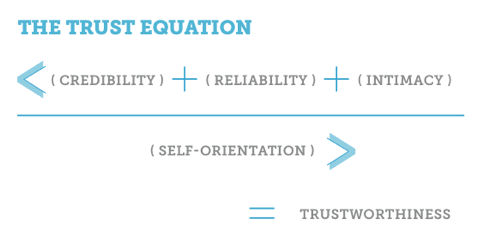
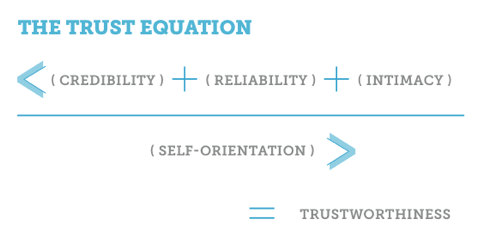
What’s the one ingredient that will help you succeed more than any? Trust. You can come across as calm, cool, and collected, and you can convey all the competency a highly skilled professional who’s presenting could want. However, unless you’re likeable as well as competent, you’ll find it hard to win the audience’s trust, especially important when you’re trying to secure buy-in from business stakeholders. And when people recognize you as a giver, not a taker, they’ll listen more to you as someone to trust. Fortunately, you’ve got two solid trust frameworks to apply to help your message not just land with the audience members but resonate also: the competency and warmth model, and the giver-taker model.
Find out how to leverage trust models to fine-tune your speech and presentation delivery and get better results, in this video with Morgane Peng:
Stage Fright Is Not a Weakness: It’s a Signal You Care
For all its uncomfortable “symptoms” to manage, remember that stage fright has a surprising upside: it shows you care. So, acknowledge how that adrenaline rush fuels your energy, sharpens your focus, and keeps you fully present. Many performers admit their best shows come with a dose of nerves. Imagine how dreary and lackluster they might seem if it weren’t for that spark to help them deliver the goods.
By reframing stage fright as a partner rather than an enemy, you can unlock its empowering side and climb aboard a thrilling ride to deliver the goods to your target audience, impressively. Instead of trying to “erase” nervousness and potentially dilute your message into a half-hearted explanation, treat it as an ally and use it to bring authenticity, energy, and passion to your communication.
Overall, stage fright does not limit your potential; you are not “bad at presenting” because you feel nervous. You are human, and with each experience, you can build resilience and skill. You can learn to channel the energy of stage fright and turn it from a force that feels like it might scorch your spirit into one that helps you shine. Many of the world’s most admired communicators started out with shaky hands and trembling voices. They grew by facing their fear, not by avoiding it; and underneath it all, many of them still feel the “fear” decades into their careers.
When you do the same, you’ll not only overcome stage fright; you’ll discover a more confident, authentic version of yourself, too. However “shy” or introverted you might believe yourself to be, you’re not barred from thriving in front of others. Many introverts become powerful communicators because they prepare deeply and speak with authenticity, improving all the time. People respect that authenticity; it’s earnest. With practice and patience and self-love, stage fright becomes far less of a barrier and more of a stepping stone to growth, empowerment, and connection: a buzz that can flow into a lively, memorable presentation that can transform into a rush when you look back at a talk delivered well.