Human-Centered AI (HCAI)

Your constantly-updated definition of Human-Centered AI (HCAI) and collection of videos and articles.
Be a conversation starter: Share this page and inspire others!

98 Shares

What is Human-Centered AI (HCAI)?

Human-centered AI (HCAI) refers to the development of artificial intelligence (AI) technologies that prioritize human needs, values, and capabilities at the core of their design and operation. This approach ensures teams create AI systems that enhance human abilities and well-being rather than replacing or diminishing human roles. It addresses AI's ethical, social, and cultural implications and ensures these systems are accessible, usable, and beneficial to all segments of society. HCAI is linked to Human-AI interaction, a field that examines how AI and humans communicate and collaborate.

In this short snippet from a 1-hour Master Class, Netflix Product Design Lead Niwal Sheikh talks about what HCAI is.

Transcript

In Human-Centered AI, designers and developers engage in interdisciplinary collaboration and often involve psychologists, ethicists and domain experts to create transparent, explainable and accountable AI. The Human-Centered AI approach aligns with the broader movement towards ethical AI and emphasizes the importance of AI systems that respect human rights, fairness, and diversity.

Why Is Human-Centered AI Important?

Human-centered AI is crucial because it ensures that AI systems focus on human needs and values. To incorporate human-centered design in AI means to involve users actively in the development process. This collaborative approach leads to more effective and ethical solutions as it harnesses diverse perspectives and expertise. For example, when teams involve users from various backgrounds, they can help identify and mitigate biases in AI algorithms, leading to more equitable outcomes.

Moreover, human-centered AI fosters trust and acceptance among users. When people understand and see the value of AI systems, they are more likely to adopt and support these technologies. This trust is essential for the successful integration of AI into everyday life.

Human-Centered AI vs. Traditional AI: What’s the Difference?

Traditional AI emphasizes task automation for efficiency, while Human-Centered AI prioritizes human needs, values and capabilities. In contrast to traditional AI, Human-Centered AI aims to augment human capabilities rather than replace them. This design philosophy prioritizes understanding and respecting human needs to ensure that AI systems are accessible, user-friendly, and ethically aligned.

In HCAI, teams actively involve users in the design process to create solutions finely tuned to real-world needs. Ethical considerations within HCAI address privacy, fairness and transparency, preventing biases and ensuring accountable and explainable AI decisions. HCAI systems adapt and learn from human behaviors and are context-aware. HCAI integrates psychology, sociology, and design for a holistic understanding of human-AI interaction.

Several examples illustrate the differences between Human-Centered AI (HCAI) and traditional AI:

  • Personalized learning systems: In education, traditional AI might focus on the automation of grading or generic educational content. HCAI, in contrast, creates adaptive learning platforms that adjust content and teaching styles to fit individual student's learning patterns, preferences, and needs. This approach enhances the learning experience and outcomes, clearly understanding and adapting to human behaviors and preferences.

  • Healthcare applications: Traditional AI might focus on maximizing efficiency in data processing and diagnostic procedures. HCAI, on the other hand, may not only assist in diagnosis but also consider patient comfort, privacy and emotional well-being. For example, AI tools in mental health are designed to provide therapy and support in a manner that is sensitive to and respectful of the patient's psychological state.

  • Automotive industry: In traditional AI, the focus might be to create fully autonomous vehicles. HCAI takes a different route and aims to develop advanced driver-assistance systems (ADAS) that enhance driver safety and comfort, ensuring that the technology serves the driver rather than replacing them. These systems can adapt to individual driving styles and provide intuitive assistance, ensuring a harmonious interaction between humans and machines.

  • Customer service: Traditional AI deploys chatbots and automated systems that focus solely on efficiency. HCAI, however, designs these systems to understand and respond to human emotions, providing a more empathetic and personalized customer experience. These AI systems can detect customer frustration or confusion, adapt their responses accordingly, or even escalate to a human operator when necessary.

  • Smart home devices: Traditional AI might focus on automation and control of home devices. HCAI, in contrast, designs smart home systems that learn from and adapt to the residents' routines and preferences. It creates an environment that is not only efficient but also comfortable and conducive to the well-being of its inhabitants.

What Is Ethical AI Design?

Ethical AI encompasses principles and guidelines that address potential biases and ensure transparency; it fosters accountability, promotes fairness, and safeguards privacy. 

The main principles of Ethical AI are:

Transparency in AI

Transparency is a cornerstone of ethical AI; it emphasizes the importance of openness in the design, development, and deployment of AI systems. Transparent AI systems provide clear insight into their decision-making processes and allow users and stakeholders to understand how the AI draws conclusions. 

Transparency is essential to build trust in AI applications, as it enables users to comprehend the rationale behind AI-generated outcomes; it helps mitigate concerns related to some AI algorithms' "black box" nature. Transparency is particularly critical in applications with significant societal impact, such as healthcare, finance, and criminal justice.

For example, OpenAI (the creators of the generative AI program, ChatGPT) emphasizes openness and provides access to the model's codebase, which enables users to understand how their AI system works. This commitment to transparency empowers developers to explore, critique, and contribute to the model's evolution and fosters a collaborative and accountable AI ecosystem.

Accountability in AI

Accountability involves assigning responsibility for the actions and decisions made by AI systems. Ethical AI frameworks prioritize clear lines of accountability, which ensures that individuals or entities are answerable for the outcomes of AI applications. This accountability extends across the entire AI lifecycle, from design and training to deployment and monitoring. When stakeholders are accountable, they are incentivized to prioritize fairness, equity, and the ethical use of AI. This accountability-driven approach is essential to build a robust ethical foundation in AI.

For example, companies that use AI-driven recruitment tools must take responsibility for the impact of these tools on diversity and inclusion. Transparent reporting and regular audits can hold organizations accountable, mitigate biases and ensure fair employment practices.

Fairness in AI

Fairness in AI emphasizes the equitable treatment of individuals, irrespective of their demographic characteristics. Ethical AI frameworks prioritize the identification and mitigation of biases and ensure that AI systems do not perpetuate or exacerbate existing societal inequalities. Biases in training data or algorithmic decision-making can result in unequal treatment and reinforce societal prejudices. Ethical AI demands continuous efforts to address and rectify biases, promoting inclusivity and fairness in diverse contexts.

For example, due to historical biases in training data, facial recognition systems have exhibited racial and gender disparities. Ethical considerations demand ongoing refinement and validation to ensure that these technologies treat all individuals fairly.

Privacy in AI

Privacy is a fundamental ethical principle, particularly in AI applications that involve personal data. User privacy consists of safeguarding sensitive information, implementing secure data practices, and providing users with control over their data. AI systems often rely on vast amounts of data to operate effectively. Ethical AI frameworks prioritize privacy protections to prevent unauthorized access, misuse, or unintended disclosure of sensitive data.

For example, healthcare AI applications like diagnostic tools and personalized medicine involve sensitive patient data. Ethical considerations demand robust privacy measures, including encryption, secure storage, and strict access controls, to protect individuals' medical information and maintain the confidentiality of health-related data.

In this video, Niwal Sheikh talks about how to put ethical AI at the forefront.

Transcript

What Are the Principles of Human-Centered AI Design? 


The fundamentals of human-centered AI design are rooted in the following key principles:

Empathy and Understanding the User 

Understanding the needs, challenges, and contexts of the users is paramount. Designers must empathize with users to create AI solutions that genuinely address their problems and enhance their lives. For example, an HCAI healthcare app should be based on in-depth interviews with patients and doctors. It should understand and anticipate the unique needs of different patients, such as medication reminders for elderly users, and ensure a personalized and empathetic user experience.

Ethical Considerations and Bias Mitigation

Ethical considerations like privacy, transparency and fairness are crucial in human-centered AI. Designers must actively work to identify and mitigate biases in AI algorithms to ensure equitable outcomes for all users. For example, IBM Watson Health analyzes patient data to assist in diagnosis and treatment planning. They prioritize ethical AI, ensure data privacy and strive to reduce biases in their algorithms, which promotes fair medical treatment for all patients.

User Involvement in the Design Process

Involving users in the development process is vital for creating AI systems that are genuinely beneficial and user-friendly. This participatory approach ensures the solutions are tailored to real-world needs and preferences. For example, designers should involve users from various demographics in the testing phase to create a voice assistant. This feedback helps refine the assistant’s responses, making it more responsive and valuable to a broader user base.

Accessibility and Inclusivity

AI systems should be accessible to and usable by as wide a range of people as possible, regardless of ability or background. This inclusivity ensures that the benefits of AI are available to everyone. For example, an AI-powered educational platform with features like text-to-speech and language translation makes it accessible to users with disabilities and those who speak different languages, thereby fostering inclusivity.

Transparency and Explainability

Users should be able to understand how AI systems make decisions. Transparent and explainable AI fosters trust and allows users to interact with AI systems more effectively. For example, a financial AI system provides users with clear explanations of how it analyzes data to offer investment advice. This transparency helps users trust and understand the AI recommendations and enhances user experience.

Continuous Feedback and Improvement

Human-centered AI is an iterative process that involves continuous testing, feedback, and refinement. This approach ensures that AI systems evolve in response to changing user needs and technological advancements. For example, Tesla’s Autopilot technology aims to continuously improve through over-the-air software updates based on real-world driving data and user feedback, which enhances safety and performance over time.

Balance between Automation and Human Control

While AI can automate many tasks, it's essential to maintain a balance where humans remain in control, especially in critical decision-making scenarios. This balance ensures that AI augments rather than replaces human capabilities. For example, in an autonomous vehicle, while the AI handles navigation, there should always be the option for the driver to take manual control. This balance ensures safety and keeps the human in command during critical situations.

Case Studies: Successes and Challenges

In this video, Niwal Sheikh talks about the implementation of human-centered AI.

Transcript

There are several notable case studies where Human-Centered AI (HCAI) has been successfully implemented in design:

  • IBM's AI for Fashion: IBM collaborated with fashion houses to develop AI systems that analyze fashion trends, customer preferences, and social media data. This HCAI approach allows designers to create more personalized and trend-responsive collections, which enhances customer satisfaction and business performance.

  • Google's AI-Powered User Experience: Google has implemented AI in its UX design, particularly in products like Google Assistant and Google Photos. These applications use AI to understand user preferences and behaviors, offering personalized and intuitive user experiences tailored to individual users, such as voice recognition and automated photo tagging.

  • Autodesk's Generative Design: Autodesk uses AI in its generative design software, allowing designers to input design goals and parameters. The AI then generates multiple design options, optimizing for specific objectives such as material usage, weight, and cost. This approach streamlines the design process and leads to innovative solutions that might not have been considered otherwise.

  • Spotify's Personalized Recommendations: Spotify employs AI to analyze listening habits and preferences, providing highly personalized music recommendations. This user-centered approach enhances user experience by tailoring content to individual tastes, demonstrating how AI can be used to deeply understand and respond to user needs.

  • Healthcare AI for Patient-Centered Care: AI is increasingly used to provide patient-centered care. For example, AI algorithms are used to analyze patient data and assist in diagnosing diseases more accurately and quickly, improving patient outcomes and experiences.

Despite these successes, it's essential to acknowledge the challenges to implement HCAI. The case of facial recognition technology exemplifies the development of biased algorithms. Apps like FaceApp have faced criticism for perpetuating gender and racial biases in their image-processing algorithms. These challenges underscore the importance of continual refinement in HCAI and emphasize the need for ongoing scrutiny, transparency, and iterative improvement.

Human-Centered AI: What’s Next?

As Human-Centered AI evolves, several key trends and developments are likely to emerge. In this video, Niwal Sheikh talks about the future of human-centered AI.

Transcript

Emergent Technologies

The future trajectory of Human-Centered AI is closely tied to advancements in emerging technologies. Natural language processing (NLP) is advancing rapidly, with applications like Grammarly using AI to understand and enhance user writing. This ensures more natural and effective communication, aligning with the principles of HCA. Another example is Replika, an AI chatbot designed to engage users in emotionally supportive conversations, showcasing the integration of emotional intelligence in AI.

Global Adoption and Ethical AI

As HCAI gains global traction, its principles are expected to play a pivotal role to shape the broader AI landscape. There will be a stronger focus on developing AI that adheres to ethical standards, prioritizes human rights, and mitigates biases. This includes designing algorithms that are fair, transparent and accountable.

Governments and organizations recognize the importance of ethical AI, with frameworks like OpenAI Codex incorporating ethical guidelines into AI development. This global adoption ensures that AI applications align with ethical standards, fostering responsible and inclusive technology.

Collaboration Between Humans and AI

The future of HCAI envisions even deeper collaboration between humans and AI. These systems will be designed to understand and predict human needs and work seamlessly alongside humans. Augmented intelligence is exemplified by applications like Runway ML, which provides a platform where users can experiment with various machine learning models, emphasizing the collaborative potential of AI in creative fields.

Interdisciplinary Collaboration

The field will witness increased collaboration between technologists, designers, psychologists, ethicists, and other stakeholders to ensure that AI systems are designed with a comprehensive understanding of human contexts and needs.

Emphasis on Explainable AI

There will be a growing demand for AI systems that can explain their decisions and actions in a way that is understandable to humans, enhancing trust and reliability.

Questions About Human-Centered AI (HCAI)?
We've Got Answers!

What is humanistic AI?

Humanistic AI focuses on the development of AI technologies that prioritize human values, needs, and ethical considerations. It involves:

  • Ethical AI: Ensures respect for human rights and values.

  • Human-Centered Design: Focuses on user needs in AI development.

  • Enhancement of Human Abilities: Augments, rather than replaces, human intelligence.

  • Social and Cultural Sensitivity: Respects diverse social and cultural contexts.

  • Sustainable Development: Aligns AI with long-term societal and environmental goals.

Designers should integrate these principles to create AI that positively impacts users and society.

Watch our Master Class webinar, Human-Centered Design for AI, with Netflix Product Design Lead Niwal Sheikh.

Take our AI for Designers course to learn more about AI.

What is HCAI?

HCAI, or Human-Centered Artificial Intelligence, is an approach to AI development that prioritizes human users' needs, experiences, and well-being. It emphasizes the creation of AI systems that are understandable, ethical, and designed to enhance human capabilities rather than replace them. Fundamental principles include ethical design, user-friendly interfaces, and aligning AI with human values and social norms. 


Watch our Master Class webinar, Human-Centered Design for AI, with Netflix Product Design Lead Niwal Sheikh.

Take our AI for Designers course to learn more about AI.


How can we make AI human-centric?

To make AI human-centric, focus on these key strategies:

  • User-Centered Design: Involve users in the design process. Understand their needs, preferences, and behaviors to create AI solutions that are intuitive and beneficial for them.

  • Ethical Considerations: Prioritize ethics. Address potential biases, ensure transparency, and respect user privacy and data security.

  • Accessibility and Inclusivity: Design AI systems accessible to all users, including those with disabilities. Embrace diverse user groups to ensure inclusivity.

  • Enhance Human Abilities: Develop AI that complements and augments human skills and decision-making rather than replacing human roles.

  • Continuous Feedback and Improvement: Implement a system for ongoing user feedback. Use this data to make iterative improvements, ensuring the AI remains aligned with human needs.

  • Transparency and Explainability: Make AI systems transparent and understandable. Users should know how and why decisions are made.

  • Cultural Sensitivity: Be aware of and responsive to different cultural contexts and norms in AI deployment.

  • Sustainable and Responsible Development: Ensure AI development is sustainable and aligns with broader social and environmental goals.

The incorporation of these elements into AI design and development ensures technology serves human needs effectively and ethically.


Watch our Master Class webinar Human-Centered Design for AI, with Netflix Product Design Lead Niwal Sheikh.

Take our AI for Designers course to learn more about AI.

What is human-inspired AI?

Human-inspired AI refers to artificial intelligence systems designed to mimic aspects of human cognition, behavior or physiology. Unlike human-centered AI, which focuses on the user's needs and values, human-inspired AI aims to replicate or learn from human processes. This approach can include:

  • Cognitive Modeling: Mimics human thought processes and problem-solving methods.

  • Emotional Intelligence: The ability to recognize and respond to human emotions.

  • Natural Language Processing: Understanding and generation of human language effectively.

  • Learning and Adaptation: Emulation of human learning processes, allowing AI to adapt based on experiences.

  • Sensory Perception: Use of sensors to replicate human senses like vision or hearing.

Human-inspired AI can enhance user experiences, making interactions more intuitive and natural.


Watch our Master Class webinar Human-Centered Design for AI, with Netflix Product Design Lead Niwal Sheikh.

Take our AI for Designers course to learn more about AI.


What is an example of human-centered AI?

An example of human-centered AI is a personalized healthcare assistant. This AI system is designed to support patients by providing customized health advice, reminders for medication and scheduling appointments. It interacts with users in a conversational manner, making it more accessible and user-friendly. The AI learns from individual health data to offer tailored suggestions, ensuring its advice is relevant and helpful. Its primary focus is enhancing patient care and well-being, demonstrating a commitment to serving human needs and values.

This approach to AI design prioritizes the user's experience and health outcomes, making it a precise instance of human-centered AI.

Watch our Master Class webinar Human-Centered Design for AI, with Netflix Product Design Lead Niwal Sheikh.

Take our AI for Designers course to learn more about AI.


How can we make AI human-centric?

To make AI human-centric, it's essential to engage users directly in the design process and gather their feedback to ensure the AI meets their needs. Ethical considerations like privacy, data security and bias mitigation should guide the development to ensure AI aligns with human rights and values. 

The design must be accessible and inclusive, catering to diverse users, including those with disabilities. AI should augment rather than replace human capabilities, enhancing user decision-making and empowerment. Transparency in AI’s decision-making processes is crucial, as is establishing a continuous feedback loop for ongoing improvement based on user input. The overarching goal should be to improve human well-being with a sensitivity to different cultural norms and practices. By focusing on these aspects, AI can be made human-centric, enriching human experiences and aligning with ethical standards.

Watch our Master Class webinar Human-Centered Design for AI, with Netflix Product Design Lead Niwal Sheikh.

Take our AI for Designers course to learn more about AI.


How can designers integrate Human-Centered AI into their workflow?

Designers can integrate Human-Centered AI and start with in-depth user research, establish ethical AI development guidelines, and adopt an iterative design process with regular user testing. Collaboration with AI experts ensures design and AI capabilities alignment while focusing on accessibility and inclusivity, broadens user reach. 

Transparency about AI decision-making processes and a commitment to continuous learning about AI advancements are essential. Finally, designers should integrate a feedback loop post-deployment so that the AI evolves based on user needs, ensuring the solutions remain user-centric and ethically sound.

Watch our Master Class webinar Human-Centered Design for AI, with Netflix Product Design Lead Niwal Sheikh.

Take our AI for Designers course to learn more about AI.


How does Human-Centered AI affect the design thinking process?

Human-centered AI significantly impacts the design thinking process and infuses a deep focus on user needs and ethical considerations at every stage. In the empathize phase, designers prioritize understanding users' experiences and challenges, especially how they interact with AI systems. During ideation, solutions consider ethical AI use, ensuring fairness, transparency, and privacy. In prototyping and testing, AI solutions are iteratively refined based on user feedback, emphasizing usability and accessibility. 

This approach enriches the design thinking process and makes it more responsive to both human needs and the complex dynamics of AI technology.

Watch our Master Class webinar Human-Centered Design for AI, with Netflix Product Design Lead Niwal Sheikh.

Take our AI for Designers course to learn more about AI.


How can designers ensure privacy and security in Human-Centered AI applications?

To ensure privacy and security in Human-Centered AI applications, designers must embed data protection principles from the start, adhering to privacy by design. It's essential to inform users about data use, ensure transparency, secure their consent, and limit data collection to only what is necessary. 

Secure data handling through robust encryption and regular security updates is crucial, as is the use of anonymization techniques to prevent personal identification. Key steps include regular security audits and compliance with data protection regulations like GDPR or HIPAA. Additionally, educate users on security features and best practices to help safeguard their personal data, enhancing trust and safety in the AI application.

Watch our Master Class webinar Human-Centered Design for AI, with Netflix Product Design Lead Niwal Sheikh.

Take our AI for Designers course to learn more about AI.


What are the biases to be aware of in Human-Centered AI?

In Human-Centered AI, it's crucial to be aware of various biases that can impact both the design and output of AI systems:

  • Data Bias: If the data used to train AI algorithms is biased or unrepresentative, the AI's decisions or predictions will likely be skewed.

  • Algorithmic Bias: This occurs when the algorithms generate biased outcomes, possibly due to flawed logic or biased data inputs.

  • Interaction Bias: This arises from how users interact with the AI system, which can skew the AI’s learning and outputs.

  • Confirmation Bias: Designers or developers may unintentionally favor AI solutions that confirm their beliefs or expectations.

  • Cultural Bias: Overlooking cultural differences can lead to AI systems that do not perform well across diverse user groups.

  • Gender Bias: AI systems may exhibit bias against certain genders, especially if the training data or design process lacks gender diversity.

  • Socioeconomic Bias: AI can develop biases against certain socioeconomic groups if not carefully monitored and designed to be inclusive.

Awareness of these biases and proactive steps to mitigate them are essential to ensure AI systems are fair, equitable, and truly human-centered.


Watch our Master Class webinar Human-Centered Design for AI, with Netflix Product Design Lead Niwal Sheikh.

Take our AI for Designers course to learn more about AI.


Earn a Gift Earn a Gift, Answer a Short Quiz!

1
2
3
4
1
2
3
4
Question 1
Question 2
Question 3
Get Your Gift
Interaction Design Foundation logo

Question 1

What is the main focus of Human-Centered AI (HCAI)?

1 point towards your gift

  • Lower the need for human involvement in decision-making.
  • Maximize AI efficiency and automation.
  • Prioritize human needs, values and capabilities.
Interaction Design Foundation logo

Question 2

Which ethical principle is important in Human-Centered AI?

1 point towards your gift

  • Complete automation of tasks
  • Fairness and transparency
  • Profit maximization
Interaction Design Foundation logo

Question 3

Why is interdisciplinary collaboration important in Human-Centered AI?

1 point towards your gift

  • To lower costs in AI development
  • To provide diverse perspectives and expertise
  • To speed up the AI development process

Learn More About Human-Centered AI (HCAI)

Make learning as easy as watching Netflix: Learn more about Human-Centered AI (HCAI) by taking the online IxDF Course AI for Designers.

Why? Because design skills make you valuable. In any job. Any industry.

In This Course, You'll

  • Get excited about how quickly you can create meaningful results when you turn AI into your new superpower and combine it with timeless human-centered design skills. As an AI-powered designer, you’ll increase your efficiency and salary potential, and as a human-centered leader, you'll create ethical AI-powered products people love. When these abilities come together, you’ll solve real-world problems faster and make the world a better place. Studies show that AI-driven productivity accelerates growth and helps busy professionals like you achieve in months what once took decades. Now's the time to master the powerful combination that keeps you in demand.

  • Make yourself invaluable when you use AI to accelerate repetitive tasks while applying your irreplaceable human strengths like empathy, critical thinking, and ethical decision-making to guide every solution toward what users truly need. Leaders seek professionals with AI fluency because the people who thrive combine AI efficiency with deep human insight that machines can't replicate. You'll learn to automate and streamline repetitive tasks, make data-driven decisions, and optimize your workflow for innovation and cost savings. No matter your background, you'll easily master AI for Designers. With clear guidance and real-world examples, you'll apply your skills immediately.

  • Gain confidence and credibility as you master the art of text prompts for design. You'll learn how to deal with bias in AI and how to use AI tools to create intuitive user experiences that drive business success. You can fast-track your portfolio of AI-enhanced case studies with step-by-step guidance, practical tips for real-life projects, and downloadable templates. This course gives you the hands-on knowledge to guide AI with timeless human-centered design skills, and that's how you stay in demand in any industry!

It's Easy to Fast-Track Your Career with the World's Best Experts

Master complex skills effortlessly with proven best practices and toolkits directly from the world's top design experts. Meet your experts for this course:

  • Ioana Teleanu: Founder of UX Goodies and former Lead Product Designer (AI) at Miro.

  • Rafael Hernandez: Lead Product Designer at T. Rowe Price.

  • Jarvis Moore: Senior Design Lead, Design Systems at Microsoft.

  • Niwal Sheikh: Product Design Lead at Netflix.

  • Vitaly Friedman: Senior UX Consultant for the European Parliament, and Creative Lead, Smashing Magazine.

  • Pablo Stanley: Designer and CEO of Musho and Lummi.

Get an Industry-Recognized IxDF Course Certificate

Increase your credibility, salary potential and job opportunities by showing credible evidence of your skills.

IxDF Course Certificates set the industry gold standard. Add them to your LinkedIn profile, resumé, and job applications.

Course Certificate Example

Be in distinguished company, alongside industry leaders who train their teams with the IxDF and trust IxDF Course Certificates.

Our clients: IBM, HP, Adobe, GE, Accenture, Allianz, Phillips, Deezer, Capgemin, Mcafee, SAP, Telenor, Cigna, British Parliament, State of New York

All Free IxDF Articles on Human-Centered AI (HCAI)

Read full article
Why Is AI so Important and How Is It Changing the World? - Article hero image
Interaction Design Foundation logo

Why Is AI so Important and How Is It Changing the World?

You've heard about AI and all the wonderful (and sometimes scary) possibilities. But unlike sci-fi apocalyptic movies, AI isn't out to destroy humanity. Let's take a look at the challenges and opportunities we face as AI meets design.In this video, Ioana Teleanu, Founder of UX Goodies and former Lea

Social shares
444
Published
Read Article

Why Is AI so Important and How Is It Changing the World?

Why Is AI so Important and How Is It Changing the World?

You've heard about AI and all the wonderful (and sometimes scary) possibilities. But unlike sci-fi apocalyptic movies, AI isn't out to destroy humanity. Let's take a look at the challenges and opportunities we face as AI meets design.

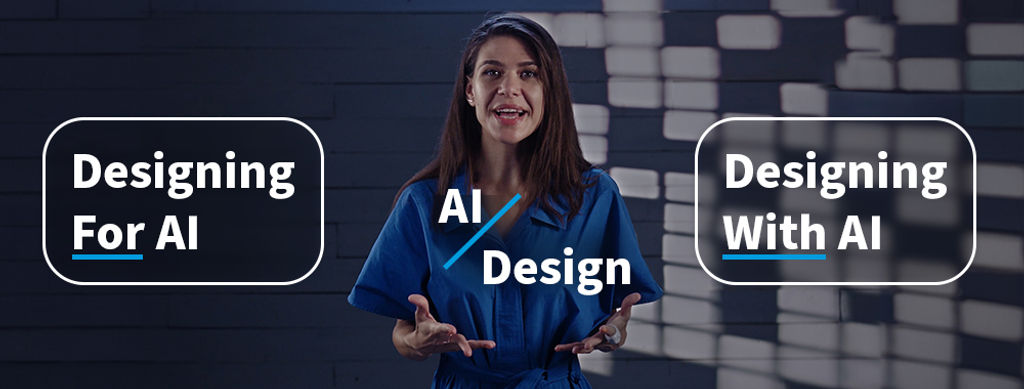
In this video, Ioana Teleanu, Founder of UX Goodies and former Lead Product Designer (AI) at Miro, talks about the impact of AI on design from two perspectives: “Designing for AI” products and “Designing with AI”.

Transcript

How AI is Changing the World

AI is already reshaping our world, from its profound influence on healthcare and education to its transformative impact on transportation and agriculture:

  • Chatbots are commonplace, AI-generated art is everywhere, and prompt engineering is now an essential skill.

  • Stanford's AI Index Report shows AI adoption jumped from 55% of organizations in 2024 to 78% in 2025.

  • A report by PwC says that people with advanced AI skills earned a 56% wage premium compared to those without (based on nearly 1 billion job ads).

In this video, we'll navigate the intricate terrain of AI's far-reaching effects, and explore the concerns it raises and its remarkable potential across diverse domains.

Transcript

The Take Away

In AI and design, we have two core aspects: "Designing for AI" and "Designing with AI".

  • "Designing for AI" means that we incorporate AI into the solutions that we design. Don’t think of products based on detailed commands; rather, express goals and let AI work out the steps. This changes the way we think about products and solutions.

  • "Designing with AI" means that we can incorporate AI into our design process. We can think of it as a partner and collaborator.  We can use AI as an exoskeleton and augment our capabilities.

AI brings both concerns and undeniable benefits. While some express worries about its rapid development, AI also holds immense potential. It can revolutionize healthcare, education, environmental sustainability, transportation, and productivity. Historically, such technological shifts have raised concerns, but they've ultimately led to new opportunities and societal changes. Thus, it's crucial to approach AI with a balanced perspective and recognize its dual nature.

References and Where to Learn More

Watch our 1-hour Master Class with Rafael Hernandez, Lead Product Designer at T. Rowe Price, and discover how to Get Ahead in Product Design with AI.

Explore our comprehensive article on Artificial Intelligence for a complete overview of AI in design, along with additional resources.

Find out how to get an AI efficiency boost as you build your design portfolio in our article, Create a Winning UX/UI Portfolio: Optimize with AI.

Hero image: © Interaction Design Foundation, CC BY-SA 4.0

Feel Stuck?
Want Better Job Options?

AI is replacing jobs everywhere, yet design jobs are booming with a projected 45% job growth. With design skills, you can create products and services people love. More love means more impact and greater salary potential.

At IxDF, we help you from your first course to your next job, all in one place.

See How Design Skills Turn Into Job Options
Privacy Settings
By using this site, you accept our Cookie Policy and Terms of Use.
Customize
Accept all

Be the One Who Inspires

People remember who shares great ideas.

Share on:

Academic Credibility — On Autopilot

Don't waste time googling citation formats. Just copy, paste and look legit in seconds.