Gamification (GF)

Your constantly-updated definition of Gamification (GF) and collection of videos and articles.
Be a conversation starter: Share this page and inspire others!

2,466 Shares

What is Gamification (GF)?

Gamification refers to the application of game-design elements and game principles in non-game contexts. This technique enhances user engagement with a product or service. When features like leaderboards and badges are inserted into an existing system, designers tap users’ intrinsic motivations so they enjoy the experience more.

In this video, Games UX Expert Celia Hodent explains how to gamify learning. 

Transcript

“Games give us unnecessary obstacles that we volunteer to tackle.”

— Jane McGonigal, American designer and author

Gamification in User Experience (UX) Design

Gamification is a powerful tool to drive user engagement. The goal is not to transform user interfaces into games. Instead, designers should inject fun elements into applications and systems that might otherwise lack immediacy or relevance for users. When this is done right, users are incentivized to achieve goals and overcome negative associations they may have with a system and the tasks it requires them to complete. 

The dynamics in successful gamification serve as effective intrinsic motivation. This means that users engage with the system because they want to. For instance, Foursquare/Swarm promotes users to “Mayors” of establishments after so many visits, which enables them to compete for top place while enjoying meals, shopping, movies, etc.

The Challenge for UX Designers

Gamification is notoriously difficult. Designers should strike a cautious balance between the fun factor and the tone of the subject matter. Moreover, gameplay and the rewards should be tailored precisely to the users. The degree of gamification is dictated by the environment and context of use. An app that is centered around competitions between friends is likely not suited to a corporate environment. Certain user needs should be fulfilled to get players to engage with an app without forcing themselves to. These needs include:

  • Autonomy: Users’ actions must be voluntary; players shouldn’t be pushed to adopt desired behaviors but instead be guided with subtle elements/prompts that they can find on their own and therefore feel in control of their experience.

  • Relatedness: Users need to feel that a brand cares about what matters to them. Customizing a design’s content and tone to a user is especially useful for fostering their loyalty. Question-and-answer service Quora, which awards credits while linking like-minded people, is an example of how to fulfill relatedness.

  • Competence: Related to autonomy, this is about keeping users comfortable as they discover a design by never feeling overwhelmed or confused. For example, as users typically don’t like reading lots of text, you can use icons (e.g., a heart for “Save to Favorites”) or progressive disclosure.
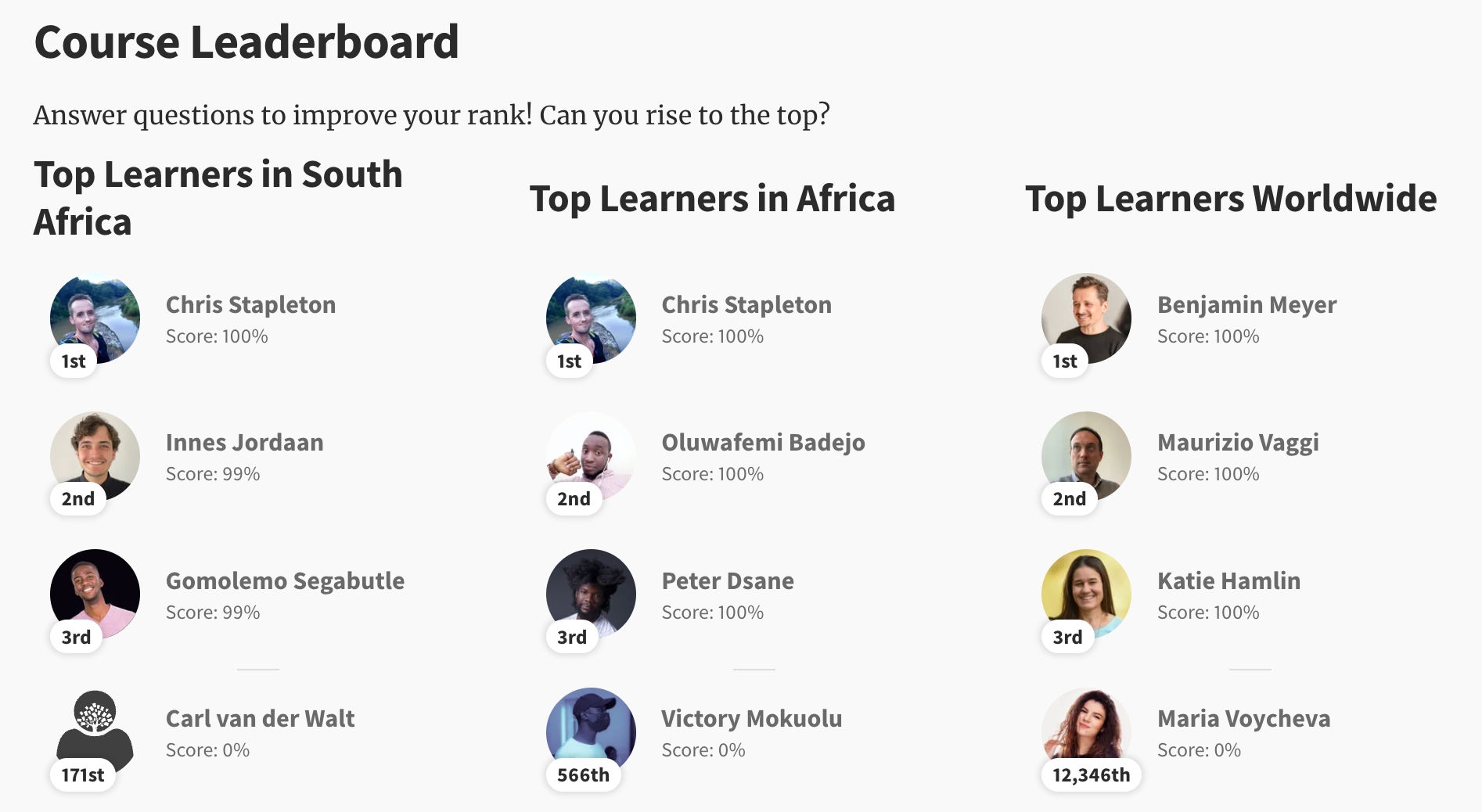
A screenshot from IxDF's website showing course leaderboards

Interaction Design Foundation uses gamification to increase course-takers’ intrinsic motivation and to encourage them to put their best effort into their courses.

© Interaction Design Foundation, Fair Use

Here at the Interaction Design Foundation, we also use gamification to increase our course-takers’ intrinsic motivation for putting their best effort into their courses.

Major Gamification Pitfalls:

If gamification isn’t executed correctly or is overdone, it can detract from the user experience. Here are some of the major pitfalls to avoid:   

  1. Manipulation: Gamification is about motivating users by enabling them to have fun, not tricking them into doing things.

  2. Building a Game: It defeats the purpose if game features are overdone—users will be too focused on the gamified elements and not on the tasks they’re meant to complete. 

  3. Magic Paint: The overall design or experience should be good—gamification can’t make something successful if it’s subpar to begin with.

How to Successfully Gamify an Experience

When gamification is done well, it’s a powerful tool to increase engagement and motivation. It can make everyday tasks more enjoyable and rewarding. 

Successful gamification requires a thoughtful balance of understanding user needs, a careful selection and tailoring of gamification mechanics, continuous evaluation and seamless integration. Here’s how this can be achieved: 

1. Understand User Needs and Preferences

To successfully gamify an experience, it's crucial to start with a deep understanding of the users' needs, preferences, and motivations. This involves thorough UX research to identify who the users are, what motivates them, and how they interact with your system. Designers should create personas based on this research—this will help them tailor the gamification elements to suit different user types. For instance, while some users might thrive in a competitive environment with leaderboards and points, others may prefer a journey of discovery with personal achievement markers.

Duolingo uses a personalized learning approach—the lessons they provide adapt to the user's learning pace.
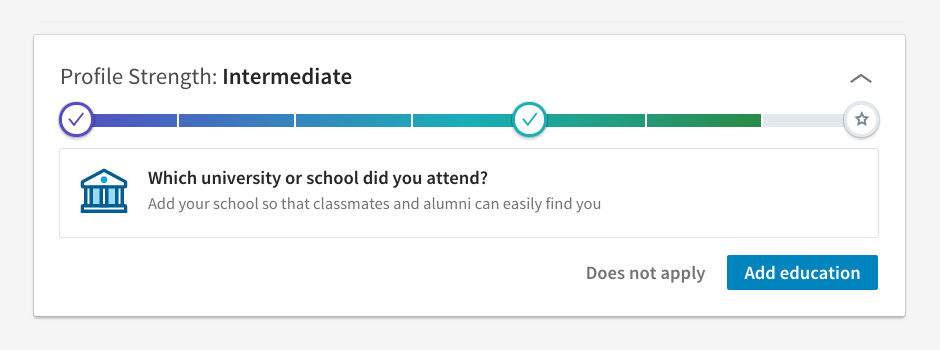
Screenshot of LinkedIn's profile progress bar

LinkedIn's profile completion progress bar encourages users to fully complete their profiles.

© LinkedIn, Fair Use

2. Align Gamification Mechanics with User Goals

The chosen gamification mechanics should enhance the user experience by being directly aligned with the users' goals and the overall purpose of the gamified system. This means the game mechanics, whether they be points, badges, leaderboards, or challenges, should fit naturally within the context of the experience and motivate the desired behaviors. The key is to enhance the experience from the users' perspective, making every interaction more engaging and rewarding.

Zombies, Run! combines storytelling with fitness—users listen to a story about surviving a zombie apocalypse while jogging or walking.

See how Zombies, Run! works in this video:

3. Tailor the System for All Stakeholders

After the appropriate gamification mechanics have been selected, it's essential to tailor the system to meet the needs of the stakeholders involved. This might involve balancing competitive elements with more collaborative or exploratory features, depending on the user base's diversity. The goal is to create a gamified experience that is inclusive and engaging for everyone.

Duolingo incorporates points (XP), levels, and streaks to motivate daily practice. The gamification mechanics are closely aligned with the goal of language learning to encourage users to progress through lessons and practice regularly.
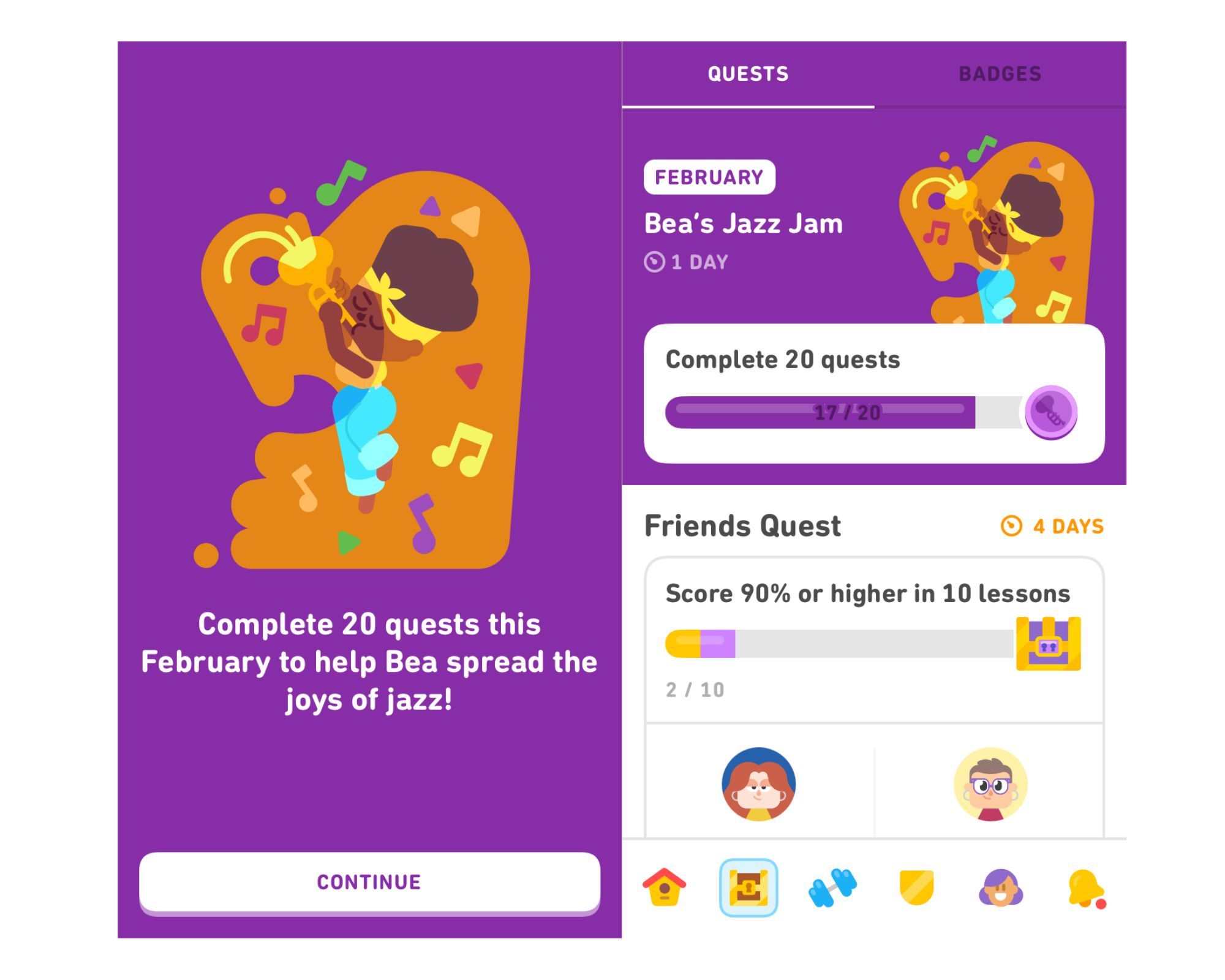
Screenshot of Duolingo

© Duolingo, Fair Use

4. Evaluate and Iterate

A critical step in successful gamification is continuous evaluation—is the design effective in engaging users? This involves usability testing and gathering user feedback to monitor how well the gamification elements are working. Based on this feedback, adjustments and iterations may be necessary to refine the experience and ensure it remains engaging and rewarding over time.

5. Integrate Gamification Seamlessly

Gamification should be woven carefully into the existing system to enhance the user experience without overwhelming it. This means integrating game elements in a way that feels natural and adds value to the user journey, rather than feeling like an added layer that detracts from the core purpose of the design.

The immersive experience of Zombies, Run! motivates users to exercise regularly with a seamless combination of fitness and entertainment—this shows how gamification can turn routine tasks into exciting adventures.

6. Inspire Through Interactivity and Social Elements

To further engage users, designers should consider incorporating interactivity and social elements into the gamified experience. This could include features that satisfy users' curiosity, encourage social sharing, or foster a sense of community. These elements can significantly enhance engagement by leveraging the natural human desire for interaction and social connection.

Forest, the productivity app, helps users focus by letting them plant a virtual tree, which grows while they work without using their phone. If they leave the app, the tree dies. What’s more meaningful, however, is the app allows users to plant real trees. Based on their progress, users can plant real trees and become more socially responsible.

A screenshot from the Forest productivity app that shows how user's can plant real trees around the world

© Forest, Fair Use

How to Incorporate Player-Centered Design

Player-centered design is a holistic approach to creating games and gamified experiences that focus on the player's needs, preferences, and motivations. It's an extension of user-centered design principles, tailored specifically for engaging and immersive gameplay experiences. This methodology emphasizes understanding the player through research and feedback in order to personalize the experience and evoke emotional engagement.
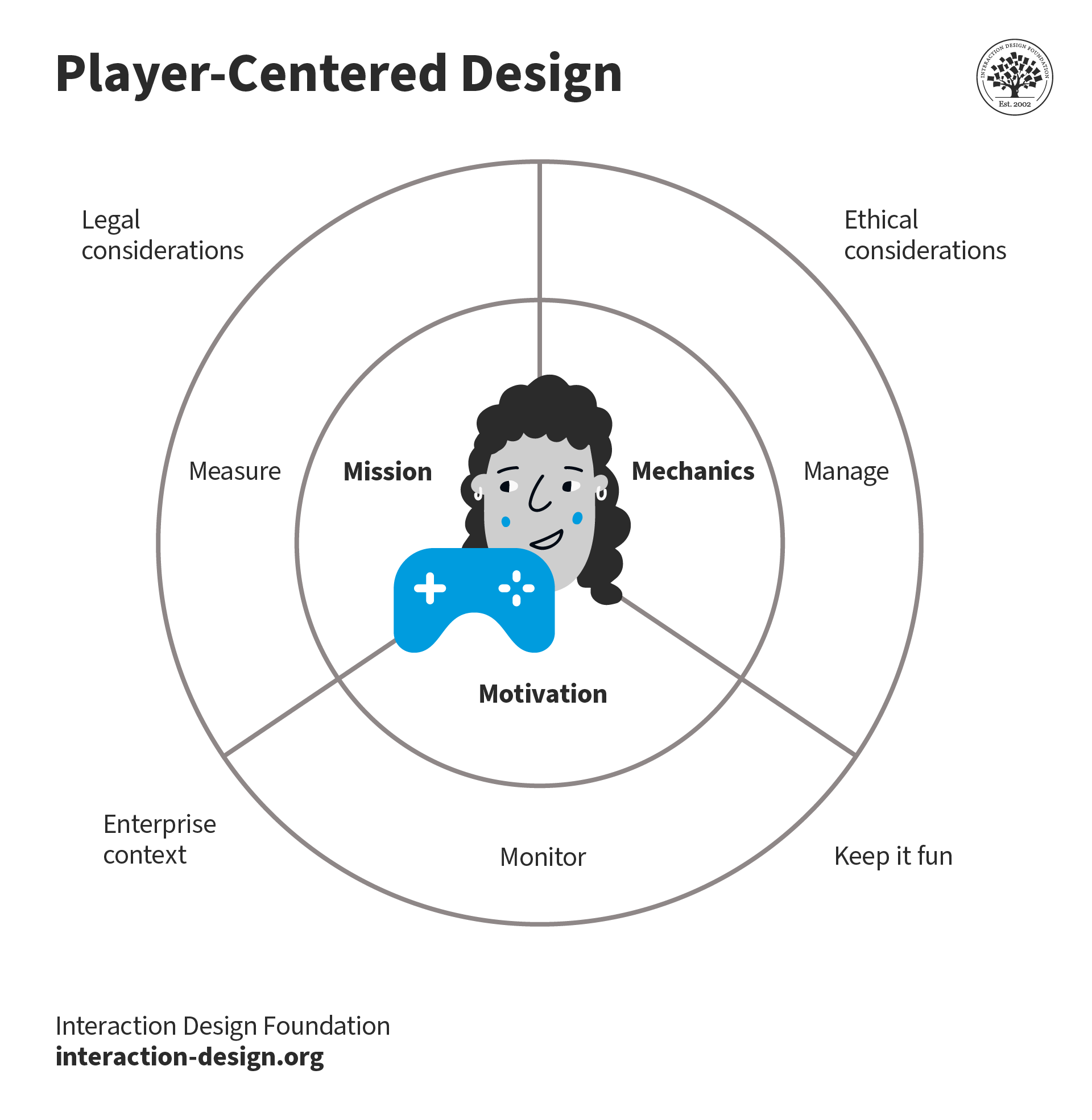
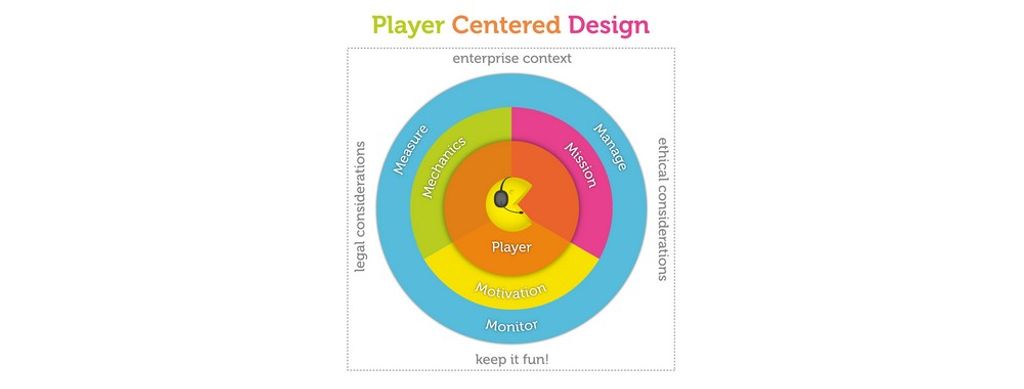
Player-Centered Design Graph

© Interaction Design Foundation, CC BY-SA 4.0

In the context of gamification, player-centered design ensures that the integration of game elements into non-game contexts genuinely enhances the user experience. By focusing on the player, designers can create more effective and engaging systems that motivate and delight users, leading to higher engagement and loyalty.

Why Gamification is Important: The Psychological Appeal of Games

Games have been a fundamental part of human culture throughout history—they offer more than just entertainment. The reasons people play games are deeply rooted in the human psyche and reflect our innate desires for challenge, achievement, and social connection. It’s important to understand why games are important as it provides crucial context for the popularity of gamification and its effectiveness as a tool in various domains.

In this video Games UX Consultant, Om Tandon, talks about why we play games:

Transcript

1. Intrinsic Motivation and Reward

Games are inherently designed to tap into our intrinsic motivations. The pleasure derived from overcoming challenges, achieving goals, and improving skills is a powerful motivator. Games often provide immediate rewards for these achievements, such as points, levels, or story progression, which satisfy our need for feedback and recognition. This aspect of gaming is leveraged in gamification, applying the same motivational techniques to non-game tasks.

2. Learning and Skill Development

Games are important educational tools, they offer a safe space to experiment, fail, and learn from mistakes. They can simulate real-life scenarios or abstract concepts, to allow players to develop practical skills, strategic thinking, and problem-solving abilities. This educational aspect is a key reason why game mechanics in learning and development platforms enhance engagement and retention of information.

3. Social Interaction and Community

Many games are designed with a strong social component and encourage cooperation, competition and interaction among players. This fulfills a basic human need for social connection and belonging. Games foster a sense of identity and camaraderie by creating communities around shared interests. Gamification harnesses this aspect by incorporating social elements into non-gaming environments to enhance user engagement and loyalty.

4. Escapism and Stress Relief

Games offer a form of escapism, allowing players to immerse themselves in different worlds or experiences. This can be a valuable tool for stress relief, providing a break from the pressures of real life. The engaging and often immersive nature of games helps in diverting the mind, offering a sense of relaxation and renewal. Gamification can introduce elements of this escapism into everyday tasks, making them more enjoyable and less stressful.

5. Sense of Accomplishment

Games are structured to give players a clear sense of progress and accomplishment. Through levels, achievements, and story advancement, players can see tangible results of their efforts. This sense of accomplishment is highly rewarding and motivates continued engagement. In gamification, similar structures provide users with visible milestones and rewards, increasing motivation and satisfaction.

6. Exploration and Curiosity

Games often feature rich worlds and complex narratives that encourage exploration and feed our curiosity. This exploration can lead to discovering new information, mastering game mechanics, or unlocking hidden content. Games engage players on a deep level by stimulating curiosity and the desire to explore. Gamification utilizes these principles with engaging experiences that encourage users to explore and discover.


Questions About Gamification (GF)?
We've Got Answers!

What is the concept of gamification?

The concept of gamification brings elements from games into everyday life. These tools motivate you to reach your goals or do better in what you are doing. A good gamification experience connects with feelings of love, hate, fear, etc. Some common game mechanics examples in gamification are:

  • Goals: Complete a task and get a reward, like a badge or points.

  • Status: Users move up levels or ranks by doing activities. Leaderboards show who is doing the best. This encourages users to work harder.

  • Rewards: Getting points or badges is common. Other rewards could be discounts or gift cards.


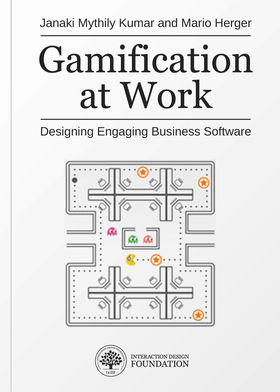
The book "Gamification at Work: Designing Engaging Business Software" delves into gamification in the business realm. It addresses questions about its relevance, best practices, and potential pitfalls.

What is gamification in AI?

Gamification in AI refers to adding game-like elements, like points, levels, and streaks, into Artificial Intelligence systems. This approach uses game design components to make AI interactions more interactive. It improves the experience of what people want and the appeal of AI computer programs.

Gamification could be put into use in customer support AI. You can reward regular users with points or badges for providing feedback. Combining gamification and AI can improve user experiences, encourage desired behaviors, and increase user engagement.

What is gamification in education?

Gamification in education involves including gaming themes throughout the classroom to improve student engagement. Students are called players; assignments become searches, grades are quest points, and fun class activities are believed to be game rewards. It seeks to make the learning process more enjoyable and interesting.

A common strategy that can help incorporate gamification in education is understanding player types. Careful research on player types and preferences will help create a better gamification environment. 

What is gamification in an app?

Gamification in an app means adding game-like features, such as reward points, achievements, and badges. This makes it more interesting and keeps users engaged in achieving their goals.

For instance, in a shopping app with gamification, users might earn points when they buy things. These points could be used to get special discounts or access sales earlier than others. It makes the app more fun. It also keeps users interested and enhances their overall experience. 

It is like turning regular tasks into a game to make everything more exciting and enjoyable.

What is gamification for learning?

Gamification in learning involves adding game-like elements into educational processes to enhance engagement and motivation. Features like quizzes, badges, and progress tracking encourage students to actively participate and progress through the material.

Take Duolingo, for instance. It is a well-known example of gamification in learning. Duolingo turns language learning into a game where users earn points, level up, and can even compete with others. Thus, it makes the whole process of learning a new language more fun and engaging.

What is the difference between gamification and game-based learning?

Game-based learning and gamification are both strategies used in education. However, they differ in their approaches. Here are the notable differences:

Game-Based Learning - It uses real games as part of learning. Students directly interact with games designed for educational purposes.

Gamification - It adds game elements to non-game situations to make them more engaging. It transforms the learning experience without using a full-fledged game.

Game-Based Learning - It creates immersive experiences within a complete game environment, often including stories, characters, and specific challenges.

Gamification - It does not create a complete game environment. Rather, it integrates game features into existing content or activities.

Is gamification good or bad?

There is no universal answer to whether gamification is positive or negative. Its impact depends on how much people genuinely like and agree with it.

For example, in a fitness app, gamification can be super motivating for folks who are really into it. They willingly take on challenges, earn badges, and compete on leaderboards to boost their fitness journey.

However, being pushed into these challenges might make the experience less enjoyable for someone not interested in the gamified side of fitness.

How can we use gamification?

You must follow the given steps to use gamification effectively:

  • Know Your Users: Research and understand the people using your system.

  • Set Clear Goals: Define specific things you want users to achieve.

  • Choose Fun Elements: Add features like leaderboards or badges.

  • Use Storytelling and Emotions: The article "The Use of Story and Emotions in Gamification" shows how integrating storytelling and emotions in gamification enhances the experience and the overall appeal of gamified features. 

  • Encourage Collaboration: Let users work together and build a community.

  • Provide Meaningful Rewards: Give customized rewards, like points or badges, that matter to users.

  • Avoid Overdoing it: Balance the fun parts with the serious side of what you are doing.

  • Monitor and Adjust: Keep an eye on things and change your gamification strategy based on what users tell you.

Where to learn more about gamification?

Multiple courses can help you discover how gamification can boost your professional ability. You can enroll in Gamification - How to Create Engaging User Experiences to gain valuable skills and build your knowledge. The course will prepare you to understand and gain deep insights; for instance,

  • Boost user engagement with gamification

  • Understand the difference between gamification and game design.

  • Learn to create player experiences that match up with business missions.

  • Develop skills for effective management, watching, and measurement of gamification.

  • Secure legal and right practices in gamification projects.

Earn a Gift Earn a Gift, Answer a Short Quiz!

1
2
3
4
1
2
3
4
Question 1
Question 2
Question 3
Get Your Gift
Interaction Design Foundation logo

Question 1

What does gamification involve?

1 point towards your gift

  • The addition of game-like elements to non-game contexts to increase engagement.
  • The introduction of games as the only form of learning for users.
  • The replacement of all tasks with competitive games in the workplace.
Interaction Design Foundation logo

Question 2

What feature does gamification commonly use?

1 point towards your gift

  • Leaderboards
  • Pop-ups
  • Questionnaires
Interaction Design Foundation logo

Question 3

How does gamification benefit user engagement?

1 point towards your gift

  • It complicates user interactions, and reduces task completion rates.
  • It forces users to spend more time on uninteresting tasks.
  • It makes tasks feel more rewarding and enjoyable.

Learn More About Gamification (GF)

Make learning as easy as watching Netflix: Learn more about Gamification (GF) by taking the online IxDF Course Gamification - How to Create Engaging User Experiences.

Why? Because design skills make you valuable. In any job. Any industry.

In This Course, You'll

  • Get excited when you realize how easy it is to make people love your experiences, services, and products by helping them achieve their goals effortlessly and enjoyably through game mechanics like rewards, challenges, and progress tracking. You already understand gamification intuitively, like when you motivate yourself by tracking steps or earn loyalty points. This course builds on your existing, intuitive knowledge. Your gamification methods will transform routine tasks and learning into enjoyable experiences that spark loyalty and engagement. Your users will love you for making their lives more enjoyable. More love, more impact, greater business success, and greater earning potential for you.

  • Make yourself invaluable as you discover how to use the power of motivation and fun to drive loyalty, productivity, and results. Did you know that the global gamification market is projected to grow to $48.72 billion by 2029? Gamification leverages timeless human motivators like achievement, curiosity, and competition to keep users deeply engaged. As AI becomes part of how systems personalize experiences, deep human insight is what keeps those experiences feeling meaningful. Timeless human-centered design skills are what turn gamification into experiences people genuinely enjoy, no matter how much technology changes. Whether you create apps, loyalty programs, or internal training, you'll use gamification best practices to boost business goals, strengthen user retention, and establish yourself as a sought-after professional who deeply understands human behavior. You can apply your insights in any job, any industry.

  • Gain confidence and credibility as you apply proven methods to easily master gamification, no matter your background. You'll immediately benefit from practical techniques like player personas, SMART missions, and reward systems. Effectively manage, monitor, and measure the success of your gamification projects. From hands-on exercises to ethical guidelines, this course gives you actionable skills to thrive and stand out in this rapidly growing industry.

Get an Industry-Recognized IxDF Course Certificate

Increase your credibility, salary potential and job opportunities by showing credible evidence of your skills.

IxDF Course Certificates set the industry gold standard. Add them to your LinkedIn profile, resumé, and job applications.

Course Certificate Example

Be in distinguished company, alongside industry leaders who train their teams with the IxDF and trust IxDF Course Certificates.

Our clients: IBM, HP, Adobe, GE, Accenture, Allianz, Phillips, Deezer, Capgemin, Mcafee, SAP, Telenor, Cigna, British Parliament, State of New York

All Free IxDF Articles on Gamification (GF)

Player-Centered Design: Moving Beyond User-Centered Design for Gamification

Player-Centered Design: Moving Beyond User-Centered Design for Gamification

We’ve all come to think in terms of user-centred design over the years. It’s a critical component of UX design, and it helps us focus on what really matters when developing products. However, user-centred design is not enough for gamification. Here, we introduce the concept of player-centred design, which takes the idea of user-centred design to the next level.

Coping with Change

What was the first computer game you ever played? If you’re starting to enter middle age, it’s likely to have been something like Space Invaders or Pacman. How do those games stack up next to modern classics such as Grand Theft Auto or World of Warcraft? There’s a huge difference between them, isn’t there? Space Invaders may have seemed incredible when it was released in 1978; today, it looks kind of… well, basic and uninteresting. We won’t be uncharitable, as it’s hardly fair to compare something that came so much later, but the principle is true all the same.

Game play has changed, too, from ‘move left, move right and fire’ to being able to carry out incredibly complex actions. Indeed, what hasn’t changed is certainly the adrenalin rush players can feel. In the late ‘70s, that would have translated to the dread (yes, still a form of entertainment) a player would have felt on seeing the last invader of a screen speed up and strafe rockets in ultra-dangerous motions (if you’ve never played Space Invaders, you need to give it a go). Hold that thought—now transpose it upon any game you may have played in the early 21st century. The principles of entertainment and satisfaction, of “Yes!” on clearing a skill level and “Oh, sh*t!” on not making it are common to these games. Still, the differences are powerful, so we have to cope with a whole different set of dimensions in the 21st century.

Pacman was one of the earliest popular computer games, and while it’s still fun, today’s games are far more complex and engaging. That said, why not go retro for a moment and see what these games have in common—or maybe that should be, feel what they share. If you’re thinking the “Yes!” feeling on clearing a level and the “Oh, sh*t!” sensation on getting killed, you’ve got a hole in one.

© Unknown, Unknown

Player-Centred Design

Let’s kick off this topic by remembering that in any game, a fair degree of work is involved. From that, in the gamification of a work process, getting the user to want to take part in that work is vital.

"Games give us unnecessary obstacles that we volunteer to tackle."
— Jane McGonigal, American game designer and author

Player-centred design builds on and extends user-centred design to a whole new level; it is a process that Janaki Kumar and Mario Herger coined in their book, Gamification at Work: Designing Engaging Business Software. We can use user-centred design to develop applications as much as we can to develop games. Player-centred design acknowledges that a game is to be played and looks at the key ingredients of making a game work for the player. You can see those elements on the diagram at the very start.

Yes, player-centred design is a powerful ally; still, you need to place it as a process into the context of your organization. It’s not meant to be a rigid framework for you to adhere to at all costs; rather, it’s been developed to enable you to adapt the framework to your people and your business. Missions, mechanics and motivations can vary widely; therefore, it’s vital to ensure that they match the organizational and individual player needs you’re targeting for them to be successful.

This scene from Farcry shows just how much games were to evolve since Pacman. Incidentally, they can only get ‘realer’.

© BagoGames, CC BY 2.0

Player-centred design is also an iterative process. That means developing something, trialing it with players, and then amending it until it hits the sweet spot where players really appreciate a specific feature. That’s why monitoring, measuring and managing are a key part of the framework. That’s why these three ‘m’s must be centremost in your mind when you sit down to apply this powerful tool in your own work.

The final part of player-centred design is balancing legal and ethical considerations and business requirements with keeping the whole thing fun. Gamification needs to meet all those requirements in order for you to make a success of the process via what end result you present to your end user.

User-centred design uses the yardsticks of efficiency, effectiveness and satisfaction to evaluate designs. Player-centred design adds engagement to this list. While user-centred design asks the question, “Can the user use the product efficiently, effectively and satisfactorily?”, player-centred design asks, “Do they want to use it in the first place?”.

Take a classic example in the workplace: getting employees to complete e-learning modules. Bear in mind that these are often geared towards satisfying company requirements (such as covering their backs vis-à-vis legislation regarding disability, gender equality, etc.) as opposed to offering staff members vocation-specific advancement. Organisations frequently approach designers when they want us to crank out the finest e-learning guides to a wide range of topics, such as ethics, diversity and data security protocols, perhaps without realising how golden an opportunity we might have there—that is, we can actually make those workers want to complete their e-learning!

Traditionally, getting workers to read S.O.P.s (Standard Operating Procedures) has been like pulling teeth for most Western organisations. If you can remember working in the previous century, you may well recall these—a printout of clauses in semi-legalese that you had sign off at the bottom so as to show you understood that, for example, standing beneath a forklift’s prongs while it’s lifting down a palette would be an exceptionally poor idea. With the advent of the internet, e-learning would make the whole process electronic. After all, what better opportunity is there for you as a designer than to work player-centred design into an otherwise dead and dry piece an employee would probably only pretend to read? If you can produce, say, a design for an e-learning module on diversity that encourages users to learn more about cultures by whetting their appetites to learn and enjoy the experience, you’re thinking player-centred—congratulations. They could move around a virtual globe, say, picking up ‘passport’ points, the idea being that while they’re learning all about cultural diversity, they’re enjoying the experience and feeling empowered. Hopefully, they’ll have forgotten that the organisation actually had the power over them to make them take the e-learning. Such is the magic a skillfully devised player-centred design can work.

As you can see, when people truly embrace gaming, they’re prepared to go to extraordinary lengths to participate.

© Sergey Galyonkin, CC BY-SA 2.0

Kumar and Herger offer sound advice for us as we ponder these questions: “Gamification is about thoughtful introduction of gamification techniques that engage your users. Gamification is not about manipulating your users, but about motivating them. Ultimately, it is about good design — and good design treats the user with respect.” Here, we can cast our minds back to one of the most fundamental points about fun: you can never force or trick someone into having it; people will either have fun as a natural reaction to what you provide… or they won’t. And if they make fun of it, then that can be rather worrying.

The Take Away

Player-centred design is an extension of the idea of user-centred design. It applies uniquely to gamification design within systems which traditionally do not contain game elements. It looks at the users and asks the key question, “Do they want to use this in the first instance?”. It allows you to adapt gamification to the needs of your users and ensure that the results of the exercise support the business reasons for gamification. If you can weave player-centred design into the exact context of your audience’s organisation, you will travel a long way in starting to deliver a piece that not only gets results but one that also is popular.

References & Where to Learn More

Janaki Mythily Kumar and Mario Herger, Gamification at Work: Designing Engaging Business Software, The Interaction Design Foundation, 2014

Hero Image: © Janaki Kumar and Mario Herger, CC-Att-ND

Feel Stuck?
Want Better Job Options?

AI is replacing jobs everywhere, yet design jobs are booming with a projected 45% job growth. With design skills, you can create products and services people love. More love means more impact and greater salary potential.

At IxDF, we help you from your first course to your next job, all in one place.

See How Design Skills Turn Into Job Options
Privacy Settings
By using this site, you accept our Cookie Policy and Terms of Use.
Customize
Accept all

Be the One Who Inspires

People remember who shares great ideas.

Share on:

Academic Credibility — On Autopilot

Don't waste time googling citation formats. Just copy, paste and look legit in seconds.