Gamification is not the same as game design, because it adds game-like elements to non-gaming environments. However, there is some overlap between game design and gamification design, and one area in which this is the case is with player types. The better you understand your players, the better you can cater to their needs.
The Psychology of the Player
When you’re using gamification in the enterprise world, it’s a good idea to understand how your players like to approach playing games. Good news - there is a simple measure designed by Richard Bartle, the Bartle Test of Psychology, which breaks up the way people play games into four simple categories. These categories are the Achiever, the Explorer, the Socializer, and the Killer.
It’s worth noting that these categories aren’t rigid. Most people display some traits in more than one category. However, most people have a dominant trait which determines their overall preference. If you know where the majority of your players fall using this tool, you can use it to inform the majority of features you will use, and then just add a small number of features that appeal to each of the other categories.
The Achiever
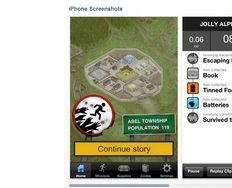
Achievers are all about points and status. They want to be able to show their friends how they are progressing. They like to collect badges and put them on display. This is the type of person who responds particularly well to incentive schemes such as Air Miles, where every additional mile collected is an achievement in its own right. Bartle estimates that roughly 10% of people are players of the Achiever type. Chances are you will know several people of this sort; someone who boasts he used a quicker route to get to a destination than his friend did is an Achiever type.
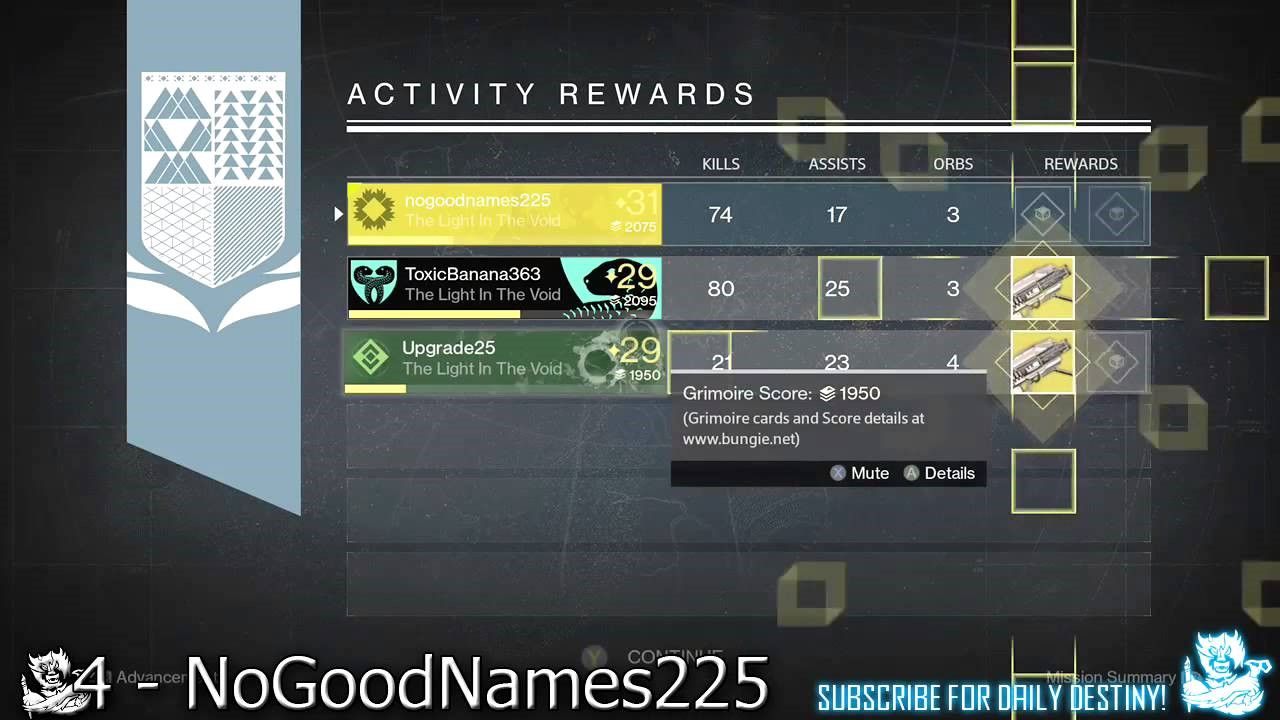
Incorporating points and badges can help achievers enjoy a gamified experience.
© Seananiganz, Fair Use
The Explorer
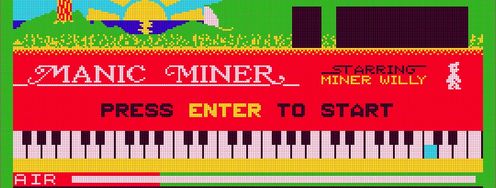
Explorers want to see new things and discover new secrets. They’re not as bothered about points or prizes. For them, discovery is the prize. Explorers are fine with repetitive tasks as long as they eventually “unlock” a new area of the game, or they deliver some kind of “Easter Egg” (an Easter Egg is a small bonus within a game – sometimes it’s as simple as a little joke, whereas in other cases it might be a full extra video sequence regarding what has been accomplished). Explorers really enjoy the surprise that’s possible in a game, and around 10% of players fit into this category. These are the players who will feel at walls in a game in order to access a secret passage; their satisfaction on doing so is what makes them tick, not bragging to their friends about their discovery. Build this sort of feature into your gamification design—and you’ll be speaking their language.

Explorer player types want to see new things and experience new outcomes.
© YouSonOFaSnitch, Fair Use
The Socializer
The vast majority of players are Socializers. That’s almost 80% of people who play games. Socializers experience fun in their games through their interaction with other players. Socializers are happy to collaborate in order to achieve bigger and better things than they could on their own. Games, such as Farmville (Facebook’s largest game), appeal to the Socializer. For instance, Socializers are happy to water someone else’s farm in exchange for new crops for their own farm. For example, office workers who leave at the end of the day and remind each other to water each others’ crops may be friends… or they may just be acquaintances. Whatever the deal is, the point with Socializers is that joining forces makes sense to them. Note—this is the last place you’ll find fierce competition, but it doesn’t mean Socializers are passive milksops who lack ambition.
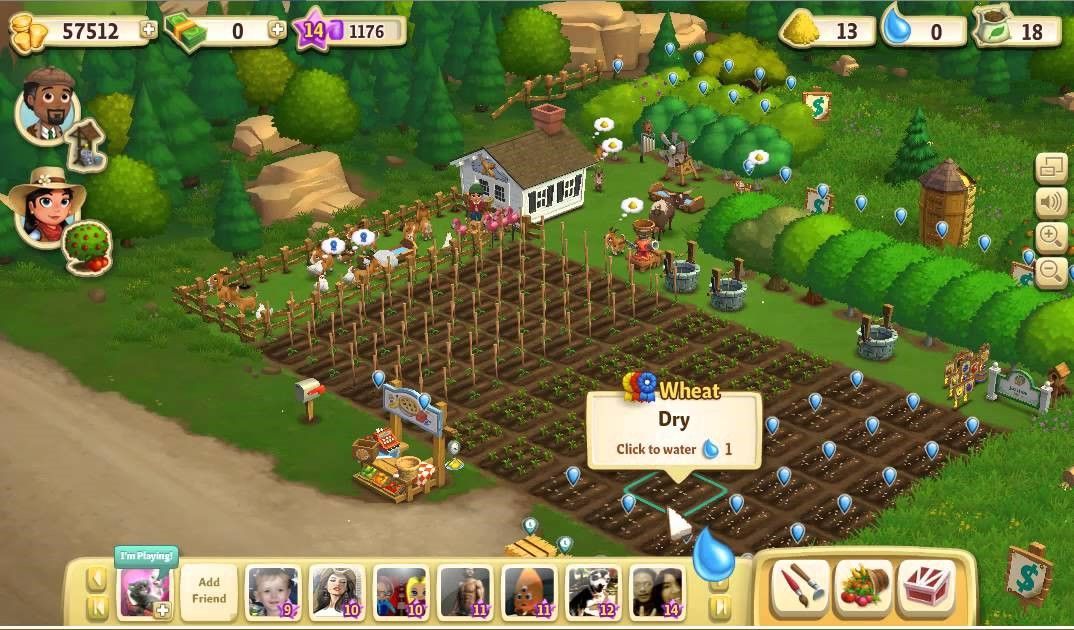
Games such as Farmville incorporate social experiences which appeal to Socializer player types.
© Ryan Tanaka, Fair Use.
The Killer
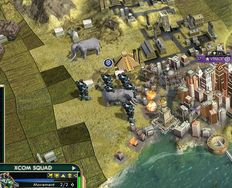
The Killer denotes an ominous-sounding type, but one that is nonetheless valid. Killers are similar to Achievers in the way that they get a thrill from gaining points and winning status too. What sets them apart from Achievers is that the Killers want to see other people lose. They’re highly competitive, and winning is what motivates them. They want to be the best at the game—and it should come as little surprise that the only way for that to be true is if they beat everyone else. You may expect this personality type to be common, but Bartle’s research suggests that only a small number of players are Killers – less than 1% to be precise.
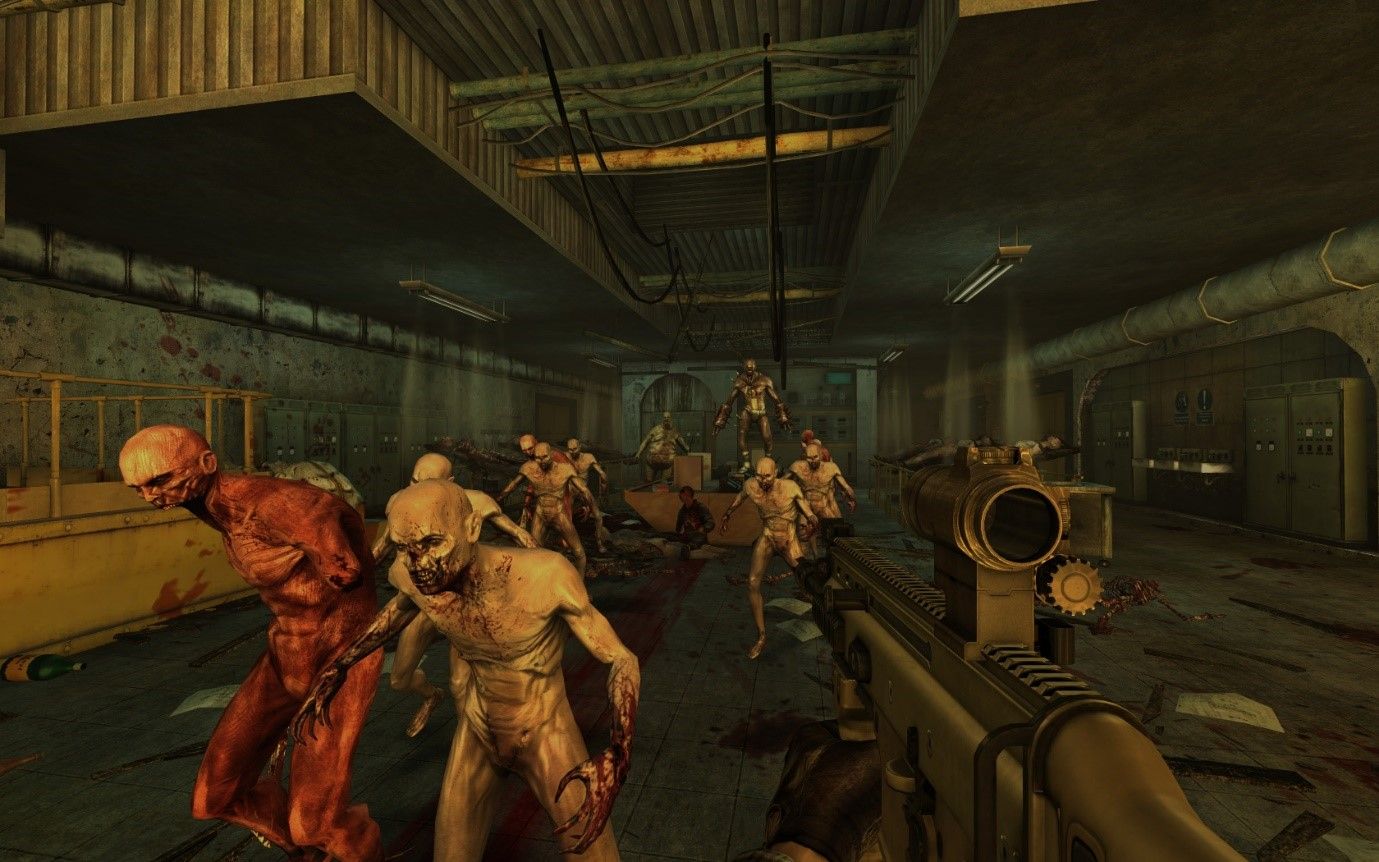
Some people, who have the Killer player type dominant in their gaming nature, are only really happy when they’re winning and everyone else is losing.
© Tripwire Interactive, CC BY-SA 3.0
Don’t Stereotype
Given these four types, and especially the potentially dramatic appearance of the Killer, we might feel tempted to think of someone we know of and say, “Yes—he’s a Killer type. He’s only happy when he’s destroyed a city full of zombies on multi-player and knocks the other players out of the game.” Be that as it may in the case of that creepy lost-cause ex-friend who would barricade himself in his house on the weekend so he could ‘kill’ to his heart’s content, we have to look deeper. Also, there’s more to a Killer than a need to make others ‘bleed’, in the same way that Socializers don’t mindlessly flit about watering each other’s cyber-corn. Remember, more than one type may power the thought patterns of your players. Knowing them and understanding the context of their working environment is all-important.
“Stereotypes are fast and easy, but they are lies and the truth takes its time.”
—Deb Caletti, Award-winning Author
It can be easy to assume that a competitive sales environment consists of Killers and Achievers, but it’s best to determine this through survey and observation. What’s the exact nature of the working culture around your players? What would spur them on to achieve what goal in your design? In the references below, you’ll find a link to the Bartle Test. Why not try it for yourself—and then ask your players to try it?
Killers and Achievers are most likely to appreciate features such as leaderboards; Socializers and Explorers, not so much. Developing the right mechanics for your players becomes much easier once you understand the way they like to approach a game.
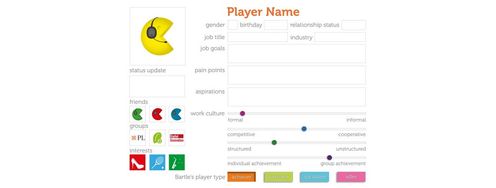
If you know the Bartle Player Types of your players, it will become much easier to meet their needs.
The Take Away
There are four player types according to Bartle: Socializers, Explorers, Achievers and Killers. A gamification environment may consist of all or any combination of these types. Careful player research will help you to understand which player types dominate the environment and thus help define how you will cater to their needs. It’s important to do the research and not just stereotype players. Understand what makes them tick and you’ll be able to incorporate features in your designs that will really latch with their inherent natures as players.
References & Where to Learn More
Course: Gamification - How to Create Engaging User Experiences
Read about the Bartle Test
Then, if you like, take the Bartle Test here
Janaki Mythily Kumar and Mario Herger, Gamification at Work: Designing Engaging Business Software, The Interaction Design Foundation, 2014
Hero Image: © Janaki Kumar and Mario Herger, CC BY-ND 3.0