The Persona Template for Gamification

by Janaki Kumar, Mario Herger and Rikke Friis Dam • 7 min read

734 Shares

For any gamification project, you’ll need to do research on players in order to determine what they will require from the gamified system. The culmination of this research is the development of a player persona; this is similar to a user persona (which most UX researchers will be intimately familiar with), but it also examines some gamification-specific elements which would not otherwise exist in a standard user persona. Let’s take a look at that:

The Final Step to Knowing Your Player

Gamification requires a deep understanding of your player. You will build your understanding in several areas through research, and once you know enough about your players, you can then build a player persona sheet (as pictured above).

Janaki Kumar and Mario Herger put forward this player persona in their book, Gamification at Work: Designing Engaging Business Software.

This template provides you—and everyone else in the design team—with a simple reference guide in order to help you stay on track during gamification. When the team discusses a new feature, all team members will be able to review the player persona and ask, “Will this work for our player?” Does this meet their needs or objectives?” and the equally important question, “Does this help meet the needs of the business too?”

What’s included in the Player Persona Template?

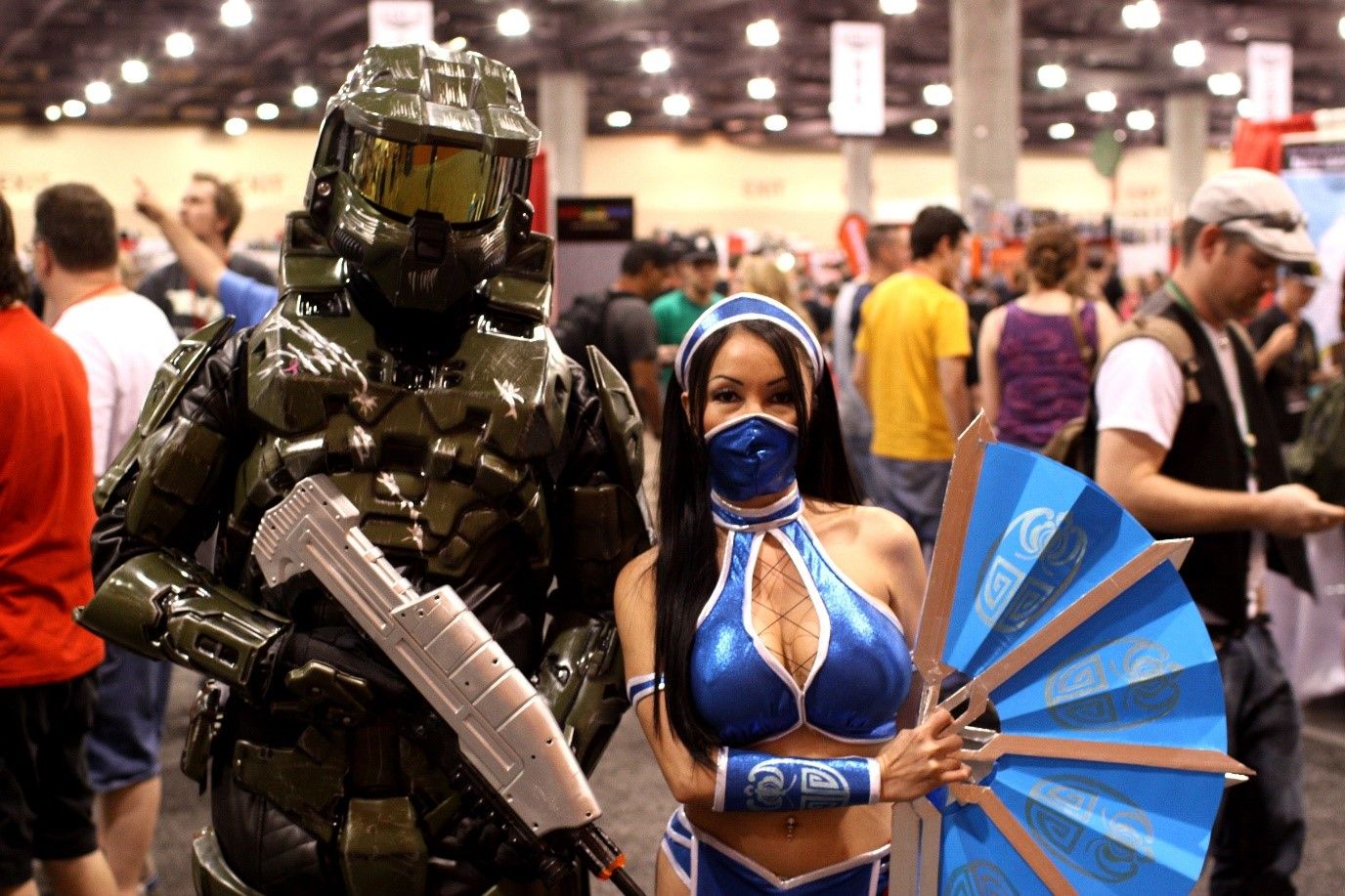
It includes the player’s gender (due to men and women having different gaming preferences). The player’s date of birth also appears—because each generation has subtly different needs in their games.
Author/Copyright holder: Gage Skidmore. Copyright terms and licence: CC BY-SA 2.0

It’s worth noting that the difference between men and women’s gaming preferences is usually not this extreme!

A user’s relationship status may not always be necessary as it very much depends on the types of behaviour that your gamification is trying to elicit.

A user’s job title, industry and job goals are very important in order to ensure that the gamification process not only suits the player, but also the project sponsor’s requirements.

The pain points represent the troubles that the player encounters in his or her work life. Gamification that overcomes some of the pain of work is much, much more likely to be successful than gamification that is only cosmetic. In other words, you should focus on anaesthesia rather than on makeup.

“Your sweet spot mixed with your customer’s pain points is where the truly valuable stories are.”
— Joe Pullizi, founder of the Content Marketing Institute

Author/Copyright holder: LaurMG.. Copyright terms and licence: CC BY-SA 3.0

Using gamification to alleviate a player’s pain is a great way to gain engagement with your project.

It’s important to acknowledge the player’s aspirations and how the gamification process can help them achieve these aspirations. For example, if you can work in features that manage to knock out some of the time-consuming pain points that frequently make someone want to rage-quit a job, you’ll move that player into a position where she isn’t being dragged down; instead, she can focus on building towards something.

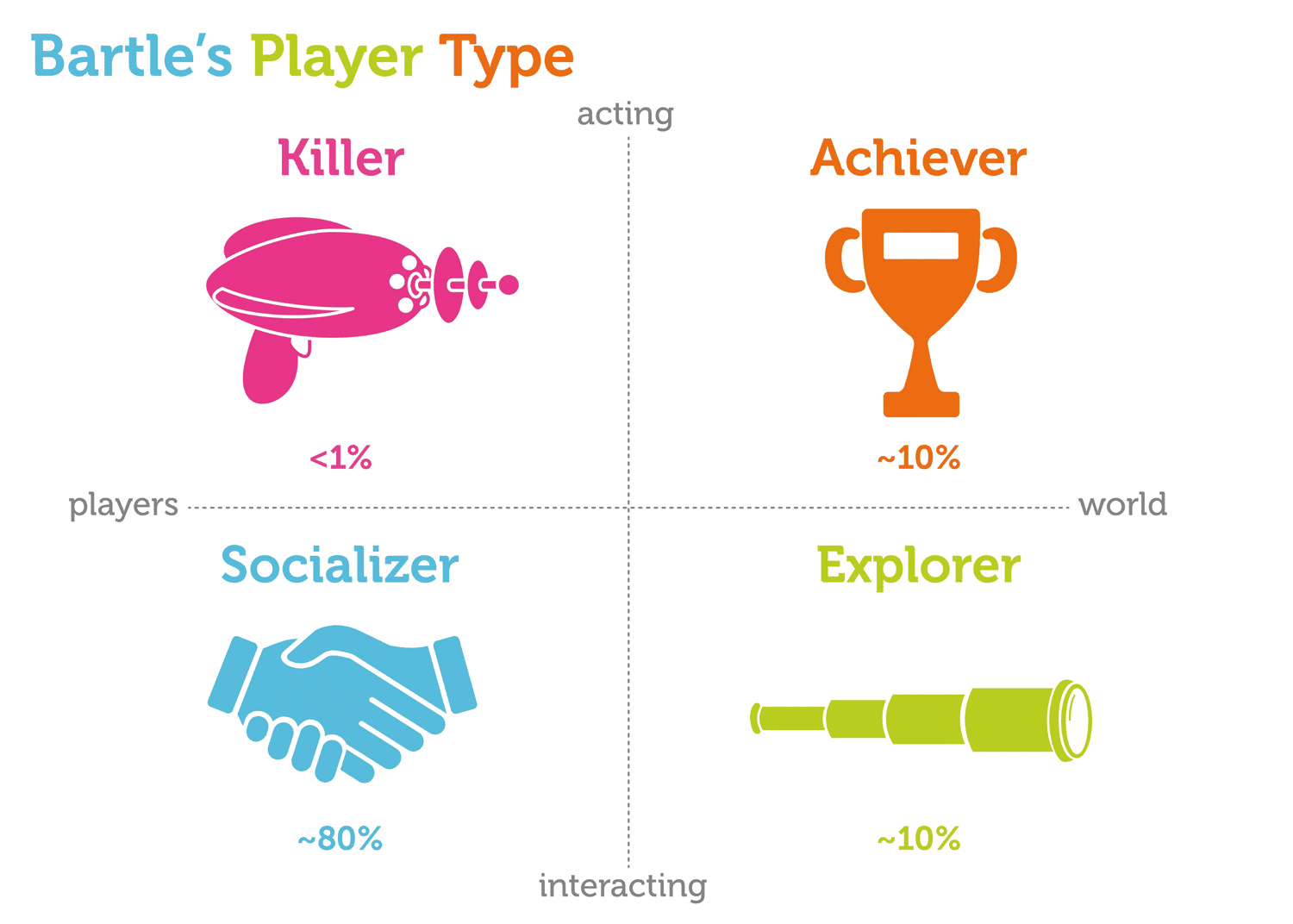
You could also include the player’s Bartle’s gamer type (a rating scale that helps you understand what exactly motivates the player about any kind of game). This information will support your understanding of the work culture, too.
Author/Copyright holder: Janaki Kumar and Mario Herger. Copyright terms and licence: CC BY-ND 3.0

Bartle’s player types allow for some very high level generalizations about what players will be looking for in your gamification projects.

You can also include any other information that you think will help to build a more accurate profile of the gamers, such as any workgroups they belong to, any friends they may have within the work or gaming environment, and any general interests that they may share (relevant references are great in games as they add a little extra identity to the process).

Don’t Forget

The Player Persona is a wonderful tool in Player-Centred Design. It’s important to refer to it regularly so as to keep the player at the centre of your design process. It’s also a living document—a kind of friendly ‘Frankenstein’ being the work environment creates on your screen, where you can make necessary tweaks. If you find that something has changed in the environment, and your initial assessment of your players now needs to change, you can do so at any time. Just remember, you’ve got to keep this persona in step with the environment for it to be an accurate reflection of the player type you seek to thrill and delight.

The Take Away

The player persona is a critical tool for communicating player needs in gamification projects. It is a variant of the user persona used in most UX projects with a focus on gamification-specific needs and attributes, such as Bartle’s player types and the corporate environment. The template persona provided above provides a useful starting point and can be customized to meet the needs of your own gamification project. From there, you can mould and shape the persona so it stays an accurate mirror image of the people who will come to use your design and get maximum fun from it in the way they expect and deem appropriate.

References & Where to Learn More

Course: Gamification - How to Create Engaging User Experiences

Janaki Mythily Kumar and Mario Herger, Gamification at Work: Designing Engaging Business Software, The Interaction Design Foundation, 2014

Hero Image: Author/Copyright holder: Janaki Kumar and Mario Herger. Copyright terms and licence: CC BY-ND 3.0

Learn More in This Course:

AI for Designers

12 days
13 % booked
View Course

What You Should Read Next

  • Read full article
    Bartle’s Player Types for Gamification - Article hero image
    Interaction Design Foundation logo

    Bartle’s Player Types for Gamification

    Gamification is not the same as game design, because it adds game-like elements to non-gaming environments. However, there is some overlap between game design and gamification design, and one area in which this is the case is with player types. The better you understand your players, the better you

    Social shares
    1.2k
    Published
    Read Article
  • Read full article
    A Brief History of Games - Article hero image
    Interaction Design Foundation logo

    A Brief History of Games

    Human history and games are inextricably intertwined. Irrefutable evidence resounds down through the ages that fun and games are not frivolous pursuits per se—instead, they come naturally to us as essential parts of being alive. When you understand the evolution of games, you can begin to make intel

    Social shares
    918
    Published
    Read Article
  • Read full article
    A Game Explained (an example of a single game and how it meets the rules of fun) - Article hero image
    Interaction Design Foundation logo

    A Game Explained (an example of a single game and how it meets the rules of fun)

    Fun is the key to how games work, and it’s the key to making gamification work, too. Without fun, gamification is simply another feature of a system or product – with fun, your product or system becomes much more enjoyable to use.There are several criteria which need to be met in order for a game to

    Social shares
    896
    Published
    Read Article
  • Read full article
    Player-Centered Design: Moving Beyond User-Centered Design for Gamification - Article hero image
    Interaction Design Foundation logo

    Player-Centered Design: Moving Beyond User-Centered Design for Gamification

    We’ve all come to think in terms of user-centred design over the years. It’s a critical component of UX design, and it helps us focus on what really matters when developing products. However, user-centred design is not enough for gamification. Here, we introduce the concept of player-centred design,

    Social shares
    744
    Published
    Read Article
  • Read full article
    Display Achievements to Encourage Website Usage - Article hero image
    Interaction Design Foundation logo

    Display Achievements to Encourage Website Usage

    You are doing so great; you’re top of the class! Don’t you just love to hear a compliment like this? We’re all human, and this is the way we are wired. We thrive on accomplishment. Whether you want to be better than everyone else or simply be better than your former self, knowing your achievements i

    Social shares
    716
    Published
    Read Article
  • Read full article
    Ideas for Conducting UX Research with Children - Article hero image
    Interaction Design Foundation logo

    Ideas for Conducting UX Research with Children

    One of the most challenging realms to conduct user research with is when you have to conduct research with children. There are, obviously, stringent ethical and legal protocols to be kept to if you work with children but it’s not just the moral aspect of this world. Children are not miniature adults

    Social shares
    709
    Published
    Read Article
  • Read full article
    The Use of Story and Emotions in Gamification - Article hero image
    Interaction Design Foundation logo

    The Use of Story and Emotions in Gamification

    Gamification projects can benefit from storytelling features; these features can help arouse emotional connections with players. They can enhance the player experience and improve the longevity and fun factor of the gamified features. Let’s take a closer look at how that might work, even if you don’

    Social shares
    683
    Published
    Read Article
  • Read full article
    Monitoring Player Motivation for Gamification - Article hero image
    Interaction Design Foundation logo

    Monitoring Player Motivation for Gamification

    One of the big questions facing us as gamification designers is, “When will your player get bored of your gamification project, and how can you keep their interest as long as possible?” Fortunately, there are ways to monitor player motivation so that you can respond to them accordingly. In their boo

    Social shares
    655
    Published
    Read Article
  • Read full article
    Happiness in Gaming - Article hero image
    Interaction Design Foundation logo

    Happiness in Gaming

    Audrey Hepburn, the star of the silver screen, said, “The most important thing is to enjoy your life – to be happy – it’s all that matters.” The ultimate goal of games and gamification is to create happiness in the player. Let’s look at how all the elements of fun come together in a single game. Th

    Social shares
    612
    Published
    Read Article
  • Read full article
    Work in Games - Article hero image
    Interaction Design Foundation logo

    Work in Games

    Very few people look forward to work. If you weren’t working, you could be doing something fun. Yet, work isn’t the opposite of fun. Work can be a lot of fun sometimes. The idea of work appears in almost every game we play.Can Work Be Fun?Work and play are not opposites or even mutually exclusive. O

    Social shares
    555
    Published
    Read Article

Top Articles

Top Topic Definitions

Feel Stuck?
Want Better Job Options?

AI is replacing jobs everywhere, yet design jobs are booming with a projected 45% job growth. With design skills, you can create products and services people love. More love means more impact and greater salary potential.

At IxDF, we help you from your first course to your next job, all in one place.

See How Design Skills Turn Into Job Options
Privacy Settings
By using this site, you accept our Cookie Policy and Terms of Use.
Customize
Accept all

Be the One Who Inspires

People remember who shares great ideas.

Share on:

Academic Credibility — On Autopilot

Don't waste time googling citation formats. Just copy, paste and look legit in seconds.

Feel Stuck? Want Freedom?

Join 326,033+ designers who get one powerful email each week. Learn to design a life you love.

Next email in
1
day
12
hrs
11
mins
25
secs

Free forever. No spam. Unsubscribe anytime.