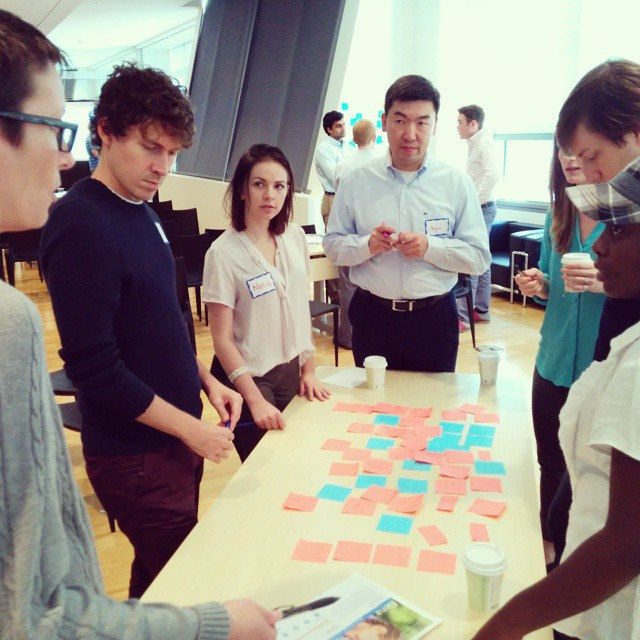
Sketchstorming is a fast-moving ideation exercise in UX (user experience) design where team members individually sketch many ideas in short time frames, then share and build on them together. You use sketchstorming to generate many possible solutions, explore different directions quickly, and engage the whole team in visual thinking before moving into higher-fidelity designs.
Want to know more about the power of sketching? In this short snippet from a 1-hour master class, Mike Rohde, Designer, Teacher and Illustrator, explains how sketching throughout your design process helps you think visually, stay creative, and communicate your ideas clearly.
How to Run a Sketchstorming Session
Try the following step-by-step approach to harness the powerful convenience sketchstorming can bring to your ideation sessions.
1. Set Up Your Session
First, define the challenge clearly, such as: “How might we help new users onboard faster?” Then, gather materials, such as pens, paper, sticky notes, whiteboards, or walls, in a physical venue like a meeting room. Last, but not least, for the preparation aspect, timebox the session to shape it well. A good start is 10–15 minutes for sketching and then another 20–30 minutes for review and discussion.
2. Warm Up
Start with a quick doodle warm-up, where you all draw as many objects, icons, or abstract shapes as you can in 3–5 minutes. This helps shake off hesitation and lubricate the creative process so everyone can step right into the real exercise next.
3. Sketch Individually
Each person sketches as many ideas as possible, going for quantity over quality. Keep sketches simple: boxes, arrows, symbols, for example. Avoid words at first; you want to stay visual.
4. Share and Discuss
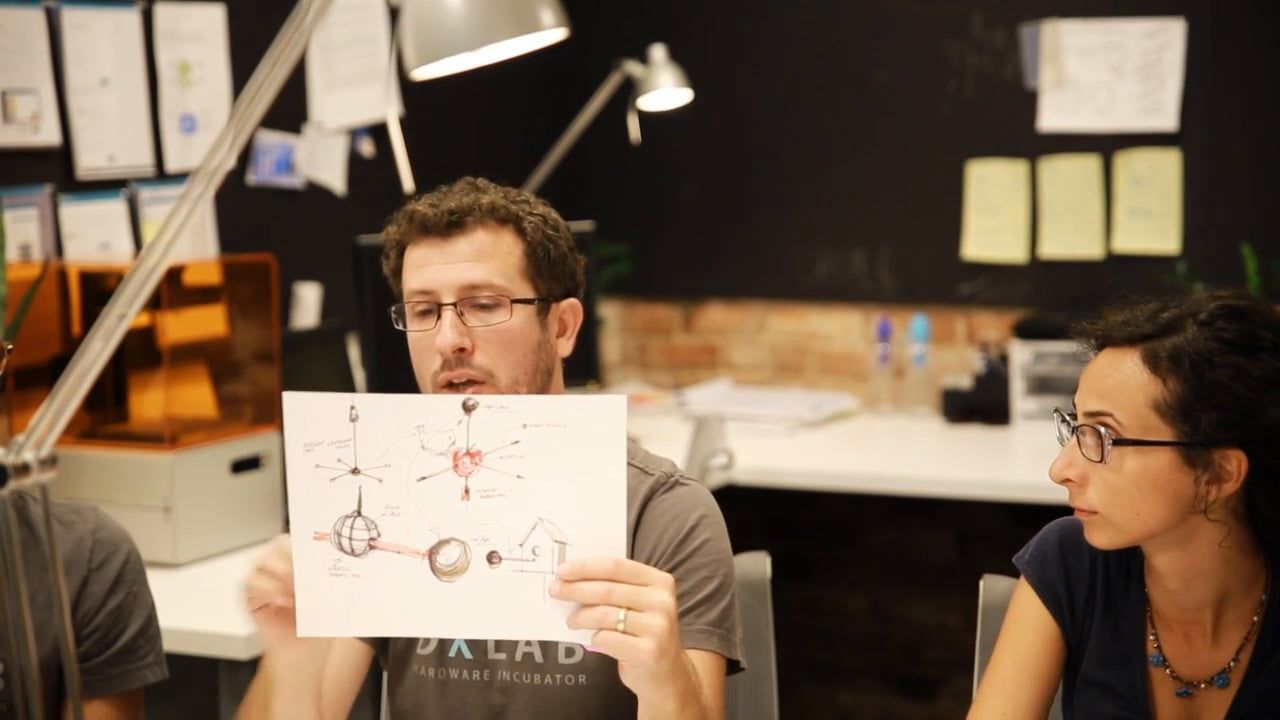
Post sketches on a wall or board. Everyone takes their turn to explain their sketch or sketches after others guess or interpret what they see. This format sparks fresh thinking and unexpected insights, and it includes a “fun factor” that can keep the session vibrant with everyone intrigued and engaged.
5. Build and Iterate
As an optional part, run a second sketching round where people remix or evolve earlier ideas. These short rounds (5–10 minutes) can help move the session forward without losing energy; plus, they can bring potential breakthrough solutions closer into view so team members can recognize powerful aspects of them.
6. Capture Outcomes
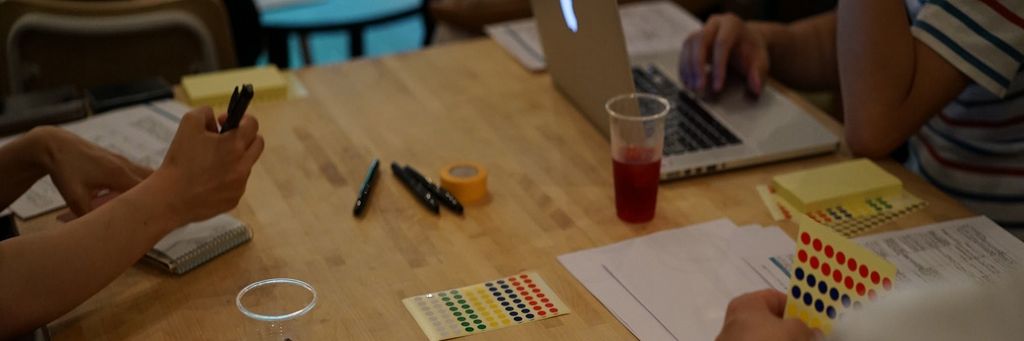
Take photos or scan sketches; don’t let anything fall into obscurity. Use dot voting, affinity mapping, or team discussion to select top ideas. Then, transition the best ones into wireframes, prototypes, or digital mockups for testing.
In this video, William Hudson: User Experience Strategist and Founder of Syntagm Ltd., explains how wireframing helps you plan a website or app’s layout before moving into detailed design.
Seize on the Power of Pictures while Brainstorming
Picture this: you’re about to embark on an ideation session; you’ve got a good fund of user insights after conducting solid user research and have defined the user problem you need to address. Congratulations; you’re now ready to head into that vast territory where great ideas “live.” This is where you and your design team can, for example, harness the power of brainstorming, cast your minds wide, and find hordes of ideas.
In this video, William Hudson explains how you can structure an effective brainstorming session that encourages creativity and collaboration.
However, before you get right into a traditional brainstorming activity, consider how the simple act of sketching might help fast-track your way to great design ideas. Instead of just talking or writing, you make rapid sketches to free the brain from linear thinking and tap into visual creativity.
The term sometimes appears as “sketch storming” or “sketch-storming,” too, but the concept’s the same: it’s to generate visual ideas fast, share them, and iterate as a group. Sketchstorming differs from traditional brainstorming in a few key ways, namely in how participants sketch individually before sharing and verbal explanation comes after initial sketching. Another distinctive feature: the format encourages lighthearted guessing and interpretation, which sparks conversation and reduces pressure.
Typically, you will use sketchstorming in the ideation phase of the design thinking process, once you understand the problem but before designing solutions in detail.
In this video, William Hudson shows you how the design thinking process helps teams understand users, redefine problems, and generate creative solutions that balance desirability, feasibility, and viability.
Why UX Designers Use Sketchstorming
The benefits of sketchstorming include, as an overview, how it adds a burst of creativity, clarity, and collaboration to your UX design process while unlocking ideas you might well miss with traditional brainstorming or discussion alone. More specifically, sketchstorming:
Permits Rapid Exploration at Low Cost
Because they’re sketches, not detailed pictures, and are therefore quick, cheap, and disposable, you can explore many directions without spending time on visuals that may never ship. This lets you and your team pivot easily when something better emerges.
Encourages Divergence
It’s easy to fixate on one idea too soon, a massive hazard that can take you down the wrong design avenue entirely. Conveniently, sketchstorming helps you resist that, and you create and compare multiple ideas before choosing the best ones. That way, you’re more likely to find unexpected gems in the pool of pictures you all generate.
Builds Shared Understanding
Seeing someone else’s sketch helps you understand how they think, and in a more accessible manner than words might transmit. It’s a fast way to uncover assumptions and align around design goals. The group discussion that follows each sketch adds valuable context, and it often improves the idea, shaping it into something far more useful, and desirable.
Lowers Creative Barriers
Because the sketches come out rough and fast, people who don’t see themselves as “artistic” can still contribute and not feel restrained. It also can make cross-functional collaboration, between different teams and stakeholders, easier because of that. The playful format helps everyone feel comfortable throwing out ideas without fear of judgment keeping them back.
Facilitates Early Decision-Making
Sketchstorming sets you and your team up for better decisions later, as you can pick out the most promising-looking path to pursue. Instead of refining one idea too early, you get to explore many and then refine the most promising ones. This makes for a smarter investment of time and resources as you move toward testing and prototyping, and that’s where you’ll find out how well the ideas you generated via sketchstorming can solve users’ problems and even delight them.
In this video, Alan Dix: Author of the bestselling book “Human-Computer Interaction” and Director of the Computational Foundry at Swansea University, explains how starting from well-informed design ideas, then iteratively prototyping and testing with users, helps you refine solutions intelligently.
Before Your Start: How Sketchstorming Fits into the UX Design Process
Sketchstorming belongs early in the UX design process; after you’ve gathered insights but (crucially) before you’ve committed to any one idea or direction. Since it helps you and your team explore many solutions quickly, it’s especially important when ambiguity is still high and you need creative thinking to come into play and light the way ahead.
Before you take off high into the “skies” of ideation, though, you’ll need a solid “runway.” And you build it on sound research and clear insights and grasps of user behavior, user needs, and the many realities users might face in their various contexts. In the empathize and define phases of design thinking, for example, you gather research findings and use them to find actionable insights. User personas, needs statements, and design challenges prove especially helpful on that note, and personas are particularly essential to help you communicate what users really need.
In this video, William Hudson explains how personas help teams focus on real users and design solutions that truly meet their needs.
Once you’ve framed the problem, often with a “How might we” question, you’re ready to sketchstorm. For example, consider this one: “How might we help users compare plans without feeling overwhelmed?”
In this video, William Hudson explains how to turn design problems into actionable “How might we” questions that inspire creative solutions.
Tips and Best Practices for Better Sketchstorming
Here’s how to get the most from your sketchstorming sessions:
Use clear design prompts: Vague goals lead to vague sketches, so set a clear, focused challenge upfront and know the direction to head in.
Timebox everything. Keep energy levels high, avoid overthinking, and don’t let sessions drag on needlessly.
Use pens instead of pencils. Bold lines are easier to see and prevent erasing; while nothing should be “set in stone” at this stage, design-wise, it’s important to examine the ideas that come at first and explore their potential.
Keep sketches rough. Focus on concepts, not artwork; perhaps have a “no prizes for neatness” rule, as long as the sketches make sense.
Include diverse roles. Bring in developers, product managers (PMs), or even customer support; more perspectives can translate to better ideas.
Create a safe environment. Encourage participation from all roles, not just designers.For example, business stakeholders or marketing team members might sketch excellent design ideas that can level up your product.
Limit group size. For an ideal number, 3–7 people makes great sense for rich discussion without crowding.
Hear from everyone. Use facilitation tools like time limits or round-robin sharing to give everyone space and keep one or two voices from dominating the proceedings.
Document everything. Even “bad” ideas can spark something useful later (and, in fact, the bad ideas technique can work as a wonderful way to ideate towards the best potential solutions).
Define next steps. Don’t let ideas sit; they’ll die if nobody captures and acts on them. End your session with concrete plans so you can turn top sketches into testable designs.
For example, consider how sketchstorming might help a team redesign a banking app, where they run a 15-minute session. Each member draws different ways to show transfer steps, fee previews, and confirmation flows. One person sketches a drag-and-drop transfer metaphor; another draws a voice-controlled assistant. Pretty soon, they’re well on their way to a solid path forward for the redesign. And, after posting and sharing, the group identifies two strong ideas and does a second sketch round to refine them. One of these can become the basis for an interactive prototype tested with users later that week.
Overall, sketchstorming helps teams stay nimble, open-minded, and collaborative as they draw on creative powers that anyone, no matter how “undesignerly” they might think they are, can tap. Even with all the digital tools available, nothing beats pen and paper for raw idea generation. That’s because it breaks down complexity, sparks dialogue, and moves your project forward before you get caught up in details.
Most importantly, sketchstorming keeps UX design human and therefore that much more in tune with the goal: serving human users and their real-world needs. It invites everyone to think visually, share openly, and build solutions together: a signature not just of good design but good teamwork, too. Because sketchstorming helps you uncover better ideas faster and build a strong foundation for user-centered design decisions, it (perhaps paradoxically) gives you a “rock” to stand on rather than get lost in creative “whirlwinds.” Whether it’s to solve a new challenge or reimagine an old one, sketchstorming helps you search wide, see more, together, and chart out promising paths forward once you’ve cut through mists of distraction.