21st Century Design

Your constantly-updated definition of 21st Century Design and collection of videos and articles.
Be a conversation starter: Share this page and inspire others!

1,084 Shares

What is 21st Century Design?

21st century design is a practice where designers apply their focus to address the world’s major problems. It is a shift from traditional design to seeing design as a way of thinking to solve complex human issues. By finding root causes, designers can co-create effective solutions with experts and the people they help.

“(I) do not solve the problem that I’m asked to solve.”
— Don Norman,
Father of User Experience (UX) design, author of the legendary bookThe Design ofEveryday Things, co-founder of the Nielsen Norman Group, and former VP of the Advanced Technology Group at Apple.

See why 21st century design represents a massive change in how designers bring about change.

Transcript

A Brave New Approach for a Troubled Planet

Twenty-first century design represents a change in not only what designers do but also what they approach and how. Instead of designing great products and experiences, we as designers step back to consider design as a way of thinking.

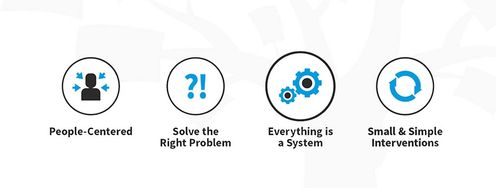
Cognitive science and usability engineering expert Don Norman coined the term as a vital approach to remedy a world plagued by many complex, deep-rooted and interconnected problems. We apply human-centered design (or, more precisely, humanity-centered design) via its four principles to:

  1. Focus on the people we want to help, to make appropriate solutions for them. Other approaches don’t center around specific populations or account for all the factors that intricately combine to make designing for particular groups so complicated. For example, root causes of an epidemic in Somalia will pose different challenges from those in Bangladesh; the political systems are different, as are many other factors affecting how designers could help.

  2. Solve the right problem. Designers are more open-minded than specialists who tend to quickly offer a solution based on their expertise. This is a major benefit in that you take the time to ask if you’re addressing the right problem.

  3. See everything as a system. We know causes and effects don’t exist in a vacuum. The effects of one problem usually extend back through a series of other issues within an intricate system. For example, designers can’t “cure” a population’s typhoid problem by cleaning village wells. Typhoid stems from contaminated food and water and occurs where hand-washing isn’t sufficient. We’d need to get behind each root cause by using, e.g., the 5 Whys method, until we could get an accurate picture of the situation and address it properly, as a system.

  4. Don’t rush to a solution. Regarding people, societies and the various forces that bind them (i.e., economics and politics), our first solution usually won’t be the right one. That’s why we do small and simple interventions to see where these go and modify things until desired effects occur.
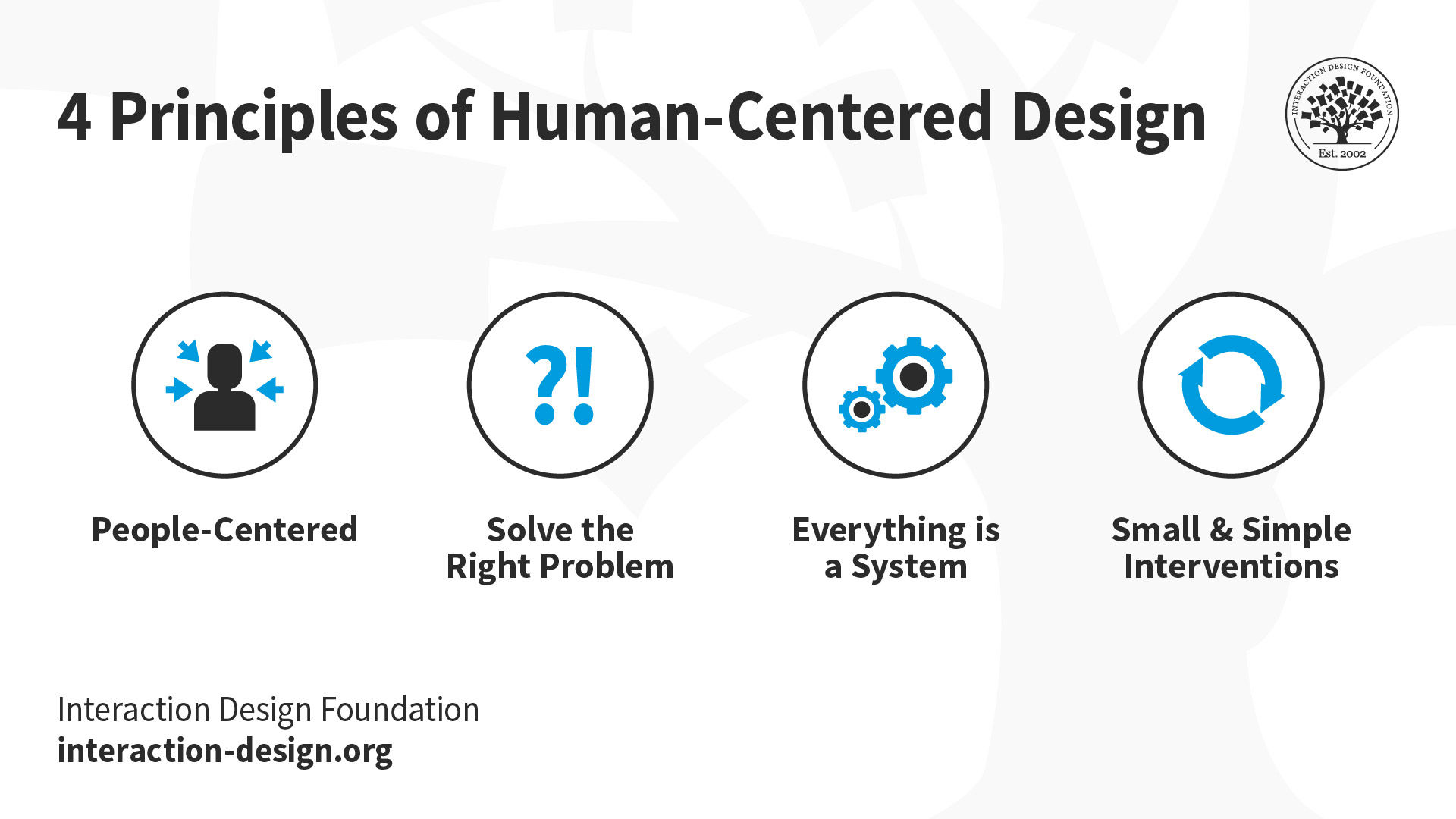
The four principles of Human-Centered Design: People-Centered, Solve the Right Problem, Everything is a System, and Small & Simple Interventions.

© Daniel Skrok and Interaction Design Foundation, CC-BY-SA 3.0

How to Do 21st Century Design

As designers, we already use special approaches (e.g., design thinking) to work towards optimal solutions to well-defined problems. Still, there’s a gigantic gulf between designing something like a nice-to-have phone app for a close-to-home market and taking on complex socio-technical systems and wicked problems abroad. So, leverage humanity-centered design and:

  • Always include the people you’re designing for. With the benefits of people-centered design, you can work your way towards the best solution to the right problem. Your target groups already have great insights into their problems and even good ideas about solutions. They just need outside help that respects their situation.

  • Always include experts. Using a multidisciplinary approach, you tap the talents and influence of everyone who can get behind the project to make it succeed as you fix the deep, underlying causes over time. Importantly, this must include the people themselves, throughout the design process. If they can’t accept the solution and maintain it, it will fail.

  • Avoid discussing a problem by its symptoms. While symptoms will still need treatment, other experts typically won’t go deeper, hence why the symptoms always return. Instead, remember that beneath a “surface problem” lurks a huge majority of the “iceberg”. Within that harder-to-see mass, you’ll gradually discover one root cause after another. Then, you’ll need to determine how these relate to each other within that unique problem space. For example, if the causal chain of a problem is: shattered economy > homelessness > poor sanitation > cholera, the heart of the matter could be that the country is still recovering decades after a civil war. This complex issue would require aid from many sources before the population could have the stability to co-design and adopt the best solution. Often, though, there’ll be fewer obstacles for you to work towards good, solid solutions that the people will gladly use and maintain so the original symptoms vanish.

  • Muddle through via small, simple interventions:

    • Monitor the results.

    • Modify your approach and keep experimenting.

    • Learn from what you see and fine-tune your interventions towards more successful outcomes.

  • Gain more influence. When you rise in your organization, you’ll have more clout to achieve more for more people.

  • Overall, 21st century design is about commitment, courage, creativity and patience. As you help people help themselves through mentorship, facilitating and leveraging resources, you’ll empower them to embrace powerful, long-lasting solutions that will make the world a better place.

    A child in Uganda carries a big box on his head, as other children look on.

    © Dazzle Jam, CC0
Questions About 21st Century Design?
We've Got Answers!

How does 21st century design differ from traditional UX design?

Twenty-first-century design differs from traditional UX design by focusing less on static screens and more on dynamic, end-to-end experiences across platforms and time. Traditional UX is often centered on usability within isolated systems, like improving website navigation. Modern design, however, blends service design, systems thinking, and behavioral science to shape more holistic user journeys.

Today’s designers solve for complexity: multiple devices, real-time interactions, personalization, and ethical impact. They consider long-term consequences, accessibility, and global diversity.

Enjoy our Master Class Design for the 21st Century with Don Norman, Founding Director - Design Lab, University of California, San Diego. Co-Founder, Nielsen Norman Group.

How does it shift from product-centered to system-centered thinking?

The shift from product-centered to system-centered thinking means designers no longer focus solely on isolated tools or screens; instead, they now consider how those tools fit into larger ecosystems. In traditional UX (user experience) design, teams optimized a single app or website. Today, designers ask: How does this touchpoint connect with others? What roles, processes, and environments surround it?

System-centered thinking emphasizes interactions across services, channels, and stakeholders. It values consistency, adaptability, and long-term impact over short-term polish.

Tip: Use tools like service blueprints or ecosystem maps to visualize the entire system. Design with context, relationships, and feedback loops in mind, not just features.

Grasp how to design better by addressing everything as a system, in this video with Don Norman:

Transcript

What role do ethics and responsibility play in 21st century design?

In 21st-century design, ethics and responsibility take center stage. Designers now shape behavior, influence choices, and impact society at scale, so they must ask not just, “Can we build this?” but, “Should we?” Ethical design means considering privacy, accessibility, inclusivity, and long-term consequences from the start.

Instead of only solving for engagement or conversion, responsible designers weigh unintended effects—like addiction, exclusion, or data misuse. Design choices affect real lives, not just metrics.

Tip: Apply ethical checklists or Devil’s advocate during your design process. Involve diverse voices to uncover blind spots early.

Explore one aspect that can help with ethical and more responsible, effective designs: the education of designers, in this video with Don Norman:

Transcript

How does 21st century design encourage long-term thinking?

Twenty-first-century design encourages long-term thinking by focusing on sustainable impact, not just short-term success. Designers today consider how products evolve, how they affect users over time, and what legacy they leave behind. Instead of chasing quick wins like engagement spikes, they design for growth, adaptability, and positive social outcomes.

This mindset shifts questions from “How can we increase clicks?” to “How does this decision affect people a year, five years, or ten years from now?” Long-term design builds trust, reduces harm, and supports lasting value.

Tip: Use future-scenario planning or “designing for disassembly” to think beyond the current version. Plan for change, not just launch.

Explore the wider scope of how to make impactful changes with humanity-centered design.

How do I move from usability fixes to systemic impact?

To move from usability fixes to systemic impact, shift your focus from isolated screens to the entire experience ecosystem. Usability tweaks solve surface-level issues, like confusing labels or button placement. Systemic impact addresses deeper structures, like workflows, policies, or tech limitations, that shape user experience over time.

Start by mapping the full journey: across channels, departments, and devices. Identify root causes, not just symptoms. Collaborate cross-functionally to drive changes that ripple far beyond the UI (user interface).

Tip: Use service blueprints and systems maps. These tools help you visualize where small UX problems stem from big systemic gaps—and how to fix them at the source.

Get to the root of problems with the 5 Whys approach.

How do I design for unintended consequences?

To design for unintended consequences, anticipate how people might use your product—or misuse it—beyond your intended goals. This means stepping outside short-term KPIs (key performance indicators) and imagining worst-case scenarios, edge cases, and long-term effects. Ask: “What could go wrong? Who could be excluded? What behaviors might we accidentally encourage?”

Use ethical foresight tools like pre-mortems, red teaming, or impact mapping to surface risks early. Talk to diverse users, not just your core audience, to find blind spots in your design logic.

Tip: Design with flexibility. Include clear controls, undo options, and user agency so you can adjust quickly if unintended outcomes emerge after launch.

Discover vital points about how to design well with a deep understanding of the people who will use your design, in this video with Don Norman:

Copyright
Transcript

How do I work with people from non-design fields to create meaningful impact?

To create meaningful impact with people from non-design fields, treat collaboration as a two-way exchange, not a handoff. Developers, marketers, operations teams, and support staff all bring valuable insights into user needs, system constraints, and real-world outcomes. Bring them in early, not just during execution.

Co-create shared goals. Use plain language, visual tools (like journey maps or service blueprints), and workshops to align diverse perspectives. When everyone understands the user problem and sees their role in solving it, cross-functional teams build smarter, more holistic solutions.

Tip: Ask non-designers what frustrates users from their perspective. These insights often reveal overlooked opportunities for meaningful design impact.

Find out how service blueprints help guide effective service design.

What new skills do UX designers need for 21st century design?

For 21st-century design, UX designers need more than wireframing and usability testing—they must master systems thinking, ethical foresight, and cross-functional collaboration. Today’s challenges are complex and interconnected, so designers must zoom out to see how touchpoints, technologies, and behaviors shape entire ecosystems.

Key skills include service design, data literacy, inclusive design, and the ability to work with policy, sustainability, and artificial intelligence (AI). Communication and facilitation are critical, too; designers must bridge disciplines and guide strategic conversations.

Tip: Invest in learning how to map systems, co-create with non-designers, and spot ethical or environmental risks before they become product issues.

Enjoy our Master Class Human-Centered Design for AI with Niwal Sheikh, Product Design Lead, Netflix.

How can I apply 21st century design in small UX projects?

You can apply 21st-century design in small UX projects by focusing on systems, ethics, and user impact—even at a micro scale. Look beyond the screen you’re designing. Ask: How does this fit into the larger journey? What ripple effects might it cause? Who might it exclude?

Use tools like journey mapping to understand context. Even small improvements, like clearer language or inclusive color choices, can reflect systemic awareness.

Tip: Make every decision with intention. Ask, “How might this small piece shape behavior, access, or trust?” That’s how big thinking starts in small projects.

Get a firm grasp of context by walking a mile in users’ shoes; tap the power of customer journey maps.

How can UX designers start making change within existing constraints?

UX designers can start making change within existing constraints by finding leverage points: small shifts that create outsized impact. You don’t need to redesign an entire system to start improving it. Focus on what you can influence: microcopy, error states, handoff processes, or overlooked touchpoints.

Use user research to surface user pain points and connect them to business outcomes. When you show how small design changes solve real problems, you build trust and momentum for bigger shifts. Frame constraints as design challenges. Ask, “How might we improve this within our current tech, timeline, or resources?” Innovation often grows from limitation.

What are some helpful resources about 21st-century design?

Norman, D. A. (2023). Design for a Better World: Meaningful, Sustainable, Humanity Centered. The MIT Press.

In this expansive work, Norman expands the scope of design beyond individual user experiences to address systemic global challenges. He advocates for a shift from human-centered to humanity-centered design, emphasizing sustainability, ethics, and social impact. This book is pivotal for UX designers aiming to contribute to solutions for complex societal issues in the 21st century.

Meyer, M., & Norman, D. A. (2020). Changing design education for the 21st century. She Ji: The Journal of Design, Economics, and Innovation, 6(1), 13–39.

In this seminal paper, Meyer and Norman argue for a comprehensive overhaul of design education to meet the complex challenges of the 21st century. They advocate for curricula that emphasize systems thinking, interdisciplinary collaboration, and a shift from artifact-centric to people-centric design. The authors highlight the necessity for designers to engage with social, environmental, and political contexts, preparing them to address global issues effectively. This work is influential in redefining the role of design education in contemporary society.

Earn a Gift Earn a Gift, Answer a Short Quiz!

1
2
3
4
1
2
3
4
Question 1
Question 2
Question 3
Get Your Gift
Interaction Design Foundation logo

Question 1

What is the main focus of 21st-century design?

1 point towards your gift

  • To address complex societal problems through human-centered approaches
  • To create aesthetically pleasing products
  • To develop new software tools to solve global issues
Interaction Design Foundation logo

Question 2

Which principle is key to 21st-century design?

1 point towards your gift

  • Focus only on technology.
  • Isolate design from other disciplines.
  • Solve the right problem through systemic thinking.
Interaction Design Foundation logo

Question 3

Why is human-centered design important in 21st-century design?

1 point towards your gift

  • It focuses on the aesthetic value of the design.
  • It makes sure solutions are customized to the needs of specific populations.
  • It reduces design costs and increases business profits.

Learn More About 21st Century Design

Make learning as easy as watching Netflix: Learn more about 21st Century Design by taking the online IxDF Course Design for the 21st Century with Don Norman.

Why? Because design skills make you valuable. In any job. Any industry.

In This Course, You'll

  • Get excited as you learn to design a better world. Whether you want to help families save money while reducing their carbon footprint, redesign how cities manage waste, or improve public health systems, this course will show you how. You don't need to be a designer. You just need the desire to make things better. Led by world-renowned designer Don Norman, you'll learn the powerful tools of human-centered design, systems thinking, and design thinking to tackle real-world challenges like climate change, inequality, public health, and more.

  • Make yourself invaluable when you build timeless human-centered design skills that are essential to make AI your superpower, so speed never comes at the cost of people's wellbeing. This course builds on and expands your deeply human skills like empathy, problem framing, and root-cause thinking that guide AI toward better, more responsible outcomes. You'll learn to apply these skills to drive innovation at work, lead meaningful projects, communicate your ideas clearly, and capture people's attention. This course helps you grow your impact, salary potential, and confidence—and feel deeply fulfilled. Did you know that design-driven companies are twice as likely to outperform their industry peers in revenue growth? The key is to go beyond traditional approaches and solve the real problems behind surface-level symptoms while integrating solutions seamlessly into real people's lives. You'll get the ability to design lasting change and learn how to work effectively with stakeholders to make it happen. You'll also discover how to move up in your company and take on bigger challenges.

  • Gain confidence and credibility as you apply your new skills from day one with ready-to-use templates such as the 5 Whys method. Create an optional case study aligned with the UN Sustainable Development Goals. By the end of this course, you'll have the skills and mindset to make a difference, whether that's in your job, your community, or the world. Let's co-create a better future starting now.

It's Easy to Fast-Track Your Career with the World's Best Experts

Master complex skills effortlessly with proven best practices and toolkits directly from the world's top design experts. Meet your expert for this course:

  • Don Norman: Father of User Experience (UX) Design, author of the legendary book “The Design of Everyday Things,” co-founder of the Nielsen Norman Group, and former VP of the Advanced Technology Group of Apple.

Get an Industry-Recognized IxDF Course Certificate

Increase your credibility, salary potential and job opportunities by showing credible evidence of your skills.

IxDF Course Certificates set the industry gold standard. Add them to your LinkedIn profile, resumé, and job applications.

Course Certificate Example

Be in distinguished company, alongside industry leaders who train their teams with the IxDF and trust IxDF Course Certificates.

Our clients: IBM, HP, Adobe, GE, Accenture, Allianz, Phillips, Deezer, Capgemin, Mcafee, SAP, Telenor, Cigna, British Parliament, State of New York

All Free IxDF Articles on 21st Century Design

Read full article
Emotion and Design - Article hero image
Interaction Design Foundation logo

Emotion and Design

Factors specific to the things we use in our everyday lives influence how we feel when we are using them. It is, therefore, the role of designers to both understand how we are affected by the products they design, and how they can be developed to (on a small scale) improve the associated user experi

Social shares
645
Published
Read Article
Read full article
Human-Centered Design: How to Focus on People When You Solve Complex Global Challenges - Article hero image
Interaction Design Foundation logo

Human-Centered Design: How to Focus on People When You Solve Complex Global Challenges

When we design products and services, we use human-centered design insights to help us focus on the people. But how do we focus on the people in the context of complex global challenges? What should we be aware of? What are the pitfalls? And when should we reach out to help people? In this video, Do

Social shares
578
Published
Read Article
Read full article
Don Norman: How You Can Rapidly Move Up by Thinking in Systems (Not Features) - Article hero image
Interaction Design Foundation logo

Don Norman: How You Can Rapidly Move Up by Thinking in Systems (Not Features)

How can you move up in a company? Learn the fundamentals of business such as statistics, finance, accounting, marketing, supply chain and administration. How do you do that? One way to do this is to get a Master of Business Administration (MBA) degree. But Don says you can also learn them without go

Social shares
597
Published
Read Article
Read full article
If You Don’t Fail, You’re Not Trying Hard Enough - Article hero image
Interaction Design Foundation logo

If You Don’t Fail, You’re Not Trying Hard Enough

In some cultures, people never recover from failure, and Don Norman says this is wrong. In other cultures, failure is seen as a way to learn. David Kelley, the founder of design firm IDEO, once said, “Fail faster, succeed sooner.” Don says this is good, but encourages us to take it one step further,

Social shares
590
Published
Read Article
Read full article
How to Explain Complex Design Ideas So People Get Excited and Promote You - Article hero image
Interaction Design Foundation logo

How to Explain Complex Design Ideas So People Get Excited and Promote You

You are an expert! If you want to move up in a company or convince people to support your ideas, you need to communicate your expertise and excitement clearly. Sounds easy, right? The problem is that the more expertise you have, the harder it can be to communicate. In this video, Don Norman shares h

Social shares
596
Published
Read Article
Read full article
The 4 Types of Designers Who Will Thrive in 2030 (And the One Most Schools Still Ignore) - Article hero image
Interaction Design Foundation logo

The 4 Types of Designers Who Will Thrive in 2030 (And the One Most Schools Still Ignore)

What is the future of design? Which skills will you need in the 21st century? In this video, Don Norman gives four examples of the tasks that designers might be doing in the 21st century, and the four types of designers that will be needed.“So there you are. Four different kinds of design problems,

Social shares
637
Published
Read Article

The 4 Types of Designers Who Will Thrive in 2030 (And the One Most Schools Still Ignore)

The 4 Types of Designers Who Will Thrive in 2030 (And the One Most Schools Still Ignore)

What is the future of design? Which skills will you need in the 21st century? In this video, Don Norman gives four examples of the tasks that designers might be doing in the 21st century, and the four types of designers that will be needed.

“So there you are. Four different kinds of design problems, each of them requiring different skills and different change from the traditional design of designers of craft.”

Don Norman: Father of User Experience design, author of the legendary book The Design of Everyday Things, co-founder of the Nielsen Norman Group, and former VP of the Advanced Technology Group at Apple.

Don Norman is trying to mobilize the current and next generations of designers to use their insights in design as a way of thinking to solve the world’s major societal issues. Those issues may be deep and complex, but the potential for effective solutions that can improve the lives of people across the planet is vast — and reachable if designers adopt this as the approach to tackle such troubles.

Which type of designer are you today? Which type of designer would you like to be? Please consider these questions as you watch the video.

Copyright
Transcript

4 Types of Designers We Need in the 21st Century

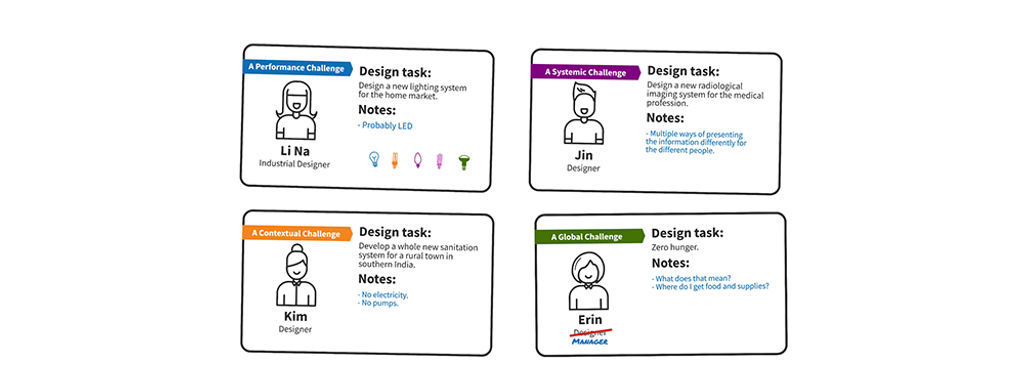
In the video, Don Norman gives four examples of the types of challenges designers are likely to face in the 21st century, and four different types of designers who can meet those challenges. This list of challenges, designer types and skills is not meant to cover everything, but to help you understand the range of possibilities for the future of design.

Performance Challenges

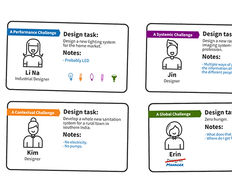
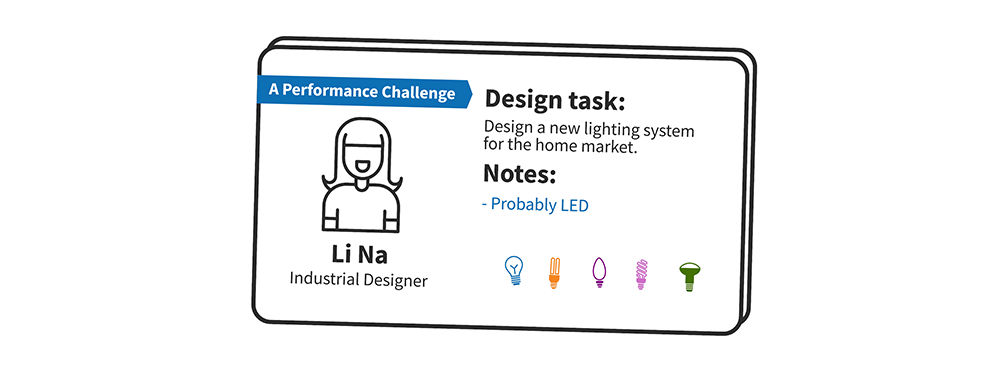
A card for Li Na, the Industrial Designer. It has a label that says A Performance Challenge. It also says that the design task is to design a new lighting system for the home market, and that it will probably be LED

Persona: Li Na.

Task: Design a new lighting system for the home market. 

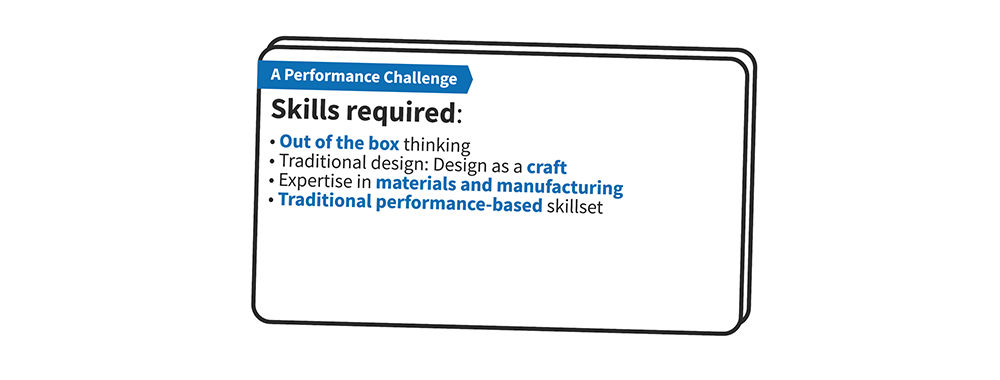
Skills required: What would you need to know and be able to do:

A card that says the skills requires are out of the box thinking, traditional design as a craft, expertise in materials and manufacturing and a traditional performance-based skillset

The first type of design challenge that Don Norman sees in the 21st century is what he calls a Performance Challenge. The task is to maximize the performance of products using new materials and new ideas for their form and function. It is a traditional design task, so Don argues that our traditional design education is well-equipped to teach designers the necessary skills, such as these:

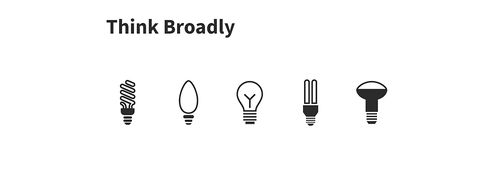
  • “Out of the box” thinking

  • Traditional design: design as craft

  • Expertise in materials and manufacturing

  • Traditional performance-based skills

Systemic challenges

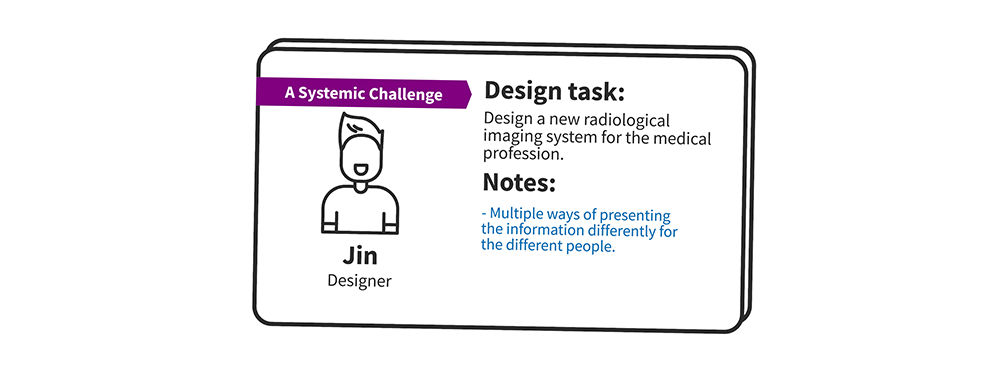
A card for Jin, the Designer. It has a label that says A Systemic Challenge. It also says that the design task is to design a new radiological imaging system for the medical profession, and that it will require multiple ways of presenting the information differently for different people

Persona: Jin.

Task: Design for the medical profession. 

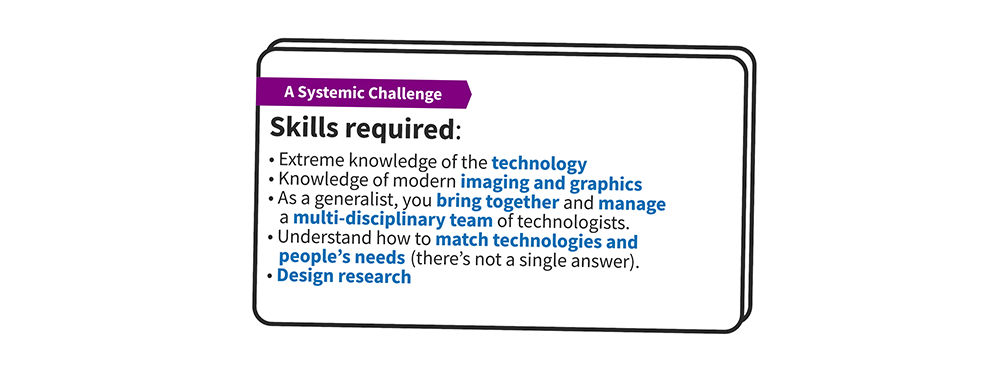
Skills required: What would you need to know and be able to do:

A card that says the skills required are extreme knowledge of the technology, knowledge of modern imaging and graphics, as a generalist to bring together and manager a multi-disciplinary team of technologists, to understand how to match technologies and the needs of people, and design research

The second type of design challenge that Don Norman sees in the 21st century is what he calls a Systemic Challenge. In this case, the task is to design a complex product by bringing together experts in each of the technologies that are involved to create an outcome that serves the needs of multiple people who will use the different parts of the system. This is a much less traditional design task, and it requires that a designer can:

  • Match the technologies to multiple people’s needs.

  • Understand the underlying technologies.

  • Conduct design research.

  • Bring together and manage a multi-disciplinary team of technologists.

Contextual challenges

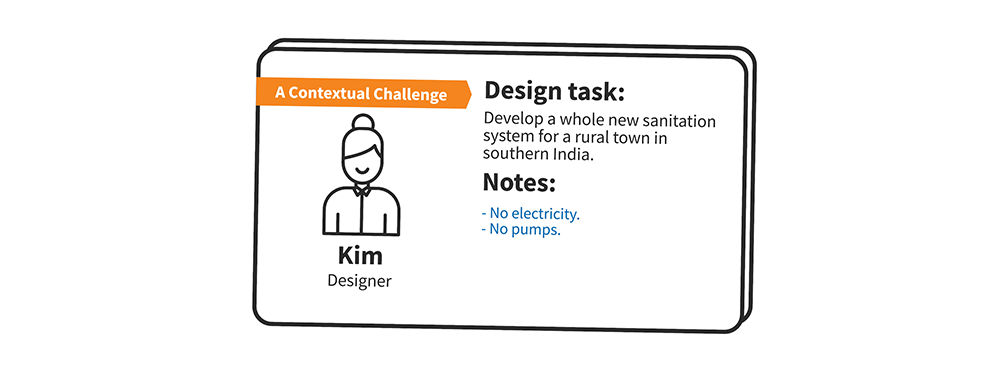
A card for Kim, the Designer. It has a label that says A Contextual Challenge. It also says that the design task is to develop a whole new sanitation system for a rural town in southern India, where there is no electricity and there are no pumps

Persona: Kim.

Task: Develop sanitation system for southern India. 

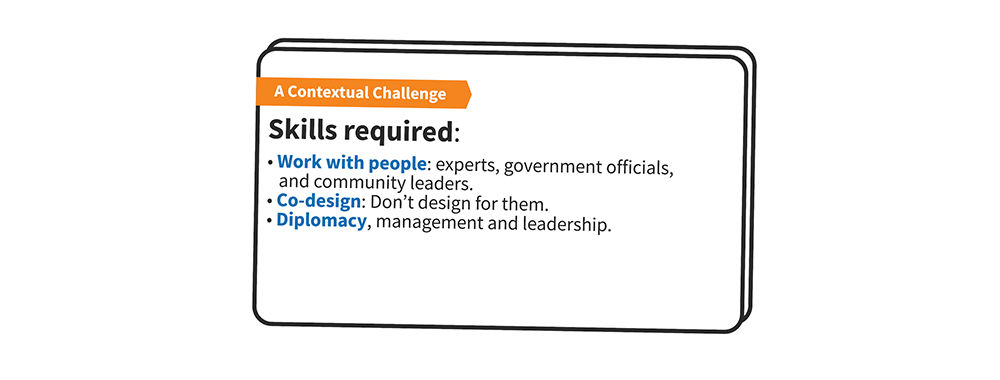
Skills required: What would you need to know and be able to do:

A card that says the skills required are to work with people: experts, government officials and community leaders, to co-design with people rather than design for them, and to practice diplomacy, management and leadership

The third type of design challenge that Don Norman sees in the 21st century is what he calls a Contextual Challenge, where you must build something with local people so that they can use, maintain and improve it themselves. These sorts of challenges go far beyond traditional design, and may require that you build trust and navigate local resource constraints, institutional, political and cultural dynamics. This sort of challenging task requires that a designer can:

  • Work with many stakeholders including experts, government officials and community leaders.

  • Co-design solutions with local people.

  • Use diplomacy, management and leadership to facilitate cooperation between stakeholders.

Global challenges

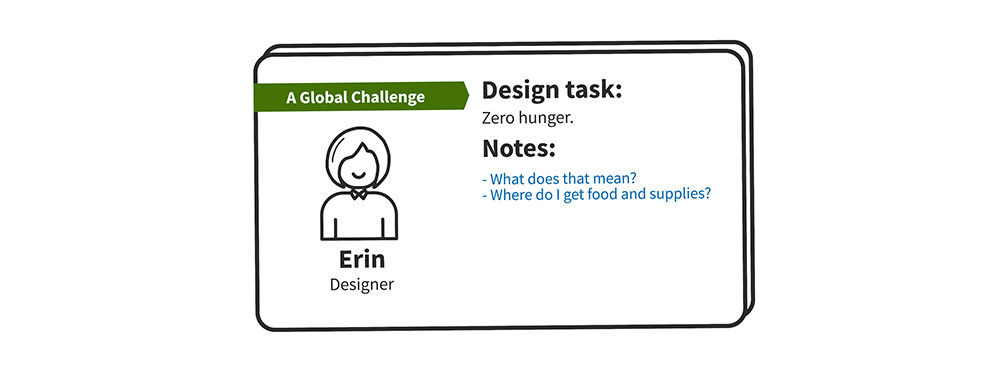
A card for Erin, the Manager. It has a label that says A Global Challenge. The card says that the design task is zero hunger. The card also asks what that means, and where to get food.

Persona: Erin.

Task: Heading a United Nations team: Social issue: Hunger. 

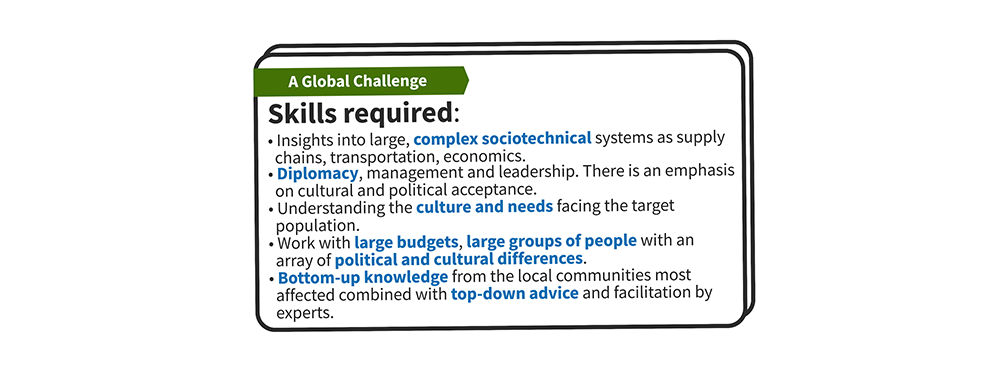
A card that says there are four required skills.  First, insights into large, complex sociotechnical systems such as supply chains, transportation and economics. Second, diplomacy, management and leadership with an emphasis on cultural and political acceptance. Third, understanding the culture and needs facing the target population. Fourth, work with large budgets, large groups of people with an array of political and cultural differences.

Poster of the United Nations 17 Global Goals for Sustainable Development

The 17 Global Goals for Sustainable Development.
© Jakob Trollbäck and The Global Goals, Fair-use

The fourth type of design challenge is what Don calls a Global Challenge, where you are taking on a large-scale design challenge like addressing one of the United Nations’ Global Sustainable Development Goals, consisting of poverty, hunger, education and 14 others. These challenges are very different from traditional design, and require that a designer can:

  • Understand large, complex socio-technical systems such as supply chains, transportation and economics.

  • Practice good diplomacy, management and leadership with an emphasis on cultural and political acceptance. 

  • Understand the culture and needs facing the target population.

  • Work with large budgets, large groups of people with an array of political and cultural differences.  

The Take Away

As design continues to include larger and more complex production, systemic, contextual and global challenges, we will need all four of the types of designers that Don Norman talks about. Each type will require slightly different education that will not necessarily have to happen in a design school. 

Regardless of the type of 21st century challenge you will take on or the type of designer you are, Don Norman’s advice to you is the same: 

“Remember to think in systems. Remember to always be learning. Remember to always be observing. Remember to always, always focus on the needs of the people you are designing for and use their creativity. You don’t have to have all the answers. Quite often the people you’re designing for have the answers. They just don’t know how to implement them properly.”

— Don Norman

References and Where to Learn More

Norman, Don and Meyer, Michael. Changing Design Education for the 21st Century.
She Ji: The Journal of Design, Economics, and Innovation 6, page 13-39. 2020

Norman, Don. Changing Design Education for the 21st Century, 2020

Ready to shape the future, not just watch it happen? Join the Father of UX Design, Don Norman, in his two courses, Design for the 21st Century and Design for a Better World, and turn your care for people and the planet into design skills that elevate your impact, your confidence, and your career.

Hero image: © Interaction Design Foundation, CC BY-SA 3.0

Feel Stuck?
Want Better Job Options?

AI is replacing jobs everywhere, yet design jobs are booming with a projected 45% job growth. With design skills, you can create products and services people love. More love means more impact and greater salary potential.

At IxDF, we help you from your first course to your next job, all in one place.

See How Design Skills Turn Into Job Options
Privacy Settings
By using this site, you accept our Cookie Policy and Terms of Use.
Customize
Accept all

Be the One Who Inspires

People remember who shares great ideas.

Share on:

Academic Credibility — On Autopilot

Don't waste time googling citation formats. Just copy, paste and look legit in seconds.