The Dynamics of Use – Design Considerations

• 8 min read

467 Shares

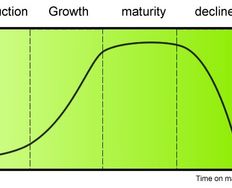
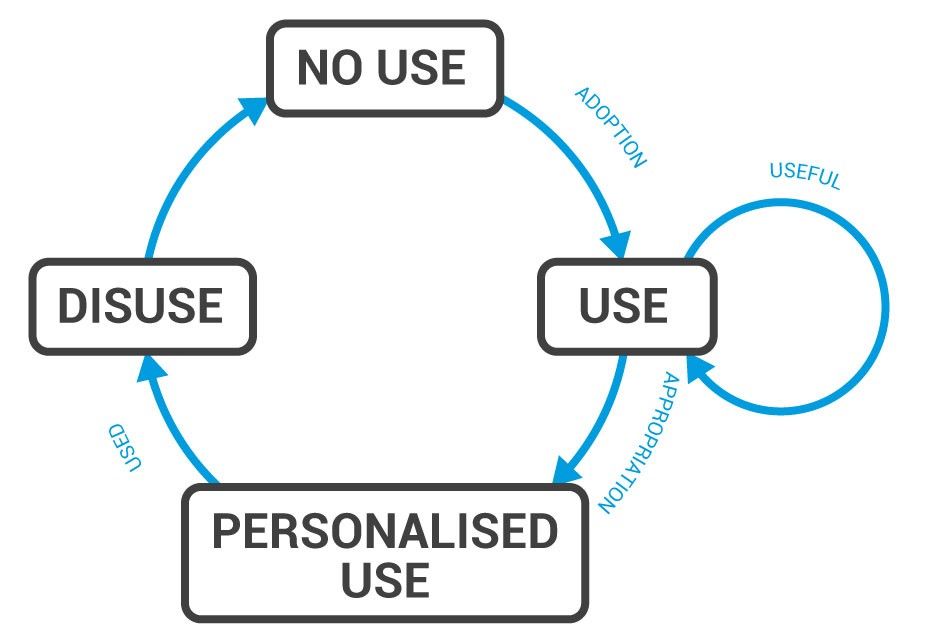
The use of a product may be considered as a cycle. Before a user is aware of a product they exist outside of that cycle. Once they are aware of it, they may be considered as being in a state of “pre-use”. If awareness sparks interest they may begin to use the product. This may be a single event or it may be a repeated event over days, weeks, months, years or even decades. Finally, for the majority of products there will come a time when the user stops using them and either replaces the product or stops using products like that at all. This is a state of “disuse”. However, “disuse” and “pre-use” occupy a similar place in the cycle as the user who finishes using a product is aware of it and might, in the right circumstances, be persuaded to return to it.

The model for the dynamics of use comes from a speech given by Alan Dix, the HCI professor and expert, at his talk to the University of Technology in Berlin in 2008.
The State of Pre-Use

The period of “no use” or “pre-use” is the period between when a product becomes available and the period in which it is adopted for use. It’s when the majority of sales and marketing activities take place in a product’s life cycle.

During this phase; the design team will generally have completed their initial work and be waiting for feedback for further iteration. To encourage adoption; the design team can support marketing efforts and in particular they can make themselves available to innovators (those who are the very first to adopt products) and early-adopters (those who are also ahead of the curve when it comes to adopting products) to answer any questions they may have and to understand their feedback.

The State of Use
Author/Copyright holder: Jimmy Tan. Copyright terms and licence: CC BY 2.0

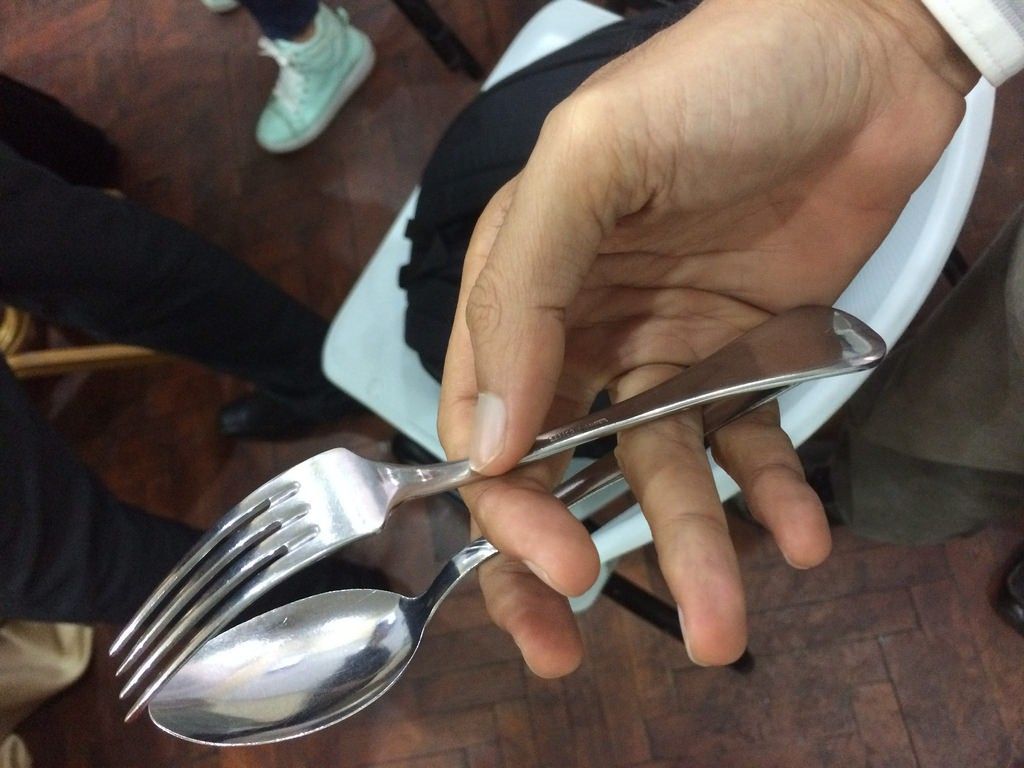
The state of use is the moment following purchase when a product is actually adopted by the user. They take the product and put it into practice. At this stage they will begin to examine whether a product is actually useful and whether it is usable. A product which meets these criteria is likely to sustain repeated use; one which doesn’t may be quickly rejected at this point. After all if a product isn’t useful; why would you use it? And if it isn’t usable – the user may wish to seek an alternative useful product which is simpler and easier to use.

At the point of use the design team will be seeking feedback on the user experience and looking to iterate their designs to better satisfy users in the future.

The State of Personalized Use

Author/Copyright holder: Pixabay. Copyright terms and licence: Free to Use.

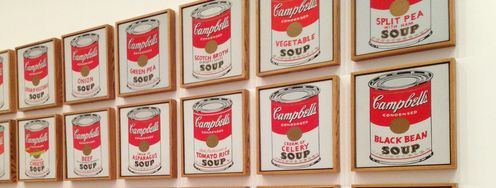
Some products may never enter a state of personalized use; they can be both useful and usable and yet, for whatever reason, they may not be “appropriate-able”. Appropriation is when a design is used for a purpose that was not intended by the designer. For example; when you bash in the top of a boiled egg with a spoon – it’s not what spoons were designed for (that was simply the scooping up of food) but the spoon does the job excellently. That’s appropriation.

It’s personalized use because it is something that lays entirely within the remit of the user. Some people may never bash in the top of an egg with a spoon but spoons still have other uses. Others may never use a spoon to flick food at another person during a food fight (another instance of appropriation) but the spoons will still serve a purpose.

Appropriation is useful to designers. If a product can be put to more than one use it is likely to have increased longevity. If the alternate uses are popular – they can also lead to increased sales of the product.

The State of Disuse
Author/Copyright holder: Magohurion. Copyright terms and licence: CC BY-SA 4.0

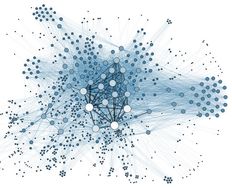
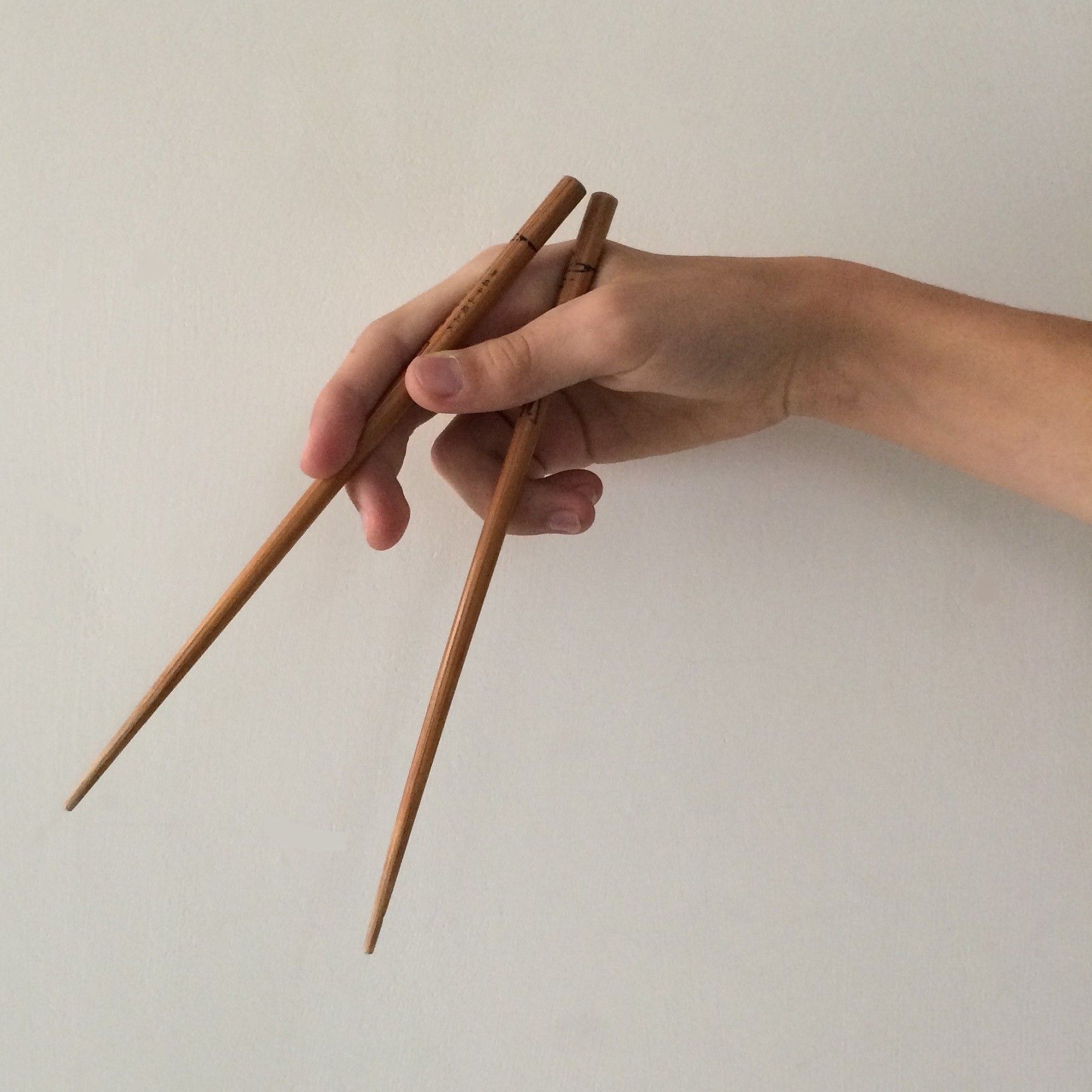
The state of disuse is the point at which the product falls out of favor with the user. Perhaps it breaks and the user elects not to replace it. For a digital product such as an app, the user might delete or uninstall the product at this time or they might just decide not to open the product on their device again.

While it might appear that the state of disuse is permanent, and it often is, the cycle could be considered to begin again at this point. A user transitions back into a state of “no use” or “pre-use” and might be persuaded to return to the product if given an incentive to do so.

Designers may work with users who have abandoned their products to determine why and to examine the possibilities either for revised versions of the product or new products which match these users’ current needs.

It’s worth noting that a product falling into disuse does not always imply that there is a fault with a product or that the product has been superseded in some manner in the market place. For example, a squash racket may fall into disuse because the user no longer wishes to play squash – this would not imply a failure/fault with the racket.

The Take Away

The dynamics of use are the cycle that runs from no-use, to use (and possibly personalized use) and then through to disuse. Designers can play a different role in each part of the cycle to try and ensure the longevity of their designs in the marketplace.

References

Alan Dix’s presentation at the University of Technology in Berlin, 2008 can found here.

Hero Image: Author/Copyright holder: Cameron Battagler. Copyright terms and licence: CC BY-NC-ND 2.0

Learn More in This Course:

AI for Designers

12 days
13 % booked
View Course

What You Should Read Next

  • Read full article
    The Diffusion of Innovation – Strategies for Adoption of Products - Article hero image
    Interaction Design Foundation logo

    The Diffusion of Innovation – Strategies for Adoption of Products

    The diffusion of innovation is the process by which new products are adopted (or not) by their intended audiences. It allows designers and marketers to examine why it is that some inferior products are successful when some superior products are not.The idea of diffusion is not new; in fact it was or

    Social shares
    1.1k
    Published
    Read Article
  • Read full article
    How to Use the Product Life Cycle - Article hero image
    Interaction Design Foundation logo

    How to Use the Product Life Cycle

    The product life cycle is an important tool for marketers, management and designers alike. It specifies four individual stages of a product’s life and offers guidance for developing strategies to make the best use of those stages and promote the overall success of the product in the marketplace.Abou

    Social shares
    873
    Published
    Read Article
  • Read full article
    Useful, Usable, and Used: Why They Matter to Designers - Article hero image
    Interaction Design Foundation logo

    Useful, Usable, and Used: Why They Matter to Designers

    Today, we’re going to take a look at three contexts of the concept of use: useful, usable and used. The first two terms, useful and usable, are bandied around a lot in terms of user experience and design while the third term, used, barely gets a mention. Yet, as we’ll come to see it may be the most

    Social shares
    868
    Published
    Read Article
  • Read full article
    How to Achieve Critical Mass for a Product Launch - Article hero image
    Interaction Design Foundation logo

    How to Achieve Critical Mass for a Product Launch

    The concept of critical mass originates in physics; it refers to the volume of a nuclear product required to sustain a chain reaction in a nuclear explosion. However, critical mass in marketing requires a very different product – users – to ensure a “chain reaction” of sales. The idea of critical m

    Social shares
    754
    Published
    Read Article
  • Read full article
    Appropriation and Design: A Tale of Two Concepts - Article hero image
    Interaction Design Foundation logo

    Appropriation and Design: A Tale of Two Concepts

    ‘Appropriation is an unusual word for designers in that it has two very distinct meanings. Both are relevant to designers and both need careful consideration but for very different reasons.Appropriation is either:The use of pre-existing objects/images within a design or art with marginal amounts of

    Social shares
    704
    Published
    Read Article
  • Read full article
    Emotional Drivers for User and Consumer Behavior - Article hero image
    Interaction Design Foundation logo

    Emotional Drivers for User and Consumer Behavior

    In his paper; “Conditional Reflexes” the scientist Ivan Pavlov proved that a dog could be conditioned to respond to a stimulus. He presented a dog with food and the dog began to salivate. He also rang a bell every time he presented the food. Eventually he could ring the bell and cause the dog to sal

    Social shares
    688
    Published
    Read Article
  • Read full article
    Value Networks and Why They Matter - Article hero image
    Interaction Design Foundation logo

    Value Networks and Why They Matter

    We know, almost instinctively, that networks hold value. Human beings are by nature social creatures and our own social networks (not just those online) provide a framework for our behaviors and structure to our lives. Yet, the value of networks in business is often overlooked. Designers looking to

    Social shares
    685
    Published
    Read Article
  • Read full article
    Social Systems and Their Role in Product Adoption - Article hero image
    Interaction Design Foundation logo

    Social Systems and Their Role in Product Adoption

    People don’t often make their decisions by themselves with no input from others. We turn to family, friends, media, opinion makers, colleagues, etc. to get their input. This is particularly true of decisions which may impact on our happiness to a great extent.Why does this matter in a design context

    Social shares
    630
    Published
    Read Article
  • Read full article
    Adoption and Design: How to Turn Prospects into Users - Article hero image
    Interaction Design Foundation logo

    Adoption and Design: How to Turn Prospects into Users

    It doesn’t matter how amazing a product is; if no-one is using it, then it hasn’t succeeded. Adoption is the process of prospective users becoming actual users of a product. It is adoption that is the objective of design; more so than user experience, usability, utility, etc. History is full of prod

    Social shares
    590
    Published
    Read Article
  • Read full article
    Prospect Theory - The Economics of Design - Article hero image
    Interaction Design Foundation logo

    Prospect Theory - The Economics of Design

    Economists once assumed that every actor in an economic system would be rational. That people would calculate the value of what they had and what they could have in the future accurately and that they would make their decisions based on that calculation. Unfortunately, in practice this was rarely th

    Social shares
    581
    Published
    Read Article

Top Articles

Top Topic Definitions

Feel Stuck?
Want Better Job Options?

AI is replacing jobs everywhere, yet design jobs are booming with a projected 45% job growth. With design skills, you can create products and services people love. More love means more impact and greater salary potential.

At IxDF, we help you from your first course to your next job, all in one place.

See How Design Skills Turn Into Job Options
Privacy Settings
By using this site, you accept our Cookie Policy and Terms of Use.
Customize
Accept all

Be the One Who Inspires

People remember who shares great ideas.

Share on:

Academic Credibility — On Autopilot

Don't waste time googling citation formats. Just copy, paste and look legit in seconds.

Feel Stuck? Want Freedom?

Join 326,029+ designers who get one powerful email each week. Learn to design a life you love.

Next email in
1
day
13
hrs
31
mins
35
secs

Free forever. No spam. Unsubscribe anytime.