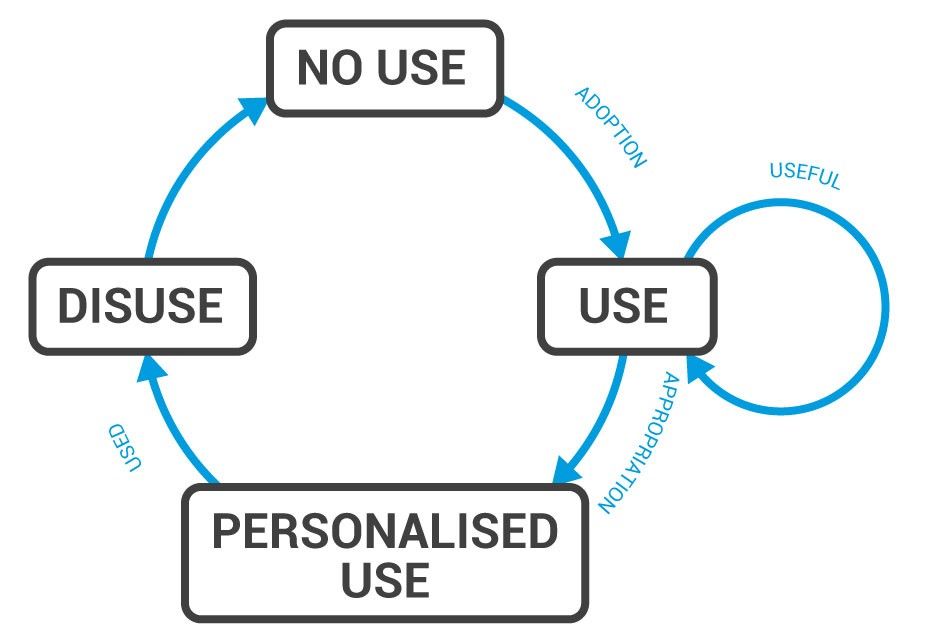
Use is a dynamic concept. When users first become aware of a product they are not users and they must transition from a state of pre-use to one of use. Once they begin to use a product the pre-user becomes a user. However, apart from evergreen designs (such as the knife, fork and spoon) it is likely that at some point a user will stop using a product and will go into disuse. This cycle from pre-use to disuse is what we mean by the dynamics of use.
Dynamics of Use
Your constantly-updated definition of Dynamics of Use and collection of videos and articles.
Be a conversation starter: Share this page and inspire others!
Get 1 Powerful Email Each Week
Join 315,445 subscribers.
What is Dynamics of Use?
Learn More About Dynamics of Use
Make learning as easy as watching Netflix: Learn more about Dynamics of Use by taking the online IxDF Course Get Your Product Used: Adoption and Appropriation.
Why? Because design skills make you valuable. In any job. Any industry.
Earn Industry-Recognized Certificates
Industry giants trust our courses to train their teams, and prestigious universities integrate our content into their curricula. Add your certificates to your LinkedIn profile, résumé, and job applications.


All Free IxDF Articles on Dynamics of Use

The Dynamics of Use – Design Considerations
The use of a product may be considered as a cycle. Before a user is aware of a product they exist outside of that cycle. Once they are aware of it, they may be considered as being in a state of “pre-use”. If awareness sparks interest they may begin to use the product. This may be a single event or i
- Social shares
- 479
- Published
Read Article
The Dynamics of Use – Design Considerations
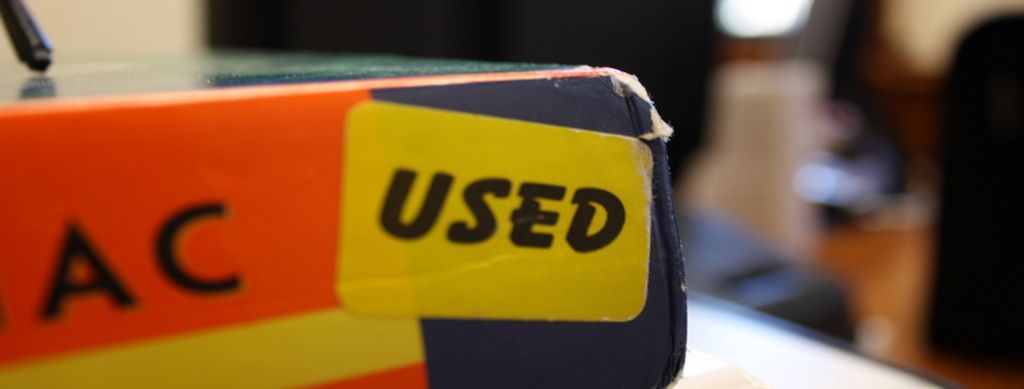
The use of a product may be considered as a cycle. Before a user is aware of a product they exist outside of that cycle. Once they are aware of it, they may be considered as being in a state of “pre-use”. If awareness sparks interest they may begin to use the product. This may be a single event or it may be a repeated event over days, weeks, months, years or even decades. Finally, for the majority of products there will come a time when the user stops using them and either replaces the product or stops using products like that at all. This is a state of “disuse”. However, “disuse” and “pre-use” occupy a similar place in the cycle as the user who finishes using a product is aware of it and might, in the right circumstances, be persuaded to return to it.
The model for the dynamics of use comes from a speech given by Alan Dix, the HCI professor and expert, at his talk to the University of Technology in Berlin in 2008.
The State of Pre-Use
The period of “no use” or “pre-use” is the period between when a product becomes available and the period in which it is adopted for use. It’s when the majority of sales and marketing activities take place in a product’s life cycle.
During this phase; the design team will generally have completed their initial work and be waiting for feedback for further iteration. To encourage adoption; the design team can support marketing efforts and in particular they can make themselves available to innovators (those who are the very first to adopt products) and early-adopters (those who are also ahead of the curve when it comes to adopting products) to answer any questions they may have and to understand their feedback.
The State of Use
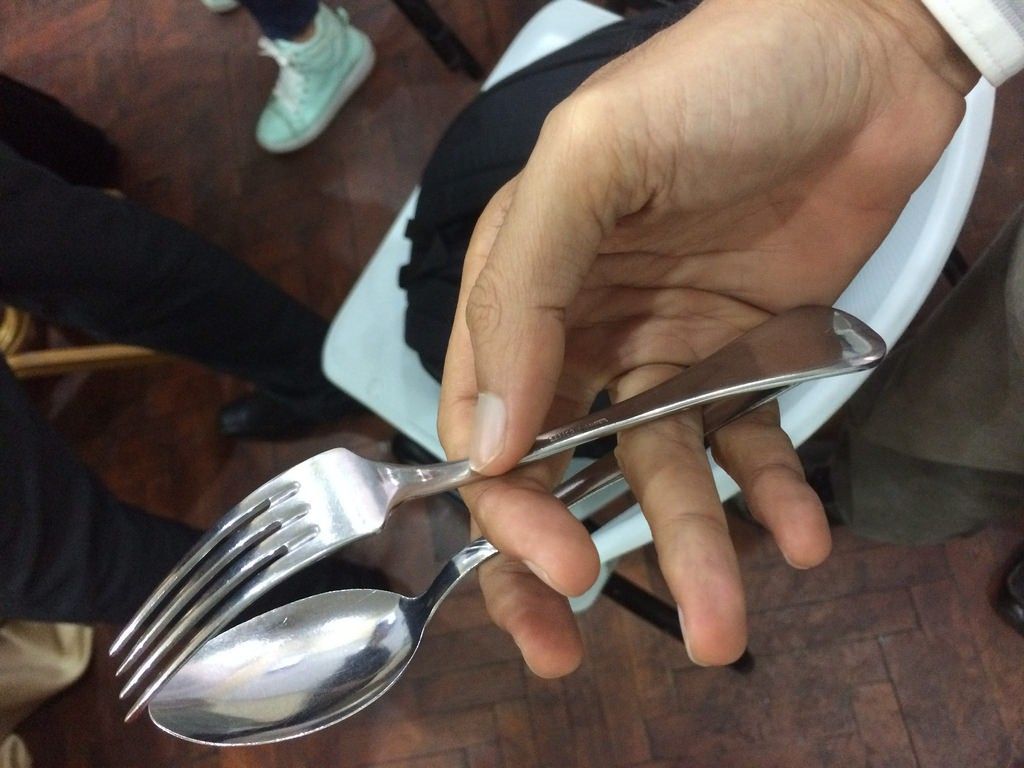 Author/Copyright holder: Jimmy Tan. Copyright terms and licence: CC BY 2.0
The state of use is the moment following purchase when a product is actually adopted by the user. They take the product and put it into practice. At this stage they will begin to examine whether a product is actually useful and whether it is usable. A product which meets these criteria is likely to sustain repeated use; one which doesn’t may be quickly rejected at this point. After all if a product isn’t useful; why would you use it? And if it isn’t usable – the user may wish to seek an alternative useful product which is simpler and easier to use.
At the point of use the design team will be seeking feedback on the user experience and looking to iterate their designs to better satisfy users in the future.
The State of Personalized Use
 Author/Copyright holder: Pixabay. Copyright terms and licence: Free to Use.
Some products may never enter a state of personalized use; they can be both useful and usable and yet, for whatever reason, they may not be “appropriate-able”. Appropriation is when a design is used for a purpose that was not intended by the designer. For example; when you bash in the top of a boiled egg with a spoon – it’s not what spoons were designed for (that was simply the scooping up of food) but the spoon does the job excellently. That’s appropriation.
It’s personalized use because it is something that lays entirely within the remit of the user. Some people may never bash in the top of an egg with a spoon but spoons still have other uses. Others may never use a spoon to flick food at another person during a food fight (another instance of appropriation) but the spoons will still serve a purpose.
Appropriation is useful to designers. If a product can be put to more than one use it is likely to have increased longevity. If the alternate uses are popular – they can also lead to increased sales of the product.
The State of Disuse
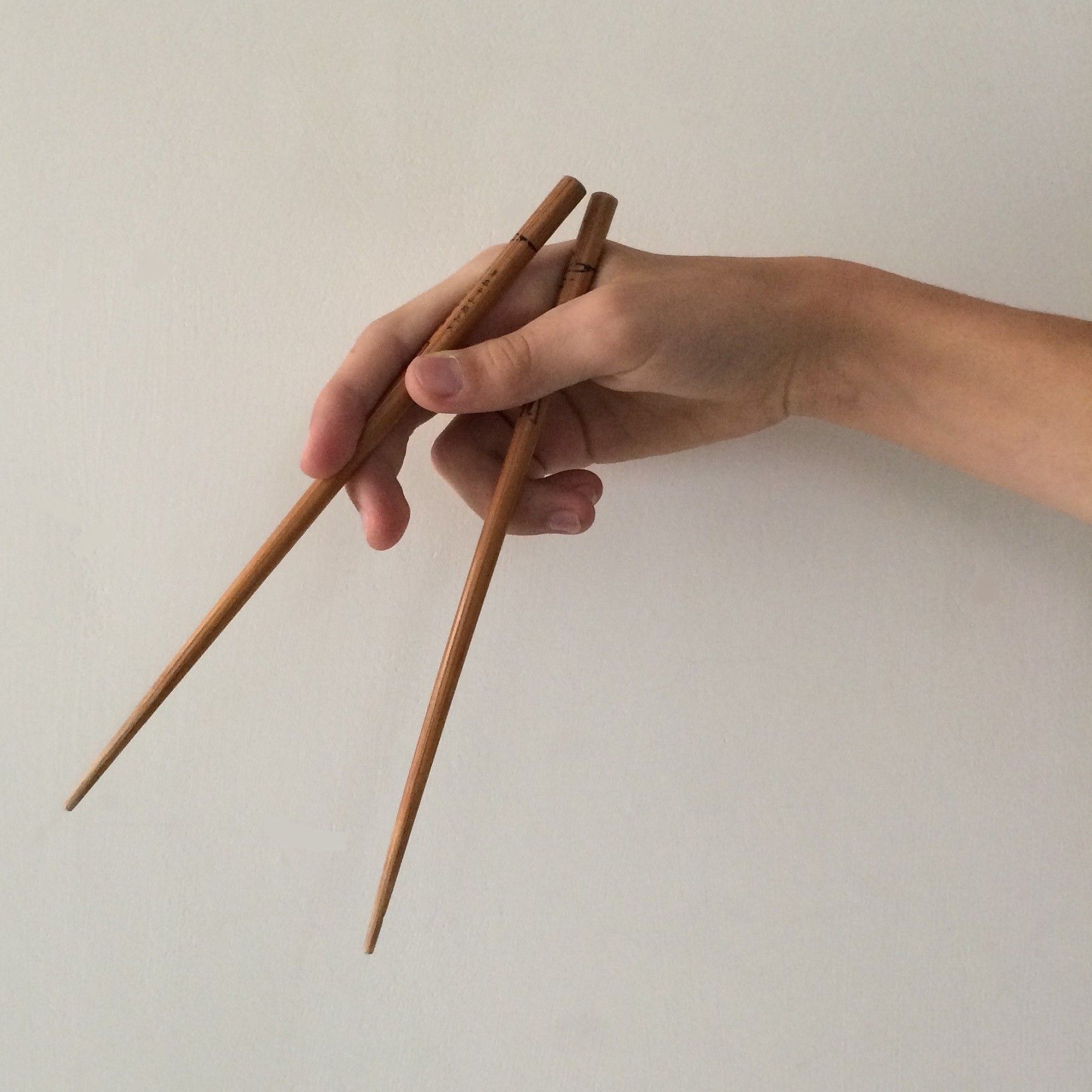 Author/Copyright holder: Magohurion. Copyright terms and licence: CC BY-SA 4.0
The state of disuse is the point at which the product falls out of favor with the user. Perhaps it breaks and the user elects not to replace it. For a digital product such as an app, the user might delete or uninstall the product at this time or they might just decide not to open the product on their device again.
While it might appear that the state of disuse is permanent, and it often is, the cycle could be considered to begin again at this point. A user transitions back into a state of “no use” or “pre-use” and might be persuaded to return to the product if given an incentive to do so.
Designers may work with users who have abandoned their products to determine why and to examine the possibilities either for revised versions of the product or new products which match these users’ current needs.
It’s worth noting that a product falling into disuse does not always imply that there is a fault with a product or that the product has been superseded in some manner in the market place. For example, a squash racket may fall into disuse because the user no longer wishes to play squash – this would not imply a failure/fault with the racket.
The Take Away
The dynamics of use are the cycle that runs from no-use, to use (and possibly personalized use) and then through to disuse. Designers can play a different role in each part of the cycle to try and ensure the longevity of their designs in the marketplace.
References
Alan Dix’s presentation at the University of Technology in Berlin, 2008 can found here.
Hero Image: Author/Copyright holder: Cameron Battagler. Copyright terms and licence: CC BY-NC-ND 2.0