The concept of critical mass originates in physics; it refers to the volume of a nuclear product required to sustain a chain reaction in a nuclear explosion. However, critical mass in marketing requires a very different product – users – to ensure a “chain reaction” of sales.
The idea of critical mass has been present in social sciences for a long time; though the term critical mass is a relatively recent adoption. The concept was originally used in the 1920s to describe the spread of disease. An infection in a population which had not reached critical mass would be one that would eventually fizzle out but if it reached critical mass it would quickly spread from person to person and be nearly impossible to control. The flu epidemic of 1919, which killed more people than the whole of World War 1, had helped epidemiologists to understand this idea.
In the 1970s Thomas Schelling a game theorist began to describe critical mass in his book “Micromotives and Macrobehavior” he did not use the term critical mass directly but instead referred to a “critical density”. However, the phenomenon described was one of what we now know as critical mass. It was Mark Granovetter who solidified the understanding of critical mass in social sciences in his essay; “Threshold Models of Collective Behavior” in 1978.
Why Does Critical Mass Matter in Design?
Marianne Williamson, the American teacher and author, said; “When an idea reaches critical mass there is no stopping the shift its presence will induce.”
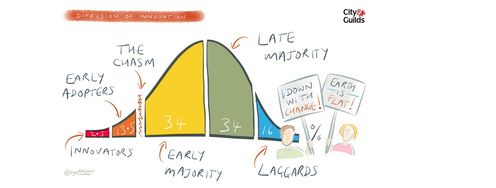
When a product goes to market it enters an adoption phase with users. Each user is looking to get value from their product but each user exists in relative isolation from other users. If you only have a small user base; it makes it difficult for users to share ideas about the product with each other (as they will be remote from each other). It makes it less likely that new users will learn about the product too by word-of-mouth because they are unlikely to encounter another user in their day-to-day life.
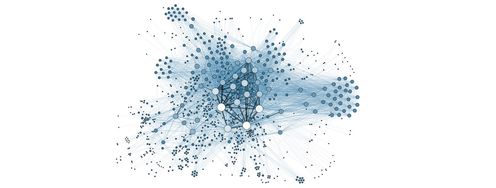
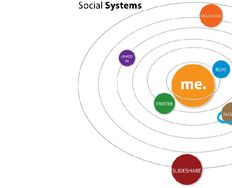
In the case of some modern products there is another challenge. Products may require other users in order to be useful. An MMO (Massively-Multiplayer-Online) game such as World of Warcraft, for example, with only a small number of users would not be very much fun – the concept requires large numbers of users to interact together to create fun. Social networks, for another example, aren’t very much use if none of your friends, family, colleagues, etc. is actively involved in using them. They both require a critical mass of adoption before they deliver the experiences they promise.
 Author/Copyright holder: MrGapGaming. Copyright terms and licence: Fair Use.
How Do We Define Critical Mass for a Product?
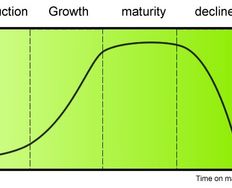
Critical mass for a product is the point at which it becomes self-sustaining. Adoption of the product (and retention of existing users) reaches a point where the product becomes profitable and continues to be profitable over time.
Up until the point of critical mass; businesses will engage in as much marketing activity as they can to drive adoption and the cost of each adoption is likely to be higher than once the product reaches critical mass. Following the attainment of critical mass; users will become word-of-mouth ambassadors for the product and will drive further adoption. This should, in turn, reduce the cost of marketing per instance of adoption – however, it’s worth noting that marketing activities do not usually cease at the point of critical mass; they just become more profitable.
How do We Reach Critical Mass for Our Products?
That’s an excellent question and sadly, one to which there is no easy answer. Critical mass for a social network may mean thousands or millions of users; critical mass for a specialist application for the defense industry might mean just a handful of customers (though potentially each with a large user base). Thus even defining the point at which critical mass is reached can be problematic for any given product.
However, there are certain key performance measures or indicators (KPMs or KPIs) that can be used to indicate whether or not you are reaching that point:
- Positive cash flow. If you are making a profit then there is a reasonable chance that you have reached or are reaching critical mass. (A cash flow projection is shown below)
- Healthy margins and revenue flows. These are linked to positive cash flow but not quite the same – sales may be booked for some products in the future and attention to the margins and future cash flow will often show whether critical mass has been reached.
- Customer retention. If your customers are showing loyalty and continuing to use the product it can be a healthy indicator that they feel they are reaping any benefits of critical mass.
- Brand engagement. The more engaged people are with your brand and the more people that are engaged with it –the more likely that word-of-mouth will spread as part of that critical mass factor. Measurements of social media activity, website activity, etc. can help you understand brand engagement.
By setting goals and targets around these KPIs you can begin to direct your efforts toward reaching critical mass. The exact “tipping point” when critical mass is achieved may be difficult to determine but aiming for a target can help you pass it nonetheless.
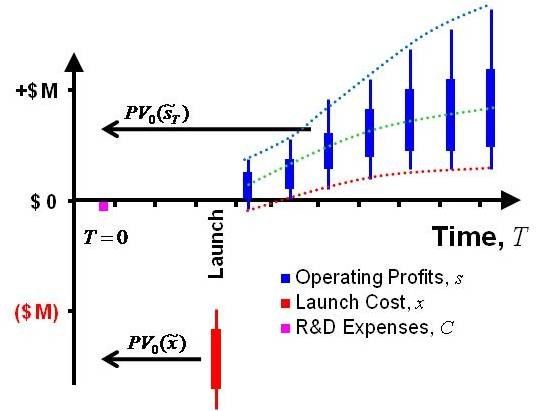
Author/Copyright holder: ScottMathews . Copyright terms and licence: CC BY-SA 3.0
When Is Critical Mass Hard to Achieve?
There are certain business models which by their very nature demand critical mass quickly in order to be profitable. Some examples include:
- Low cost airlines. An airline has high-fixed costs. It must buy planes, space at airports, hire and retain staff, etc. In order to meet these costs it must sell nearly all seats on the plane to be profitable. One of the reasons that many budget airlines have failed to make a profit and gone into insolvency is that they could not reach critical mass with their audience and quickly ran out of money.
- Auction sites. Ebay dominates this world and the challenge to new entrants is huge; without buyers and sellers in sufficient volumes (the critical mass) they are uninteresting and users quickly go elsewhere. With nothing to sell or buy available to them – users will be compelled to move on.
- Social networks and MMOs. The whole nature of social requires other users to talk to and engage with. If there aren’t any other people to share the experience with – the user will find somewhere else to get involved.
In all of these business models reaching critical mass means spending enough money in marketing to attract and retain large volumes of users early in the process. Without that critical mass these models will, by definition, lose money and quickly go out of business. This is true even when they offer a superior product to other businesses of the same type.

Author/Copyright holder: Johnleemk. Copyright terms and licence: CC BY 2.5
The Take Away
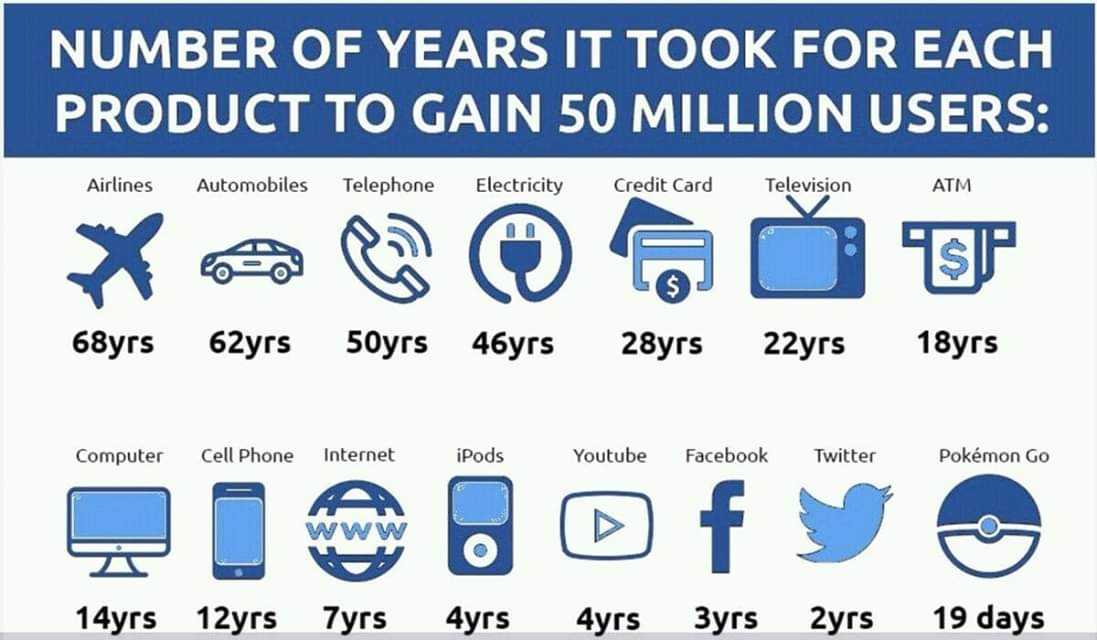
Author/Copyright holder: Unknown. Copyright terms and licence: Unknown.
Critical mass is the point at which a product becomes self-sustaining in the market. It is difficult to determine exactly when that point will be reached or where exactly that point is – however, we can take action to develop KPIs which enable us to see if we are progressing towards critical mass. Some business models are highly dependent on reaching critical mass early and these should be approached with caution if you do not have a large marketing budget to drive critical mass.
References
Schelling, Thomas C. Micromotives and Macrobehavior. New York: Norton, 1978.
Schelling, Thomas C. "On the Ecology of Micromotives," The Public Interest, No. 25, Fall 1971.
Granovetter, Mark. "Threshold Models of Collective Behavior." American Journal of Sociology 83.6 (1978): 1420.
Hero Image: Author/Copyright holder: National Nuclear Security Administration. Copyright terms and licence: Public Domain.