It doesn’t matter how amazing a product is; if no-one is using it, then it hasn’t succeeded. Adoption is the process of prospective users becoming actual users of a product. It is adoption that is the objective of design; more so than user experience, usability, utility, etc. History is full of products that provided great user experiences which were 100% usable and useful and yet still failed to make the impact that they should have done.
This means that designers need to consider adoption of their designs as part of their work. In larger organizations much of the work to have products adopted will be the responsibilities of the marketing team – in smaller organizations the UX designer may have a key role to play. In either case, the UX team should be working with marketing to ensure that products are best prepared for being adopted by the target user base.
Elon Musk, the entrepreneur and founder of Tesla Motors says; “great companies are built on great products.” We add they’re only great products if they’re used widely.
How to Turn Prospects Into Users – The Pre-Design Phase
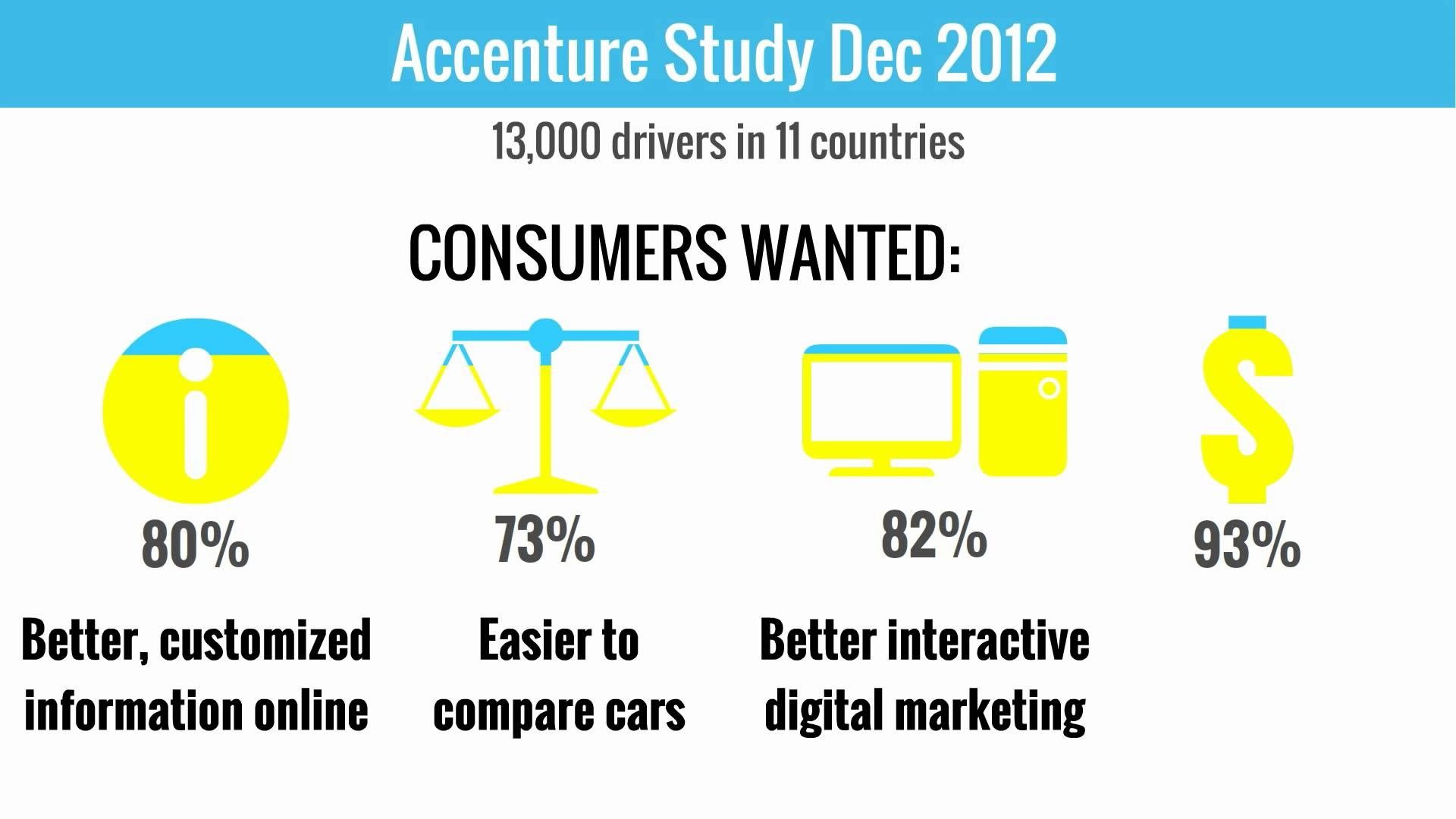
User research will help you understand what your users want from a product. Market research, on the other hand, will help you understand:
If the potential user base is large enough to make adoption of a product profitable
How that user base learns of new products and where marketing interventions can help educate and introduce users to your products
What the likely costs are of creating enough awareness to drive adoption – if you don’t have the budget, you may struggle to get your product in front of the right people
What the likely strategy for adoption might be for your users
This may seem pretty obvious but many products go to market without this simple evaluation from market research. A product without an economic market is unlikely to succeed (unless another larger market is discovered after the product is launched). A product which cannot be economically marketed (e.g. you must be able to recover marketing costs, development costs, any other costs plus a profit) is also unlikely to succeed.
If market research suggests that a product is unlikely to be adopted – it shouldn’t be designed but rather the design team should examine alternative products which have more likelihood of profitable adoption.
Author/Copyright holder: NewWheelsNZ. Copyright terms and licence: Fair Use.
How to Turn Prospects Into Users – The Design Phase
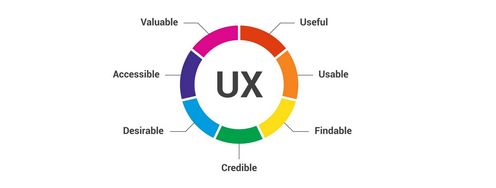
Designers need to ensure that at a bare minimum they are releasing a minimum viable product which is both useful and usable. Ideally, the principles of user experience should be brought to bear on the product and one which is desirable is preferable to one which is only useful and usable. This requires user research both for the design and to test the designs.
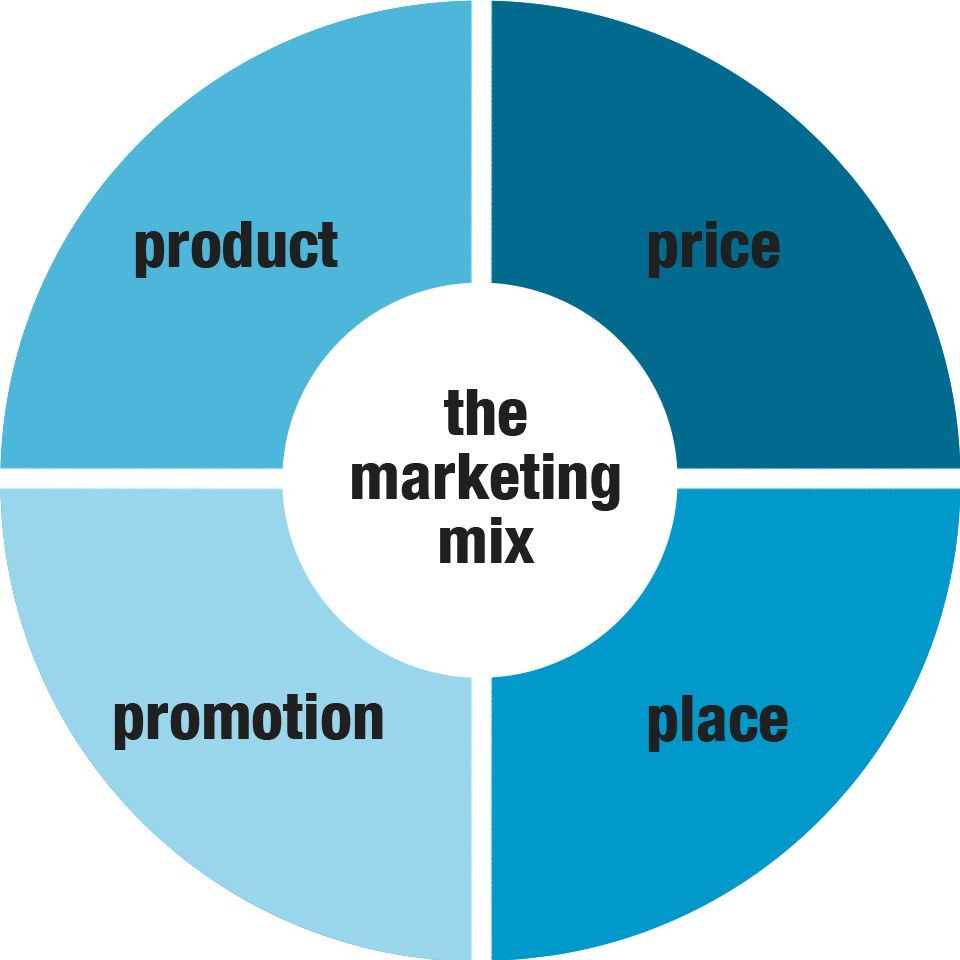
Marketers should be working with the design team to release news of the development of the product to interested parties within the user base. They should also be preparing their efforts for the launch of the product. The objective for the marketing team during this phase is not to create insatiable demand or unrealistic expectations but rather a sense of interest and to drive anticipation for release.
Key activities include:
Making sure any web presence or social media for the product is kept up to date
Make sure that they have a list of journalists/media resources that might be persuaded to deliver launch announcements or reviews of the product
Building a database of influencers (those with large impact on your user community) and reaching out to them to share advance news and insight into the product
Building a list of industry analysts who might be interested in the product
Developing clear marketing messages that express the benefits to users of the product
Developing any materials that may be needed (such as brochures, flyers, adverts, etc.) for launch
Booking any media space for advertising for launch (banner adverts, print, radio, etc.)
Running a pre-launch “teaser” campaign when a launch date is confirmed (and only when it is confirmed)
This preparation for launch is a vital part of an adoption strategy. It builds awareness in prospective users and ensures that when you do launch the product – you are ready to take advantage of initial interest in it.
Author/Copyright holder: Ryan Van Etten. Copyright terms and licence: CC BY 2.0
How to Turn Prospects Into Users – The Launch Phase and Beyond
While designers will tend to take a back seat during the launch it is important that:
Someone is available to assess initial user feedback and to make changes if critical flaws are identified.
Someone is available to brief the marketing department if questions are raised from the press or analysts.
Someone is available to support influencers in getting to grips with using the product.
The marketing team will have the majority of responsibility for a product launch.
Many companies separate launch into a “soft launch” (where a small group of users is invited to use a product and no official announcement is made regarding product availability) and a “hard launch” (which is when the product is announced to the world) to ensure that initial flaws can be ironed out during a soft launch and the best possible version of the product released at a hard launch.
Author/Copyright holder: Pexels. Copyright terms and licence: Free to Use.
Marketing activities include:
Press releases and outreach activity need to begin 6-8 weeks before launch and continue throughout the launch and beyond.
Influencers and bloggers should be involved early – get them in to your “soft launch” give them exclusive access
Analysts should be briefed early and requests for meetings should be made in very clear terms
Social media needs seeding with “leaks” – these can include pictures of a possible final product and snippets of data
Keep creating announcements constantly; you may not get a media representative to write about you at launch but if you deliver regular news – you increases your chances of it happening eventually
Get channel partners, distributors, etc. involved in the marketing push – they have a financial interest in doing so. Make it easy for them to get involved.
Where possible offer free trials, recommend a friend schemes, in depth videos of the product in use (or even being taken apart), demonstrations, etc. and make these available through every channel available to you
Ensure you have meaningful metrics available to measure adoption. Facebook likes are not sales. By all means monitor the spread of coverage that you have but always look for concrete confirmation that your product is being adopted and if it’s not – adapt your strategy.
All these activities provide the right environment to create adoption. If your designers have developed a useful, usable and desirable product and your marketing team can effectively reach your user base; you have a good chance of success. However, success is not guaranteed in any circumstance – sometimes you’re just in the right place at the wrong time; these measures will help you reduce the chances of that but cannot eliminate them.
If you want something to guide your marketing efforts you might want to remember what Seth Godin, the entrepreneur and multi-million selling author; “Our job is to connect to people, to interact with them in a way that leaves them better than we found them, more able to get where they’d like to go.”
The Take Away
Adoption is driven both by designers and marketers. The design team needs to create useful, usable, desirable products which are based on user research. Marketers need to establish that the user base is economically viable and can be reached within the budget available to them. Then when the product begins design, marketers should be preparing the ground for their launch strategy – designers should always be available to support the marketing team in better understanding and promoting the product. This will give the best chances of delivering a successful widely-adopted product.
References
Entrepreneur magazine offers their 6 steps to a successful product launch here
Hero Image: Author/Copyright holder: Ana Zdravic. Copyright terms and licence: CC BY-SA 3.0