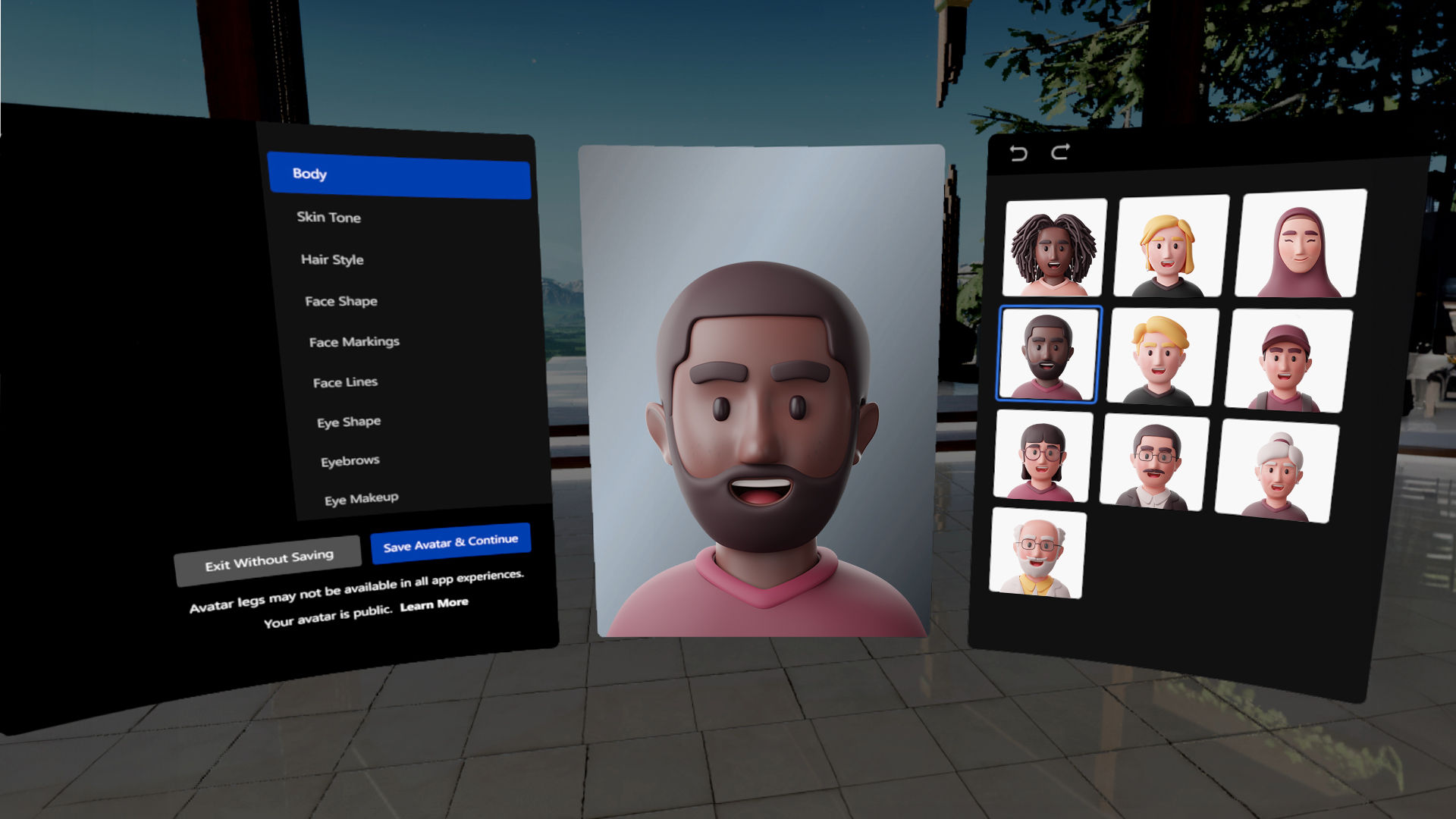
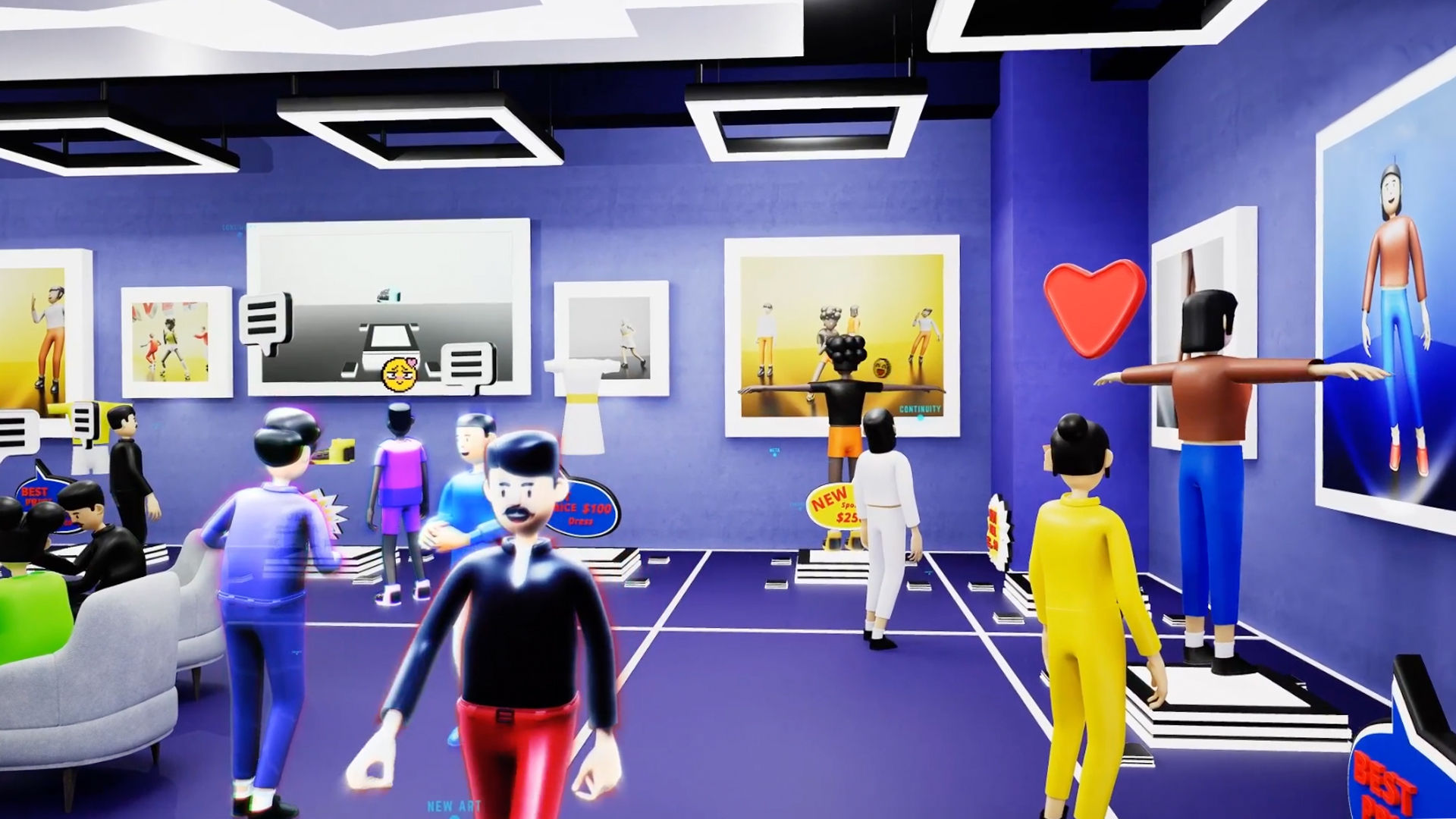
The term "metaverse" refers to a collective virtual shared space where virtual reality (VR), augmented reality, the internet, user-generated content, and digital economies converge to create immersive and interconnected experiences.
This Business Insider video explains the metaverse, its current state and where it’s going.
Does the Metaverse Already Exist?
The metaverse is still a theoretical concept, however, various elements and precursors to what could become the metaverse are currently in development or already in use. Here's a breakdown of the current state:
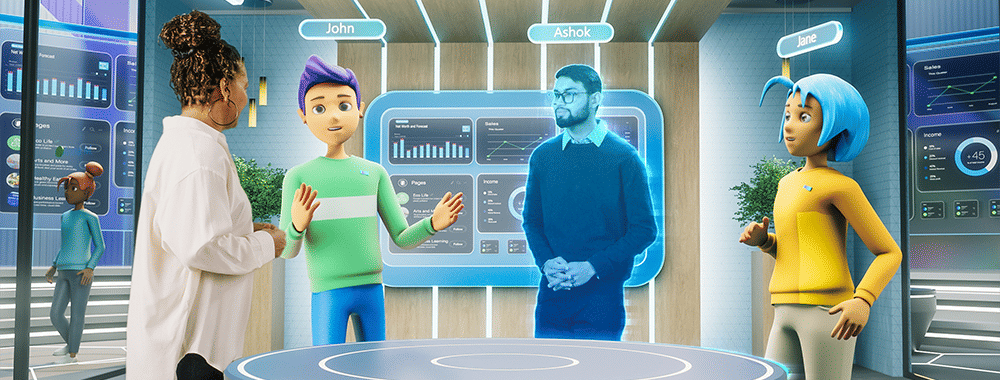
The metaverse promises to be a space where people can socialize, work and play. It’s expected to blur the lines between the digital and physical worlds.
VR and AR Platforms: Social VR platforms like VRChat, Oculus Rooms, and Microsoft's Mixed Reality offer immersive media experiences that are foundational to the metaverse concept. These platforms allow users to interact in virtual or augmented spaces usually through hardware like smartphones, VR headsets and AR glasses, but they are not fully interconnected or as expansive as the envisioned metaverse.
Online Gaming Worlds: Video games have become are becoming the new social networks. Games like Fortnite, Roblox, and Second Life have created large, interactive online spaces where players can socialize, create, and participate in a wide range of activities. While they possess elements similar to the Metaverse, such as virtual economies and personal avatars, they are standalone experiences and not part of a larger, interconnected virtual universe.
Fortnite hosts major events like concerts that players can attend in real-time. Some events, like the Eminem concert, are so popular that Fortnite’s servers crash.
Here’s a video of the Marshmello concert from 2019:
Decentralized Technologies: Advances in blockchain and cryptocurrency have led to developments in decentralized virtual spaces, like Decentraland and The Sandbox, where users can buy, sell, and own virtual land and assets. These platforms are steps toward the economic and digital asset interoperability envisioned in the Metaverse.
Social Media Integration: Social media platforms are beginning to integrate more immersive and interactive features, such as Facebook's Horizon Workrooms, which offer a glimpse into how social interaction could evolve in the metaverse.
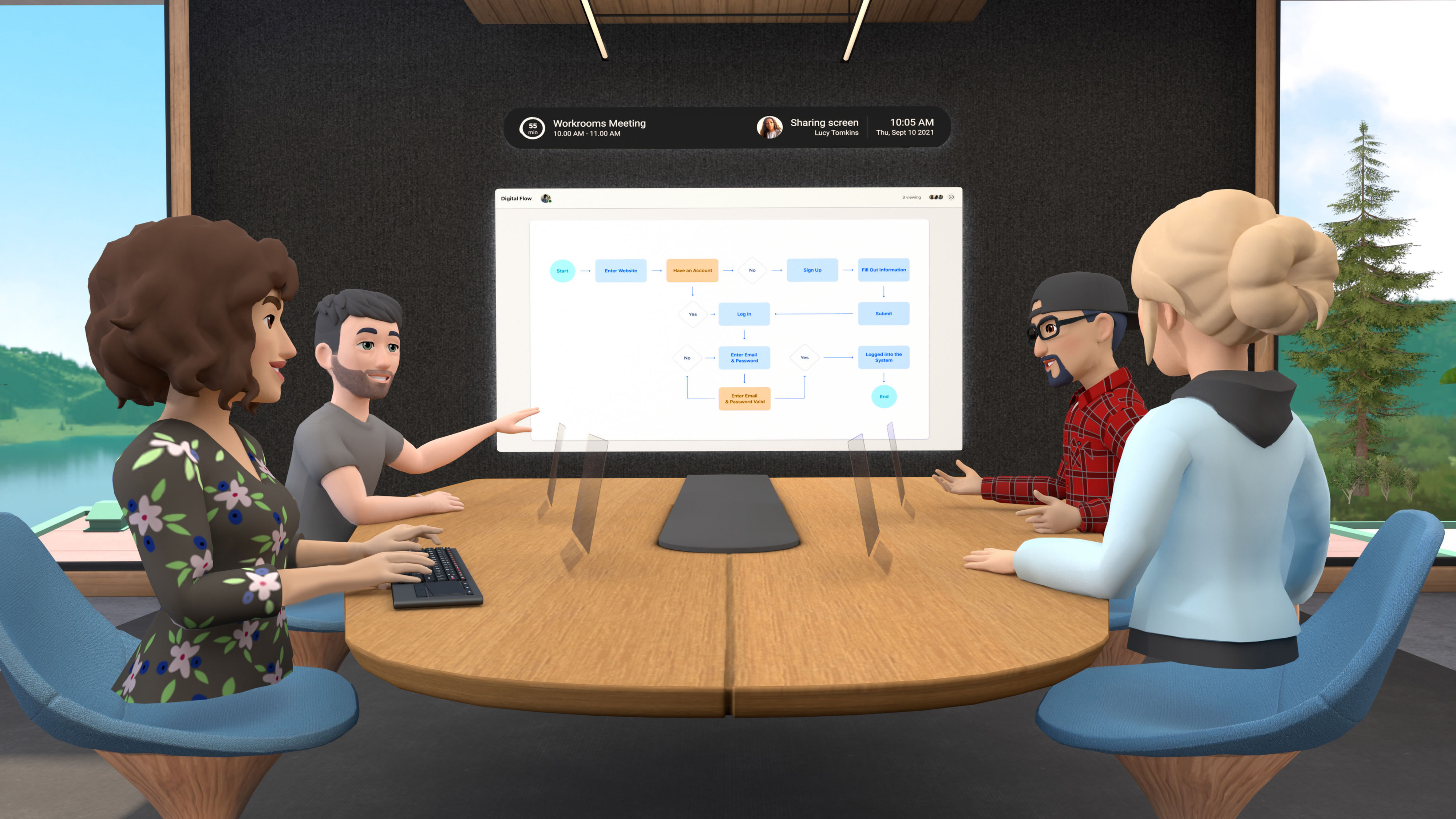
Facebook Horizon Workrooms aims to redefine remote teamwork with a virtual meeting space that facilitates collaboration and creativity.
© Meta, Fair Use.
Technological and Infrastructure Development: The full realization of the metaverse requires significant advancements in technology and infrastructure, including faster internet speeds (like 5G), more powerful and accessible VR and AR hardware, and standards for interoperability and security.
Key Elements of the Metaverse and How it Differs from Other Digital Experiences
The metaverse represents a significant evolution in digital experiences—it distinguishes itself in several key ways from other forms of digital interaction and virtual environments:
Virtual Worlds: The metaverse often includes multiple interconnected, immersive virtual worlds where users can interact, play, work, and socialize. Virtual worlds offered by VR and Extended Reality (XR) have similar offerings but are not interconnected as the metaverse is intended to be.
Augmented Reality: In addition to completely virtual environments, the metaverse may blend with the real world through AR—overlaying digital information onto the physical world.
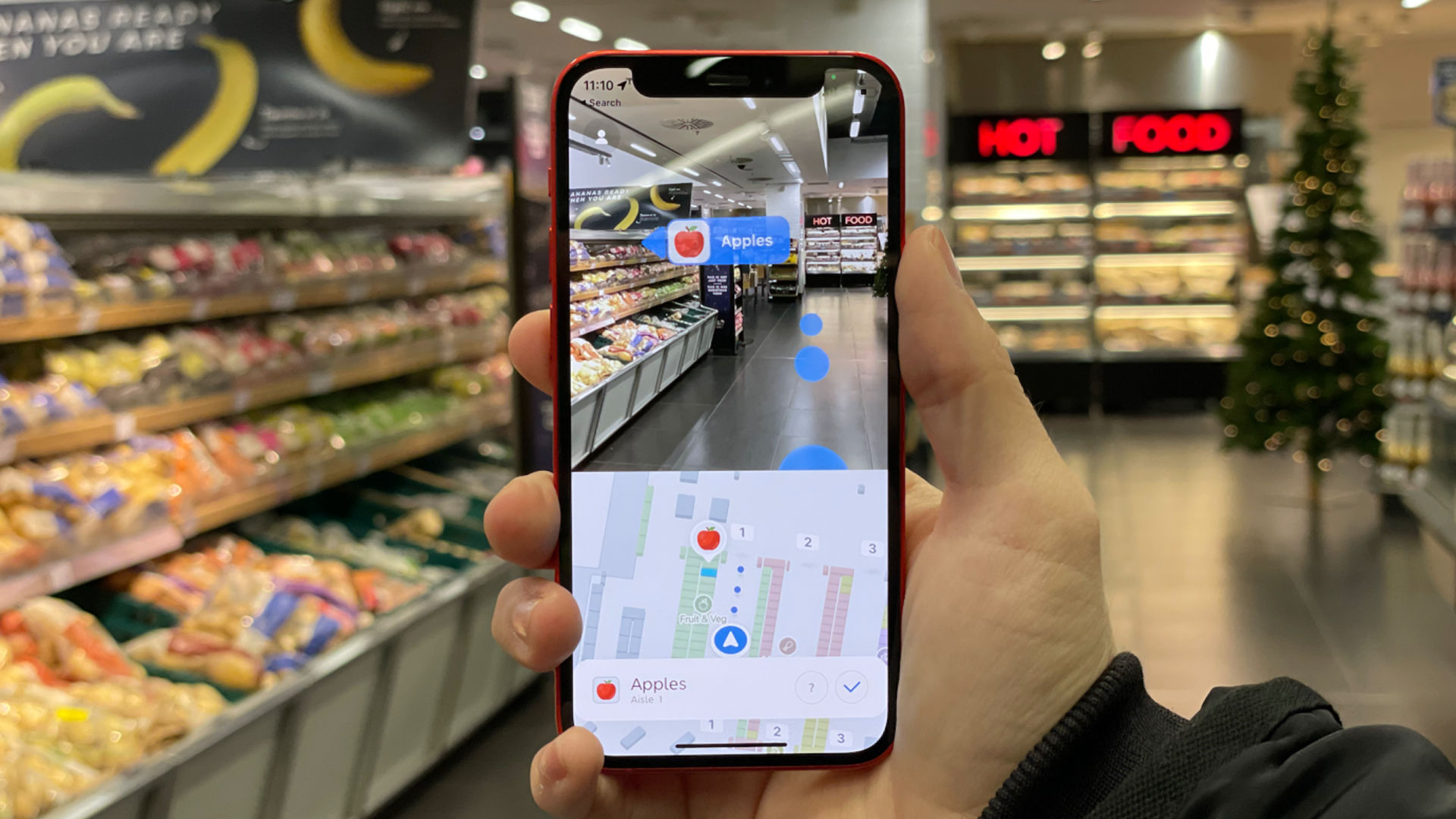
Augmented reality (AR) superimposes digital information onto the physical world, usually via a mobile phone or another mobile device. The metaverse will combine AR technology, along with other Extended Reality (XR) and computing technologies, to create a shared virtual realm.
Persistent Universe: Unlike traditional games or virtual environments, the metaverse is typically envisioned as being persistent, existing continuously, and independent of whether any individual user is logged in. Traditional digital experiences are typically more isolated and static.
Interoperability: A key feature of the metaverse is the ability to move virtual items like avatars, assets, and even currencies from one platform or world to another. This level of integration is largely absent in current digital platforms, which often operate as closed ecosystems.
User-Generated Content: Users in the metaverse can create and contribute their own content, which can range from virtual objects and buildings to games and social experiences.
Economy: The metaverse can have its own economy, with digital currencies and virtual goods that users can buy, sell, or trade. Most existing digital experiences may have in-game economies but are usually limited to the confines of that specific game or platform.
Social Interaction and Community Focus: Socializing is a major component of the metaverse—it offers new ways for people to connect, collaborate, and engage in both personal and professional interactions. It also focuses on community building on a much larger scale than current digital platforms, which are often more limited in their social interaction capabilities.
Range of Activities and Experiences: The Metaverse is expected to host a wide range of activities, from gaming and socializing to working, shopping, education, and more, all within a single, unified space. Current digital experiences are usually more specialized and limited in scope.
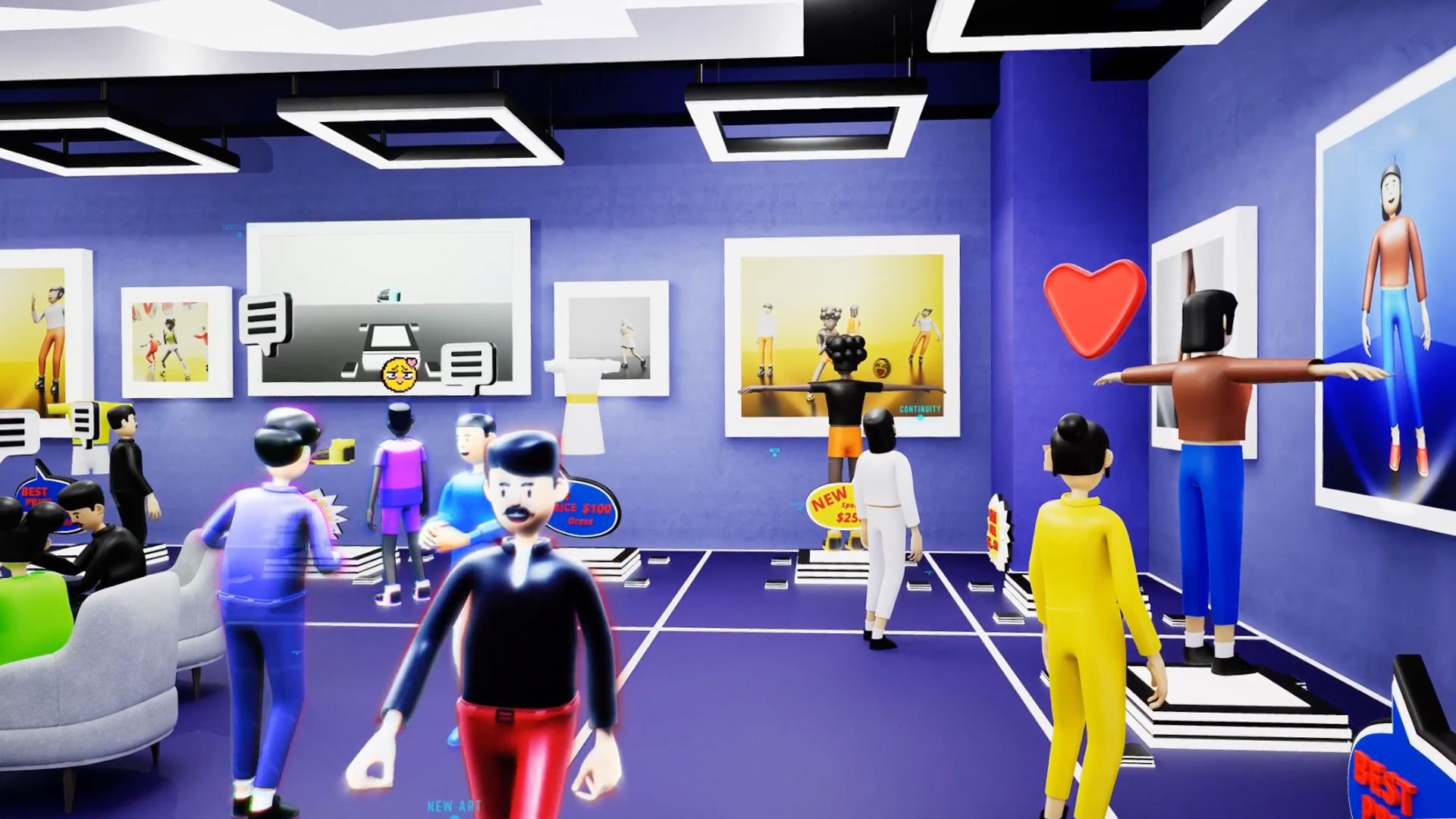
The metaverse will provide endless opportunities for users to explore, socialize, create, and collaborate in shared virtual spaces. This emerging phenomenon can revolutionize how we communicate, educate, conduct business, and experience entertainment.
© Interaction Design Foundation, CC BY-SA 4.0
Evolution of Identity and Representation: In the Metaverse, the concept of identity and representation through avatars or digital personas is expected to be more fluid and dynamic. It’s set to offer unprecedented ways for users to represent themselves in the digital realm.
Immersion: Current digital experiences offer varying levels of immersion and interactivity, but the Metaverse aims to provide a more comprehensive and sensory-rich experience to create a sense of presence that closely mimics real life.
Technology: The development of the metaverse is closely tied to advancements in AI, VR, AR and XR technologies, as well as faster internet speeds, more powerful computing, and sophisticated user interfaces.
Scale and Accessibility: The metaverse is expected to be accessible to a vast number of users simultaneously, potentially on a global scale, which is a significant step up from current digital experiences that have limitations on concurrent users.
Integration with the Physical World: The vision of the metaverse is to have seamless integration with the physical world, blurring the lines between virtual and real.
How to Design for the Metaverse
Design for the metaverse involves a complex interplay of technological, social and creative elements. Here are some key design principles to consider for the metaverse:
Immersion and presence: Metaverse experiences should be engaging and immersive. This involves high-quality graphics, realistic physics, spatial audio and intuitive interfaces that make users feel present in the virtual environment.
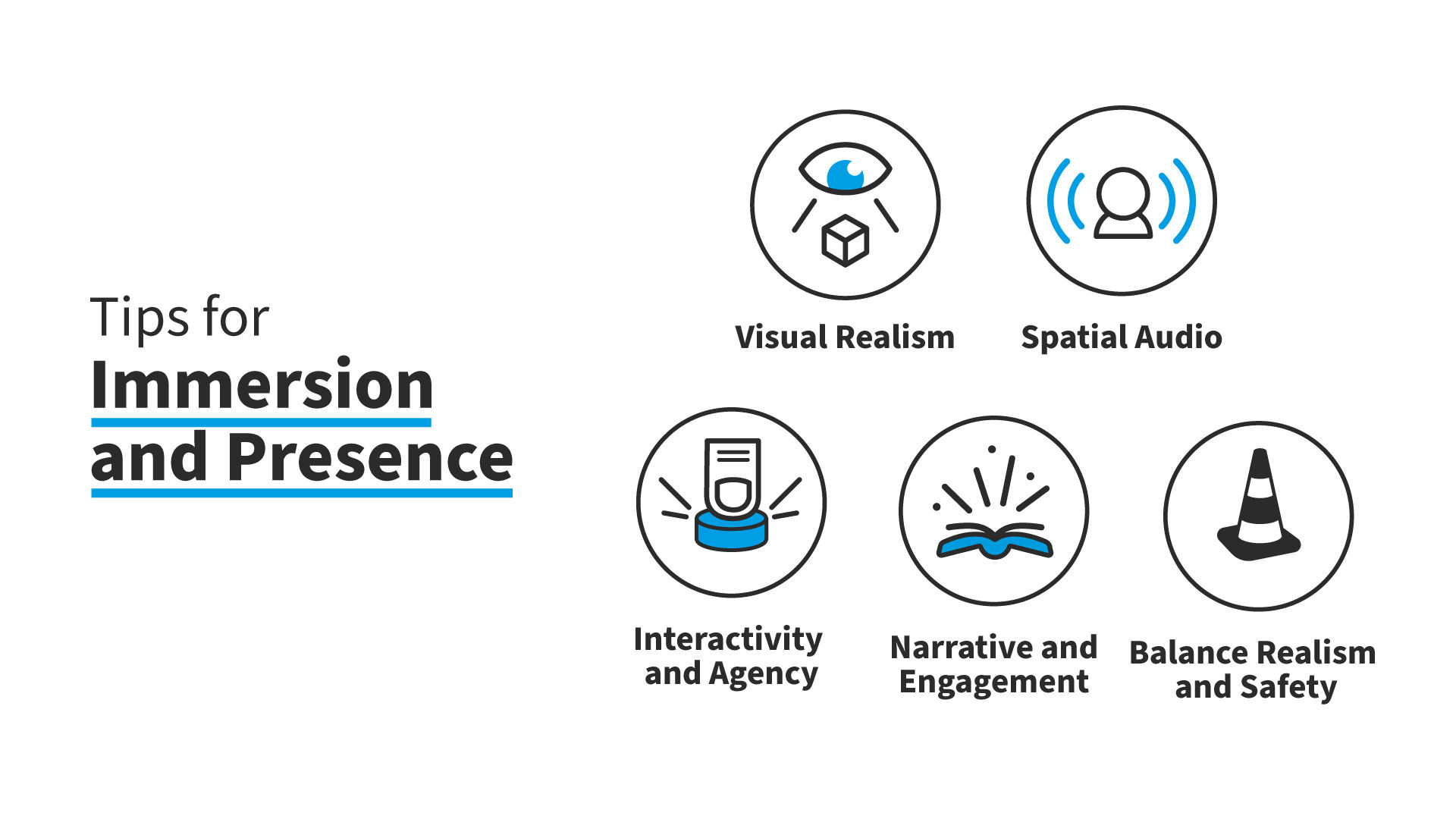
There are various design elements that can enhance immersion and presence, particularly in immersive technologies. These include visual realism, spatial audio, interactivity and agency, narrative and engagement, and ultimately, balancing these realistic elements with safety.
© Interaction Design Foundation, CC BY-SA 4.0
Interoperability: Different virtual environments and systems should work together seamlessly. This includes the transfer of assets, identities, and information across various platforms and experiences within the metaverse.
Scalability: The metaverse needs to be scalable to support potentially millions of users simultaneously, with high performance and minimal latency. Second Life is an early example of a virtual world. It demonstrates scalability by supporting thousands of users in its persistent world with various activities and interactions.
User Agency and Customization: Users should have the ability to create, modify, and control their avatars, environments, and experiences. This empowers users and encourages engagement.
Accessibility: The metaverse must be accessible to a wide range of users, regardless of their physical abilities, technical skills, or geographic location.
Security and Privacy: It’s essential to protect user data and ensure a safe environment. This involves robust security measures to prevent unauthorized data access, abuse, and harassment.
Economic Systems: Develop sustainable economic models within the metaverse, such as digital currencies, marketplaces, and trade systems, that are fair and transparent.
Social Interaction: Facilitate meaningful social interactions and community building. This includes tools for communication, collaboration, and social activities.
Content Moderation: Provide robust content moderation and safety tools to protect users from harassment and discrimination. This includes reporting tools, block functions, and moderated spaces.
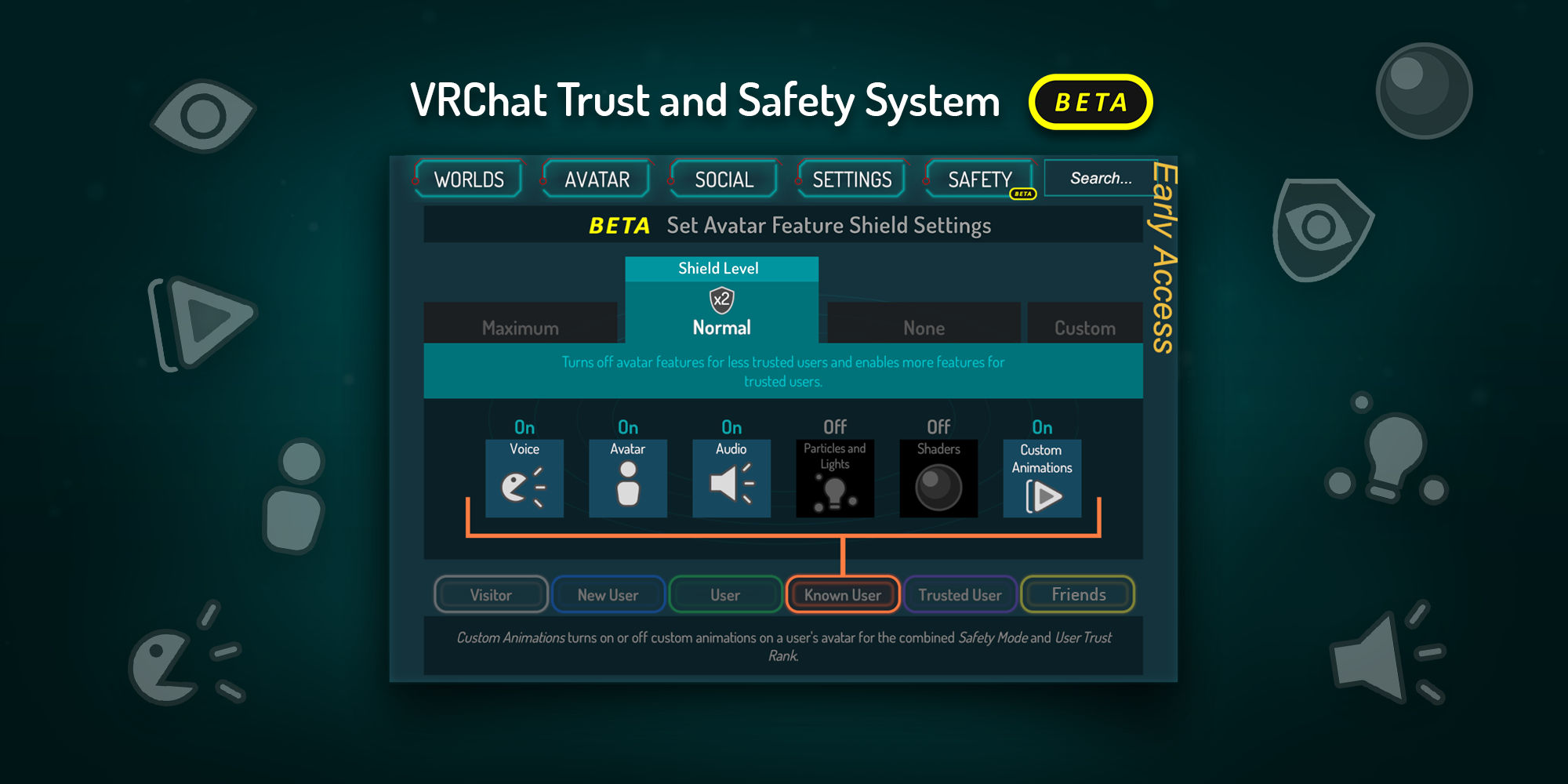
VRChat’s Trust and Safety System strives to “give control back to the user” and protect all users from purposeful disruption and malice.
© VRChat, Fair Use.
Sustainability: Consider the environmental impact of the technology used to build and maintain the metaverse and strive for energy-efficient and sustainable practices.
Ethical Considerations: Address ethical issues, such as the impact of prolonged VR use, the representation of individuals and cultures, and the potential for addictive behaviors.
How to Design an Inclusive Metaverse Experience
The excitement about a new technology should not leave anyone behind. All experiences should be designed with an inclusive lens. The metaverse environments and experiences need to be accessible, respectful, and welcoming to a diverse range of users. Here are some strategies to achieve this:
Universal Design Principles: Employ universal design principles that ensure the metaverse is accessible to people of all abilities. This includes designing for various sensory, cognitive, and motor abilities to ensure that everyone can navigate, interact, and engage with content.
Customizable User Interfaces: Offer highly customizable user interfaces that allow users to adjust settings according to their needs, such as text size, contrast, color settings, and audio options.
Inclusive Avatars: Provide a wide range of avatar customization options that represent diverse body types, ethnicities, genders, and abilities. This representation helps users feel seen and included.
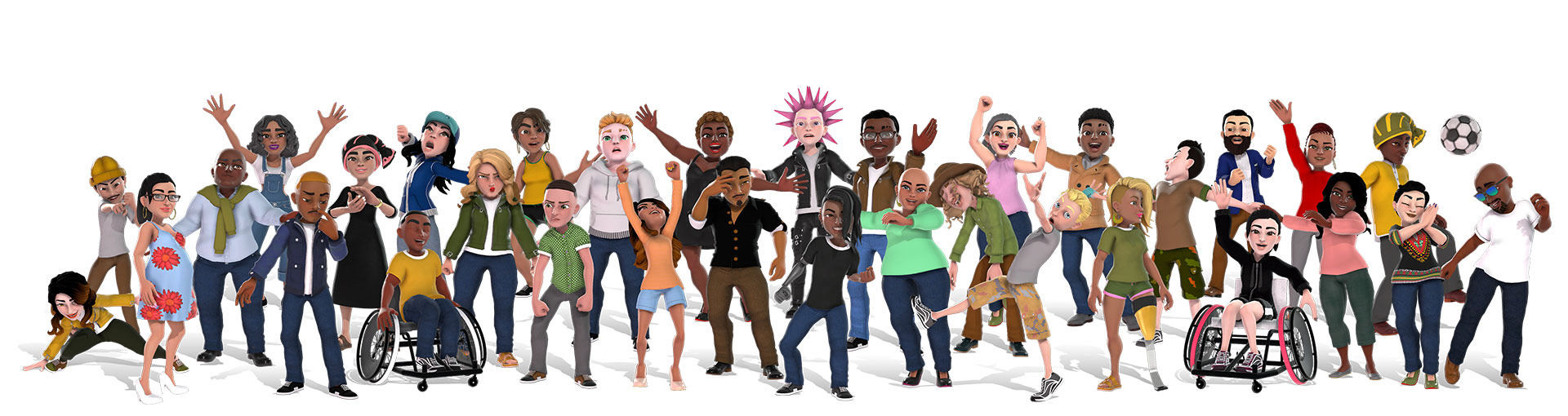
Xbox One overhauled their avatars in 2018 to be more inclusive.
© Xbox 1, Fair Use.
Support for Multiple Languages: Incorporate multi-language support to cater to a global audience, including translation features and support for non-verbal communication cues.
Accessibility Features: Implement features like subtitles, sign language interpreters, and voice-to-text capabilities to cater to users with hearing or speech impairments.
Cultural Sensitivity and Diversity: Ensure cultural sensitivity in the design of environments, narratives, and content. Engage with diverse groups during the design process to understand different perspectives and needs.
Education and Awareness: Foster a community that values inclusion and diversity through education and awareness programs. This can include tutorials, guidelines, and community events focused on inclusivity.
Feedback Mechanisms: Establish clear feedback mechanisms that allow users to report issues and suggest improvements related to inclusivity, accessibility and more.
Partner with Accessibility and Inclusive Design Experts: Collaborate with experts in accessibility and inclusive design to continually evaluate and improve the metaverse environments.
Economic Accessibility: Consider the economic barriers to accessing the metaverse, such as the cost of VR equipment, and explore ways to make the technology more affordable and accessible.
Inclusive Storytelling and Content Creation: Encourage and support diverse storytelling and content creation within the metaverse to reflect a wide range of experiences and perspectives.
How to Design for the Metaverse
Here is a metaverse design problem that will encourage your critical thinking and creativity to get you into the frame of mind to design for the metaverse.
Exercise: Define Rules for Social Presence in VR
In this video, UX Design Consultant Frank Spillers explains the design problem.
The rules for social presence govern how avatars interact in a virtual space. Think about aspects like following, blocking, reporting, and physical interactions. Explore the impact of sounds, cross-cultural considerations, and expressing emotions through avatars. The goal is to establish a set of rules that enhance positive and engaging social interactions in the metaverse.