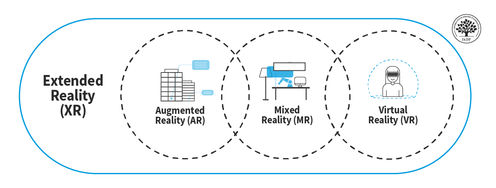
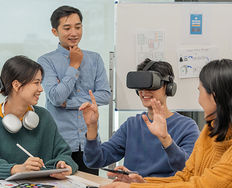
Our metaverse is big—as in massive and expanding, to be more exact—and there’s plenty of room to trailblaze inside of all of that digital space, so if virtual reality (VR) can teleport, catapult, and integrate human users into brand-new worlds of excitement, discovery, and learning (which it can, by the way!), then you’ve got social VR as an awesome vehicle to take things even further. What that means is, dear designer as you keep reading this piece, you don’t just get to immerse users in interactive virtual environments but seize on a golden—if not, platinum!—chance to redefine what communication, connectedness, sociability, and collaboration mean, plus you get to bring people together from all over the world through the art of social VR done well: pretty nifty and noble.
What is Social VR?
You can consider social virtual reality (aka social VR) a subset of VR, to be sure, but it takes on a new vitality when you think of it as a springboard, too—from which VR designers get to launch virtual environments to reach high and wide into new areas that don’t just excite people but help build bridges between people as well. These places—or virtual places, if you like (and our calling them “places” kind of proves how dynamic the metaverse is)—are immersive digital environments, but users aren’t going in “solo” in social VR; after they slip on their glasses, goggles, or what have you, they’re meeting up with other users in there, which is the main point. You’re sending—or rather, welcoming—users into a “reality” that’s separate from the living room, office, or what have you where they put on the tech that immerses them, though we might point out here how it mightn’t be best to step into a VR world from, say, a kitchen—in case users bump into things like stove controls, kitchen knives, and other assorted culinary accoutrements and paraphernalia!
Anyway, that’s the “place” aspect—but what about the other main aspect to social VR: time? After all, for example, for a virtual party to happen, it’s no use if people turn up too late or too early—and, yes, the whole point of social VR is that users can interact, communicate, and engage with each other in real-time; and it’s all thanks to virtual reality technology and the shared virtual space you create for them to do that in—as in, connect, socialize, and more. The science—and art—to it means that you as a designer get to bring two worlds together—and concepts—in that you merge VR with social interaction in ways that are relevant, fresh, and exciting and the gap or great divide between real-life gatherings and online chat rooms closes up and what folks find is something that’s thrilling and “out of this world.” Happily, we’ve got specific social VR apps out there, and many of these are free and accessible on various devices—and those include VR headsets or PCs—and amongst the number of popular social VR apps you’ll find VRChat, Mozilla Hubs, AltspaceVR, and Rec Room.
In most social VR apps, users get to create avatars—those computerized representations of themselves that they can customize a lot into cartoonish versions of themselves or adopt characteristics like animal features or even objects. Most social VR users can create personal rooms for themselves and friends, too, or join public rooms that they can meet new people in and do a wide range of activities, such as games or dance parties. The possibilities you’ve got to explore as a designer for virtual social experiences are so humongous—if not, virtually (no pun intended) limitless—that it means a wide, wide, wide range of opportunities to design something that will fit some target audience users’ tastes nice and to perfection.
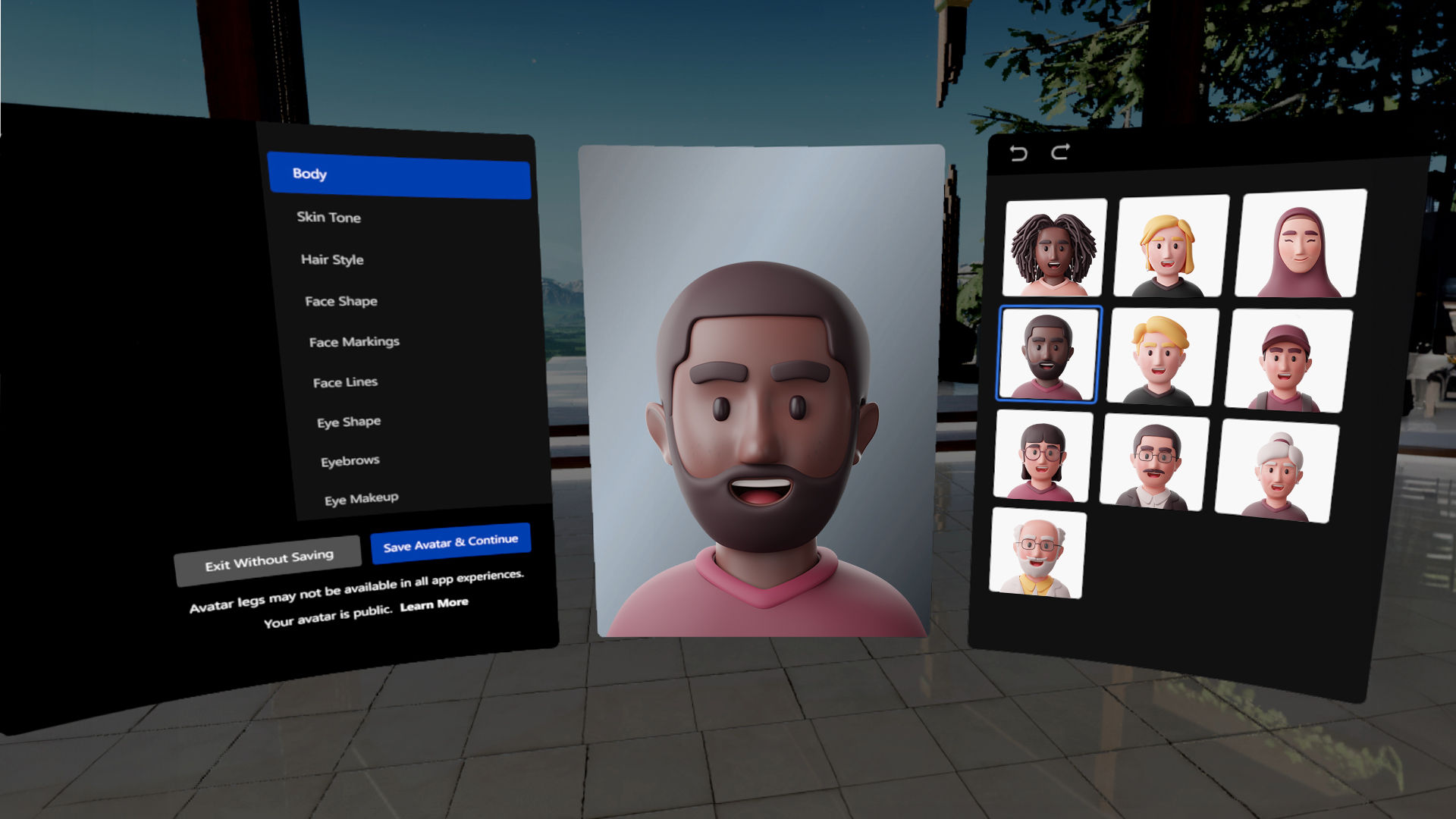
Avatars serve as users’ virtual personas, and these avatars can range from realistic depictions of themselves to imaginative characters like animals, objects, or cartoons.
What social interactions in VR can look like is something that can take different forms, and users—whenever they decide to come into the experience—will engage with what they find in there at their own comfort levels, and they’ll each have their own expectations of what the virtual space should be like. As to the purpose of why they’re in there, it could be to make new friends, participate in activities, or just explore the virtual environment you’ve got for them, and what’s key there is—drumroll...—that users have fun and treat others with respect. To be sure, social VR is a unique way to push out at the borders of traditional social interactions, but the rules of life still apply—and have still got to apply—and so what users bring with them into the virtual sphere must include respect for each other and a kind of code of conduct—and that’s vital to avoid the risk of “antisocial VR” and all sorts of unpleasant carrying on.
How to Bring Social VR into Your Experience: 5 Ways
In this video, you get to see CEO of Experience Dynamics, Frank Spillers talk about social VR, its characteristics, and how you can weave social elements into the VR experiences you build for users.
Let users do their own avatar design and customization: For one thing, it’ll give them a strong sense of identity and self-expression and “ownership,” and a powerful part of how to build social interactions and emotional connections inside of the virtual environment, even if—on the surface of it—it might seem frivolous, like someone tweaking their human look with bunny-rabbit ears and teeth, but it can go a long way to helping make the magic happen.
Set up collaborative activities: Here’s a great way to up the social factor and to get “together” to mean more, and if you include interactive and cooperative experiences that call for users to work together on tasks—or challenges—it’s going to encourage teamwork and communication. And when users gel together like that, virtually, it goes a long way to laying a strong foundation for the social engagement factor—a biggie—so be sure to consider how you can tap this superb dynamic.
Give users social focal points: As in, make designated areas or activities that draw users together in a natural way—shared gaming zones or event spaces, for example—and you’ll find they’re a great way for spontaneous social interactions and gatherings to happen, a nifty little factor that users can appreciate in a big way.
Allow for realistic social behaviors: Yes, it’s a virtual space, but things have got to be relatable if anyone’s going to have a sense of presence and authenticity in your VR experience, plus if the social interactions that go on in there are to be more meaningful and relatable. For instance, there’d be little sense in having something “alien” with no carryover into human behaviors, or if people just turned up as turnips or beetroots, say. And that’s why realistic behaviors like eye contact, gestures, and body language, when they turn up in avatars and interactions, are very powerful things that can bring the experience home so much more to the users.
Include good communication tools: Oh yes, the part where the spark of social connections gets to ignite: communicating, and user-friendly communication tools like voice chat, text messaging, and expressive gestures make it easy for natural communication to happen and bring folks together that much more.
The Metaverse and Other Social VR Platforms
What is the Metaverse?
As a major talking point in design and tech circles—as well as beyond!—the metaverse might have a bit of a vague scope and be open to interpretation, but—with that said—it can refer to a whole variety of different ideas, to be sure, and in its broadest sense, the metaverse comes down to a complex and evolving concept within the tech industry. Note the operative terms there, of “complex” and “evolving,” and, well, that’s because it is both of those adjectives, and it’s a concept that envisions a futuristic digital realm—so, what a good thing, then, that it’s got so much in common with design—and in that digital space, we’ve got VR, augmented reality (AR), user-generated content, and digital economies all converging—coming together to create immersive and interconnected experiences.
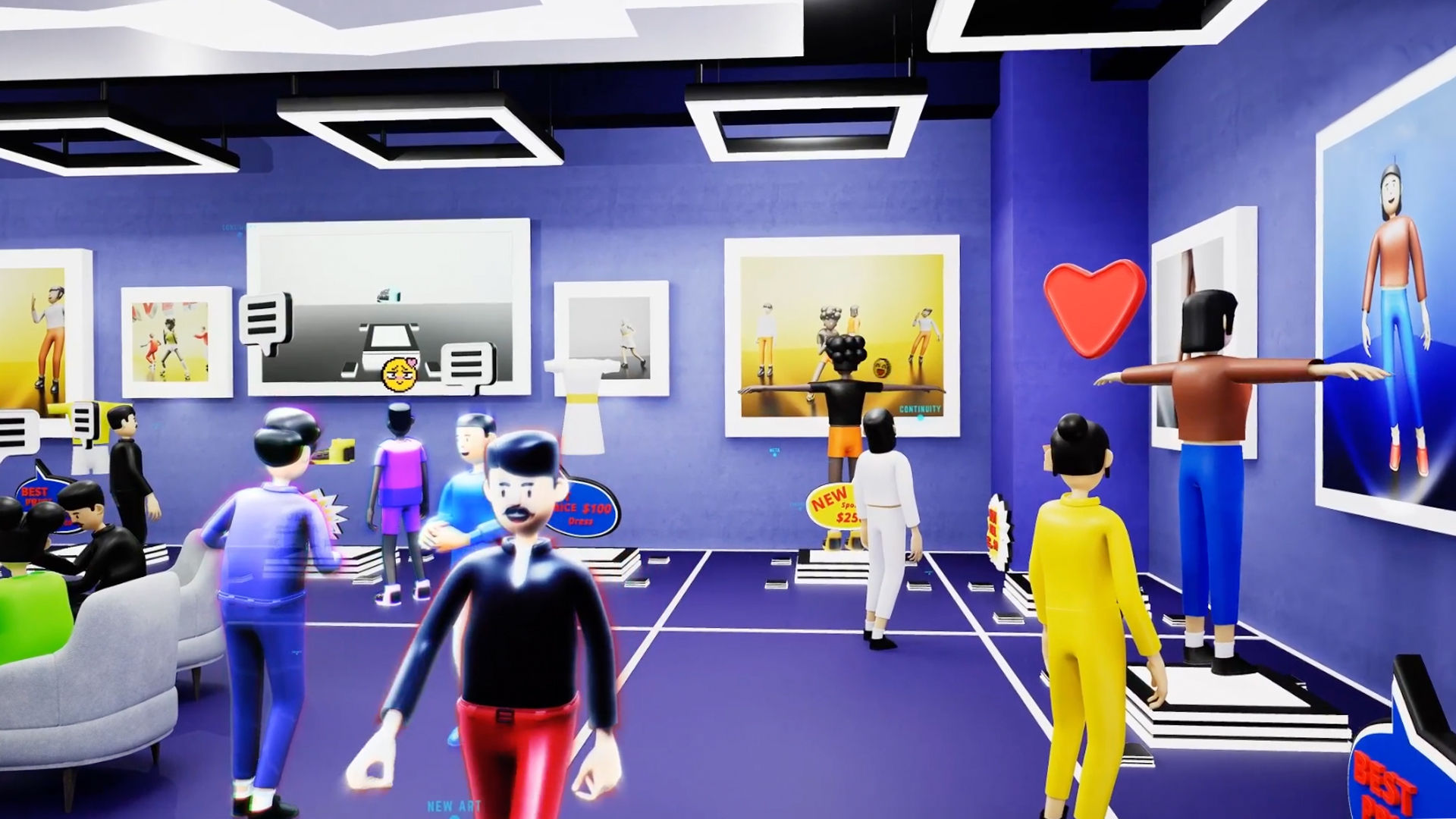
The metaverse is—like a universe of sorts—expanding, replete with endless opportunities for individuals to get “out there” (in VR terms) and revolutionize how people the world over get to communicate, conduct business, and experience entertainment.
The Take Away
Social virtual reality—social VR for short—is an exciting part of the expanding, evolving digital space called the metaverse, and it’s a leg of design where you get to build virtual spaces and welcome users to connect with, communicate with, and engage with other users inside of those. To make it so enjoyable for them that they keep wanting to come back, you’re going to have to endow users with details and features that put them in the picture—and where they can personalize their own experiences and interact with a level of realism that suspends their disbelief as to where they are—so you’ve got to include social elements like avatar customization, collaborative activities, social focal points, realistic social behaviors, and communication tools to make the digital environment all the more real for your users.
References and Where to Learn More
Read up on social VR safety tips in The Metaculture’s blog post, “How to Stay Safe in Social VR”.
Check out this design guide for the Metaverse.
Learn more about the Metaverse in Wired’s article, “What Is the Metaverse, Exactly?”.