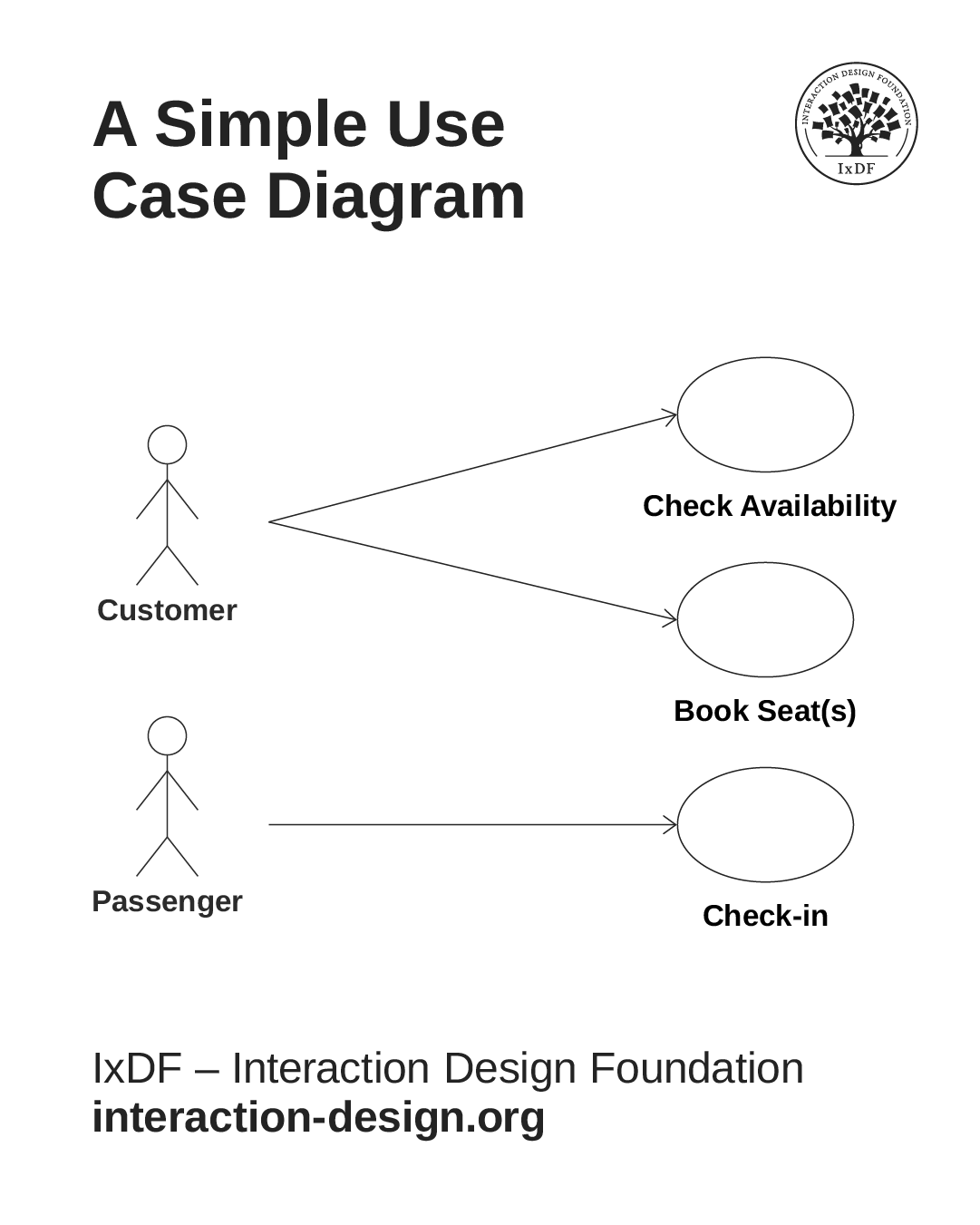
Feature prioritization determines the order in which teams develop and release product features. It is a key process in product management.Feature prioritization also balances customer value, business goals and technical feasibility to help product managers focus on the most impactful features. Strategic frameworks like the RICE method and Kano model for feature prioritization help teams align projects with the brand's objectives and technical constraints.
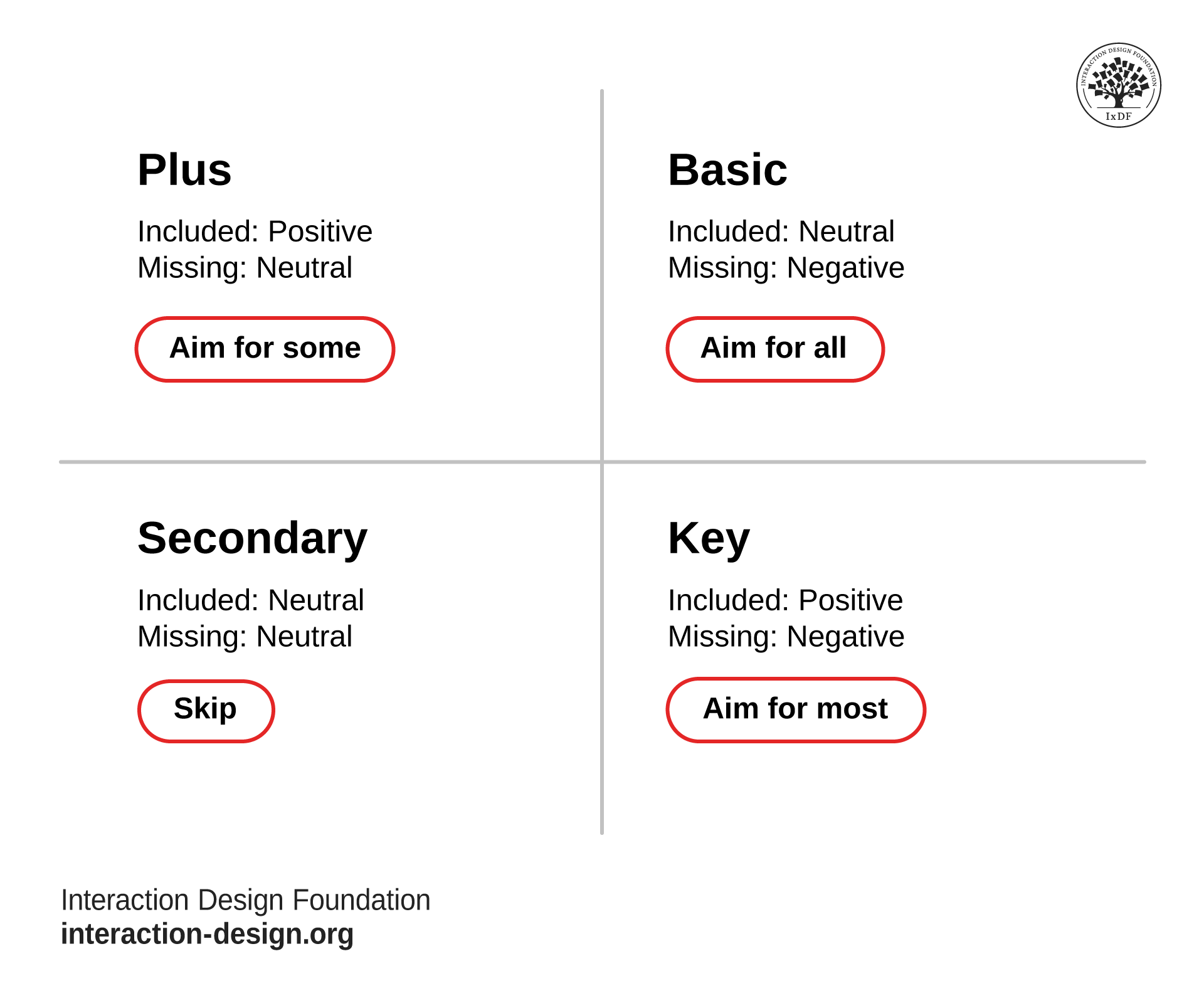
© Interaction Design Foundation, CC BY-SA 4.0
Why is Feature Prioritization Important?
Feature prioritization stands as a cornerstone process in product management and UX (user experience) design. It determines which features a design team should implement first to maximize a product's value. This process is not just about selecting the most appealing features. It's a strategic decision-making approach that aligns product development with business objectives and customer needs. As designers and product managers delve into product feature prioritization frameworks, methods and tools, they focus on maximizing value and aligning with stakeholders’ expectations. This helps them to shape compelling product experiences that can lead to increased customer loyalty and increase revenue.
To determine which features will deliver the most value to customers is a critical aspect of feature prioritization. It calls for a strategic plan. When brands focus on customer-centric development, they can better meet market demands and enhance user satisfaction. Successful feature prioritization requires a shared vision and clear company goals. This shared vision helps team members debate the merits of each feature more objectively. It therefore reduces the influence of personal biases and ensures that product decisions stand in line with strategic business objectives.
Feature prioritization is crucial for brands to organize and rank features based on various criteria such as customer value, business goals and technical viability. Product managers need a structured approach to help them focus on the most important features, and to facilitate a more efficient and targeted development process. Product teams must understand the relative importance of each feature before they can move to effective prioritization. This understanding helps them allocate resources appropriately. It also ensures that design and development teams work to release the most impactful features first.
The question of how to prioritize feature requests also demands teams to strive for a balance between user needs, technical feasibility and market trends. This balance ensures that the features they develop are not only what users desire but are also technically feasible and market-relevant. To make the right features a priority at the right time is a vital way to help maximize a product’s or service’s success in a competitive landscape.
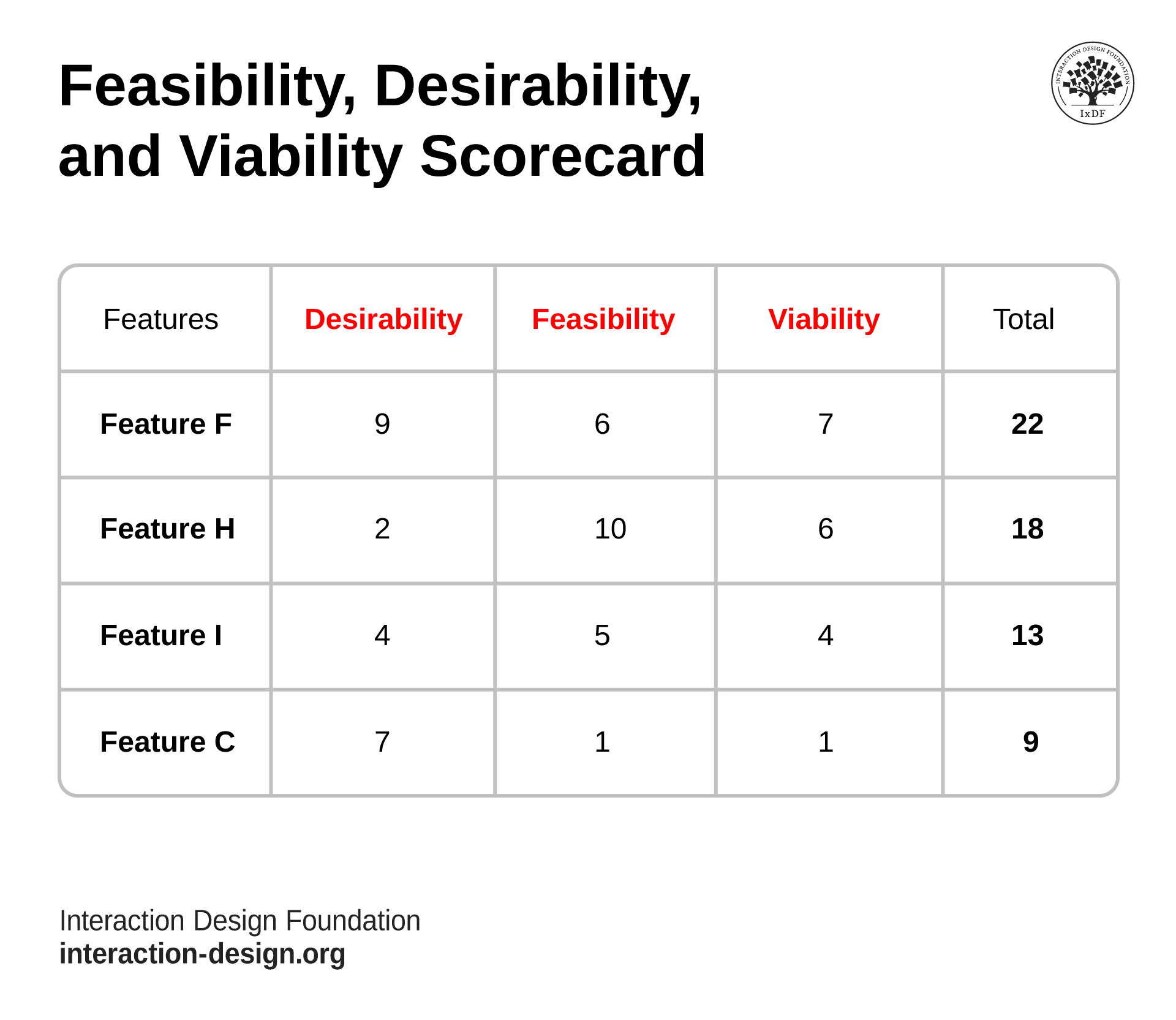
This is one way to rate and rank where to invest time and effort.
© Interaction Design Foundation, CC BY-SA 4.0
What are the Benefits of Effective Feature Prioritization?
Effective feature prioritization in product management offers a multitude of benefits. These streamline the development process and boost product success. When brands meticulously select which features to develop based on a variety of strategic factors, they can optimize their resources and align their product development efforts with solid business goals and user expectations. More specifically, some main benefits of proper feature prioritization are that it:
1. Improves Decision Making
Feature prioritization equips product teams with the ability to make informed decisions. It significantly reduces guesswork and internal disagreements. When teams evaluate features against quantifiable metrics, they can objectively decide which features will drive the most value. This simplifies the decision-making process.
2. Promotes a Goal-First Approach
To adopt a goal-first approach in feature prioritization not only clarifies the process. It also establishes a repeatable method that the entire product team can adopt. This consistency ensures that all team members are on the same page. That is crucial for a brand to maintain strategic alignment throughout the project lifecycle.
3. Involves Quantifiable Metrics
When teams use quantifiable metrics to score potential value of features, it enables them to make data-driven decisions. This approach facilitates transparent communication about why they should prioritize specific features. It therefore helps to align and motivate all stakeholders involved in the development process.
4. Optimizes Resources
Effective prioritization allows for the efficient allocation of both the team’s time and the company’s resources. When brands focus on fewer, more impactful projects, they can maximize their output while they avoid or minimize wasted efforts on less critical features.
5. Makes a Strategic Focus
To align tasks with the company’s broader strategic goals is another significant benefit of effective feature prioritization. This strategic focus ensures that day-to-day activities are not just busy work but contribute directly to the long-term objectives of the organization.
CEO of Experience Dynamics, Frank Spillers discusses important aspects of UX strategy plans:
6. Reduces Stress
For product managers who need to juggle numerous tasks, effective feature prioritization can significantly reduce stress. As it clearly defines what teams need to do next, the process helps to manage vast and varied responsibilities.
7. Enhances User and Customer Satisfaction
Feature prioritization directly impacts customer satisfaction as it ensures that teams develop and release the most requested and valuable features first. This not only enhances the user experience and proves brand empathy with the customer. It also keeps customer-facing teams like sales and support satisfied. Teams can meet customer demands more effectively and thereby increase customer satisfaction for their products and services.
See why empathy is a vital ingredient in design:
8. Promotes Informed Decisions
When product managers and teams make research-driven prioritization decisions, it ensures that the features they develop meet both user needs and business goals. This judicious use of data justifies the time and resources a brand spends when they develop new features. Therefore, each decision becomes an investment in the product’s future.
To avoid decisions based merely on intuition, brands should drive decisions about feature prioritization with data, user research and market trends. This approach helps to identify features that not only meet current user needs but are also viable from a technical and business perspective.
9. Promotes Collaborative Leadership
Feature prioritization often involves collaborative decision-making, which ensures diverse perspectives come into consideration and there is broad buy-in across the organization. This inclusivity can lead to more innovative solutions and greater commitment from team members.
Watch as UX Designer and Author of Build Better Products and UX for Lean Startups, Laura Klein explains important aspects of collaboration, in this case in cross-functional Agile teams.
10. Promotes Adaptability
Regular re-prioritization of features allows teams to adapt quickly to changing business needs or market conditions. This flexibility is crucial to maintain relevance and competitiveness in rapidly evolving industries.
11. Helps Teams Build the Right Features at the Right Time
Prioritization ensures that teams build the right features at the right time, which maximizes product impact and market success. This timely development can be crucial for brands to capitalize on market opportunities and meet user expectations.
12. Promotes Faster Iteration and Release of New Features
When teams clearly prioritize features, they can iterate and release new features more quickly. This agility allows companies to respond swiftly to user feedback and continuously improve their product.
13. Helps Manage Scope and Avoid Feature Creep
Feature prioritization is essential to manage the scope of projects. When teams clearly define what is necessary, they can avoid the pitfalls of feature creep, which can dilute the product’s value and exhaust resources.
14. Helps Stay Ahead of the Competition
Features that surprise and exceed what users and customers expect can set a product apart from its competitors. They can more than satisfy customers, and foster a strong, loyal customer base among their target market. When brands focus on features that offer the most value and differentiation, they can stay ahead of their competitors and capture a larger share of the market. They might even account well for all seven factors of UX in the most rewarding way through a highly popular product.
Watch as Psychologist Ditte Hvas Mortensen explains the Seven Key Factors of UX:
What are Good Feature Prioritization Methods?
In the dynamic world of product management, it’s crucial to choose the right feature prioritization tool or feature prioritization framework to align product development with strategic business goals and customer needs. This selection depends on several factors, including the organization's culture, industry, product life cycle and available resources.
Several frameworks are particularly helpful. It's essential for product teams to understand these dynamics to effectively apply the most suitable framework and therefore leverage the best feature prioritization techniques.
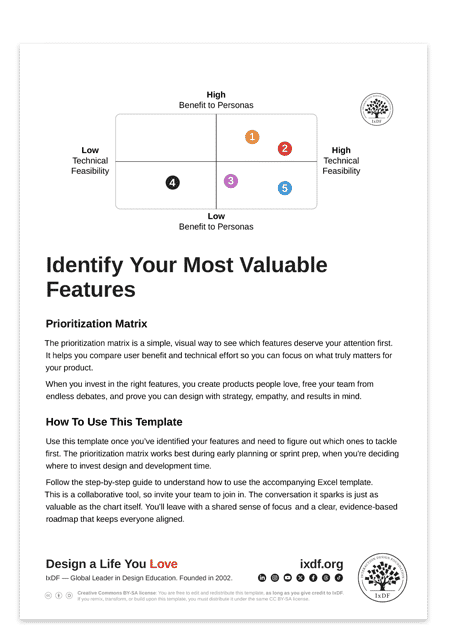
You can get a head start with our free, easy-to-use prioritization matrix template. While the template uses the example of benefit to personas (or user groups) against technical feasibility, you can apply any two factors to prioritize features.
What are Popular Feature Prioritization Frameworks?
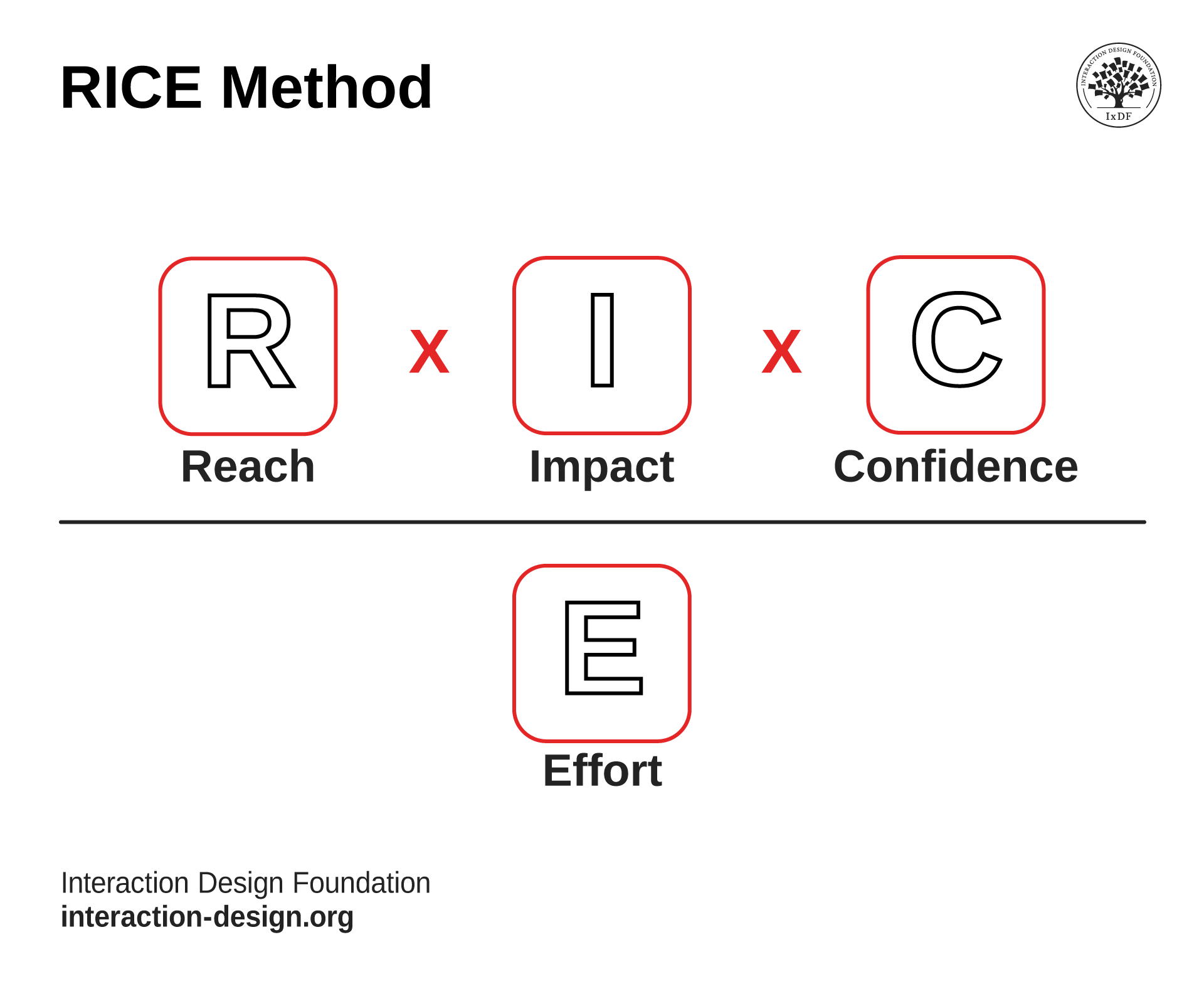
1. RICE (Reach, Impact, Confidence, Effort)
This method scores features based on their potential reach, impact on users, confidence in achieving the desired outcome, and the effort required. It helps teams focus on features that offer the most significant potential impact relative to their cost.
© Interaction Design Foundation, CC BY-SA 4.0
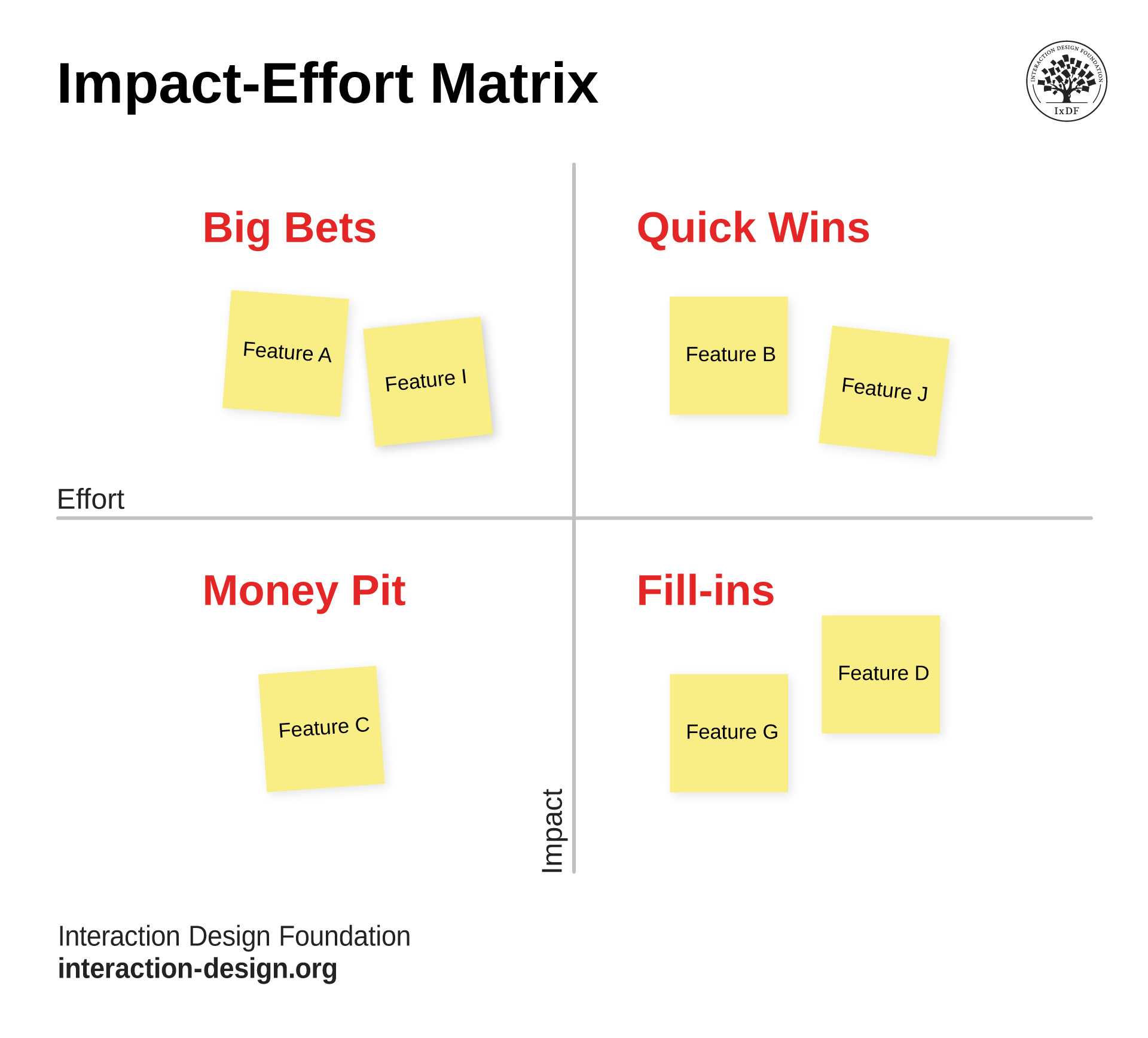
2. Impact vs. Effort
This approach evaluates features by weighing their benefits against the required effort to implement them. It aims to identify features that offer the most value with the least effort, and optimize the allocation of resources.
© Interaction Design Foundation, CC BY-SA 4.0
3. Kano Model
Teams categorize features into must-haves, performance enhancers and delighters. This model prioritizes features based on customer satisfaction. It also helps to identify features that can significantly enhance the user experience.
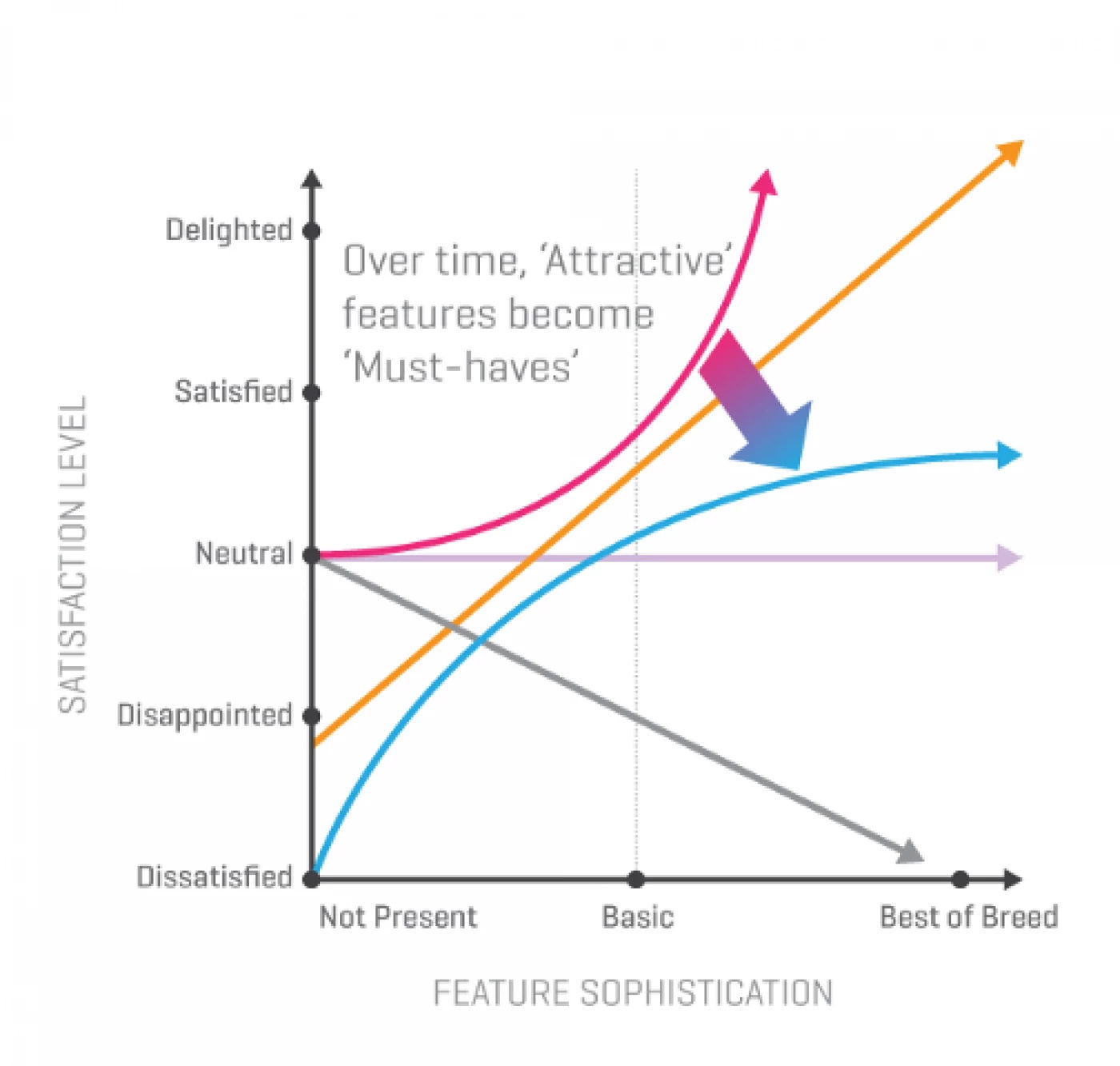
The Kano Model helps sort and chart features to prioritize.
© UX Booth & Jan Moorman, Fair Use
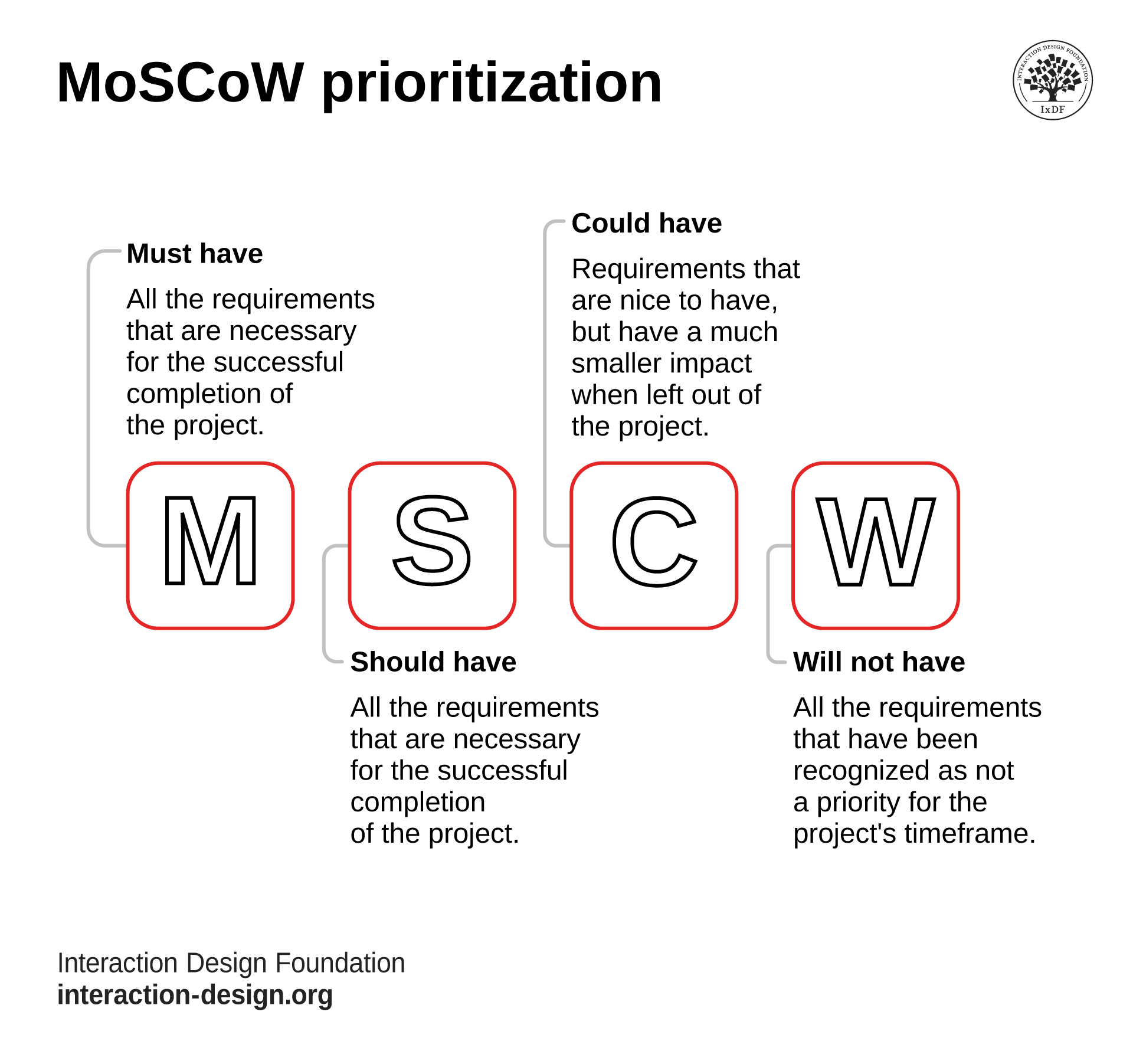
4. MoSCoW Method
Teams classify features into four categories: Must have, Should have, Could have, and Won't have. This method helps teams focus on essential features that need immediate attention.
© Interaction Design Foundation, CC BY-SA 4.0
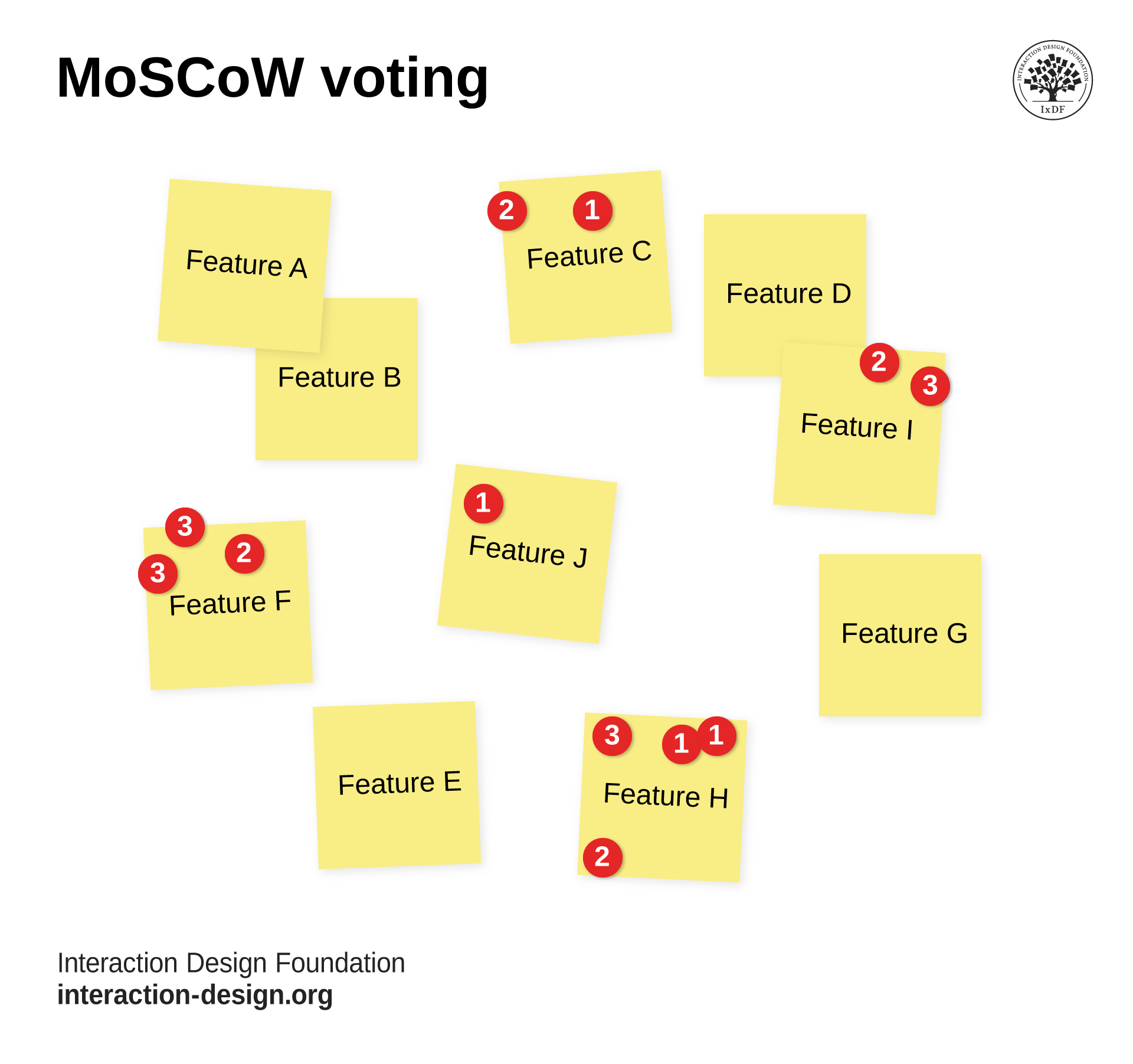
Team members vote for the best features via the MoSCoW framework.
© Interaction Design Foundation, CC BY-SA 4.0
5. Story Mapping
Teams organize features into a user story map that shows how each feature fits into the overall product strategy. This method is useful to maintain a clear focus on strategic alignment and user experience.
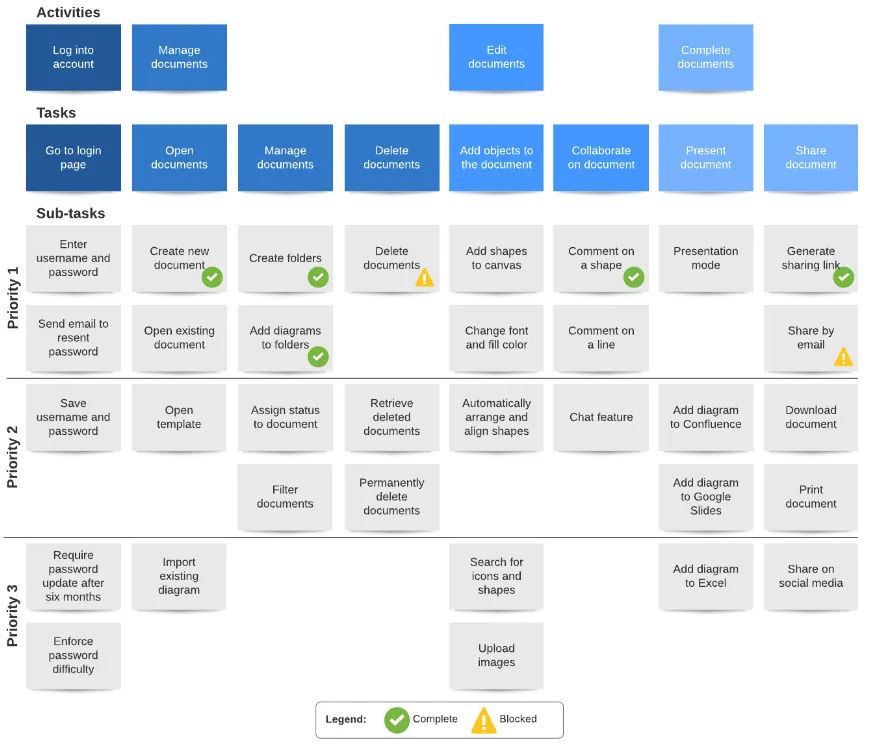
An example of a story map.
© Lucidchart, Fair Use
Laura Klein explains user stories in this video:
What are Feature Prioritization Examples in Real-World Scenarios?
For example, a local food delivery app might use the RICE framework to prioritize features. The brand might want to improve order tracking or optimize delivery routes, and focus on changes that reach a large user base and have a high impact on service efficiency.
Companies like SafeBoda in Uganda utilize prioritization to strategically enhance their service offerings, such as integrating payment options or referral codes to boost user engagement and ride frequency.
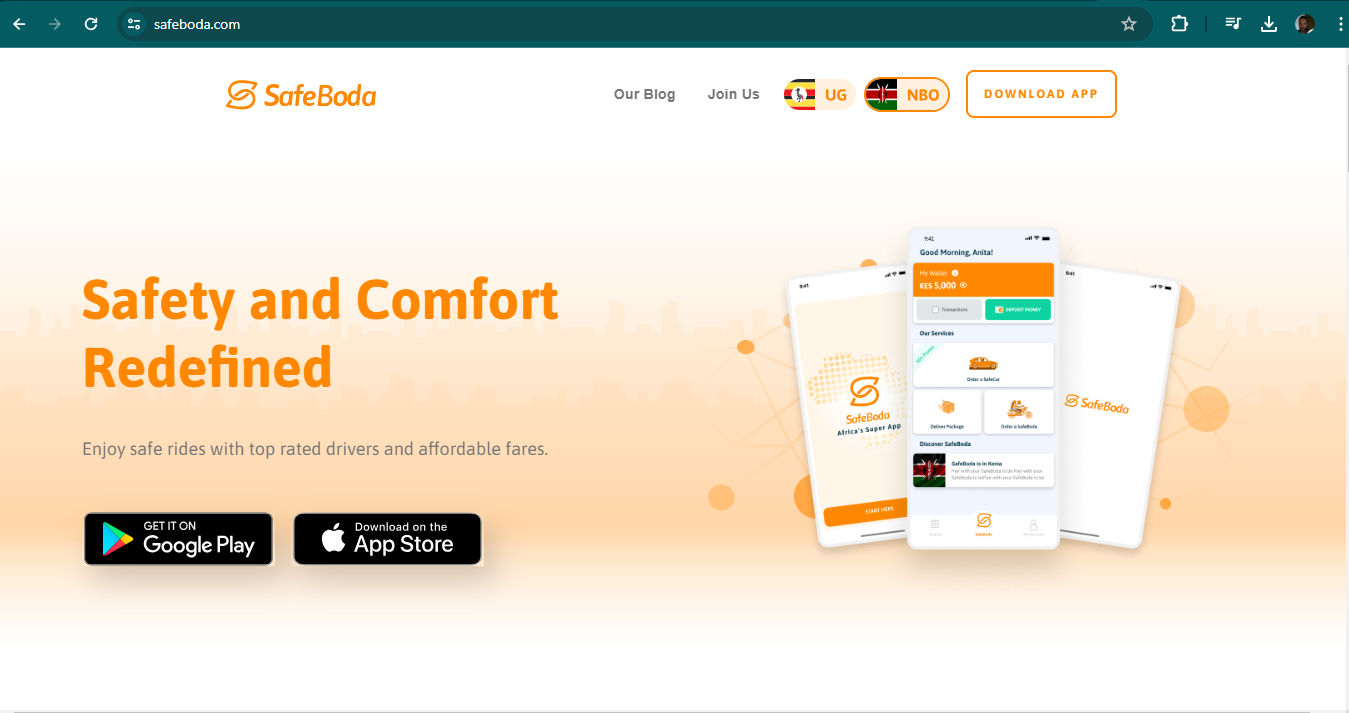
© SafeBoda, Fair Use
What Feature Prioritization Software is Helpful?
In no particular order, here are some popular brands that offer resources including built-in feature prioritization techniques and programs:
1. ProductPlan
ProductPlan offers tools like learning centers, glossaries and templates. It equips product managers with the resources they need to make informed prioritization decisions.
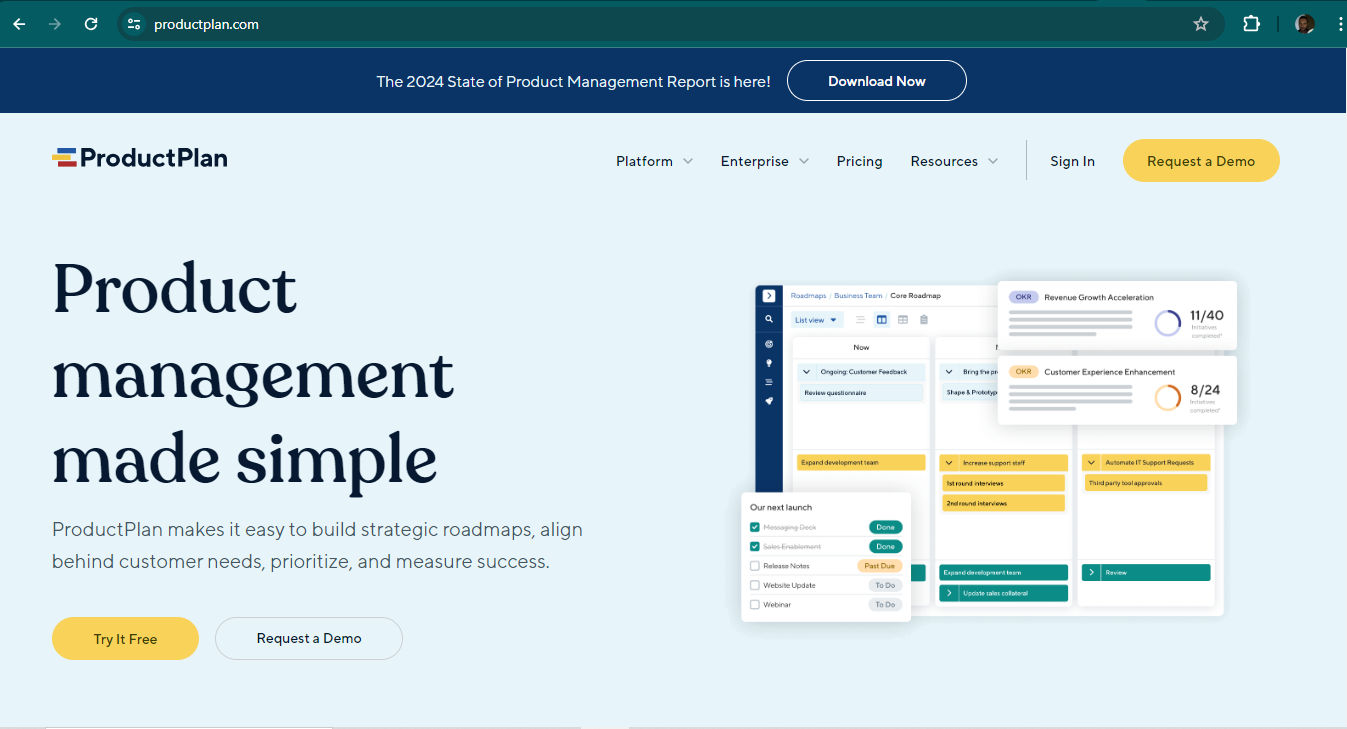
© ProductPlan, Fair Use
2. Aha!
A product management tool that offers feature prioritization capabilities, it helps prioritize features based on various criteria and collaborate with teams to make informed decisions.
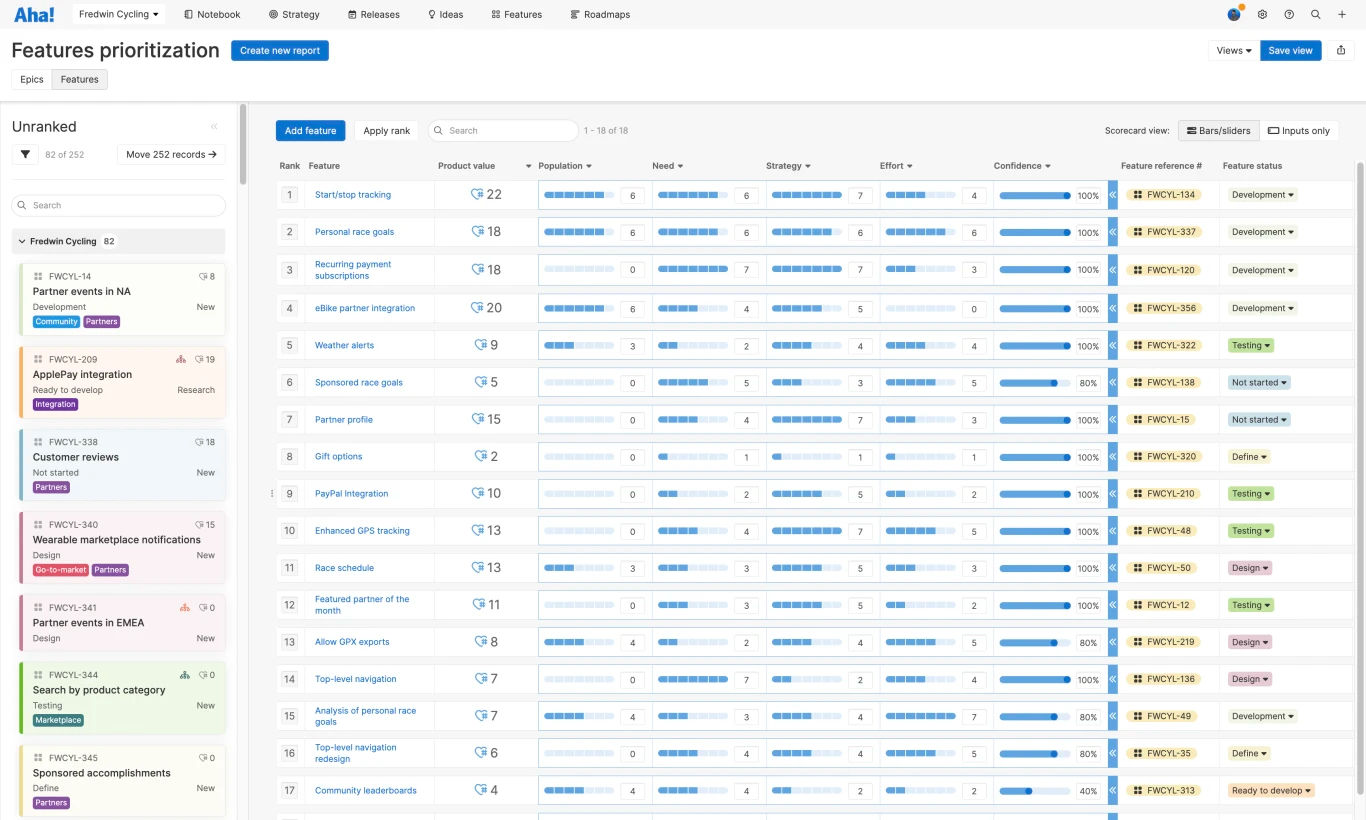
An Aha! Features Prioritization page.
© Aha!, Fair Use
3. Airfocus
This software helps to prioritize features by providing a scoring system and visualization tools. It lets brands align their product strategy with feature prioritization.
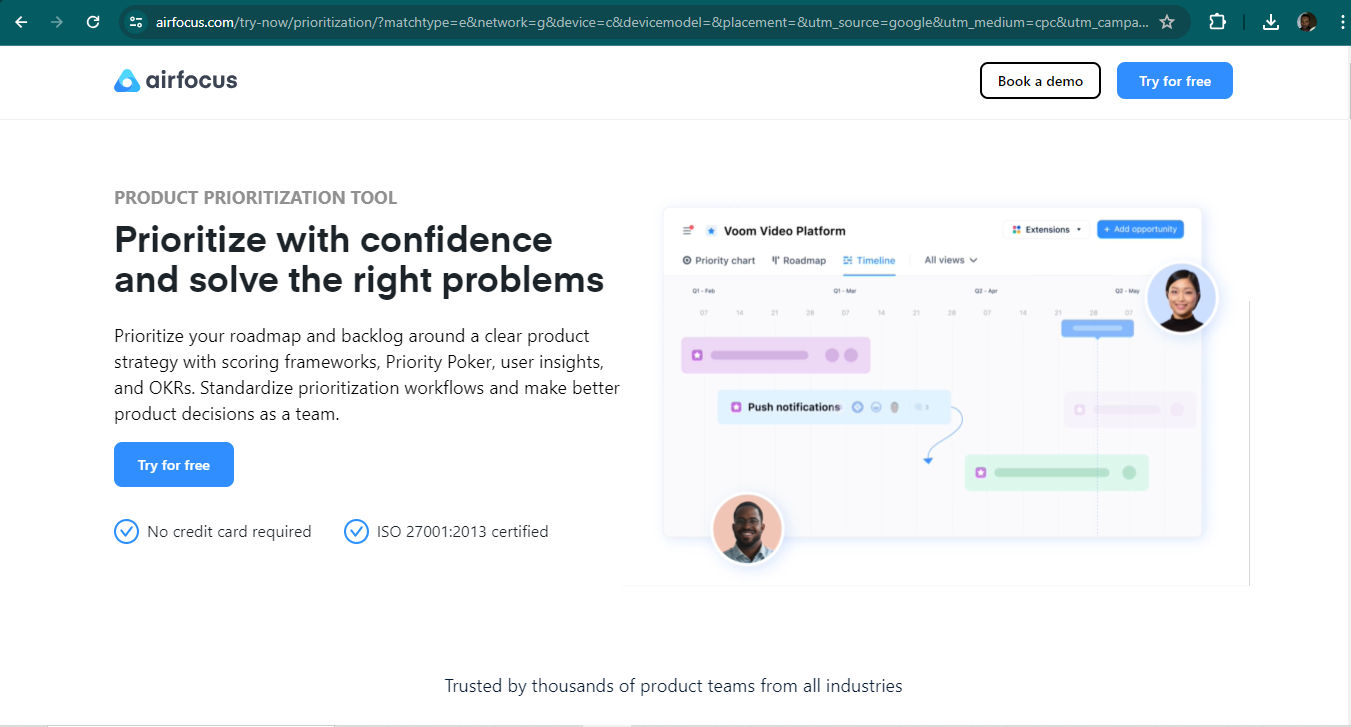
© Airfocus, Fair Use
4. Jira
Jira also offers features for backlog prioritization and feature tracking.
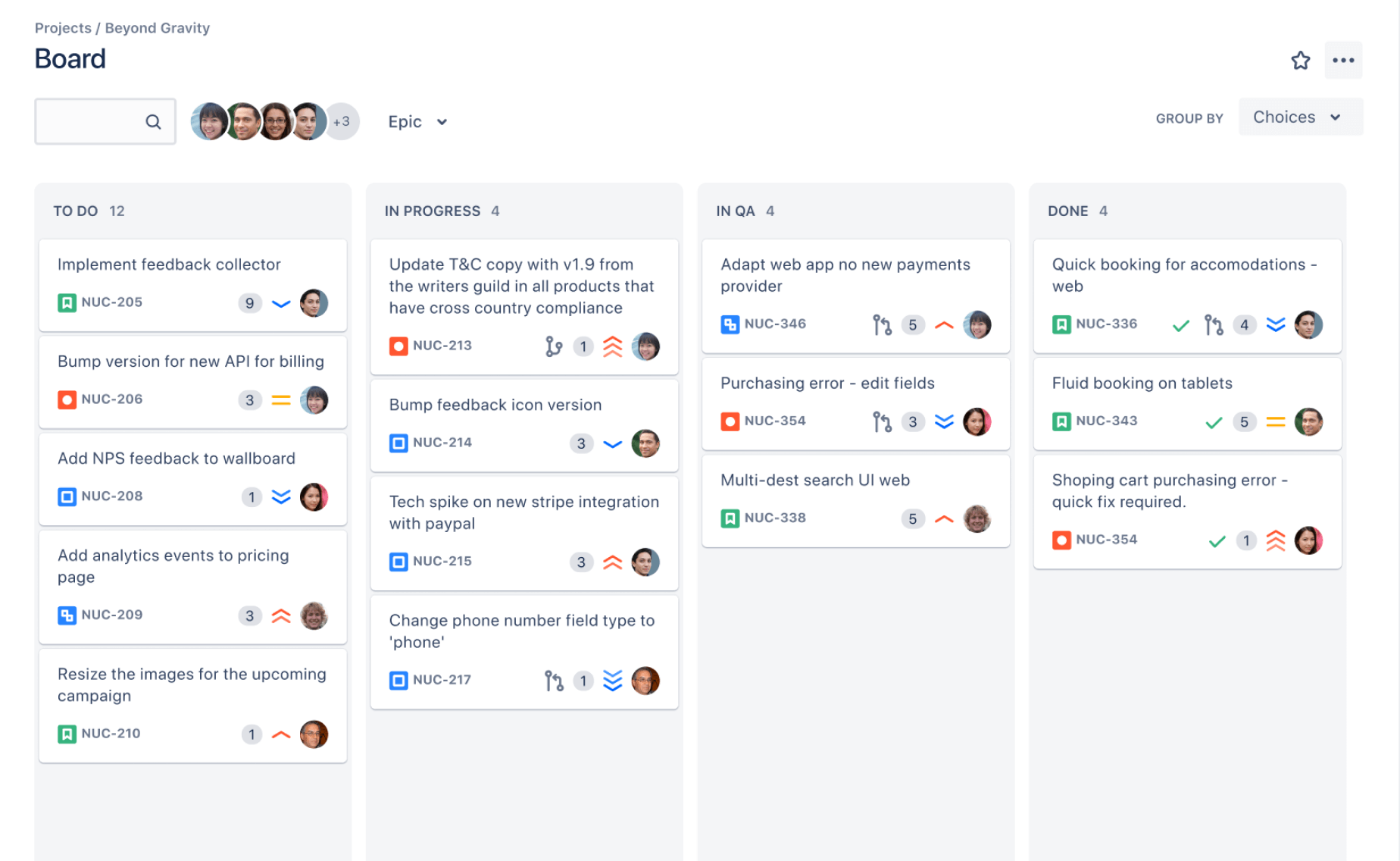
Jira is a popular project management software choice.
© Hasan Azhar, Fair Use
5. ProdPad
This product management software offers features for prioritization, roadmap planning and collaboration.
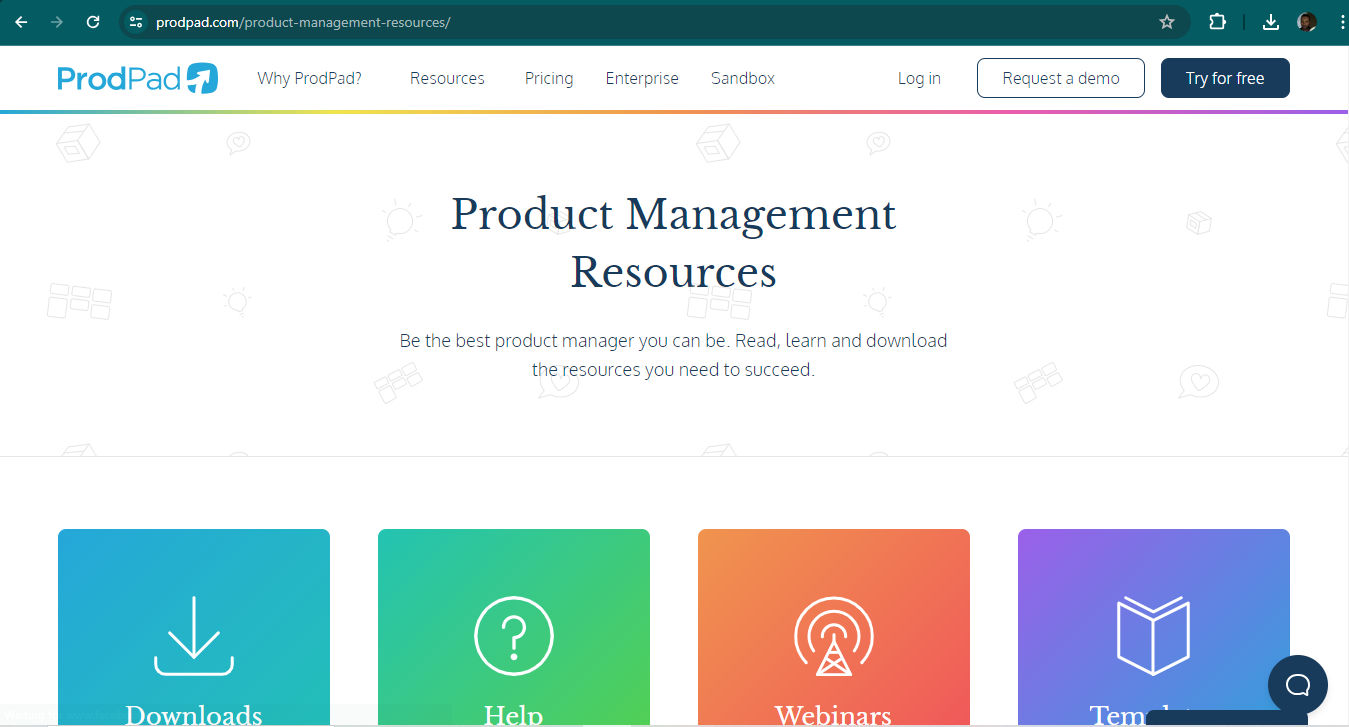
© ProdPad, Fair Use
What are Best Practices and Tips to Prioritize Features?
Here are some helpful best practices for teams and product management on how to prioritize features:
1. Establish a Unified Vision
It’s crucial to align the entire team under a shared vision for the product. This common understanding ensures that every decision the team makes during the feature prioritization process supports the brand’s overarching goals. It's vital that management and stakeholders communicate this vision clearly and consistently. It will foster a strong sense of purpose across all departments.
2. Embrace Collaborative Leadership
Feature prioritization thrives in an environment where leadership is shared and collaborative. It’s important to involve various stakeholders from different departments to gather diverse perspectives. This inclusivity helps to make balanced decisions that consider the multifaceted needs of the business. It enhances the product’s alignment with market demands and internal capabilities.
3. Avoid Common Pitfalls
It’s vital not to base decisions solely on gut reactions, isolated feature ROI (return on investment) or the loudest voice in the room. Instead, teams should prioritize features based on a structured and objective approach to avoid biases that can derail the prioritization process. So, it’s good to consider sales and support requests, for example, but not let them dominate the decision-making process.
Frank Spillers explains important points about ROI, metrics and more in this video:
4. Combine Data-Driven Insights with Intuition
While data provides critical insights that can guide the prioritization process, it’s better to combine these findings with professional intuition. It can lead to more nuanced decisions. Teams should use metrics and analytics to inform decisions. However, they should also trust the experience and instincts of the team to capture opportunities that data alone might not reveal.
UX Strategist and Consultant, William Hudson explains key aspects about data-driven design:
5. Prioritize as a Team
Feature prioritization should be a collaborative team activity. Teams should limit the number of items under consideration at one time to avoid overwhelm and facilitate easier decision-making. It’s best to categorize initiatives based on their strategic alignment and customer value, to manage and streamline the prioritization process effectively.
6. Implement a Goal-First Approach
Teams should start with clear, strategic goals before they assess individual features. Evaluate the value, urgency and feasibility of each feature. It’s helpful to use scoring models to quantify and compare the potential impact of different features. This will help ensure that teams prioritize the most critical and beneficial enhancements.
In any case, it’s important to consider both the potential impact of new features and the effort these require to implement. This balance helps to make strategic decisions that optimize resource allocation and maximize return on investment.
7. Organize Features Strategically
Before teams dive into prioritization, they should organize features into themes, user story maps or align them with the broader product strategy. This organization helps to visualize how individual features contribute to overall goals. Like product roadmapping, it makes it easier to identify which enhancements will deliver the most value.
8. Regularly Re-Prioritize
Market and customer needs keep evolving. So should the feature list. Teams should make regular time to review and adjust priorities as new information becomes available or as project dynamics change. This agility allows a team to remain relevant and competitive.
It’s essential to embrace an iterative approach in any case. Teams should allow for adjustments as they gather feedback and as project conditions evolve. This flexibility can lead to more innovative and user-focused product enhancements.
Laura Klein explains the iterative nature of teams in Agile design:
9. Focus on Customer-Centric Product Management
It’s vital to put the customer at the center of the prioritization process. Teams should build strong alignment with cross-functional stakeholders to ensure that every feature adds real value to the user experience. This approach not only enhances customer satisfaction. It also attracts potential customers, drives loyalty and business growth.
10. Consider a Combination of Models for Enhanced Prioritization
Some organizations blend different models to refine their prioritization process. For example, a combination of the Kano model and a scoring system can help teams to balance user delight against practical implementation concerns.
Overall, for product management, feature prioritization is a fact of life on the path to brand success. When managers know how best to prioritize features for an MVP (Minimum Viable Product), they can bring a sharper focus to their brand’s vision and gear team efforts around versions of a product or service that will yield better results and delight more customers more consistently.
Learn More about Feature Prioritization
Master how to prioritize features from a user-centered perspective and build interfaces that truly solve your users' needs in our course Object-Oriented UI Design: Build Interfaces Users Love.
Take our UX Management: Strategy and Tactics course for important insights into product management techniques and more.
Read our piece, The Kano Model – A tool to prioritize the users’ wants and desires.