User research is crucial to design great user experiences for mobile apps. While any UX research technique can be adapted for mobile, some have proven more effective than others. Let’s look at how becoming proficient in these techniques will help you to develop mobile apps and sites that better meet your users' needs and expectations.
The mobile product development space offers immense potential, but it is essential to conduct thorough user research to create an optimal user experience and ensure success.
The app market is expected to be worth over $400 billion by 2026, according to a report by AlliedMarketResearch. Mobile apps must offer unique user experiences to stand out in this crowded market; thus, mobile user research becomes a powerful tool for UX designers to gain a competitive edge.
Qualitative User Research Methods for Mobile Apps
Qualitative research seeks to understand human behavior, attitudes and experiences. It collects and analyzes non-numerical data, such as observations, written responses or other insights that the researcher can use for product development.
There are four key research methodologies for qualitative user research for mobile apps:
Diary Studies
Lab Studies
Ethnographic Field Studies
1. Diary Studies: Capture User Behaviors and Contextual Information
A diary study is a research method where users record their experiences with an app over a period of time. Typically, users take notes on when they use the app, in what contexts, and other observations each time they interact with it.
The biggest drawback of diary studies is that they rely on the user to remember to note down each app use (something that may feel uncomfortable for participants). They also require a lot of management to ensure they provide the most value.
In this video, CEO of Experience Dynamics Frank Spillers explains how he used a diary study to research the behavior of Apple Watch users:
2. Lab Studies
Lab studies test whether the user can actually use the product. In a lab study, researchers observe the user while they use a mobile device. Usually, the researcher will remain in a different room and watch while the user goes about their tasks.
Lab tests provide valuable insights into real-world scenarios, although they may not perfectly replicate every aspect of the environment. While there is a possibility of moderator bias and participants feeling the need to please the moderators, you can mitigate these issues through careful design and execution.

Lab tests provide empirical data on how users interact with digital products and help researchers identify areas for improvement.
3. Task Analysis
Task analysis helps you understand how users solve problems, achieve their goals, complete tasks and sub-tasks, in what sequence and which tools they use. This is essential for task-oriented design. To conduct a task analysis, a researcher observes and records subjects as they interact with the app or prototype, with or without technology.
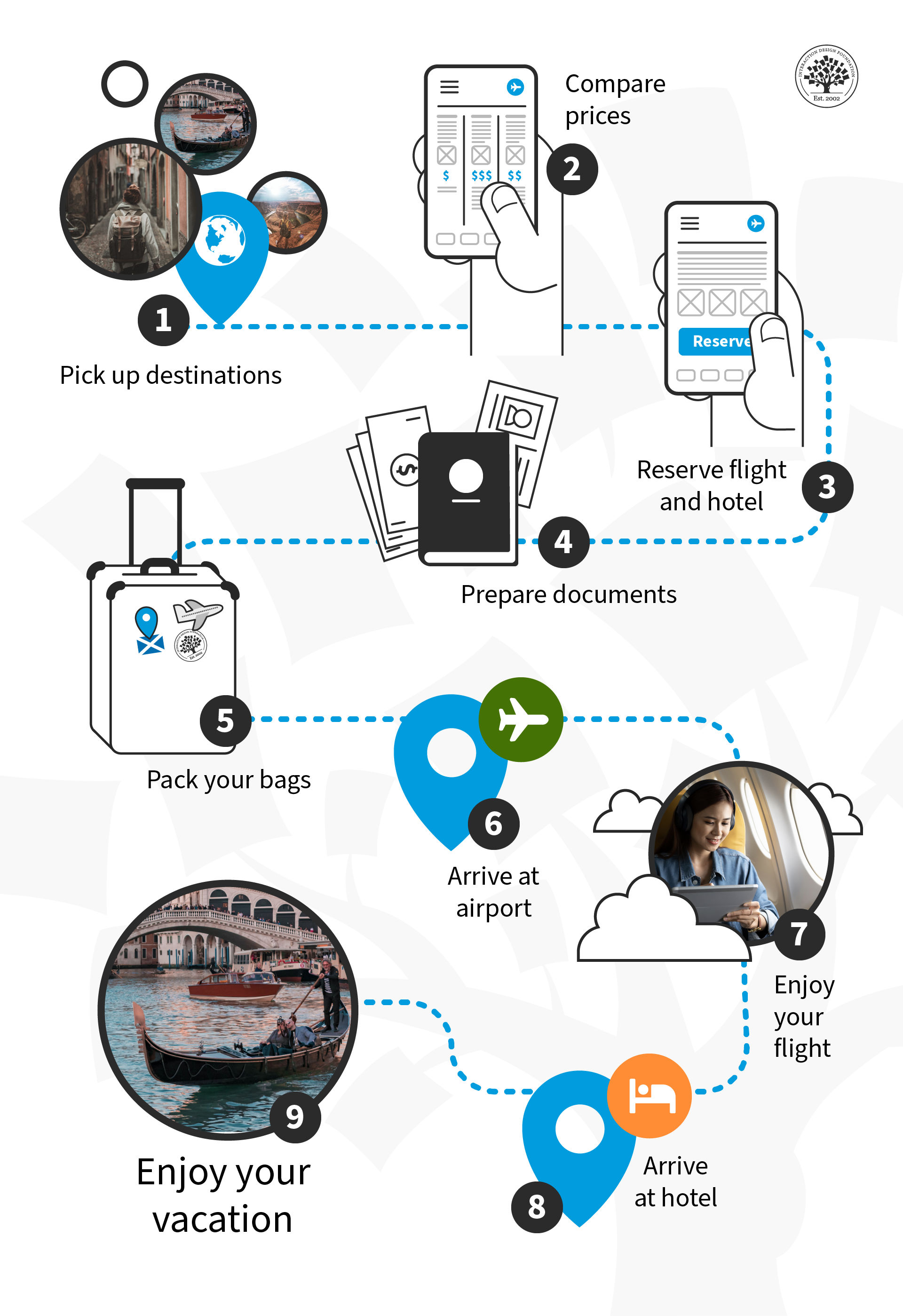
Task analysis is used to understand how users perform tasks, solve problems and achieve their goals.
© Interaction Design Foundation, CC BY-SA 4.0
4. Ethnographic Field Studies
Field studies and ethnographic research provide insights into the context of how and when people use your app and consider cultural, social and emotional aspects that might be relevant to the task completion. Researchers mix methods, such as contextual interviews, task analysis, and even diary studies, to complement and get the most out of the field studies.
Quantitative User Research Methods for Mobile Apps
Quantitative research provides numerical data that can be more persuasive in decision-making than qualitative research. Both types of research are essential to create optimal user experiences.
There are four main types of quantitative techniques used in mobile app research:
Online Surveys
Automated Logging Activity
Experience Sample Methods
1. Online Surveys
Online surveys use questionnaires to gather insights into users' behavior, preferences, and opinions. The data collected through surveys is typically self-reported and does not involve monitoring or tracking participants' actual behavior.
They are a cost-effective way to generate large amounts of geographically diverse data, which can yield statistically significant results. However, online surveys lack direct user contact, which may limit the ability to understand the underlying reasons behind the patterns observed.
2. Behavioral Analysis
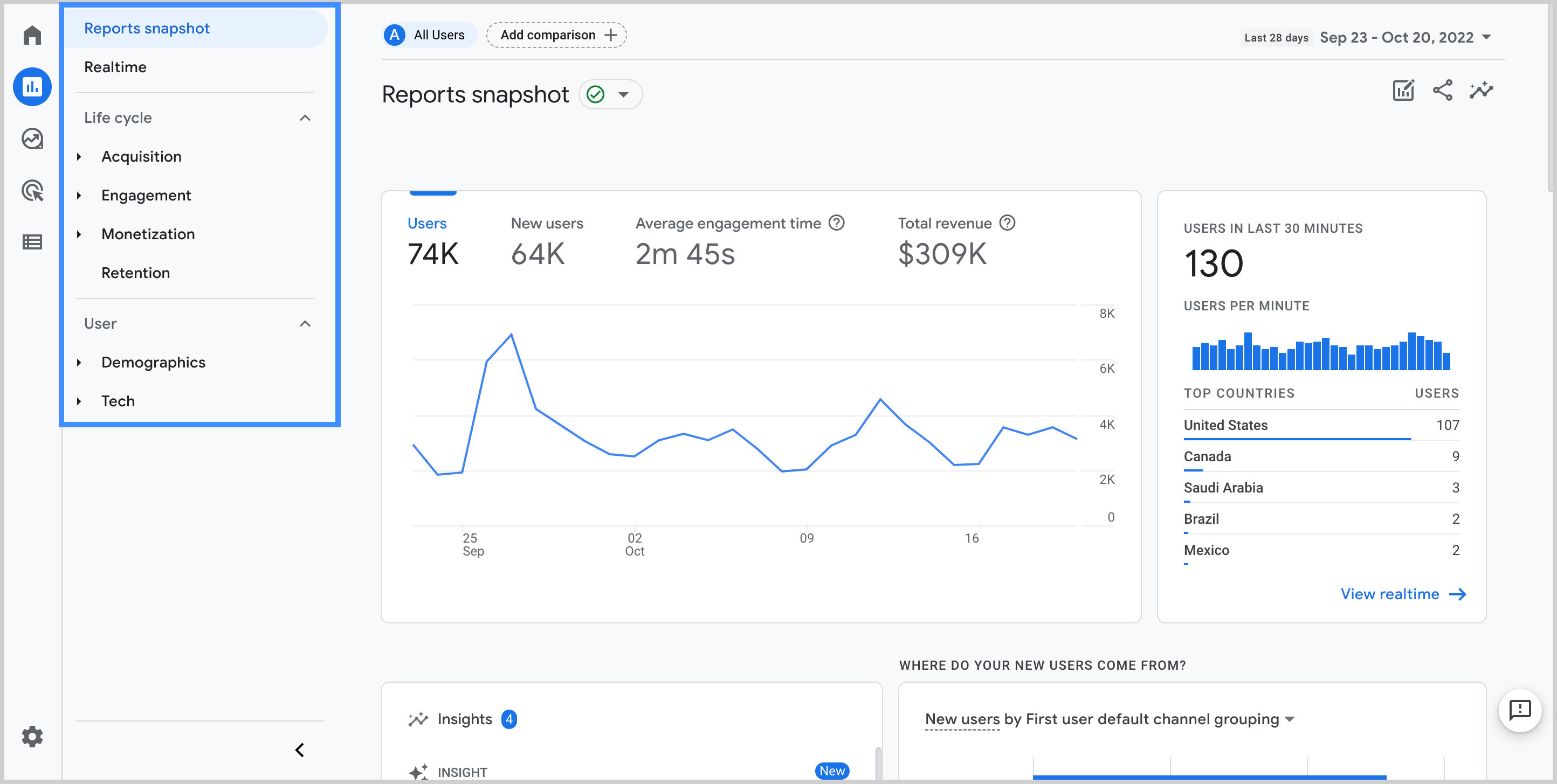
Behavioral analysis provides valuable insights into user behavior and traffic patterns but may require additional research to understand user intentions and context
©Google, Fair Use
Behavioral analysis involves the use of software, such as cookies to track how people interact with an app and perform tasks. This type of analysis can provide valuable information about the users' behavior and traffic patterns, which can be more reliable than self-reported data. However, behavioral data alone may not reveal users' intentions or context, so it is often combined with surveys or field studies to understand user behavior better.
3. Automated Logging
One approach to understand how users engage with your app is through automated logging, which captures device-generated events without the user's input. This method provides objective and consistent interaction data, but it's limited in its ability to analyze context or intent.
For example, an automated logging system might record that a user spent a significant amount of time on a particular page, which could suggest that the page was interesting or useful to the user. However, more than this data is needed to provide insight into the user's intent or motivation for spending time on the page.
4. Experience Sample Method (ESM)
This research technique collects data on an individual's natural environment multiple times throughout the day. A brief questionnaire or survey prompts participants to report regularly on their activities through a mobile phone or tablet.
While ESM does provide real-time insights into user experiences throughout their day, it does not involve recording observations over an extended period like diary studies do.
Let's say a research team wants to study the relationship between stress levels and social interactions in college students. They could use ESM to collect data on students' experiences throughout the day.
The research team would provide participating students with a mobile app that sends daily prompts, asking them to report on their current activities, mood, and social interactions. For example, a prompt might ask the student to rate their stress level on a scale of 1 to 10 and to describe their current social situation: alone, with friends, in class, etc.
The Take Away
Mobile user research is a powerful tool for UX designers to gain a competitive edge in today's crowded app market. We explored various user research methods that you can use to create great user experiences in mobile apps.
We began with qualitative research methods: first, lab tests and their ability to provide valuable insights into real-world scenarios. Next, we delved into diary studies to capture user behaviors and contextual information over an extended period. We then explored task analysis as a method used to understand how users solve problems. Lastly, we discussed field studies to identify pain points and opportunities for improvement that may be absent through other research methods.
We also looked at quantitative methods such as online surveys combined with automated data collection that reflects the user's actual behavior.
Finally, we examined experience sampling methods (ESM) as a research technique that collects data on individuals' subjective experiences in their natural environment using mobile devices such as smartphones or tablets.
As a designer, you may use one or more of the various mobile UX research techniques to develop mobile apps that better meet users' needs and expectations.
References and Where to Learn More
Take the time to understand your users through user research and build on that knowledge from the outset in our User Research – Methods and Best Practices Course.
An interesting examination about using diaries in user experience.
Read this introduction to lab testing and its benefits.
Learn more about Field Studies and the user context in this article by the Norman Nielsen Group.
You may find this deep introduction into Experience Sampling for Building Predictive User Models valuable.
Read the report by Allied Market Research about the current trends in the mobile application market.
Hero Image: © Interaction Design Foundation, CC BY-SA 4.0