The concept of "moment of truth" originates in service design but has grown over the years to encompass both service and product design. There isn't one moment of truth anymore but rather several kinds of moment of truth which influence user and customer relationships with the product and/or brand providing the product. UX designers and CX designers, in particular, will want to identify moments of truth so that they can ensure the experience at these points wins hearts and minds of users and customers.
Moments of Truth
Your constantly-updated definition of Moments of Truth and collection of videos and articles.
Be a conversation starter: Share this page and inspire others!
Get 1 Powerful Email Each Week
Join 312,965 subscribers.
What are Moments of Truth?
Questions About Moment of Truth?
We've Got Answers!
What does “moment of truth” mean in UX design?
What does “moment of truth” mean in UX design?
A “moment of truth” in UX design marks an instant when a user directly interacts with your product and forms a lasting impression, positive or negative. Think of signing up, completing a checkout, or seeing helpful feedback. These moments carry an outsized influence on trust and satisfaction because users decide then whether they feel confident, delighted, or frustrated. You will hear “first moment of truth” when a user first experiences your interface, and “second moment of truth” when they reflect afterward, based on memory or outcome.
Explore moments of truth in our article The Moment of Truth: Build Desirable Relationships with Users and Customers.
Why do UX designers care about moments of truth?
Why do UX designers care about moments of truth?
UX designers care deeply about these critical moments because they shape user perception and loyalty. Users judge the clarity, usability, and value of the product when they hit these interaction peaks. A smoothly executed moment of truth encourages trust, completion, and return visits. However, a troubled one leads to abandonment and negative feelings.
Understand how good usability is vital to help win users over.
What are the different types of moments of truth in UX?
What are the different types of moments of truth in UX?
UX designers typically consider:
Zero Moment of Truth (ZMOT): User research before interaction (e.g., reading reviews).
First Moment of Truth (FMOT): Initial interaction—page load, onboarding, first use.
Second Moment of Truth (SMOT): Reflection after experiencing value—used the service and decided it works.
Third Moment of Truth (Third‑MOOT): User advocates or shares experiences with others.
Each type uniquely shapes trust and retention, and presents a significant opportunity for designers to tap.
Explore how user research—i.e., the research UX designers do—is vital to effective design solutions.
What is the difference between micro‑moments and moments of truth?
What is the difference between micro‑moments and moments of truth?
Moments of truth represent emotionally charged, outcome‑defining interactions. A user either commits or recoils. Meanwhile, micro‑moments are brief, intent‑driven instances (like “I want to buy,” “I want to learn”)—they drive decisions during exploration. Think about eye contact versus flicker. Micro‑moments inform strategy, while moments of truth reveal emotional impact.
Both matter, but micro‑moments guide where to optimize, and moments of truth prove whether those touchpoints convert to satisfaction.
Discover how to design for micro-moments and be there for users at times when it matters.
How do I identify moments of truth in a user journey?
How do I identify moments of truth in a user journey?
Begin by mapping the user journey: list key stages (discovery, signup, search, action, reflection). Then, conduct user research—making observations, conducting interviews, taking feedback—to spot where users pause, hesitate, smile, or drop off.
Analytics help immensely: look for spikes or dips in conversion, time-on-task, and error rates. Those high-emotion or high-risk points likely signal moments of truth. Watch closely and listen to user language; direct, emotional cues often reveal the critical ones.
Enjoy our Master Class, How to Create Actionable User Journey Maps with Kelly Jura, Vice-President, Brand & User Experience at ScreenPal, for a deep dive into journey mapping.
How do I know which moment of truth matters most to my users?
How do I know which moment of truth matters most to my users?
Find out where users invest effort, show frustration, or drop out most frequently—those weightiest moments matter. Quantitative data (conversion funnels, analytics) reveals where users struggle. Your qualitative research (interviews, usability tests) reveals emotional pain points, which are vital to complement the numbers. Prioritize moments that cause the most significant friction or delight.
Test improvements on those, measure impact, and iterate. The moments that consistently affect satisfaction, retention, or referrals carry the most importance.
Discover the difference between quantitative and qualitative research, and why both matter, in this video with William Hudson: User Experience Strategist and Founder of Syntagm Ltd.
What are examples of moments of truth in common digital products?
What are examples of moments of truth in common digital products?
Consider how these moments manifest in the following areas:
E‑commerce: when the “Add to cart” button loads smoothly, shows the correct price, and offers shipping info.
Social media apps: when a new user posts their first update—does it publish, look good, get likes?
SaaS (Software as a Service) dashboards: when users complete their first critical action (e.g., setting up a report) without confusion.
Messaging apps: when a message is sent instantly and notifications appear correctly.
Each of the above marks a moment when users judge the competence and value of the product—a pivotal time when they might fall in love with or feel frustrated by the brand product (and, by association, the brand itself).
Lift the lid on social media to delve deeper into what it involves and how it affects brands.
How do I spot emotional reactions in moments of truth?
How do I spot emotional reactions in moments of truth?
Use usability testing and interviews and watch facial expressions, tone of voice, body language, or social cues of users—frustration, joy, or relief stand out. Use think‑aloud protocols so they describe feelings in real time. Study their feedback: words like “finally,” “lost,” “love,” or “hate” speak volumes about how they feel about the design in front of them.
You can analyze support tickets or reviews, too. Emotional language often flags moments of truth. Combine them with analytics—sudden rage clicks, rapid exits, or repeat visits often signal emotional responses.
Explore important points about emotional design to understand how to engage the feelings of users with products they enjoy.
How do I design a fantastic experience around a moment of truth?
How do I design a fantastic experience around a moment of truth?
First, simplify and anticipate needs—offer clear paths, meaningful feedback, and immediate value. Use progressive disclosure: show what is essential now and reveal more later. Add delight through small animations, confirmations, and friendly copy.
Test prototypes at these moments to catch pain points early. Design feedback loops (like instant confirmations or helpful hints) that reassure users. Use accessibility, error‑proofing, and performance optimization to ensure users sense stability at that moment.
Discover how to use progressive disclosure in designs that make better sense to users.
How do I ensure error messages do not ruin a moment of truth?
How do I ensure error messages do not ruin a moment of truth?
Make errors helpful, not alarming. Use friendly, clear language and explain what went wrong and how to fix it. Place messages near the issue, not as generic alerts.
Provide guidance, such as format tips, and let users recover quickly. Add soft tones—“Oops,” “Almost there”—to reduce frustration. Test error scenarios to ensure users feel safe, the messages are informative, and the problems are easily resolved.
Explore how to effectively address the inevitable results of human error with considerate and well-crafted messages.
What are some real‑world examples of good UX during moments of truth?
What are some real‑world examples of good UX during moments of truth?
Amazon: One‑click checkout and “order placed” confirmation with delivery details provide clarity, trust, and delight.
Google Maps: Instant route load with ETA gives reassurance—users feel in control from the first interaction.
Dropbox: Clear progress indicators and friendly copy (“You are all set!”) during uploads make users confident their files are safe.
Each experience reinforces trust, conveys value, and supports strong emotional response.
Find out more about one of the most important ingredients in any design in our article Trust: Building the Bridge to Our Users.
What are some helpful resources about moments of truth for UX designers?
What are some helpful resources about moments of truth for UX designers?
Eyal, N. (2014). Hooked: How to Build Habit-Forming Products. Portfolio.
This book introduces the Hook Model, a four-step process that drives user engagement through trigger-based design. UX designers benefit by understanding how to align moments of truth with user psychology to form lasting habits. Eyal combines behavioral economics, user feedback, and real-world tech case studies to explain what makes users return. The insights are especially useful for designing onboarding, habit loops, and interaction sequences where trust and retention are formed.
Spillers, F. (2023, October 3). Designing the moment of truth. Frank Spillers. https://frankspillers.com/designing-the-moment-of-truth/
This comprehensive article explores how service designers can deliberately craft critical customer interactions through strategic artifact design. Spillers explains the concept of moments of truth in service design, drawing from the foundational work of Jan Carlzon at Scandinavian Airlines. The piece provides practical frameworks for identifying and designing these pivotal touchpoints where customer emotions run high. UX professionals will find valuable insights on transforming routine interactions into memorable, positive experiences that build brand loyalty.
Iyerefa, P. (2023, June 29). Design better Product and Service Experience using Moments of Truth. Medium. https://peppleiyerefa.medium.com/design-better-product-and-service-experience-using-moments-of-truth-3d7ba6256c8a
This article breaks down the different types of moments of truth—from the Zero Moment of Truth of Google to traditional first and second moments—and their implications for UX design. Iyerefa provides practical strategies for identifying key touchpoints, prioritizing user needs, and crafting positive experiences. The piece is particularly valuable for UX teams looking to align moments of truth within user journeys and create more personalized, context-aware interactions.
Nventive. (2022, January 5). Identifying the moments of truth. Medium. https://medium.com/@hellonventive/identifying-the-moments-of-truth-7151974717de
This detailed case study demonstrates how to systematically identify and design around moments of truth in digital experiences. The article walks through real-world examples, including a crisis support chat service, showing how emotional mapping and user journey analysis reveal critical touchpoints. UX designers will appreciate the methodical approach to discovering fail points, wait times, and high-impact interactions that can make or break the user experience. The piece emphasizes the importance of empathy and qualitative research in understanding what truly matters to users.

Learn More About Moments of Truth
Make learning as easy as watching Netflix: Learn more about Moment of Truth by taking the online IxDF Course Mobile UX Design: The Beginner's Guide.
Why? Because design skills make you valuable. In any job. Any industry.
Earn Industry-Recognized Certificates
Industry giants trust our courses to train their teams, and prestigious universities integrate our content into their curricula. Add your certificates to your LinkedIn profile, résumé, and job applications.




All Free IxDF Articles on Moments of Truth

The Moment of Truth: Build Desirable Relationships with Users and Customers
In order to understand “the moment of truth”; it’s important to understand the customer lifecycle with a brand or product. There are many moments at which a customer (or potential customer or former customer) will interact with a brand.A moment of truth is simply any interaction during which a custo
- Social shares
- 987
- Published
Read Article

How to Design for Micro-Moments
Let’s look at a story from a Manhattan restaurant to understand the relevance of what Google calls “micro-moments.” Context awareness and the ability to identify micro-moments help us deliver the best user experiences. Here, you’ll learn how to design for those micro-moments.Mobile devices have chan
- Social shares
- 795
- Published
Read Article
The Moment of Truth: Build Desirable Relationships with Users and Customers

In order to understand “the moment of truth”; it’s important to understand the customer lifecycle with a brand or product. There are many moments at which a customer (or potential customer or former customer) will interact with a brand.
A moment of truth is simply any interaction during which a customer may form an impression of your brand or product. This impression may be either positive or negative. The aim for the user experience designer is to try and ensure that moments of truth have a positive impact on the customer/user impression of the brand or product.
It is moments of truth that allow Herbert Simon’s famous quote; “Everyone designs who devises courses of action aimed at changing existing situations into preferred ones.” to be widely true in business.
Design moments of truth are rather different from psychological moments of truth. So you won’t need to ask awkward questions like this one when designing your services.
© daanton, CC BY-NC-ND 3.0
Why Does the Moment of Truth Matter?
The moment of truth matters because in an increasingly crowded market place, brands and products can only differentiate themselves on service. Wherever a gap in the market exists there will be many competitors (in most non-monopoly circumstances) that rush to fill that gap. While, initially, there may be the ability to differentiate on the capability to meet a need – over time, that differential will eventually wane and the majority of providers in a market space will operate in similar (if not identical) manners. Thus this leaves service as the only means of tangible differentiation.
If a customer is delighted at every interaction with a brand or product they are unlikely to churn (quit the brand or product) in favor of a competitor. There is also more chance that the customer will go on to become engaged with the brand and even become a “brand ambassador” or “brand fanatic”.
There are two real potential outcomes at a moment of truth – a magical moment or a miserable moment. While neutral outcomes are possible, they are in reality unlikely; you will either impress or fail to impress a customer during most interactions. These moments were first conceptualized by Shep Hyken a Customer Experience designer.
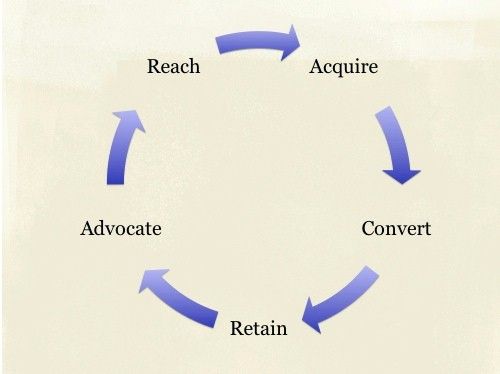
Moments of truth can lay anywhere within the customer lifecycle. It’s important to examine the lifecycle from end-to-end to determine where they actually are.
© Unknown, Unknown
Magical Moments
A magical moment is one where the customer’s expectations are not just met but are exceeded. Many designers will think big picture on this (for example; a guest in a hotel checks in on their birthday and is rewarded with an upgrade to a suite) but in truth magical moments can be delivered by just handling an interaction well (for example; a fast food restaurant rapidly delivering a warm and tasty burger when the customer is in a rush).
Miserable Moments
Miserable moments not only suck but increase the likelihood of customer churn and the customer telling others about poor service. They are the moments where a shop assistant ignores a client looking for help or where a call center operative speaks rudely to the client.
It is worth noting that miserable moments can be created into magical moments if the customer is concerned enough to complain to the service provider about the issue. How issues are resolved can often help create lasting positive impressions on the customer; which is good because it is unlikely (if not impossible) to prevent all possible lapses in service before they occur.
Four Discrete Moments of Truth
There are four moments of truth in service and customer experiences that have been recently conceptualized and defined in service design. The first was developed by Google, the next two by Proctor and Gamble and the final one by Brian Solis, the author of “What’s the Future of Business: Changing the Way Businesses Create Experiences.”
Zero Moment of Truth – this is the first possible moment of contact between a brand or product and the customer. It’s when a problem arises in the customer’s mind and they get online and go hunting for the perfect solution or to learn about possible solutions.
First Moment of Truth – this occurs the first time a potential client comes into contact with your products. It’s the impression that they form when they see the product for the first time and begin learning about it. Proctor and Gamble say that this is the moment that marketers should concentrate their efforts on to turn potential customers into actual customers.
Second Moment of Truth – this is the ongoing relationship with a product. The things your customers think, see, here, touch, smell, etc. about the product and the brand over the lifetime of the relationship.
Ultimate Moment of Truth – the stage when the user or customer begins to share their experiences with others and thus creates many more zero moments of truth.
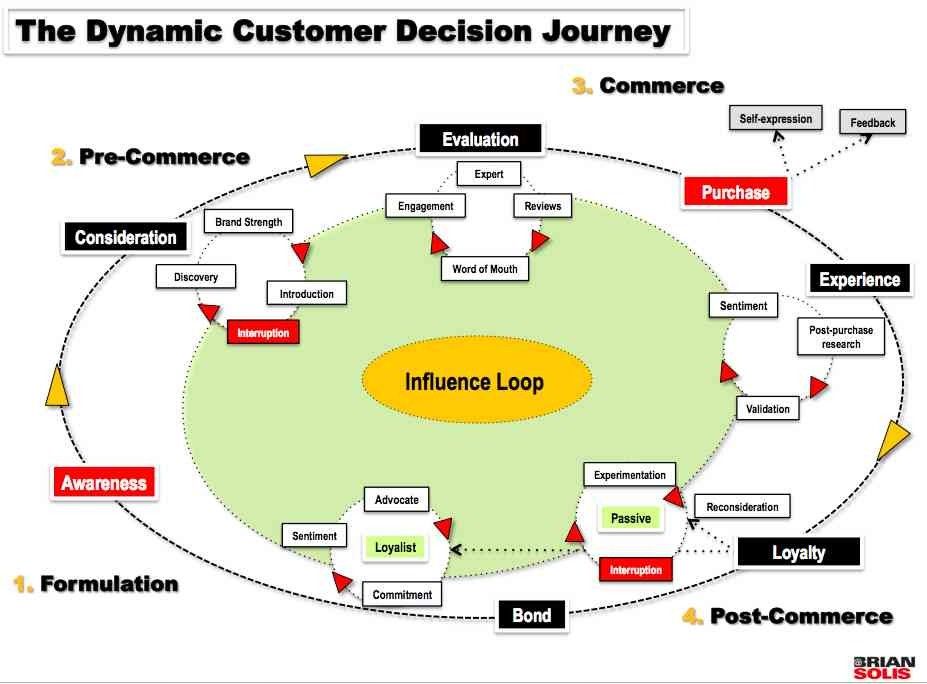
Brian Solis also invented the dynamic customer decision journey – awareness of this journey can help you pinpoint moments of truth for your brand/product.
© Brian Solis, CC BY 2.0
How Can You Create Magical Moments of Truth?
There are no real surprises here. As with all areas of design – talking to customers and users will enable you to create magical moments that matter to those customers and users. Everyone’s customers and users are different – there’s no single formula to aid in creating the right experiences at the moments of truth.
The Take Away
Moments of truth are based on interactions with your product or brand that either make or break the user or customer experience. These moments of truth can be designed by UX or CX or Service Design professionals as long as they are aware of them and are able to talk to their users and customers to find out what will work for them.
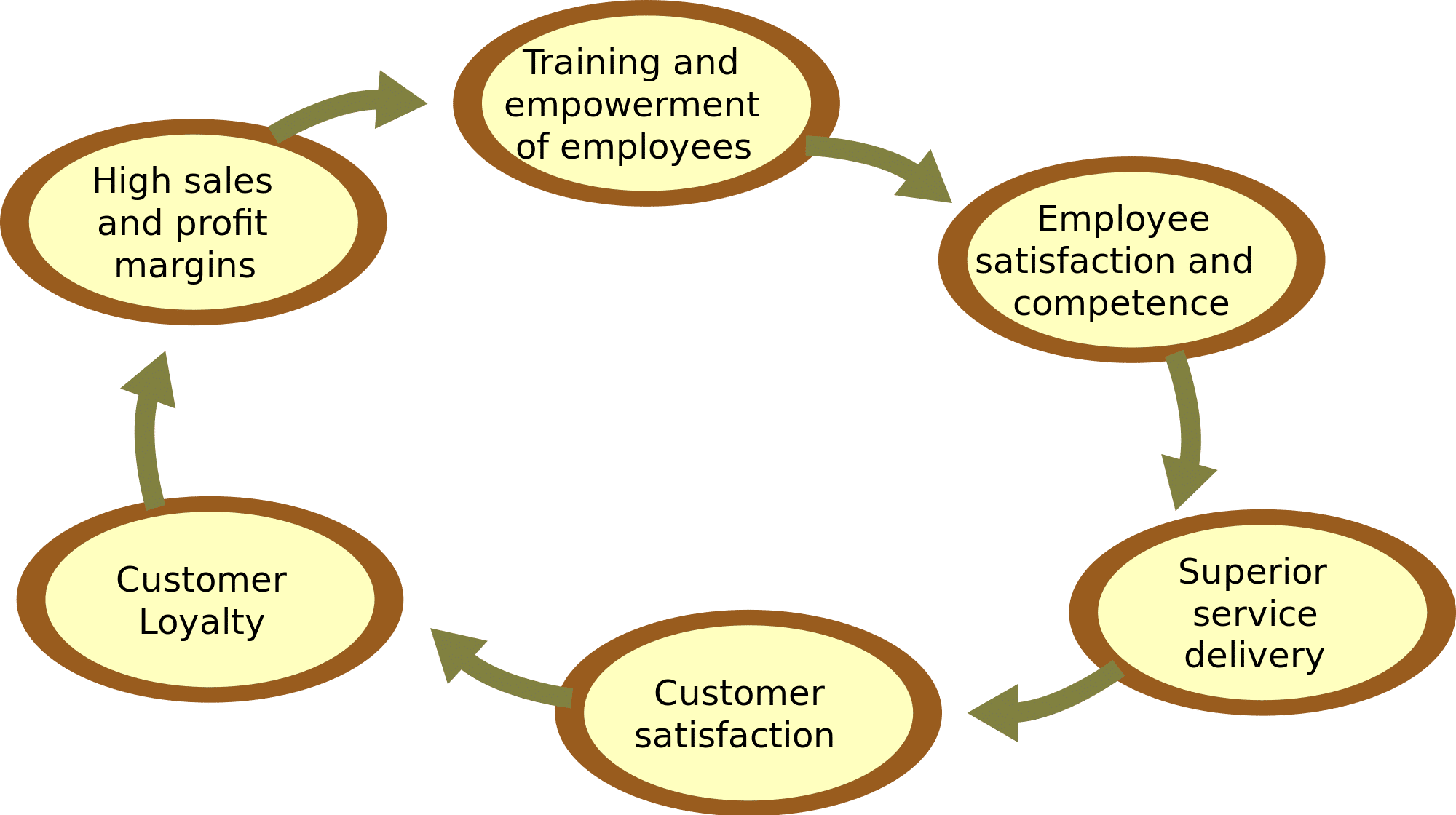
Moments of truth contribute a lot to superior service delivery and customer satisfaction – which in turn drive the cycle of profitable business evolution.
DarkEvil, Public Domain
Resources
Moments of Magic by Shep Hyken
What’s the Future of Business: Changing the Way Businesses Create Experiences by Brian Solis
McKinsey offer an interesting analysis of moment of truth as applied to customer care
Hero Image: DaveHarkins, CC BY-NC-ND 2.0