Human beings are emotional creatures and our emotions drive our behavior. A happy person may be more likely to sing in the rain than an unhappy one. A prideful person more likely to clean their house than a person without such pride. In a design context emotional drivers for behavior must be considered in relation to purchasing and use of products.
Emotional Drivers
Your constantly-updated definition of Emotional Drivers and collection of videos and articles.
Be a conversation starter: Share this page and inspire others!
Get 1 Powerful Email Each Week
Join 313,173 subscribers.
What are Emotional Drivers?
Learn More About Emotional Drivers
Make learning as easy as watching Netflix: Learn more about Emotional Drivers by taking the online IxDF Course Get Your Product Used: Adoption and Appropriation.
Why? Because design skills make you valuable. In any job. Any industry.
Earn Industry-Recognized Certificates
Industry giants trust our courses to train their teams, and prestigious universities integrate our content into their curricula. Add your certificates to your LinkedIn profile, résumé, and job applications.




All Free IxDF Articles on Emotional Drivers
Affective Computing
Read Book Chapter


Emotional Drivers for User and Consumer Behavior
In his paper; “Conditional Reflexes” the scientist Ivan Pavlov proved that a dog could be conditioned to respond to a stimulus. He presented a dog with food and the dog began to salivate. He also rang a bell every time he presented the food. Eventually he could ring the bell and cause the dog to sal
- Social shares
- 697
- Published
Read Article
Emotional Drivers for User and Consumer Behavior

In his paper; “Conditional Reflexes” the scientist Ivan Pavlov proved that a dog could be conditioned to respond to a stimulus. He presented a dog with food and the dog began to salivate. He also rang a bell every time he presented the food. Eventually he could ring the bell and cause the dog to salivate without any food being present. The act of the dog salivating at the ring of the bell is what is known as a “conditioned response”.
Why is this important? Because many people have mistaken emotional drivers for behavior for conditioned responses. It is true that emotions drive our behavior and that we are more or less likely to do something because of the way we feel at any given point; however, there is no specific emotional trigger that results in all users salivating for your product – no matter how many buttons that you push to get there.
Emotional Drivers for Behavior and Why They Matter to Designers
Author/Copyright holder: Toddatkins. Copyright terms and licence: CC0 1.0
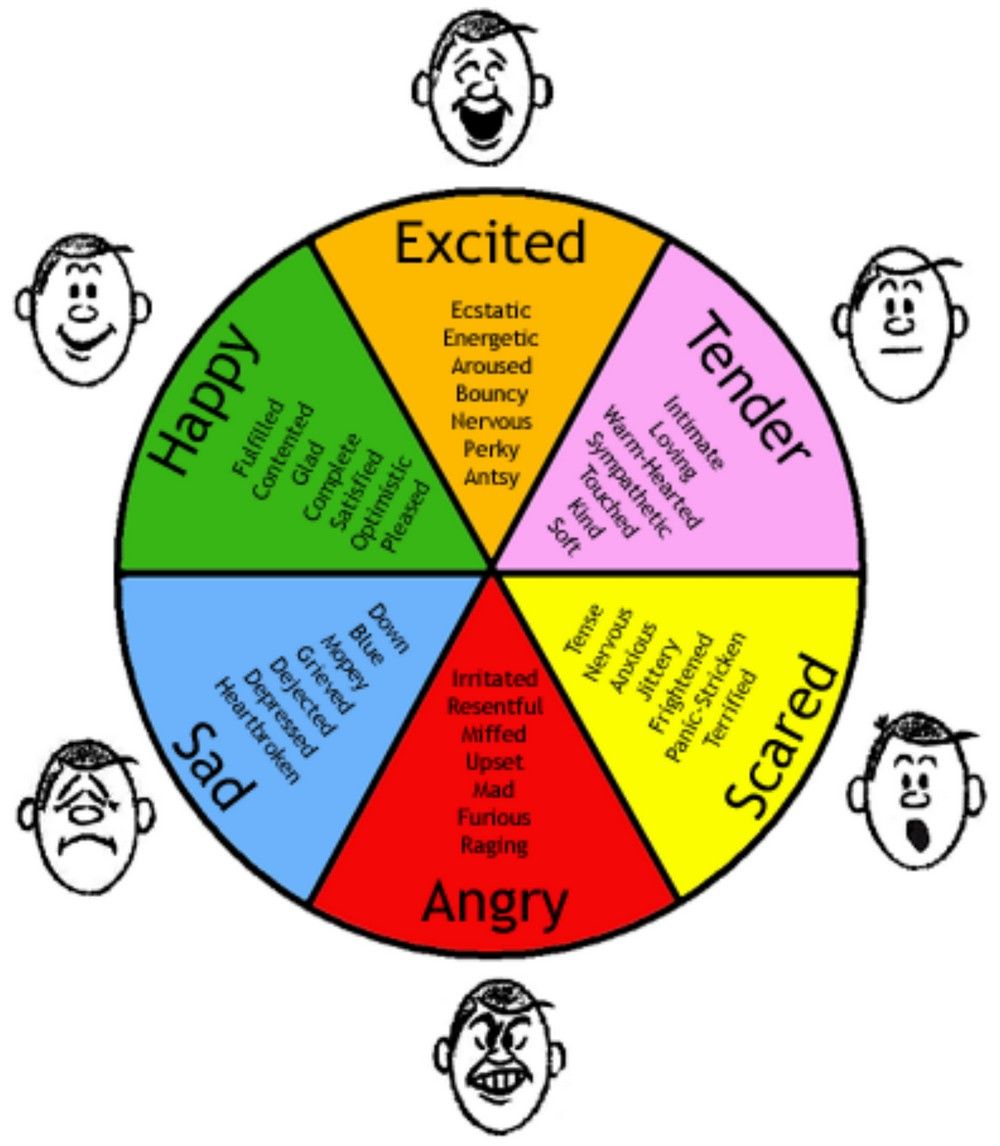
Much of human behavior is driven by emotion rather than reason. Writing in Psychology Today, Peter Noel Murray PhD, describes the roles of emotion in consumer behavior as evaluated in research:
Magnetic resonance imagery (MRI) which scans the brain shows that when a customer evaluates a brand it is emotion (feelings plus experiences) that is used to conduct the evaluation and not the information that the person has (brand attributes, benefits, features, facts, etc.)
Advertising research shows that emotion content is 3 times more likely to influence a purchasing decision than content is in television advertising and twice as likely to influence purchasing decisions rather than content in print advertising (it seems likely that this will also correlate to internet advertising)
The Advertising Research Foundation’s research demonstrate that the “likeability” of a brand is the best prediction of sales for that brand
Positive emotions invoked by a brand are better indicators of customer loyalty than trust in that brand or other evaluations based on information/facts
Why is this the case?
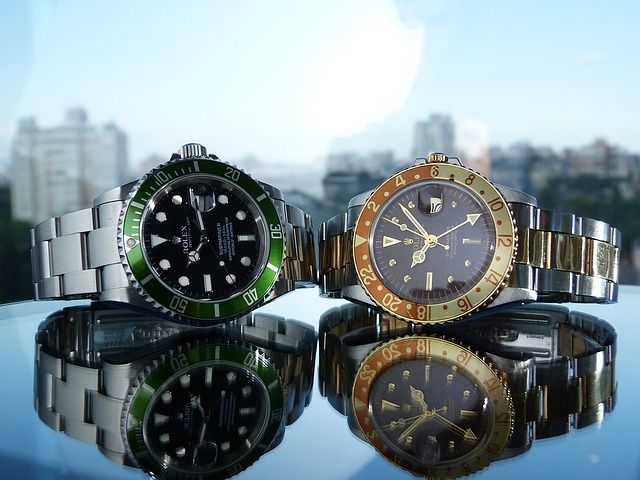
Emotions compel human beings to take action. If we are confronted by an angry person it may be fear that causes us to flee or rage that causes us to fight. If we feel insecure we might buy a status symbol such as a Rolex or Rolls-Royce to combat that insecurity. If we feel happy we might burst into song. And so on..
Author/Copyright holder: Mauriciodss. Copyright terms and licence: Public Domain
For designers this is important because it means that a product which consists of nothing but attributes, features and data in the minds of users – is a product that will have a hard time being adopted by the market.
An emotional brand response is more likely to create adoption of products. If a user cares about the emotional story that is projected to them – they are going to want to investigate that story further.
The product as a brand must tell an emotional story to connect with consumers. This means there is an overlap between traditional user experience activities and marketing activities. Marketers will try to create the emotional story in the marketing but if the product reflects that story it is more likely to sustain loyalty and increase the chances of appropriation (when users find alternative uses for a product that were not intended by their creators).
Iterative Emotional Stories
Design and indeed marketing are iterative processes. An idea is refined over and over again until such time as it is no longer required. The same holds true for emotional design and there is a great source of emotional research that is often missed during the evaluation of products.
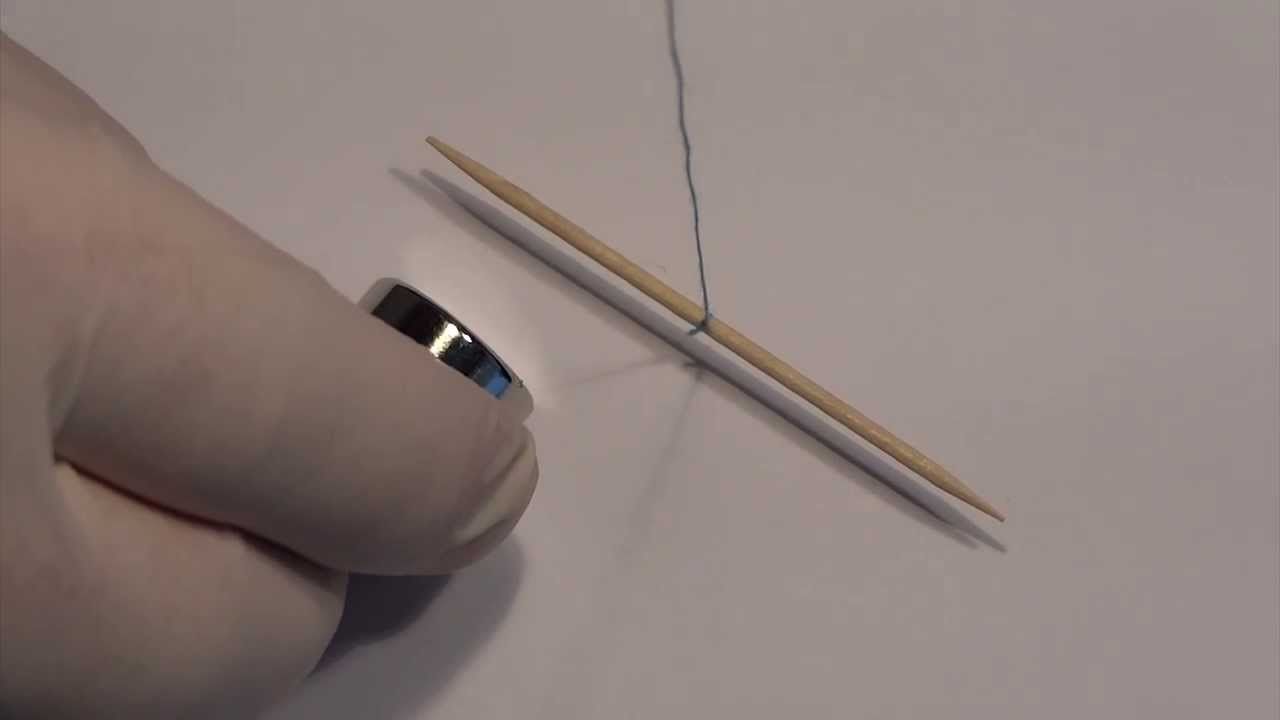
When a design is appropriated by a user; that appropriation is likely to create a series of positive emotions. The user will feel pleased with themselves, they may also feel pride in what they have created.
 Author/Copyright holder: auqA|Water's channel. Copyright terms and licence: Fair Use.
These emotional stories which are created through appropriation are rarely incorporated in the emotional story of the product as told by the creators. Yet, they may be a rich source of emotion which can be easily tapped and shared with users not just to create an emotional response but also to provide stimulation for further appropriation of the product itself. The more a product is used, whether it is used for the designer’s intended purpose or not, the more longevity it has in the market and the more useful it becomes and in turn the more likely it is that a user will purchase the product.
The Take Away
Human beings are emotional creatures and much of our actions are a response to our emotions rather than to a reasoned process. Research shows a clear link between emotional connections with a product and sales and longevity. Cooperation between design and marketing can create emotional stories that make products easier to be adopted and then appropriated. Appropriation itself is a rich source of emotional stories and should be investigated carefully during iterations of both design and marketing approaches.
References
Pavlov, I. P. (1927/1960). Conditional Reflexes. New York: Dover Publications (the 1960 edition is not an unaltered republication of the 1927 translation by Oxford University Press).
Inside the Consumer Mind, Psychology Today
Hero Image: Author/Copyright holder: skeeze. Copyright terms and licence: Public Domain