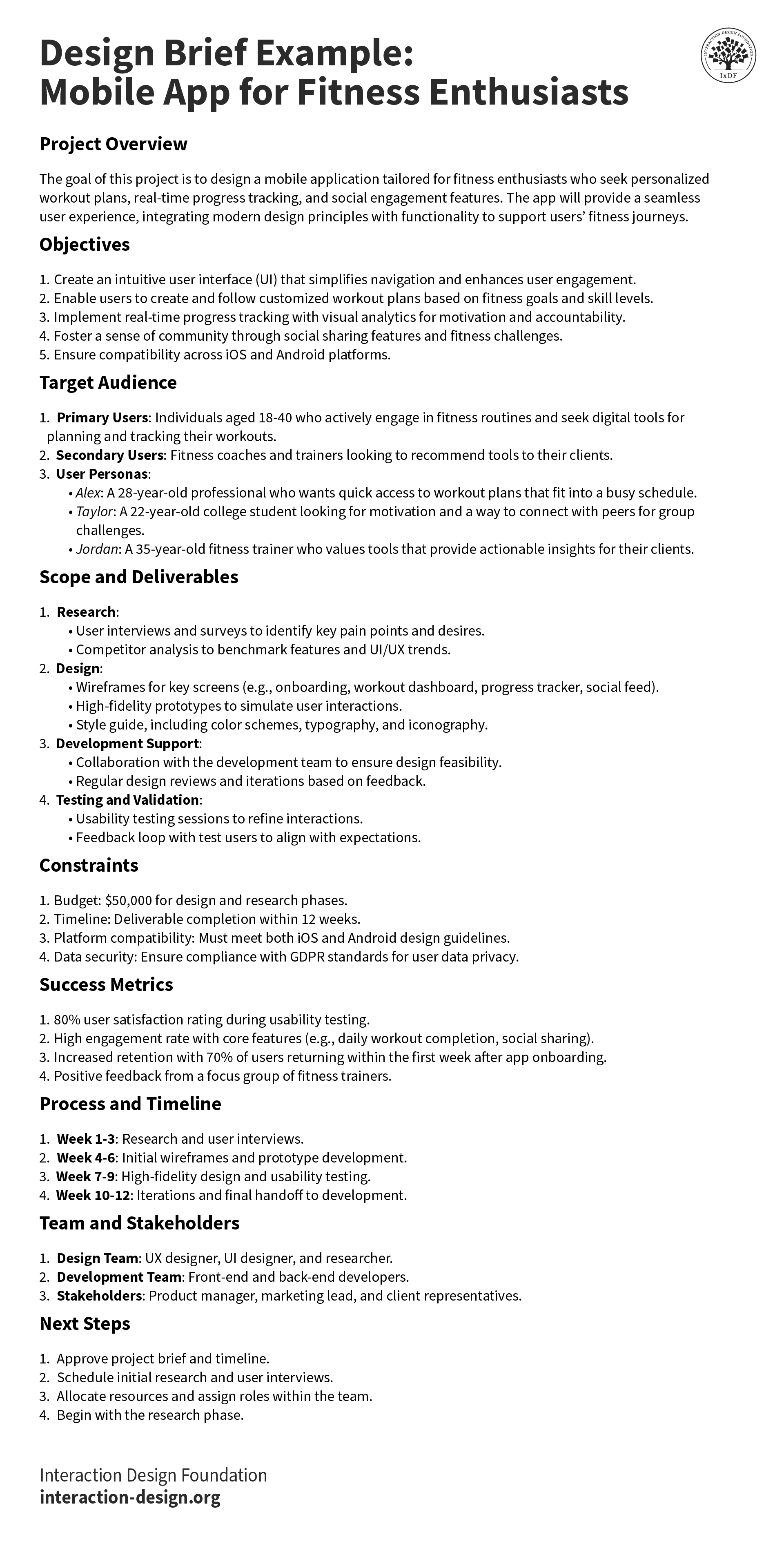
In user experience (UX), design briefs—also known as creative briefs—are comprehensive documents that outline a design project's objectives, target audience and constraints. Designers use them as roadmaps to understand user needs, pain points and business goals. They analyze briefs to create user personas, prototypes and more, to ensure the final product aligns with user expectations in successful digital products.
© Interaction Design Foundation, CC BY-SA 4.0
Why are UX Design Briefs Important?
Design briefs outline the scope, scale and core details of an upcoming design project; that applies to both UX design and user interface (UI) design. Briefs are powerful design tools since they guide the overall workflow—from conception to completion. They serve not just as a roadmap for designers but as a critical bridge between the client's aspirations and the designer's creativity also. This alignment ensures that every stroke of genius contributes to aesthetic appeal—plus, that it propels the project towards its strategic goals, from the earliest wireframes to the final deliverables.
Watch our video about wireframing to understand more about this design activity:
One particularly vital function of a UX or UI design brief is that it provides a detailed description of the project—and that includes context, background and measurable objectives. This helps all team members understand the client's brand and the project's intended impact. A brief starts with the rationale behind the need for a new digital interactive design like a website or mobile app. This details how the proposed product or service is going to benefit the target audience as well as advance the brand's voice within the competitive landscape.
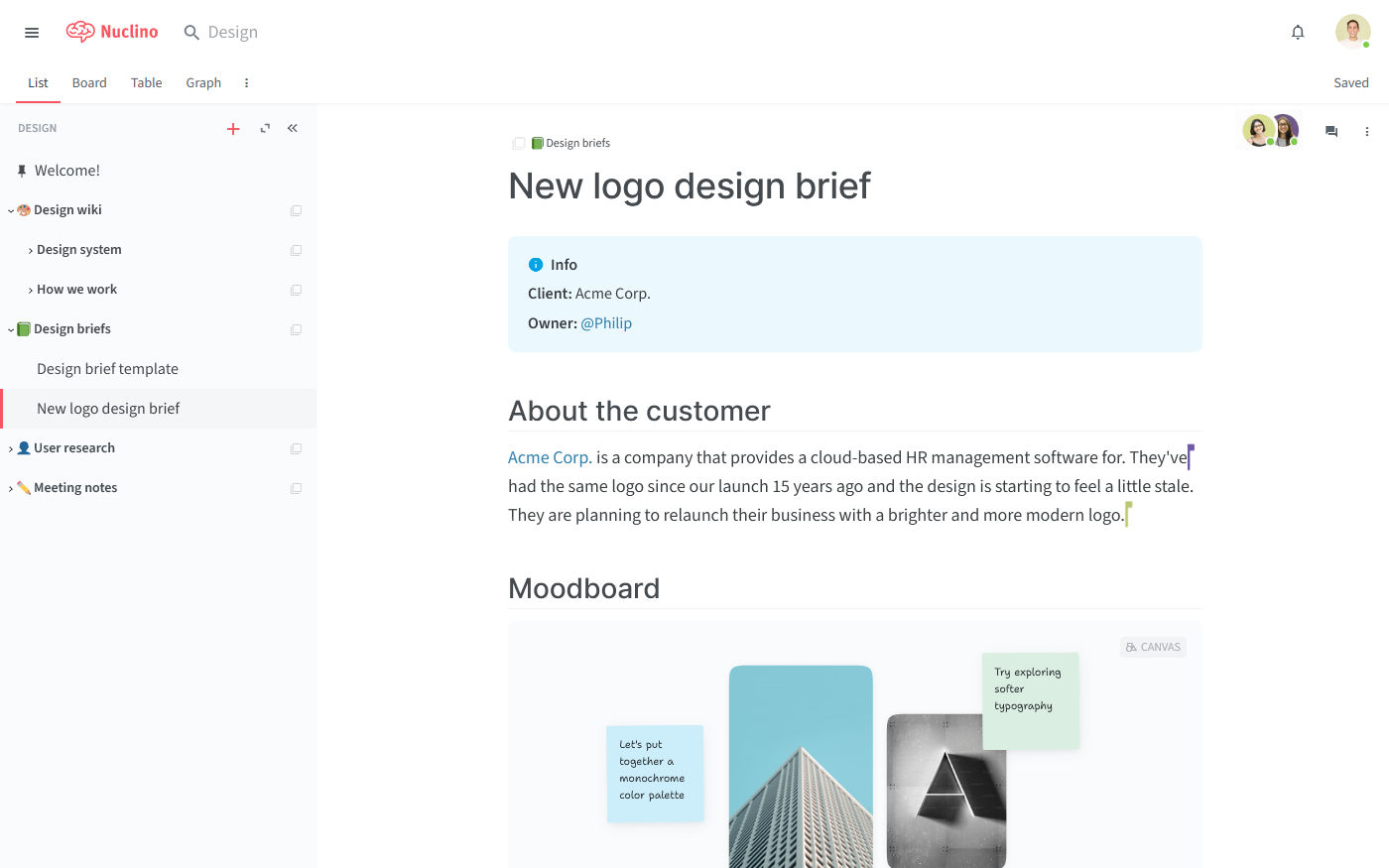
This is an example of a logo design brief, a core part of product or service branding.
© Nuclino, Fair Use
What are the Components of a Design Brief?
The effectiveness of a design brief lies in its components—which include these:
1. Brand and Project Overview
This section gives an overview of the client's business and the project. It offers as much context as it can to make sure everyone's on the same page.
2. Design Requirements and Deliverables
A brief specifies the needed design elements—such as layout, colors, images and fonts. This quality helps visual designers avoid multiple revisions and ensure the project goes in line with the client's expectations. For instance, a design brief may have typographical stipulations which a design team would need to follow for brand consistency.
Author, Designer and Educator, Mia Cinelli explains important design aspects about typography:
3. Target Audience
A good design brief reflects strong UX research about the target users. It’s a crucial point to understand the client's target audience—to make informed design decisions that resonate with these intended users. Brands and designers make use of user personas. These help shape their understanding of their users’ and customers’ expectations, needs, pain points and more.
Author and Human-Computer Interaction Expert, Professor Alan Dix explains the importance of personas in UX design:
4. Competitor Analysis
Design briefs can contain valuable insights about what competitors are already doing in the market—including aspects such as design successes and failures. These can serve as vital barometer readings for the market environment a brand proposes to launch its design solution into.
5. Design Goals and Objectives
Clearly defined goals and objectives help distinguish between the overall purpose of the project and the measurable steps to achieve success.
6. Budget and Timeline
It’s critical to outline the project budget and timeline—to manage client expectations and ensure the project remains on track with complete transparency.
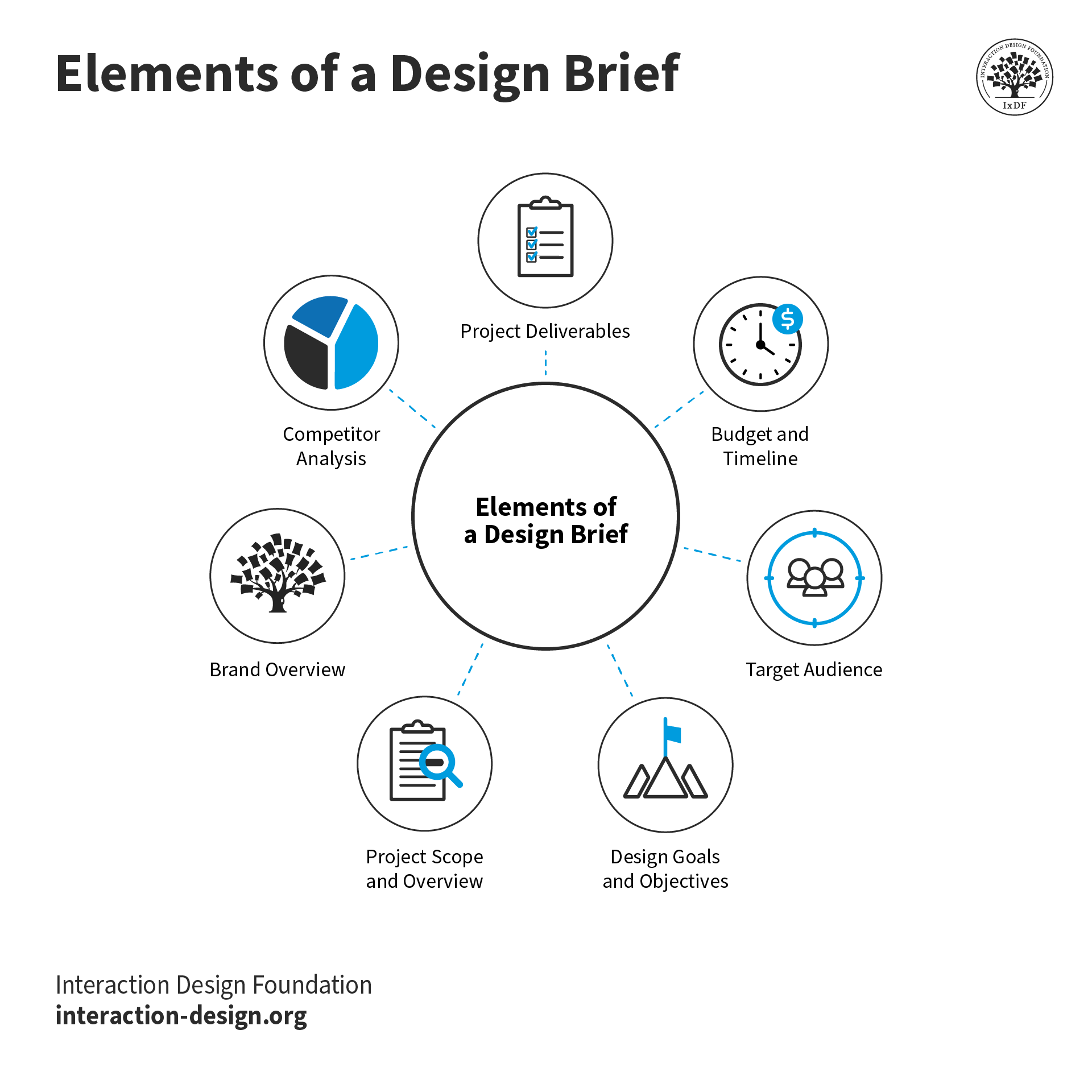
Elements of a design brief.
© Interaction Design Foundation, CC BY-SA 4.0
Who Creates a Design Brief and How?
Here's a breakdown of the key contributors to the creation of a design brief:
Client or project manager: The client or the project manager is usually the driving force behind the design brief. They provide essential information like the project goals, target audience, budget and timelines.
Key stakeholders: Input from key stakeholders—such as marketing teams, product managers and end users—is a vital ingredient to create a comprehensive design brief. Their insights help designers understand the specific needs and expectations that relate to the design project.
Design team: The design team—including UX/UI designers and other relevant professionals—also plays a role as far as shaping the design brief goes. Their expertise and understanding of design requirements contribute to the brief's overall content.
Design Director at Société Générale CIB, Morgane Peng explains important aspects of how some stakeholders may view design-related topics:
To write good design briefs, brands typically need to:
1. Understand the Purpose
Define the project: Clearly outline the scope of the project—that includes the deliverables and the problem the design should solve.
Establish objectives: Specify the goals and objectives the design should achieve. Among these could be to raise brand awareness, improve user experience or launch a new product.
2. Provide Background Information
Brand overview: Give a brief overview of the brand—as well as its values and its target audience.
Market analysis: Share insights about the market, competitors and any design assets that already exist.
3. Outline Design Specifications
Functional requirements: Specify any technical or functional requirements that the design needs to have.
Aesthetic guidelines: Communicate the desired look and feel—that includes any specific brand guidelines or design preferences.
Messaging and tone: Define the messaging and the tone that the design needs to convey.
Professor Alan Dix explains important aspects about design requirements:
4. Set Expectations
Timeline and budget: Clearly state the timeline for the project and the budget constraints—if any.
Revision and approval process: Outline the process for revisions and approvals so as to manage the expectations.
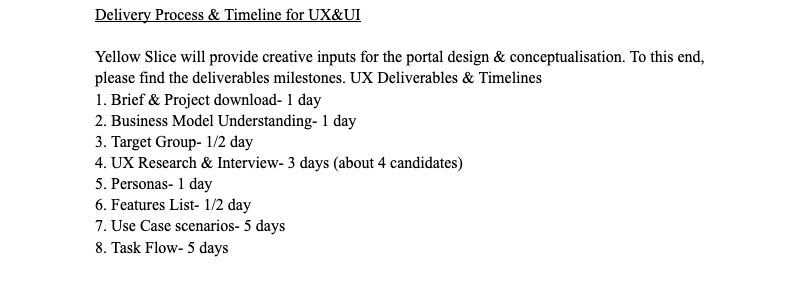
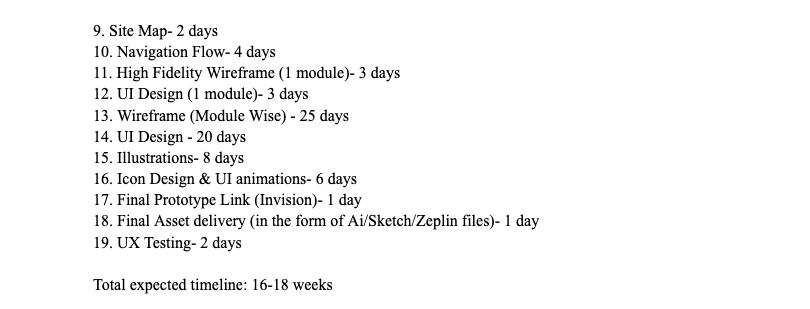
A realistic timeline is an asset for a good design brief.
© Priya Kavdia, Fair Use
5. Call to Action
Submission guidelines: Give instructions on how to submit proposals or portfolios—and these should be clear.
Contact information: Include contact details for when it comes to any inquiries or clarifications.
Brands and designers can also rely on design brief templates and software to help them. Here are some notable examples:
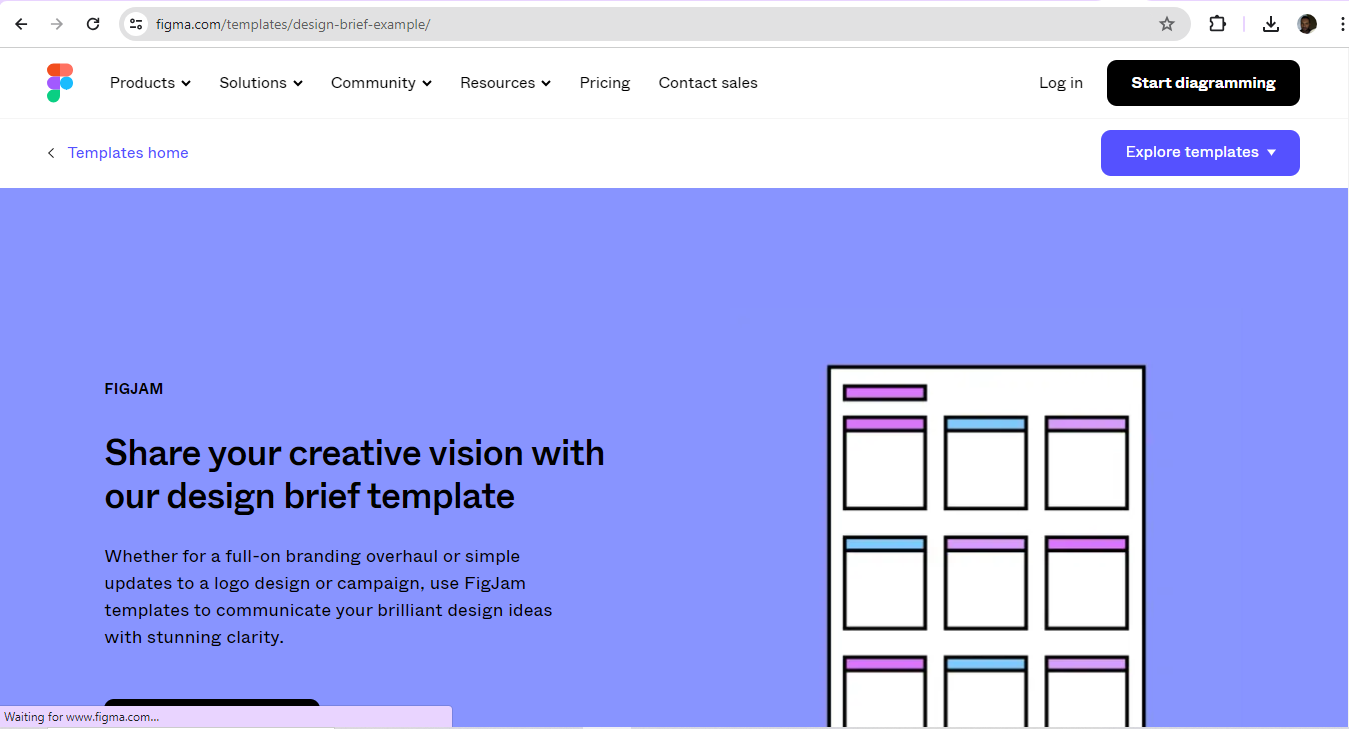
Figma: Figma’s FigJam template offers benefits such as how it helps communicate design ideas with great clarity.
© Figma, Fair Use
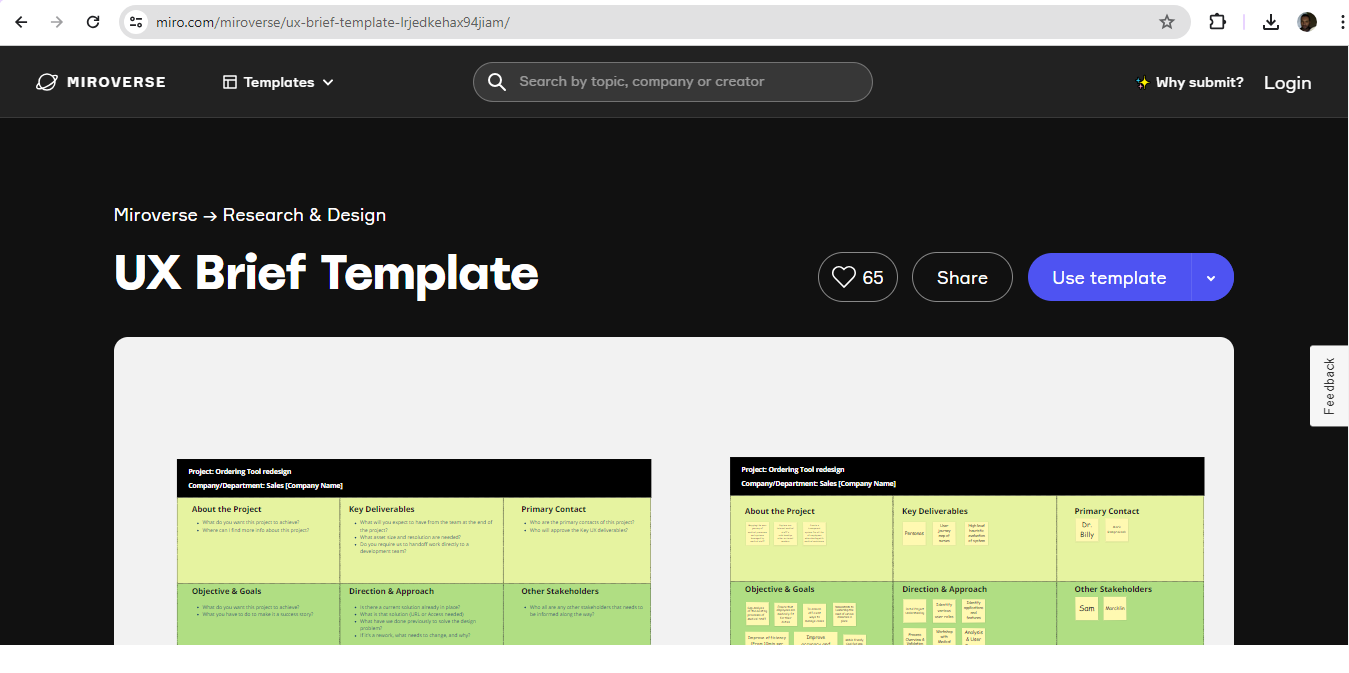
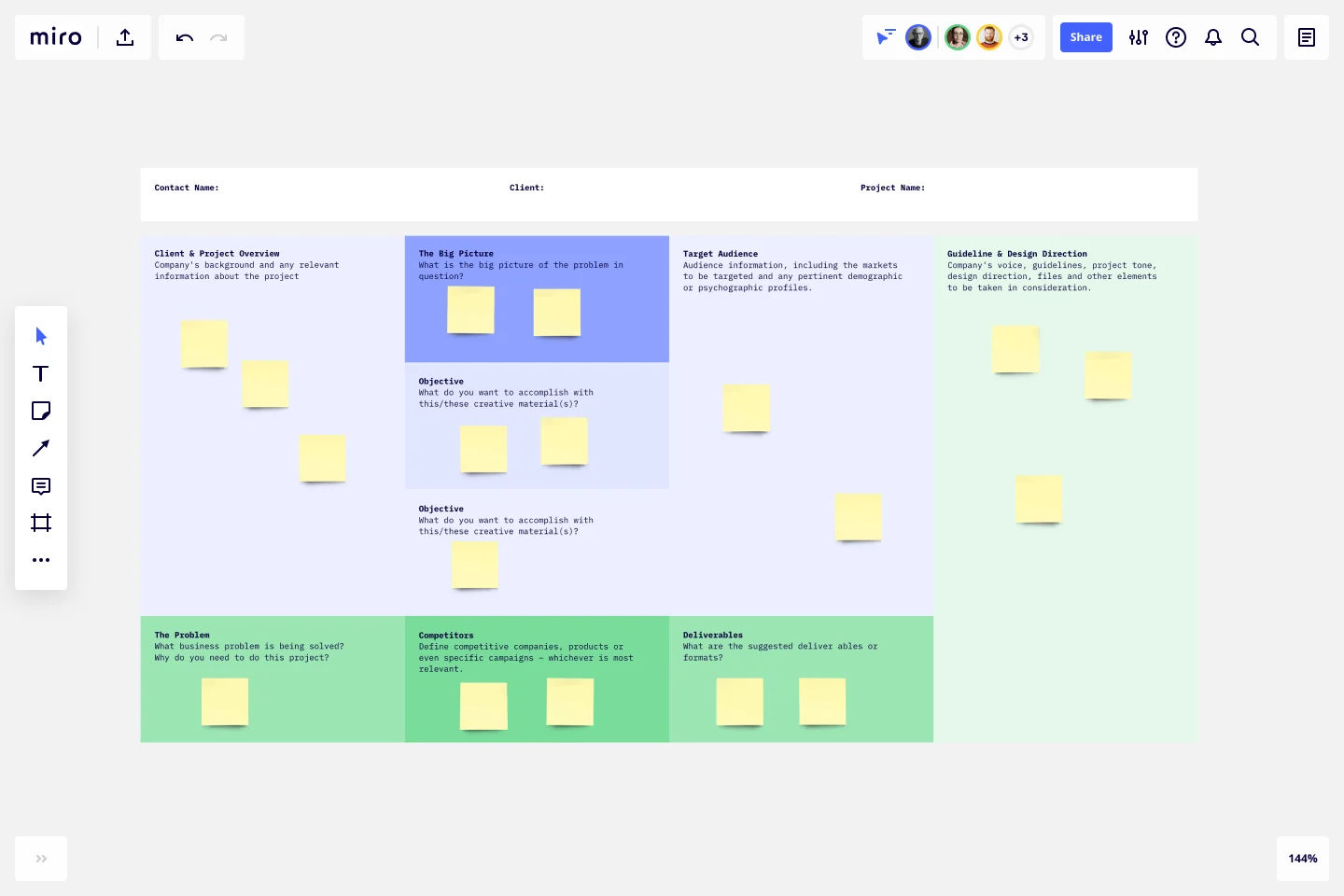
Miro: Miro’s Design Brief template is a handy tool for brands to help find their place in the industry’s competitive landscape.
© Miro, Fair Use
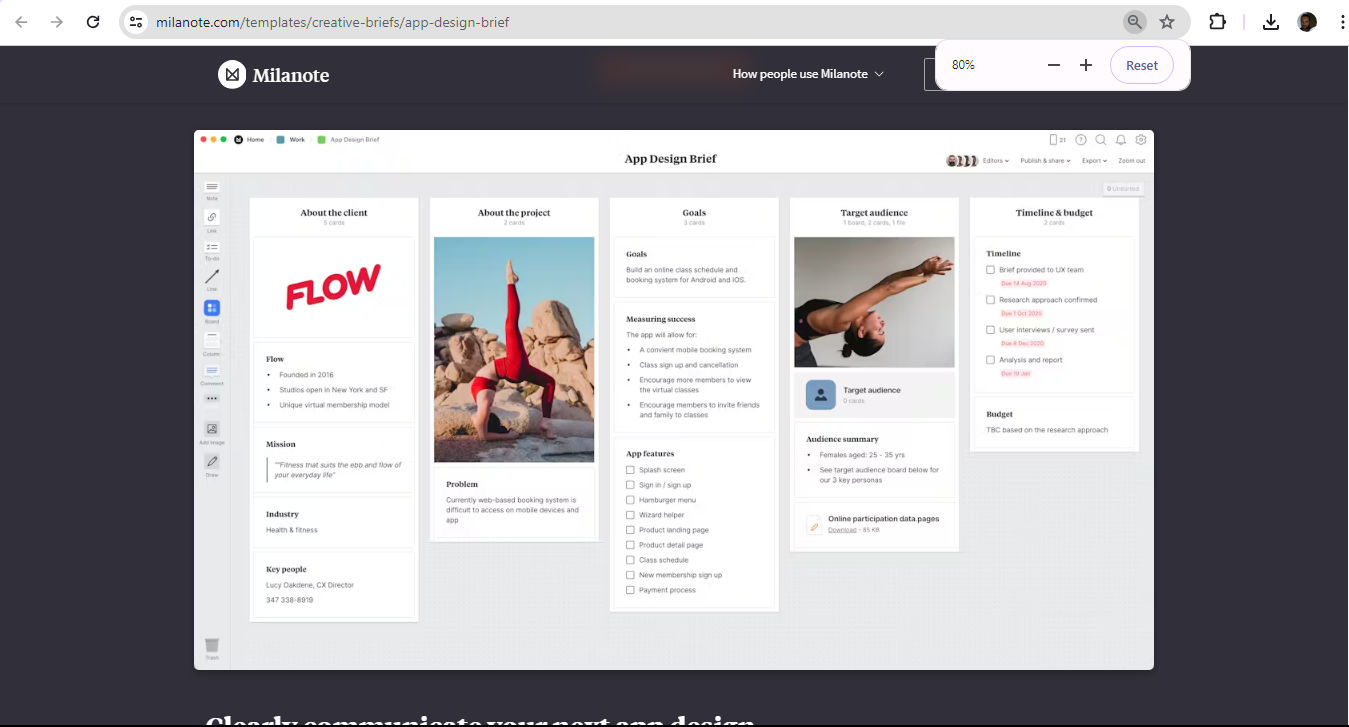
3. Milanote: Milanote’s design brief templates are available for web and app design to help brands set a course for successful websites and mobile apps.
© Milanote, Fair Use
What are the Benefits of UX Design Briefs?
Particularly notable benefits of UX design briefs are that they:
1. Align Stakeholders
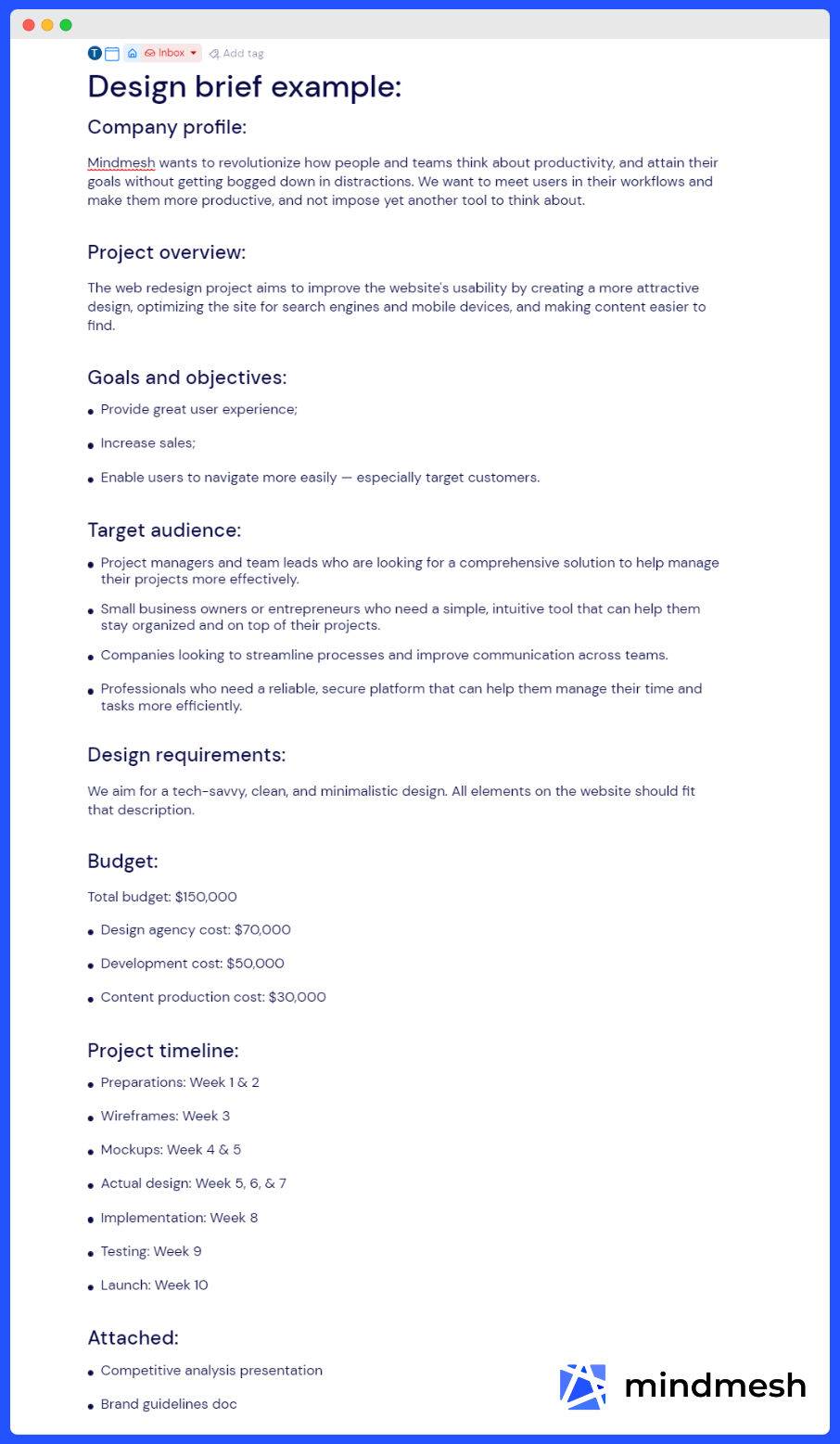
A design brief in UX design is a very important tool for aligning all stakeholders on the project's vision and objectives. It makes sure that everyone from the design team to the client understands the project scope, design requirements, as well as the desired outcomes. This, therefore, fosters a unified approach towards achieving the goals. From clearly stating the project's guidelines, challenges and goals, a design brief helps stakeholders have a mutual understanding—something that's essential for a project to succeed.
2. Streamline the Design Process
The design brief acts as a roadmap for UX designers—it provides them with the information they need to streamline the design process in an effective way. It includes detailed descriptions of the user interface concept, key features and user needs. These items help designers focus their efforts on critical aspects so they won’t waste resources on less important details. This structured approach doesn't just speed up the design process. It enhances efficiency, too, and ensures that the project adheres to the set timelines and budget constraints.
3. Avoid Miscommunication
Miscommunication can lead to project delays, increased costs and designs that don't meet the client’s expectations. A well-crafted design brief minimizes these risks. It gives a clear and concise document—one that outlines all critical project details. What's more, it serves as a reference point throughout the project; plus, it helps keep everyone on the same page and prevent misunderstandings. The design brief also includes a section on the project's scope and deliverables—which further helps to maintain clear communication between the design team and the client.
© Mindmesh, Fair Use
Best Practices for Designers to Use Design Briefs
Designers should consider these tips and best practices so they can make the most of UX and UI design briefs:
1. Collaborate with Clients
Effective collaboration between designers and clients is an absolutely vital part of the way to craft a successful UX design brief. It starts when a brand creates a structured roadmap that enhances communication and makes sure all the parties are on the same page from the beginning. Designers should invite clients to participate in the project—and actively so. That will foster a trusting relationship and give deeper insights into the brand and target audience. Regular meetings and clear communication channels are essential parts of the formula. They permit continuous feedback as well as adjustments to the design brief as the project evolves.
To help collaborate effectively, designers should be sure to adopt the following items:
Feedback mechanism: Establish a clear process for obtaining feedback and approvals throughout the project.
Iterative approach: Embrace an iterative approach; allow for multiple rounds of feedback and revisions to refine the design.
UX Designer and Author of Build Better Products and UX for Lean Startups, Laura Klein explains important aspects of iteration in this video:
2. Ensure Well-Defined, Clear Goals and Objectives
A well-defined UX design brief is clear about outlining its project's goals and objectives. Designers need to work closely with clients if they're to identify the primary objectives of the project. These could include to solve specific user problems or boost user engagement. These goals should be Specific, Measurable, Actionable, Relevant and Time-bound (SMART) to guide the design process effectively—and make sure that all stakeholders have a clear understanding of what success truly looks like. What's more, it's crucial to define the target audience and their needs—components that will directly influence the design decisions.
Designers need to understand the client’s brand and goals—and thoroughly so—before they embark on a fruitful relationship. So, they should:
Do all the comprehensive research they need to do: Conduct in-depth user research to understand the client's brand, target audience and landscape of the industry.
Get aligned with the client's objectives: Make sure that the design brief falls into line with the client's specific goals and objectives for the project at hand.
Prepare for usability testing: Be ready to engage in usability testing so they can validate the design's effectiveness and its user experience.
UX Strategist and Consultant, William Hudson explains critical points about user research in this video:
3. Regularly Review and Update the Brief
To keep the relevance and effectiveness of a UX design brief, some important things to do are to regularly review and update the document throughout the project lifecycle. This practice helps accommodate any changes in project scope, user requirements or market conditions.
Designers should schedule review sessions with all stakeholders—so they can make sure the brief stays aligned with the project's goals and to make necessary adjustments based on the feedback they get. This iterative process doesn't just keep the project on track. It also prevents miscommunications; plus, it ensures that the final product lines up with the client's expectations and user needs.
Special Considerations and Potential Risks of UX Design Briefs
1. Beware of Scope Creep
Scope creep is a common challenge in UX design projects. It happens when the project's scope expands beyond its original objectives; that could be due to various factors—like changes in user requirements, lack of communication between stakeholders or inadequate or poor planning. This expansion can have a large impact on the project's timeline and budget. Plus, it can increase complexity and make it difficult to finish the project.
So, to prevent scope creep, it's crucial for UX designers to involve all stakeholders in the planning process from the beginning and ensure clear communication happens throughout the project's lifecycle. Another key strategy is to manage scope creep so as to set realistic expectations for timelines and budgets. Another is to remain flexible to adapt to changes.
2. Know How to Manage Client Expectations
It’s vital to manage client expectations to make sure that the design brief leads to successful outcomes of projects. To do this, among things it takes are clear communication from the start—to set realistic timelines and budgets—and involving the client in the project’s strategic stages.
Regular check-ins and feedback sessions help keep the client informed and engaged—and minimize misunderstandings. What's more, to create detailed project proposals and have a thorough discovery meeting at the beginning can align both parties on the project's scope and keep scope creep from occurring. When designers maintain open lines of communication and document all discussions, they can manage their clients' expectations effectively and make sure that transparency is a reality throughout the project.
Author, Speaker and Leadership Coach, Todd Zaki Warfel explains how to effectively present design work to clients:
3. Ensure Accurate and Complete Information
Accurate and complete information in the design brief is a crucial ingredient to avoid misunderstandings and make sure that the project meets the client's needs and expectations. A well-crafted design brief should include detailed information about the project's goals, objectives, target audience, design requirements and any potential challenges.
It's impossible to understate that it’s vital for designers to have a clear understanding of these elements so they can create designs that align with the client's vision and the project's requirements. Regular updates and revisions of the design brief may be needed to reflect any changes or new information. What's more, they'll help ensure that the project stays on track and meets its objectives.
4. Remember Legal and Ethical Considerations
Copyright and permissions: Ensure that the design work complies with copyright laws—and that all necessary permissions are obtained for any third-party assets which the brand uses.
Ethical implications: Consider the ethical implications of the design—especially in sensitive or regulated industries such as medicine or banking.
Client errors in judgement: In some cases, clients may overlook vital aspects of design—like color and contrast aspects—or other important points about accessibility. It’s vital to notify them about the potential of realizing these misconceptions in designs that might fail or run into legal problems.
Watch our video to understand more about why accessibility is such an essential part of design:
Overall, design briefs are vital blueprints—and tools—that depend on communication, attention to detail and proactive mindsets. Only when UX and UI designers are on the same page as both the client and the users they serve can they produce design works that will exceed expectations. From there, designers can fine-tune truly impactful digital products or services.
© Miro, Fair Use