Design audits are evaluations of design elements, guidelines and assets to ensure consistency, quality and alignment with brand objectives. Designers and brands conduct design audits to assess visual identity, user experience and design processes. They review brand products, usability and design principles to identify strengths, weaknesses and areas for improvement.
In this video, William Hudson, User Experience Strategist and Founder of Syntagm Ltd, explains how heuristic evaluation supports design audits by using usability principles to assess consistency, effectiveness, and alignment.
How to Understand Design Audits
In user experience (UX) design, design audits serve as a thorough examination of a brand's visual and digital interfaces, such as websites and apps. Brands aim to ensure these line up with user expectations and industry standards. Design audits scrutinize every detail—from usability to aesthetics—against benchmarks like user research, competitor insights and best practices.
The ultimate goal is to bolster user experience and company objectives by highlighting and addressing any design shortcomings. These audits are a vital way to spot areas of friction, boost the brand presence and drive conversions for a product or service. They’re also essential for brands who aim to refine their digital footprint with attention to clear findings and insightful metrics.
When do Brands Conduct Design Audits?
Brands might consider a design audit when they encounter:
Declining user engagement.
User experience pain points.
Outdated branding.
Inconsistencies in content and visual identity.
Poor website performance.
Low conversion rates.
High bounce rates.
Negative user feedback.
These indicators suggest that the digital product may not be effectively meeting user needs or aligning with business goals.
What are the Key Components of a Design Audit?
Auditors scrutinize a wide range of elements—from user interface design to backend functionality—to ensure that a product not only looks appealing but functions efficiently and meets the users’ needs as well. These auditors can be in-house design teams or design leads. Alternatively, a brand may turn to external design agencies or consultants, or independent design auditors. Here are the key parts of a design audit or design audit checklist:
1. Overall Identity Assessment
Auditors review the brand’s visual representation—including logos, color schemes and typography—to ensure these are consistent and align with brand values.
2. User Flow Analysis
Auditors take a close look at the steps users take to complete actions. They identify any obstacles that could hinder the user or customer experience or impact how users feel. For example, a website design audit might find problems with how brands lead users to calls to action.
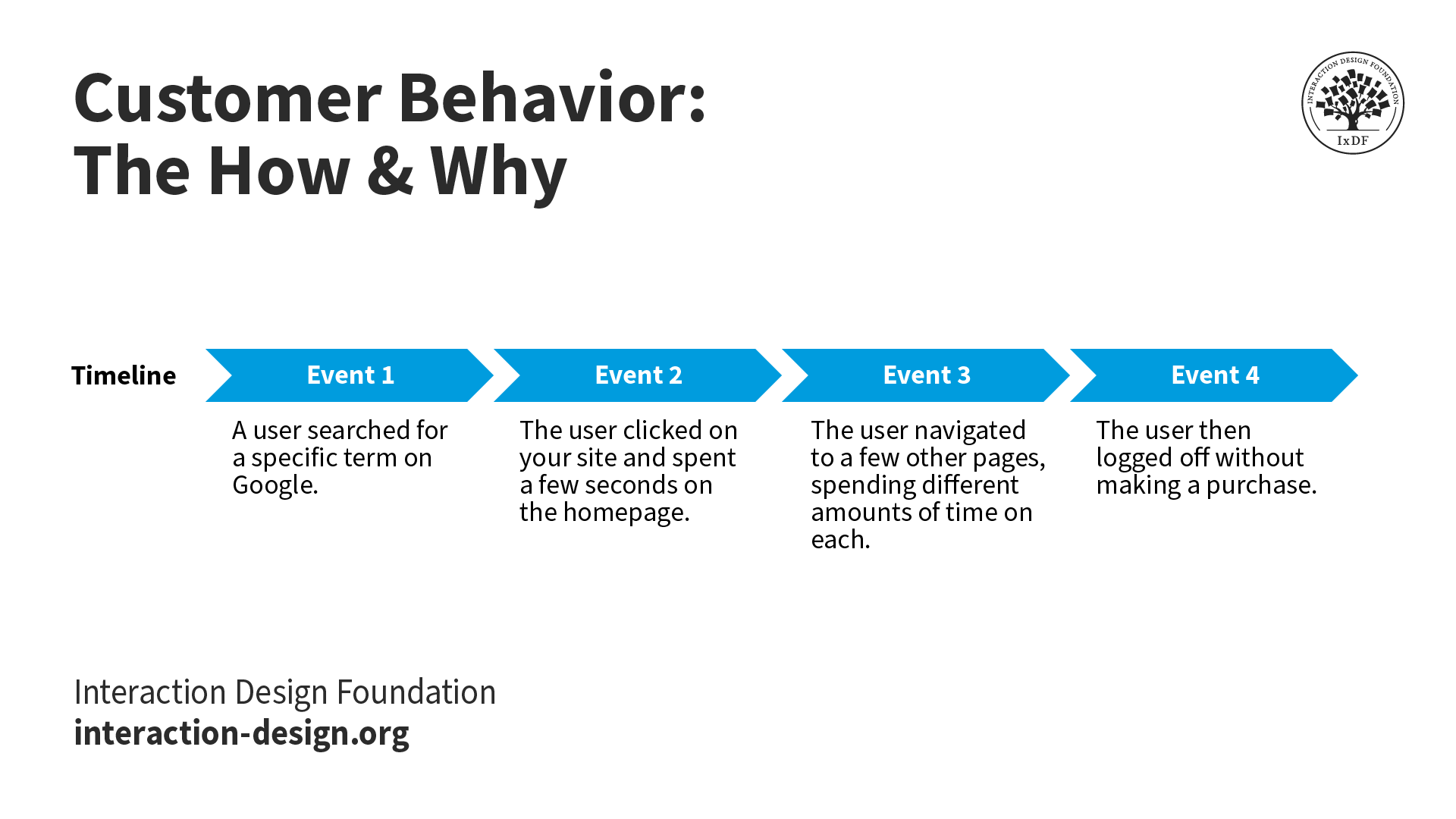
Auditors track the steps users take in their experience with a brand in a digital product.
© Interaction Design Foundation, CC BY-SA 4.0
3. Visual Design Assessment
This includes a detailed review of the aesthetic aspects of a product—like layout, color usage and imagery. For a product team who wants clear, unbiased answers about their user interface (UI) design, an audit can provide a much-needed fresh perspective to boost user engagement.
4. Information Architecture Evaluation
Auditors analyze how designers have organized and presented information on a platform to ensure it's logical and easily navigable.
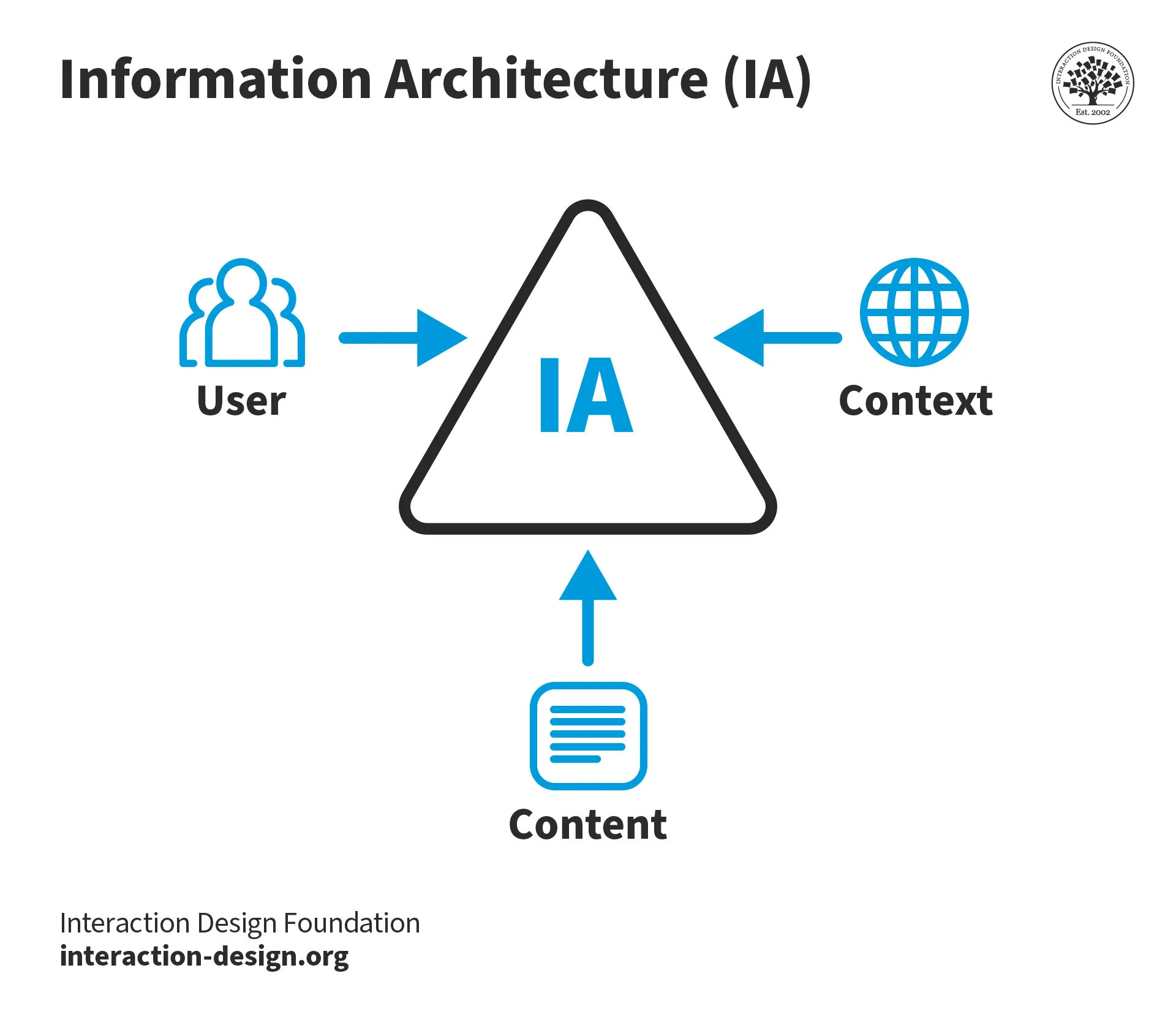
© Interaction Design Foundation, CC BY-SA 4.0
5. Heuristic Evaluation
Experts review the product to identify usability issues based on established usability principles.
6. Usability Testing
Auditors conduct direct user testing to observe how actual users interact with the product and where they face challenges.
Watch as UX Strategist and Consultant, William Hudson explains important aspects of usability testing in this video:
7. Performance Evaluation
Auditors assess the speed and responsiveness of the application across different devices and networks.
8. Accessibility Evaluation
Auditors ensure the product is usable for people with a wide range of disabilities—to enhance overall usability.
See why accessibility is such a vital part of design:
What does the Audit Process Involve?
The design audit process typically follows these steps, where auditors:
1. Define Goals
Establish clear objectives for what the audit aims to achieve.
2. Gather Data
Collect all relevant materials, including branding guidelines, user feedback and analytics.
3. Analyze Materials
Thoroughly review the gathered information to identify inconsistencies and areas for improvement.
4. Make Reports
Document the findings, highlight key issues and recommend changes.
5. Implement Changes
Apply the suggested improvements to enhance the product's design and user experience.
What are the Benefits of Design Audits?
When brands systematically evaluate all aspects of design, they can ensure that their digital interfaces don't just meet but exceed user expectations and industry standards. More specifically, when they conduct these audits, brands can:
1. Identify and Resolve Usability Issues
Through thorough assessments, design audits pinpoint usability challenges that users may run into. This prompts designers to create more intuitive and user-friendly interfaces. The proactive approach of an audit prevents potential frustrations and enhances the overall user experience. It can provide a deep-dive into how brand designers work and pick out a wealth of insights that UX researchers would recognize as vital issues. These could include important factors that influence bounce rate, for example.
2. Improve Visual Design and Branding
Design audits assess the visual coherence of a brand across its digital platforms. For example, auditors evaluate color schemes, typography and imagery to make sure they align with the brand’s identity. So, design audits can strengthen brand recognition and consistency—plus, align business objectives—while they work to improve the user experience.

Airbnb also uses typography advantageously. Their minimalistic fonts and lines are visually appealing and easy to read.
© Airbnb, Fair Use
3. Enhance Content Quality and Relevance
Audits review the relevance and clarity of the content that digital platforms present. This ensures that the information isn't only useful and informative but also engaging for the target audience. A successful audit, therefore, increases the value of the content a brand provides to its users. For example, an audit might expose nonessential information in an onboarding process, which might deter would-be customers from converting.
4. Optimize Interaction Design
The focus of interaction design is to create engaging interfaces that respond to user interactions. Audits help refine these elements. They ensure smooth and enjoyable interactions that keep users engaged and satisfied. For example, an entry on a website design audit checklist might show an e-commerce site struggling with user engagement since users have to scroll through numerous categories. A suggestion might be to place categories side by side—to help users with navigation and increase the average time they spend as they stay to find items they want more easily.
5. Ensure Accessibility
Like accessibility audits, a key aspect of design audits is to ensure that digital products are accessible to all users; that includes those with disabilities. This not only broadens the user base—since accessible design is good for all users, regardless of their ability level. It also complies with legal standards, and promotes inclusivity.
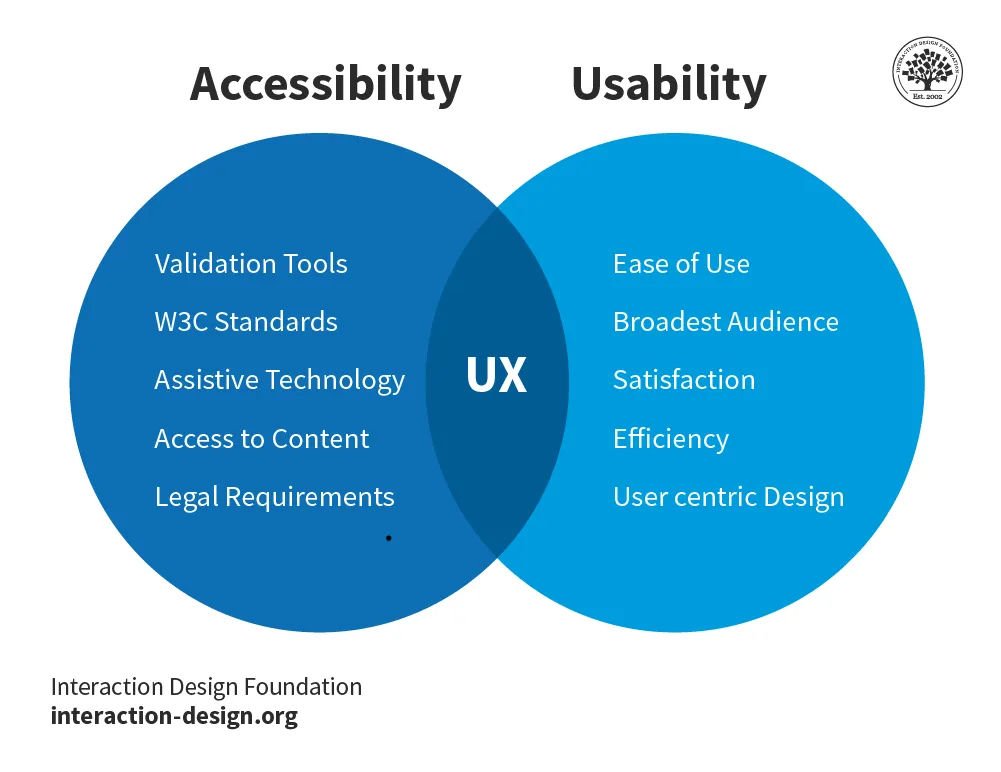
UX is where these two areas meet.
© Interaction Design Foundation, CC BY-SA 4.0
6. Improve Performance
Audits assess the performance of digital products to ensure they're fast and responsive across all devices and platforms. This is crucial to keep users satisified and reduce bounce rates. A website design audit example could be a brand’s failure to implement responsive design correctly, so the experience on mobile devices is inconsistent and feels disjointed.
Watch as CEO of Experience Dynamics, Frank Spillers explains responsive design:
7. Identify and Fix Broken Links
As auditors find and prompt brands to repair broken links, design audits enhance the reliability of digital platforms. So, users can navigate smoothly and not encounter dead ends.
8. Maintain Design System Consistency
Consistency in design elements across all platforms makes sure of a cohesive user experience. Audits help maintain this consistency, something which is vital for brand identity and user trust. For example, a web design audit might expose disconnects in how a brand’s checkout appears between desktop and mobile devices.
9. Ensure Legal Compliance
Audits ensure that digital products comply with all relevant laws and regulations. They reduce legal risks—and so can potentially save brands from losing money and prestige. Another benefit of this is that audits foster trust among users.
10. Stay Ahead of the Competition
Regular design audits let brands stay current with the latest design trends and technologies, and give them a competitive edge in the market.
11. Reduce Development Costs
As brands identify and address issues early through regular audits, they can avoid costly redesigns and redevelopments later—a factor that saves both time and money.
12. Provide Insights into User Behavior and Needs
Last—but not least—design audits offer valuable insights into how users interact with a product. The insights from a brand design audit can inform future design decisions and feature implementations about user experience goals.
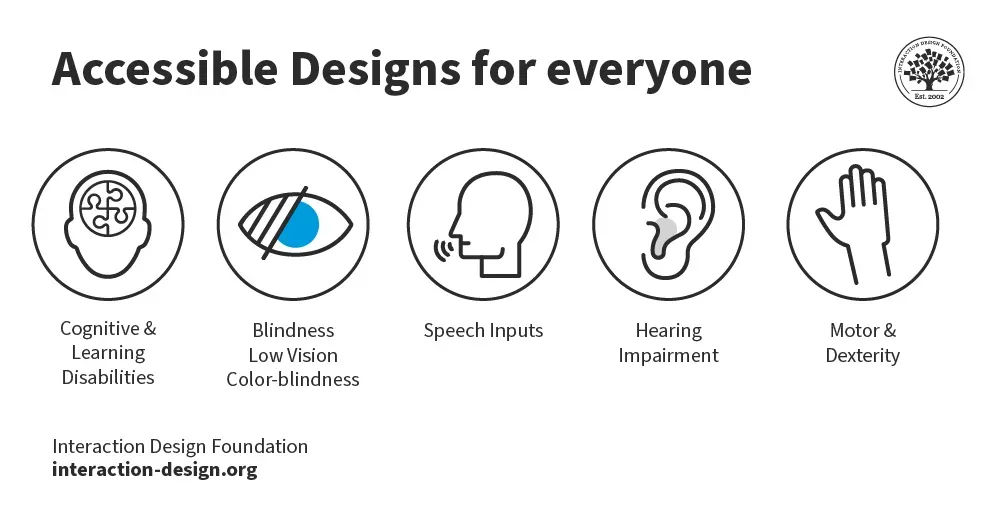
The best designs anticipate all users’ needs.
© Interaction Design Foundation, CC BY-SA 4.0
How to Conduct a Design Audit
When a brand decides to run a design audit, they follow some design audit procedures. Here are some steps to help ensure it is comprehensive and yields actionable insights.
1. Define Clear Audit Goals
First, it’s important to establish the aim of the audit. Goals may include to enhance user experience, boost conversion rates or align the design more closely with brand objectives.
2. Gather User Data
Use tools like Google Analytics for quantitative data and Hotjar for qualitative insights to understand user behaviors and trends. Data could include the following:
User feedback
Heatmaps
Click tracking data
Interaction data
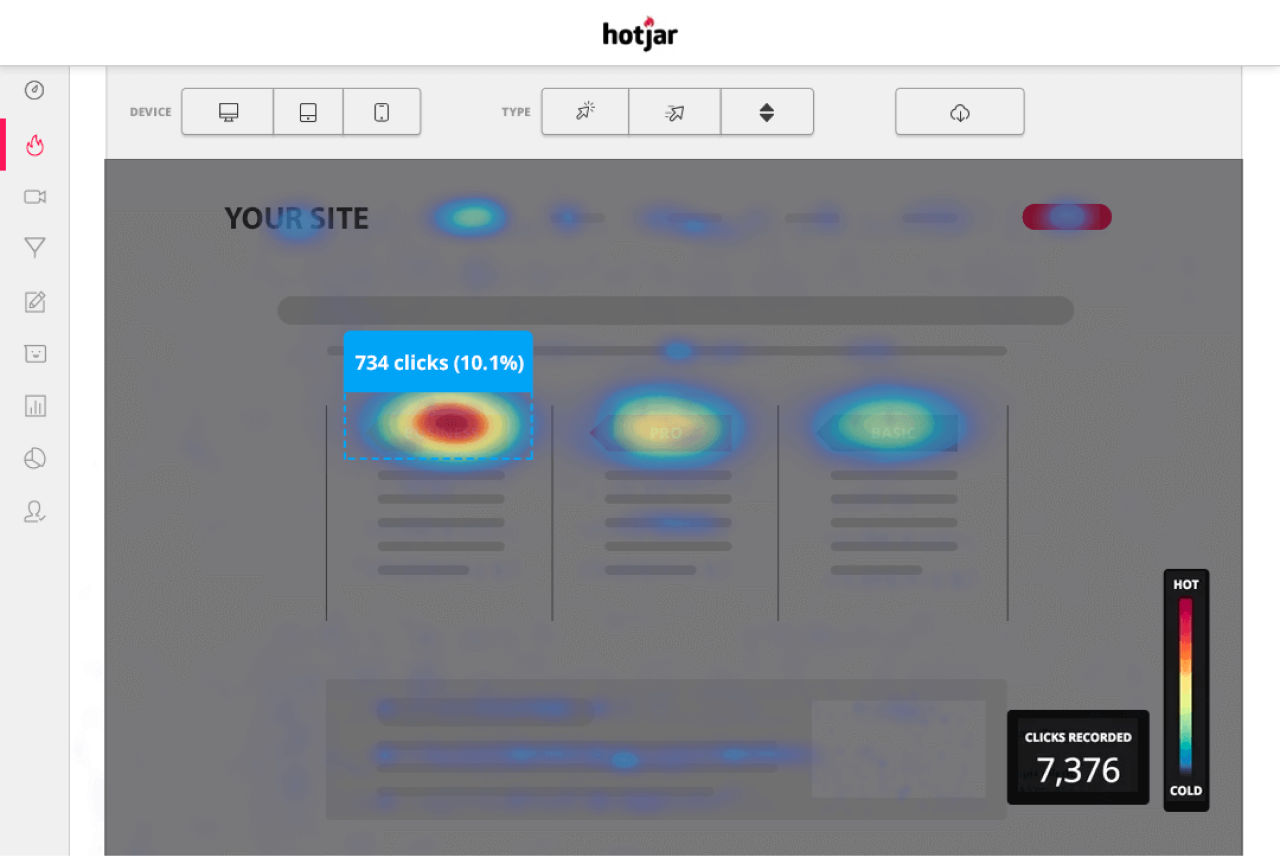
A Hotjar heatmap.
© Brillmark.com, Fair Use
3. Create User Personas and Map Customer Journeys
This helps to visualize the target audience’s needs and the paths they take within the product—crucial to identify friction points.
Watch as Author and Human-Computer Interaction Expert, Professor Alan Dix explains user personas:
4. Conduct Heuristic Analysis and Usability Testing
Conduct heuristic evaluations and usability tests to see what the intuitive nature of the design is like and spot usability issues.
5. Analyze Conversion and Web/App Data
It’s essential to examine conversion metrics and specific app or website usage data; that's a key way to pinpoint areas for improvement.
6. Interview Users and Review Feedback
Direct feedback from users is invaluable. So, conduct interviews and watch recordings of user sessions to collect insights from their side of things.
7. Identify and Prioritize Issues
Document all design issues that crop up and rank them based on their impact on user experience and business goals.
8. Develop Hypotheses for UX Improvements
Based on the issues identified, create actionable hypotheses to address these problems.
9. Prepare a Detailed UX Audit Report
Document all findings and recommendations in a comprehensive report. It's vital to include links to important data and evidence that supports conclusions. The design audit report will need to serve as an actionable document for design and product teams to address issues.
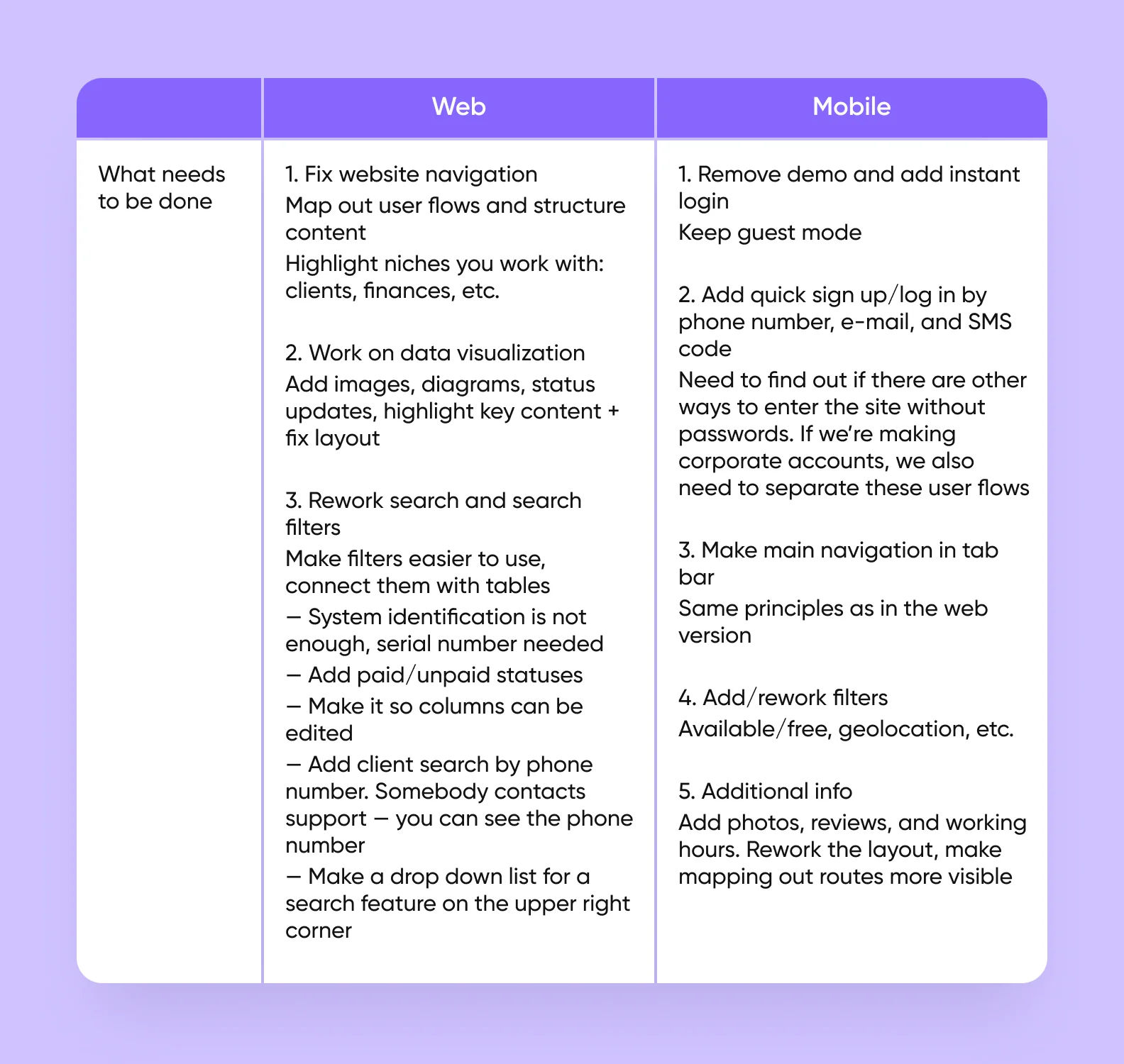
This report has detailed remedies for both web and mobile.
© Kristina Spiridonova, Fair Use
What Tools and Software are Helpful for a Design Audit?
Here are some popular and useful tools for design or UX audits—in no particular order:
1. Hotjar
Use Hotjar’s interactive heat maps to see how users click, scroll and move on a website.
2. Mixpanel
Auditors can use Mixpanel to see what actions users take on a website or app—giving insights into, for example, how many users clicked a button.
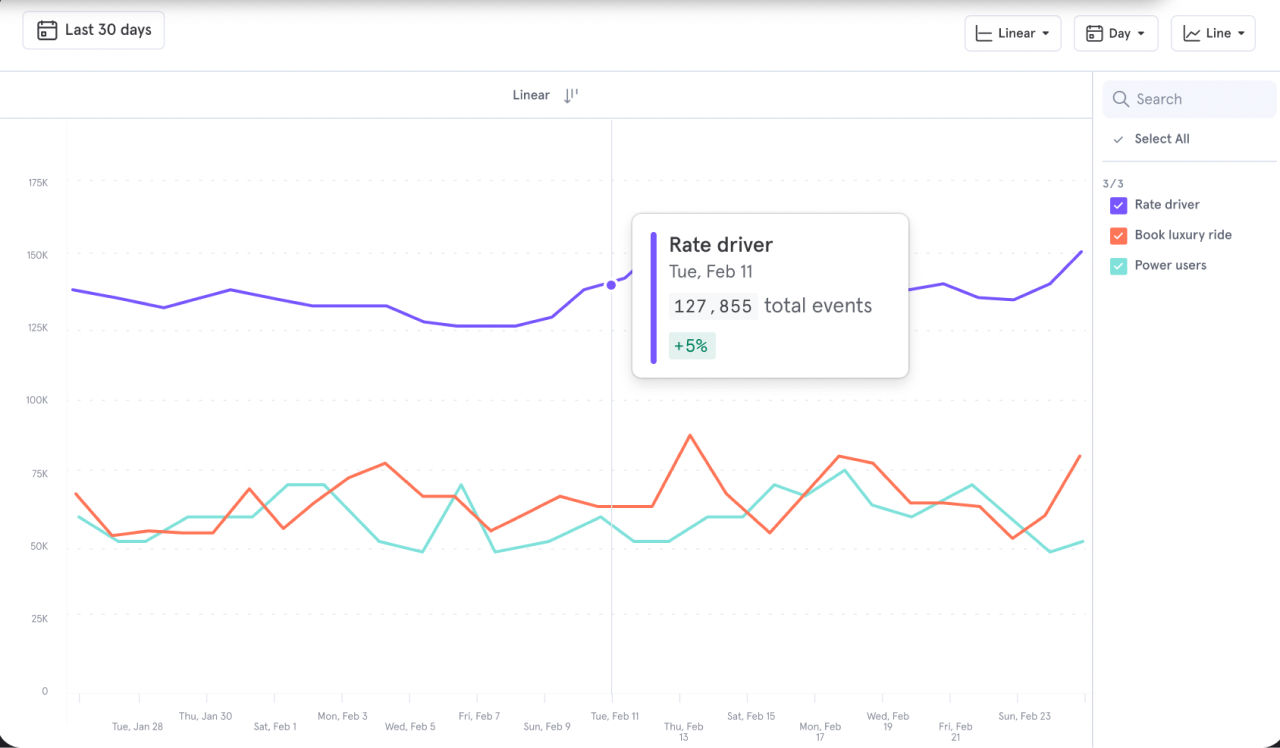
© Kateryna Mayka, Fair Use
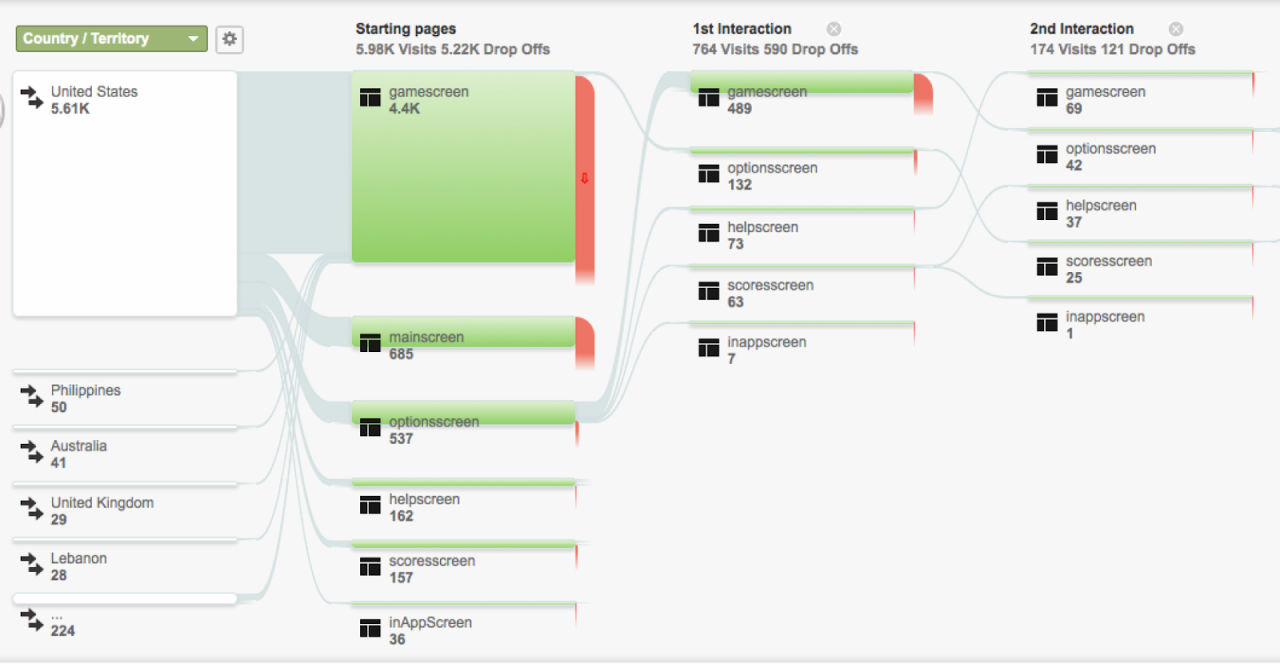
3. Google Analytics
Google Analytics gives insights into user behavior such as page visits and common user flows, as just a few items of potential concern for an audit.
© Kateryna Mayka, Fair Use
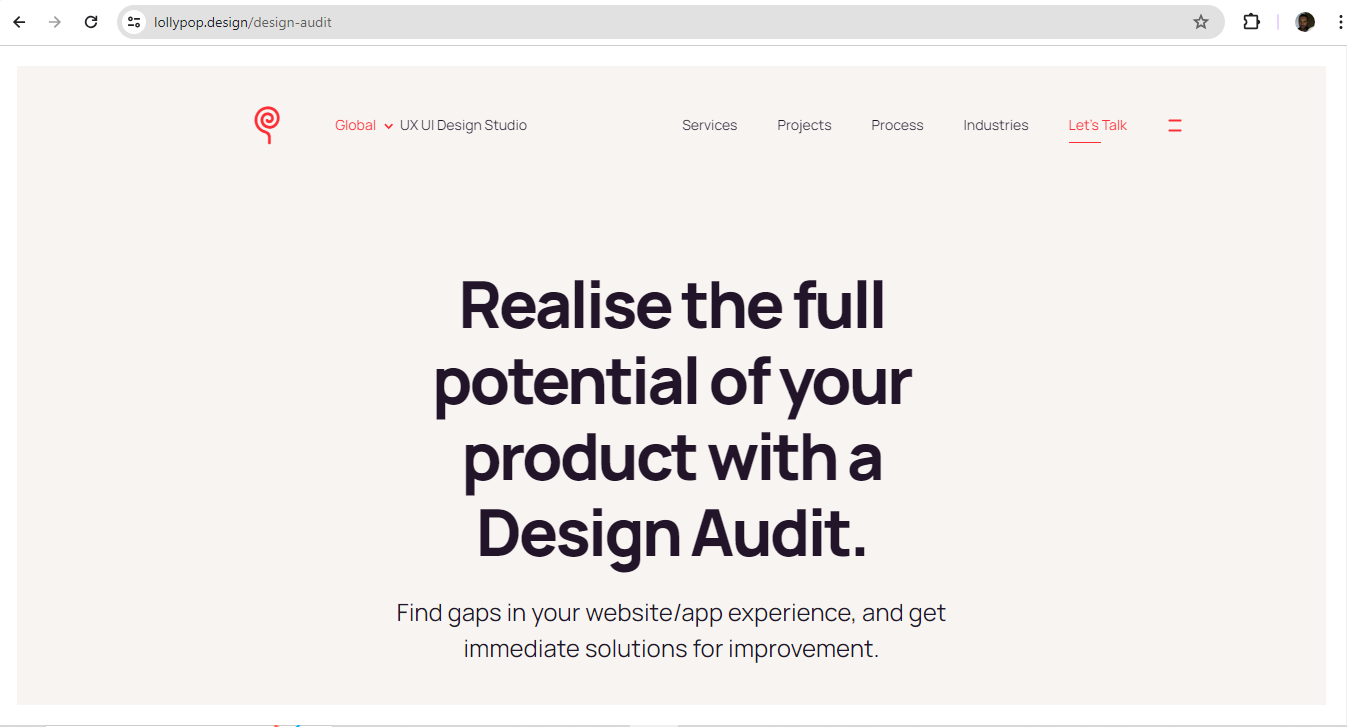
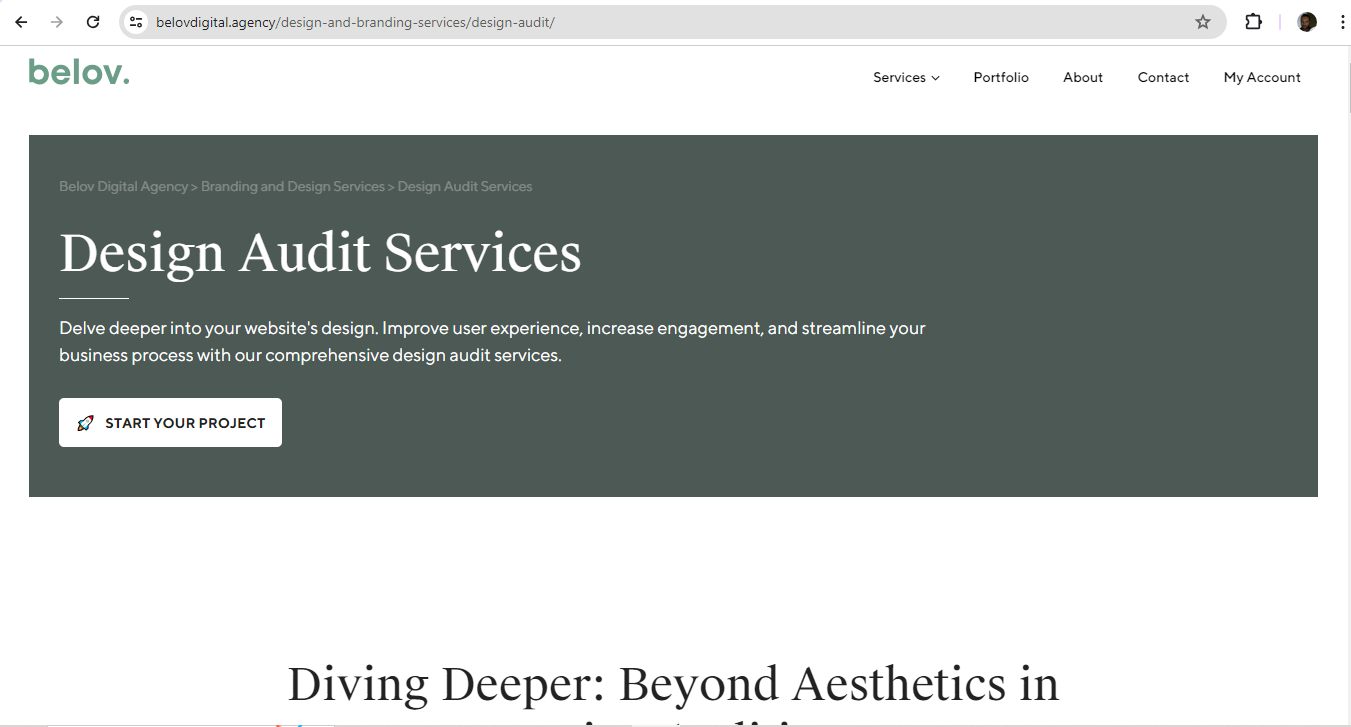
Brands may also turn to design audit services such as,
Lollypop Design offers extensive auditing and objective analysis to thoroughly cover UX design concerns and much more.
© Lollypop Design, Fair Use
Belov offers comprehensive analysis, collaboration made easy and expert insights—serving UI and UX design, graphic design and much more.
© Belov Digital Agency, Inc. Fair Use
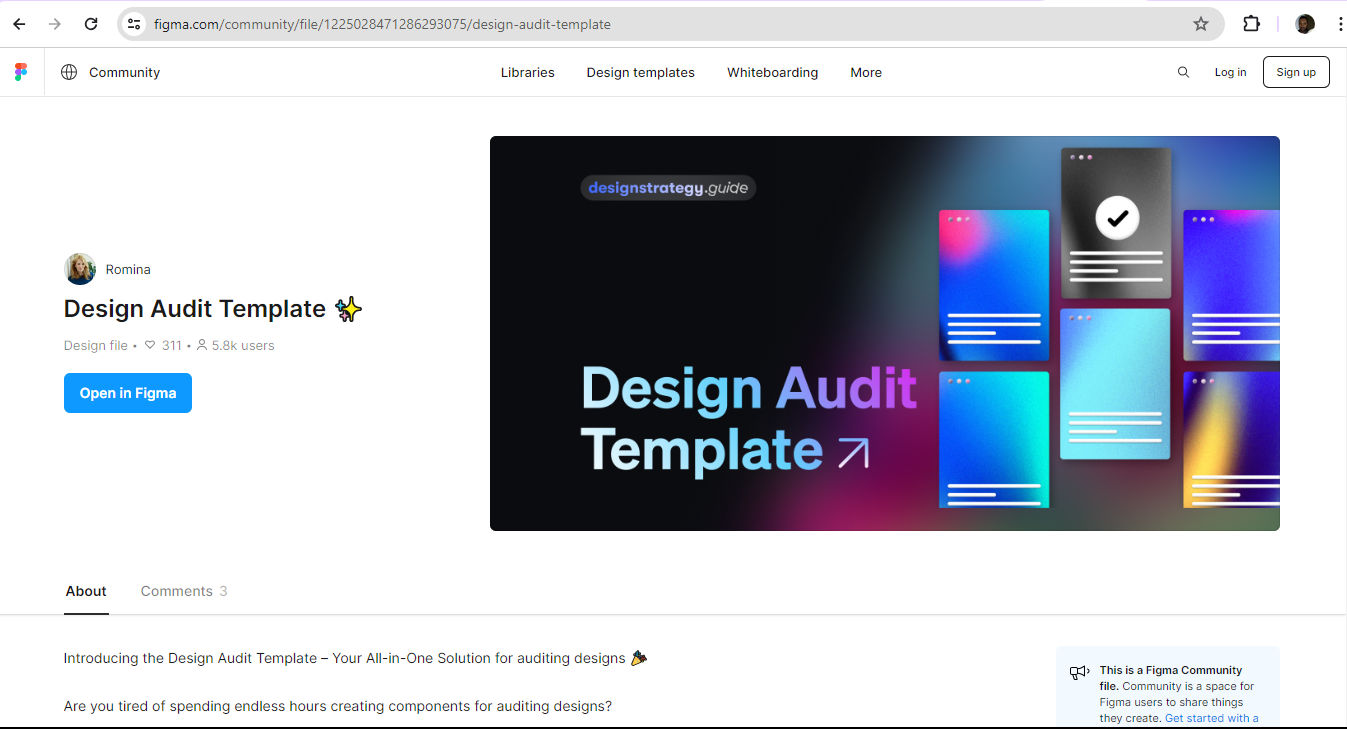
Also, brands might use a UX design audit template for help conducting a UX audit, such as this one available in Figma:
© Romina Kavcic, Fair Use
How to Implement Audit Findings
Once the audit is complete, the next crucial phase is the implementation of the findings. This involves several key actions to start fixing items on the UX design audit checklist:
1. Create a Detailed Implementation Plan
Outline the steps, timelines and resources needed to address the audit findings.
2. Set Realistic Expectations
Understand the scope of changes and set achievable deadlines and budgets.
3. Use the Right Tools
Employ project management tools like Trello or Asana to keep track of progress and ensure that all team members are aligned.
4. Update Design Standards
From out of the audit findings, it’s vital to update design standards—including typography guidelines, color palettes and navigation structures.
5. Refresh Branding and Improve Positioning
Implement changes that refresh outdated branding and improve search engine positioning to drive more traffic and enhance user engagement.
6. Conduct Follow-Up Audits
Regularly revisit the design to make sure that the implementations have had the desired effect and to make further adjustments as needed.
The key is meticulous planning, thorough analysis and diligent implementation of audit findings.
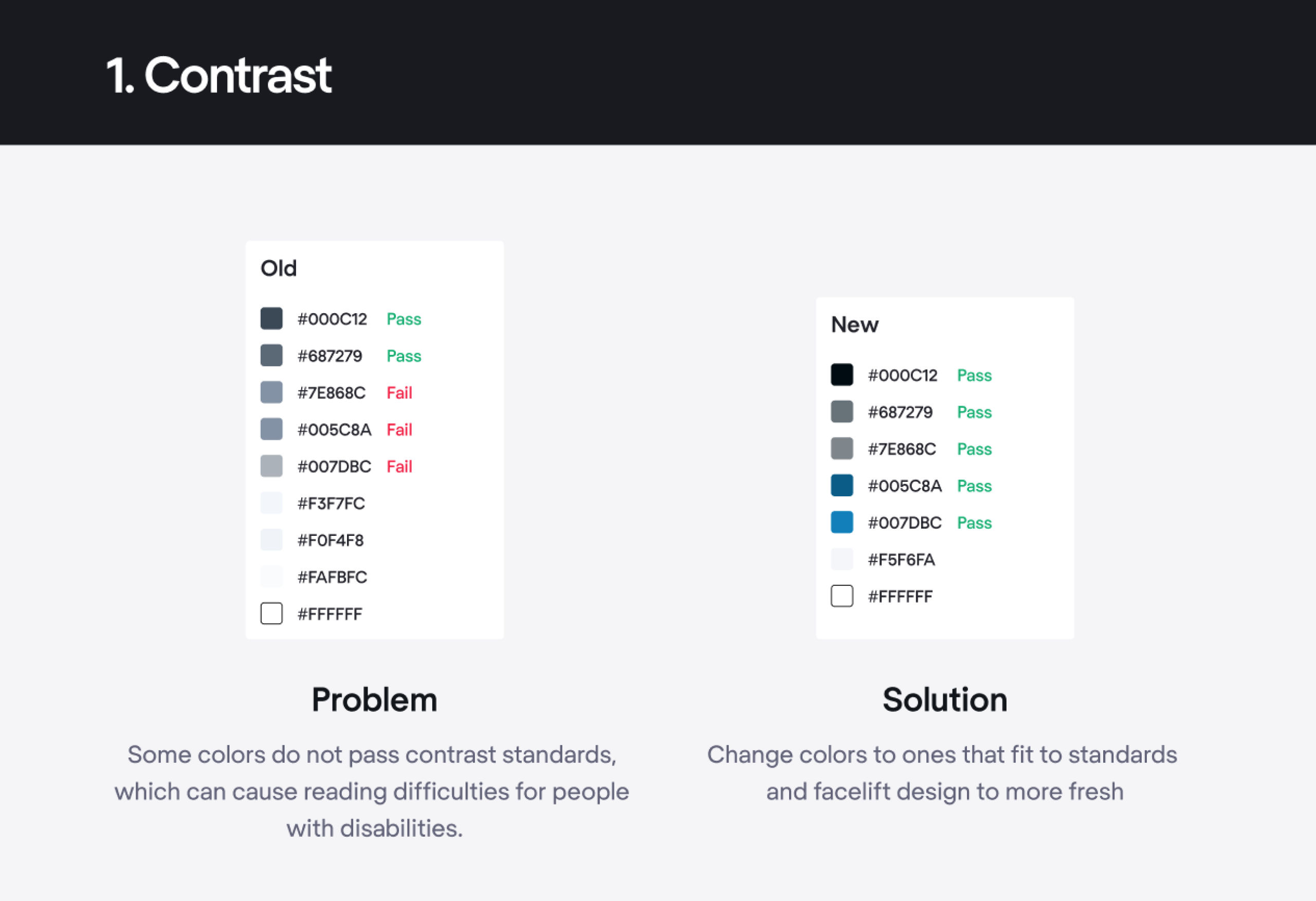
An example of audit findings: a problem with a solution.
© Lilia Gurova, Fair Use
Best Practices to Conduct Design Audits
To ensure the effectiveness of a design audit, it's crucial to:
Document every aspect of the current design state.
Use the right tools—such as heatmaps and analytics software—to gather detailed insights.
Set realistic expectations about what the audit can achieve based on available resources and timelines.
Review any previous reports to check for recurring issues and to see if the brand implemented previous recommendations effectively.
Understand the resources available for the audit. These include budget, tools and personnel. It’s essential to define the deliverables, deadlines and stakeholders involved in the audit process.
Once the audit is underway, it’s vital to document all findings systematically. Prioritize the issues based on their impact on user experience and business goals. This helps in planning the implementation of changes efficiently.
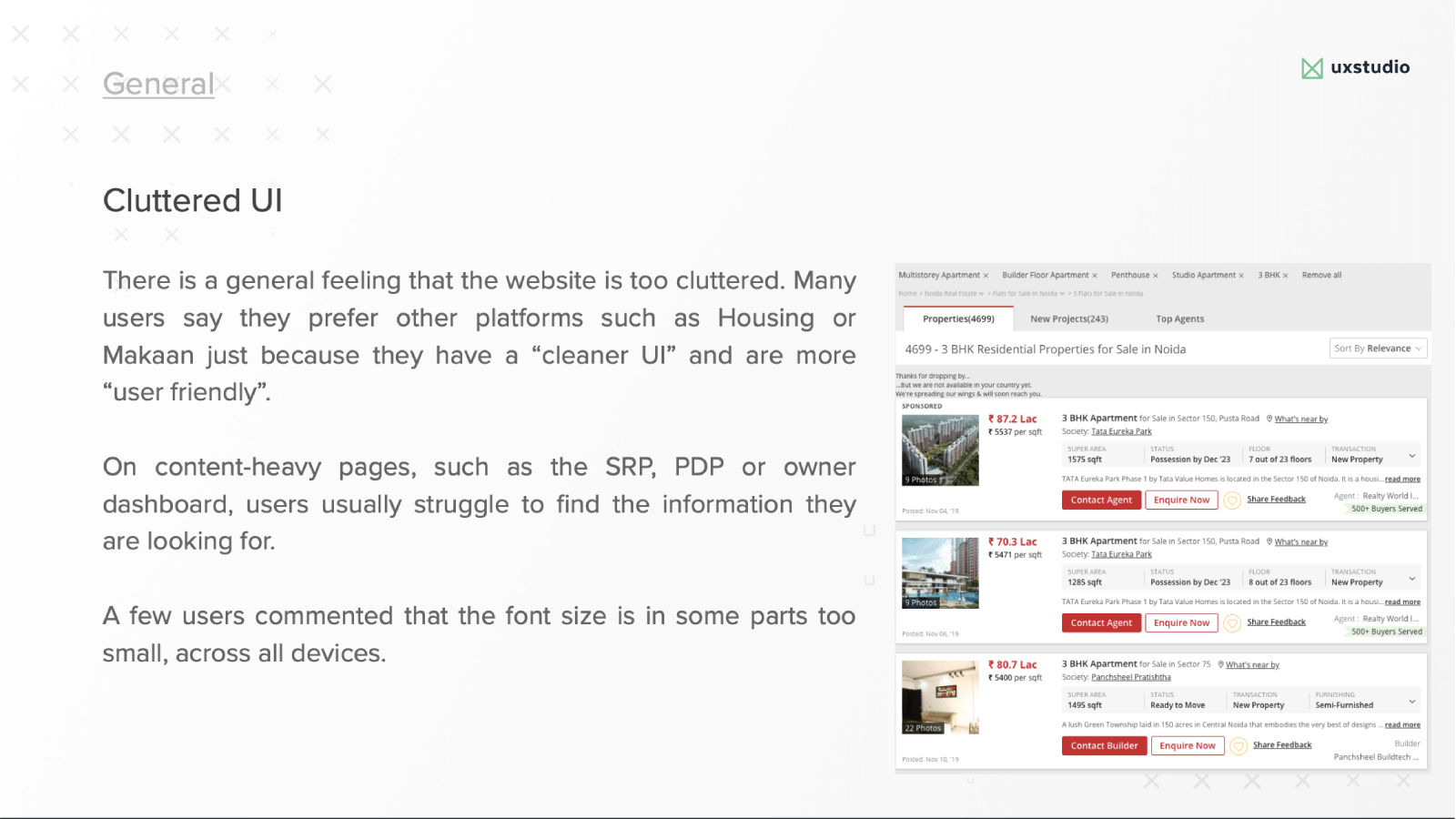
An example of a website design audit.
© Victoria Kurichenko, Fair Use
Overall, design audits are key to how brands optimize how they design and develop digital products for real-world users. Whether brands use website design audit tools, templates or services, the principles behind an audit are a good insurance to help make the most of a product for both brand and users.