The law of reciprocity or reciprocation is a norm that states people are obliged to give back to others in the form of a behavior, gift or service they have received first. Designers apply this if they offer users value or benefits and then ask for something in return. To offer value upfront can create a sense of goodwill and encourage users to engage further with the brand.
Author and Human-Computer Interaction Expert, Professor Alan Dix explains aspects of the principle of reciprocity:
How Important is the Law of Reciprocity in UX Design?
The role that the law of reciprocity—or principle of reciprocity or reciprocation—plays in user experience (UX) design is a crucial one. It can have a huge impact on how users perceive and interact with digital products and services. If designers apply reciprocity—and if they do it well—they can prompt and nurture higher levels of user engagement, satisfaction and loyalty. When users feel that they’ve received value or benefits from a product or service, they’ll be more likely to reciprocate—by taking desired actions. What they do could take the form of situations where they make a purchase, sign up for a newsletter or recommend the product to others as loyal customers.
The principle of reciprocity has got a firm basis in psychology. When designers understand the importance of reciprocity in their design work—and leverage it—well, they can create experiences that don’t just meet users' functional needs but evoke positive emotions and foster connections that last for a long time, too. So, the principle of reciprocity—also called the principle or law of reciprocation—can have a powerful bearing on conversion rate and, indeed, long-term customer loyalty.

Maze makes free guides with pertinent and helpful information for potential users.
© Yun Xuan, Fair Use
Cialdini’s Reciprocation Principle
“The rule of reciprocation says…we should try to repay what another person has provided us.”
— Robert Cialdini, Influence, New and Expanded
In his Influence book, renowned psychologist Robert Cialdini’s first principle is reciprocity. The premise is that if someone wants someone else to do or give something to them, the first person does or gives something first. Cialdini builds this point on well-established characteristics of reciprocity—namely:
● Reciprocity is a social norm in many societies, and individual psychological responses tend to be significant.
● The initiator of reciprocity is free to choose the initial offering and the favor they subsequently ask for (if it’s applicable).
● The reciprocal favor doesn’t have to be of equal size. It may be much larger.
● Participants in a reciprocal act frequently feel more positive about the outcome. This is especially the case where negotiated concessions come into play.
● Even little reciprocal exchanges can bring about loyalty.
The point that reciprocity is a social norm is a critical one. Most people will feel compelled to reciprocate if they receive something for nothing. This compulsion may be open to abuse. Even so, it‘s arguably considerable as another tool of persuasion. The principle has roots that are firmly planted in human psychology. What’s more, it can serve as a fundamental aspect of both social relationships and interactions—and these include sales, marketing and design. So, it’s a valuable tool for brands to create meaningful connections with—and so nurture healthy engagement with users who feel more valued because of it.
Examples of the Law of Reciprocity in UX Design
Some real-world examples can illustrate how designers can apply the law of reciprocity in UX design.
Freemium Models
One common example of reciprocity in action is how digital platforms use freemium models. Brands give users a free version of their product or service—they let them experience its core functionalities and enjoy that good free version with no strings attached. This act of generosity creates a sense of reciprocity—and instills likely responses as to how users interact with the brand. And it encourages users to reciprocate in that they can become paying customers or advocate for the product within their network.
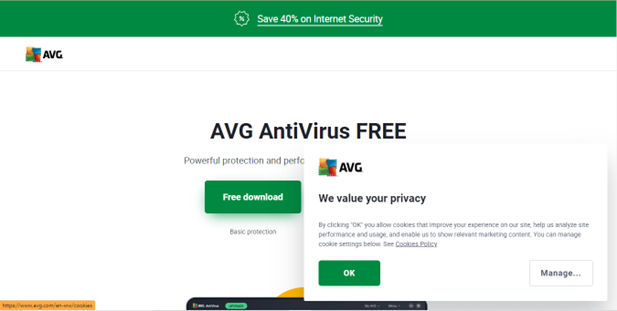
AVG Antivirus’s Free version delivers safety and assurance to users—they pay nothing in monetary terms, but are likely to talk about the benefits to people they know.
© AVG, Fair Use
Personalized Recommendations
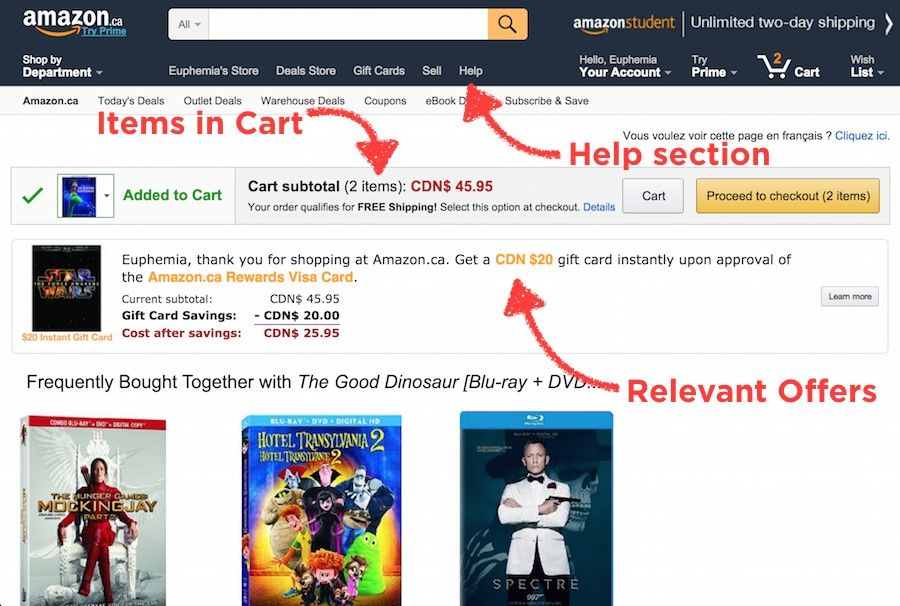
Digital platforms like e-commerce websites and streaming services frequently leverage personalized recommendations to appear to users that are based on these users’ preferences and past behavior. These platforms offer tailored suggestions, and so they make users feel understood and appreciated—a personalized experience that nurtures a sense of reciprocity. So, users can feel more driven to explore more—and remain engaged with—the product or service.
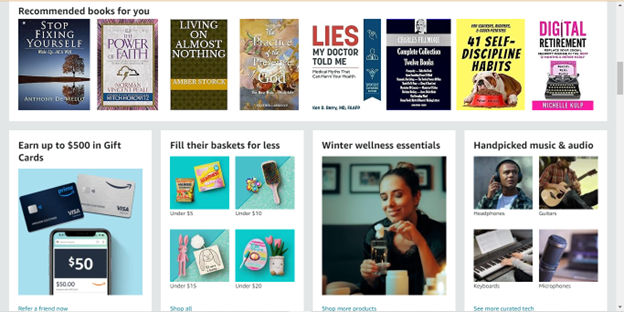
Amazon.com show an understanding of their users through the recommendations they provide.
© Amazon, Fair Use
Social Media Engagement
Social media platforms leverage reciprocity in that they encourage users to connect, share content and engage with the posts of others. If users like, comment or share content, they build reciprocal relationships. What’s more, they promote a sense of community and interaction—and, as a result, users feel encouraged to come back to the platform, and so their sense of loyalty strengthens.
Social exchange theory (SET) is arguably a foundation of online social networks. For example, in a study of nearly 400 students on Facebook, Associate Professor of Information Systems, Warsaw School of Economics, Jerzy Surma confirmed the importance of reciprocal behavior. There was a near-perfect correlation between likes sent and received.
User-Generated Content
When brands feature user-generated content (UGC) in their digital products, they show another effective way to work with reciprocity. Users have chances to contribute their ideas, feedback or creations, like photos. What these users get, then, is a sense of ownership and acknowledgment. Users feel a sense of value—what’s more, what they contribute enhances the overall product experience, and that encourages them to continue engaging with the platform.
An example is Amazon—the world's largest online marketplace, who cleverly incorporate the law of reciprocity into their customer review system. Because they let customers leave reviews for products they’ve purchased, Amazon creates a good platform for reciprocity to flourish—and flourish well. Customers who benefit from reading reviews that others leave may feel compelled to add their own reviews—and this builds a cycle of reciprocity where everyone benefits from the shared knowledge and experiences.
Gamification
Gamification elements—like progress bars, achievements and badges—tap into users' yearning for recognition and reward. If designers work these features into a design, they can instill a sense of reciprocity. Users strive to finish tasks, earn points or unlock new levels and—from that, they can stay engaged and keep their commitment to the product high.
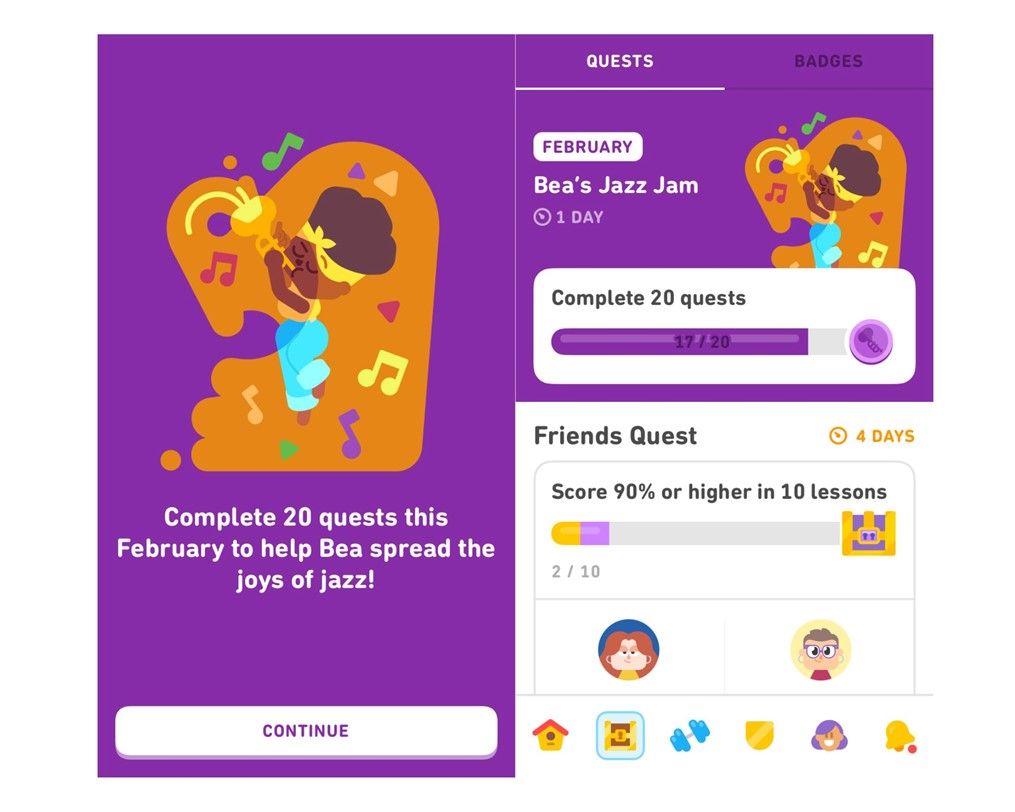
Gamification features are a fun aspect of the law of reciprocity.
© Duolingo, Fair Use
Best Practices and Tips to Apply the Law of Reciprocity in UX Design
Designers should consider some best practices and tips to use this law well; here are main ones:
1. Know the Target Audience
Designers should do their UX research—and thoroughly—before they determine a good strategy for the brand they serve. So, they should use solid research methods and analytics tools to get insights about what users would want—and how best these users might return the favor once they receive it.
2. Provide Value Upfront
Offer users something they’ll value before asking them to take any desired actions. This offer could take the shape of free resources, exclusive content or personalized recommendations. When designers show users the value the latter can expect from the product or service, they set down a solid foundation for reciprocity.

Duolingo offers free language lessons and adopts a gamified approach—which makes it fun as well.
© Duolingo, Fair Use
3. Be Clear and Transparent
Clearly communicate what benefits users can expect to get when they engage with the product or service. Be transparent about any requirements or expectations of them—and make sure that users do understand the value they’ll receive in return for their actions. Use good visual design techniques to help get this information across to them.
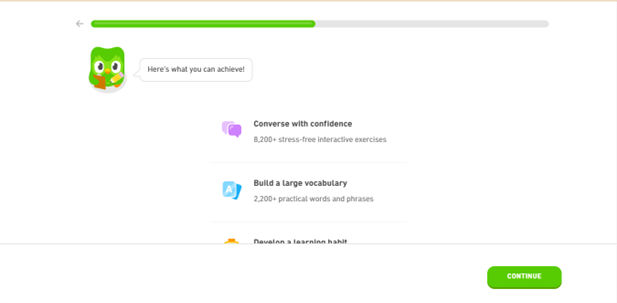
After a few simple, ultra-quick-to-answer questions—about how the user heard about Duolingo, etc.—the user sees what’s available and what they can do with it.
© Duolingo, Fair Use
4. Personalize the Experience
Tailor the user experience to individual preferences and needs. When designers personalize recommendations, content and interactions, they create a more meaningful and relevant experience. This can really resonate with users—who feel the brand speaking directly to them and feel more valued for it. That can greatly increase the likelihood of reciprocity towards a brand that users feel truly cares about them.
Tailored suggestions are what digital platforms like online stores and streaming services use—and these draw from user preferences and actions for personalized recommendations.
5. Encourage User Contributions
Provide chances for users to contribute their ideas or feedback—or content. When designers acknowledge and incorporate user contributions, they foster a sense of ownership and encourage reciprocity. These don’t have to be long. Short and sweet reviews can often be enough to help other users, boost the brand and give the contributing user or customer a sense of empowerment that their voice matters. As a byproduct for brands, it’s a good way to collect user feedback as well.
6. Show Appreciation
Acknowledge—and appreciate—users' actions and contributions. So, it’s important to express gratitude, be it in the form of personalized messages, rewards or exclusive benefits. When brands show their appreciation, they reinforce the reciprocal relationship, plus they further encourage user engagement.
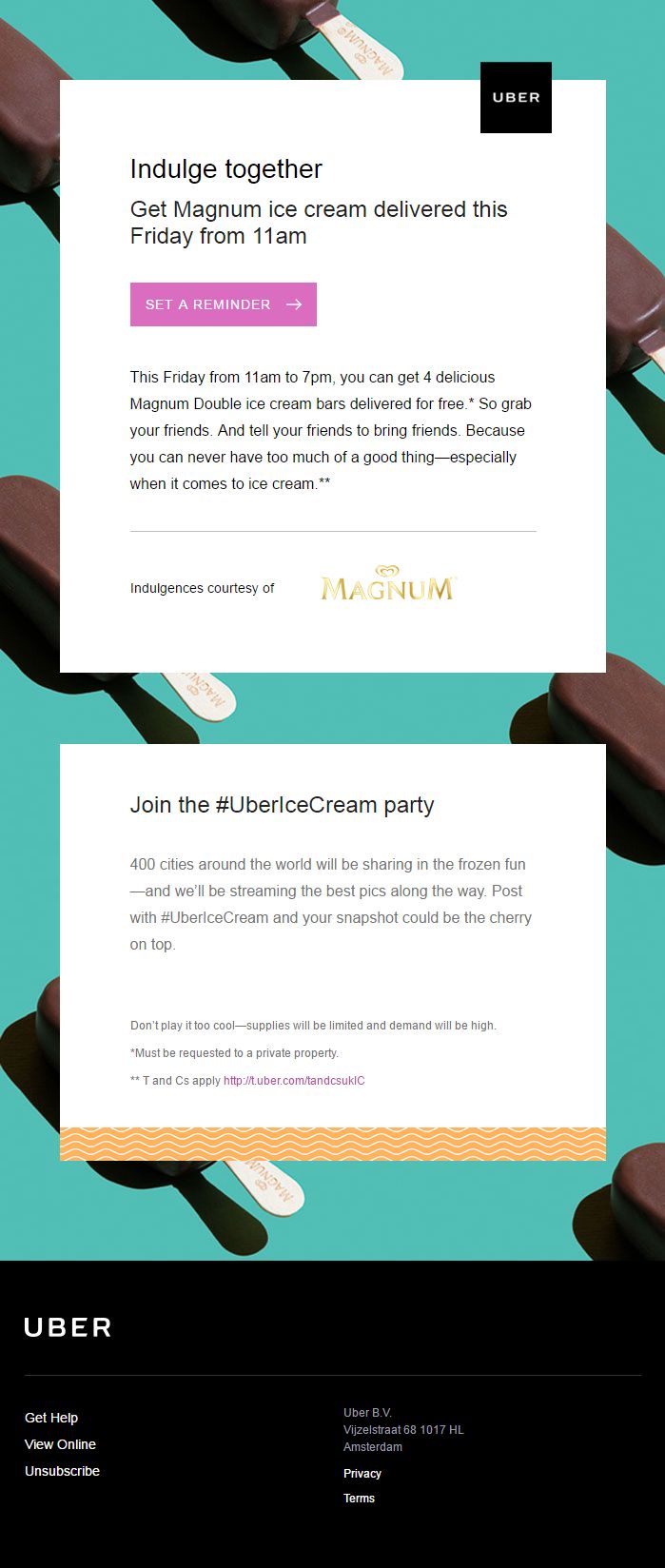
This email from Uber finds them giving away free ice cream—a surefire way to treat users and make them feel appreciated.
© Zion & Zion, Fair Use
7. Continuously Improve
Regularly assess and optimize the user experience using user feedback and behavior as a basis. When designers constantly improve the product or service, they show a commitment to provide ongoing value—and reinforce the reciprocal relationship.
Examples of Reciprocity as a Technique
Designers generally have two types of technique to subscribe to. The following are examples that embody these approaches:
1. Directly Beneficial
This could be in the form of a “Your download is coming!” message, with the added text that assures users they will have it soon, and that in the meantime they might like the brand to send them a download link or to subscribe to their newsletter. All users need to do is provide their email address. The brand further makes users feel assured that they’ll never share the users’ details—as well as the point that users can unsubscribe at any time.
2. “Door-in-the-Face” Technique
This unpleasant-sounding strategy is well-known in psychology and has nothing to do with physical violence. In interaction design, designers could propose an expensive offering or request a considerable investment of time from visitors—below is a kind of outline of this:
“Our fully-personalized service, only $800 per month!
(Not what you were after? Why not consider these alternatives…)”
Cialdini reported surprisingly improved results from this strategy in face-to-face situations. He also called it “rejection then retreat.” Nevertheless, he stated that the first party has to act in good faith. An outlandishly extravagant initial offer will probably violate this faith. Another issue that comes up in the general area of cooperation is “ease of exit.” In face-to-face situations, social norms of politeness may have a bearing on the outcome. The participant may feel they have to respond. However, online users will not have this sense. In that light—and as UX designers work in a digital environment—the strategy may not be as effective as simple reciprocation.
Risks and Considerations to Apply the Law of Reciprocity in UX Design
The law of reciprocity can be a powerful tool in design. Still, it's important to consider the potential risks and challenges that come with it—and here are some:
1. Authenticity
Designers should make sure that the acts of reciprocity are both genuine and in line with the brand's values. Users can sense attempts to manipulate them—something that can critically damage trust and loyalty. If that happens, it’s likely to be extremely difficult for brands to recover any sense of goodwill from users who’ll be more cynical about them.
2. Balance
To provide value and ask for reciprocation is a balance that designers need to maintain. Don’t overwhelm users with excessive requests or expectations—and end up provoking a sense of obligation or annoyance from them.
3. Privacy and Data Ethics
Designers need to be mindful of privacy concerns—and ethical considerations—when they collect and make use of user data. Respect user boundaries and make sure that reciprocity doesn’t infringe on user privacy or exploit personal information.
4. Cultural Sensitivity
Designers also need to think about cultural differences and norms whenever they include the law of reciprocity in their work. What one culture may perceive as reciprocal may well not be the same in another. Designers and brands need to adapt their approach to be in line with their target audience’s cultural context.
Author and Human-Computer Interaction Expert, Professor Alan Dix explains the need to consider culture in design:
Overall, the principle of reciprocity can serve as a good gauge to create content and for designers to ultimately create products that resonate with users who become—and remain—loyal customers. However, it’s more a principle than a law in the sense of “enforcement.” Like other marketing strategies, it’s open to abuse and can have drawbacks if designers and product teams don’t leverage it well. If brands do leverage it well, however, they can tap the power of an age-old principle and speak more directly to their users, and both sides of the transaction can enjoy rewards that they can feel, others can see and that can translate to strong customer faith in the brand.






 Author/Copyright holder: Need for Speed Most Wanted 2005. Copyright terms and licence: Fair Use.
 Author/Copyright holder: Nike, Inc. Copyright terms and licence: Fair Use.
 Author/Copyright holder: Amazon.com Copyright terms and licence: Fair Use.
 Author/Copyright holder: Apple Inc. Copyright terms and licence: Fair Use.
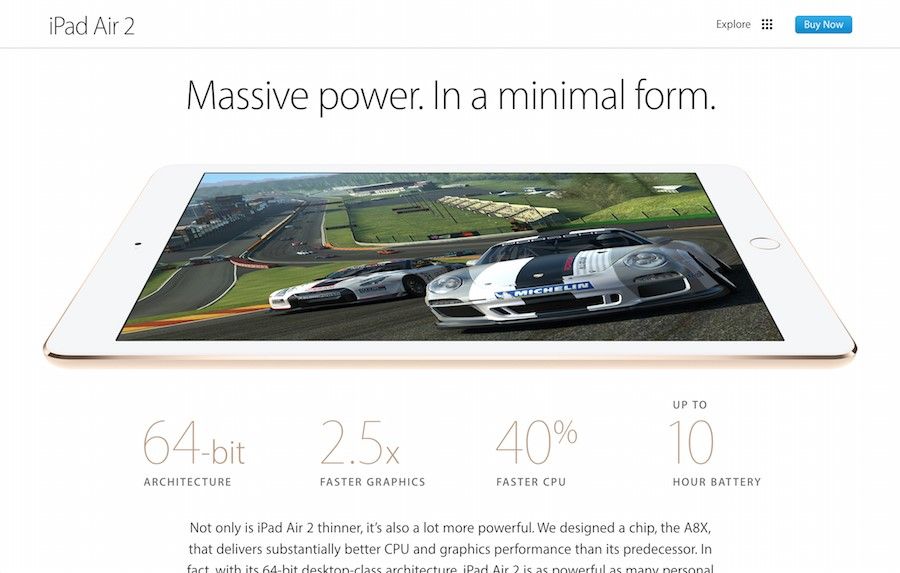 Author/Copyright holder: Apple Inc. Copyright terms and licence: Fair Use.
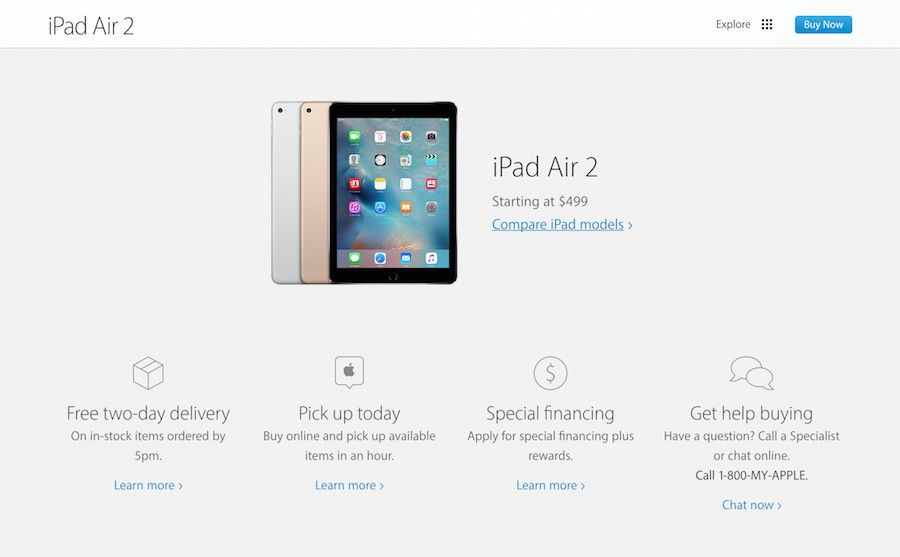 Author/Copyright holder: Apple Inc. Copyright terms and licence: Fair Use.