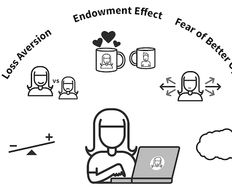
When you first start as a freelancer or entrepreneur, you should have the skills you need to do good work that adds value to your client’s businesses. Or, you should develop the skills you need in your free time before you quit your current job. However—over time—markets change, technologies change, people change, and you will have to develop yourself and your skills to meet the challenges of these changes or risk losing business.
Professional and personal development is a key part of being a business owner. You should be looking to stay at the cutting edge of what you do, to broaden your skills where possible and to keep your mind active. Many who had developed themselves before the advent of the Internet had a strenuous time adapting to keep up; however, changes still occur in a living world where the “state of the art” keeps morphing. No one can afford complacency.
“It is not the strongest of the species that survive, nor the most intelligent, but the one most responsive to change.”
– Charles Darwin, On the Origin of the Species
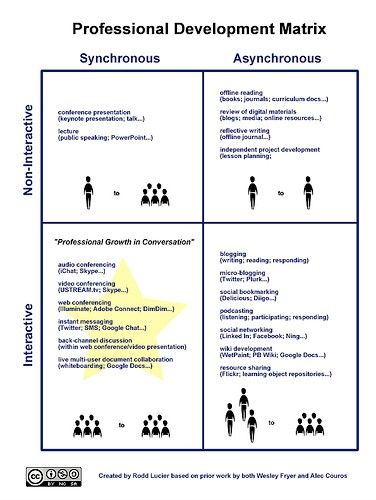
Author/Copyright holder: Rodd Lucier. Copyright terms and licence: CC BY-NC 2.0
There are plenty of options for you to use for professional development.
Common Types of Professional and Personal Development Activity
There are many ways to develop your skills, and not all of them require training; here are some of the most common options:
Reading
Good old book learning has its place in personal development. Not that reading must involve books – you can also subscribe to journals, read blogs or other internet material. If you like to read, it can be the best way to improve your skills without spending much money. But be selective. You only live once. Don’t just surf for something which may be interesting. Find out what you are looking for before reaching out for your tablet or phone. Obviously, don’t trust all bloggers. A sea of crap fills too much space both online and offline—it’s just noise, polluting your life, flooding into and disturbing your mind while consuming your time, drowning your sparks of energy. You should only read high-quality content and specific topics which are really valuable to your life or business.
“There are many things of which a wise man might wish to be ignorant.”
– Ralph Waldo Emerson, American essayist, lecturer and poet, Demonology
The democratisation of design knowledge is core to the Interaction Design Foundation’s (IDF) mission. That's why we are bringing together leading designers, bestselling authors and Ivy League professors to create open-source, free-to-access textbooks on UX and design. We’ve gathered the world's most comprehensive compendium of design knowledge and made it available online to everyone around the world: www.interaction-design.org/literature
 Author/Copyright holder: Freestockphotos.biz. Copyright terms and licence: Free to Use.
Reading is the simplest form of professional development—and it’s easy to do absolutely anywhere. Just 15 minutes a day devoted to development can bring huge changes over the course of your life.
E-learning and Distance Learning
The Interaction Design Foundation is a great place to get learning related to the design profession done. There are also many other resources online for learning other skills. Some of them are paid, and many of them are free. Do a Google search, and hunt out e-learning and distance learning (another form of remote learning but one where you do work at home offline) and see what options are open to you. Reckoning on the potential for sharpening skills, broadening horizons and enriching your life in the process may call for a comprehensive list to examine. You can take a look at the Interaction Design Foundation’s courses here: www.interaction-design.org/community
Professional Meetups, Networks, Communities, Seminars and Conferences
Learning is best done together. Both online and offline networks of peers and industry networks will help you stay up to date and expand, broaden and deepen your current knowledge. These are also great ways to meet potential clients and to meet fellow professionals (who may offer opportunities to collaborate in the future)—but they are also great for learning. Most seminars and conferences will have organized speeches and workshops; make sure you get the most out of attendance and pick up some learning along the way. The Interaction Design Foundation has informal meetups in most major cities and in lots of minor cities all over the world. You can check online to see if there are any meetups near you. If there’re no local meetups or local groups near you, you could consider initiating one yourself. You can take part in your local group's activities to expand your local career network and meet your next employer, employee, client and/or friend. You can join the Interaction Design Foundation’s community here: www.interaction-design.org/community
Training Courses
Classroom training can be awesome. Interaction with an instructor when you’re trying to pick up a complex new skill can be invaluable. These courses can be more costly than other forms of learning but not always; check with local education institutions, your chamber of commerce and the Interaction Design Foundation’s online courses and network to see if you can find low-cost training opportunities if your budget is tight.
Coach, Business Psychologist or Psychologist
Working with a coach, psychologist or business psychologist can be a great way to tackle specific problems that you are facing – business-wise and personally. Personal development that helps you achieve professional objectives is very important to your freelance and entrepreneurial success. They can help you define the problem, the outcomes that you are seeking and how to plot a course to reach those outcomes. Coaching, psychology and business psychology services can be expensive, but if you really need to solve a specific problem—they can be of great value, too.
You may also want to consider working with a psychologist (or occupational therapist/psychologist) – in some countries, such as Denmark, this may offer a higher level of certainty in the relationship (though often at a higher price) as these can be protected professions and require a certain level of qualification to practice in. However, in other countries they are not protected professions – so check before making a decision. What is certain is that anyone can call himself a “business coach”—checking a coach out thoroughly before committing to a coaching relationship can save you from wasting time and money feeding a charlatan.
Mentoring and Professional Coaching
A mentor or professional coach is someone who helps guide your overall career goals, learning objectives and business strategy. She, for instance, is someone who has “been there and bought the T-shirt” in that she will have succeeded as a freelancer or entrepreneur in your field and reached a higher objective that you would like to reach, too. Normally, mentors are unpaid and volunteer their time. Finding a mentor is a question of asking people whom you admire until someone says “yes”. If you are working in a design-related field, you can find a highly qualified mentor at the Interaction Design Foundation’s Design League who will guide you and help bring you towards your career goals. The mentor will supercharge your learning from online courses with guidance and insightful tips and will share industry-standard best practices and deliverables.
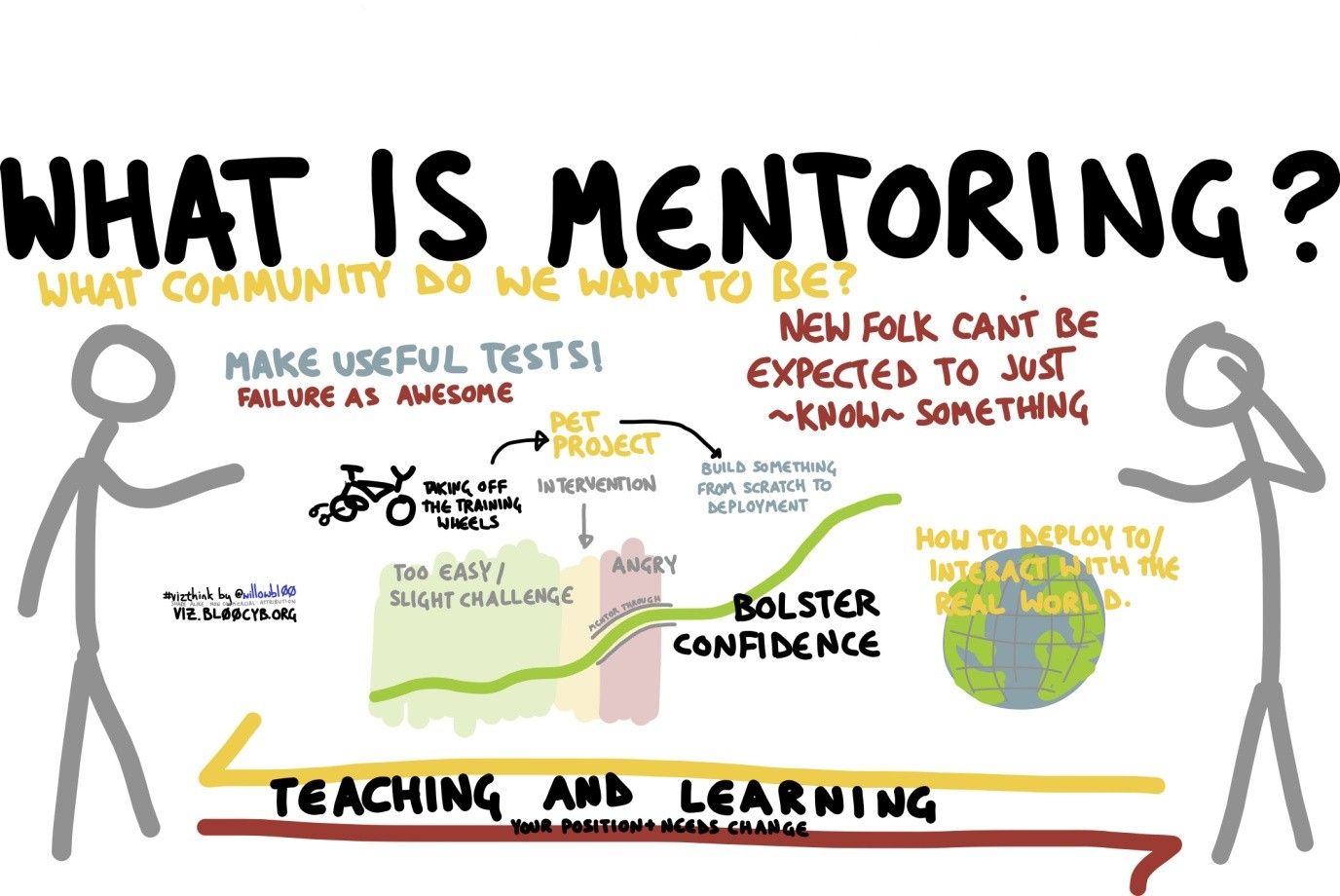 Author/Copyright holder: Willow Brugh. Copyright terms and licence: CC BY-SA 2.0
Mentoring can be a very valuable way of sharing knowledge within a community. You may want to be someone’s mentor, too, at a later stage in your development.
Get Support for Development Activities
You may not know it—but in many parts of the world, financial support will be available for developing your skills within a small business.
Contact your local business support group and local entrepreneur and freelancer networks who may be able to identify grants, low-cost loans, etc. for development activities.
You may also want to try your professional body for ideas. Google can help you identify grants, too.
Choosing Developmental Activities
It’s a good idea to ensure that some of your development activity is focused on improving your business—or your life. You should examine any activity which you are going to spend significant amounts of money and/or time on for a potential return on your investment (ROI). You only live once; your time is limited, so you should choose your developmental activities carefully.
Taking a course that adds $5 (or whatever number) an hour to your rates or promises to double your sales is a good investment. Personal development that helps you achieve professional objectives is very important to your freelance success.
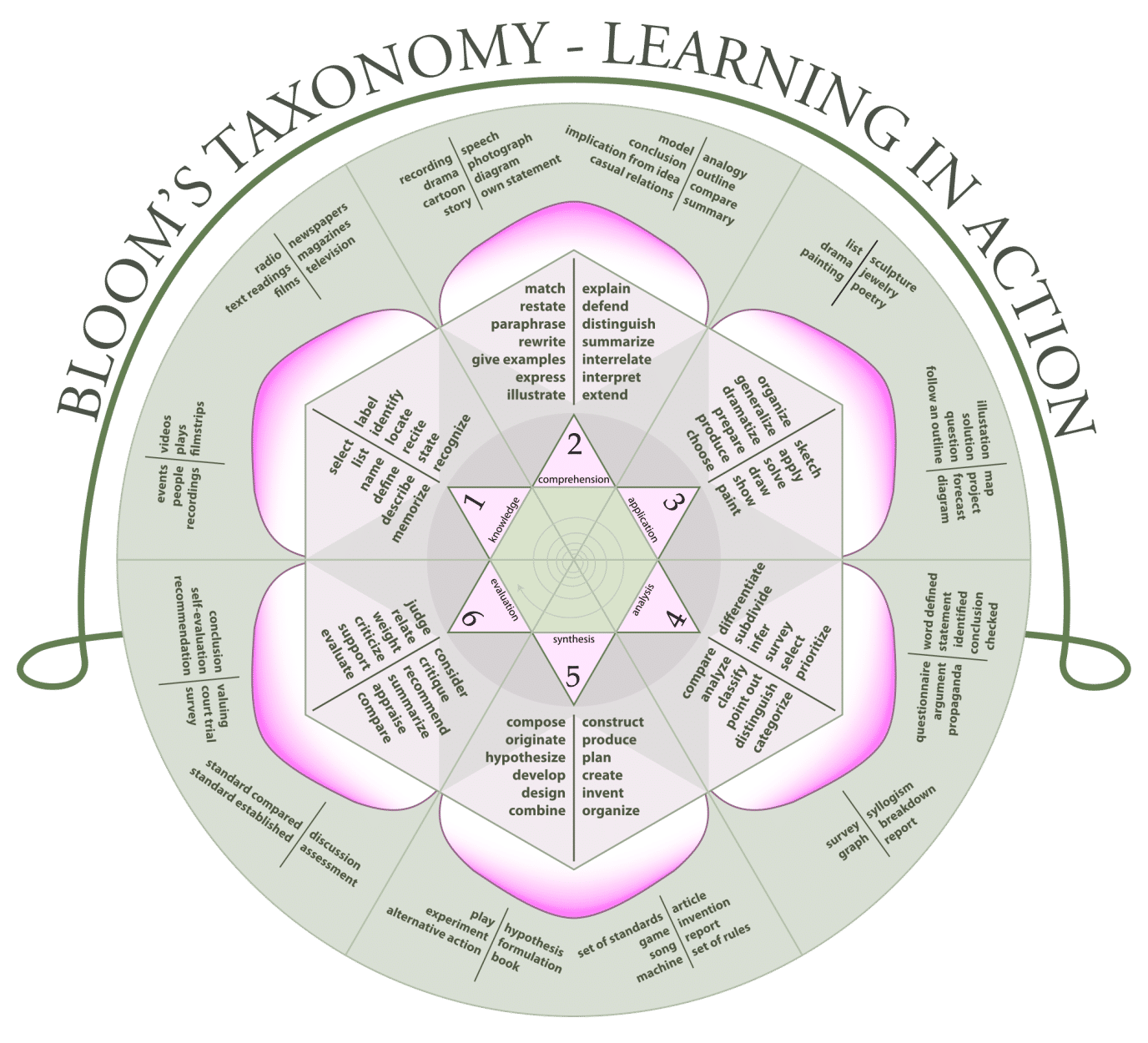 Author/Copyright holder: K. Aainsqatsi. Copyright terms and licence: CC BY-SA 3.0
There are many different activities which allow us to learn. You can mix and match from these as you see fit.
The Takeaway
Professional and personal development is essential to the long-term viability of your business. You don’t have to develop only the skills you use for clients—you can also focus on sales, marketing, financial management, project management, risk-taking, defining your passions and values, etc., too.
Make sure that you focus on return on investment from business and personal development activities, but take your time to have fun, be open-minded, and investigate new horizons.
References & Where to Learn More
Hero Image: Author/Copyright holder: John Benson. Copyright terms and licence: CC BY 2.0
Interaction Design Foundation’s communities and local groups.
Interaction Design Foundation’s courses.
The Encyclopedia of Human-Computer Interaction, 2nd Ed.:
Charles Darwin, On the Origin of the Species, 1859
Ralph Waldo Emerson, Demonology, 1904, from The Complete Works of Ralph Waldo Emerson
Planning for development: 6 Steps to Create a Professional Development Plan