Your constantly-updated definition of Color Symbolism and collection of videos and articles. Be a conversation starter: Share this page and inspire others!
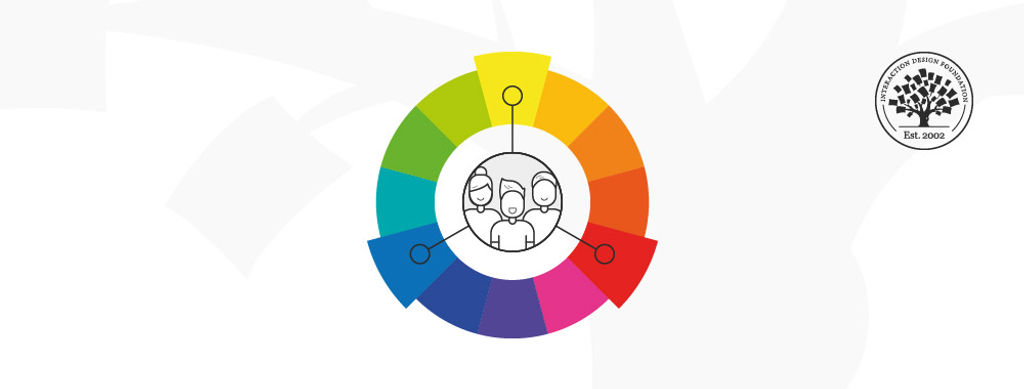
Color symbolism is the subjective meaning humans attach to various colors. People respond to color in three ways—biologically (e.g., red = fear), culturally (e.g., red = wellbeing in many Eastern societies) and personally from experience. Designers use color symbolism in (e.g.) logos to gain users’ trust and attention.
“Depending on context, colour can convey meaning often more effectively than words.”
— Zena O’Connor, Ph.D. in human responses to color, who established Design Research Associates
See why color symbolism matters greatly in design.
Transcript
Transcript loading ...
Color’s Compelling Mystery
Color is a powerful tool for evoking emotions, expressing thoughts and communicating with—and persuading—your users, but its symbolism is subjective and depends on the context. How humans react to color is complex, stemming from our:
Biological response: For example, the color red can inspire fear and sexual desire, while blue light can help psychologically.
Cultural response: Different cultures value certain colors differently. Western societies typically esteem blue well above yellow; Eastern ones tend to prize yellow and see red without alarming or erotic overtones.
Personal associations with color: Our experiences can color our view of certain colors—e.g., someone’s childhood skiing accident might permanently scar their appreciation of white.
When designing, you can conjure a multitude of meanings through your color choices. Brand logos and colors need to resonate with the target audiences. So, industry and global market location are among the factors designers consider for leveraging color symbolism according to widely accepted associations, notably these:
Remember, context is key. And, while most “facts” about color psychology lack scientific basis, a deeper look at the palette can reveal some essential insights:
Red – Scarlet and crimson are among the variations that make red sexy and dangerous to Western eyes. Red may be bloody and arresting in the form of revolutionary rage and wounded bank balances, but red’s far less dramatic to Eastern eyes.
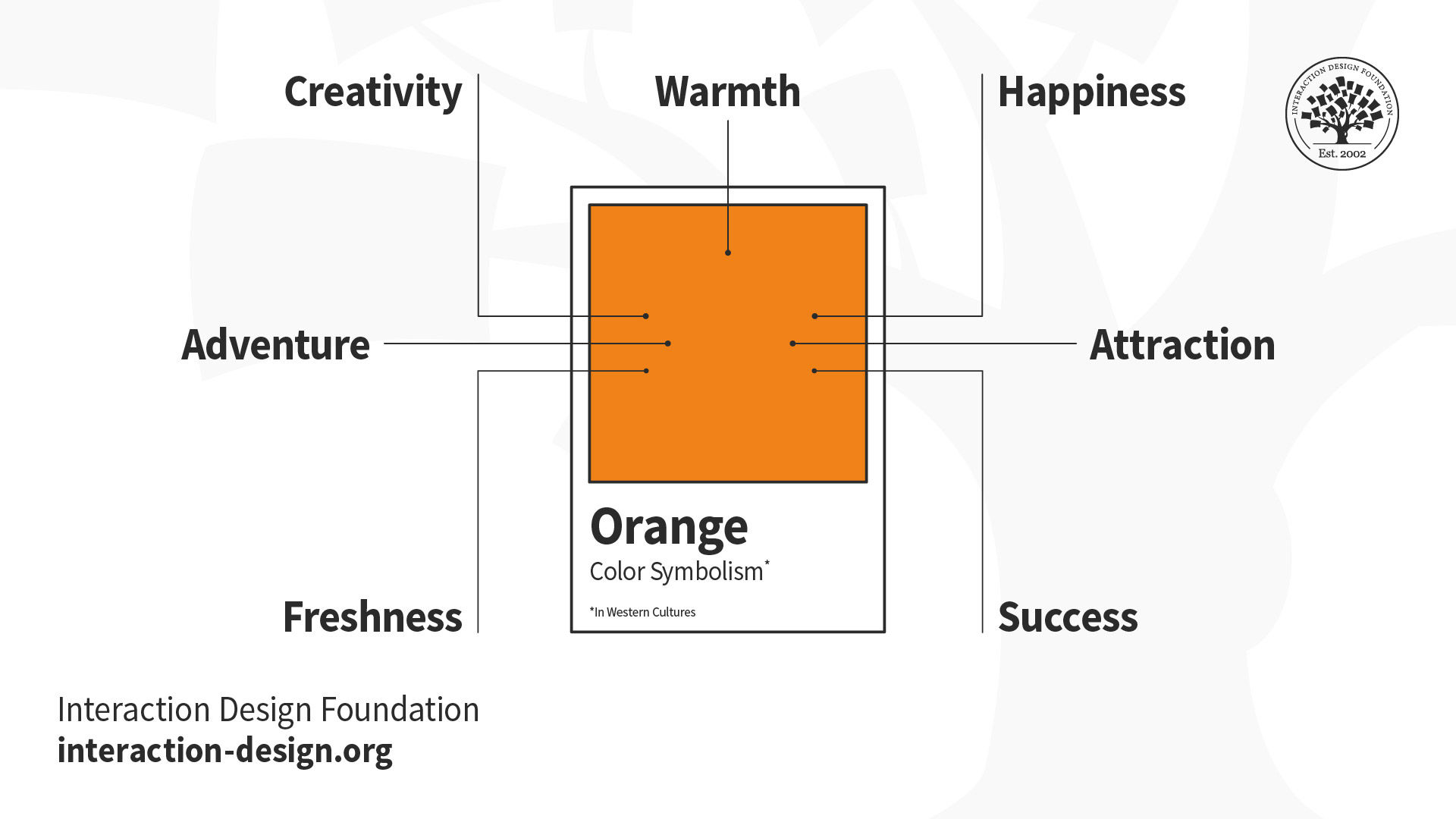
Orange – Linked with creativity and happiness, orange declares national and religious identity and defines athletic applications. Like red, it can grab attention (e.g., prisoner jumpsuits). Consider it for youthful, energetic brands as opposed to luxury, traditional or serious ones.
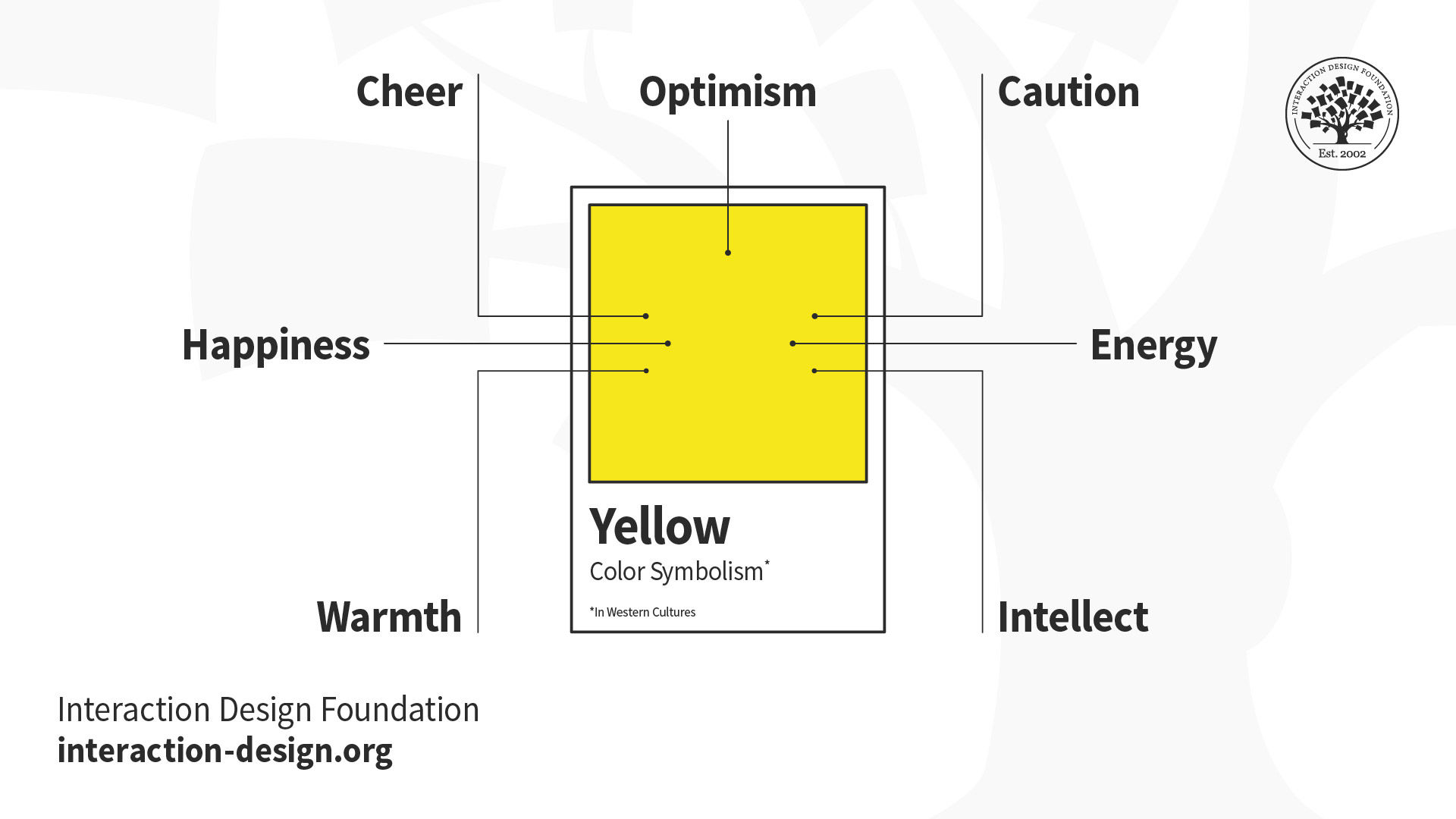
Yellow – The color of the Sun highlights with eye-catching warmth. Yellow can represent happiness, warmth, alarm, sickness, cowardice; take your pick. Some shades can look cheap, though, so it’s a noteworthy example of the need to research users’/customers’ reactions.
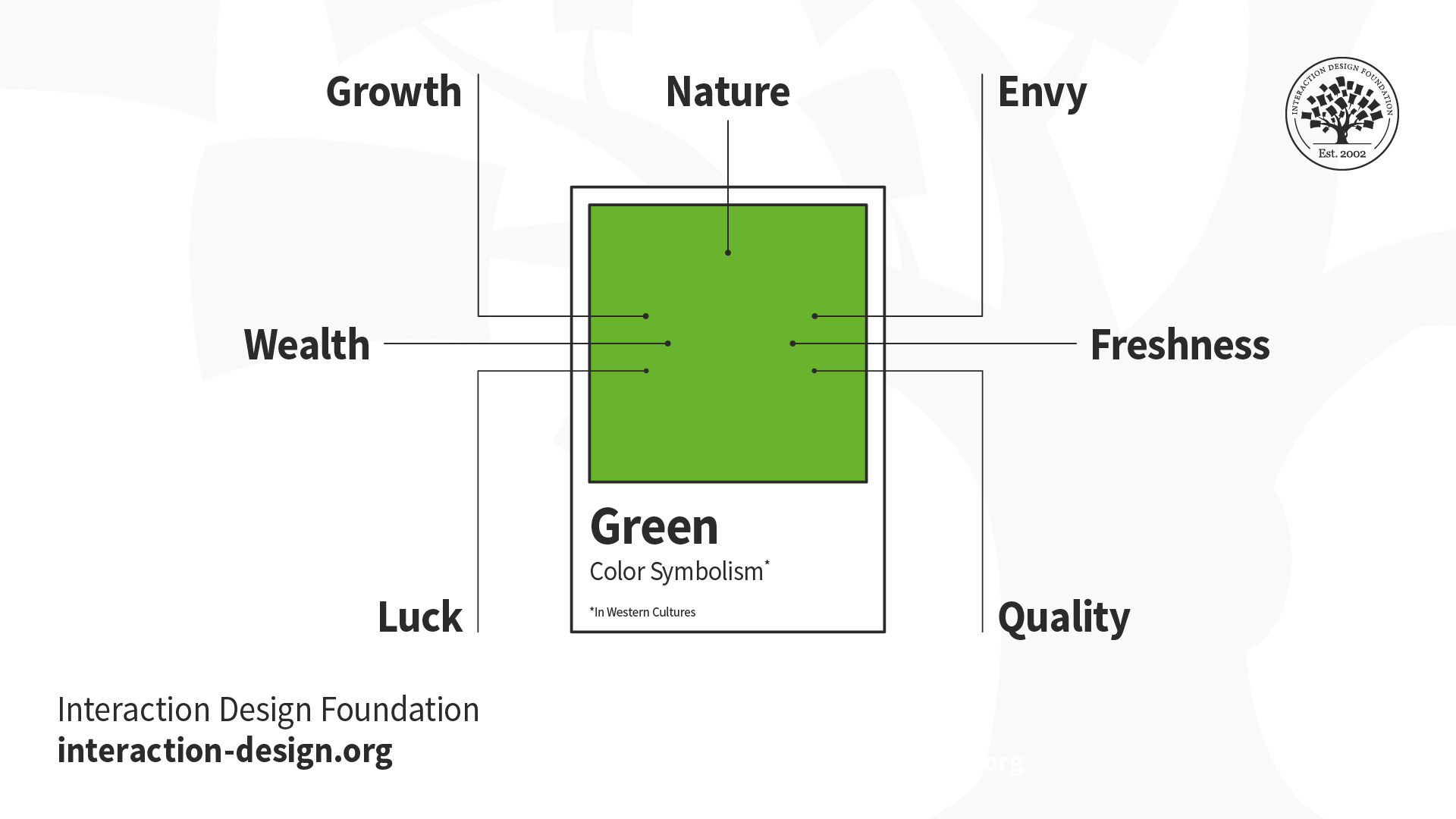
Green – It’s the color of Mother Nature and her life-sustaining bounty, with connotations of recycling and healthy finances. Green also means “proceed”; but there’s also inexperience and envy. The shade matters. Brighter, lighter greens indicate growth, vitality and renewal; darker, richer greens represent prestige, wealth and abundance.
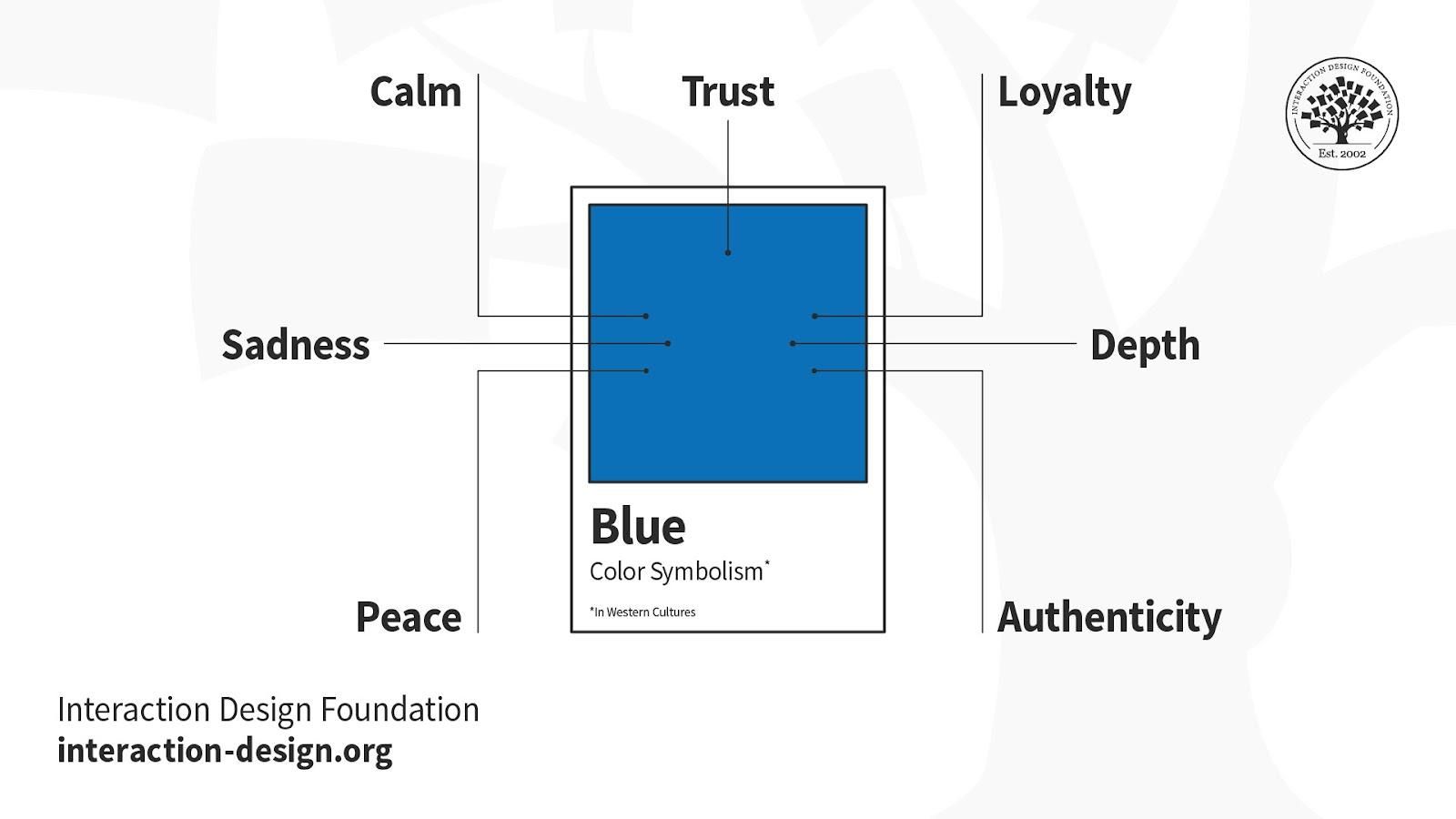
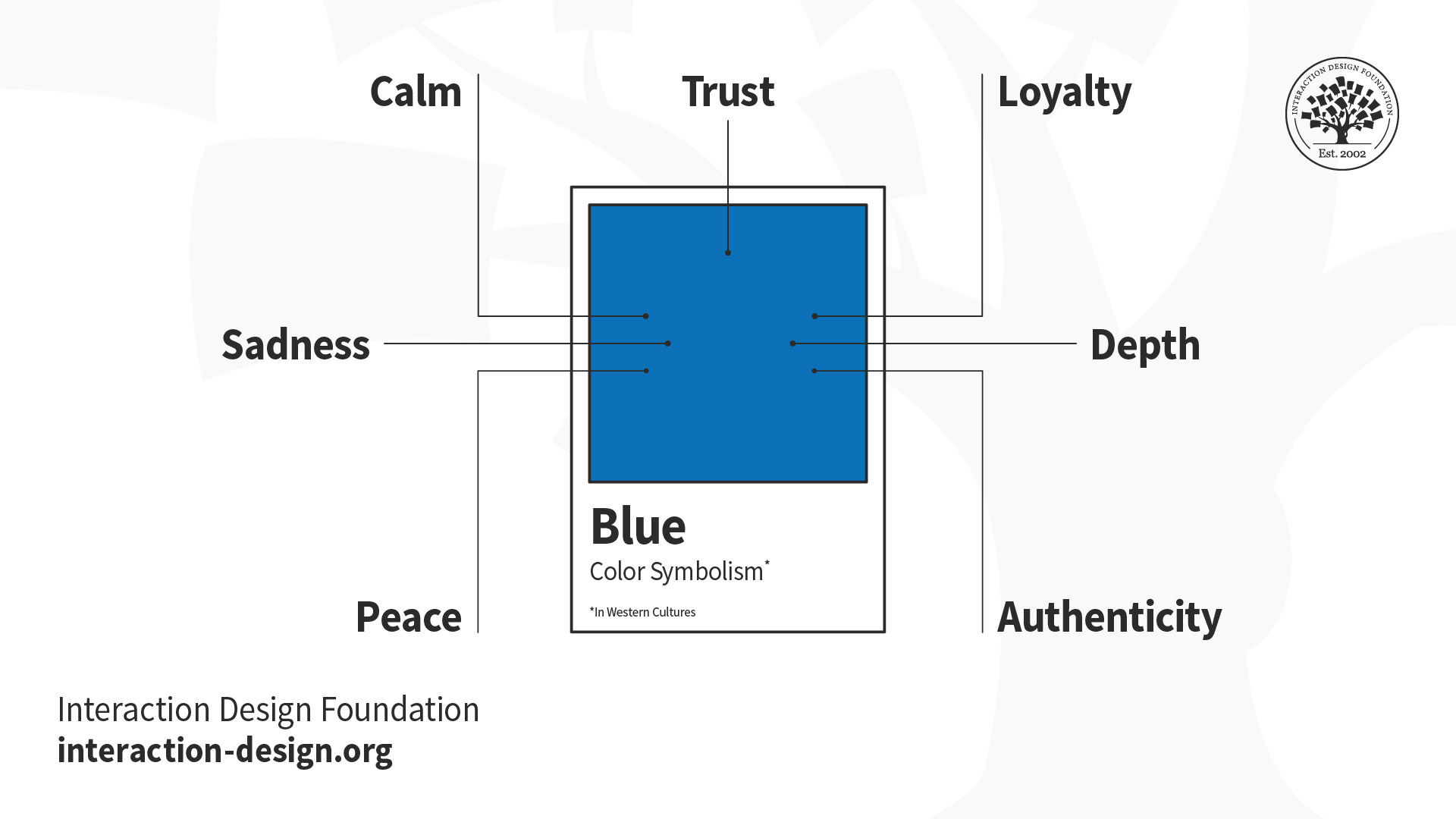
Blue – People find blue trustworthy, assuring, calming and masculine. It’s a tranquil sea and peaceful wonder at the sky; but then it can “mood-swing” to depression. You can bank on blue for designing financial and corporate dependability, although the right shade is vital.
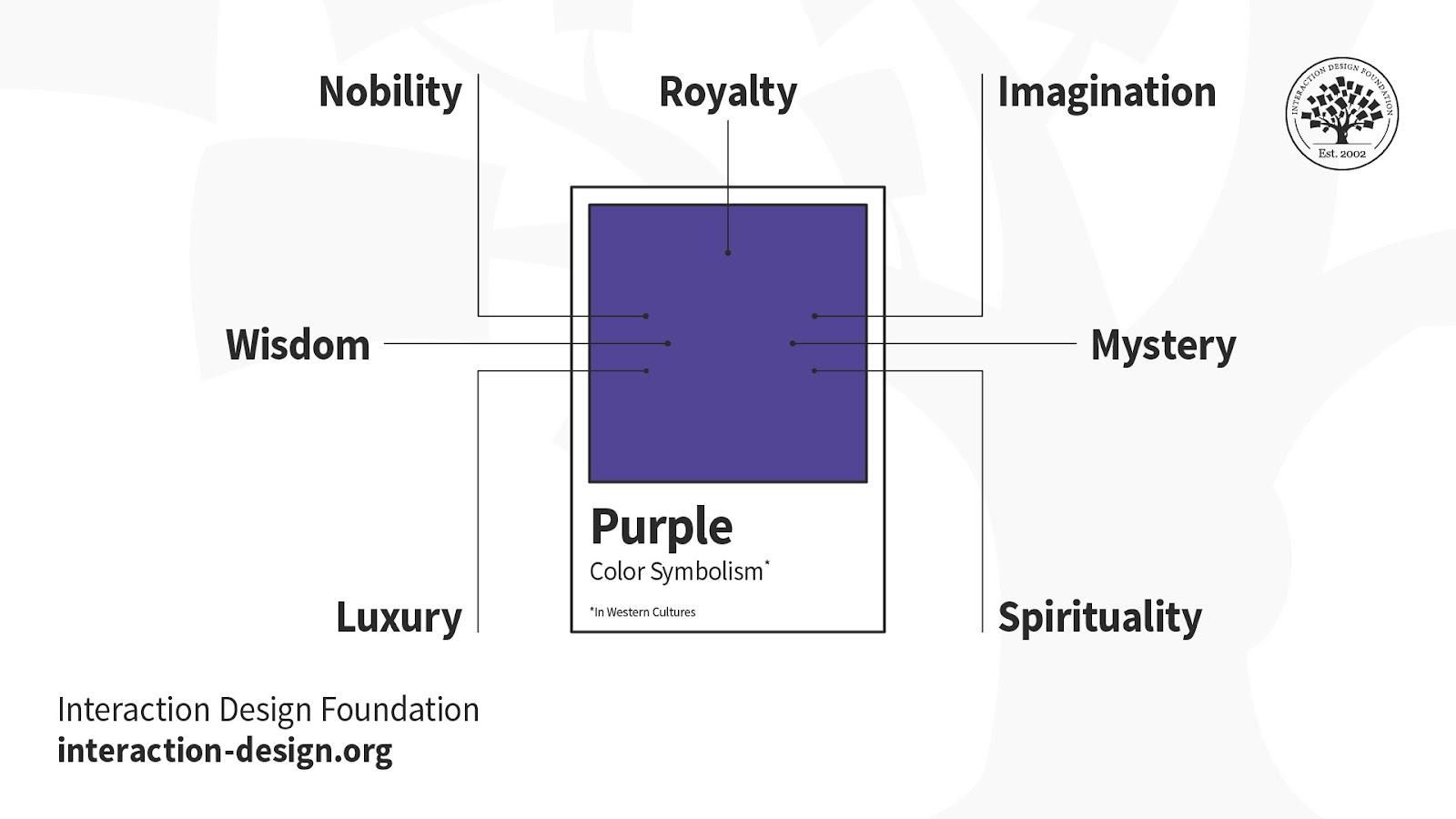
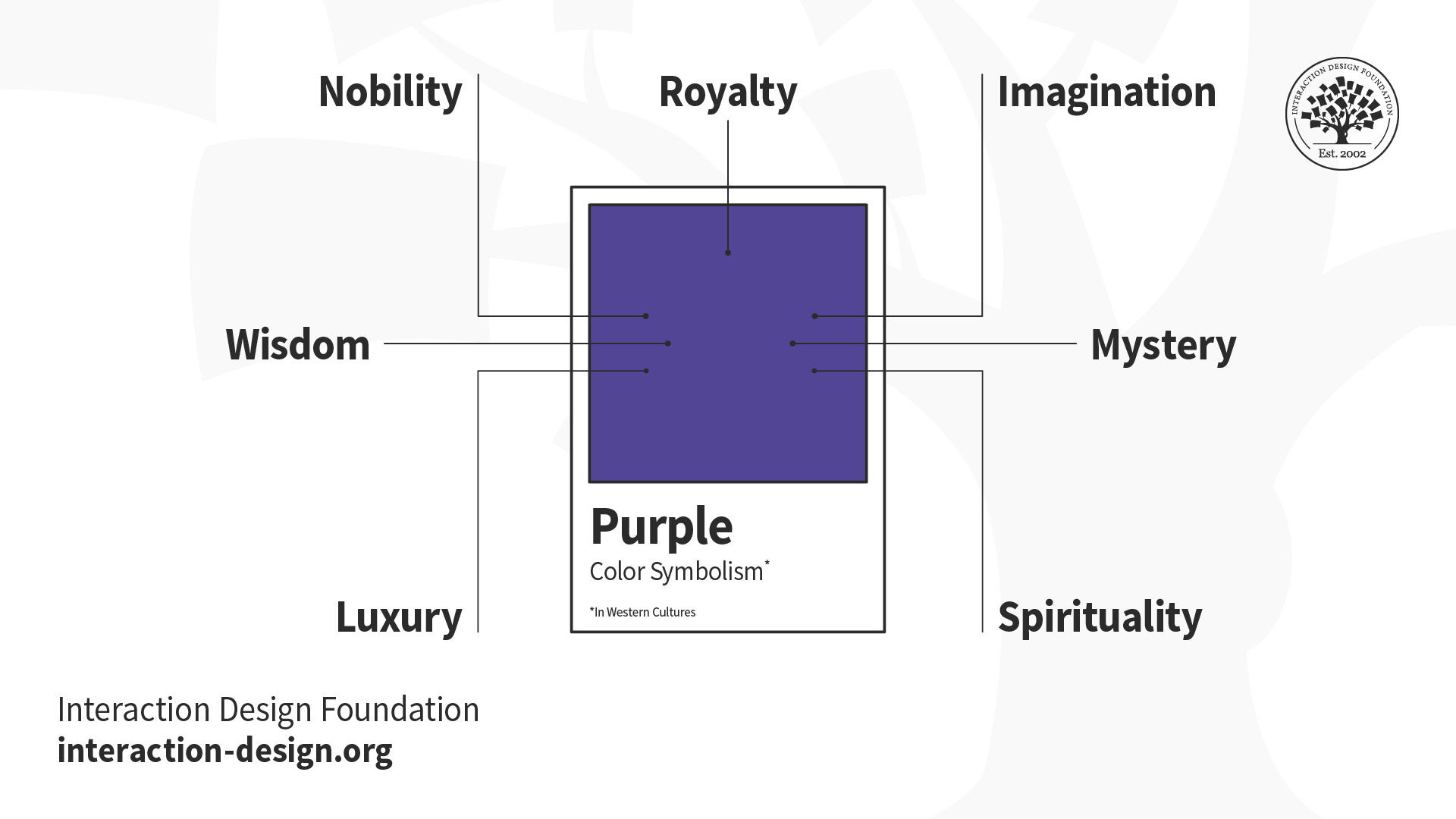
Purple – Long associated with royalty, purple connotes luxury and indulgence. But its majesty doesn’t always translate to design; for example, only women favor it as a top-tier color. Purple is uncommon in branding.
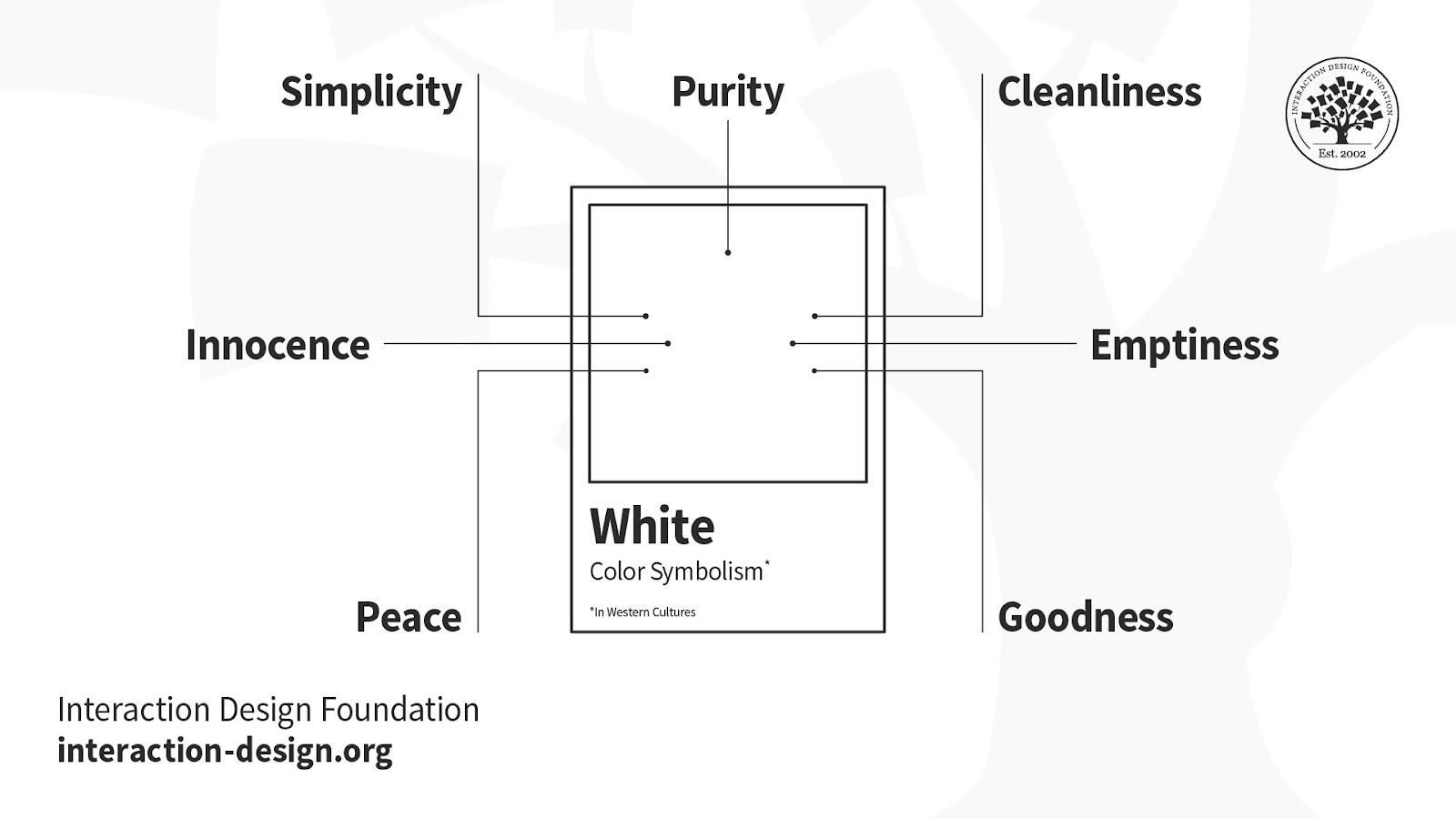
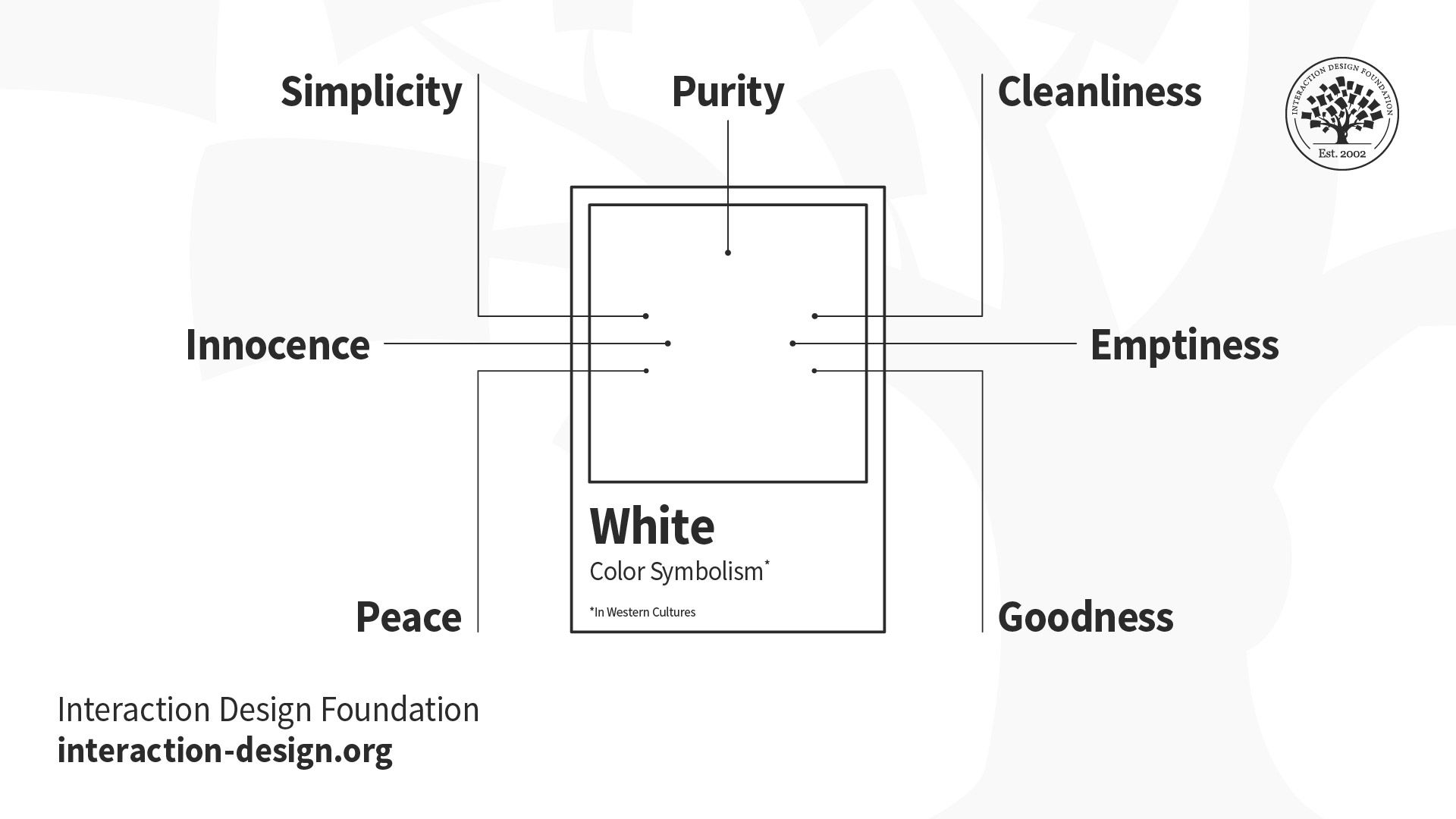
White – Cleanliness, goodness, innocence and simplicity are all associated with white. It’s as pure as a fresh snowfall, yet it signifies mourning in the East and means surrender internationally. Although innately positive, white lacks a dynamic personality, so it’s best left for brands that are indeed pure, simple and transparent.
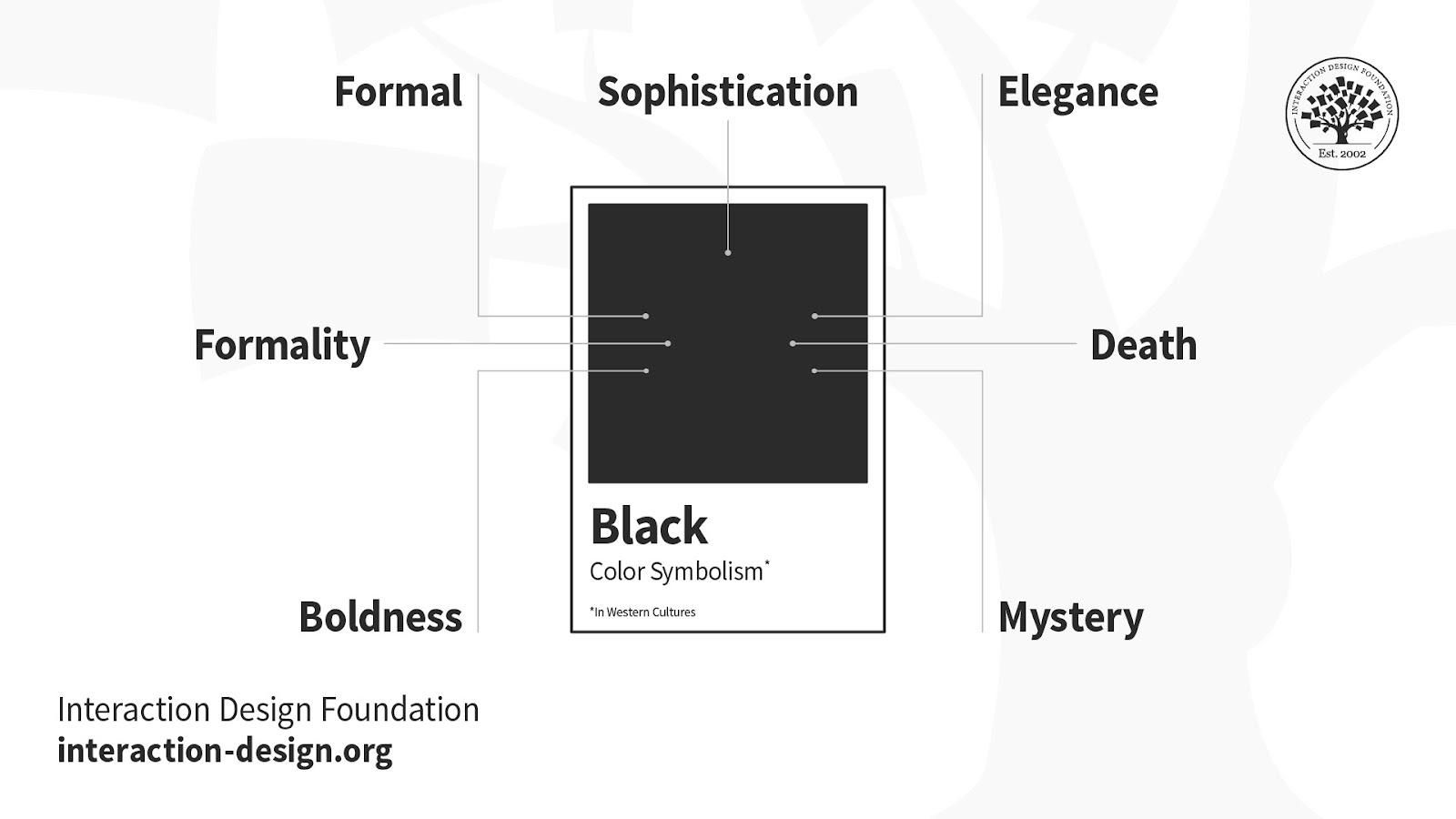
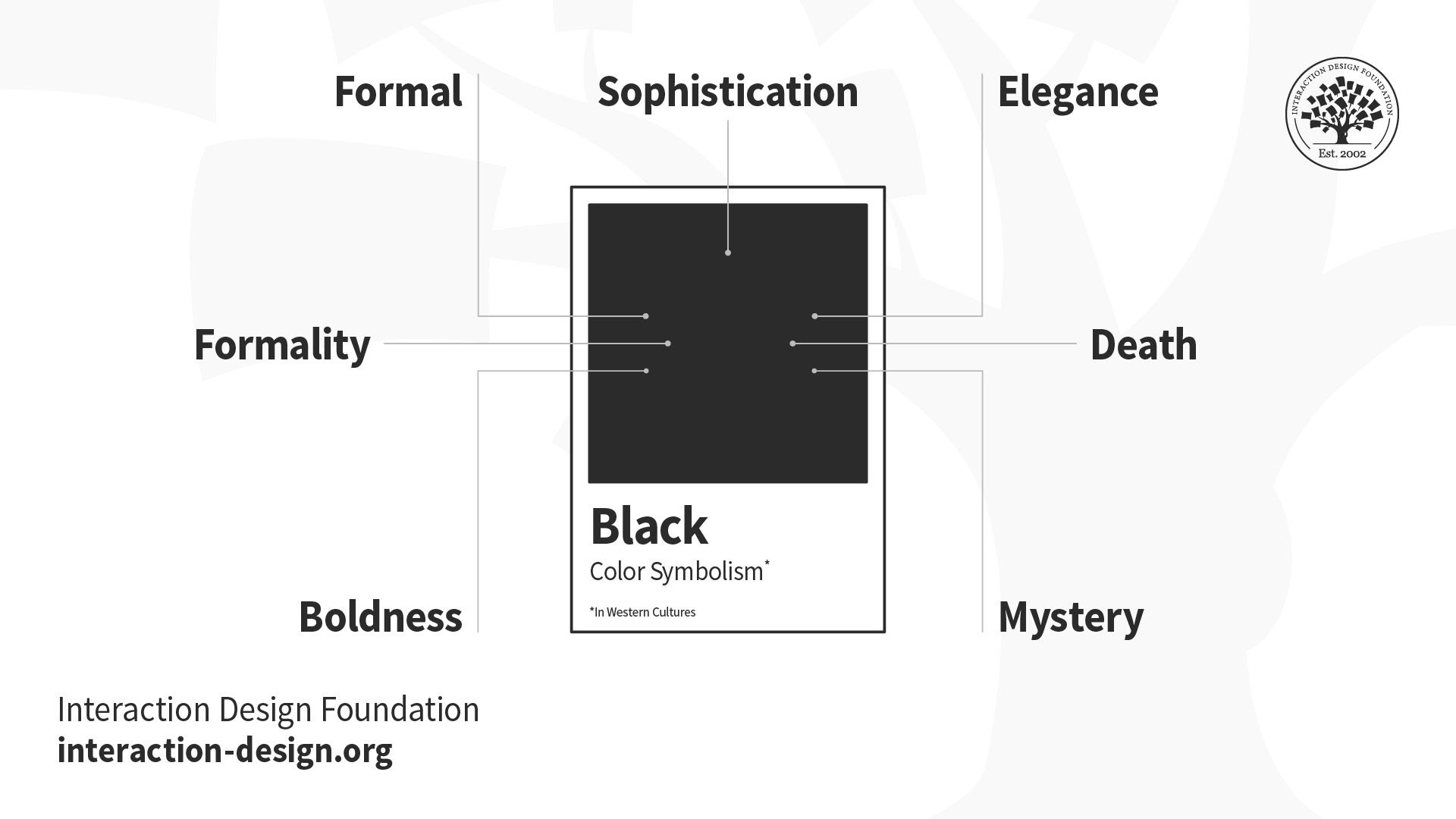
Black – Black means serious business, with overtones of severity and mystery, of death and grief. However, its inherent darkness doesn’t always convey negativity. It’s also a positive bank balance and smart, attractive clothing. It’s best to consider contrasting it with a bright color: gold for luxury or white for a bold, simple statement. Also, its texture and glossiness can influence your brand’s message.
Lastly, the colors you choose need to match your users and their sensibilities, not your personal preferences.
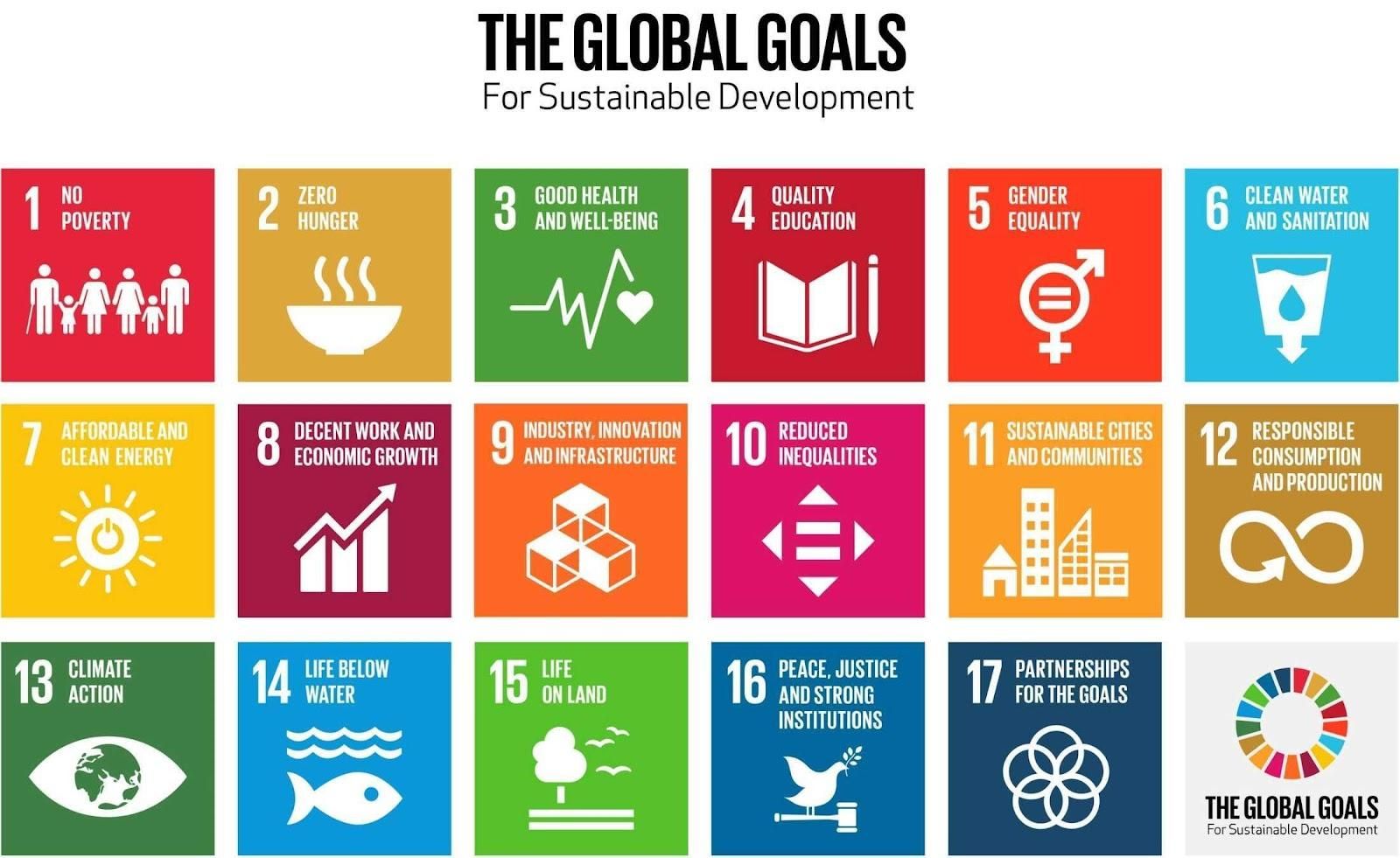
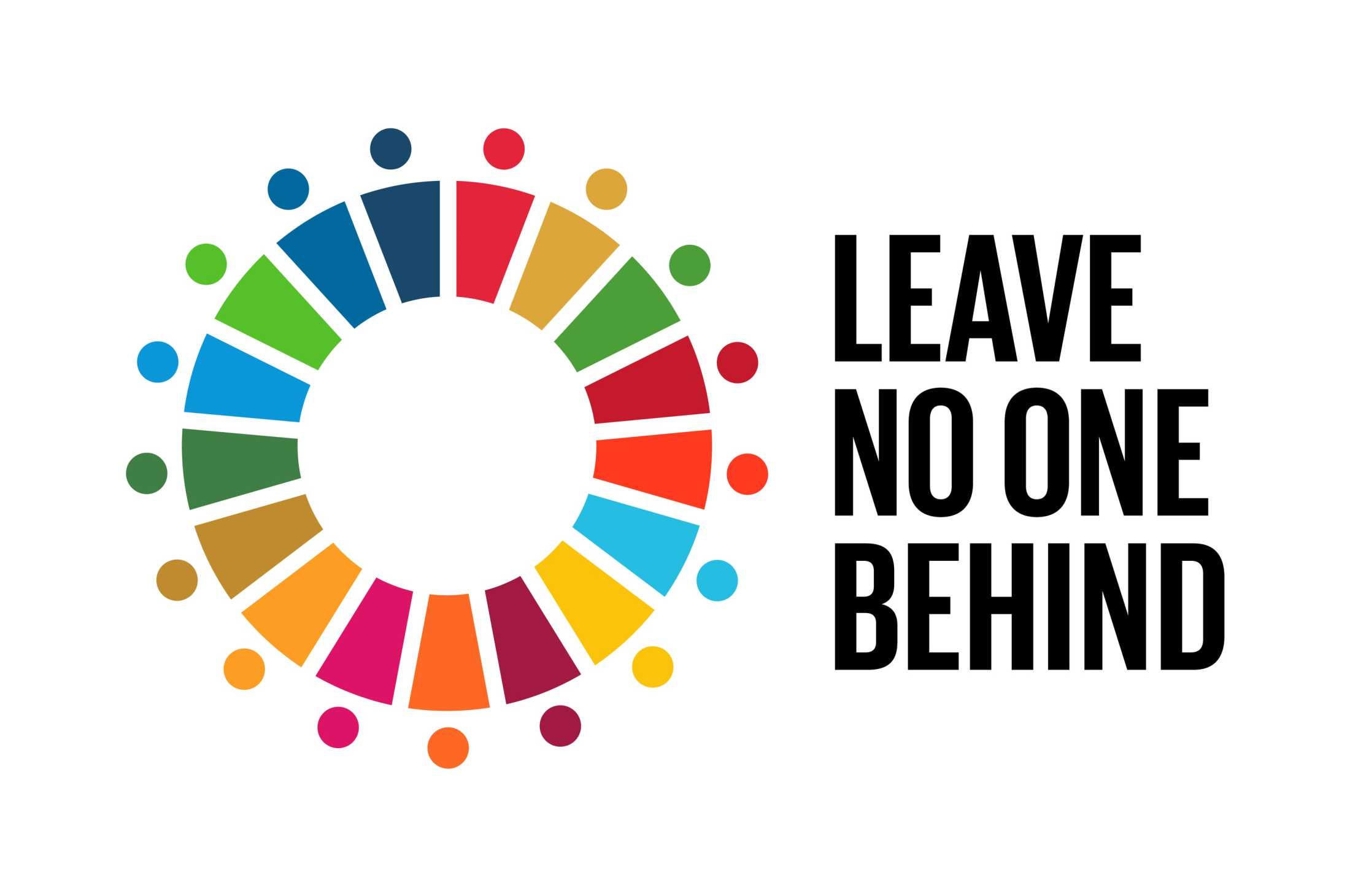
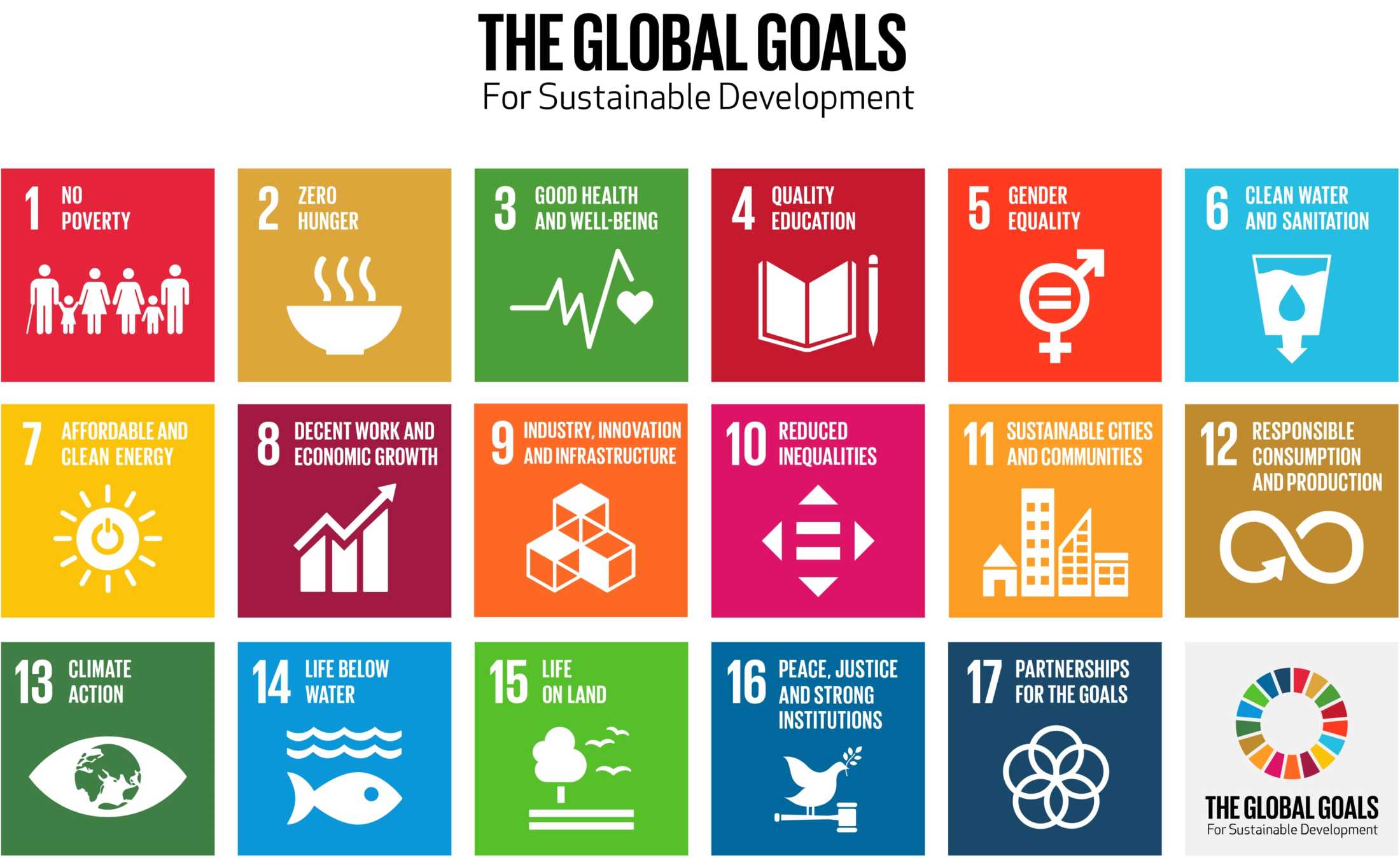
A notable example of the application of color symbolism is the icons for The Global Goals. This project, undertaken by designer Jakob Trollbäck, head of Trollbäck + Company, made the old Sustainable Development Goals for eliminating world hunger, etc., more universally resonating. The highly symbolic designs and palette carefully consider cross-cultural relevance and serve as part of the hopeful language to inspire everyone, everywhere to act for improvements and equality in the lives of people across the planet.
Questions About Color Symbolism? We've Got Answers!
What is color symbolism in art?
Colors are the most vital aspects of visual art and can often be more effective than words. Color symbolism in art means the usage of color as a symbol. Artists aim to draw attention, evoke specific emotions, or convey symbolic meanings by strategically using color and color modes. Different cultures and societies have cultural associations and symbolic significance to colors. Artists leverage these associations to enhance the depth and impact of their artwork.
What does each color symbolize?
Here are some common meanings of different colors in many Western cultures:
🔴Red: Passion, Love, Anger
🔵Blue: Calm, Strength, Trust
🟡Yellow: Happiness, Hope, Deceit
🟢Green: New Beginnings, Abundance, Peace
🟠Orange: Energy, Happiness, Vitality
🟣Purple: Creativity, Royalty, Wealth
⚫Black: Mystery, Elegance, Power
⚪White: Purity, Cleanliness, Virtue
🟤Brown: Warmth, Wholesomeness, Dependability
This video explains why we see and react to colors like we do. It shows how color affects our understanding and choices, making it easier to navigate the world.
Transcript
Transcript loading ...
What does the color white symbolize?
In many cultures, white symbolizes purity, cleanliness, or innocence. In addition, the color white often embodies several other personalities and concepts. Since color meanings vary from culture to culture, white can have positive and negative connotations. For some, white can convey new beginnings, freshness, or simplicity. For others, white can seem too cold, sterile, and isolated.
Understand Color Symbolism in this article to discover all the personality traits of white and other colors.
What does the color blue symbolize?
As explained in Color Symbolism, people find blue trustworthy, assuring, calming, and masculine. It is the color of the ocean and the sky. Hence, they associate it with open spaces, freedom, intuition, imagination, inspiration, and sensitivity. However, the meaning of blue varies depending on the shade and hue. For instance, light blues are calming and relaxed. Dark blues like navy represent strength and reliability. Bright blues can be energizing and refreshing. Understand the transitory nature of color and how our perceptions of color can shift under different lighting conditions and surroundings in this video.
Transcript
Transcript loading ...
What does the color black symbolize?
The symbolism of black color runs far and wide. In some cultures, it associates itself with darkness, heaviness, depression, death, mourning, and evil magic. In others, it can also symbolize elegance, wealth, and power. Black is also called “A color of many sentiments” due to the contrasting feelings it elicits.
Another fact about this color is that people often misunderstand black and associate it with sadness. However, far more than a depressing color, black is also powerful, striking, and a source of protection.
What does the color green symbolize?
Green is a calming color. It has strong associations with nature and brings trees, forests, and lush grass to mind. Like all colors, different shades and hues of green have different meanings and evoke different emotions.
Bright Green: Rebirth, Spring
Yellowish Green: Illness, Envy, Decay
Aqua: Cleanliness, Freshness, Water
Pale Green: Peace
Olive Green: Tranquility, Earthiness, Elegance
Dark Green: Fertility, Greed, Money, Drive
What does red color symbolize?
The most common feelings that red can stimulate are danger, excitement, aggression, dominance, and passion. Red is the warmest and most contradictory color associated with positive and negative emotions. It has more opposing emotional associations than any other color.
Red has contrasting meanings around the world. In the West, red evokes excitement, danger, urgency, and love. When combined with green, the color scheme becomes festive. In China, India, and other Asian countries, it symbolizes happiness and good fortune.
What are the four psychological Colors?
The four primary colors in color theory are: red, yellow, blue, and green.
🔴Red is an intense color associated with physical aptitude.
🟡Yellow is a potent emotional stimulator that inspires positive thinking and confidence.
🔵Blue is a calming color that inspires clarity of thought and serenity.
🟢Green facilitates the harmony between the other chromes: red, yellow, and blue.
Always remember colors are subjective and use them in the right context. The article Use Color to Prevent Confusion and Help Your Users will help you learn the meaning of color and the importance of context.
Which color symbolizes love?
Red, also called the color of love, represents love and passion. There are several reasons for this symbolism. The color red connects with the heart. A bright red icon ❤️ symbolizes the heart. This link contributes to red being a powerful symbol of love. In addition, the Greeks and Hebrews saw red as a sign of love. Lastly, because of its link with desire and passion, red is the color of love.
Where to learn more about color symbolism?
This course onVisual Design: The Ultimate Guide can help you strengthen your foundations of visual design. You’ll learn to use the right colors, type, visual design elements, and all the secrets to create a good design. You’ll also learn the significance of visual design, understand the impact of history on the present, and uncover practical ways to enhance your own work. You can also watch this brief video to learn “What is Color?”
Transcript
Transcript loading ...
Earn a Gift! Answer a Short Quiz at the End of This Page
Earn a Gift, Answer a Short Quiz!
1
2
3
4
1
2
3
4
Question 1
Question 2
Question 3
Get Your Gift
2
3
4
2
3
4
Question 1
Question 2
Question 3
Get Your Gift
3
4
3
4
Question 1
Question 2
Question 3
Get Your Gift
4
4
Question 1
Question 2
Question 3
Get Your Gift
Try Again! IxDF Cheers for You!
0 out of 3 questions answered correctly
Remember, the more you learn about design, the more you make yourself valuable.
Improve your UX / UI Design skills and grow your career! Join IxDF now!
Learn More About Color Symbolism
Make learning as easy as watching Netflix: Learn more about Color Symbolism by taking the
online IxDF Course Visual Design: The Ultimate Guide.
Why? Because design skills make you valuable. In any job. Any industry.
In This Course, You'll
Get excited to master the timeless principles behind great visual design and move from "This looks nice" to "I know why this design works and how I can bring that to my own work".Research from the University of Basel and Google has shown that people judge a design's visual appeal in as little as 17 to 50 milliseconds, long before they've read a single word. That split-second reaction is formed through our perception of visual elements like composition, contrast, and color, and it's something you can influence.In this course, you'll build a stronger eye for visual design and learn from legends like Ellen Lupton, author of the bestselling book "Thinking with Type". You'll start with the fundamental elements every strong composition relies on: line, shape, negative space, volume, value, color, and texture. From Bauhaus-era paintings to the Beethoven poster (1955) and the live MTA New York subway map (2020), you'll trace the impact of more than 100 years of iconic design, see how itcontinues to shape the visual world, and learn to apply that thinking to your own work. Whether you want to break into visual design or are a senior designer who wants to strengthen your fundamentals, this course gives you timeless, human-centered design skills you'll use for the rest of your career.
Make yourself invaluable when you can identify the invisible structure behind great design: how layouts guide the eye, typography creates tone, color carries meaning, and composition shapes what people notice first. These visual choices shape users' trust, emotion, and actions, which means they influence engagement, conversion, and revenue. AI has made it easier to produce visuals, but also easier to produce bad ones. With a strong foundation in visual design, you'll know the difference between what looks finished and what actually works. In this course, you'll learn practical skills you can apply immediately, like how to pair typefaces, use alignment to direct visual flow, choose color with cultural context and psychology in mind, and use grid systems to organize information across different media. By analyzingreal-world designs, you'll break down what works, what doesn't, and why, so you build the habit of seeing and creating structure in everything. Whether it's websites, decks, apps, physical interfaces, or posters, you'll bring that trained eye to whatever lands on your desk next.
Gain confidence and credibility as you learn to articulate your design decisions without second-guessing yourself. You'll discover how type works, from its anatomy to kerning, leading, tracking, and hierarchy, and know how to talk about itprecisely. You'll also be able to describe color choices in terms of theory, schemes, symbolism, and cultural context. When a client asks why you chose that typeface, color palette, or composition, you'll have a confident and clear answer that connects design choices to user behavior and business outcomes. Instead of saying "I like it" or "something feels off," you'll name the root problem and know how to fix it.
Craft a personal portfolio with optional hands-on activities and downloadable templates. You'll use grid systems, responsive layouts, typographic systems, sketching, journey mapping, and paper prototyping to explore ideas, organize information, and create stronger work across digital and print. By the end, you'll have portfolio pieces that show employers, clients, and collaborators your design expertise and be able to explain every choice with confidence.
Learn From Industry Leaders
Master complex skills with proven best practices and toolkits directly from industry leaders. Meet your experts for this course:
Mia Cinelli: Associate Professor of Art Studio and Digital Design at the University of Kentucky.
Joann Eckstut: Color Consultant, Founder of The Roomworks, and one of the 12 designers chosen by the Color Association of the USA to create the yearly forecast used by industries to keep up with color trends.
Arielle Eckstut: Author, Agent-at-large at the Levine Greenberg Rostan Literary Agency, and Co-Founder of The Book Doctors and LittleMissMatched.
Earn Industry-Recognized Certificates
Industry giants trust our courses to train their teams, and prestigious universities integrate our content into their curricula. Add your certificates to your LinkedIn profile, résumé, and job applications.
Part of the magic of how colors work together in impressive designs lies in the art of color selection. Designers often use complementary colors to craft visually appealing and efficient UX (User Experience). Complementary colors sit on the opposite ends of the color wheel, such as orange and blue,
Color is powerful. It has the power to persuade, evoke, express and communicate. It can also be an effective tool to communicate with your users. However, color is subjective and must be used in the right context. The context of our relationship with color is a complex one, rooted in biological, cul
Social shares
768
Published
Read Article
Understand Color Symbolism
Color is powerful. It has the power to persuade, evoke, express and communicate. It can also be an effective tool to communicate with your users. However, color is subjective and must be used in the right context. The context of our relationship with color is a complex one, rooted in biological, cultural and personal associations. So, as powerful as color is, can it affect your mood?
“If one says ‘Red’ – the name of color – and there are fifty people listening, it can be expected that there will be fifty reds in their minds. And one can be sure that all these reds will be very different.” — Josef Albers
Can Color Affect Your Mood?
The answer is yes and no. Unfortunately, there is very little research on how the brain actually responds to color. Most color psychology “facts” are not grounded in science.
As mentioned earlier, we respond to color in three different ways. The first is our biological response. We do know a bit about how we respond biologically to red objects; They can inspire fear and sexual desire. We also know some things about how we respond biologically to blue light; it can help with everything from seasonal affective disorder (SAD), to issues with our internal clocks, to problems with concentration.
The second is our cultural response. For example, in the West, blue is far and away the favorite color and yellow the least-favorite color, whereas if you go to the East, yellow climbs to the top of the charts. These differences have to do with the cultural associations with various colors.
The third is our personal associations with color. Did you go to prison and have to live in a pink cell? Then pink may be a real turnoff to you. Did you grow up with a pink bedroom in a loving, supportive household? Then you may gravitate towards pink.
Don’t be fooled by the claims that peach whets the appetite, or pink is calming, or yellow uplifts. Maybe these are true for some people whose personal, cultural and biological responses line up to support these claims, but test a different group of people across the globe (or even within the same family) and you may find completely different results. Color surely can affect mood — put a group of people in a room with fluorescent yellow walls, floor and ceiling… and they're certain to feel something — but whether everyone in the room feels the same thing for the same reasons is at this point very hard to prove.
Now that you understand how colors can affect your mood, let’s get into specific colors. Please remember, context is the key. Our relationship with color is a complex one, rooted in biological, cultural and personal associations. Do your research, be sensitive to your user and take an interest in cultural values to create good design. And never assume that the color you like will also be liked by someone else.
“Color helps us navigate quickly, easily, and often with joy.” — Arielle Eckstut
In this lesson, you’ll learn about Color Symbolism from Arielle and Joann Eckstut, co-authors of “Secret Language of Color: Science, Nature, History, Culture, Beauty of Red, Orange, Yellow, Green, Blue, & Violet.'' We’ll explore the meaning of color and learn about the importance of context.
The flashiest and sultriest of hues, red is a color that has fanned the flames of revolutions. It’s a color that groups as diverse as Satanists, Communists and American conservatives have all claimed as their own. Red can be used equally to express love or hate and may signal sin, fertility, courage, guilt or good luck, depending on your longitude and latitude. Whether you “see red” symbolically, in its angrier turn of phrase, or follow its practical injunctions as a law-abiding citizen, it will stop you in your tracks. Just be careful not to get lured into the red-light district by a red herring and emerge red-faced, branded with a scarlet letter.
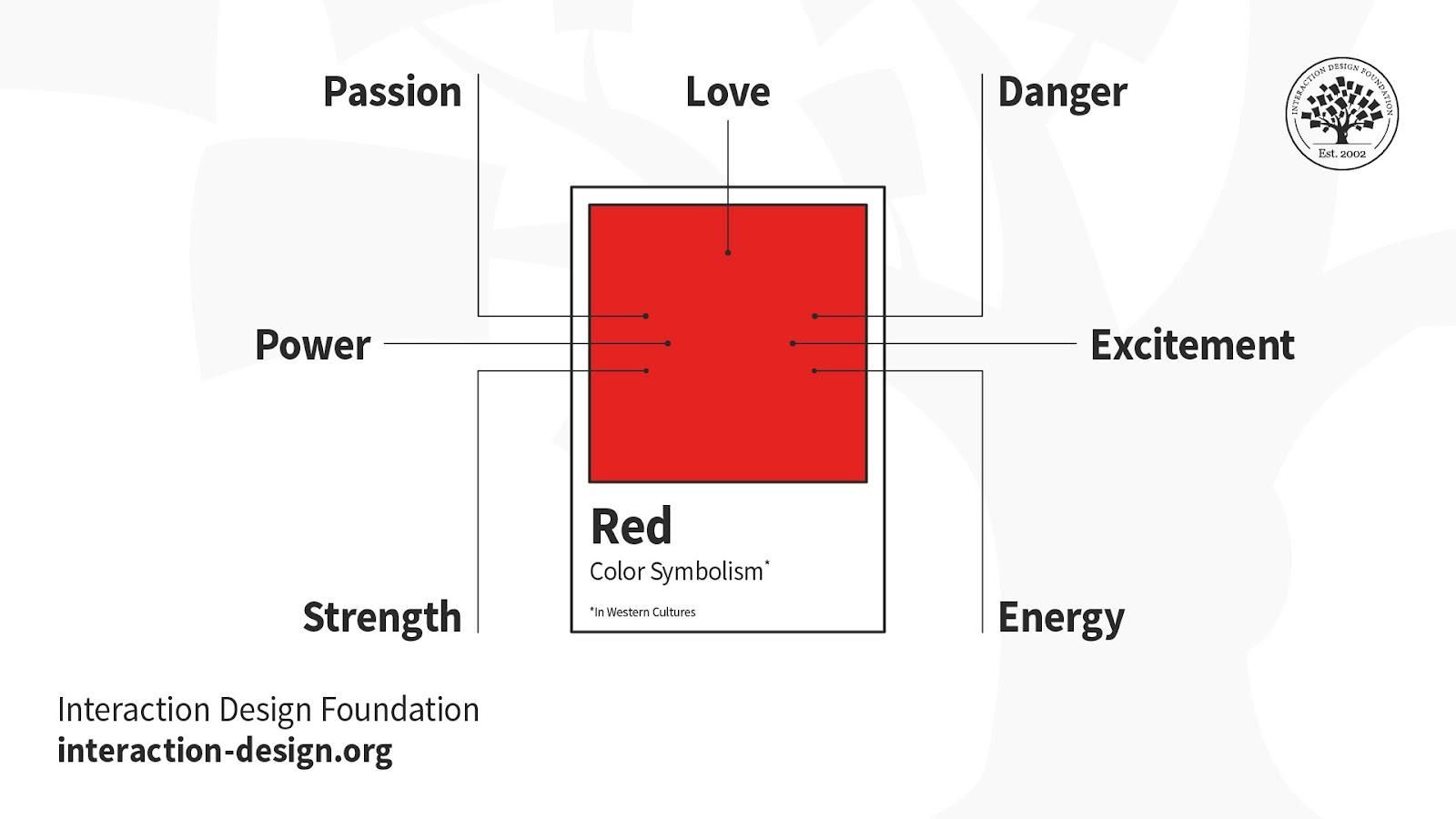
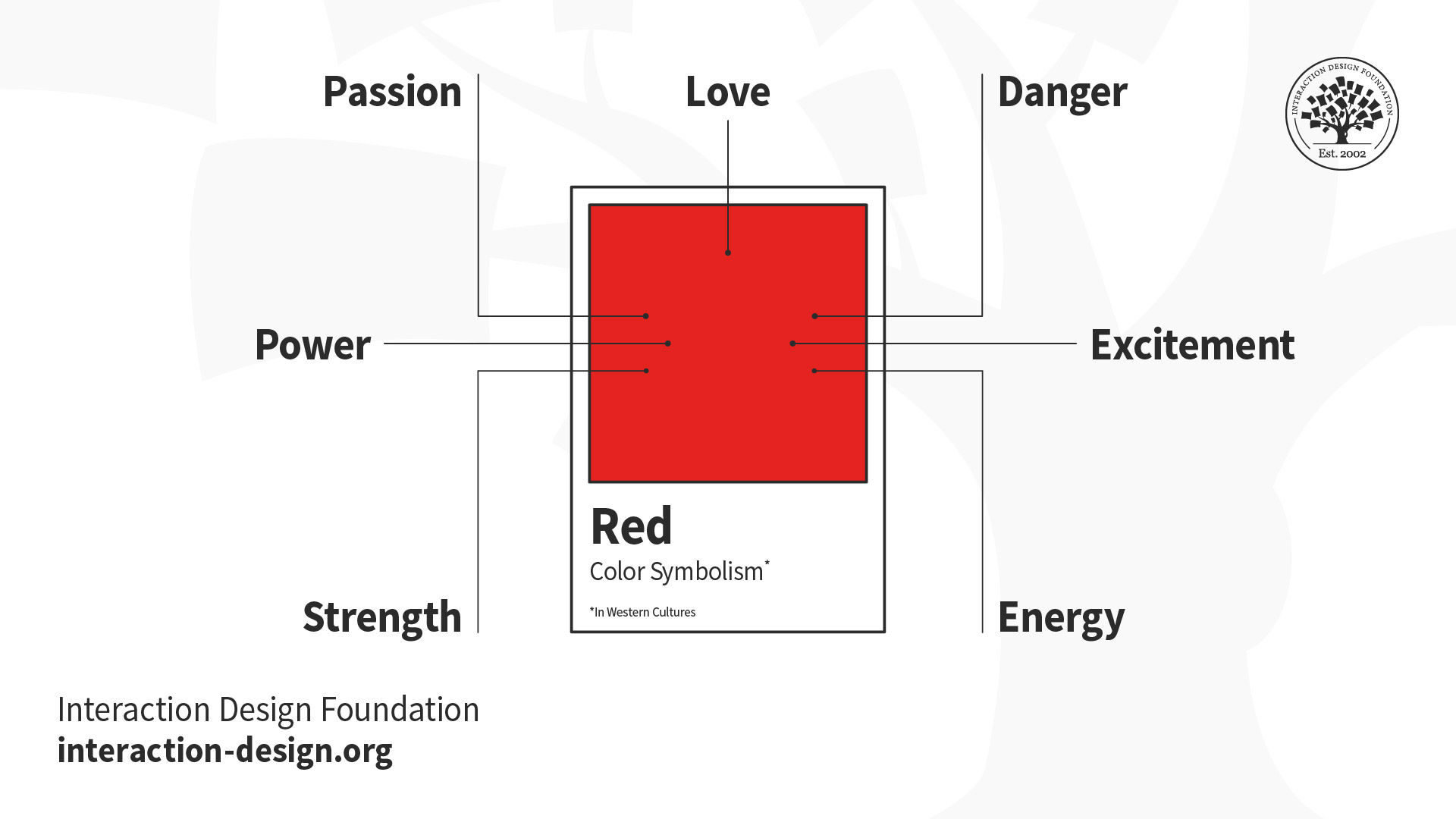
Red, particularly in Western Cultures, can symbolize any of these:
Love
Passion
Strength
Power
Danger
Excitement
Energy
Practical Tip: In the East, red is regarded as the color of happiness, wellbeing and good fortune, so always consider the context.
For millennia, orange was a color without an identity. In many languages, it’s one of the very last, if not the last, color named in the rainbow. Many native cultures still see no need to give orange its own label. Of course, orange has always existed and been plentiful, be it in the form of blooms, fruits, vegetables, animals, or the sky as the sun sets. Through pigments like saffron, it has long colored clothes and canvases. It has been used to symbolize nationhood, religious identity and athletic applications. Yet it doesn’t come close to its neighbor, red, in terms of its place in the world. This may have to do with the nature of orange as a visible hue: When pale, it is usually identified as yellow. When dark, it is usually identified as brown. There is a narrow band in which orange can show off its true self, but in that narrow band it shines.
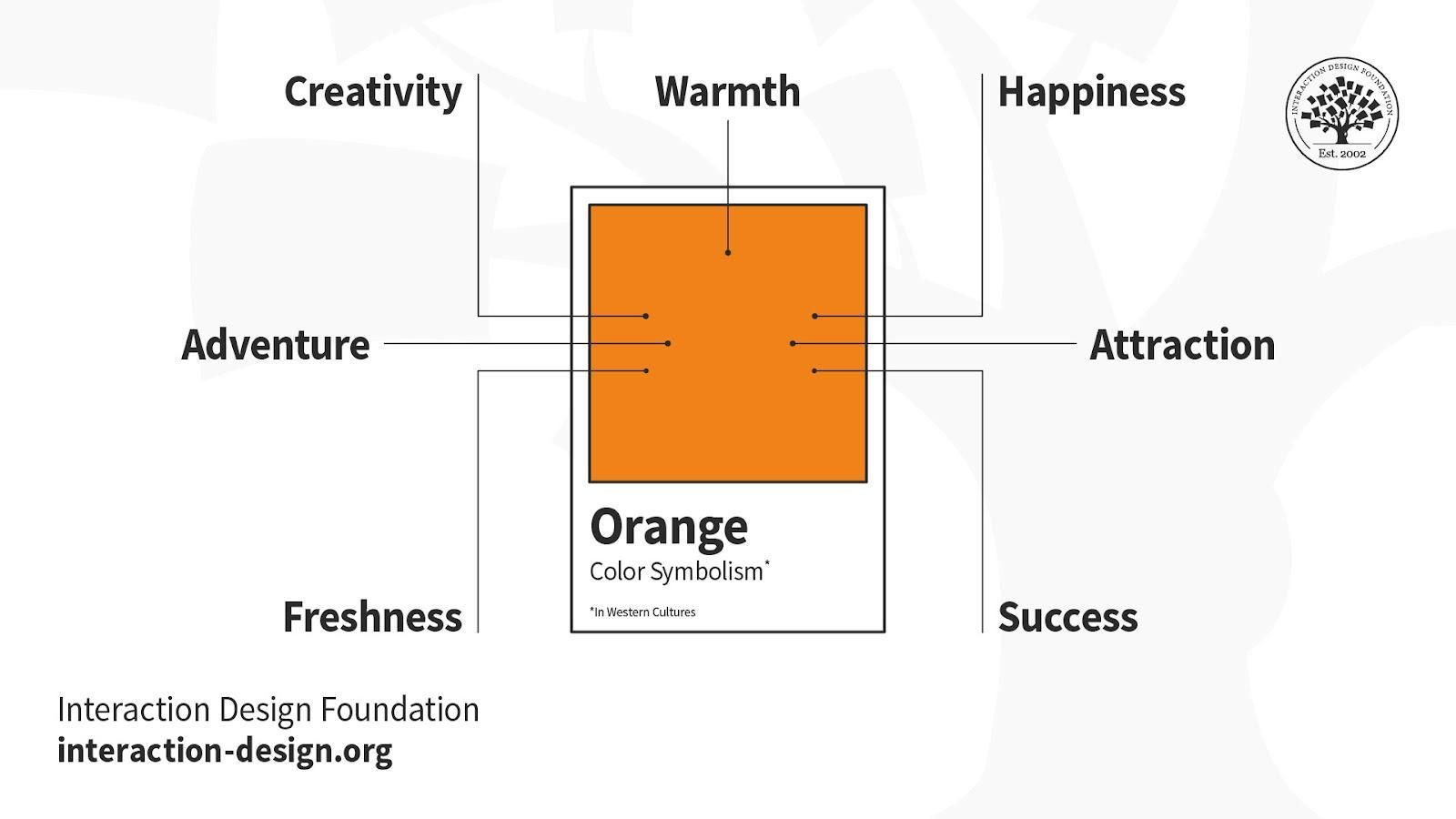
Orange, particularly in Western Cultures, can symbolize any of these:
Practical Tip: Because orange is associated with happiness and creativity it is well suited to youthful, energetic brands and best avoided for luxury, traditional or serious products.
You spot a taxi a few blocks away. You hail it and get in. The cabbie speeds off before you’ve even closed the door. He’s going way too fast, but he slows down as he sees a road sign indicating a dangerous curve ahead. He brakes again for a forklift in front of him. As he continues to navigate, you pull out a contract with a Post-it note tagging the page that requires your signature. You flip to that page, and a highlighter shows you exactly where to sign. Each of these items that catches your and the cabbie’s eye is yellow. Yellow’s luminescence has also dazzled emperors, painted millions of pencils and cautioned us to slow down, and gotten our attention.
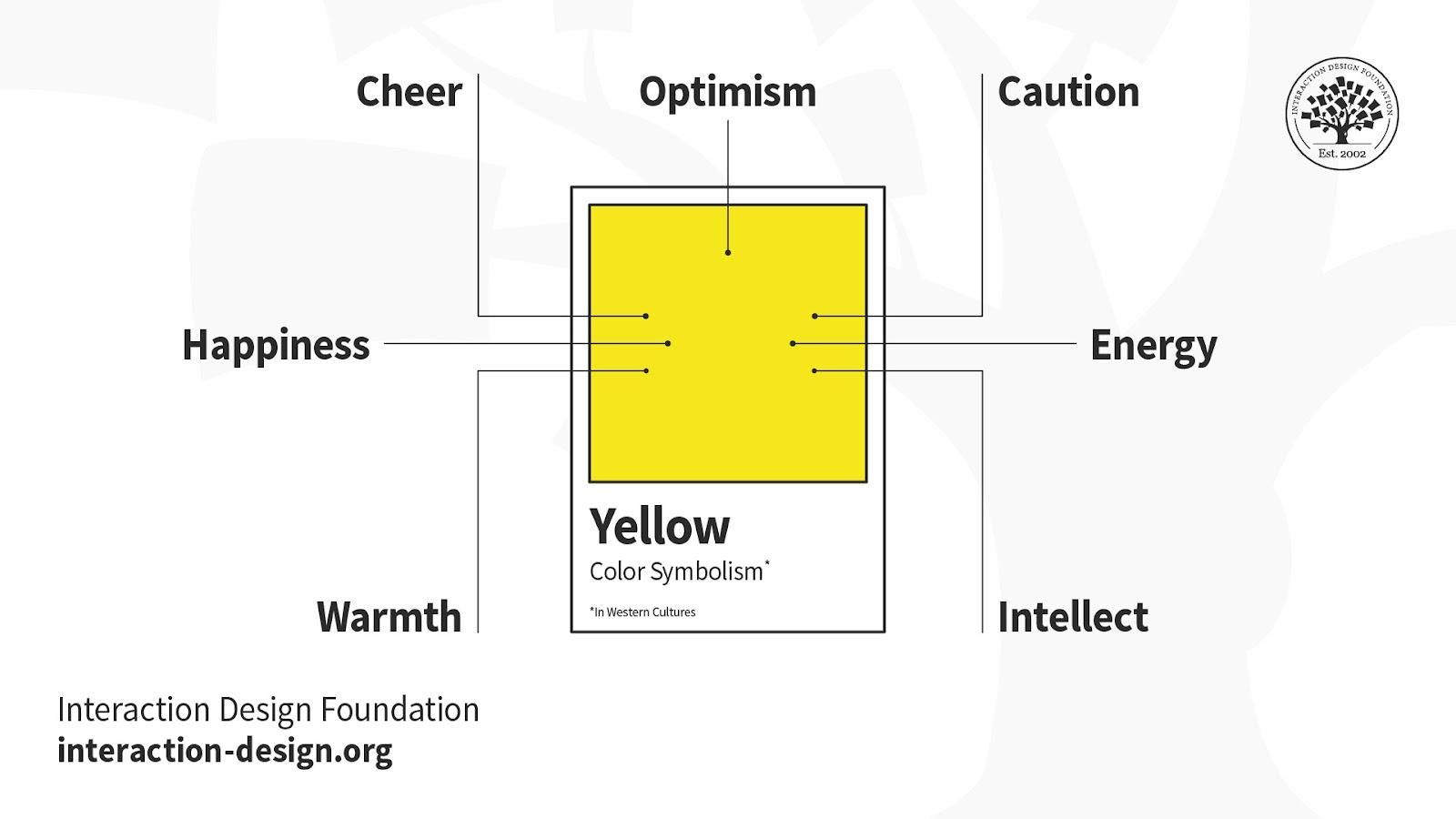
Yellow, particularly in Western cultures, can symbolize any of these:
Optimism
Cheer
Happiness
Warmth
Caution
Energy
Intellect
Practical Tip: Some shades of yellow can look cheap — although this may suit your product image. So, yellow is a great example of when to research consumer reaction to color appropriateness and make sure it is the right color for your product.
Money. Inexperience. Paradise. Jealousy. A penchant for recycling. A knack for gardening. All of these identify with the color green. And yet, green is so much more fundamental. From the Amazon jungle, to the concrete jungle, it’s nature's greenery that supplies us with the ability to live and breathe. Chlorophyll is the pigment responsible for greenery that surrounds us; although the term sounds scientific, it is simply derived from the Greek words for “green” and “leaf.” And it’s this chlorophyll that produces the oxygen that we need to survive. Green is the essence of life.
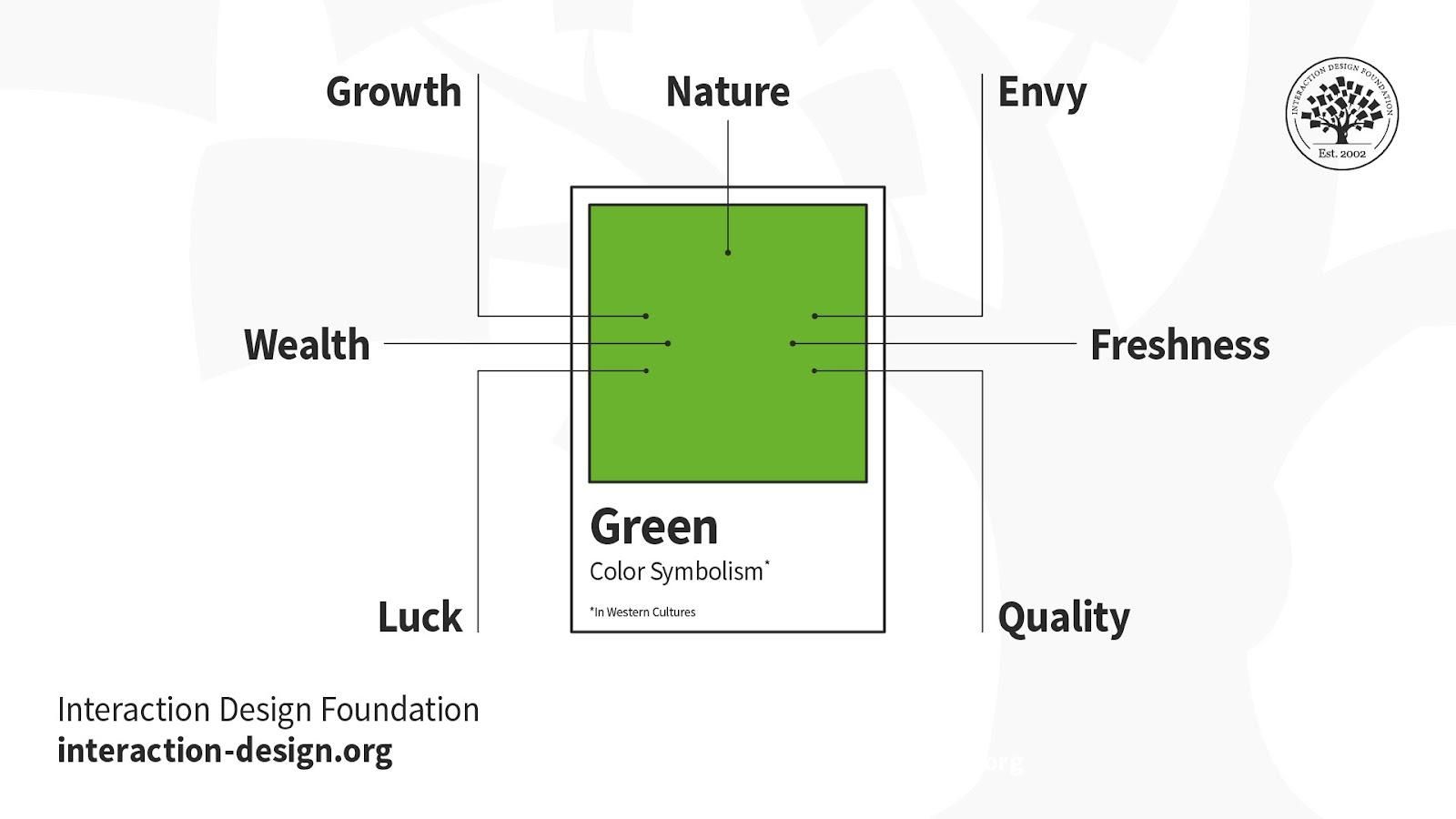
Green, particularly in Western cultures, can symbolize any of these:
Nature
Growth
Wealth
Luck
Envy
Freshness
Quality
Practical Tip: Pick your shade of green carefully as brighter, lighter greens indicate growth, vitality and renewal; while darker, richer greens represent prestige, wealth and abundance.
From the nighttime sky to a deep blue sea, the color blue expands our horizons and blankets our dreams. We trust blue (bestowing its authority on our men and women in uniform), depend on blue (granting blue chip stocks their fiscal reliability), see blue as a masculine thing (building up our baby boys and decorating their nurseries), and perceive it as both calming and cooling. On the other hand, we all get the blues at one time or another, and blue can be the moody underside to our otherwise rosy dispositions.
Blue, particularly in Western cultures, can symbolize:
Trust
Calm
Sadness
Peace
Loyalty
Depth
Authenticity
Practical Tip: Blue runs the gamut from corporate and dependable, to calming and tranquil, to feeling down in the dumps. So, choose your shade wisely.
Is there any color more extraordinary, exquisite, exalted, delicious, delectable, desirable, more je ne sais quoi? The color that just seems to fit that so very majestically is, of course, purple.
Purple speaks of high places; it's been associated with royalty for centuries — and for good reason. Nature did not provide an easy means of dying fabric purple. Historically, the production of the dye was one of the most noxious, laborious, time-consuming, and expensive processes around. Only the rich could afford it, and aside from kings’ robes and priests’ stoles, the hue was hard to attain. Those who wore it certainly did so with pomp and circumstance. No shrinking violets in the courts.
Purple, particularly in Western cultures, can symbolize:
Royalty
Nobility
Wisdom
Luxury
Imagination
Mystery
Spirituality
Practical Tip: Purple is best used for targeting a female audience as research suggests women list purple as a top-tier color while it doesn’t even rank for men. Overall, purple is not a common color for branding and, in fact, Cadbury is the only purple brand in the Forbes list of the 100 most valuable brands from 2014.
White, an inherently positive color, is associated with purity, simplicity and innocence. It’s the color of snow, the symbol of defeat, and the presence of all colors. You can white knuckle the steering wheel, on your drive home, during a whiteout in winter. In the West, it’s the traditional color worn by brides; in the East, however, it’s worn at funerals. You can surround your home with a white picket fence, but never wear it after Labor Day.
White, particularly in Western cultures, can symbolize any of these:
Purity
Simplicity
Innocence
Peace
Cleanliness
Emptiness
Goodness
Practical Tip: It’s difficult to inject personality into your brand when using white, so make sure your brand is about simplicity, purity and transparency.
Black, an inherently negative color, is associated with sophistication, sorrow and mystery. This is the color of the night sky, the symbol of death, and the absence of all color. You can get a black eye, or even blackout, while practicing for your black belt in Karate. In the West, it’s the color of mourning and the symbol of grief, but also a slimming color to wear at an elegant black tie event. Your company can celebrate its success of being in the black, but be sure to pay your taxes, or expect a visit from the men in black.
Black, particularly in Western cultures, can symbolize:
Sophistication
Formality
Sorrow
Boldness
Elegance
Death
Mystery
Practical Tip: Contrast a bright color against black; use gold foil for a touch of luxe, or combine it with white for a bold and simple statement. Think about texture and how matte or glossy black might change the message of your brand.
Now that you’ve learned that our relationship with color is a complex one, rooted in biological, cultural, and personal associations — imagine if you had to create a color palette, consisting of 17 colors, that is universally accepted around the world? Take that in for a moment. Let that digest. That challenge is exactly what designer Jakob Trollbäck, founder of Trollbäck + Company and The New Division, created for the Global Goals. Let’s find out how.
Color for Cause: The Global Goals
The story of The Global Goals began in the fall of 2014 with Richard Curtis, film director and founder of Project Everyone, meeting with Jakob Trollbäck, founder of creative studio Trollbäck + Company in New York, to discuss how to best make the agenda famous. Jakob took on the task and transformed the somewhat cumbersome “Sustainable Development Goals” to what they are known as today: “The Global Goals.” Invaluable insights from UN ambassadors and NGOs along the journey pushed Jakob and his team to develop icons that could be universally understood.
The designs and palette carefully consider cross-cultural relevance and symbolism. The circular logotype for the master brand is an expression of unity and uses the full palette from the icon system. The result is a communication system, signed-off by all 193 member nations. Today, it is universally adopted and used as a hopeful language of change to inspire everyone, everywhere to act.
It was a creative challenge to find 17 colors that looked good together and to make sure similar colors weren’t next to each other. It was also important to keep certain color associations — for example, making the two goals for Life Below Water and Clean Water and Sanitation blue and the Affordable and Clean Energy goal yellow like the sun. Jakob himself said “…in the end it was like a big color-puzzle” referring to the complexity of the design.
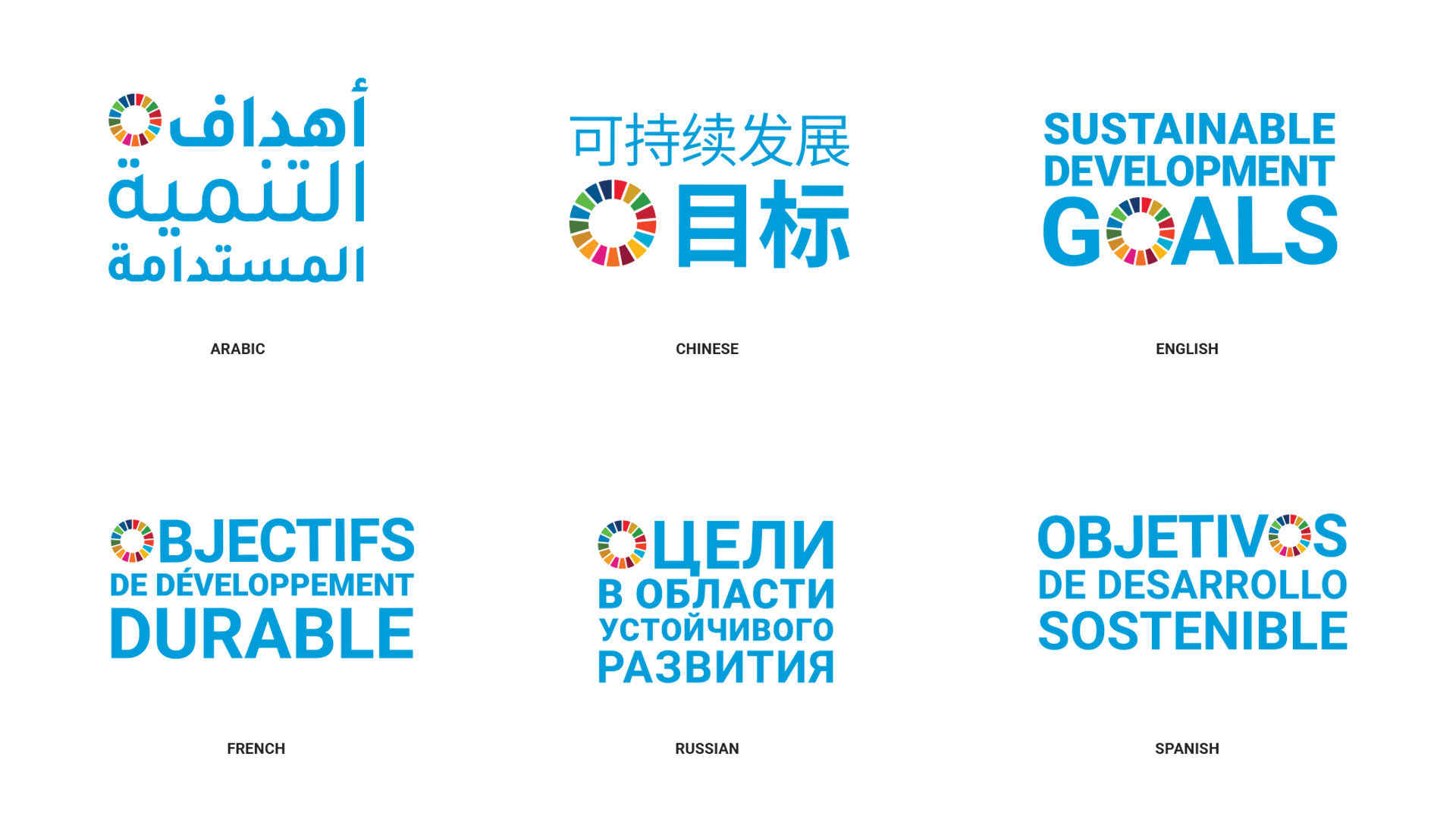
Jakob started the design process by giving the SDGs a more compelling name, transforming the somewhat cumbersome “Sustainable Development Goals” into “The Global Goals.” Below is an exploration of how the logo would read in multiple languages. This exploration shows the careful attention to localization, an important principle in design.
After renaming the logo, Jakob then gave each of the 17 goals a concise name that makes them easy to talk about and remember. Every goal has its own colorful icon with bold typography and bright colors to express the determination and optimism of the effort. He then designed an official logo for the initiative — a bright circle made up of the colors of the 17 individual goals to remind us that they all have to be solved together.
“Good design is surprising and inevitable.” — Jakob Trollbäck
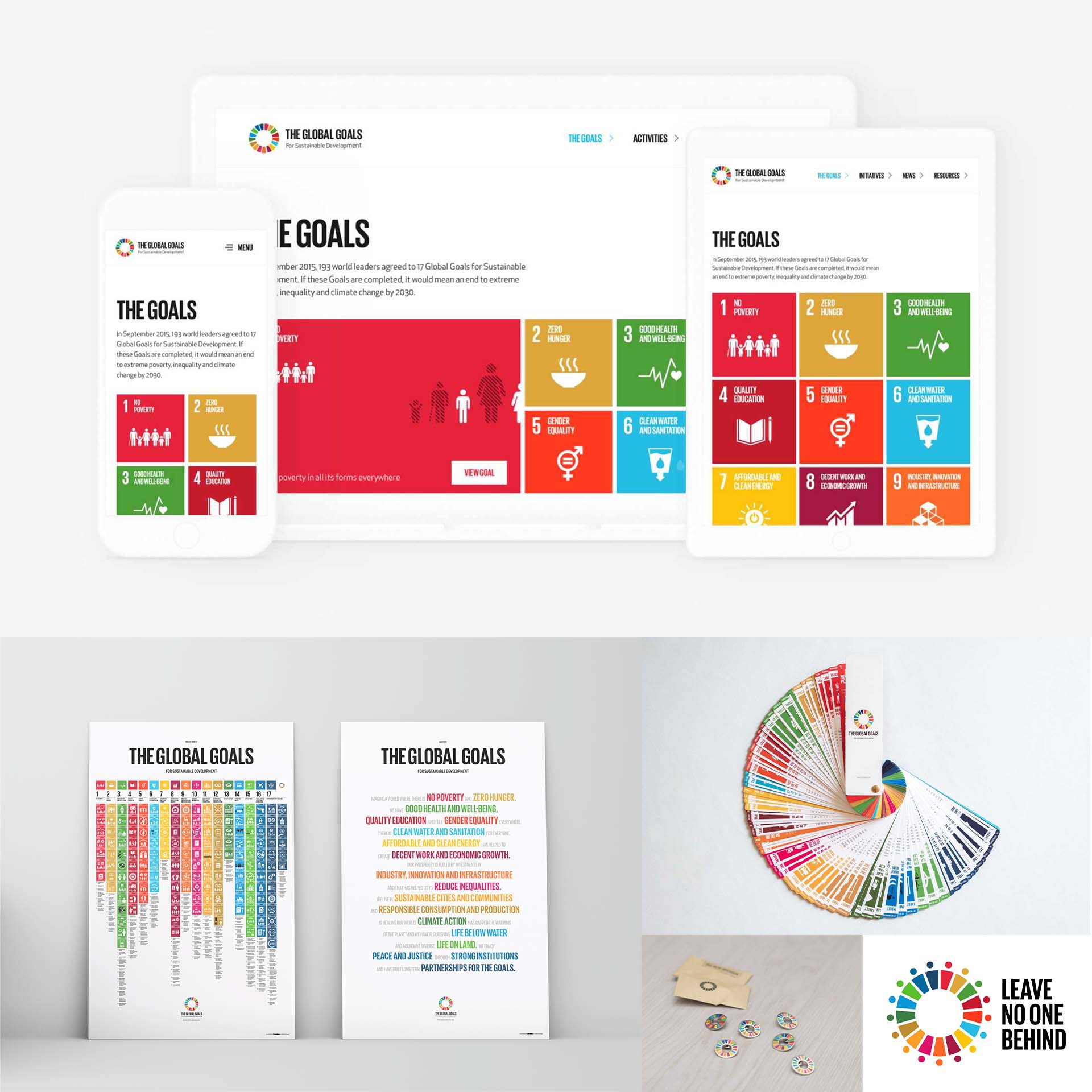
According to Jakob, design is very purpose driven and the magic comes when you find a new way to present to users and allow them to find a different way to think. With that concept in mind, Jakob translated the Global Goals into a comprehensive campaign including a website, poster, swatch book and pins.
Color is powerful. It has the power to persuade, evoke, express and communicate. It can also be an effective tool to communicate with your users. However, color is subjective and must be used in the right context.
In this lesson, we learned that the context of our relationship with color is a complex one, rooted in biological, cultural and personal associations. We also learned the difference between warm and cool colors and the cultural symbolism of specific colors in Western cultures.
Red = Love, Passion, Strength, Power, Danger, Excitement, Energy
White = Purity, Simplicity, Innocence, Peace, Cleanliness, Emptiness, Goodness
Black = Sophistication, Formality, Sorrow, Boldness, Elegance, Death, Mystery
Lastly, we learned about The Global Goals and the particular challenges Jakob Trollbäck and his team solved through research, localization and cultural symbolism. Remember, design is very purpose driven and the magic comes when you find a new way to present to users and allow them to find a different way to think.