A marketing plan explores the key questions for your marketing efforts; what will you do? What makes what you do attractive to your audience? How much will it cost? What do you expect that marketing effort to provide? It also forces new freelancers and entrepreneurs to consider marketing in its whole carefully. Marketing, or increasing awareness of your service offering, is an essential part of driving sales for your business – get it right and you can spend more time earning and doing what you love.
There may be a unicorn freelancer or entrepreneur out there somewhere who starts his or her freelance or entrepreneur career with a full portfolio of clients and orders and who maintains that level of business forever; unfortunately, the odds are that you’re not that unicorn. For the rest of us humble mortals, much of the work we do for our businesses will be marketing and selling our services.
Marketing is about increasing awareness of your brand, product or service. Selling is the bit where you translate awareness into sales.
That means if you want to succeed, you need a marketing plan. The good news is that this is actually pretty simple to set up.
What Goes Into a Marketing Plan?
A marketing plan should take no more than a day to devise. It provides a simple, clear explanation of how you will market your business and some measures for you to test that marketing. It’s a “living document” in that, over time, you’re going to revisit the plan and update it as you learn what works well for your business and what doesn’t work well. A marketing plan will generally include:
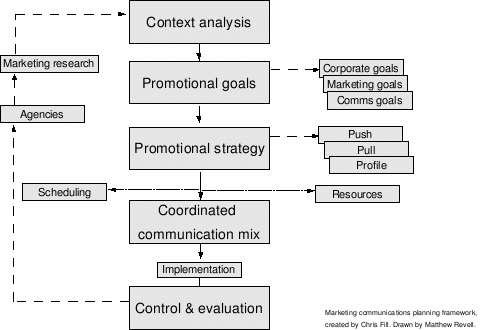
Author/Copyright holder: MattRevell. Copyright terms and licence: CC BY-SA 3.0
The good news is that you don’t need to get complicated about your marketing – this kind of marketing analysis is used by big corporations, not upcoming freelancers and entrepreneurs—unless, of course, you’re a market researcher looking to break into freelancing.
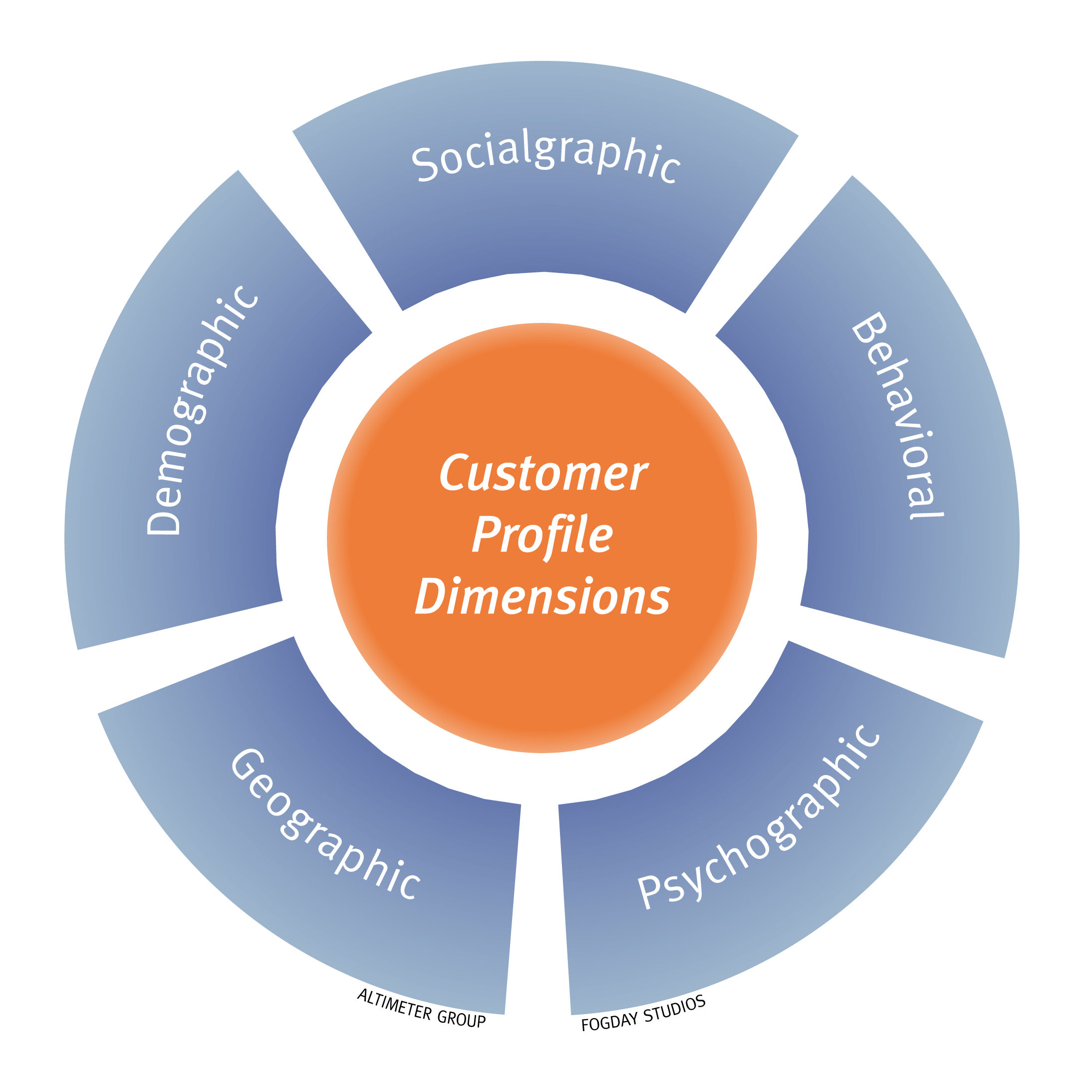
1. A profile of your target customers
Who will buy your services? What do they do? What are their typical needs/wants that you will address? What kind of language do they use? Industries develop their own terminology and style over time. The closer you can get to matching this, the easier it will be to communicate effectively within that industry.
 Author/Copyright holder: fogfish. Copyright terms and licence: CC BY-SA 2.0
This infographic will help you reflect on who your customers really are when building your customer profile.
2. Your unique selling proposition (USP)
What will make your company stand out from its competitors? What do you do better, cheaper or faster? This should be ideally no more than a one-line statement and should never be more than three lines. It’s the answer to the question—“Why should we buy from you rather than XYZ Company?”
3. Price and position strategy
This is important—what slot do you occupy in your niche? Are you a cheap and cheerful volume producer? Or are you a premium brand? Your pricing should reflect where you position yourself. Nobody will trust a premium brand with cut-price rates, and nobody will pay a massive premium to a volume producer. How can you get started finding the right price for your services? Make a simple market analysis based on who your customers are and who your competitors are and what they charge.
4. Your main marketing method
How will you reach your customers to let them know about your services? Search engine marketing? Telemarketing? Social media? Etc.? In the first instance, it’s better to choose one method of marketing and concentrate on getting good at it rather than trying to use dozens of types of marketing and failing to master any of them. After a while, you can expand your marketing horizons and include more techniques, but it’s always best to do that once you’ve become good at (or decided to abandon because you aren’t good at) your first choice of marketing.
In truth, if you’re just starting out—the best forms of marketing are those that bring the quickest results – networking with your personal network, Search Engine Marketing (SEM), brokerage sites (such as Upwork and Guru) and telesales. If you have plenty of time or money in reserve, you can examine other marketing options, but most freelancers and entrepreneurs will need to build a client base quickly and won’t be able to afford to wait around for results in the longer term.
5. Any offers that you intend to use to attract customers
Some freelancers decide to offer discounts to attract clients when they start out. For example, they might offer web design services with extra pages for free as an initial offer. You don’t have to do this. Many freelancers don’t. It can be an effective way to break into a market and win your first customers, but it can also lead to spending a lot of time working less profitably than pricing your services well in the first place.
6. Any marketing materials you intend to create
Brochures, websites, business cards, etc. should come here. You also want to cost these materials to ensure that you have the budget for them. Don’t forget that when you start out—there are free or very low-cost website providers (for example), and you can often get a box of business cards printed for next to nothing if you look online. You can always improve these things over time if you are short on funds.
Don’t get carried away designing brochures and other marketing materials in the beginning, as it will cost you lots of time and money. This is a mistake many new freelancers and business owners make. Most successful freelancers and business owners will admit that—we’ve been there, done that.
But you can learn from our mistakes and skip the excessive marketing materials such as brochures. Maybe you don’t even need a business card to get started. What should you do instead? Think about whether you really need time-consuming and expensive marketing materials to attract your first clients or if there’s an easier and less time-and money-consuming way to get in touch with your first customers, and start making a real difference performing those services you’re best at and which will earn you money instead of costing you your money.
 Author/Copyright holder: Dvortygirl. Copyright terms and licence: CC BY-SA 3.0
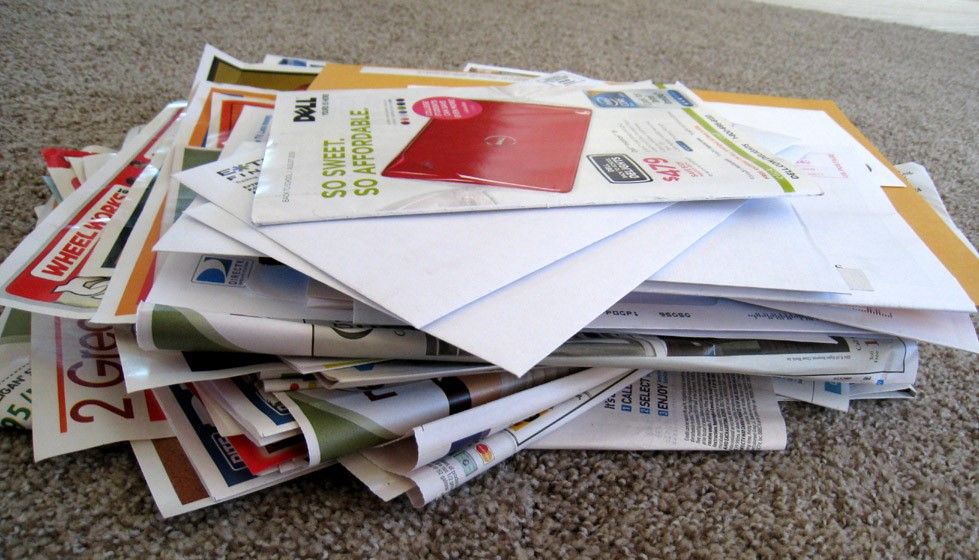
Don’t forget that a lot of paper material ends up as junk. Don’t get carried away designing brochures and other marketing materials in the beginning, as it will cost you lots of time and money. Think about marketing materials that provide long-lasting benefits to your clients and to your business before spending money on them. You need less marketing material than you might think.
7. Any conversion strategies you intend to use
How will you deal with incoming leads—via e-mail or phone? What will you do to ensure that a customer spends money? Can you offer social proof to help assure the customer they’re making the right choice? For example, can you get a testimonial from someone you’ve worked with in the past – even if it was someone you worked with before you became a freelancer or an entrepreneur?
8. Any partnership strategies you intend to use
If you’re a web designer, for example, you might decide to work with a web developer or a content writer and offer cross-marketing. They recommend your services to their clients, and you recommend theirs. This might be done on a commission basis (e.g., you pay each other for a successful conversion) or in the spirit of creating goodwill.
9. Any upselling strategies you intend to use
If you have customers, how can you make sure that they spend as much money with you as possible? If someone approaches you for logo design, for example, could you sell him or her a letterhead design or web design as well? The more a customer spends, the less time you need to spend looking for more clients. This is why you should work hard to satisfy your first clients by exceeding their requirements and expectations. It’s much easier to do upselling and to continue working with the same clients in the future than it is to attract new clients.
10. Any costs associated with the plan and any revenues you expect to make from it
This financial element is vital. If you spend, say $5,000 on print advertising, it needs to bring in much more than $5,000 in business to be worthwhile. How much do you intend to spend? How much do you intend to make? How will you measure this? This can tell you whether it’s worth pursuing a certain type of marketing or whether you’d be better off investing elsewhere.
This should be enough information for your first marketing plan. It shouldn’t be a long, complex document; in fact, if it runs to more than four pages, it’s probably too much. Try to cut it down to a short, succinct level. This will make it much easier to use to market your business with and to review for future improvements.
When your business is a little more established, you may want to add two more sections to your plan:
Your referral strategy. The best possible source of new business is business that’s been referred to you by satisfied customers. How will you broach this subject with happy clients? How will you act on referrals? Will you offer incentives for referrals? Will you offer an incentive to a referred customer? A simple incentive might be a discount on his/her next purchase and a discount on the first purchase from a referred customer.
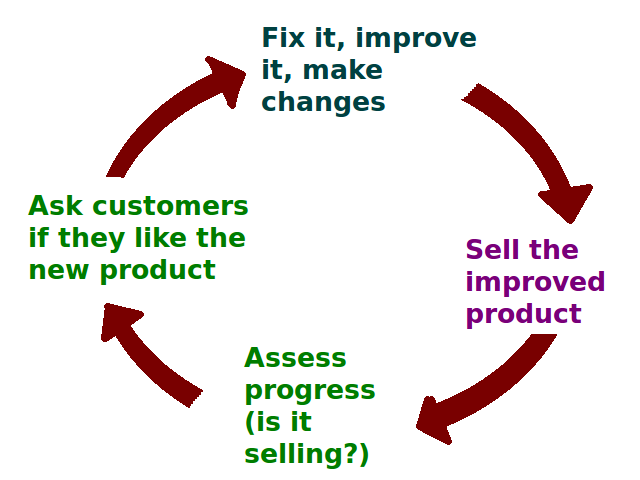
Your retention strategy. The other awesome source of business for a freelancer and entrepreneur is your existing clients. How will you let them know you value their business? How could you approach them to demonstrate new service offerings? How do you keep in touch with them to remind them you exist? You could, for example, send out a monthly e-mail newsletter to existing clients.
Author/Copyright holder: Tomwsulcer. Copyright terms and licence: CC0 1.0
Customer retention can be as simple as getting their feedback and then acting on it. You don’t have to spend a lot of money to keep your customers happy.
11. A short summary of the plan
Sometimes called an “executive summary”, this should allow you to explain the essence of your plan to anyone in a short period. It takes time to develop your executive summary as it should only sum up the very essence of your marketing plan. You should start by defining the rest of your marketing plan and then, at the very end of your process of making your marketing plan, you’ll be able to define the essence and the executive summary of your marketing plan.
You should also be able to give a verbal version of your marketing summary in five minutes. You will find that it’s more difficult than you thought to explain your major take-home points in a fluent verbal version than it is in writing. It’s even more difficult to sum up your marketing plan in one minute as a verbal pitch.
However, this is the very best way to get to understand the very essence of your marketing plan. Once you can present your pitch/executive summary fluently—without having to take breaks to think—in both a one- and a five-minute version, you should start presenting both the one-minute and the five-minute version to your peers, friends and family to get their feedback and understand where you’re missing essentials or not making yourself clear.
You’ll find that you will improve your pitch every time you practice it. It may feel a bit odd the first few times you try your pitch, but you’ll soon understand that this is the best way to get to the core of what you will be doing as a freelancer or entrepreneur. This way it will be much easier to move from planning to actually executing the plan in the near future.
It’s also helpful to allow you to “sense check” your current efforts – are they in line with the plan? If not, why not? Do you need to amend the plan, or do you need to stop doing what you’re doing and start focussing on the plan?
Your executive summary should be written at the beginning of your marketing plan.
How Much Time Should You Devote to Marketing?
There is no set amount of time for marketing in a freelance business, but the basic rule of thumb is that you should always be marketing even when you have a full diary and order book. Why?—because that’s when you can start increasing your rates; winning clients at higher rates also lets you fire some of the clients you’d rather not work with anymore.
In the beginning of your business, unless you’ve brought a big number of clients with you from your previous job, you’re going to spend nearly 100% of your time marketing. When things go well… that may end up being 10–15% of your time.
The Take Away
Marketing is the reason that businesses make money. Freelancers and entrepreneurs who want to make money will have to do a fair amount of marketing. A marketing plan will help you think about the kinds of marketing you want to do and evaluate your marketing efforts to see if they’re bringing about the return on investment (ROI) you expect.
A marketing plan is a living document. You want to revisit it regularly both to keep you on track and to update it when you decide to try something new.
You don’t normally need to share a marketing plan with other people, so spelling, grammar, layout, etc. are relatively unimportant. The exception to this rule is when you start seeking investment in your business – at that point, you’ll want to tidy the thing up and make sure it’s presentable. Until then, it’s for you, and as long as it’s useful to you, it doesn’t matter how it looks.
Finally, don’t forget the advice provided by Mike Volpe, the strategic growth executive at Hubspot, “Don’t be afraid to get creative and experiment with your marketing.”
References & Where to Learn More
Hero Image: Author/Copyright holder: David Michalczuk. Copyright terms and licence: CC BY 2.0
Creative ideas for marketing: 64 Creative Marketing Ideas to Boost Your Business