Your next UX gig might not be found on a job board, but at a coffee shop, local meetup or social media post. In UX design, while a strong portfolio is a prerequisite, your connections can be the secret ingredient to your success. They open doors to hidden job opportunities, provide valuable insights, and offer support and mentorship. Discover how to nurture a strong network and make meaningful connections in UX.
Networking Made Easy: Practical Tips to Connect with the Right People
Networking in UX goes beyond just attending events or connecting on LinkedIn—it's about building genuine relationships that can lead to opportunities and collaborations. You should approach networking with the mindset of offering value rather than just seeking it. Whether it's sharing insights, offering to collaborate on a project, or simply providing feedback on someone else's work, contributing to the community helps establish you as a valuable member of the industry.
1. Be Authentic and Make It Personal
Treat networking like making new friends—be yourself, be interested in others, and share your story openly. This approach will help you build deeper, more meaningful connections that can lead to exciting opportunities in the UX world.
Let your true self shine: Networking isn't about putting on a show. Be genuine, approachable, and let your enthusiasm for UX shine through. People connect with authenticity, not perfection.
Show genuine interest: Ask thoughtful questions, actively listen, and remember details about the people you meet. This shows you value their time and helps you build rapport.
Share your story: Don't be afraid to talk about your journey, including challenges and lessons learned. Your unique experiences and perspective can make you memorable and relatable.
2. Attend Industry Events and Join UX Groups
The UX world is a vibrant community, both online and offline. Actively participating in this community not only keeps you informed about industry trends but also provides countless opportunities to connect with potential employers, collaborators, and mentors.
Find your people: Seek out online and in-person UX communities where you can connect with like-minded individuals. Platforms like LinkedIn, Meetup.com, Slack groups, IxDF Local Groups and LinkedIn groups are great places to start.
IxDF Member Adesh Shah describes his experience with networking and how it’s benefited his career in this video.
Stay up-to-date: Attending events is crucial for networking—whether it's a major UX conference like UXDX or a local meetup organized through a local UX group. Prepare a concise introduction that highlights your skills, experiences and interests. Make sure your portfolio and resume is up-to-date and be ready to exchange contact information with potential collaborators, clients and employers.
In this video, UX Consultant Cory Lebson talks about why and how you can grow your UX network, both online and in-person.
Engage actively: Participate in discussions and offer feedback on projects, whether online or at an event. These interactions help you build relationships and stay informed about industry trends.
Follow up after events: After connecting with someone at an event, send a personalized email or LinkedIn message referencing a specific point from your conversation. This approach makes a positive impression as it demonstrates your genuine engagement and makes it easier to nurture the relationship further.
3. Learn and Grow Together
The UX field is constantly evolving, so continuous and lifelong learning is key. But it's not just about absorbing information—it's also about sharing your knowledge and seeking guidance from others. This creates a culture of mutual support and growth that benefits everyone in the community.
Share your insights: Establish yourself as a thought leader by sharing your knowledge and experiences. Write blog posts, create social media content, or offer to speak at events. This not only positions you as an authority but also invites valuable feedback and discussion.
In this video, Nakita M. Pope, Chief Chick and Principal Brand Strategist of Branding Chicks, discusses the importance of building a community and how it supports your work.
Seek feedback and mentorship: Don't be afraid to ask for help or feedback on your work and portfolio. Participate in design critiques, connect with mentors on platforms like ADPList or MentorCruise, and actively seek out opportunities to learn from others.
In this video, Ioana Teleanu, AI Product Designer at Miro, shares how to find the right mentor.
Offer guidance: If you have experience to share, pay it forward by mentoring less experienced designers. Offer to review their portfolio or help them with a project—mentoring is a rewarding way to give back to the community while solidifying your own understanding of the UX industry.
4. Be the Connector
Strengthen your network by actively contributing to the community and creating opportunities for others. This establishes you as a valuable resource and fosters goodwill.
Play matchmaker: Let's say you know a UX writer looking for freelance gigs and a startup founder who needs help with their website copy. Making that introduction not only helps both parties but also positions you as a valuable resource within your community.
Facilitate collaboration: Maybe you're part of an online UX group where members are always looking for feedback on their projects. You could suggest a virtual "design critique" session where everyone shares their work and offers constructive criticism. This encourages collaboration and strengthens your ties within the group.
5. Keep the Conversation Going
Building a network isn't just about making initial connections—they have to be nurtured over time to develop genuine relationships. Consistent communication and genuine appreciation are key to keeping your network engaged and thriving.
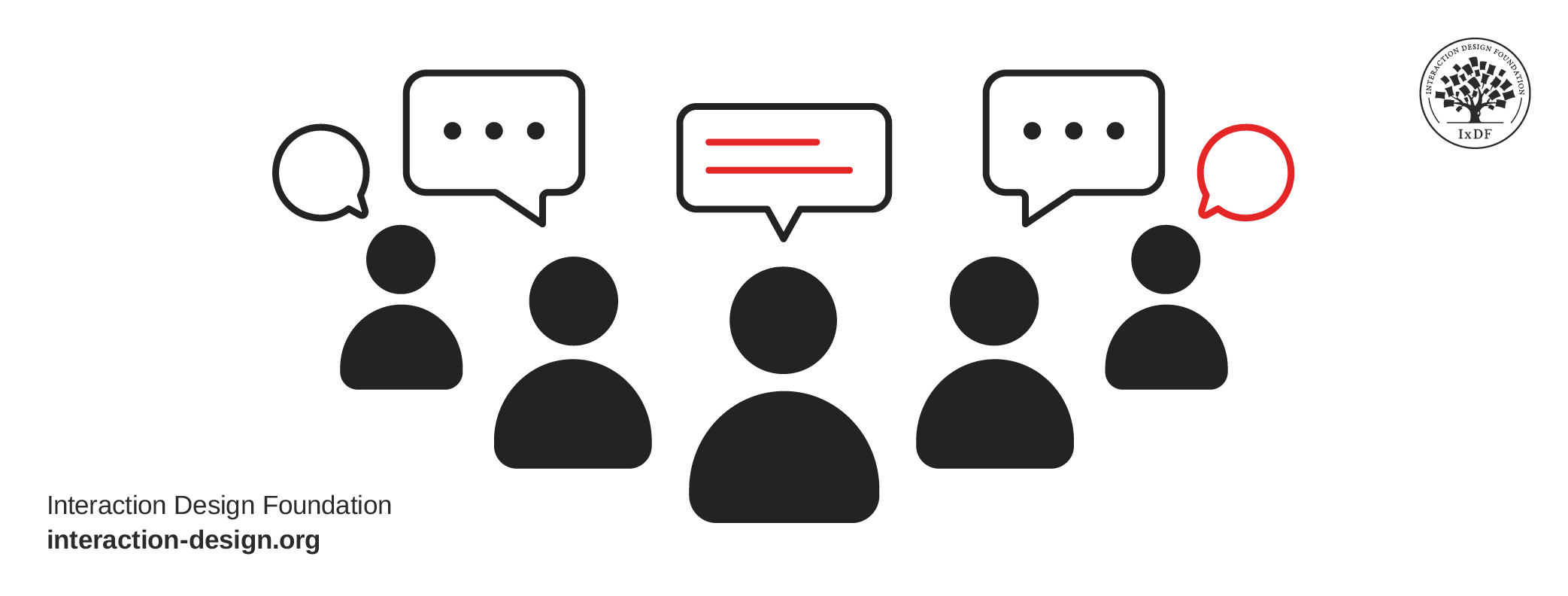
© Interaction Design Foundation, CC BY-SA 4.0
Follow up and stay connected: After a valuable interaction, whether it's an informational interview, a helpful conversation, or even a brief chat at an event, solidify the connection by following up. A personalized LinkedIn request or a thoughtful thank-you email goes a long way.
Express appreciation: Gratitude makes a big difference in building strong relationships. If someone offers mentorship, career advice, or support, express your thanks with a sincere email. Similarly, acknowledge your connections' milestones and achievements—a quick congratulatory message shows you're invested in their success.
Stay in touch regularly: Don't let valuable connections fade away. Maintain regular communication through "just checking in" emails, social media engagement (like commenting on their project updates or sharing relevant articles), and personalized messages on special occasions.
Your Portfolio as a Networking Tool
A portfolio opens doors, but your ability to network and build relationships can help you walk through them. Your portfolio is your most important design project and remains the essential tool to showcase your skills, as well as spark deeper conversations. Leverage your portfolio to make connections, but make sure to avoid common mistakes—Morgane Peng, Design Director at Societe Generale CIB, elaborates in the next video.
Here are some of the ways you can use your portfolio to broaden your networking tool:
Craft a story: Beyond showcasing projects, let your portfolio tell your UX journey. Highlight challenges you overcame, design decisions you made, and the impact your designs achieved. This narrative approach not only makes your work more memorable but also creates opportunities for deeper conversations with peers, potential employers and collaborators.
Conversation starter: Use your portfolio as a springboard for meaningful discussions. Be ready to share the stories behind your projects and explain your design network. These conversations not only demonstrate your expertise but also build rapport and leave a lasting impression.
Invite feedback: Share your portfolio and portfolio presentations with your connections and actively seek feedback. Their insights will help you refine your presentation and tailor it to your target audience.
Keep it fresh: Regularly update your portfolio to reflect your growth and learning. A dynamic portfolio shows potential employers and collaborators that you're passionate and committed to staying ahead in the UX field.
Remember, your portfolio is more than just a collection of projects—it's a dynamic representation of your skills and passion for UX. By strategically leveraging it in your networking efforts, you can open doors to new opportunities and collaborations.
The Take Away
In the UX design world, building meaningful relationships through networking is as crucial as having a strong portfolio. Your portfolio showcases your skills and opens doors, but it's your network that ensures you walk through them. By being authentic, engaging with the community, sharing knowledge, and leveraging your portfolio effectively, you can create a powerful network that opens doors to exciting opportunities and collaborations. Networking is an ongoing process that requires genuine effort and a focus on building genuine and mutually beneficial relationships.
References and Where to Learn More
Want to create a portfolio that gets you hired? Take our course, Build a Standout UX/UI Portfolio: Land Your Dream Job, and learn how to showcase your skills, tell compelling project stories, and impress employers.
Join the community—check out the IxDF local group in your area.
Watch these Master Classes:
Read the article How to network as a UX Designer
Read the article The Ultimate Guide to Networking for UX Designers