A freelance and business-to-business contract sets out the relationship between a business owner and client. Knowing how to draft a contract is one of the most important skills a freelancer and entrepreneur must have – a contract protects both the business owner and the client when it is well-designed and used properly. The first and most important part of managing a customer relationship is having a contract with your client. Contracts aren’t just something that you fall back on in the event of a dispute – they’re also used to guide and shape the relationship itself.
Gypsy Rose Lee, the actress and playwright said: “God is love, but get it in writing.” What she meant was that when things aren’t written down—they often don’t turn out as we’d expect. Contracts help our client relationships turn out the way we expect and hope.
Now, the best way to get your contracts in shape is to visit a legal professional. But… that’s often an expense beyond the budget of a new freelancer or entrepreneur. The next best thing is to write your own contract. Given that all freelancers and businesses will have individual needs for a contract—the following is a list of common clauses. Feel free to add your own if necessary:
The Absolute Basics
Provide your information; that’s your address, phone number, business registration number, email, etc. and then provide the same for the client (and add a billing address if it’s different from their office address).
Make sure there’s room to sign and date the contract (both by you and the client) – contracts aren’t contracts without signatures (though in some jurisdictions, an e-mail acceptance is legally binding, too).
Project Specifics – Be As Detailed as You Can
You want to be as detailed as humanly possible in this area. What are you going to deliver to your clients? How long will it take? What is not included (for example – you may be designing the website, but will you be providing stock imagery, or is that up to the client)? And so on…
Get a third and uninvolved party to read through this and tell you what he/she would expect based on your project specifics.
Pay particular attention to items such as revisions – if you don’t say how many revisions you will make, you’re leaving yourself open to endless revisions.
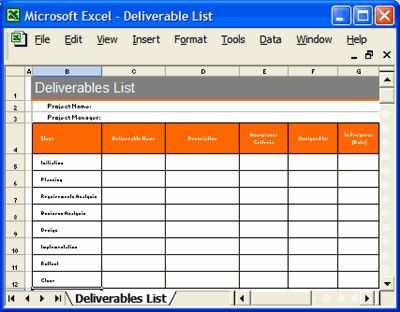
Author/Copyright holder: klarititemplateshop.com. Copyright terms and licence: CC BY 2.0
You don’t have to be clever when it comes to listing deliverables – a simple table or Excel sheet is fine.
Cover Scope Creep
Define that anything outside of the project specifics counts as additional work; define how additional work will be handled. That may mean a new contract, or it may mean an hourly rate—but make it very clear that additional charges will be made.
Scope creep is the bane of every entrepreneur’s life; being upfront about how you will handle it is enough to stop it in many cases—and if it doesn’t stop it, at least you will get paid for it.
Responsibilities
Clients often live in a world where your time doesn’t matter. They will leave you waiting for days for comments or weeks for input. Don’t let them do that. Define how long they have to communicate before a milestone is considered delivered.
Better still, define your whole communication process and make it clear that handling unnecessary communication will incur a charge. There is a small group of clients out there who love to spend hours on the phone or send endless e-mails—they don’t mean any harm, but it can really reduce the profitability of a project all the same.
Money, Billing and Taxes
You need a detailed breakdown of what you will be paid for (possibly multiple milestones on big projects) and when you will be paid.
You should include the details of absolutely everything specified in your project specifics that incurs a charge.
In addition, you should also charge a deposit (really, not charging a deposit always turns out to be a painful mistake) and specify that and when it should be paid.
You should also include a kill fee (an amount the client pays if they want to break the contract once it has begun). This kill fee should not be excessive but should compensate for any work done up to the point of cancellation and a week or two more on top (so that you’ll have time to find work to replace the lost contract – if it’s a big contract).
Then you need to include how to pay (PayPal, cheque, bank transfer, etc.). What happens if the client doesn’t pay on time (will you charge a late fee or a percentage for every day late?)? And what happens if they don’t pay at all (debt collection agencies? Lawyers?)?
If you are charging VAT (Value-added Tax) on top, you should also make that clear in this section.
Intellectual Property
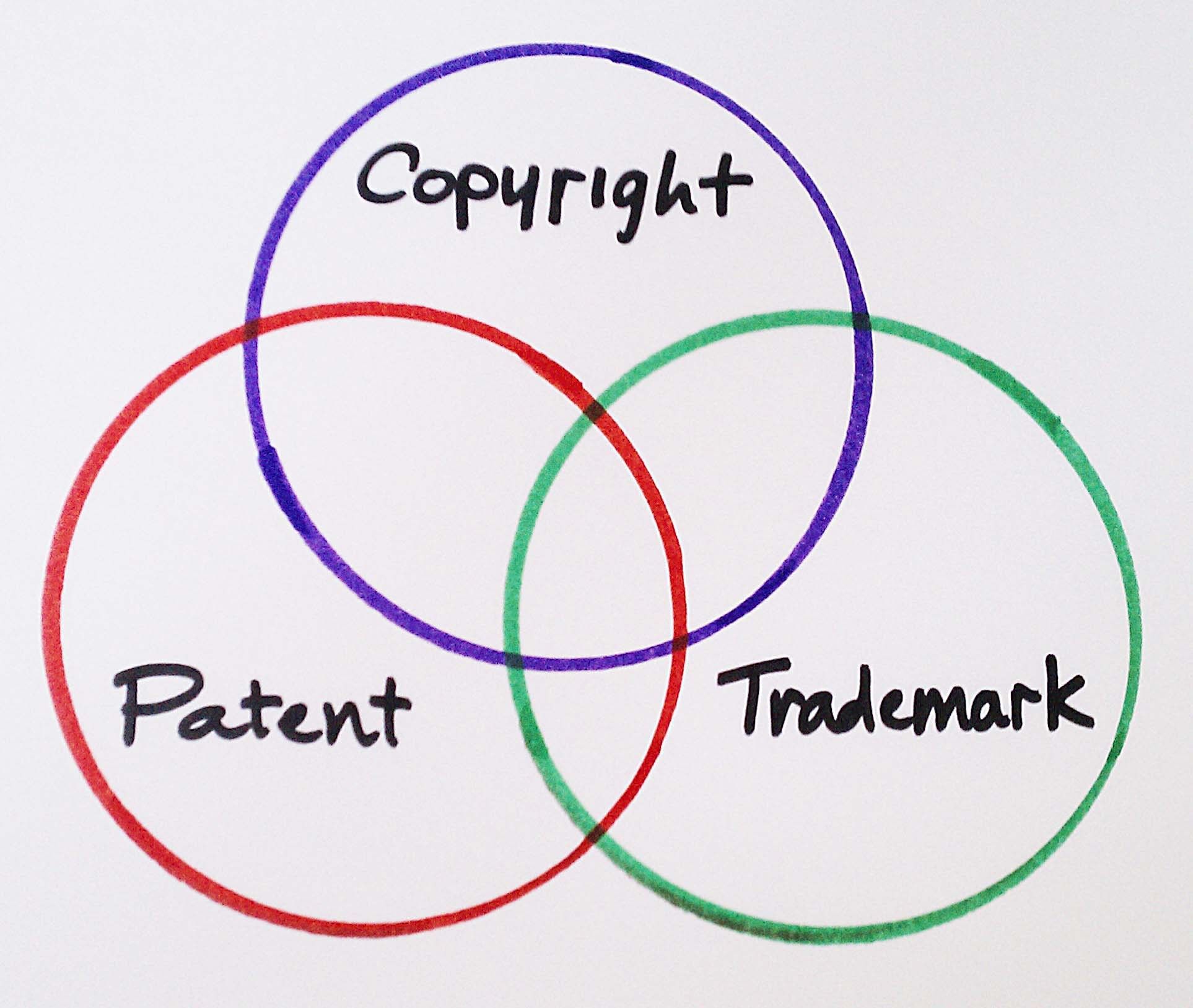
Copyright is the most typical form of intellectual property created during freelance or business-to-business (B2B) work; however, freelancers may create both patents and trademarks, too.
You need to specify how intellectual property is taken care of at the end of the contract. Are you assigning a license to the work? Or is the copyright transferred to the client?
Will you need to use the work in your portfolio? If so, say so.
You also need to protect yourself against claims if the client supplies material that it doesn’t hold the rights to. A quick clause that says, “You must own the rights to any materials supplied to me under this contract (including art, text, images, etc.). I will not accept any liability for infringement claims based on such materials.”
 Author/Copyright holder: BusinessSarah. Copyright terms and licence: CC BY 2.0
You need to ensure that you don’t infringe other people’s intellectual property with your work and that you protect your own intellectual property, too.
Which Jurisdiction?
In most cases, you’ll want to specify your home country/state as the jurisdiction for contractual enforcement. In some cases, particularly if you’re a digital nomad, you may wish to choose a neutral state such as Switzerland or Hong Kong rather than try to enforce contracts in somewhere like Thailand where you have no right of abode.
Always consider the costs of enforcement before deciding on a jurisdiction.
Confirm Your Freelance or Entrepreneur Status
Want to ensure that the tax man doesn’t see you as an employee rather than a contractor (a situation that can be a nightmare for both you and your client)? Make it clear in the contract.
Waive your right to any employee benefits and ensure that you clearly state that your time and place of work are at your discretion.
However, please be aware that some countries, for instance—Denmark, will still consider you an employee if you only have one sole client whom you work for in a longer period, e.g., half a year, one year or more. If you close a big sale which will put you in this position, you should always check your country’s laws so you can take your precautions.
Perhaps, the worst mistake any freelancer or entrepreneur can make is to work for only one client—this gives your client all the power over your career. If you lose your client – you lose your business. If your client goes bankrupt, they may take your business down accidentally. Always split your time between at least two or three clients and—ideally—a few more. Small contracts are often much better than big ones for a solo practitioner.
 Author/Copyright holder: Raimond Spekking. Copyright terms and licence: CC BY-SA 4.0
There’s nothing wrong with being an employee, but freelancers or entrepreneurs make certain to use their contracts to ensure that “employee” does not define what they are – otherwise, there may be big problems for both you and the client at a later date.
Optional Items for Freelance and B2B Contracts
None of the following clauses are mandatory, but many freelancers and business-to-business (B2B) entrepreneurs (B2B, doing business with other companies, rather than with individual consumers) choose to include such clauses depending on the nature of their work and the client’s requirements:
Warranties and guarantees – If you’re supplying a guarantee, put it in the contract. (For example, a developer might guarantee their code for 30 days after payment.) If you’re not supplying one, you might want to make that clear contractually, too.
Confidentiality and privacy – Some clients will expect you to sign a non-disclosure agreement, and some will expect this to be contractual. A promise not to share commercially sensitive information is always a good idea. You may also require the client not to share data about your business, too.
Complicated stuff – If you want to deal with things such as disposal rights of IP (can the client sell the copyright on or does it revert to you if they go out of business?), you’re probably best letting the lawyers look at the contract, but if you can’t, at least set out your expectations in the contract yourself.
 Author/Copyright holder: Hilary Dotson. Copyright terms and licence: CC BY-ND 2.0
Confidentiality is no small thing when you freelance – spelling out what can and can’t be divulged in the relationship is very important when you draft a contract.
The Take Away
We all make mistakes in contracting when we start our own business. We all end up paying for it. Over time, you’ll learn to write contracts that serve a purpose for your business. Ideally, get a lawyer to write your contracts (it can pay for itself many times over when a dispute occurs on a $20,000 project), but if that’s not in your budget, make sure you write your own.
The list above is not exhaustive—if you can think of anything else you want to add to a contract – add it.
It’s also worth remembering that clients may want to negotiate contracts; that’s fine, but make certain that you’re not loading the contract completely in their favour when you make amendments.
References & Where to Learn More
Hero Image: Author/Copyright holder: Pixabay. Copyright terms and licence: CC0
You can find a sample freelance contract here: How to Write a Freelance Contract