Digital Nomads in UX/UI Design

Your constantly-updated definition of Digital Nomads in UX/UI Design and collection of videos and articles.
Be a conversation starter: Share this page and inspire others!

690 Shares

What are Digital Nomads in UX/UI Design?

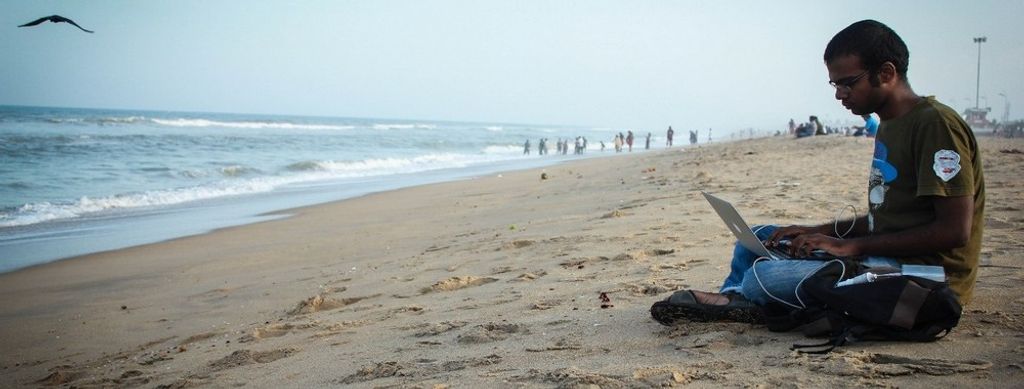
Digital nomadism is a lifestyle that lets individuals work remotely while traveling or living in different locations. This trend has gained popularity due to advancements in technology and the rise of remote work opportunities. Digital nomads can work in a variety of fields, software development and content creation being some of the most popular. In user experience (UX) design, designers who are digital nomads create user-friendly digital products and collaborate with teams online while they explore new places around the world. 
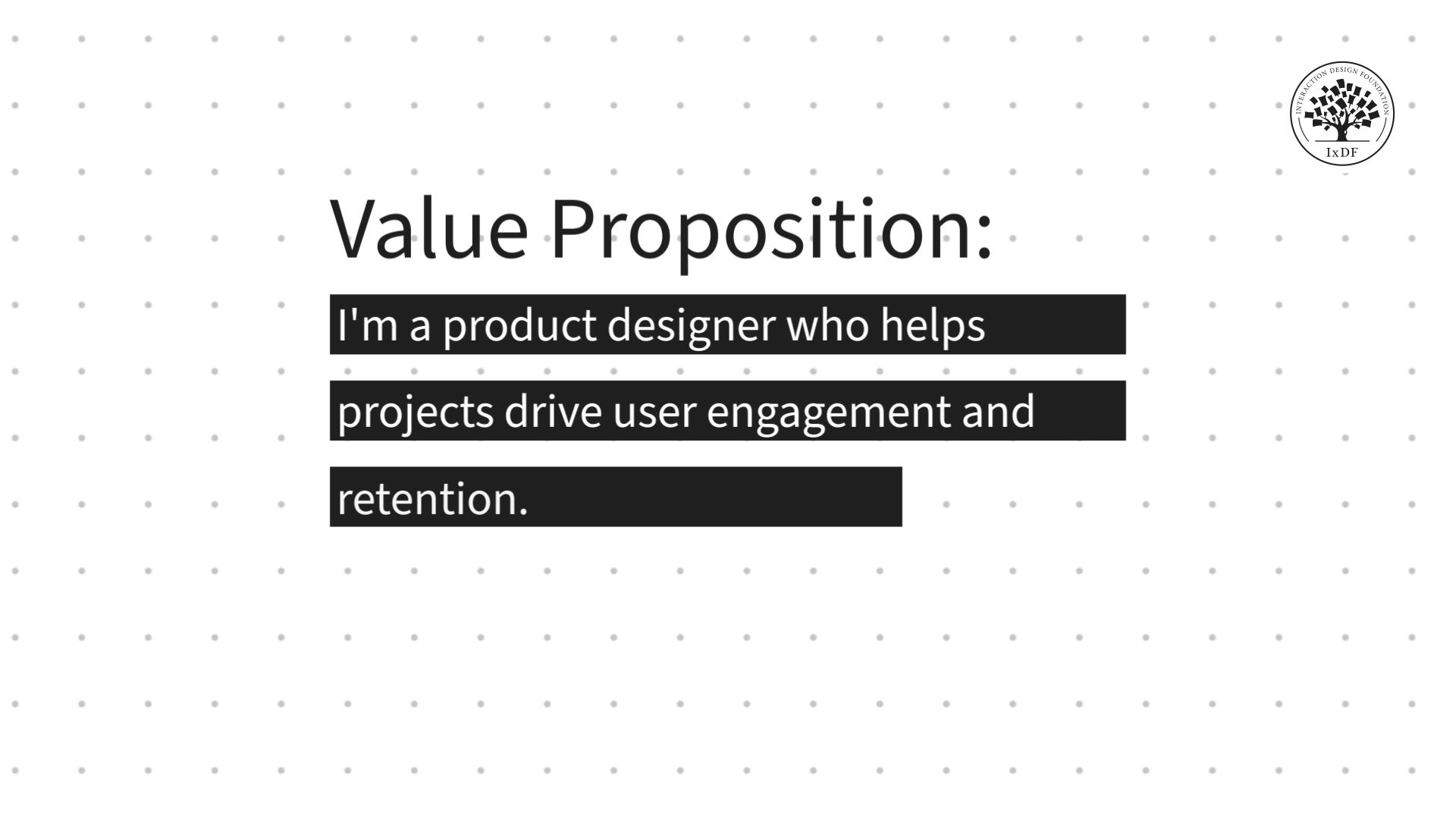
A diagram showing a value proposition in the form of a definition.

The first place for a potential digital nomad to go is the mirror—and ask what they can give to clients online.

© Interaction Design Foundation, CC BY-SA 4.0

Why Is Digital Nomadism Popular?

The way people work has changed dramatically, particularly in the 2020s. Advances in technology—along with changes in business mindsets and models—have ushered in a shift that’s seen many professionals enjoy the option of remote work. This has seen the rise of digital nomadism, a phenomenon that was already popular—first mentioned as a concept in 1964 and coined as a term in 1997. The digital nomad’s lifestyle lets individuals work from pretty much anywhere in the world—and digital nomad UX designers can seize on exciting travel opportunities. It’s possible with a passport, visa, some preparation and the “passport” that a solid UX portfolio can offer to help get the contracts UX designers and UI (user interface) designers need to support themselves abroad: 

Design Director at Societe Generale CIB, Morgane Peng explains important points about UX portfolios

Transcript
   

How To Become a Digital Nomad?

First, a UX professional must consider a few preliminaries, such as how resilient and resourceful they are to travel for an extended period away from family and friends. Once they’re sure the lifestyle is for them, it’s time to examine the realities of the places they might want to go.  

1. What Are The Qualities to Look for in a Destination?

Once a prospective digital nomad looks past the adventure and romance of an exciting city environment or beach-island getaway, several key factors should occur to them—namely: 

  • Cost of living: The ideal location offers a balance between affordability and quality of life. Safety is a factor here, too, including the available quality of healthcare in the destination country. 

  • Internet speed: A reliable and fast internet connection is crucial for remote work. Communication lines will also be life lines in this sense, and one can’t earn if one can’t deliver. 

  • Safety: Research the safety aspects of potential destinations, especially if traveling alone. For potential nomads from certain countries—like the United States or United Kingdom—it’s wise to consult government advisories about avoiding potentially unstable regimes or unrest abroad. Common sense must come first.  

  • Visa options: Many countries around the world offer specific visas for digital nomads. This makes extended stays easier. 

  • Community: The presence of other digital nomads can provide networking opportunities and combat loneliness. As much as a digital nomad might want to embrace solitude at first, the need for community often comes to the surface quickly. 

  • Work-life balance: Consider locations that offer both professional opportunities and leisure activities. This also translates to how much work a nomad would need to do per week in order to make the destination worthwhile. So, more expensive locales will call for more profitable contracts—for the nomad to foot bills for rent, food and more.  

2. What Are The Best Digital Nomad Destinations? 

Several cities and countries have emerged as popular digital nomad hubs. Top digital nomad destinations include—in no particular order: 

  • Portugal: Known for its low cost of living, pleasant climate and beautiful beaches. 

An image showing a Lisbon street scene with a tram car.

Portugal is a perennial favorite.

© Tim Marting, Fair Use

  • Thailand: Offers a blend of culture and modernity with a low cost of living. 

  • Mexico: A vibrant land with affordable living costs. 

  • Vietnam: A popular choice among digital nomads. 

  • Japan: Despite higher living costs, a fast-growing destination for remote workers. 

  • South Korea: Features a tech hub in Seoul with high-speed internet and modern amenities. 

  • Bali, Indonesia: Famous for its stunning beaches and laid-back lifestyle. 

An image showing a Bali beach scene.

Bali is another popular go-to for digital nomads.

© Tim Marting, Fair Use

3. What Are The Visa Requirements?

Digital nomads need to pay close attention to visa requirements for working remotely in different countries. Many nations’ digital nomad visas typically last 12 months with the option to extend. Countries with digital nomad visas let visitors stay while they work remotely for foreign-based employers or businesses. 

The application process for digital nomad visas varies by country—and this calls for careful research—but it generally involves getting together necessary documents such as: 

  • Valid passport copies. 

  • Proof of remote work capability. 

  • Income verification. 

  • Accommodation confirmations. 

While some countries have streamlined processes, others may ask for more extensive documentation—or have longer processing times. It's crucial for digital nomads to research and comply with the specific requirements of each destination—and that includes abiding by each nation’s criminal record stipulations. 
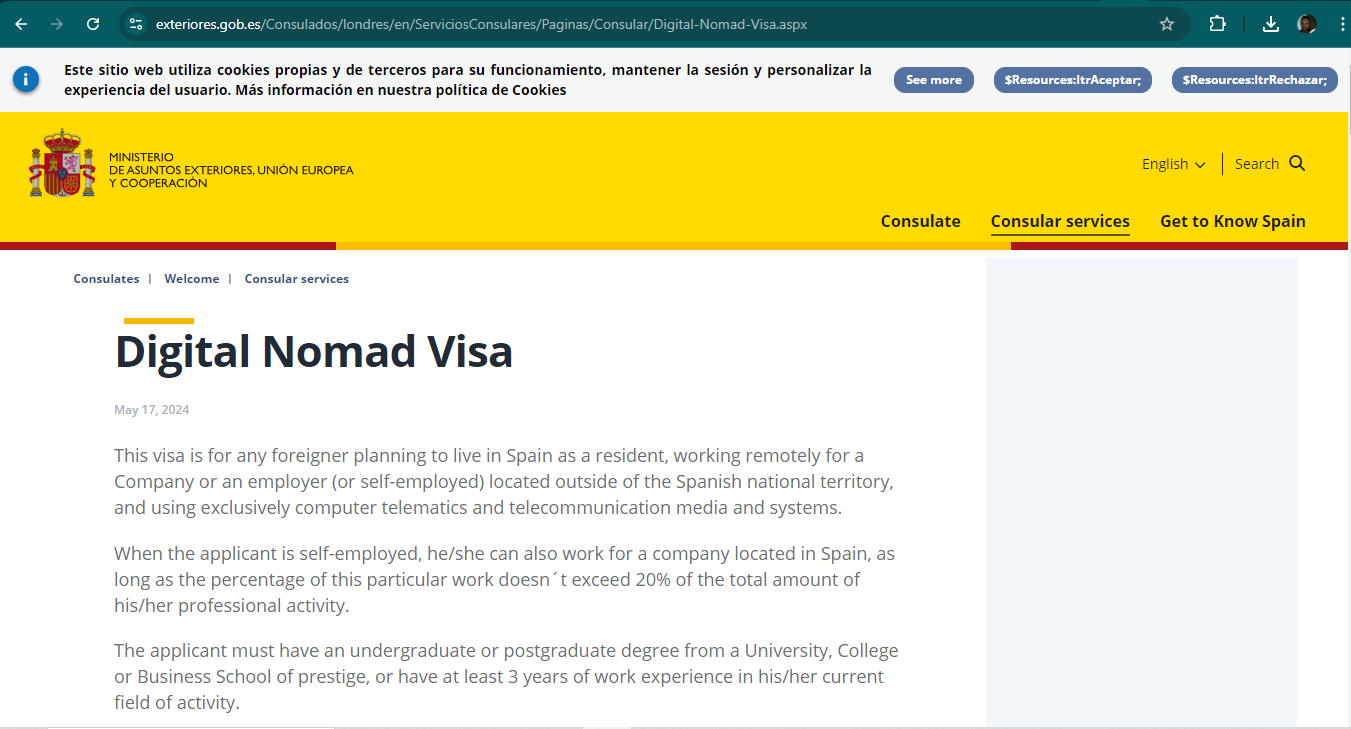
An image of a digital nomad visa for Spain.

Spain is just one example of a nation that offers digital nomad visas.

© Ministerio de Asuntos Exteriores, Unión Europea y Cooperación, Fair Use

How Should Designers Plan to Be Professional Digital Nomads?

For a UX design digital nomad, remote work is a must, as will be the skill set and knowledge base in UX or associated industries—in the same way as coding is necessary for digital nomad developers. To travel abroad for extensive periods means to travel light—with well-picked, versatile clothing and tools of the trade such as a reliable laptop or two, smartphones, headphones and other equipment to optimize working in a highly connected way. 

Digital nomads’ experience will serve them well in the international marketplace—as will their world-class online design school certificates. Before they embark, as self-branded freelancers, they need to have a value proposition to back up their portfolios, all ready to serve to prospective clients. 

Morgane Peng explains vital aspects of value propositions in this video: 

Transcript
 

Once they’re ready to thrive in this career path, new nomads should focus on several key areas:  

1. Find Remote Work

For those looking to start their digital nomad journey, there are several avenues to explore. Job boards dedicated to remote work offer a wide range of opportunities. These platforms cater specifically to remote workers, and they can be an excellent starting point. 

Freelancing platforms offer short-term gigs and longer-term ones that can lead to full-time positions for those who build a strong reputation. It helps to have a strong resume—for instance, on LinkedIn. 
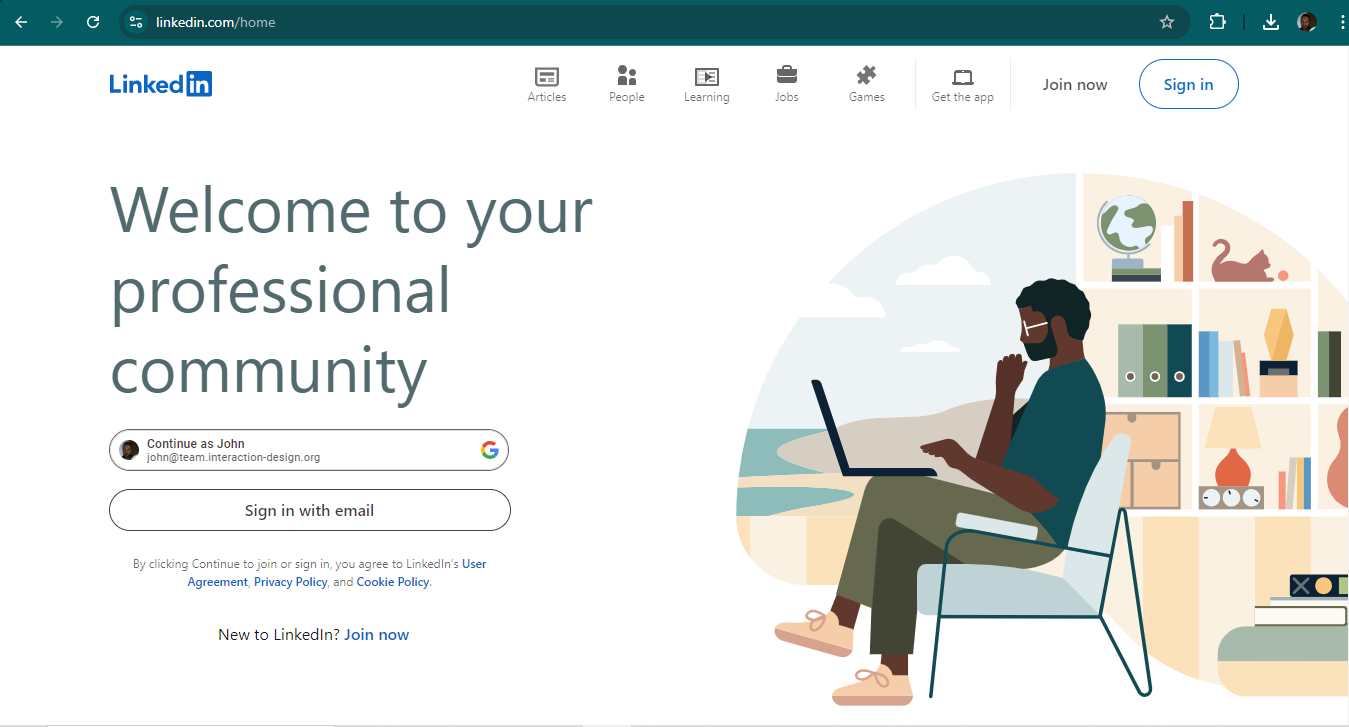
A screenshot of Linkedin's landing page.

© LinkedIn, Fair Use

2. Manage Finances

As financial management is crucial for digital nomads, they’ll need to: 

  • Track income and expenses: This practice helps digital nomads: 

    • Understand their monthly earnings and spending. 

    • Find areas for cost-cutting or raising their income.

    • Set realistic financial goals—including having an emergency fund for backup.

    • Monitor progress and adjust plans as needed. 

  • Create a budget: A well-planned budget helps digital nomads: 

    • Live within their means and avoid debt. 

    • Save for short-term and long-term goals. 

    • Allocate money wisely.

    • Reduce financial stress. 

  • Look into banking and payment options: Digital nomads should research: 

    • Global banks that offer accounts with no foreign transaction fees.

    • Digital payment platforms for lower transfer fees. 

    • Reputable currency exchange services. 

    • Credit cards that offer travel rewards. 
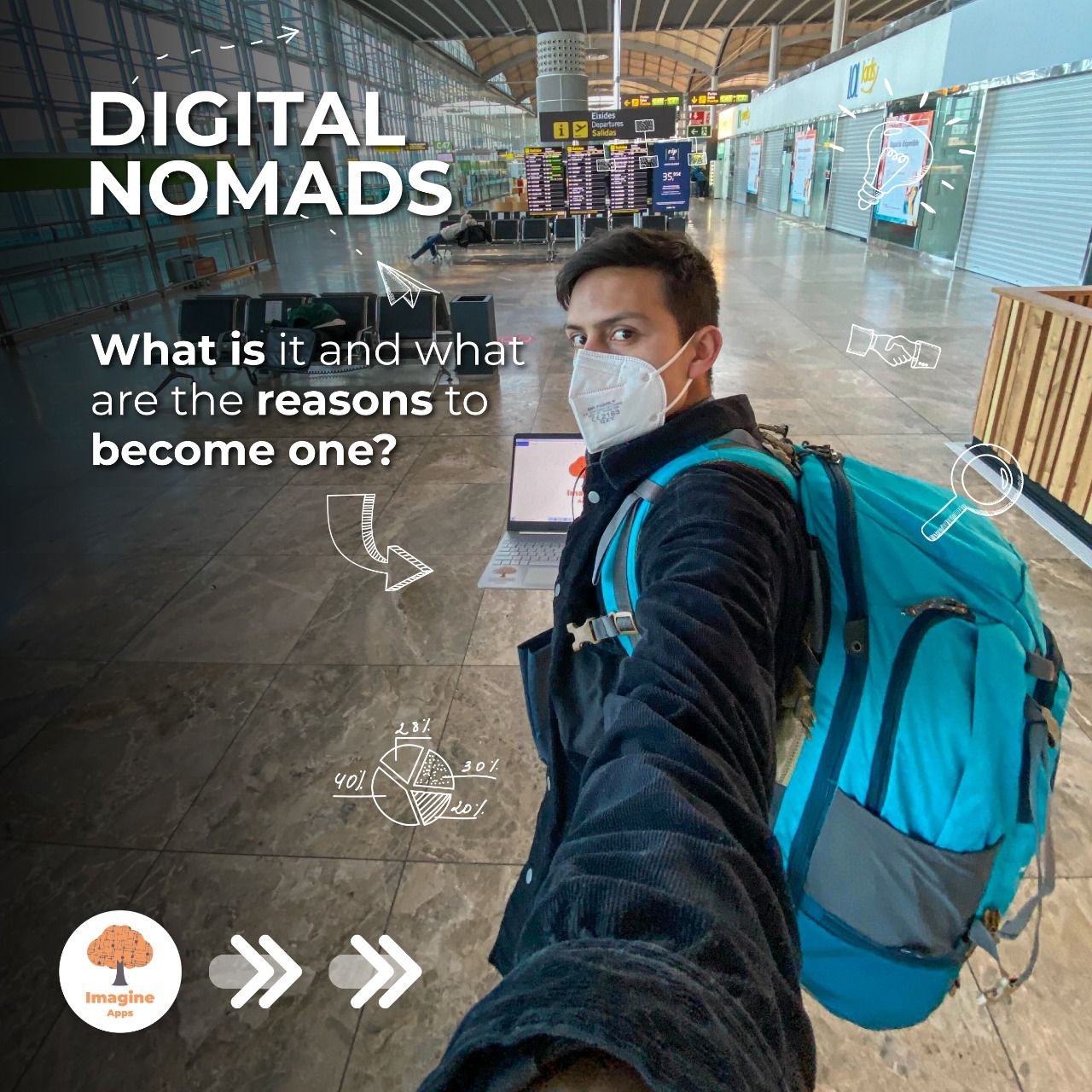
An image representing a digital nomad traveling.

© Marcelo Duran, Fair Use

3. Make The Most of Digital Nomad Services and Products 

A range of services and products have emerged for nomads to support their lifestyles: 

  • Virtual address services: These services provide digital nomads with a fixed mailing address, forwarding mail and packages to their current location. 

  • Virtual phone numbers: Services that offer local phone numbers in various countries let nomads maintain a professional image and manage communication effectively. 

  • Healthcare and insurance: Some specialized insurance plans cover medical emergencies, trip cancellations and lost belongings for digital nomads. 

  • Banking services: Online banking options that cater to the specific needs of digital nomads, offering features like multi-currency accounts and low foreign transaction fees. 

  • Co-working spaces: Professional work environments that provide reliable amenities, networking opportunities and a sense of community for digital nomads—many popular digital nomad destinations have excellent ones. 

4. Build a Strong Network and Community

It’s vital to build—and maintain—a professional network for digital nomads, despite the challenges of constant travel. Strategies for this include: 

  • Leverage online platforms: 

    • Use sites such as LinkedIn to connect with professionals in the field. 

    • Join relevant groups and engage in discussions. 

    • Use platforms like Nomad List to connect with other digital nomads. 

  • Attend virtual and in-person events: 

    • Participate in online conferences and workshops

    • Visit local coworking spaces to meet other remote workers. 

    • Attend meetups and events that local communities organize. 

  • Nurture existing relationships: 

    • Stay in touch with former colleagues, mentors and classmates. 

    • Follow up with people from conferences or online. 

  • Give back to the community: 

    • Offer mentoring or volunteering services. 

    • Participate in online discussions and share expertise. 

How Important Is a Good Portfolio for a Digital Nomad?

Naturally, the professional “passport” will be just as important as the one that digital nomads use to go from country to country. Therefore, it’s vital for potential nomads to make sure they pave the way professionally before they make their journey physically. A solid UX portfolio will help UX designers, user interface (UI) designers and other UX professionals stand out from the crowd. 

Watch as Design Director at Societe Generale CIB, Morgane Peng explains important points about how to make an outstanding UX portfolio: 

Transcript
 

Overall, the digital nomad lifestyle is gaining traction among professionals and the clients who turn to them. A vast wealth of life experience and work opportunities await those who plan effectively and have the right attitude regarding how to embrace the opportunities that come with the digital nomad lifestyle. That includes the need to prepare for how best to manage the risks. Nevertheless, UX professionals who take this route—or series of routes—can enjoy a unique form of freelancing. They can empower themselves to reap the rich rewards of all that digital nomadism has to offer at both work and play—and come away with the experience of a lifetime. 

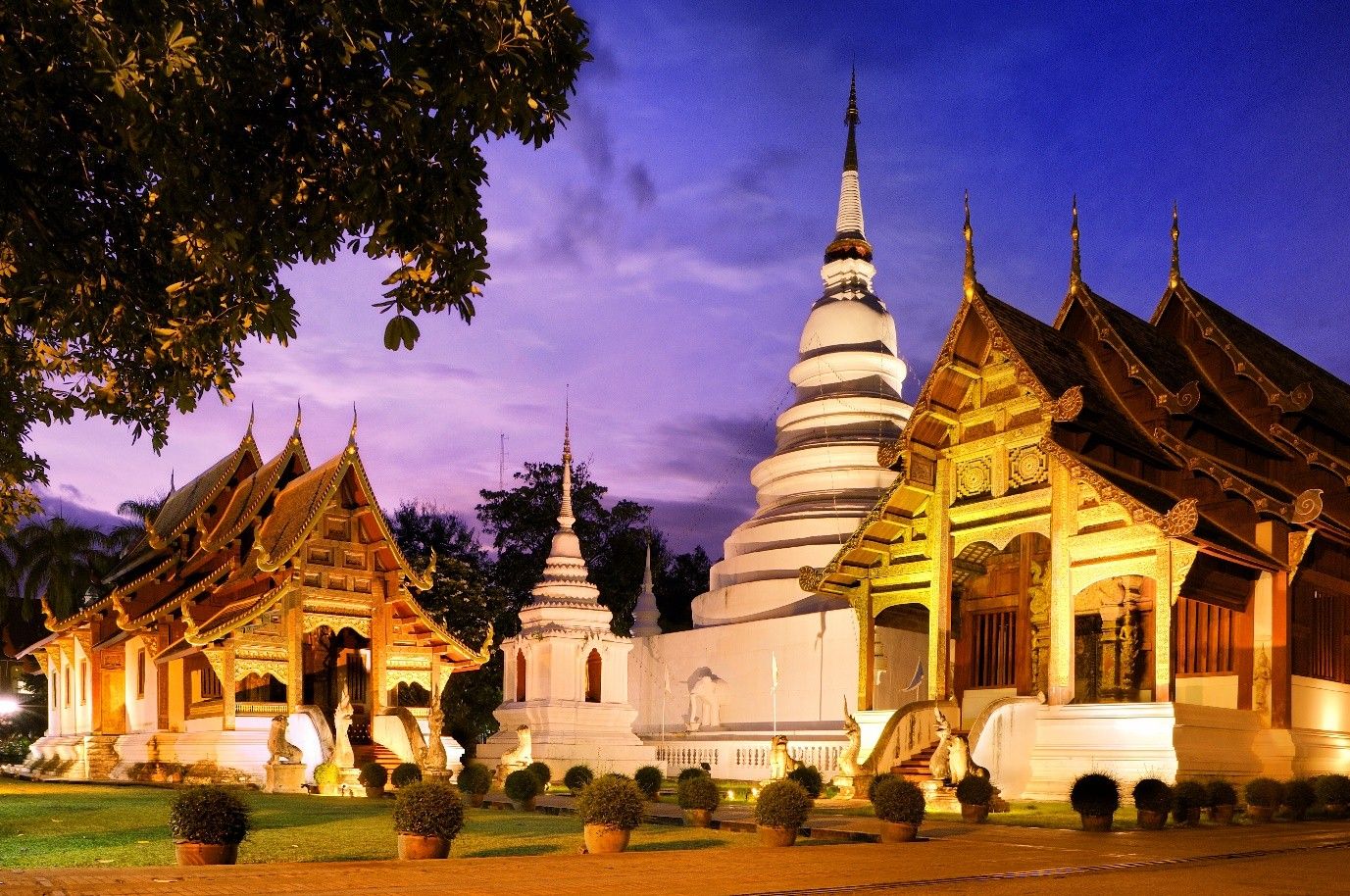
An image showing a scene in Chiang Mai.

Chiang Mai remains one of the most popular destinations for digital nomads.

© Panupong Roopyai, Fair Use

Questions About Digital Nomads?
We've Got Answers!

How can I become a digital nomad?

To become a digital nomad, follow these steps:  

  • Choose a remote-friendly career: Opt for jobs like web design, content creation or digital marketing that allow remote work.  

  • Develop essential skills: Improve your digital skills and make yourself valuable in the remote job market. Platforms like IxDF offer courses to help you learn.  

  • Secure remote work: Find remote jobs on websites like Remote.co, We Work Remotely, and FlexJobs.  

  • Plan finances: Save money, set a budget and consider the cost of living in different countries.  

  • Prepare for travel: Get the necessary visas, research destinations and make sure that you have reliable internet access.  

  • Join a community: Connect with other digital nomads for support and networking. 

Our course Build a Standout UX/UI Portfolio: Land Your Dream Job with Design Director at Societe Generale CIB, Morgane Peng provides a precious cache of details and tips for freelancers. 

Our piece, Where Do You Want to Go, Digital Nomad? offers a wealth of insights. 

How do digital nomads find remote work?

They do it through several methods: 

  • Job boards: Websites like Remote.co, We Work Remotely and FlexJobs list remote job opportunities across various industries. 

  • Networking: Joining online communities and attending meetups help digital nomads connect with potential employers and other freelancers. 

  • Freelance platforms: Platforms like Upwork, Fiverr and Freelancer offer gigs and projects that can lead to long-term remote work. 

  • Social media: LinkedIn, Twitter, and Facebook groups dedicated to remote work often feature job postings and opportunities. 

  • Company websites: Many companies list remote job openings directly on their career pages. 

Watch as Principal and Owner of Lebsontech LLC, Cory Lebson explains how to brand yourself as a UX professional: 

Transcript
  

Watch our Master Class Beyond Design: Practical Tips for Freelancing & Creating Your Brand with Nakita M. Pope, Chief Chick and Principal Brand Strategist of Branding Chicks for a wealth of helpful information. 

How do digital nomads manage their finances?

They typically follow these steps: 

  • Budgeting: Create a budget to track income and expenses. Use apps like Mint or YNAB to keep everything organized. 

  • Saving: Set aside an emergency fund to cover unexpected costs. Aim for three to six months of living expenses. 

  • Banking: Use international banks or online banks that offer low fees and good exchange rates. Services like TransferWise and Revolut can help manage money across borders. 

  • Tax planning: Understand tax obligations in your home and host countries. Consult with a tax advisor who’s experienced in international tax laws. 

  • Insurance: Get travel insurance that covers health, belongings and travel disruptions. Companies like World Nomads offer plans tailored for digital nomads. 

Read our piece, 10 Brilliant Travel Tips for Digital Nomads and Business Travellers for even more helpful insights. 

See how to prepare that much better with our piece, Downsize Your Life, Digital Nomad

What countries are best for digital nomads?

The best nations for digital nomads offer a mix of affordability, good internet and vibrant communities. Here are some top choices: 

  • Thailand: Known for its low cost of living and strong digital nomad community, especially in Chiang Mai. 

  • Portugal: Lisbon and Porto offer a great lifestyle with affordable living and a growing tech scene. 

  • Mexico: Cities like Mexico City and Playa del Carmen provide good internet, affordable living and a lively culture. 

  • Indonesia: Bali is famous for its beautiful scenery, low costs and numerous coworking spaces. 

  • Spain: Barcelona and Madrid attract digital nomads with their warm climate, rich culture and strong internet. 

Read our piece, 10 Brilliant Travel Tips for Digital Nomads and Business Travellers for even more helpful insights. 

See how to prepare that much better with our piece, Downsize Your Life, Digital Nomad

They typically take steps like these: 

  • Research visa requirements: Check the visa requirements for each country you plan to visit. Some countries offer special digital nomad visas, like Estonia and Barbados. 

  • Apply for appropriate visas: Apply for tourist or long-term visas as needed. Make sure you meet all requirements and have the necessary documents. 

  • Stay updated on laws: Keep up with local laws and regulations to avoid legal problems. Join expat communities online to get the latest information. 

  • Use legal services: Consult with immigration lawyers or services that specialize in helping digital nomads. They can provide guidance and handle paperwork. 

  • Comply with tax obligations: Understand your tax responsibilities both in your home country and the countries you visit. Seek advice from a tax professional if needed. 

Read our piece, 10 Brilliant Travel Tips for Digital Nomads and Business Travellers for even more helpful insights. 

See how to prepare that much better with our piece, Downsize Your Life, Digital Nomad

How do digital nomads handle healthcare?

These tips are helpful: 

  • Get travel insurance: Purchase travel insurance that covers medical emergencies, accidents and routine care. Companies like World Nomads and SafetyWing offer plans tailored for digital nomads. 

  • Research local healthcare: Understand the healthcare system in each country you visit. Identify hospitals and clinics before you go. 

  • Carry essential medications: Bring a supply of any necessary medications and prescriptions—and know the generic names in case you need refills abroad. 

  • Maintain a healthy lifestyle: Stay healthy by eating well, exercising and getting enough sleep. 

  • Join healthcare programs: Some countries offer healthcare programs for digital nomads. Explore these options if you plan to stay long-term. 

 Read our piece, 10 Brilliant Travel Tips for Digital Nomads and Business Travellers for even more helpful insights. 

See how to prepare that much better with our piece, Downsize Your Life, Digital Nomad

How can digital nomads ensure data security?

Try taking these steps:  

  • Use VPNs: Always use a virtual private network (VPN) to encrypt your internet connection and protect your data from hackers.  

  • Enable two-factor authentication (2FA): Activate two-factor authentication on all accounts to add an extra layer of security.  

  • Keep software updated: Regularly update your operating systems, apps and antivirus software to protect against vulnerabilities.  

  • Use strong passwords: Create complex passwords and use a password manager to store them securely.  

  • Back up data: Regularly back up your data to cloud storage or external drives to prevent loss of data.  

  • Avoid public Wi-Fi: Refrain from using public Wi-Fi for sensitive transactions. If necessary, use a mobile hotspot instead.  

Read our piece, 10 Brilliant Travel Tips for Digital Nomads and Business Travellers for even more helpful insights. 

See how to prepare that much better with our piece, Downsize Your Life, Digital Nomad

What are some common mistakes new digital nomads make?

New digital nomads often make these common mistakes: 

  • Poor planning: Failing to research destinations, visas and accommodation—which can lead to stressful situations. 

  • Overpacking: Carrying too much luggage makes travel cumbersome. Pack only essentials and versatile clothing. 

  • Ignoring time zones: Forgetting time zone differences can disrupt work schedules and communication with clients. 

  • Neglecting finances: Not budgeting properly or overlooking currency exchange rates can strain finances. 

  • Lack of backup plans: To rely solely on one income source or not having contingency plans can cause problems during emergencies. 

  • Burnout: Working too much without taking breaks can lead to burnout. Balance work with leisure. 

Read our piece, 10 Brilliant Travel Tips for Digital Nomads and Business Travellers for even more helpful insights. 

See how to prepare that much better with our piece, Downsize Your Life, Digital Nomad

How do digital nomads handle taxes?

Here are some helpful tips for taxes: 

  • Understand tax residency: Determine your tax residency status. This depends on how long you stay in each country and local tax laws. 

  • Consult a tax professional: Seek advice from a tax expert who’s familiar with international tax laws to understand your obligations. 

  • Keep records: Maintain detailed records of your income, expenses and travel dates. This helps with accurate tax reporting. 

  • File taxes in your home country: File taxes in your home country if it’s required. Some countries tax citizens on worldwide income. 

  • Research tax treaties: Look into tax treaties between your home country and the countries you visit. These treaties can prevent double taxation. 

  • Pay taxes locally if needs be: If you stay long-term in one country, you may need to pay local taxes. 

Read our piece, 10 Brilliant Travel Tips for Digital Nomads and Business Travellers for even more helpful insights. 

See how to prepare that much better with our piece, Downsize Your Life, Digital Nomad

What are some tips for packing as a digital nomad?

Here are some digital nomad packing tips: 

  • Pack light: Choose versatile clothing that you can mix and match. Stick to essentials and avoid overpacking. 

  • Choose quality gear: Invest in durable luggage and backpacks that can withstand frequent travel. 

  • Include tech essentials: Bring your laptop, chargers, power banks and adapters. Make sure you have backups for important devices in case of damage, loss or theft. 

  • Keep important documents handy: Carry passports, visas and insurance documents in an easily accessible, waterproof folder. Be sure to have photocopies of important documents as backup.  

  • Bring health supplies: Pack a basic first-aid kit, prescription medications and any vitamins or supplements you need—but also check their legal status in the destination country just to be sure. 

  • Stay organized: Use packing cubes to keep your belongings organized and easy to find. 

What are the challenges of digital nomadism?

Digital nomadism does present several challenges—and here are some main ones: 

  • Stable internet access: It can be hard to get reliable internet in some remote or new locations. 

  • Work-life balance: To balance work with travel and exploration often proves challenging. 

  • Isolation: Frequent travel can lead to feelings of loneliness and disconnect from friends and family. 

  • Time zone differences: Coordinating with clients or team members across different time zones calls for careful planning. 

  • Financial management: It can be tricky and complex to manage income, expenses and taxes while you’re moving between countries. 

  • Healthcare access: It can be a real challenge to find quality healthcare in unfamiliar places. 

  • Legal issues: It takes constant attention to navigate visa requirements and local laws. 

Read our piece, 10 Brilliant Travel Tips for Digital Nomads and Business Travellers for even more helpful insights. 

See how to prepare that much better with our piece, Downsize Your Life, Digital Nomad

What are common safety concerns regarding digital nomadism?

Common safety concerns for digital nomads include these:  

  • Theft: Protect your belongings by using secure bags and locking your accommodation when you leave. 

  • Cybersecurity: Use VPNs and strong passwords to safeguard your online data and avoid public Wi-Fi for sensitive transactions. 

  • Health risks: Ensure you have travel insurance that covers medical emergencies and research local healthcare options that may be available. 

  • Personal safety: Stay aware of your surroundings, especially in unfamiliar areas. Avoid risky neighborhoods and travel with trusted companions when possible. 

  • Legal issues: Understand the local laws and visa requirements of each country you visit to avoid trouble with the law. 

  • Emergency situations: Have a plan for emergencies, including knowing local emergency numbers and keeping a list of contacts.

What are some highly cited scientific articles about digital nomadism?

Müller, A. (2016). The digital nomad: Buzzword or research category? Transnational Social Review, 6(3), 344-348.  

This paper is influential for being one of the first academic articles to critically examine digital nomadism as a potential research category. Müller explores whether digital nomadism is merely a buzzword or a legitimate subject for scholarly inquiry. The article discusses the characteristics of digital nomads, their work practices, and lifestyle choices, while also highlighting the need for more rigorous academic research on this emerging phenomenon. It has been widely cited as a foundational text in subsequent digital nomadism studies, setting the stage for future research directions and conceptual frameworks. 

Makimoto, T., & Manners, D. (1997). Digital Nomad. Wiley.  

Digital Nomad by Tsugio Makimoto and David Manners is a pioneering book and coined the term "digital nomad" in 1997. This work is significant for predicting the rise of the digital nomad lifestyle long before it became a widespread phenomenon. The book is frequently cited in academic research on digital nomadism as one of the earliest works to conceptualize this lifestyle. 

Earn a Gift Earn a Gift, Answer a Short Quiz!

1
2
3
4
1
2
3
4
Question 1
Question 2
Question 3
Get Your Gift
Interaction Design Foundation logo

Question 1

What is a defining feature of digital nomadism?

1 point towards your gift

  • Working exclusively from home
  • Ability to work remotely from any location
  • Maintaining a permanent office space
Interaction Design Foundation logo

Question 2

What is essential for a digital nomad to work effectively?

1 point towards your gift

  • A reliable internet connection
  • A permanent physical office
  • A fixed daily work schedule
Interaction Design Foundation logo

Question 3

What is a key strategy digital nomads use to maintain productivity while traveling?

1 point towards your gift

  • Avoiding all leisure activities
  • Setting a flexible yet consistent work schedule
  • Working only during the night

Learn More About Digital Nomads in UX/UI Design

Make learning as easy as watching Netflix: Learn more about Digital Nomads by taking the online IxDF Course Build a Standout UX/UI Portfolio: Land Your Dream Job.

Why? Because design skills make you valuable. In any job. Any industry.

In This Course, You'll

  • Get excited when you discover the secret to a portfolio that fast-tracks your way to job offers. Did you know most hiring managers decide on your application in just 7.4 seconds? In today's competitive job market, first impressions are everything

  • Learn to build a career where you fulfill your potential and earn a salary that reflects your true value. Your design portfolio is your ultimate advocate. It speaks for you when you're not in the room. In this course, you'll get real-world insider insights from an expert who's reviewed thousands of portfolios. Take the course and build the career you're truly meant for.

  • Make yourself invaluable when you learn how to hook hiring managers with your problem-solving mindset, user-centered design approach, and business acumen. We know how frustrating it is to apply for job after job with no response. As AI makes it easier to generate generic portfolios and case studies, you stay in demand by clearly showing your timeless human-centered design skills: How you think, make decisions, and solve real problems. This User Experience/User Interface (UX/UI) portfolio course gives you the skills to finally stand out from the pack. Whether you're new to design or already experienced, you'll turn your past work experiences into portfolio gold and create a portfolio they love! No matter your background, it's easier than you think.

  • Gain confidence and credibility with our step-by-step blueprint for a portfolio that gets you hired faster into a role where you'll fulfill your purpose and increase your salary potential. Through hands-on projects and ready-to-use downloadable templates, you'll develop a winning portfolio strategy, write attention-grabbing hooks, present your portfolio with confidence, and master the first impression formula. You'll walk away with a pitch-ready UX/UI design portfolio you can use to land your dream job.

It's Easy to Fast-Track Your Career with the World's Best Experts

Master complex skills effortlessly with proven best practices and toolkits directly from the world's top design experts. Meet your expert for this course:

  • Morgane Peng: Designer, speaker, mentor, and writer who serves as Director and Head of Design at Societe Generale CIB.

Get an Industry-Recognized IxDF Course Certificate

Increase your credibility, salary potential and job opportunities by showing credible evidence of your skills.

IxDF Course Certificates set the industry gold standard. Add them to your LinkedIn profile, resumé, and job applications.

Course Certificate Example

Be in distinguished company, alongside industry leaders who train their teams with the IxDF and trust IxDF Course Certificates.

Our clients: IBM, HP, Adobe, GE, Accenture, Allianz, Phillips, Deezer, Capgemin, Mcafee, SAP, Telenor, Cigna, British Parliament, State of New York

All Free IxDF Articles on Digital Nomads in UX/UI Design

Read full article
15 Popular Reasons to Become a Freelancer or Entrepreneur - Article hero image
Interaction Design Foundation logo

15 Popular Reasons to Become a Freelancer or Entrepreneur

You can pick from literally hundreds of reasons to become a freelancer or entrepreneur, but some crop up more than others. This section provides an overview of 15 of the most popular reasons that people choose to go out on their own and start a business rather than staying in the safe, secure and so

Social shares
864
Published
Read Article
Read full article
Where Do You Want to Go, Digital Nomad? - Article hero image
Interaction Design Foundation logo

Where Do You Want to Go, Digital Nomad?

Digital nomads can work from anywhere in the world as long as there’s an internet connection and the conditions are OK for work. However, the first-time digital nomad will normally head to a place where there are other digital nomads, co-working spaces and a generally easy standard of life to be had

Social shares
468
Published
Read Article
Read full article
Downsize Your Life, Digital Nomad - Article hero image
Interaction Design Foundation logo

Downsize Your Life, Digital Nomad

One of the biggest challenges facing a new digital nomad is what to take along. You can’t (unless you’re going to hire a large van and drive everywhere—which several digital nomads actually do) normally take all your belongings with you when your main focus in life is travel. That means learning to

Social shares
436
Published
Read Article
Read full article
Visas and Legal Issues for Digital Nomads - Article hero image
Interaction Design Foundation logo

Visas and Legal Issues for Digital Nomads

The biggest hurdle of international digital nomad life is understanding visas and basic legal issues that may affect your living conditions and work life. There is no global rule for visas and legal issues, either; they vary from country to country and from applicant to applicant. That’s why it’s al

Social shares
582
Published
Read Article
Read full article
10 Brilliant Travel Tips for Digital Nomads and Business Travellers - Article hero image
Interaction Design Foundation logo

10 Brilliant Travel Tips for Digital Nomads and Business Travellers

There are millions of resources on and offline stuffed to the brim with travel tips, and if you want to become an expert traveler—you’ll spend quite a bit of time reading up on these. However, you don’t have to be an expert to get the most out of the travel experience. Even so, a few simple pointers

Social shares
456
Published
Read Article
Read full article
5 Inspiring Freelance Designers’ Websites and Portfolios - Article hero image
Interaction Design Foundation logo

5 Inspiring Freelance Designers’ Websites and Portfolios

We’ve found five great inspirational websites for freelancer designers – these can provide insight into how to construct your own website and online portfolios. However, please don’t copy them but rather seek to emulate things that you think work well.RadiumCosmin Daniel Capitanu of Romania runs Rad

Social shares
949
Published
Read Article

Where Do You Want to Go, Digital Nomad?

Where Do You Want to Go, Digital Nomad?

Digital nomads can work from anywhere in the world as long as there’s an internet connection and the conditions are OK for work. However, the first-time digital nomad will normally head to a place where there are other digital nomads, co-working spaces and a generally easy standard of life to be had. These are known as “digital nomad hotspots”, and they’re popping up all over the world today.

The hotspot you choose will normally be directed by your budget, the ease of getting a visa for the destination, and the facilities you want around you. Some people want to work on a desert island, others in a big thriving city. The choice is yours. The majority of newbie freelancers and entrepreneurs deliberately choose a country with low living costs which makes it possible to live like a millionaire without being one.

Socrates, the Greek philosopher, said, “If a man would move the world, he first must move himself.” Ignoring the whole “man” thing (Socrates preceded feminism by over 2,000 years)—this is as true today as it was back then.

It would be impossible to introduce you to every location in the world that acts as a hotspot, but to get you thinking, we’ve put together a list of some of the most popular hotspots in the world today:

Asia

We’ve got two great choices in Asia for you—Chiang Mai, Thailand, and Ubud, Indonesia.

Chiang Mai, Thailand

Chiang Mai is in Northern Thailand and is far away from beach life; it’s set in beautiful mountainous countryside. It’s incredibly cheap to live in, and there are digital nomads managing on less than $500 a month as they pursue their start-ups (although we consider $1,500 a month to be more likely to offer the quality of life most people aspire to, especially if you are keen on imagining yourself living like a millionaire). It offers plenty of co-working spaces, great internet speeds, a large digital nomad community (offline as well as on social media), great food and plenty of things to see and do (along with some home comforts). Healthcare in Thailand is excellent, but be aware—it can get expensive for all but simple treatment; so, as always, you should make sure that you have taken care of your health and travel insurance.

Author/Copyright holder: Panupong Roopyai. Copyright terms and licence: CC BY-SA 3.0

Chiang Mai is a gorgeous place—and it’s no surprise it’s popular with digital nomads.

Ubud (which is on the island of Bali), Indonesia

Australia’s favourite tourist destination is also a digital nomad hotspot. Beautiful beaches and plenty of places to explore abound. It’s not quite as cheap as Chiang Mai, and $1,000 a month is probably a must to get a manageable lifestyle in Ubud. It’s an awesome place to learn new skills such as yoga, diving or sailing. There are co-working spaces, too, but it’s worth noting that internet speeds aren’t great in Indonesia, and those looking to move large files may find it a struggle.

Other Popular Asian Digital Nomad Hubs

These include Ko Phangan (Thailand), Malacca and Kuala Lumpur (Malaysia), Phnom Penh and Siem Reap (Cambodia), Hanoi and Ho Chi Minh City (Vietnam), Davao (Philippines), and Goa (India)—with a few others emerging.

Asian hubs tend to offer the easiest visa regimes for most nationalities and a generally low cost of living.

Australia

Australia isn’t all that popular with digital nomads—the high cost of living makes it unattractive to most new nomads. The digital nomad scene, what there is, in Australia tends to be centred on Melbourne. You will need at least $2,500 a month to cover the basics in Melbourne and substantially more if you want to be able to party all night every night. Healthcare for non-residents is excellent but staggeringly expensive, and if you do head to Australia, health and travel insurance is not optional. Melbourne is considered to be one of the best cities in the world to live in.

Author/Copyright holder: Diliff. Copyright terms and licence: CC BY-SA 3.0

Melbourne’s a lot pricier than other digital nomad hubs—and you may want to wait until you’re well-established in your business before jumping on a plane to Australia.

Europe

We’ve got two major recommendations in Europe, too - Berlin, Germany, and Budapest, Hungary.

Berlin, Germany

While not the cheapest destination on the list, the German capital is surprisingly affordable. It has plenty of cultural and historical attractions, low rents and a thriving start-up and digital nomad scene. You might want to learn a little German to get the most out of being in Berlin—English isn’t completely unknown, but it’s not a common language by any means. It’s possible to—decently (though thriftily)—live in Berlin on around $1,500 a month.

Budapest, Hungary

Hungary’s capital is an up-and-coming digital nomad spot. It’s very cheap to live in and is a big party scene favourite with Europe’s backpacker crowd, so there are always people around to socialize with. Dentistry and medical services are excellent. Accommodation is often a little basic (this is true of all former Soviet Bloc nations to some extent) but good value, and internet speeds are lightning fast. Budapest is also a great place to tap into local talent—Eastern Europe has an excellent education system and offers a limited amount of prospects to its educated youth. You can get by in Budapest easily on $700-$1,000 a month.

Author/Copyright holder: Maurice. Copyright terms and licence: CC BY 2.0

If old world Europe is more your thing – Budapest is a great option for the new digital nomad. It’s very affordable and a nice place to see, too.

Other Popular European Digital Nomad Hubs

Prague (Czech Republic), Amsterdam (Netherlands), Tarifa (Spain), Brasov (Romania), Krakow (Poland) and London (UK) are among many others. Internet is good throughout Europe as is power. Health services are also pretty good everywhere, too.

Living costs vary wildly between countries. Visas may be difficult (or even impossible) to obtain for some nationalities in Europe without significant funds in your bank, long interviews in embassies and supporting paperwork provided.

North America

North America also has a thriving digital nomad scene. Our two picks for hotspots are Squamish (British Columbia, Canada) and Bend, (Oregon, United States).

Squamish (British Columbia, Canada)

Squamish is an outdoor paradise. It’s the place to go if you’ve always wanted to learn kite surfing or rock climbing. Canada is famous for being safe, and it’s one of the most well-organized places on the digital nomad circuit, too. The downside is that it is more expensive than many other destinations, but—if you can afford it—all facilities are high grade, including accommodation.

Bend (Oregon, United States)

Bend may not be a household name, but its beautiful environment and low cost of living (for the US) make it a very popular digital nomad destination. It’s a long way from the rat race found in major cities in the US, and there are decent co-working options. As you’d expect, healthcare in the US is excellent, but it comes at a hefty price—and health insurance should be mandatory if you’re going to work there.

Other Popular North American Digital Nomad Hubs

Taos (New Mexico, US), Boulder (Colorado, US), Puerto Escondido (Mexico), Banff (Alberta, Canada), Hanalei (Hawaii, US), Santa Barbara (California, US), and most major cities have digital nomad-friendly facilities.

North America (excluding Mexico and Central America) has a very strict visa regime, and it can be hard to obtain a visa from many countries outside of the English-speaking world and Western Europe. Living costs are on a par with Western Europe and Australia. Healthcare is good but the most expensive in the world, and insurance costs reflect that.

South America

Along with Asia, South America is a major digital nomad destination, and plenty of options thrive throughout the region for digital nomads. Our two picks are Cordoba, Argentina, and Cuenca, Ecuador.

Cordoba, Argentina

Argentina’s second city is cheaper and less frantic than the capital, Buenos Aires. It’s a university town with a laid-back vibe, and the cafes around the canal are a great place to work and enjoy the atmosphere of the city. It has some of the most happening nightlife in South America, and you only have to travel a short distance from the city to immerse yourself in beautiful countryside. Healthcare is decent in Argentina, too. It’s worth noting that currency controls in Argentina can make it difficult to manage money in and out of the country.

Cuenca, Ecuador

Cuenca attracts an awful lot of North American digital nomads and also a fair number of backpackers and retirees. Visas are very easy to come by. The whole city is easy to walk around—internet connections are excellent. There are a lot of community activities and a thriving arts scene. The El Cajas National Park is on the doorstep, too.

Author/Copyright holder: Hjvannes. Copyright terms and licence: CC BY-SA 3.0

Cuenca has plenty of charm, too, and may be a wonderful place for those looking to enjoy Latin America as a digital nomad.

Other Popular South American Digital Nomad Hubs

Cusco (Peru), Medellin (Colombia), Buenos Aires (Argentina), Sao Paulo (Brazil) and most capital cities throughout the region.

Most of South America offers easy visa access to most nationalities. Transport through the region (except by plane) can be arduous. Medical care is not too bad, but you may need to insure for medical evacuation in some places, too. Petty and violent crime are not uncommon in South America—good travel insurance and sensible precautions are a good idea. The cost of living is comparatively low, though not quite as low as in South-East Asia.

Africa

Most of Africa is still lacking in good quality infrastructure, and it’s a difficult place to be a digital nomad except in Cape Town, South Africa, where there is a small but growing digital nomad community. South Africa isn’t a cheap destination like Asia or Eastern Europe, but facilities are generally of good quality, and it’s not an expensive place to be, either. $1,500 a month is a minimum budget for a basic standard of life. Many nomads use South Africa as a short-term base when moving between Asia and South America. Petty crime is a concern in South Africa, and insurance for possessions is an absolute must.

The Take Away

There’s a whole world out there, and as long as you can get internet access from a place—you can be a digital nomad there. However, most people start in digital nomad hubs because it’s easier to acclimatize to the lifestyle. Here, we have set out to fire your imagination about where you could live and work as a digital nomad. It’s a good idea to do some research online about a place before packing your bags and jumping on a plane.

Key considerations are normally the availability of visas, cost of living, healthcare and safety. On that note, always do your homework and consider regional safety issues if there have been developments in the area that might pose unnecessary risks or downright dangers. Always check on local developments in the area you want to head to. Always put safety first, and don't take foolhardy risks by trying to visit and work from lands where the general national sentiment will pose dangers to you. A handful of nations remain too hot to handle and definite no-gos in the early 21st century. Once you’ve got such real-world issues as these sorted out, the rest of seeing that big wide world is up to you.

References & Where to Learn More

Hero Image: Author/Copyright holder: Yuvipanda. Copyright terms and licence: CC BY 3.0

Plato, The Collected Dialogues of Plato: Including the Letters (Bollingen Series LXXI)

Work out cost of living before you go with this handy tool.

Get insight into places by examining expat blogs at the Expat Blogs Directory.

Feel Stuck?
Want Better Job Options?

AI is replacing jobs everywhere, yet design jobs are booming with a projected 45% job growth. With design skills, you can create products and services people love. More love means more impact and greater salary potential.

At IxDF, we help you from your first course to your next job, all in one place.

See How Design Skills Turn Into Job Options
Privacy Settings
By using this site, you accept our Cookie Policy and Terms of Use.
Customize
Accept all

Be the One Who Inspires

People remember who shares great ideas.

Share on:

Academic Credibility — On Autopilot

Don't waste time googling citation formats. Just copy, paste and look legit in seconds.