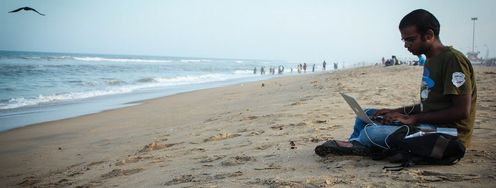
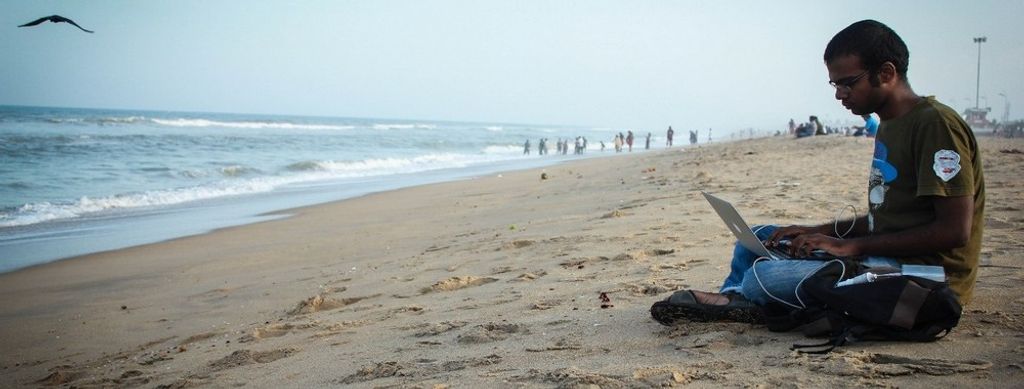
Digital nomadism is a lifestyle that lets individuals work remotely while traveling or living in different locations. This trend has gained popularity due to advancements in technology and the rise of remote work opportunities. Digital nomads can work in a variety of fields, software development and content creation being some of the most popular. In user experience (UX) design, designers who are digital nomads create user-friendly digital products and collaborate with teams online while they explore new places around the world.
The first place for a potential digital nomad to go is the mirror—and ask what they can give to clients online.
© Interaction Design Foundation, CC BY-SA 4.0
Why Is Digital Nomadism Popular?
The way people work has changed dramatically, particularly in the 2020s. Advances in technology—along with changes in business mindsets and models—have ushered in a shift that’s seen many professionals enjoy the option of remote work. This has seen the rise of digital nomadism, a phenomenon that was already popular—first mentioned as a concept in 1964 and coined as a term in 1997. The digital nomad’s lifestyle lets individuals work from pretty much anywhere in the world—and digital nomad UX designers can seize on exciting travel opportunities. It’s possible with a passport, visa, some preparation and the “passport” that a solid UX portfolio can offer to help get the contracts UX designers and UI (user interface) designers need to support themselves abroad:
Design Director at Societe Generale CIB, Morgane Peng explains important points about UX portfolios:
How To Become a Digital Nomad?
First, a UX professional must consider a few preliminaries, such as how resilient and resourceful they are to travel for an extended period away from family and friends. Once they’re sure the lifestyle is for them, it’s time to examine the realities of the places they might want to go.
1. What Are The Qualities to Look for in a Destination?
Once a prospective digital nomad looks past the adventure and romance of an exciting city environment or beach-island getaway, several key factors should occur to them—namely:
Cost of living: The ideal location offers a balance between affordability and quality of life. Safety is a factor here, too, including the available quality of healthcare in the destination country.
Internet speed: A reliable and fast internet connection is crucial for remote work. Communication lines will also be life lines in this sense, and one can’t earn if one can’t deliver.
Safety: Research the safety aspects of potential destinations, especially if traveling alone. For potential nomads from certain countries—like the United States or United Kingdom—it’s wise to consult government advisories about avoiding potentially unstable regimes or unrest abroad. Common sense must come first.
Visa options: Many countries around the world offer specific visas for digital nomads. This makes extended stays easier.
Community: The presence of other digital nomads can provide networking opportunities and combat loneliness. As much as a digital nomad might want to embrace solitude at first, the need for community often comes to the surface quickly.
Work-life balance: Consider locations that offer both professional opportunities and leisure activities. This also translates to how much work a nomad would need to do per week in order to make the destination worthwhile. So, more expensive locales will call for more profitable contracts—for the nomad to foot bills for rent, food and more.
2. What Are The Best Digital Nomad Destinations?
Several cities and countries have emerged as popular digital nomad hubs. Top digital nomad destinations include—in no particular order:
Portugal: Known for its low cost of living, pleasant climate and beautiful beaches.
.webp)
Portugal is a perennial favorite.
© Tim Marting, Fair Use
Thailand: Offers a blend of culture and modernity with a low cost of living.
Mexico: A vibrant land with affordable living costs.
Vietnam: A popular choice among digital nomads.
Japan: Despite higher living costs, a fast-growing destination for remote workers.
South Korea: Features a tech hub in Seoul with high-speed internet and modern amenities.
Bali, Indonesia: Famous for its stunning beaches and laid-back lifestyle.
 (2).webp)
Bali is another popular go-to for digital nomads.
© Tim Marting, Fair Use
3. What Are The Visa Requirements?
Digital nomads need to pay close attention to visa requirements for working remotely in different countries. Many nations’ digital nomad visas typically last 12 months with the option to extend. Countries with digital nomad visas let visitors stay while they work remotely for foreign-based employers or businesses.
The application process for digital nomad visas varies by country—and this calls for careful research—but it generally involves getting together necessary documents such as:
Valid passport copies.
Proof of remote work capability.
Income verification.
Accommodation confirmations.
While some countries have streamlined processes, others may ask for more extensive documentation—or have longer processing times. It's crucial for digital nomads to research and comply with the specific requirements of each destination—and that includes abiding by each nation’s criminal record stipulations.
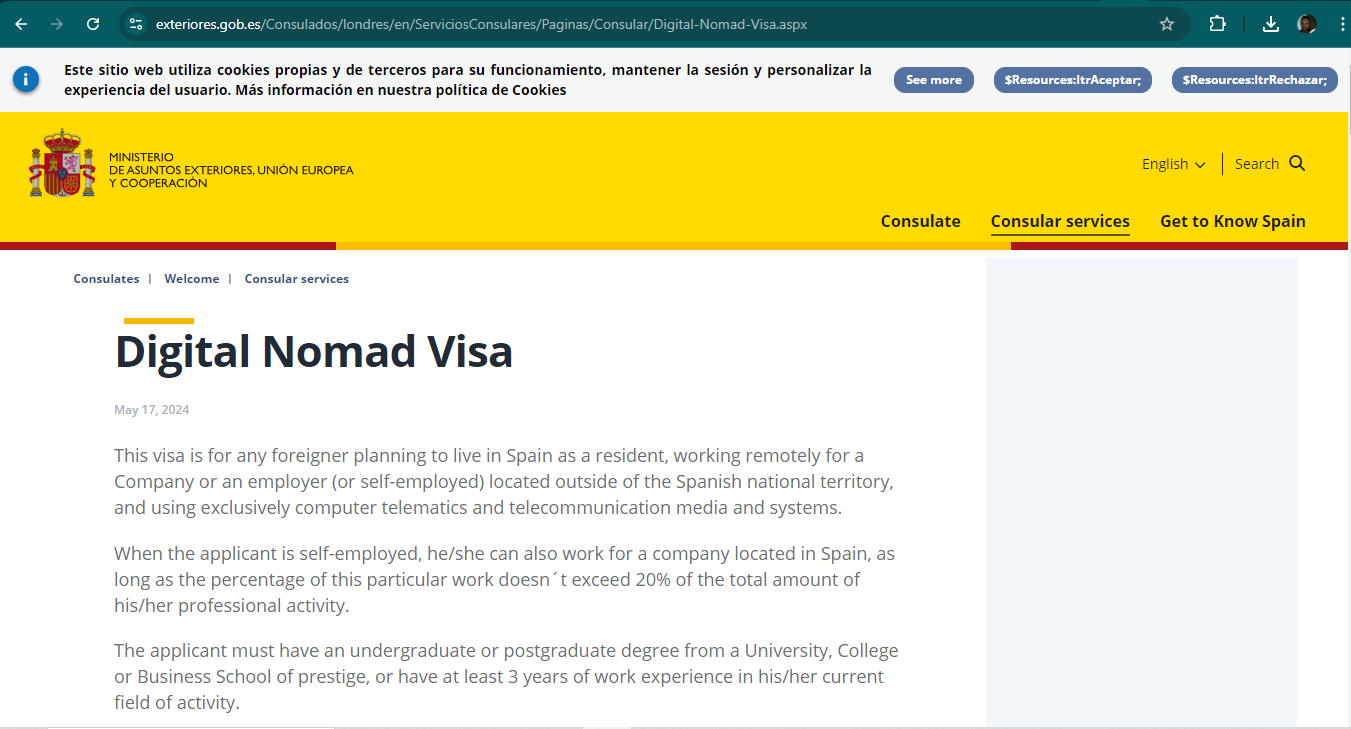
Spain is just one example of a nation that offers digital nomad visas.
© Ministerio de Asuntos Exteriores, Unión Europea y Cooperación, Fair Use
How Should Designers Plan to Be Professional Digital Nomads?
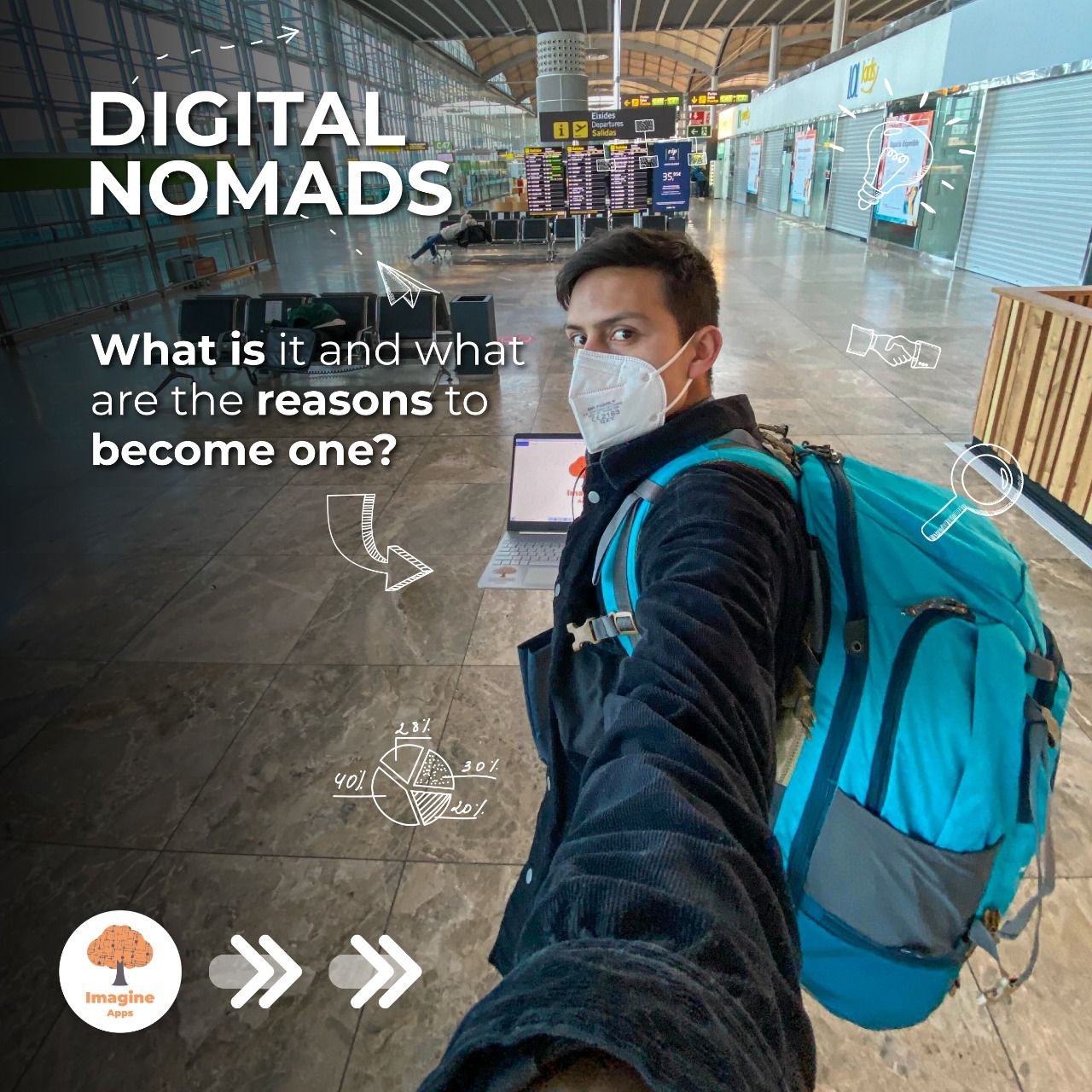
For a UX design digital nomad, remote work is a must, as will be the skill set and knowledge base in UX or associated industries—in the same way as coding is necessary for digital nomad developers. To travel abroad for extensive periods means to travel light—with well-picked, versatile clothing and tools of the trade such as a reliable laptop or two, smartphones, headphones and other equipment to optimize working in a highly connected way.
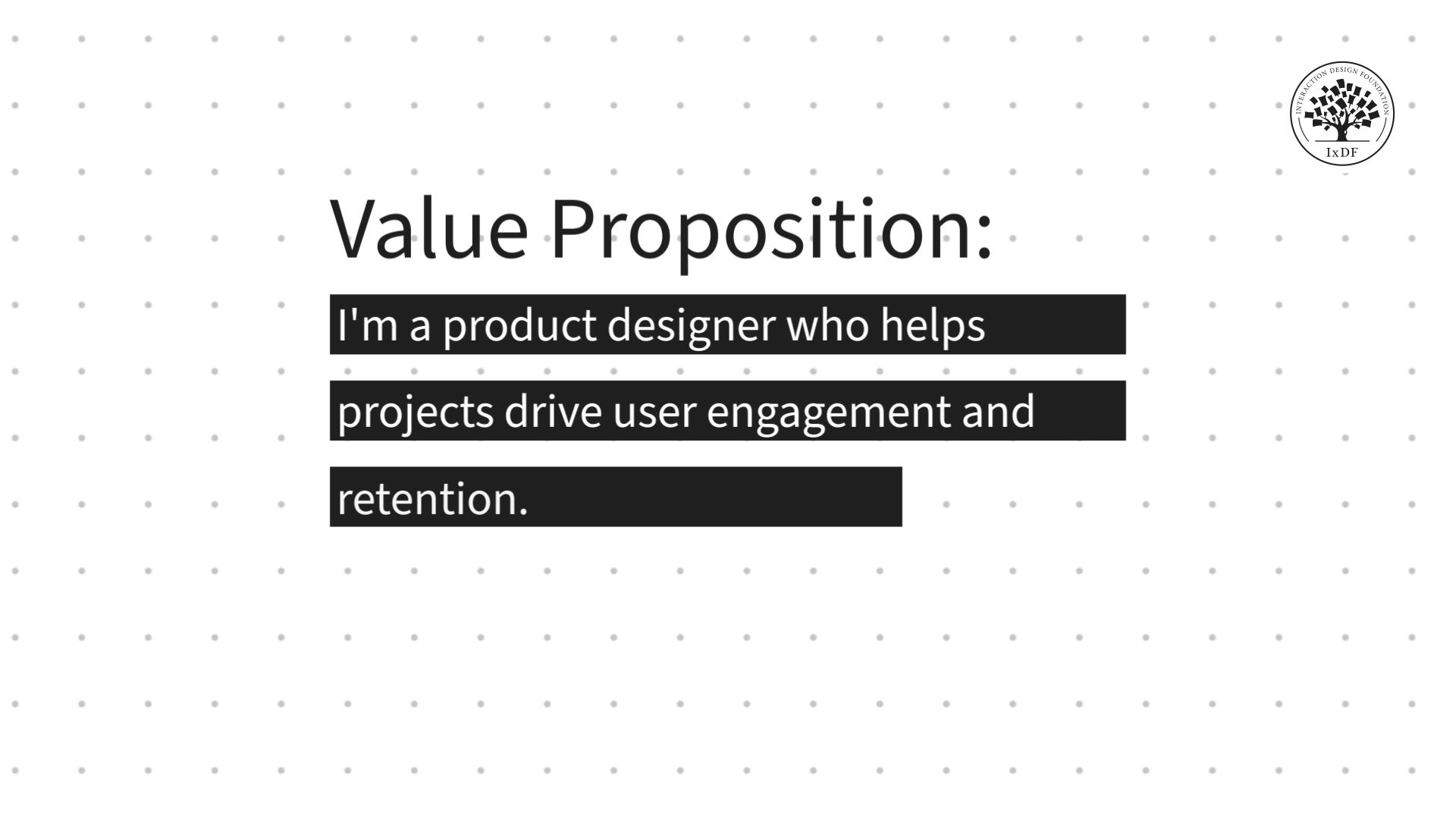
Digital nomads’ experience will serve them well in the international marketplace—as will their world-class online design school certificates. Before they embark, as self-branded freelancers, they need to have a value proposition to back up their portfolios, all ready to serve to prospective clients.
Morgane Peng explains vital aspects of value propositions in this video:
Once they’re ready to thrive in this career path, new nomads should focus on several key areas:
1. Find Remote Work
For those looking to start their digital nomad journey, there are several avenues to explore. Job boards dedicated to remote work offer a wide range of opportunities. These platforms cater specifically to remote workers, and they can be an excellent starting point.
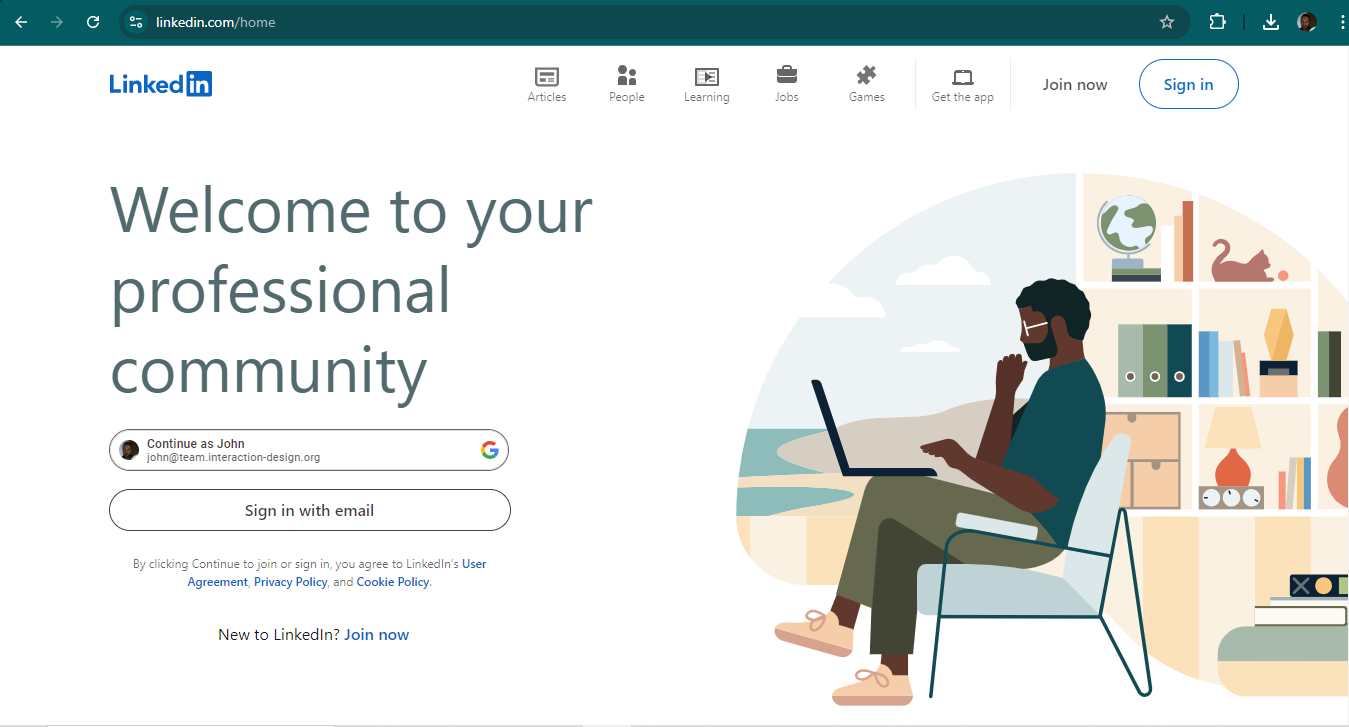
Freelancing platforms offer short-term gigs and longer-term ones that can lead to full-time positions for those who build a strong reputation. It helps to have a strong resume—for instance, on LinkedIn.
© LinkedIn, Fair Use
2. Manage Finances
As financial management is crucial for digital nomads, they’ll need to:
Track income and expenses: This practice helps digital nomads:
Understand their monthly earnings and spending.
Find areas for cost-cutting or raising their income.
Set realistic financial goals—including having an emergency fund for backup.
Monitor progress and adjust plans as needed.
Create a budget: A well-planned budget helps digital nomads:
Live within their means and avoid debt.
Save for short-term and long-term goals.
Allocate money wisely.
Reduce financial stress.
Look into banking and payment options: Digital nomads should research:
Global banks that offer accounts with no foreign transaction fees.
Digital payment platforms for lower transfer fees.
Reputable currency exchange services.
Credit cards that offer travel rewards.
© Marcelo Duran, Fair Use
3. Make The Most of Digital Nomad Services and Products
A range of services and products have emerged for nomads to support their lifestyles:
Virtual address services: These services provide digital nomads with a fixed mailing address, forwarding mail and packages to their current location.
Virtual phone numbers: Services that offer local phone numbers in various countries let nomads maintain a professional image and manage communication effectively.
Healthcare and insurance: Some specialized insurance plans cover medical emergencies, trip cancellations and lost belongings for digital nomads.
Banking services: Online banking options that cater to the specific needs of digital nomads, offering features like multi-currency accounts and low foreign transaction fees.
Co-working spaces: Professional work environments that provide reliable amenities, networking opportunities and a sense of community for digital nomads—many popular digital nomad destinations have excellent ones.
4. Build a Strong Network and Community
It’s vital to build—and maintain—a professional network for digital nomads, despite the challenges of constant travel. Strategies for this include:
Leverage online platforms:
Use sites such as LinkedIn to connect with professionals in the field.
Join relevant groups and engage in discussions.
Use platforms like Nomad List to connect with other digital nomads.
Attend virtual and in-person events:
Participate in online conferences and workshops.
Visit local coworking spaces to meet other remote workers.
Attend meetups and events that local communities organize.
Nurture existing relationships:
Stay in touch with former colleagues, mentors and classmates.
Follow up with people from conferences or online.
Give back to the community:
Offer mentoring or volunteering services.
Participate in online discussions and share expertise.
How Important Is a Good Portfolio for a Digital Nomad?
Naturally, the professional “passport” will be just as important as the one that digital nomads use to go from country to country. Therefore, it’s vital for potential nomads to make sure they pave the way professionally before they make their journey physically. A solid UX portfolio will help UX designers, user interface (UI) designers and other UX professionals stand out from the crowd.
Watch as Design Director at Societe Generale CIB, Morgane Peng explains important points about how to make an outstanding UX portfolio:
Overall, the digital nomad lifestyle is gaining traction among professionals and the clients who turn to them. A vast wealth of life experience and work opportunities await those who plan effectively and have the right attitude regarding how to embrace the opportunities that come with the digital nomad lifestyle. That includes the need to prepare for how best to manage the risks. Nevertheless, UX professionals who take this route—or series of routes—can enjoy a unique form of freelancing. They can empower themselves to reap the rich rewards of all that digital nomadism has to offer at both work and play—and come away with the experience of a lifetime.
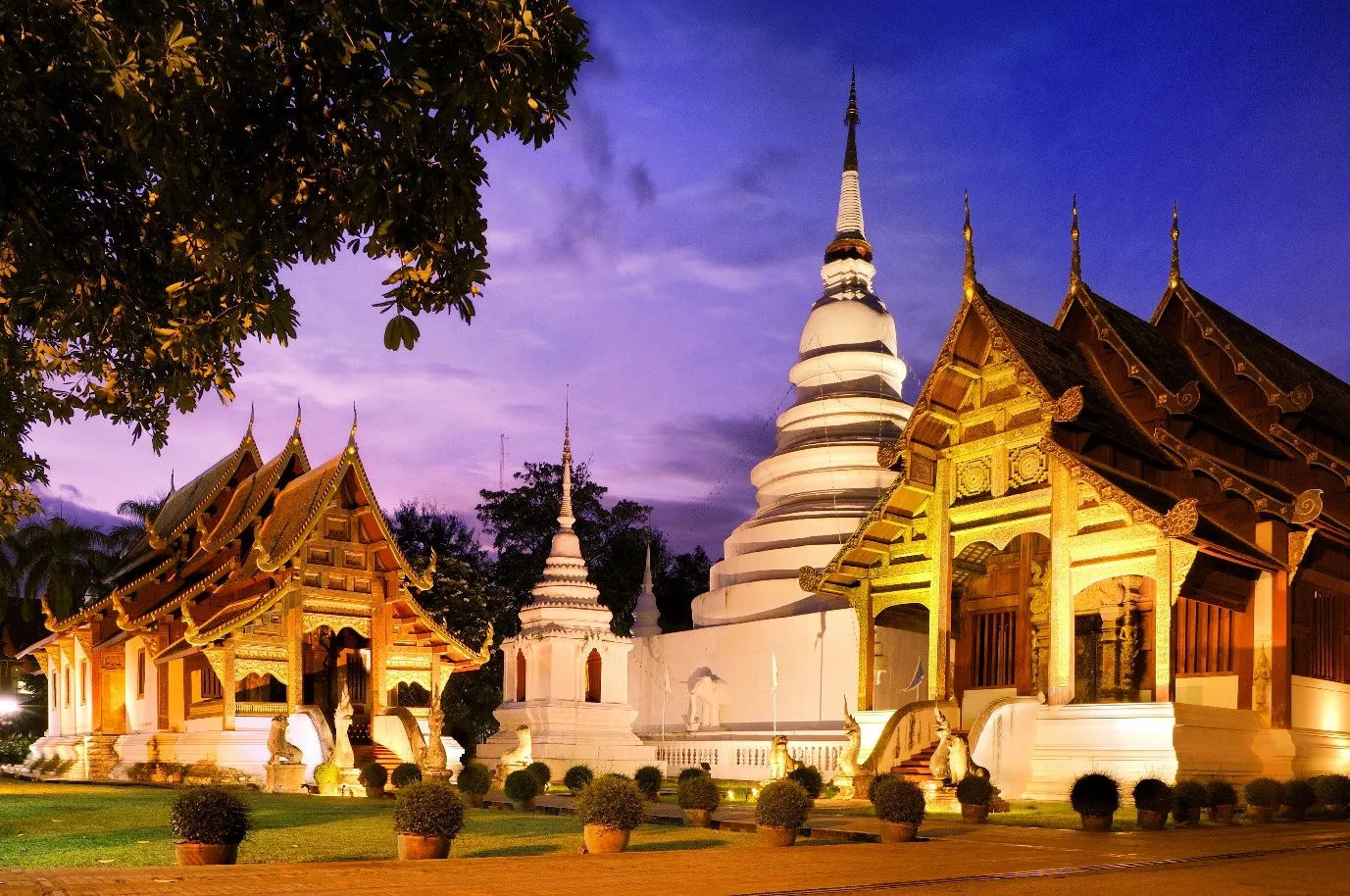
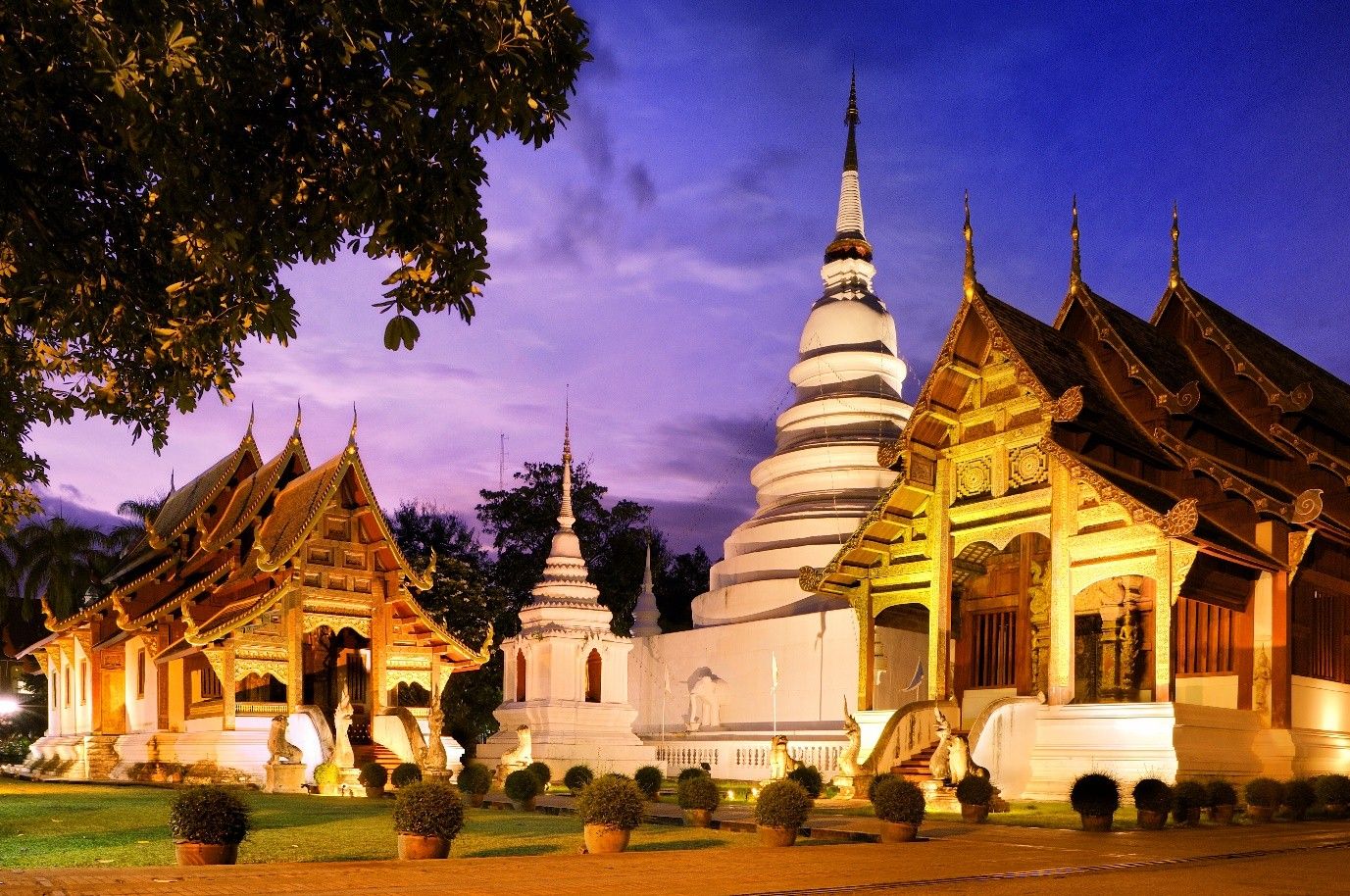
Chiang Mai remains one of the most popular destinations for digital nomads.
© Panupong Roopyai, Fair Use







 Author/Copyright holder: Panupong Roopyai. Copyright terms and licence: CC BY-SA 3.0
 Author/Copyright holder: Diliff. Copyright terms and licence: CC BY-SA 3.0
 Author/Copyright holder: Maurice. Copyright terms and licence: CC BY 2.0
 Author/Copyright holder: Hjvannes. Copyright terms and licence: CC BY-SA 3.0