Everyone Loves a Story, and We are All Natural Storytellers

by Rikke Friis Dam • 9 min read

576 Shares

We all enjoy a good story even if what we define as a “good story” differs significantly from person to person. If we can tell stories, we can get our message across more clearly and in a more engaging manner, but what constitutes a natural storyteller? You’ll be surprised to find out the answer. Once you’ve got a grip on the truth, you can fashion seriously effective, and fun, engagement into your designs.

Through the Eyes of a Child

Have you ever seen a child get ready for bed faster when you offer to tell him or her a story? When kids have this to look forward to, their eyes light up, they rush through the bathroom and get changed into their pyjamas. Stories are magical to children. They are to adults, too. Ask any trainer or teacher – the easiest way to get a room’s attention is to use the opening line, “I want to tell you a story.” People stop talking and pay attention. Everyone loves a story; none of us is ever too ‘old’ for a story.

We learn to love stories as children; however stories aren’t just for children and we still appreciate them as adults.

© Zhao !, CC BY 2.0

What is a Story?

There are many available definitions as to what constitutes a story. Some believe that a story is always fictional, whereas others believe it to be a narrative retelling of events. Stories, of course, don’t have to be fictional. They have to tell the person listening to/reading that story about a series of events that happen to a character or characters. Everything else is superfluous. There are thousands of storytelling styles; think about stand-up comedians – they’re all storytellers, but each has their unique spin on how to tell things. The main thing is that the tale illustrates the happenings and moves the story forward so we get to know if those involved get to enjoy a happy ending… or not.

We Are All Storytellers

This is an intuitive leap. We started by talking about reading a story to a child or an experienced educator—and face it; we can learn a lot from stand-up comedians about life, too!—relaying a story on stage. These are examples of storytelling, and they’re often what come to mind when we talk about telling stories. The implicit assumption in these examples is that storytelling is somehow an art form. From that, we might think we need training, dramatic skills and poise to be able to deliver stories like this. How can we all be storytellers if this is storytelling?

Before you start rifling through college courses, stop, and please answer this question: what did you do at work today? Now, you might not want to answer that question in much detail for me, a stranger, but if your partner or child asked it, you’d give them a full and frank answer. It may sound a little like this:

“I arrived at the office, and Frank had parked in my space again. I asked Sue on reception to sort it out but it resulted in my being late for my first meeting. The meeting was good; my boss, Rita, says I’m nearly ready for a promotion – she’s really pleased with the way I handle clients, and she’d like me to take a step up to teach others how to do it. There was fish for lunch, which was OK.”

“In the afternoon, we won a big order from an existing client, and I spent all afternoon and much of the early evening preparing the paperwork – that’s why I’m late home tonight. So, how was your day?”

Everyone tells stories all the time; it takes no special talents to learn how to tell stories.

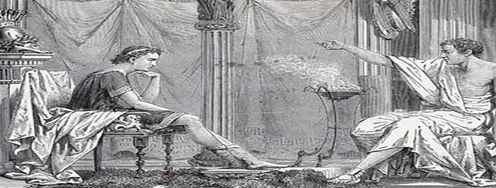
© U.S. National Archives and Records Administration, Public Domain

That’s a story - no drama, no acting talent, and no training required. Each and every one of us tells stories all the time. We may not realize we’re telling stories because they’re so commonplace in our lives, but the truth is that we’re all storytellers, all the time. Sometimes, the stories we relate are true; other times, we have to fluff and fudge the facts so as to aid in our ‘survival’ (e.g., the husband who forgot to stop off and get soymilk and eggs on the way home from work might say: “I did call in, but someone had taken the last carton of soymilk. Oh, the eggs didn’t have quality marks on them, so I had to give them a miss. We don’t want to risk getting salmonella!”).

Stories are Great Communication Tools

Stories are the way we convey information over and over again. They offer us a convenient structure: a beginning, middle and an end to portray information to other people. We’ve also established that other people love to hear a story – it’s an enjoyable way to receive information, too. A tale brings life to the matter at hand in a context that latches more easily with audiences. For example, think of the last time you heard: “And the moral of that story is…” Since time immemorial, humans have represented powerful messages and insights about the human condition through storytelling.

That’s why stories are powerful selling tools. They create rapport with your customers, who, just like you, love to hear a story. They enable your audience to understand your vision and how your product will meet their needs in their everyday lives. From there, they can catapult themselves into the world you’ve created. If they manage to ‘inhabit’ that world, the chances are that much greater they’ll buy from you. Rapport is, after all, a large part of the road to a trusting relationship.

"The problems of information overload in making your voice heard are many, but their solution is simple - your story, told by you." —Andrew Stanton, American film director, screenwriter, producer and voice actor for Pixar
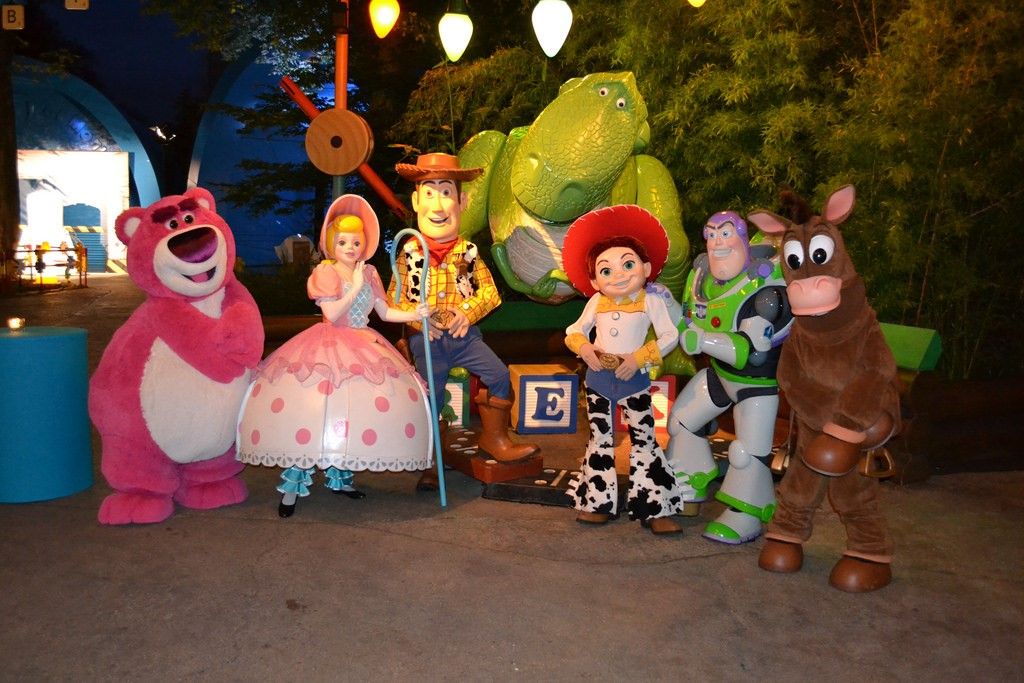
Pixar are well known for telling stories; it’s how they make some of the most popular movies.

© Loren Javier, CC BY-ND 2.0

John Rampton, writing for Inc.com presents a powerful case for using stories and cites the example of Sugru, which shares stories of how its products have helped customers. You may not have heard of that company—but, in 2010, they ranked above the iPad on Time magazine’s most important inventions of the year.

The Take Away

Stories are a great way to communicate with others. However, many people believe they can’t tell a story, believing storytelling to be some fine art only accessible to scholars and the ultra-talented. This fallacy prevents them from telling stories in their designs and websites. Yet, we are all natural storytellers, and we all tell stories all of the time. You don’t need a special gift to use a story; you already have that capacity. With some introspection, you can find great insights into using your existing storytelling skills and attuning them to your design work. Once you do that, you’ll be opening portals to brighter new worlds of brands for users who really want to engage with them because they will be intrigued.

References & Where to Learn More

Read this article by John Rampton called How Storytelling Can Ramp Up Your Online Marketing Strategy.

Hero Image: © Anthony Cross, Public Domain.

Learn More in This Course:

AI for Designers

11 days
12 % booked
View Course

What You Should Read Next

  • Read full article
    Bad Design vs. Good Design: 5 Examples We Can Learn From - Article hero image
    Interaction Design Foundation logo

    Bad Design vs. Good Design: 5 Examples We Can Learn From

    Looking at examples of bad design alongside counter-examples of good design is not only fun but also draws important lessons for designers. They highlight pitfalls for designers to avoid and let us understand how to translate design theories into solutions that work in the real world. Jared Spool, t

    Social shares
    1.5k
    Published
    Read Article
  • Read full article
    Information Overload, Why it Matters and How to Combat It - Article hero image
    Interaction Design Foundation logo

    Information Overload, Why it Matters and How to Combat It

    Designers often need to convey information to the users of their designs. Specialists in information visualization design in particular find themselves presenting data over and over again to their users. However, it’s important when developing your designs that you don’t create “information overload

    Social shares
    1.2k
    Published
    Read Article
  • Read full article
    Test Your Prototypes: How to Gather Feedback and Maximize Learning - Article hero image
    Interaction Design Foundation logo

    Test Your Prototypes: How to Gather Feedback and Maximize Learning

    Once you’ve built your prototypes, it’s time to gather feedback from your users. It’s essential for you to optimize how you gather feedback, because you not only save time and resources but also learn more from your prototypes and test sessions. So, to help you maximize what you can learn from your

    Social shares
    1.1k
    Published
    Read Article
  • Read full article
    The Persuasion Triad — Aristotle Still Teaches - Article hero image
    Interaction Design Foundation logo

    The Persuasion Triad — Aristotle Still Teaches

    The Greek philosopher Aristotle (384-322 b.c.e.) classified properties of items and concepts in the known universe. One of his most fundamental discoveries was the composition of persuasive speaking. Although Aristotle identified the “three appeals” that make it up 23 centuries ago, when the known u

    Social shares
    972
    Published
    Read Article
  • Read full article
    How to Build a UX/UI Design PDF Portfolio That Hiring Managers Will Love (Includes Examples) - Article hero image
    Interaction Design Foundation logo

    How to Build a UX/UI Design PDF Portfolio That Hiring Managers Will Love (Includes Examples)

    If you already have an online UX/UI design portfolio, do you need a PDF version? The answer is – yes; it is better to be safe than sorry! Some hiring managers like to see a more detailed PDF portfolio after reviewing your online portfolio, while some job applications may request an upload instead of

    Social shares
    943
    Published
    Read Article
  • Read full article
    How to Write UX/UI Design Case Studies That Boost Your Portfolio and Get You Hired - Article hero image
    Interaction Design Foundation logo

    How to Write UX/UI Design Case Studies That Boost Your Portfolio and Get You Hired

    The term “case study” sounds a little boring, doesn’t it? What if, instead, it were called a “design story”? Well, that’s exactly how you should think of it! Approach your UX/UI design case studies like stories, not just a list of tasks you completed. You will not only make your portfolio easier and

    Social shares
    942
    Published
    Read Article
  • Read full article
    Methods to Help You Define Synthesise and Make Sense in Your Research - Article hero image
    Interaction Design Foundation logo

    Methods to Help You Define Synthesise and Make Sense in Your Research

    So you’ve got piles of data gathered from the inspiring empathy research activities you’ve undertaken, and you’re blankly staring at the data thinking, “Where to from here …?” and “What do I do with all this information?” It’s time to bring all the research you’ve collected together and make sense o

    Social shares
    821
    Published
    Read Article
  • Read full article
    Picture Perfect: How to Use Visuals to Elevate Your UX/UI Design Portfolio Case Studies - Article hero image
    Interaction Design Foundation logo

    Picture Perfect: How to Use Visuals to Elevate Your UX/UI Design Portfolio Case Studies

    Visuals are one of the most essential and exciting parts of your UX/UI design case study—they’re fun to create and boost engagement. Your hard work and ingenious designs will take center stage and show off your capabilities as a designer. But your final designs are not the only visuals that get thei

    Social shares
    799
    Published
    Read Article
  • Read full article
    8 Essential Writing Tips for a Clear and Confident UX/UI Design Portfolio - Article hero image
    Interaction Design Foundation logo

    8 Essential Writing Tips for a Clear and Confident UX/UI Design Portfolio

    Have you ever read and re-read something over and over and still didn’t understand it? Unless it was a book on advanced nanoengineering, it probably wasn’t your fault. Much of the writing you will read in your life will be unnecessarily complex or vague. Surprisingly, however, it’s easy to write eff

    Social shares
    787
    Published
    Read Article
  • Read full article
    How to Write the Perfect Introduction to Your UX Case Study - Article hero image
    Interaction Design Foundation logo

    How to Write the Perfect Introduction to Your UX Case Study

    It’s tough to write beginnings, isn’t it? It can be especially difficult to write the introduction of your UX case study, since it will determine the success of your job application. What should you include? How do you make a good first impression? Fret not! We’ve got you covered here. Your introduc

    Social shares
    782
    Published
    Read Article

Top Articles

Top Topic Definitions

Feel Stuck?
Want Better Job Options?

AI is replacing jobs everywhere, yet design jobs are booming with a projected 45% job growth. With design skills, you can create products and services people love. More love means more impact and greater salary potential.

At IxDF, we help you from your first course to your next job, all in one place.

See How Design Skills Turn Into Job Options
Privacy Settings
By using this site, you accept our Cookie Policy and Terms of Use.
Customize
Accept all

Be the One Who Inspires

People remember who shares great ideas.

Share on:

Academic Credibility — On Autopilot

Don't waste time googling citation formats. Just copy, paste and look legit in seconds.

Feel Stuck? Want Freedom?

Join 326,564+ designers who get one powerful email each week. Learn to design a life you love.

Next email in
0
days
13
hrs
14
mins
56
secs

Free forever. No spam. Unsubscribe anytime.