Three Tips for Creating a Better UX Portfolio

• 5 min read

676 Shares

We think that whoever, decided that UX designers should need a portfolio, should have their head read. UX design is not graphic design and the creation of a UX portfolio does not mean that would-be clients or employers are going to be wowed by the visual aspect of the content. However, despite this – for good or ill the UX portfolio is here to stay and here’s how to make yours just a little better:

What Does a Good Portfolio Do?

It’s pretty simple a good UX portfolio is going to show a prospective client or employer that there’s a process behind the design. That you have followed a considered path from research to design and that it produces results.

The Three Tips for Better UX Portfolios

1. Examine the Range of Work You Do
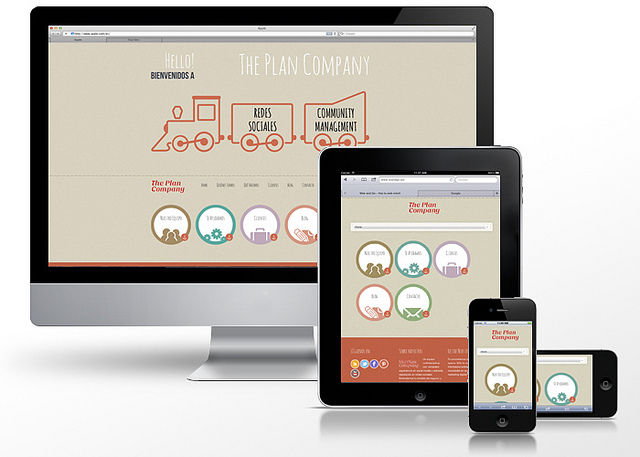
Author/Copyright holder: Alvaro Rubio. Copyright terms and licence: CC BY-NC-ND 2.00

If you work on multiple platforms or multiple devices then it’s a good idea to show it off in your portfolio. The same is true if you’ve worked on everything from high-end enterprise applications to cheap and cheerful consumer projects. Your portfolio needs to tell people at a glance what you’re good at. It’s worth noting in the same breath that you need to manage the volumes of data carefully – you don’t want to overwhelm someone.

2. Visuals with Meaning

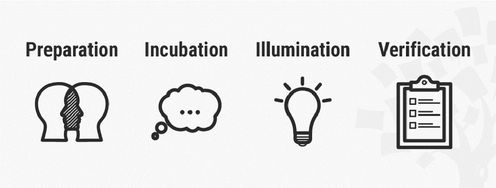
You need to lay out your process visually. You’ll want to curate images from your past projects that help you structure the process in the reader’s mind. You don’t need to go overboard. A half-dozen well selected visuals are going to be very clear about what’s been done and why; four dozen are just going to confuse rather than shine additional light on your process.

Make it easy for your visuals to carry meaning to your audience. They also don’t need to be perfect, graphic designed works of art – they just need to show the UX process.

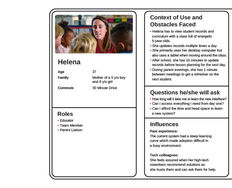
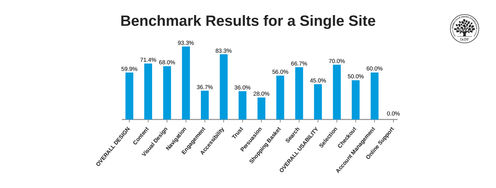
Examples of what you might want to include:

Try to include 2 or 3 projects in sufficient detail to show your expertise but don’t try to include too many projects – it’s overkill.

3. Tell a Story

Author/Copyright holder: Mohamed Iujaz Zuhair. Copyright terms and licence: CC BY-NC 2.0

This is often the hardest part but you need to combine your visuals with a short narrative. Who are you? What do you do? What will you do to add value to the client/employer’s projects? Keep it simple but not too simple. Try to touch on the following:

  • What you set out to do
    • What you did in terms of research and design work
    • What worked well and what didn’t
    • What was the ultimate outcome for the project
    • What would you do differently if you had to do the same project all over again now

Summary

In the end a UX portfolio is going to be a very personal document but the easier you make it for others to understand your work and experience – the easier it’s going to be for that portfolio to be effective in opening new doors for you.

Header Image: Author/Copyright holder: Scott Kellum. Copyright terms and licence: CC BY-NC 2.0


Learn More in This Course:

AI for Designers

5 days
57 % booked
View Course

What You Should Read Next

  • Read full article
    8 Talks by Women to Inspire UX Designers - Article hero image
    Interaction Design Foundation logo

    8 Talks by Women to Inspire UX Designers

    User Experience design, like so many other disciplines, has a lower representation of women as compared to men. Things are changing now, though. Slowly, but surely. From strategy to tactics and from ideas to actionable tips, here is a curated playlist of talks by, and stories of just some of the mos

    Social shares
    655
    Published
    Read Article
  • Read full article
    UX Storyboards: Ultimate Guide - Article hero image
    Interaction Design Foundation logo

    UX Storyboards: Ultimate Guide

    In user experience design, we use techniques like workshops and interviews to understand users. We turn our research into user stories and process flows. We use personas and wireframes to share our ideas with our teams.But it’s important to remember the real people we design for. We need to know wha

    Social shares
    777
    Published
    Read Article
  • Read full article
    Stop the Generic Portfolio Trap! Design a Stand-Out Portfolio for Your UX/UI Niche: UX Writing - Article hero image
    Interaction Design Foundation logo

    Stop the Generic Portfolio Trap! Design a Stand-Out Portfolio for Your UX/UI Niche: UX Writing

    A picture may be worth a thousand words, but in UX design the right words are priceless. UX writing guides users, simplifies complex concepts, encourages desired actions, and creates a sense of delight. But how do you demonstrate you can do all of these things? How do you get noticed by hiring manag

    Social shares
    415
    Published
    Read Article
  • Read full article
    Mobile Breadcrumbs: 8 Best Practices in UX - Article hero image
    Interaction Design Foundation logo

    Mobile Breadcrumbs: 8 Best Practices in UX

    Breadcrumbs act as navigation aids—ones that simplify user journeys on websites. They highlight the path taken within a site to boost user experience, especially on mobile devices with limited screen space. Explore more about mobile breadcrumbs and understand the common design mistakes and best prac

    Social shares
    806
    Published
    Read Article
  • Read full article
    TAPT: Teasing Apart, Piecing Together - Article hero image
    Interaction Design Foundation logo

    TAPT: Teasing Apart, Piecing Together

    [[video:96]]Many experiences share the same core elements but differ in context. Photo sharing on Facebook has similar experience elements to sharing physical photos, but the actions involved and the context of the two experiences differ vastly. In creative processes, it’s valuable to analyze relate

    Social shares
    420
    Published
    Read Article
  • Read full article
    Why Care about Statistical Significance? - Article hero image
    Interaction Design Foundation logo

    Why Care about Statistical Significance?

    The categorical data depicts the success and failure rate of the low-fidelity wireframe above. There is not a large enough difference between the two to determine if the designs were successful.There is an element of error involved in measuring anything. So, when we want to compare measurements, how

    Social shares
    434
    Published
    Read Article
  • Read full article
    Web Fonts: Definition and 10 Recommendations - Article hero image
    Interaction Design Foundation logo

    Web Fonts: Definition and 10 Recommendations

    Web fonts bring digital content to life. They enhance readability, set the tone, and ensure consistency across various platforms—all vital ingredients. When you understand web fonts and their impact, it can help you with effective website creation—and greatly so. We’ll provide a comprehensive overvi

    Social shares
    782
    Published
    Read Article
  • Read full article
    How to Screen Research Participants - Article hero image
    Interaction Design Foundation logo

    How to Screen Research Participants

    Finding the right participants is crucial for gathering user research. We usually need to do research with participants having a particular set of needs or experience. In this short video, you will find out about the basic need for screening and how we make sure that we have suitably qualified parti

    Social shares
    452
    Published
    Read Article
  • Read full article
    Pitfalls in Recruiting Participants for User Research - Article hero image
    Interaction Design Foundation logo

    Pitfalls in Recruiting Participants for User Research

    The level of participant engagement is an important part of the user research results. Our results are dependent on proper engagement with our participants. In this video we look at some of the issues around participant recruitment and hear practical examples that arose in a large online study.[[vid

    Social shares
    421
    Published
    Read Article
  • Read full article
    How to Fit Quantitative Research into the Project Lifecycle - Article hero image
    Interaction Design Foundation logo

    How to Fit Quantitative Research into the Project Lifecycle

    Quantitative research methods fit into the project lifecycle at different stages of the process.In this video, we see where different quantitative research methods fit into a typical project lifecycle. Bear in mind that even with an iterative process such as Agile, the short cycles still address dif

    Social shares
    511
    Published
    Read Article

Top Articles

Top Topic Definitions

Feel Stuck?
Want Better Job Options?

AI is replacing jobs everywhere, yet design jobs are booming with a projected 45% job growth. With design skills, you can create products and services people love. More love means more impact and greater salary potential.

At IxDF, we help you from your first course to your next job, all in one place.

See How Design Skills Turn Into Job Options
Privacy Settings
By using this site, you accept our Cookie Policy and Terms of Use.
Customize
Accept all

Be the One Who Inspires

People remember who shares great ideas.

Share on:

Academic Credibility — On Autopilot

Don't waste time googling citation formats. Just copy, paste and look legit in seconds.

Feel stuck? Want Freedom?

Get one powerful email each week, like 325,450 others.

Learn to design a life you love.

Next email in:
1
day
13
hrs
52
mins
35
secs