Every form of design features special techniques which can take a design from “OK” to “amazing”. Gamification is no exception. Game mechanics are the vital components of gamification which transform this form of design from “adding features” to “adding fun”. Janaki Kumar and Mario Herger, in their book, “Gamification at Work: Designing Engaging Business Software”, offer some helpful tips on how to create great game mechanics.
Mechanics? It’s a Game, Right?
Gamification’s “secret sauce” is basically the mechanics used in order to bring out the best in the player. This is where the science of programming meets the art of game design. Imagine that you’re painting a picture. What do you need? You need brushes. You need paint. You need a canvas. You need a palette to mix everything up on, right?
 Author/Copyright holder: Public Domain Copyright terms and licence: CC BY 2.0
Creating the right colour scheme involves careful selection of the right base colours; otherwise, all you get is a bit of a mess.
Would you get a great picture if you then squeezed all your paint (no matter how many colours you have) all over the palette, mixed it up and then stirred it together with your brush? You might, but it does seem unlikely, doesn’t it? You’ve lost all the wonderful shades you began with and created a single (and, possibly, quite ugly) colour.
The same is true when it comes to gamification. You can just throw every mechanic you have into the mix and hope for the best. You need to choose the right mechanics (like you choose the right colours for parts of your painting) and implement them so that they contribute to something greater than the sum of their parts.
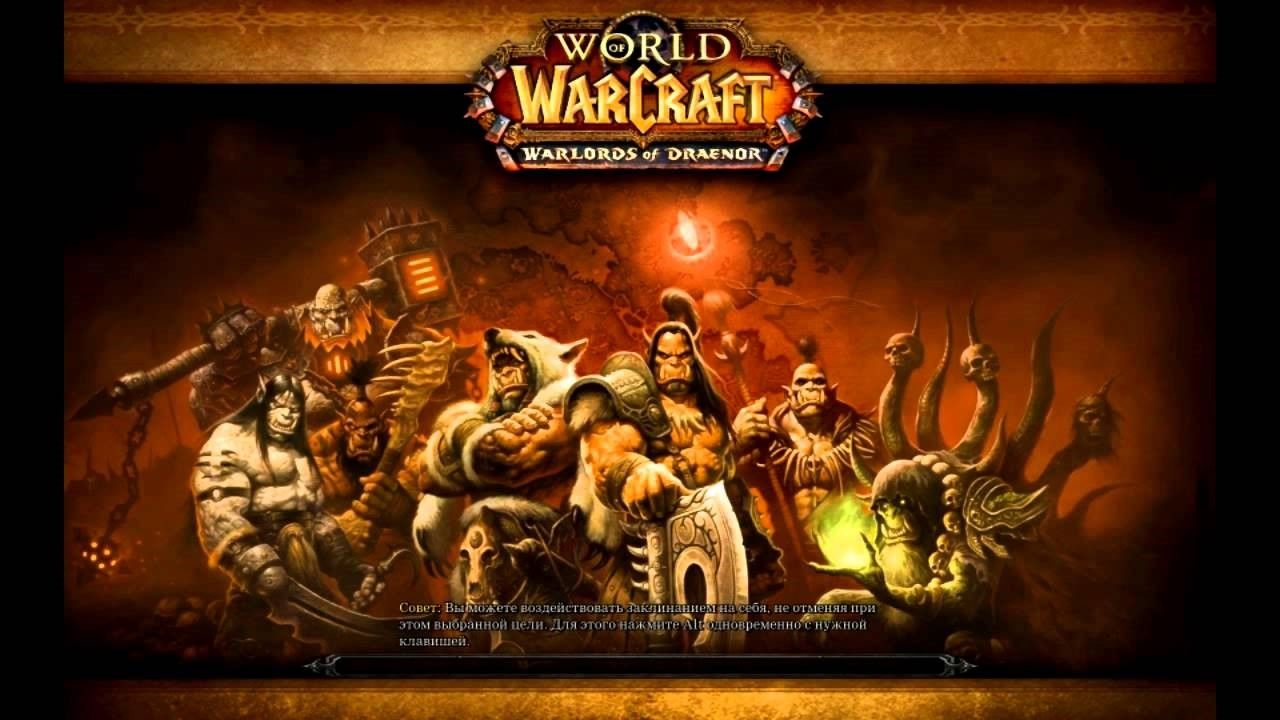 Author/Copyright holder: Joey Richardson. Copyright terms and licence: Fair Use.
World of Warcraft is an excellent example of a game system that uses a variety of game mechanics in order to keep player interest alive.
Lists of Mechanics
“Game mechanics are the core of what a game truly is. They are the interactions that remain when all of the aesthetics, technology and story are stripped away.”
—Jesse Schell, game designer and owner of Schell Games.
During her research, Janaki Kumar of SAP discovered that there are a huge number of different guides to game mechanics online. Many of these guides focus on different levels of granularity (e.g., some are too high level, whereas others are too low level in order to be of use) and many of which aren’t wholly relevant to gamification within an enterprise setting. To overcome this, Kumar curated the list (shown as an image at the very top) in order to find those that are relevant and clear to understand. The list includes:
Journey
Relationship
Quests
Progression
Badges
Rewards
Levels
Urgent Optimism
Challenge
Epic Meaning
Blissful Productivity
Reward Schedules
Countdowns
Discovery
Virality
Game Mechanics
Free Lunch
Points
Emotions
This is not an exhaustive list. You may discover other mechanics which are relevant to your specific gamification project. However, it’s a good list to get you started. The key question is always, “How will this mechanic, based on what I know about the business needs and its target players, enhance the experience from a player perspective?” If you can’t answer that question, you may be examining the wrong game mechanic for your gamification project.
 Author/Copyright holder: David Goehring. Copyright terms and licence: CC BY 2.0
You need to ensure that all the mechanics you select for your gamified system fit together in a natural way.
The Take Away
Gamification offers you as the designer a huge array of game mechanics that you can employ in order to make your gamified features fun and exciting for your players. However, it’s important to choose a mix of features so as to support the mission of the business, and in a careful way—paying attention the exact needs and nature of what is involved—whilst ensuring that players aren’t overwhelmed because of too many features.
References & Where to Learn More
Course: Gamification – Creating Addictive User Experiences
Janaki Mythily Kumar and Mario Herger, Gamification at Work: Designing Engaging Business Software, The Interaction Design Foundation, 2014