Get to Know Your Players for Your Gamification Project

by Janaki Kumar, Mario Herger and Rikke Friis Dam • 7 min read

445 Shares

Gamification design works on a player-centred design basis, which places the player (rather than the user, which is standard in UX design) at the heart of the design process. The idea is simple: if you can understand what your players want, you can deliver these wants through gamification.

The Designer’s Strength

One of the great things about gamification is that it utilises a designer’s strengths. A good designer will intimately understand exactly what makes its audience tick. As designers, we are exceptionally good at making decisions that reflect a user’s hopes dreams and aspirations within a product. As such, the product itself will incorporate colours and interface layouts specific to a user’s requirements.
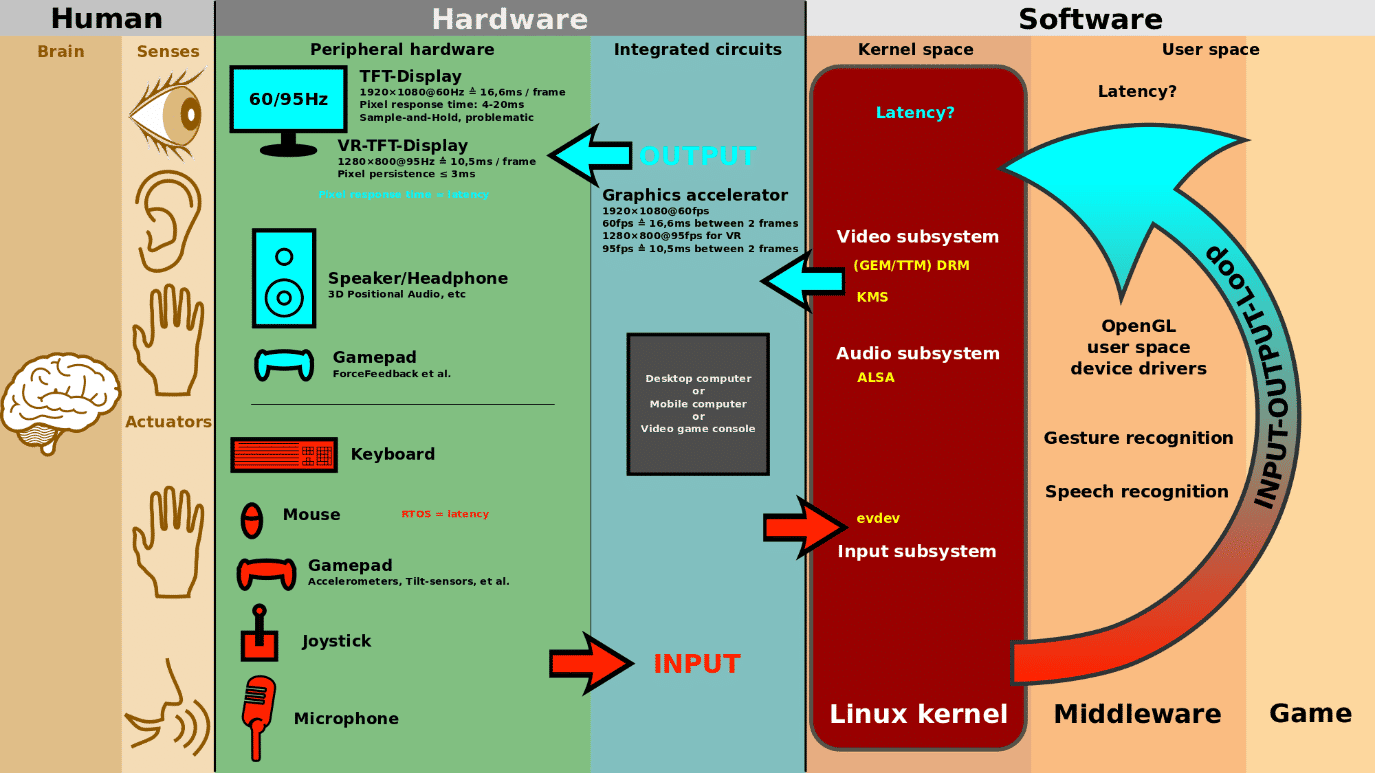
Author/Copyright holder: ScotXW. Copyright terms and licence: CC BY-SA 3.0

As a designer, you have to consider many aspects in order to produce gamified (or even game) experiences.

Players, not Users

Here is a good quote to remember as you examine play and gamification:

“Play is a child’s work and this is not a trivial pursuit.”
—Alfred Adler, the founder of individual psychology and medical doctor

What do you like to do for fun? Perhaps, it’s travel to other countries in order to experience the culture in full? Or maybe it’s watching your favourite sport on television with your friends on the weekend? It could also be shopping for clothes or a trip to the cinema.

What makes that experience fun? In part, it’s our knowing that we can do other things during our “fun” time. We don’t have to travel if we don’t want to; we can stay at home and read a book instead. If you think about anything that you like to do for fun on a regular (or semi-regular) basis, you’ll find that that’s almost always true.

Then, there are fun activities that we don’t choose to participate in because these activities happen by accident rather than design. In many offices, the company will hold an annual team building event in which colleagues will be released from working at their desks and asked to participate in activities such as go-karting, paintballing or another activity picked at random from a book of exercises.

Author/Copyright holder: Stefan Krause. Copyright terms and licence: CC BY-SA 3.0

Paintballing is fun if you want to go paintballing; if you don’t, it won’t be as much fun.

If you conduct a survey of the people about to embark on that team building event, you’ll find that some people are genuinely thrilled to be doing it. They enjoy go-karting (or whatever), and they like their colleagues, so they’re pleased that their company provides an opportunity to do what they like with their friends. You’ll also find a bunch of people who are not so thrilled. They don’t like competing. They’ve never driven a go-kart (and don’t want to learn in front of their colleagues). Maybe they’re just not keen on socializing with their work mates? Maybe they don’t even get on with some of them.

When you remove the element of choice from an activity, some people may find it fun, but far fewer people will find as fun as they would if they were able to choose a specific activity. The latter group may even view it as an imposition.

To illustrate, Amy Jo Kim, who has worked on Sims Online and Rock Band, thinks it’s important for us to think of gamification in terms of players and not users. The word “players” implies that participants in your gamification exercise are participating because they want to. The word “users” on the other hand implies that the person has no choice in taking part. As such, players are much more likely to have fun than users.
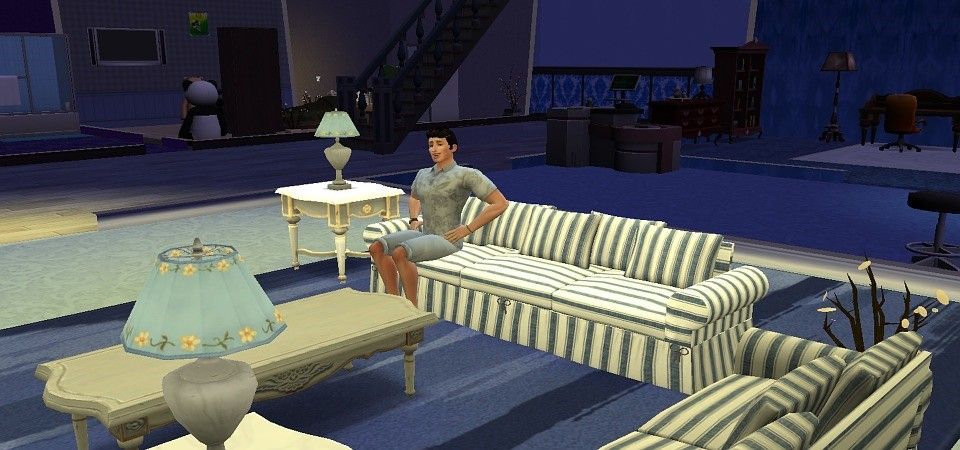
Author/Copyright holder: Pixabay. Copyright terms and licence: CC0

Amy Jo Kim worked on The Sims (above) and recommends that you think in terms of players rather than users when working on gamification projects.

Gamification is supposed to engage, motivate and delight an audience, and encourage them to do something more or better than they would have done in the past. When you build your gamification strategy upon understanding your players, the chances of getting something right are much higher than when you build a product based upon users.

The Take Away

The word “player” has a very explicit implication when compared to “user”. Users, in a corporate context, have no choice about participating in an activity – think of a call-centre agent using a customer relationship management system. Players, on the other hand, are supposed to have the choice to become involved—and it is that choice that enables them to have fun. As a designer, always ensure you base any gamification project upon the idea of “choice” rather than obligation.

References & Where to Learn More

Innovate with the power of Game Thinking

Janaki Mythily Kumar and Mario Herger, Gamification at Work: Designing Engaging Business Software, The Interaction Design Foundation, 2014

Hero Image: Author/Copyright holder: Colbyskart12. Copyright terms and licence: Public Domain.

Learn More in This Course:

AI for Designers

11 days
12 % booked
View Course

What You Should Read Next

  • Read full article
    Bartle’s Player Types for Gamification - Article hero image
    Interaction Design Foundation logo

    Bartle’s Player Types for Gamification

    Gamification is not the same as game design, because it adds game-like elements to non-gaming environments. However, there is some overlap between game design and gamification design, and one area in which this is the case is with player types. The better you understand your players, the better you

    Social shares
    1.2k
    Published
    Read Article
  • Read full article
    A Brief History of Games - Article hero image
    Interaction Design Foundation logo

    A Brief History of Games

    Human history and games are inextricably intertwined. Irrefutable evidence resounds down through the ages that fun and games are not frivolous pursuits per se—instead, they come naturally to us as essential parts of being alive. When you understand the evolution of games, you can begin to make intel

    Social shares
    918
    Published
    Read Article
  • Read full article
    A Game Explained (an example of a single game and how it meets the rules of fun) - Article hero image
    Interaction Design Foundation logo

    A Game Explained (an example of a single game and how it meets the rules of fun)

    Fun is the key to how games work, and it’s the key to making gamification work, too. Without fun, gamification is simply another feature of a system or product – with fun, your product or system becomes much more enjoyable to use.There are several criteria which need to be met in order for a game to

    Social shares
    896
    Published
    Read Article
  • Read full article
    Player-Centered Design: Moving Beyond User-Centered Design for Gamification - Article hero image
    Interaction Design Foundation logo

    Player-Centered Design: Moving Beyond User-Centered Design for Gamification

    We’ve all come to think in terms of user-centred design over the years. It’s a critical component of UX design, and it helps us focus on what really matters when developing products. However, user-centred design is not enough for gamification. Here, we introduce the concept of player-centred design,

    Social shares
    744
    Published
    Read Article
  • Read full article
    The Persona Template for Gamification - Article hero image
    Interaction Design Foundation logo

    The Persona Template for Gamification

    For any gamification project, you’ll need to do research on players in order to determine what they will require from the gamified system. The culmination of this research is the development of a player persona; this is similar to a user persona (which most UX researchers will be intimately familiar

    Social shares
    734
    Published
    Read Article
  • Read full article
    Display Achievements to Encourage Website Usage - Article hero image
    Interaction Design Foundation logo

    Display Achievements to Encourage Website Usage

    You are doing so great; you’re top of the class! Don’t you just love to hear a compliment like this? We’re all human, and this is the way we are wired. We thrive on accomplishment. Whether you want to be better than everyone else or simply be better than your former self, knowing your achievements i

    Social shares
    716
    Published
    Read Article
  • Read full article
    Ideas for Conducting UX Research with Children - Article hero image
    Interaction Design Foundation logo

    Ideas for Conducting UX Research with Children

    One of the most challenging realms to conduct user research with is when you have to conduct research with children. There are, obviously, stringent ethical and legal protocols to be kept to if you work with children but it’s not just the moral aspect of this world. Children are not miniature adults

    Social shares
    709
    Published
    Read Article
  • Read full article
    The Use of Story and Emotions in Gamification - Article hero image
    Interaction Design Foundation logo

    The Use of Story and Emotions in Gamification

    Gamification projects can benefit from storytelling features; these features can help arouse emotional connections with players. They can enhance the player experience and improve the longevity and fun factor of the gamified features. Let’s take a closer look at how that might work, even if you don’

    Social shares
    683
    Published
    Read Article
  • Read full article
    Monitoring Player Motivation for Gamification - Article hero image
    Interaction Design Foundation logo

    Monitoring Player Motivation for Gamification

    One of the big questions facing us as gamification designers is, “When will your player get bored of your gamification project, and how can you keep their interest as long as possible?” Fortunately, there are ways to monitor player motivation so that you can respond to them accordingly. In their boo

    Social shares
    655
    Published
    Read Article
  • Read full article
    Happiness in Gaming - Article hero image
    Interaction Design Foundation logo

    Happiness in Gaming

    Audrey Hepburn, the star of the silver screen, said, “The most important thing is to enjoy your life – to be happy – it’s all that matters.” The ultimate goal of games and gamification is to create happiness in the player. Let’s look at how all the elements of fun come together in a single game. Th

    Social shares
    612
    Published
    Read Article

Top Articles

Top Topic Definitions

Feel Stuck?
Want Better Job Options?

AI is replacing jobs everywhere, yet design jobs are booming with a projected 45% job growth. With design skills, you can create products and services people love. More love means more impact and greater salary potential.

At IxDF, we help you from your first course to your next job, all in one place.

See How Design Skills Turn Into Job Options
Privacy Settings
By using this site, you accept our Cookie Policy and Terms of Use.
Customize
Accept all

Be the One Who Inspires

People remember who shares great ideas.

Share on:

Academic Credibility — On Autopilot

Don't waste time googling citation formats. Just copy, paste and look legit in seconds.

Feel Stuck? Want Freedom?

Join 326,054+ designers who get one powerful email each week. Learn to design a life you love.

Next email in
1
day
2
hrs
4
mins
47
secs

Free forever. No spam. Unsubscribe anytime.