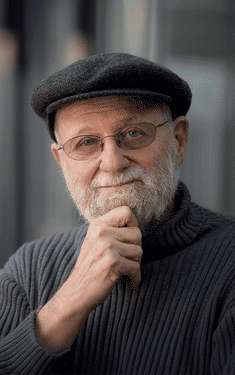
If you look out the window, you’ll realize many things you see are artificial: buildings, cars, parks, electricity posts, water pipes, etc. Most of those things were designed by humans, sometimes in collaboration with AI. Founding father of UX, Don Norman, introduces you to artificiality and how designers shape the world. Watch this video to understand the power and responsibility you hold in your hand when you’re a designer.
The Take Away
Many aspects of our daily existence are artificial, not just the products we use, but how we travel, eat, and how we get electricity. Consider the seasons of the year or the standard hours of the workday. These concepts are human-made, yet they are so deeply ingrained in our daily lives that we may not even recognize their artificial nature.
Logically, anything that's been designed by humans, whether or not we used artificial intelligence to assist us, can be designed better. This is why designers are in a unique position to improve the world through sustainable design, participatory design, humanity-centered design and other methods. The main challenges we face today involve these artificial elements, so if we can redesign them, we can help solve them.
References and Where to Learn More
For more on Don Norman’s take on the state of the world, see his book, Design for a Better World: Meaningful, Sustainable, Humanity Centered.
Learn user experience design and design thinking processes directly from Don Norman, and get his guidance on applying your skills to solve global challenges. Take our Design for the 21st Century with Don Norman course, which explores how designers can address large-scale, complex challenges, and our Design for a Better World course, where he guides you to apply timeless human-centered design skills.
Additional resources from the book “Design for a Better World” are available at the Resources for Design for a Better World website.
To learn more about artificiality, read A Tale of Two Worlds: The Natural World and the Artificial World by J. T. Trevors &; M. H. Saier.
To learn more about ontological design—the mutual impact of design upon the world and that of design upon us—read Understanding Computers and Cognition by Terry Winograd and Fernando Flores.